8 Simple Ways To Turn Your Georgia Garden Into A Pollinator Zone
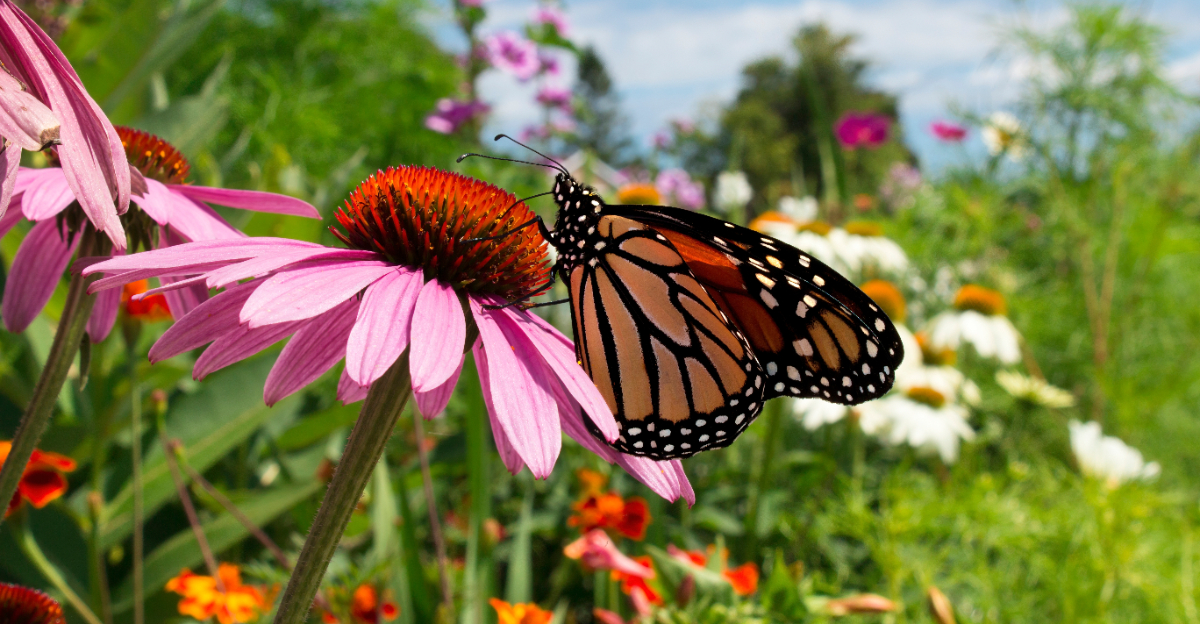
You can stand in your Georgia garden and feel like something is missing, even when everything looks fine. The plants grow, the beds look neat, yet the space feels quiet and empty in a way that’s hard to explain.
That feeling usually has nothing to do with how much you planted. It comes from how the garden supports life beyond the plants themselves.
Small changes in structure, plant choice, and timing can turn a still yard into one that feels active and responsive. Georgia’s climate already supports pollinators, so your garden is closer to that shift than you think.
Creating a pollinator zone isn’t about adding more work. It’s about helping the garden work better for you.
Once the setup feels right, movement returns, visits become regular, and the garden starts to feel alive instead of staged.
1. Start With Flowers That Bloom At Different Times
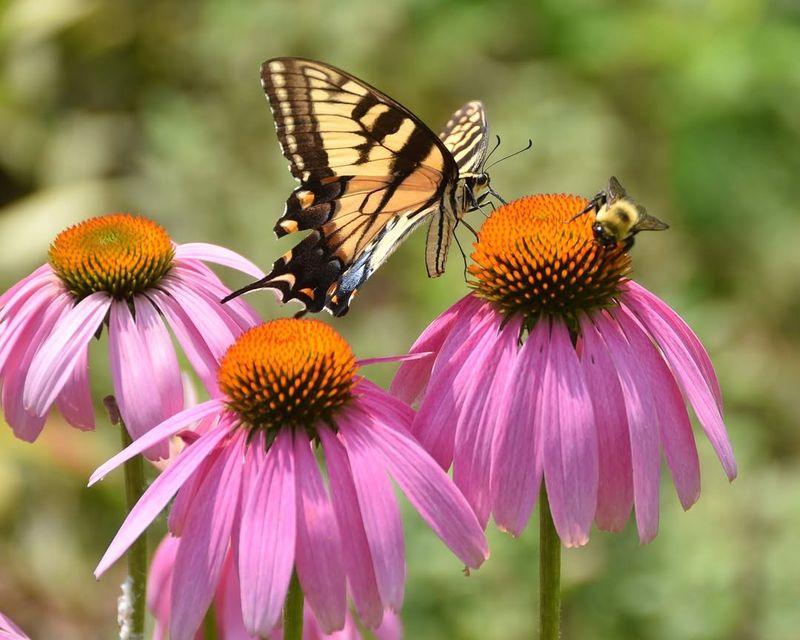
Pollinators need food from early spring through late fall in Georgia. Planting flowers that bloom at different times ensures they always find nectar and pollen when they visit.
Spring bloomers like wild azaleas and Carolina jessamine provide early energy after winter.
Summer brings coneflowers, black-eyed Susans, and bee balm that keep feeding stations full during peak activity. Fall asters and goldenrod offer critical nutrition before cold weather arrives.
Gaps in blooming periods leave pollinators hungry and searching elsewhere for food.
Planning your Georgia garden with overlapping bloom times creates a reliable buffet throughout the growing season. Visit local nurseries and ask which native plants bloom when in your specific area.
Keep notes on what flowers open each month so you can fill any empty periods next year.
Mixing annuals with perennials gives you flexibility while building long-term pollinator support.
Annuals like zinnias and sunflowers bloom heavily and fill summer gaps beautifully. Perennials return each year and establish deep roots that support consistent flowering.
Stagger your plantings by a few weeks to extend individual bloom periods even longer.
This approach turns your garden into a constant resource rather than a temporary stop. Pollinators remember dependable food sources and return season after season.
Your Georgia yard becomes a destination they count on throughout their active months.
2. Choose Native Plants Pollinators Already Recognize
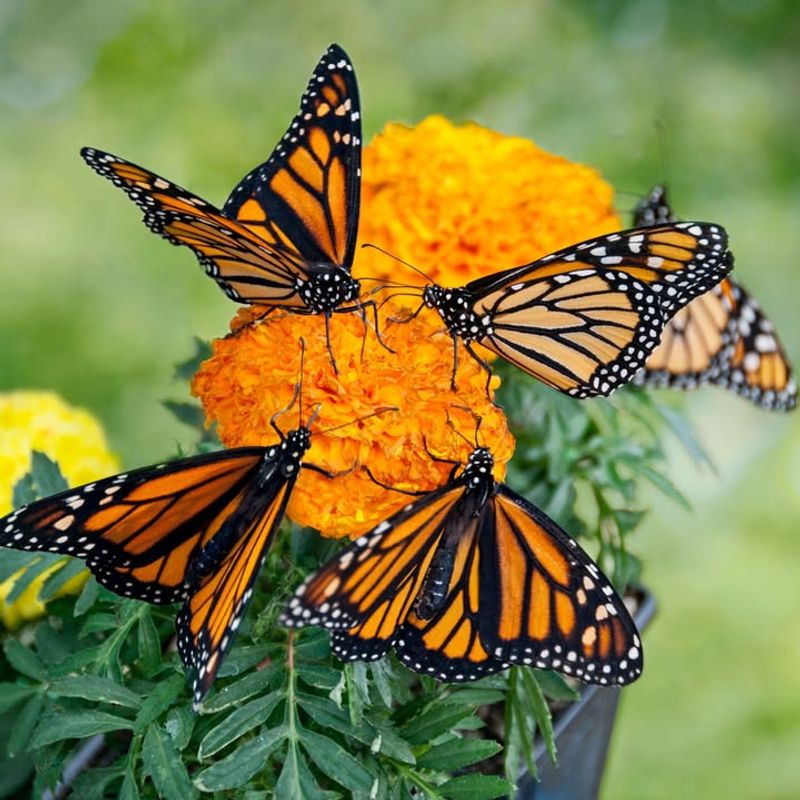
Georgia’s native pollinators evolved alongside native plants over thousands of years. They recognize these plants instantly and know exactly how to access their nectar and pollen.
Native flowers often provide more nutrition than non-native varieties that look pretty but offer little food value.
Plants like purple coneflower, butterfly weed, and mountain mint attract dozens of pollinator species naturally. These Georgia natives also require less water, fertilizer, and maintenance once established in your garden.
Their root systems suit local soil conditions and weather patterns perfectly.
Non-native ornamentals might need constant care while providing minimal benefit to local wildlife. Choosing natives means working smarter instead of harder in your pollinator zone.
Local garden centers increasingly stock native plant sections specifically for this purpose.
Ask staff which species naturally grow in your Georgia county for best results. Native plants also resist local pests better, reducing the need for interventions that harm pollinators.
They bloom at times when Georgia pollinators are most active and hungry.
Flower shapes match the body types and feeding methods of local bees, butterflies, and hummingbirds. This natural fit creates efficient feeding that benefits both plant and pollinator.
Your garden becomes part of the broader Georgia ecosystem rather than an isolated ornamental space.
Native plants help preserve regional biodiversity while beautifying your yard with flowers that truly belong there.
3. Let A Few Herbs Flower Instead Of Cutting Them Back
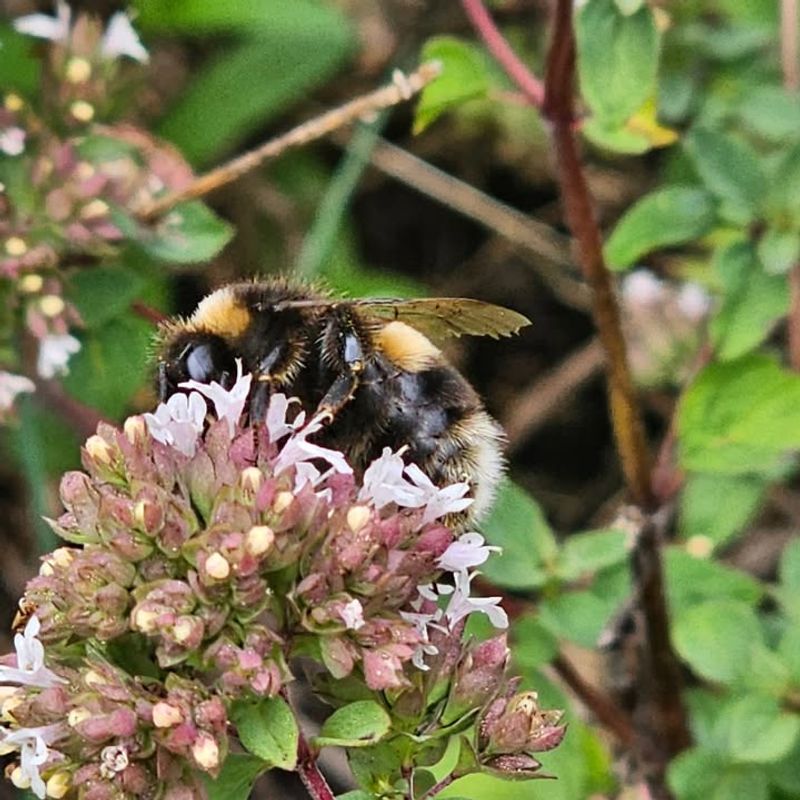
Most gardeners trim herbs constantly to encourage leafy growth for cooking.
Allowing some herbs to flower creates unexpected pollinator magnets right in your Georgia garden. Basil, oregano, thyme, rosemary, and mint produce small flowers that bees absolutely adore.
The blooms might seem insignificant compared to showy perennials, but pollinators don’t care about size. They care about accessible nectar and pollen, which herb flowers provide in abundance.
You can harvest from most of your herb plants while letting one or two go to flower.
This compromise gives you cooking ingredients and pollinator support simultaneously. Herb flowers often bloom for weeks, providing consistent food during Georgia’s hot summer months.
Bees visit herb flowers repeatedly throughout the day, making your garden buzz with activity.
Many herb flowers also attract beneficial insects that control garden pests naturally. Tiny wasps and hoverflies that feed on herb blooms hunt aphids and other problem insects.
Flowering herbs add texture and visual interest to garden beds with their delicate blooms.
Once herbs finish flowering, you can collect seeds for next year’s garden or let them self-sow. Volunteer herb plants often pop up in unexpected places, creating bonus pollinator resources.
This simple practice requires no extra work beyond skipping a few pruning sessions. Your Georgia herb garden transforms into a dual-purpose space that feeds both your family and local pollinators effortlessly.
4. Skip Chemicals That Quietly Push Pollinators Away
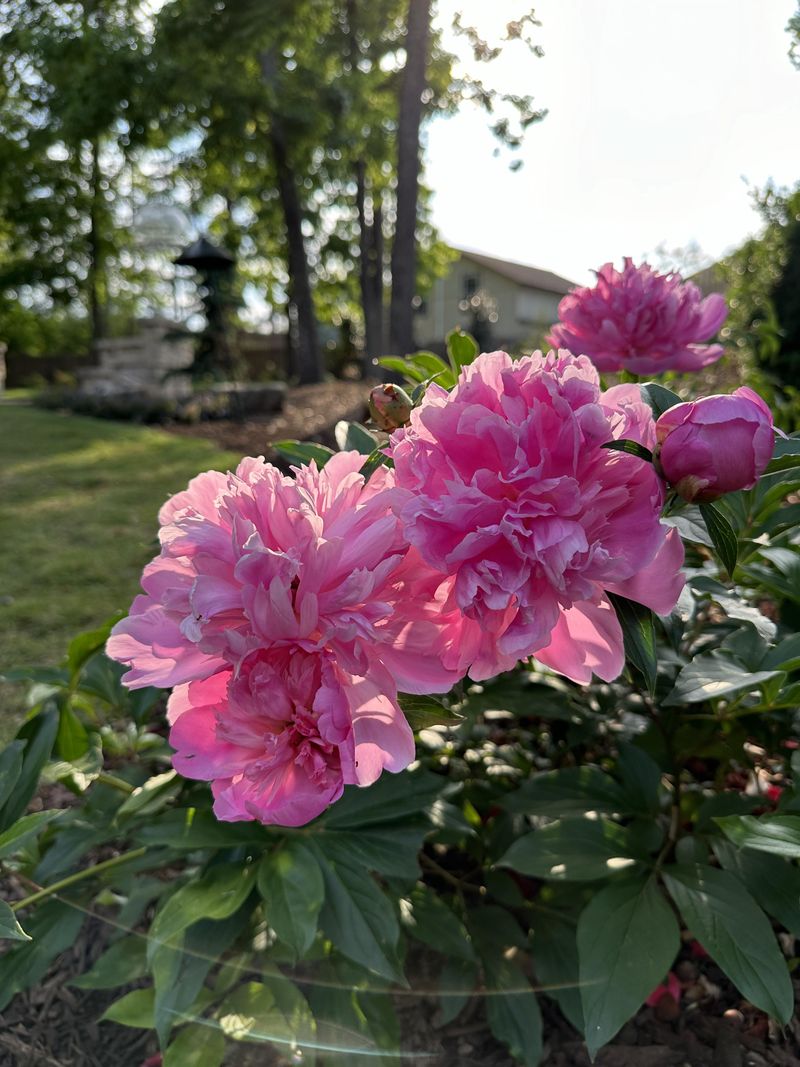
Pesticides, herbicides, and synthetic fertilizers harm pollinators even when labels claim they’re safe.
Many products approved for home use still affect pollinator nervous systems, navigation, and reproduction. Bees exposed to common garden chemicals struggle to find their way back to hives.
Butterflies absorbing residues produce fewer eggs or larvae that don’t develop properly. Your Georgia pollinator zone needs to be a true refuge from these invisible threats.
Switching to organic methods protects visitors while often improving overall garden health. Hand-picking pests, using physical barriers, and encouraging beneficial insects control problems naturally.
Companion planting deters many pests without any sprays or treatments.
Marigolds, nasturtiums, and garlic planted near vegetables confuse and repel common garden insects.
Healthy soil full of organic matter grows stronger plants that resist pests and diseases naturally. Compost, aged manure, and mulch feed soil life that supports plant health from the ground up.
Chemical-free gardens develop balanced ecosystems where predator insects keep pest populations in check. This balance takes a season or two to establish but becomes self-maintaining over time.
Your Georgia garden might look slightly less perfect without chemical intervention, but that’s actually good.
A few nibbled leaves indicate a living, functioning ecosystem rather than a sterile ornamental display.
Pollinators thrive in gardens where nature handles pest control through relationships that developed over millennia.
5. Group The Same Plants Together For Easy Access
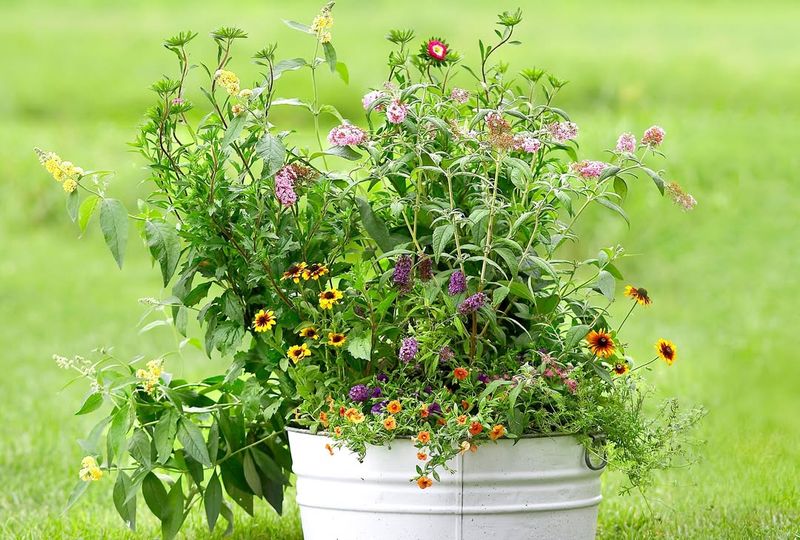
Pollinators work more efficiently when they find multiple flowers of the same type clustered together. Planting in groups of three, five, or more creates visible targets that attract attention from flying insects.
A single flower scattered here and there makes pollinators work harder for less reward. Grouped plantings let them settle in and visit many blooms without constant searching and flying.
This efficiency matters especially for bees, which collect specific pollen types during each foraging trip.
Finding many flowers of one species in your Georgia garden lets them fill their pollen baskets quickly. Butterflies also prefer moving between nearby flowers rather than crossing large open spaces repeatedly.
Clustering creates landing pads where they can rest between feeding sessions.
Design your pollinator zone with drifts of color rather than single specimens dotted throughout beds.
This approach looks more natural and visually appealing while serving practical pollinator needs. Groups of five to seven plants create enough mass to be spotted from a distance.
Pollinators flying overhead notice these concentrations and investigate more readily.
Repeat the same plant groupings in different garden areas to create a connected network of resources. This repetition helps pollinators learn your garden layout and navigate efficiently between feeding stations.
You’ll notice increased activity around grouped plantings compared to scattered individual flowers.
Your Georgia garden becomes a well-organized buffet rather than a scavenger hunt for hungry pollinators.
6. Leave Some Bare Soil For Ground-Nesting Bees
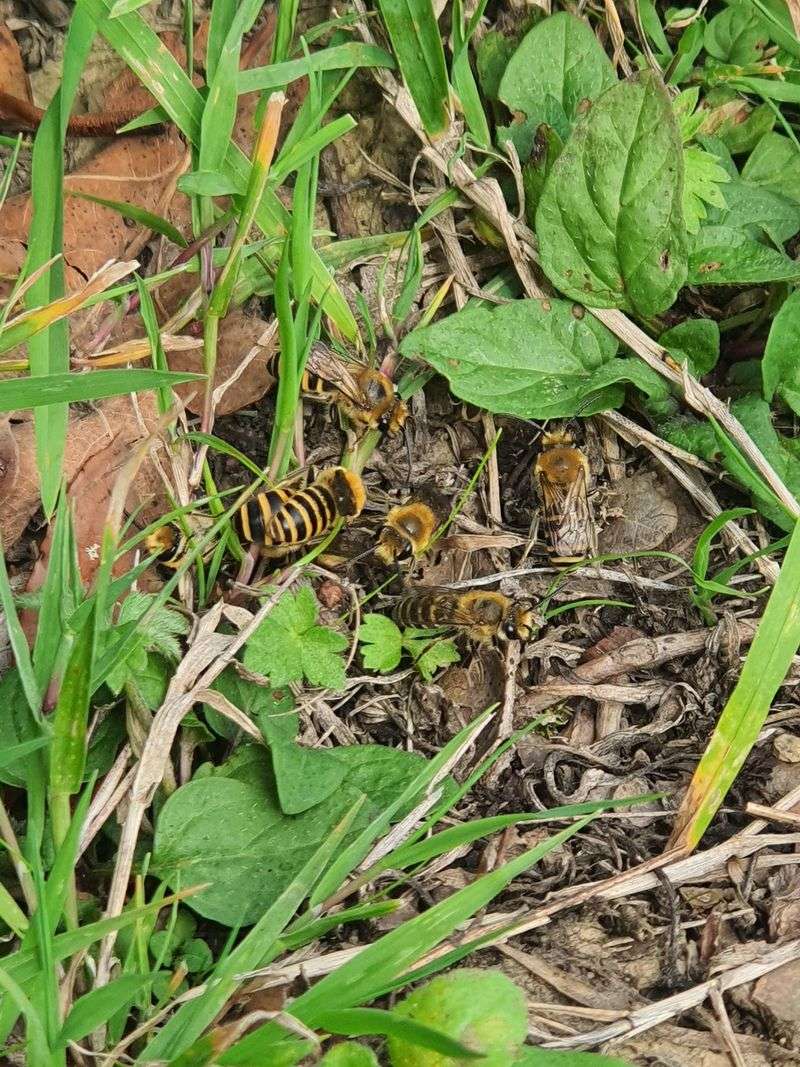
About seventy percent of native bee species nest underground rather than in hives. These ground-nesting bees need access to bare, undisturbed soil to dig their tunnels and raise young.
Georgia gardens covered entirely in mulch, grass, or groundcovers don’t provide this essential nesting habitat. Leaving small patches of bare soil in sunny, well-drained spots creates bee nurseries right in your yard.
These areas don’t need to be large—a few square feet works perfectly for supporting multiple bee families.
Choose spots that won’t be walked on or disturbed during the active season from spring through fall.
Gentle slopes with sandy or loamy soil drain well and attract the most ground-nesting species. You might notice small holes appearing in these areas, each about pencil-width or smaller.
These entrance holes lead to underground chambers where female bees provision eggs with pollen and nectar.
Resist the urge to fill these holes or smooth the soil surface. Ground-nesting bees are solitary and non-aggressive, posing virtually no threat to people or pets.
They focus entirely on collecting pollen and rarely sting unless directly handled.
These native bees often pollinate more effectively than honeybees for many Georgia plants. Providing nesting sites ensures they stick around your garden throughout the growing season.
Mark your bare soil areas with small stones or plant markers so you remember not to disturb them. Your Georgia pollinator zone becomes a complete habitat offering both food and shelter for critical native species.
7. Add A Shallow Water Source Pollinators Can Use Safely
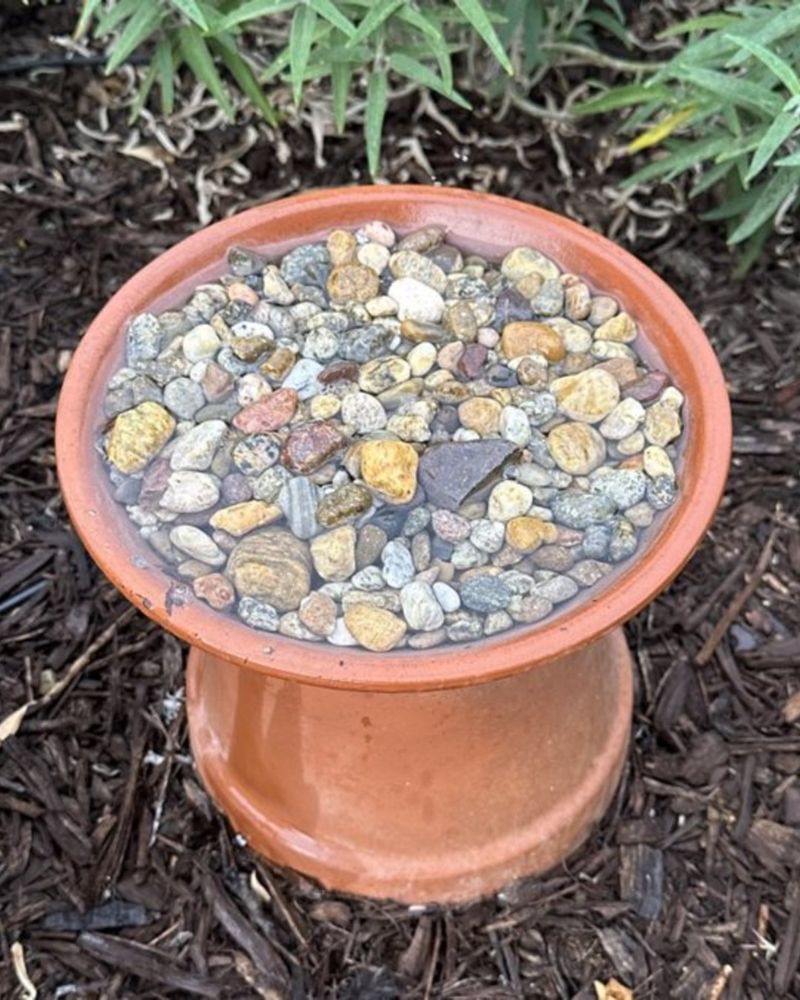
Pollinators need water just like any other creature, but they can easily drown in deep sources. A shallow dish, saucer, or birdbath filled with pebbles or stones creates safe drinking spots.
The stones break the water surface and provide landing platforms where insects can drink without falling in.
Place your water source near flowering plants so pollinators discover it during feeding visits. Georgia’s hot summers make water especially important for keeping pollinators active and healthy.
Bees use water to cool their hives and dilute honey for feeding larvae.
Butterflies sip from shallow puddles to absorb minerals along with moisture. Your water feature serves both purposes when you add a pinch of salt or place it near composting areas.
Change the water every few days to prevent mosquito breeding, especially during Georgia’s humid months.
Adding a small fountain or bubbler keeps water moving and even more attractive to pollinators.
The sound of trickling water draws their attention from greater distances. Position your water source in partial shade to slow evaporation and keep the water cooler.
Multiple small water sources scattered through your garden work better than one large feature.
This distribution means pollinators always find water nearby without traveling far from food sources. Watch your water stations during warm afternoons to see which species visit most often.
You’ll observe bees, butterflies, and other beneficial insects taking regular water breaks throughout the day in your Georgia pollinator zone.
8. Allow Parts Of Your Garden To Look A Little Less Perfect
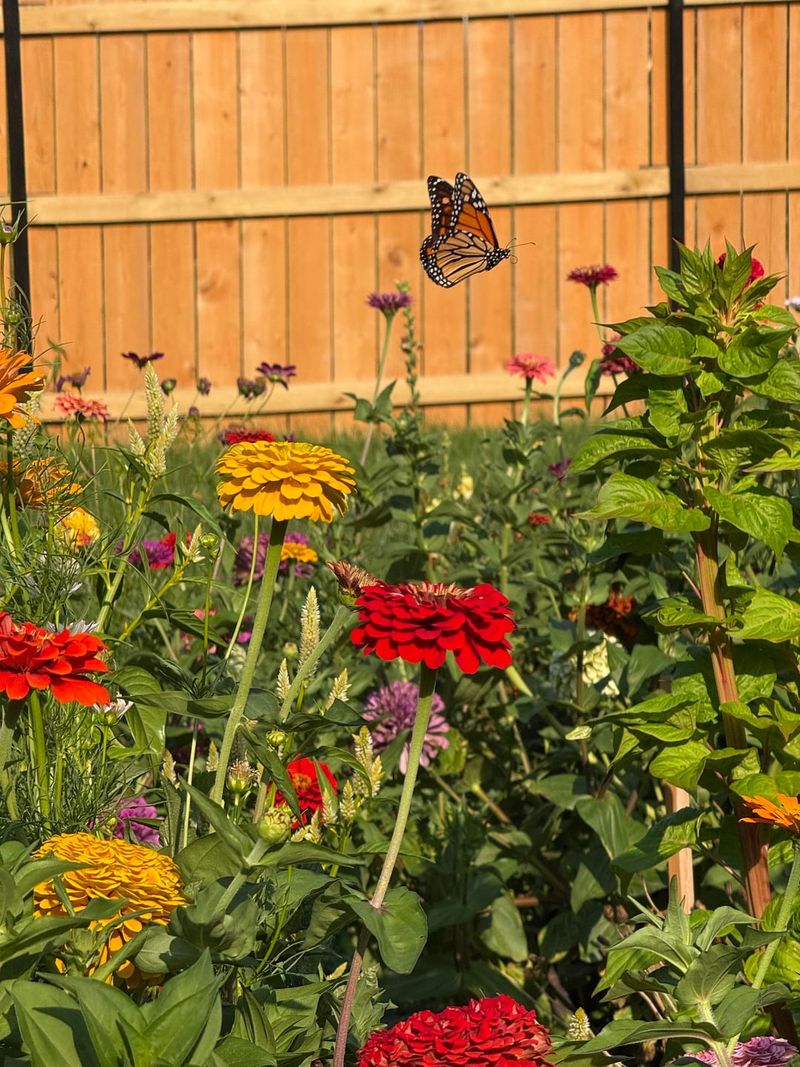
Perfect lawns and spotless gardens actually create pollinator deserts despite their attractive appearance.
Leaving some areas a bit wild provides shelter, nesting materials, and overwintering sites for beneficial insects. Standing plant stems from last year’s growth house native bee larvae through Georgia winters.
Many solitary bees lay eggs inside hollow stems, which need to remain standing until spring emergence.
Leaf litter under shrubs and in garden corners shelters butterfly pupae and beneficial beetle larvae.
These spaces become nurseries for next year’s pollinator generation when left undisturbed.
Fallen logs, brush piles, and unmowed grass patches create habitat diversity that supports various species. Not every pollinator needs the same conditions, so varied spaces accommodate more types.
Your Georgia garden can have tidy areas near the house while allowing wilder zones toward the edges. This compromise satisfies both aesthetic preferences and ecological needs.
Wildflower patches that reseed themselves require no maintenance while providing continuous pollinator food. Let them spread naturally in areas where you don’t need formal landscaping.
Reducing mowing frequency even slightly allows clover, violets, and other lawn flowers to bloom.
These small flowers feed countless small bees and other pollinators that larger gardens might miss. Embracing slight imperfection signals that your garden values life and function over sterile appearance.
Pollinators respond by making your Georgia yard their permanent home rather than just a brief stopping point.