Skip The Mulch, These Virginia Natives Do The Job For Free
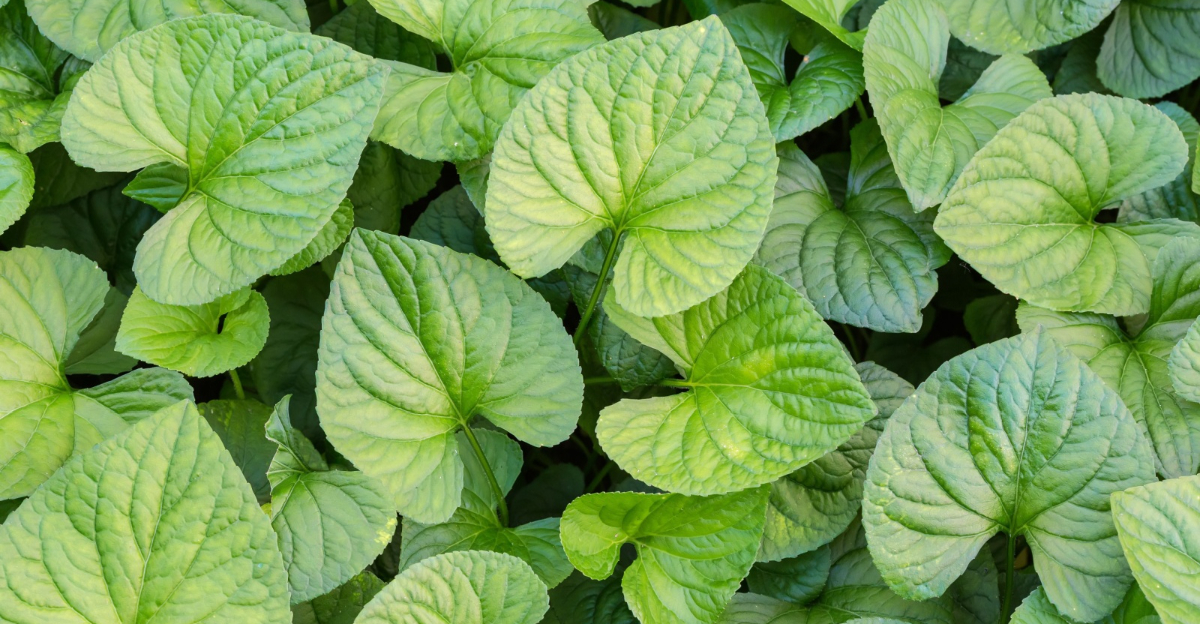
Every spring, you haul bags of mulch across your yard, spread it around, watch it fade by August, and somehow find yourself doing the exact same thing the following year. Nobody told you this would become an annual ritual.
Nobody warned you how heavy those bags get. Here is the thing though, it does not have to be this way.
There is a smarter approach, and it has been growing wild in Virginia for thousands of years. Living ground covers do everything mulch does, suppress weeds, protect roots, and hold moisture.
Except they come back on their own and cost you almost nothing after year one. Honestly, they look far better than shredded bark ever did.
Nine of the best ones are waiting below. Your back will thank you for reading this.
Chrysogonum Virginianum
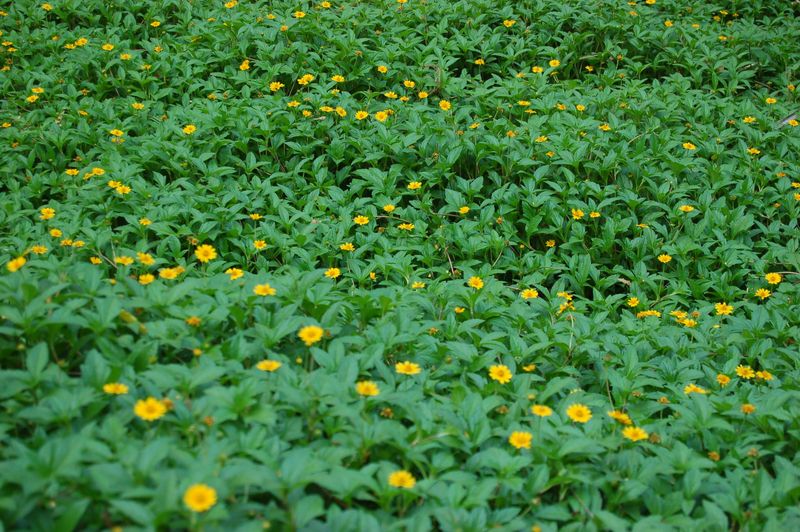
Bright yellow flowers on a plant that practically takes care of itself?
That is exactly what Chrysogonum virginianum delivers. It does so with an enthusiasm that is almost embarrassing for every other plant in your garden.
This low-growing native blooms from early spring all the way into summer. Sometimes it pops back again in fall, as if it forgot it was supposed to rest.
It forms a dense, cheerful mat that smothers weeds before they even get started. That is not by accident, it genuinely grows that way.
Tight, deliberate, and remarkably effective.
Gardeners love it because it tolerates both shade and partial sun without complaint. That means it works in the tricky spots where most ground covers throw in the towel.
The leaves stay green through mild Virginia winters, giving your garden something to look at when everything else has gone quiet and brown.
It is one of those rare plants that looks intentional in every season, tidy enough for a formal border, relaxed enough for a wild corner under the trees.
Spread it along pathways, beneath shrubs, or at the front of a bed where bare soil has a habit of collecting weeds the moment you turn your back.
It works just as well in a small urban garden as it does across a sprawling suburban yard.
Pollinators flock to those small golden blooms, so you are feeding bees while skipping the mulch bag entirely.
Plants spread slowly by runners, filling gaps in a natural, unhurried way that never looks forced or overdone.
Once established, it needs almost no watering, no fertilizer, and zero fuss.
Few plants work this hard for this little. For a Virginia native, that is saying something.
Carex Pensylvanica
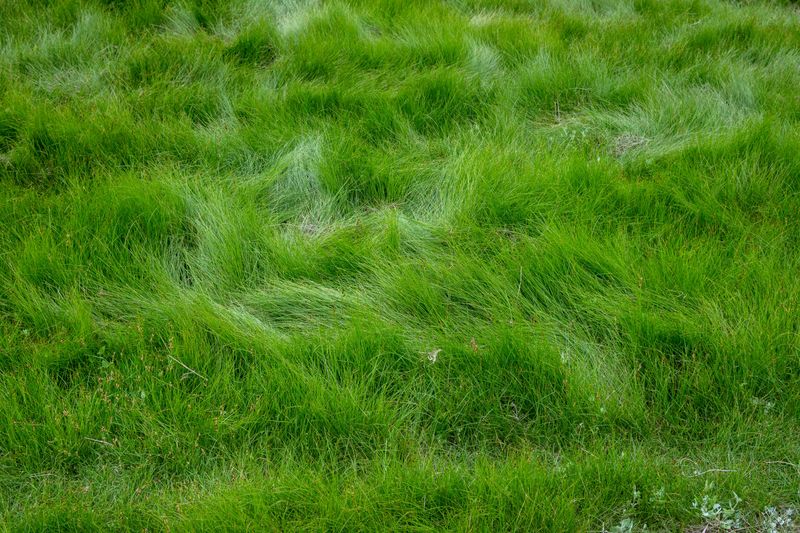
If you have ever stared at a shady patch of yard and wondered what on earth to do with it, this is your answer.
Carex pensylvanica looks like a fine, wispy grass but grows in dry shade where most turf grasses simply give up.
It forms a soft, flowing carpet that feels almost like a natural woodland floor.
Under oak trees is where this sedge truly shines, thriving in the dry, root-filled soil that other plants avoid.
Your Virginia Garden Changes Every Week. Your Plan Should Too.
Gardening in Virginia changes quickly throughout the season. Every Friday you’ll receive a simple weekly plan showing exactly what to plant, prune, fertilize, harvest, and protect so you never miss the right timing.
It spreads slowly by underground rhizomes, gradually knitting together to block weeds without any help from you.
The texture is delicate but the plant itself is surprisingly tough, handling drought, deer pressure, and foot traffic better than expected.
Mow it once in late winter to keep it tidy, or skip the mowing entirely for a wilder look.
No irrigation, no fertilizer, and no mulch needed once it fills in.
For shaded spots where grass refuses to grow, Pennsylvania sedge steps in as a quiet, dependable solution.
It may not dazzle with flowers. What it does instead is cover ground beautifully, reliably, and without ever asking for anything in return.
Some problems just need the right plant, and this is it.
Asarum Canadense
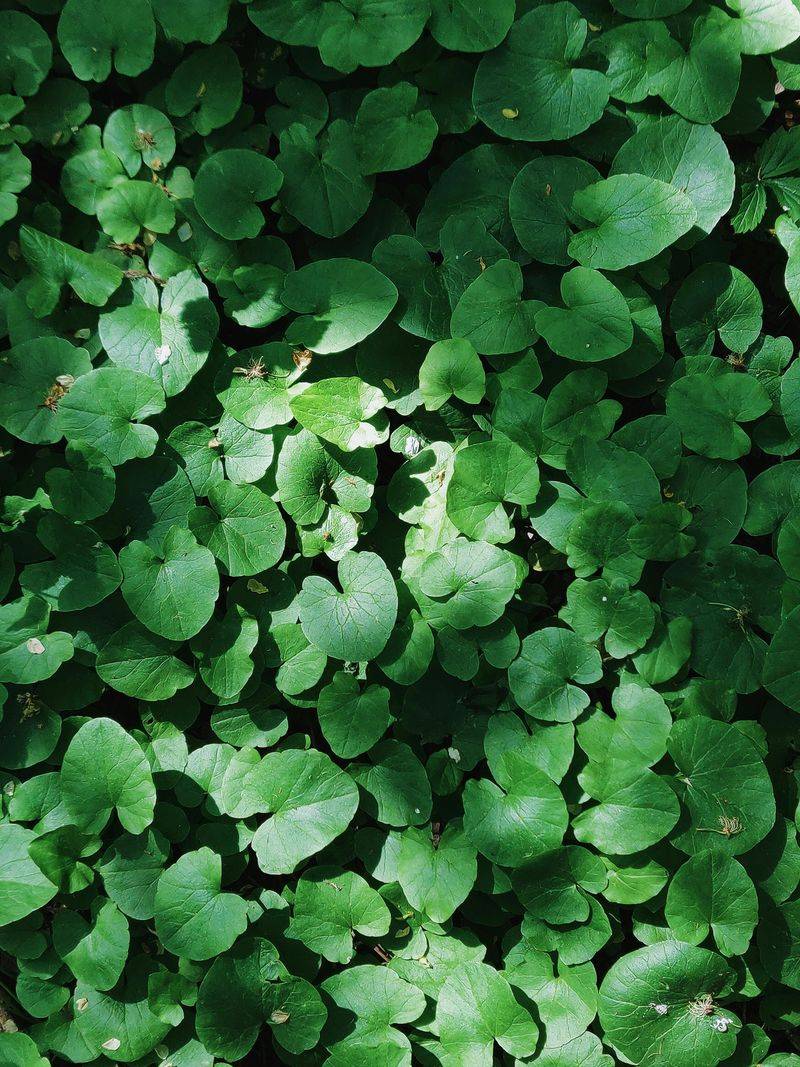
Hidden beneath those broad, heart-shaped leaves is one of the best-kept secrets in native gardening.
Asarum canadense, known as wild ginger, produces tiny reddish-brown flowers so close to the ground that most people never notice them.
What everyone does notice is the thick, lush carpet of foliage that shuts out weeds with impressive efficiency.
Wild ginger loves deep shade and moist soil, making it perfect for the spots in your yard that feel impossible to plant.
The leaves are large enough to overlap, creating a solid canopy that blocks sunlight from reaching weed seeds below.
Spread it along the north side of a house, beneath dense shrubs, or in low-lying areas where moisture tends to collect.
Deer tend to leave it alone, which is a genuine bonus in wooded neighborhoods.
The plant spreads steadily each year, slowly expanding its colony without becoming invasive or aggressive.
A ginger-like scent rises from the crushed leaves, a small sensory reward for anyone who brushes past.
For dark, challenging corners where nothing else seems willing to grow, wild ginger does not just survive, it thrives.
Go ahead and give it your worst spot. It can handle it.
Phlox Stolonifera
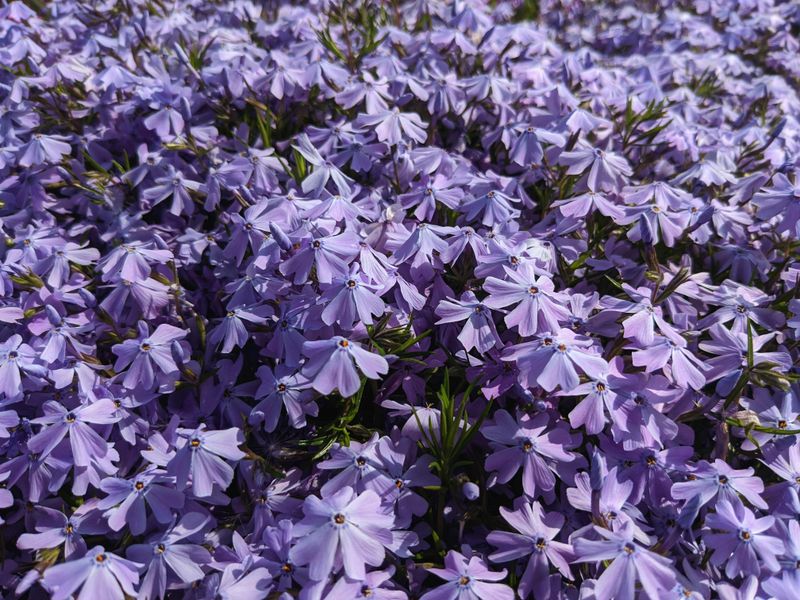
Once a year, creeping phlox puts on a flower show so bold it stops people in their tracks.
Phlox stolonifera blankets itself in pink, lavender, or white blooms every spring. The result looks less like a ground cover and more like something a professional designer charged a lot of money for.
Then the flowers fade and the foliage takes over, forming a dense, weed-suppressing mat that lasts all season.
Unlike its sun-loving cousin moss phlox, this species genuinely prefers shade, making it a rare and valuable find.
It spreads by stolons, which are above-ground runners that root wherever they touch soil, filling gaps quickly and naturally.
Slopes, shaded borders, and areas beneath deciduous trees are ideal spots where this plant performs at its absolute best.
Butterflies and early spring bees cannot resist those blooms, so planting it supports local pollinators right when they need food most.
The foliage stays semi-evergreen in mild winters, keeping the ground covered even during the coldest months.
Watering needs drop dramatically once the plant establishes, usually within a single growing season.
For a Virginia native that delivers both beauty and function without asking much in return, creeping phlox does not just earn a spot in your shade garden.
It earns the best spot.
Packera Aurea
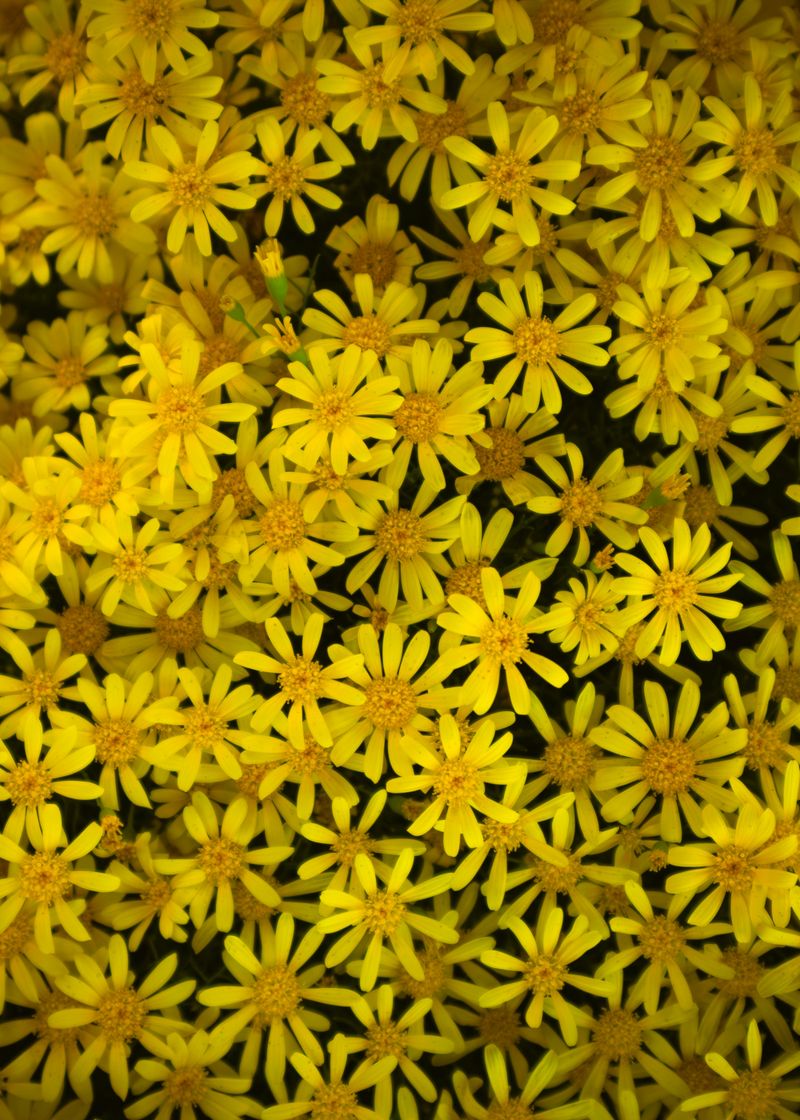
You will be halfway through your morning coffee, glance out the window, and suddenly wonder when your garden started looking that good.
That is golden groundsel doing its thing.
Packera aurea erupts into clusters of yellow, daisy-like flowers in April and May, lighting up shaded areas like little bursts of sunshine.
Below those blooms, a rosette of dark, glossy leaves holds the ground firmly all year long.
Moist, shaded spots along streams, rain gardens, and low areas are where golden groundsel truly thrives.
The basal foliage stays evergreen through most winters, which means the soil never goes bare and weeds never get an easy opening.
Spread it in large drifts for maximum visual impact and maximum weed suppression at the same time.
Native bees and small butterflies visit the flowers regularly, adding life and movement to corners of the yard that often feel forgotten.
The plant self-seeds gently, filling in gaps over time without becoming a problem.
It handles wet feet far better than most groundcovers, making it a go-to choice for drainage areas that stay soggy after rain.
Golden groundsel handles tough conditions, looks genuinely beautiful doing it, and somehow still flies under the radar in most home gardens.
That is a mistake worth correcting.
Tiarella Cordifolia
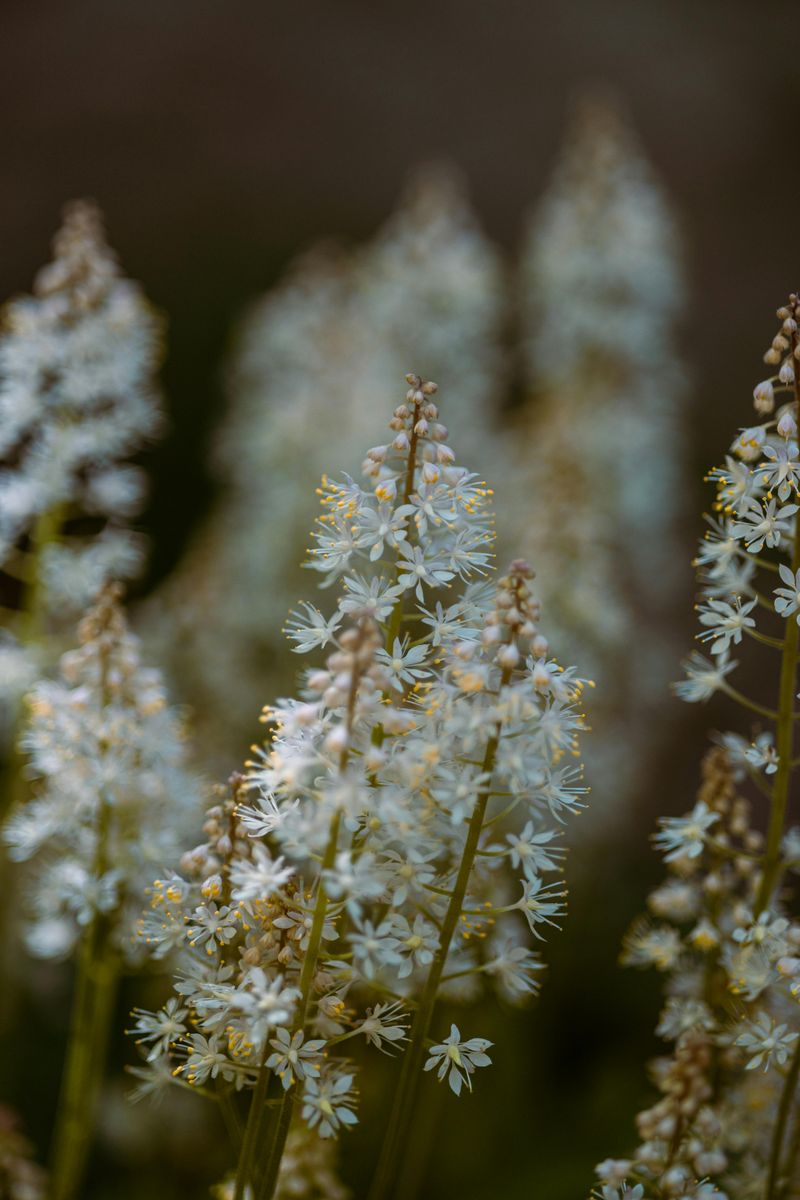
You would not expect a plant called foamflower to be this elegant. You would be wrong.
Foamflower sends up airy white or pale pink flower spikes in spring that float above the foliage like something out of a fairy tale.
The show lasts for weeks, and once it ends, the leaves take center stage with their beautiful, often marbled patterns.
Shade and moisture are what this plant craves, and it pays back that simple request with extraordinary groundcover performance.
Leaves spread outward in a low, overlapping rosette that blocks light from reaching the soil beneath, starving weeds of the energy they need to sprout.
Plant it beneath rhododendrons, along shaded walkways, or anywhere the ground tends to stay cool and a little damp.
Deer generally pass it by, which makes it especially useful in suburban yards bordered by woods.
The foliage often takes on reddish or bronze tones in fall, adding unexpected seasonal color to shaded beds.
Foamflower spreads by stolons, slowly colonizing bare patches without ever becoming pushy or aggressive.
Foamflower is elegant enough to impress and tough enough to last. Give it a proper home and it will quietly become the best decision your shade garden ever made.
Sedum Ternatum
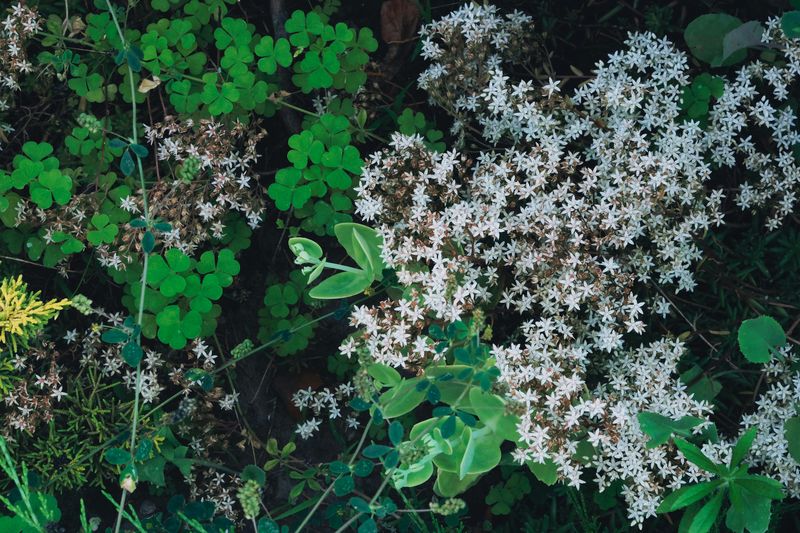
Most succulents demand full sun and bone-dry soil, but wild stonecrop breaks that rule completely.
Sedum ternatum is the only sedum native to eastern North America. It thrives in shaded, rocky spots where other groundcovers struggle to survive.
Small white star-shaped flowers appear in spring, covering the plant in a delicate, eye-catching display that lasts several weeks.
The thick, rounded leaves store water efficiently, helping the plant handle dry spells without any irrigation from you.
It hugs the ground closely, spreading over rocks, roots, and uneven terrain with ease, filling spaces that are almost impossible to mulch properly.
Rock gardens, steep slopes, and the base of stone walls are perfect environments where this native truly excels.
Skipping the mulch in rocky areas is almost always a losing battle, and wild stonecrop solves that problem permanently.
The foliage stays attractive all season and holds up well through winter, keeping bare soil covered even during cold months.
Pollinators visit the spring flowers reliably, adding ecological value to spots that might otherwise feel barren.
Wild stonecrop thrives in the spots that would defeat almost anything else.
Once you find it, the only question you will ask is why it took you this long.
Antennaria Plantaginifolia
Other ground covers want decent soil, a little moisture, and a fair chance.
This one wants none of that.
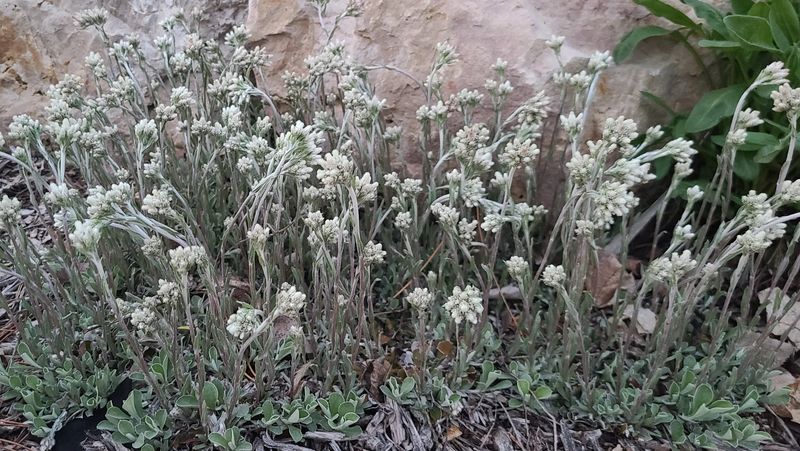
This low-growing native thrives in dry, rocky, and sandy spots where other plants quietly give up. That makes it incredibly useful in the parts of your yard that mulch never seems to fix anyway.
You know that patch near the driveway where nothing ever seems to take hold?
This is the plant for it.
The leaves are soft and silvery-green, forming a dense mat close to the ground that suppresses weeds without any help from you.
In spring, small white flower clusters emerge that look charmingly like a cat’s paw, subtle, but genuinely pretty up close.
Pollinators appreciate it far more than they ever appreciated a bag of bark mulch. Deer largely ignore it, which in Virginia is basically a glowing endorsement.
Once established, it spreads slowly and steadily through runners, filling in gaps at its own unhurried pace.
It asks for almost nothing in return, no fertilizer, no extra watering, no annual replacement.
For difficult, dry corners that have defeated every other solution, this quiet little native is not just the right answer.
It was always the right answer, you just had not met it yet.
Waldsteinia Fragarioides
Some ground covers clock out for winter. Waldsteinia fragarioides never got that memo.
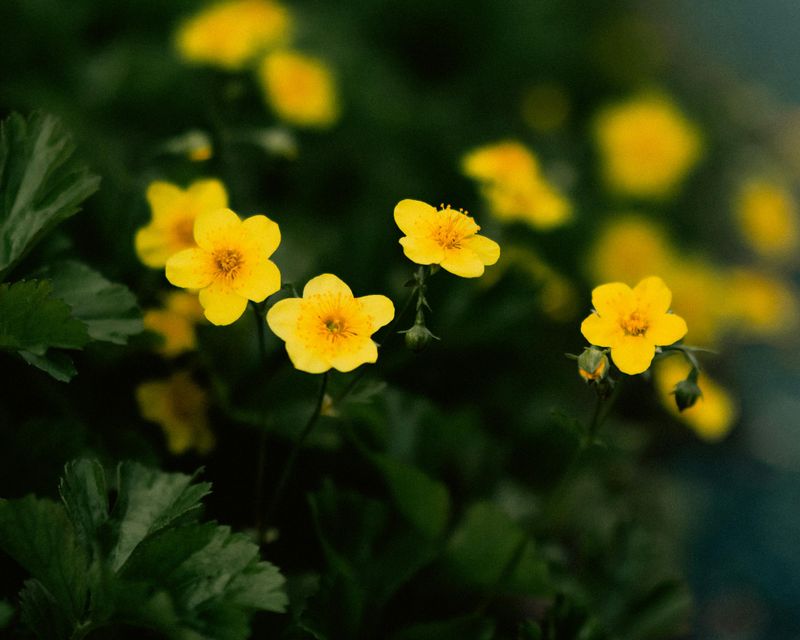
This low-growing native spreads quickly and eagerly, forming a dense, weed-smothering carpet of glossy, deep green leaves that stays attractive from early spring straight through winter.
It looks remarkably like a wild strawberry, which tends to surprise people the first time they see it up close.
In spring, small bright yellow flowers appear across the entire mat, cheerful and unpretentious.
Then the foliage takes back over and holds the ground beautifully for the rest of the season.
Pollinators visit regularly, adding life to spots that might otherwise feel static and forgotten.
Partial shade to full shade suits it best, though it handles more sun than most ground covers on this list. Plant it under trees, along shaded borders, or anywhere bare soil keeps winning the battle against everything else you have tried.
It spreads by stolons, gradually filling gaps without becoming aggressive or difficult to manage.
Once it knits together, weeds simply cannot compete with that dense, low canopy of leaves.
No fertilizer, no mulch, and very little water once established.
Barren strawberry is one of those plants that quietly handles everything while you focus on the rest of your garden.
Put it in the ground once and it will take care of the rest.