8 Plants That Thrive With Coffee Grounds In Virginia Gardens
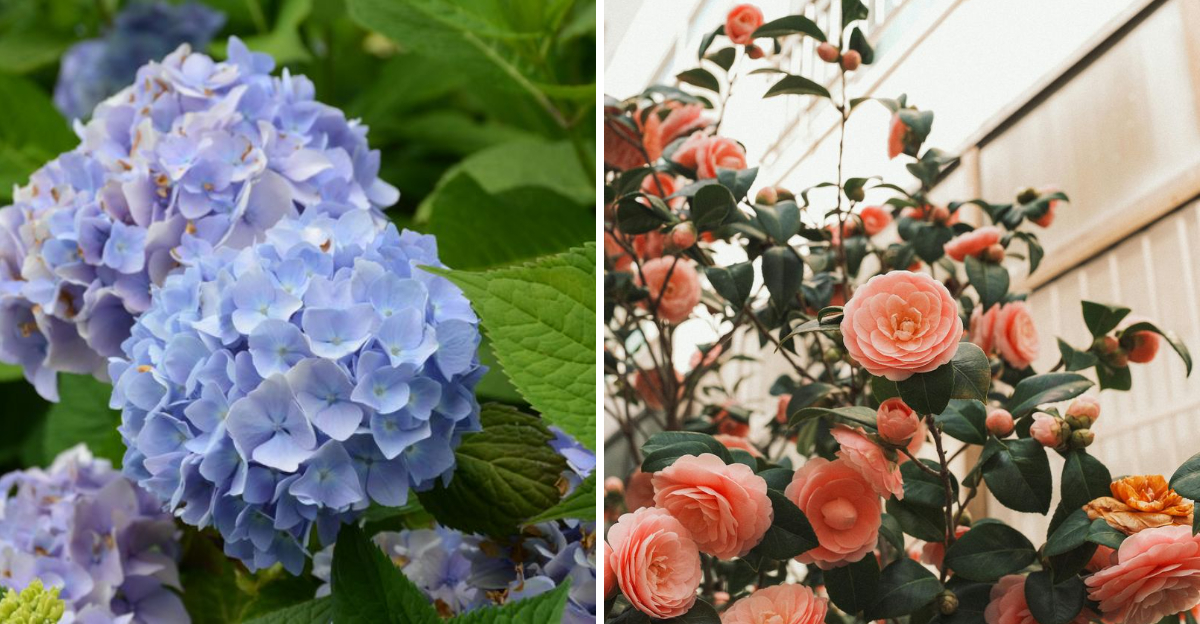
Your morning coffee is already doing a lot for you, but your garden? It’s been getting nothing.
That could change today.
Coffee grounds are one of those quiet garden secrets that experienced growers have been hoarding for years. Virginia gardeners, it turns out, are sitting on a particular goldmine.
Much of Virginia’s climate suits acid-loving plants particularly well, thanks to naturally acidic soils and humid summers. And coffee grounds?
They’re a free, nitrogen-rich soil amendment just waiting to happen.
You don’t need a green thumb or a fancy setup. You need a compost bin, a coffee habit, and maybe a friendly relationship with your local café, most of them will happily hand over bags of used grounds for free.
The plants on this list don’t just tolerate coffee grounds. Most of them respond noticeably well when grounds are applied consistently.
So let’s get into it.
1. Blueberries
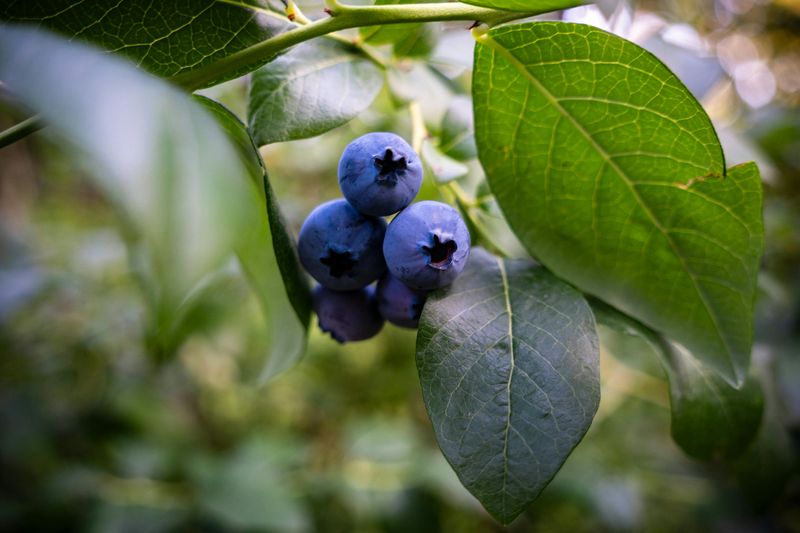
Blueberries are one of the hungriest acid-lovers in any Virginia garden, and coffee grounds might just be their favorite treat.
These small but mighty shrubs need soil with a pH between 4.5 and 5.5. That’s the sweet spot for producing those plump, juicy berries you look forward to every summer.
Most Virginia soils already lean slightly acidic. Coffee grounds push things even further, right into blueberry paradise.
Sprinkle used grounds around the base of each blueberry bush in a thin layer, roughly half an inch deep. Avoid piling them on thick because a dense mat of grounds can block water from reaching the roots.
Mix the grounds lightly into the top layer of soil or mulch to keep things airy and well-draining. Beyond adjusting pH, coffee grounds bring nitrogen to the table, which blueberries need for strong leafy growth in spring.
Nitrogen fuels the green, vigorous shoots that eventually become next year’s berry-producing branches. Think of each scoop of grounds as a slow-release meal your plants can nibble on for weeks.
Blueberries planted in raised beds respond especially well to this treatment because you control the soil mix from the start. Add grounds to your compost pile first if you want a gentler, more balanced boost that won’t accidentally over-acidify the bed.
With consistent use through the growing season, you may notice bushier growth and a noticeably heavier berry crop come harvest time.
2. Azaleas
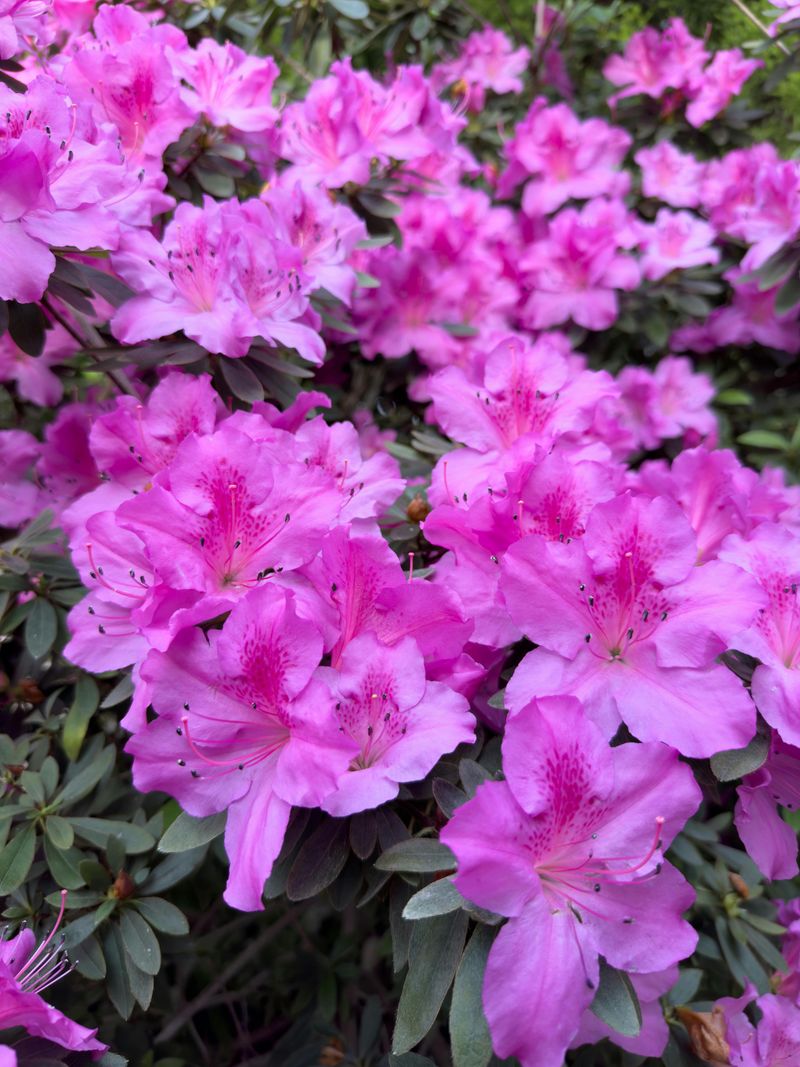
Walk through any Virginia neighborhood in April and you will spot azaleas putting on a show that stops traffic.
Azaleas thrive in soil with a pH between 4.5 and 6.0, and Virginia’s naturally acidic soils are already a step in the right direction. Coffee grounds are an easy, low-effort way to help maintain that range over time.
Worked into the soil around azalea roots, used grounds slowly break down and release nutrients over time. This gradual feeding process suits azaleas perfectly because they prefer a steady, gentle supply of nutrients rather than a sudden flood.
Overfertilizing azaleas with synthetic products can actually burn their shallow roots, so the slow-release nature of coffee grounds is a real advantage. Azaleas planted along the shaded north side of a house often struggle with compacted, nutrient-poor soil.
Your Virginia Garden Changes Every Week. Your Plan Should Too.
Gardening in Virginia changes quickly throughout the season. Every Friday you’ll receive a simple weekly plan showing exactly what to plant, prune, fertilize, harvest, and protect so you never miss the right timing.
Coffee grounds improve soil structure and feed the microbes that help roots absorb minerals. Healthier roots mean more vibrant blooms, and a shrub that bounces back after a tough Virginia winter.
For best results, apply a fresh layer of grounds each spring just as new growth begins to emerge. Pair the grounds with an inch of organic mulch to hold moisture and keep weeds from competing with your azaleas.
Gardeners who start this routine often find their azaleas develop a richer flower color and a fuller, more rounded shape season after season.
3. Rhododendrons
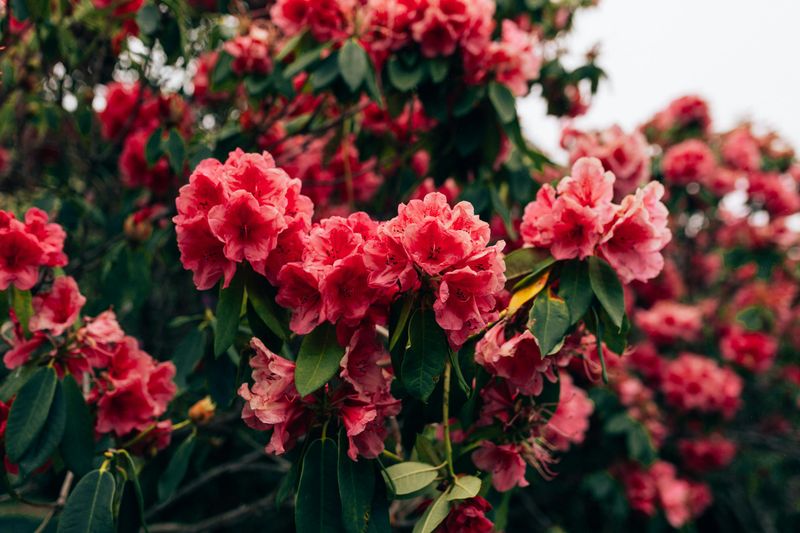
Rhododendrons are the dramatic showstoppers of the shade garden, producing enormous clusters of flowers that can range from pure white to deep magenta.
They share a close botanical relationship with azaleas, which means they also share a love of acidic, well-draining soil.
In Virginia’s Piedmont and mountain regions, rhododendrons can grow into massive, long-lived shrubs that reward patient gardeners for decades. Coffee grounds are a practical choice here because rhododendrons are sensitive to high soil pH.
When the pH creeps above 6.0, these plants start showing yellowing leaves. That condition is called chlorosis, where iron becomes unavailable to the roots, even if it’s already present in the soil.
A regular top-dressing of used grounds helps keep the pH in check, which in turn supports healthier, greener leaves. Apply grounds in a ring around each shrub, starting a few inches away from the main stem and spreading outward to the drip line.
Apply grounds over the feeder root zone, keeping the layer thin, about a quarter to half an inch. Refresh every four to six weeks during the growing season.
Rhododendrons also benefit from the improved water retention grounds bring to sandy soils. The organic matter binds soil particles together, creating a spongy texture that holds moisture between rain events.
Start this practice the first spring after planting and watch your rhododendron reward you with a flower display that’s hard to beat.
4. Camellias
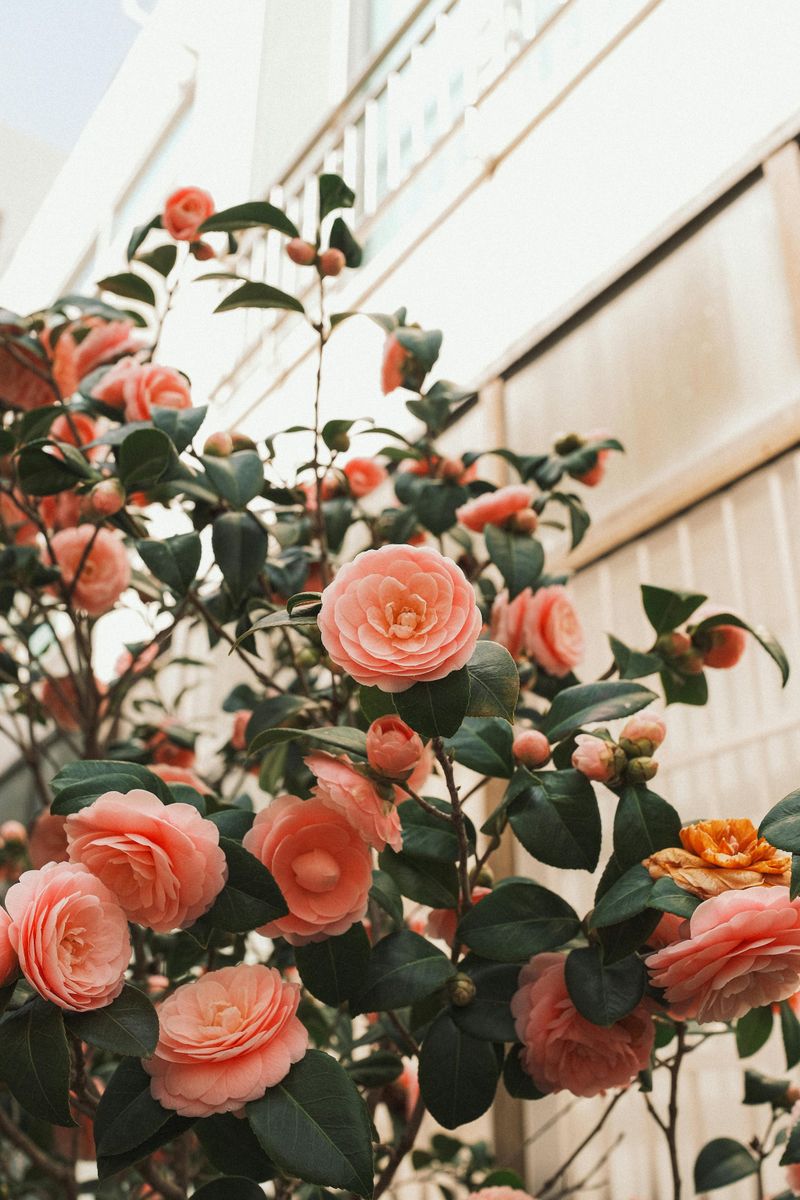
Image Credit: © 세훈 예 / Pexels
Most gardeners associate big, gorgeous blooms with spring. Camellias didn’t get that memo.
These elegant shrubs bloom in late fall and winter, offering color when the rest of the garden has gone quiet and gray. In Virginia’s milder eastern and central regions, they’re a surprisingly reliable choice for year-round interest.
Few shrubs earn their place in the garden quite as quietly, or as confidently.
Camellias prefer soil pH between 5.5 and 6.5. Coffee grounds are a low-effort way to nudge the soil toward that range, and usually cheaper than reaching for commercial acidifiers.
A light scattering around the root zone every few weeks is all it takes.
One thing many gardeners overlook: camellias planted near concrete foundations often struggle with elevated pH from leaching lime. Regular coffee grounds can counteract that alkalinity creep before it sends your camellia into a slow, mysterious decline.
Pale, lackluster leaves near a foundation? Reach for the grounds first.
Beyond pH, the nitrogen in grounds supports the leafy spring and summer growth that sets the stage for winter blooms. Strong growth in warm months translates directly to a more generous flower display when temperatures drop.
That connection between summer feeding and winter flowering is easy to miss, but hard to overstate.
Treat your camellia to a consistent coffee routine and you might just feel like you’re growing an entirely different plant.
5. Hydrangeas
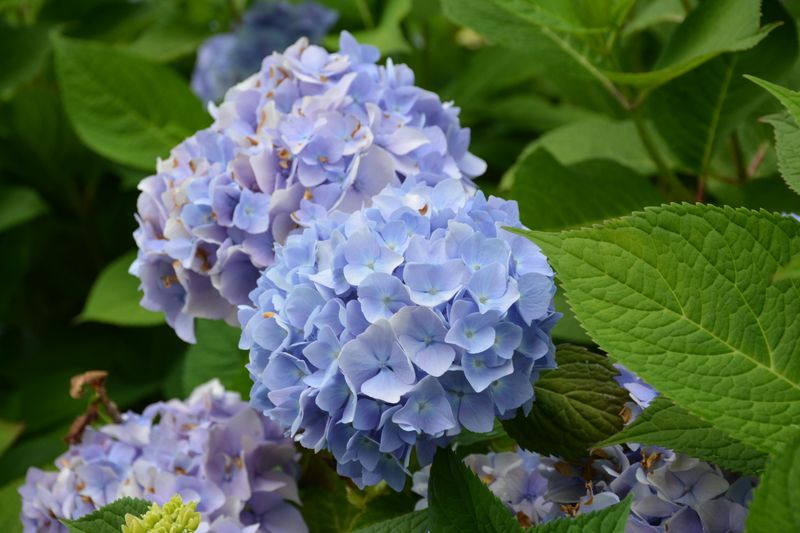
Image Credit: © Fisher Man / Pexels
Here’s a gardening trick that feels almost like magic: the color of your hydrangea blooms can change based on soil acidity.
In more acidic conditions, bigleaf hydrangeas tend to produce blue or purple flowers instead of pink ones. Coffee grounds are one of the most natural ways to shift that pH and nudge your blooms toward cooler, more dramatic tones.
Hydrangeas are already popular across Virginia for their massive flower clusters that look stunning from midsummer through early fall. The macrophylla varieties are the most responsive to soil pH changes and the most rewarding to experiment with.
If you’ve always wanted bluer blooms, start working grounds into the soil in early spring before flower buds form.
Keep in mind that results depend on your starting soil pH. If your soil is already neutral or alkaline, grounds alone may not shift it enough to make a visible difference.
Beyond the color trick, hydrangeas benefit from the organic matter and nitrogen grounds contribute to the root zone.
These are thirsty, fast-growing shrubs that appreciate rich, moisture-retaining soil, and grounds help on both fronts. Mix them into your mulch layer or blend them into the top few inches of soil for best absorption.
One common mistake is applying too many grounds at once. They can compact and form a crust that actually repels water.
Thin, consistent applications every few weeks work far better than one large seasonal dose.
With a little patience and a steady coffee habit, your hydrangeas might just become the most talked-about plants on the block.
6. Roses
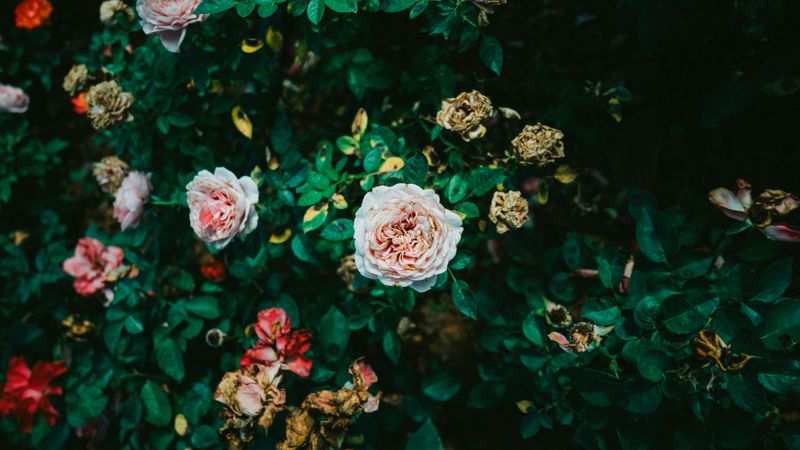
Roses have a reputation for being high-maintenance. Give them the right soil conditions, though, and they will reward you generously.
Coffee grounds are a secret weapon many experienced rose gardeners swear by. The reasons go beyond soil acidity.
They introduce beneficial microorganisms into the root zone that help break down organic matter and make nutrients more accessible to hungry rose roots.
Most roses prefer a soil pH between 6.0 and 6.5. Used coffee grounds typically fall in that same range after brewing.
That makes them a surprisingly neutral amendment rather than an extreme acidifier.
You can use them freely without worrying about pushing your soil into problematic territory.
Nitrogen is where grounds really shine. Strong nitrogen availability fuels the stem and leaf growth that precedes each flush of blooms.
This is especially important for repeat-blooming varieties like hybrid teas and floribundas. Spread a thin layer around each rose bush after the first spring pruning, then again after each major bloom cycle.
Some Virginia gardeners report that coffee grounds help deter slugs and soft-bodied pests. The science is still debated, but the anecdotal evidence is hard to ignore.
Either way, healthier soil means stronger plants.
And stronger plants handle whatever the Virginia summer throws at them.
7. Ferns
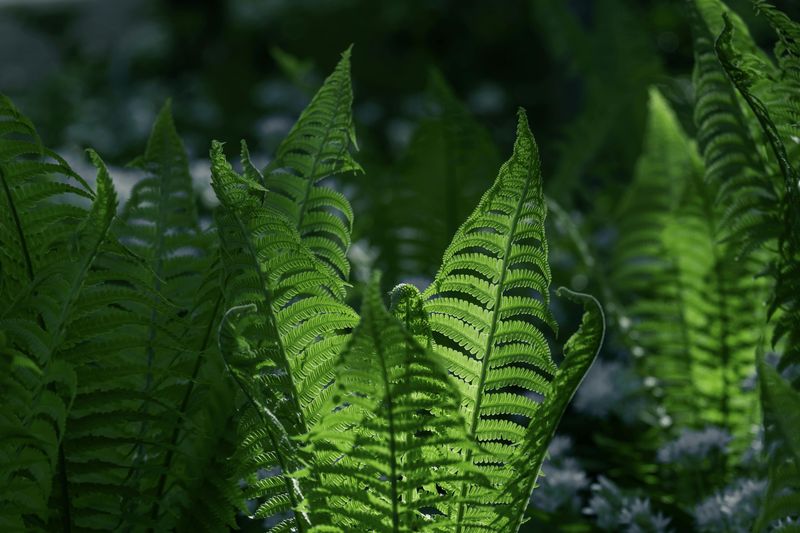
Ferns are the quiet, ancient survivors of the plant world. They thrived on Earth for over 360 million years before flowering plants even existed.
In Virginia gardens, native ferns like cinnamon fern and Christmas fern are naturally at home in shaded, moist spots where other plants struggle.
Coffee grounds give these woodland beauties an extra edge. They enrich the soil with organic matter and gently lower pH to match forest floor conditions.
The forest floor where ferns naturally grow is carpeted with decomposing leaves, bark, and organic debris. This creates a rich, slightly acidic environment.
Used coffee grounds mimic that kind of organic input beautifully when worked into garden beds or added to compost.
The result is a softer, spongier soil texture that holds moisture between waterings. Ferns absolutely need that to stay lush and full.
One practical tip for shaded beds: mix grounds with shredded leaves before applying them around your ferns. Leaves alone can mat down and suffocate shallow roots.
Blending them with grounds creates a loose, breathable layer that lets air and water move freely. This combination feeds the soil slowly while keeping the root zone at a consistently comfortable temperature.
Ferns grown in containers also respond well to a small amount of grounds mixed into their potting medium each spring. The nitrogen boost encourages the unfurling of fresh fronds, which is one of the most satisfying sights in any shaded patio garden.
Feed your ferns this way and they will fill their space with that lush, layered texture that makes a shady corner feel like a secret woodland retreat.
8. Holly
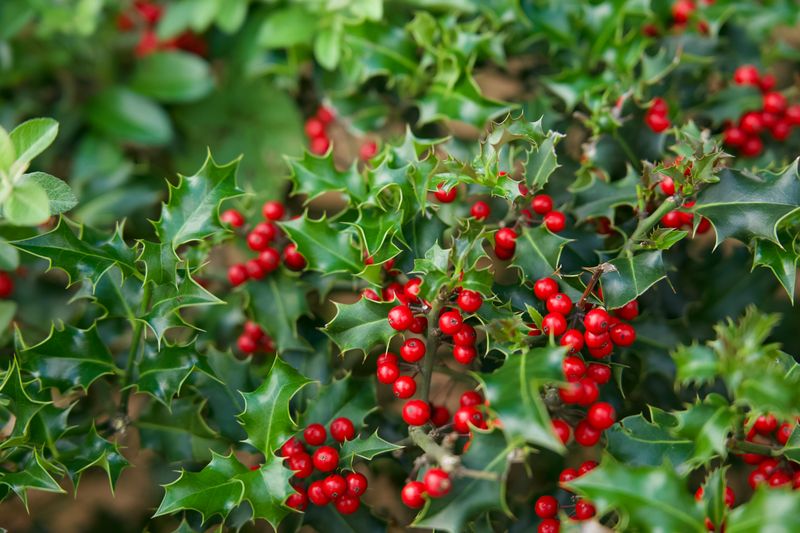
Few plants are as deeply tied to Virginia’s landscape as holly.
The American holly is the state’s most iconic native evergreen, and those glossy dark green leaves and brilliant red berries are a fixture of winter gardens from the Tidewater coast to the Blue Ridge foothills.
Holly plants prefer moderately acidic soil. Coffee grounds are one of the easiest ways to maintain those conditions year after year.
American holly and popular cultivars like Nellie Stevens and Blue Princess all perform best when soil pH stays between 4.5 and 6.0.
In suburban yards where lawn care products are used nearby, soil pH can creep upward and stress your holly plants without you realizing it. A seasonal top-dressing of used grounds around the drip line is a simple, proactive way to keep that from happening.
Holly is a steady feeder that benefits from regular nutrient support. The nitrogen in coffee grounds supports the dense, vigorous growth that makes holly such an effective privacy screen and windbreak.
Apply grounds in early spring before new growth pushes out, then again in late summer to support berry production.
Virginia’s humid summers work in your favor here. They accelerate the breakdown of organic amendments into plant-available nutrients.
Grounds applied in May are actively feeding your holly roots by July, just when the plant needs support most.
Give your hollies this small seasonal gift and they will reward you with a winter display that makes every gray December day feel a little more alive.