15 Slow Growing Plants That Stay Neat In Low-Maintenance Florida Yards
Florida yards have a way of testing patience. One minute a shrub looks polite, the next it is knee high by July and swallowing the sidewalk.
If trimming feels like a second job, the problem is not you, it is the plants. Slow growing choices are the secret weapon for homeowners who want a yard that looks cared for without constant fuss.
These are plants that mind their manners, keep their shape, and do not grow like weeds the moment you turn your back. Think set it and forget it beauty that still delivers color, texture, and curb appeal year after year.
With the right picks, weekends stay free, pruning shears stay in the garage, and your landscape finally works with you instead of against you. That is smart Florida gardening.
Less work, enjoyment, and a yard you can trust.
1. Coontie
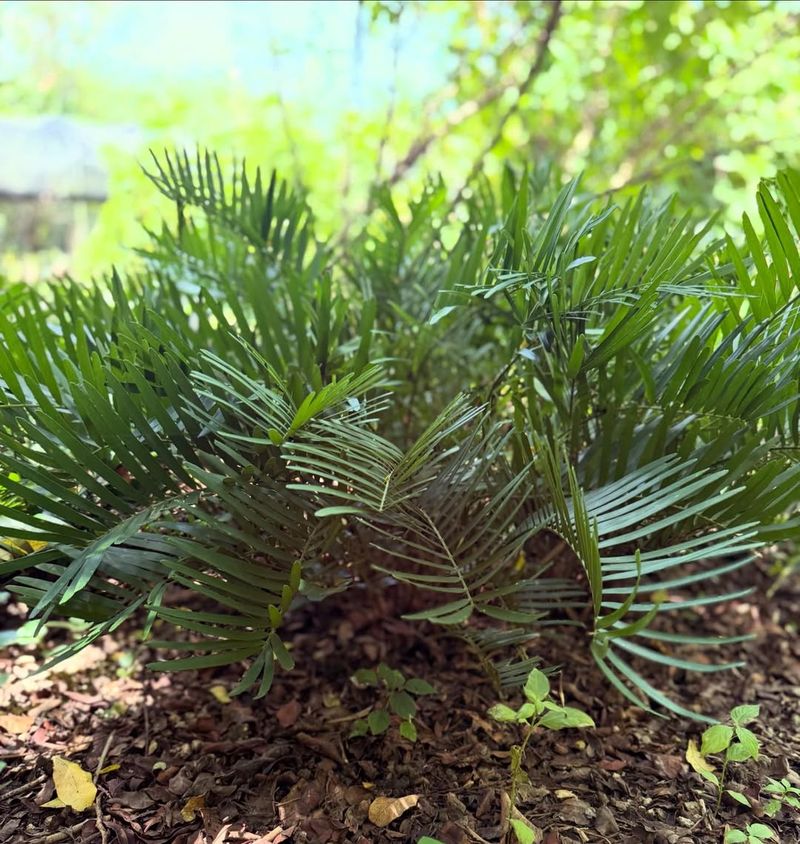
Native to Florida and incredibly forgiving, this ancient plant has been thriving in our sandy soils for thousands of years. Its dark green fronds emerge slowly and stay low to the ground, rarely exceeding two feet in height even after many years of growth.
Once established, it needs almost no care beyond occasional cleanup of older fronds.
This plant performs beautifully across all regions of Florida, from the Panhandle down to the Keys. It handles full sun or partial shade with equal ease, making it versatile for various landscape positions.
Drought tolerance is exceptional once roots are settled, so you won’t be dragging hoses around to keep it happy.
Butterflies absolutely love this plant, especially the Atala butterfly which depends on it for reproduction. You’ll enjoy watching these colorful visitors without worrying about rapid spreading or constant maintenance.
Growth is so gradual that you might forget you even planted it, yet it always looks tidy and intentional in the landscape.
Expect minimal pruning, maybe once a year if you want to remove older fronds for appearance. Otherwise, just let it do its thing naturally.
2. Dwarf Yaupon Holly
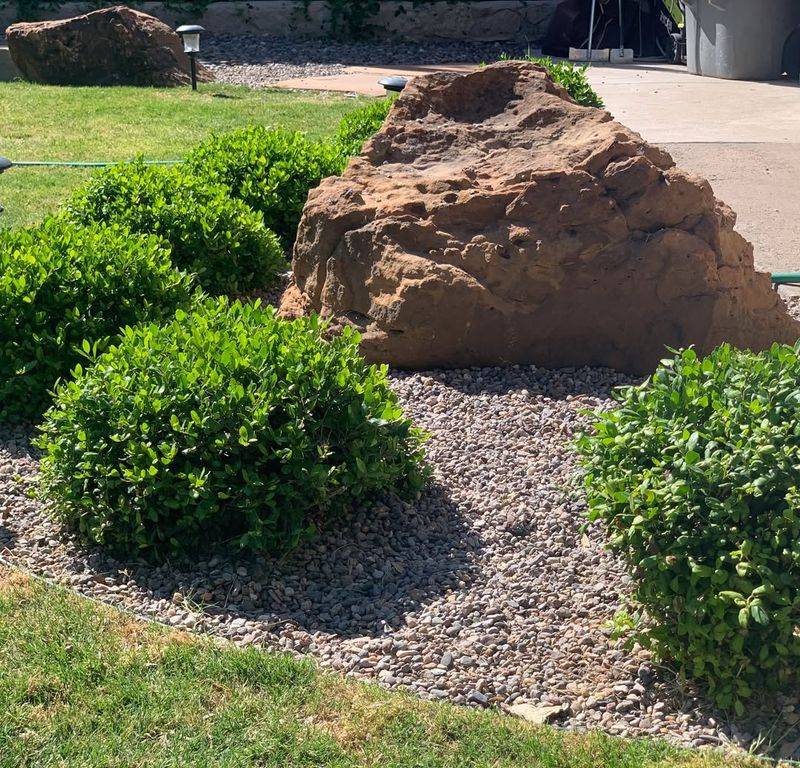
Compact evergreen shrubs don’t get much easier than this southeastern native that stays naturally rounded and dense. Unlike its taller cousins, the dwarf form typically maxes out around three to four feet tall and wide when true dwarf cultivars are used, maintaining its shape without constant shearing.
Small leaves create a fine texture that looks polished year round, and the growth rate is pleasantly slow.
Across North and Central Florida, this holly thrives in nearly any light condition from full sun to considerable shade. South Florida gardeners can grow it too, though it performs best with some afternoon shade in the hottest regions.
Soil preferences are flexible, and once roots establish, watering needs drop significantly.
Female plants produce tiny red berries that birds adore, adding seasonal interest without creating messy fruit drop that stains patios. The berries are small enough that they don’t become a nuisance underfoot.
Pests largely ignore this tough plant, so you won’t be battling insects or diseases season after season.
Occasional light trimming keeps the shape tidy if desired, but many homeowners simply let it grow naturally. Either way, maintenance stays minimal and the appearance remains consistently neat.
3. Simpson’s Stopper
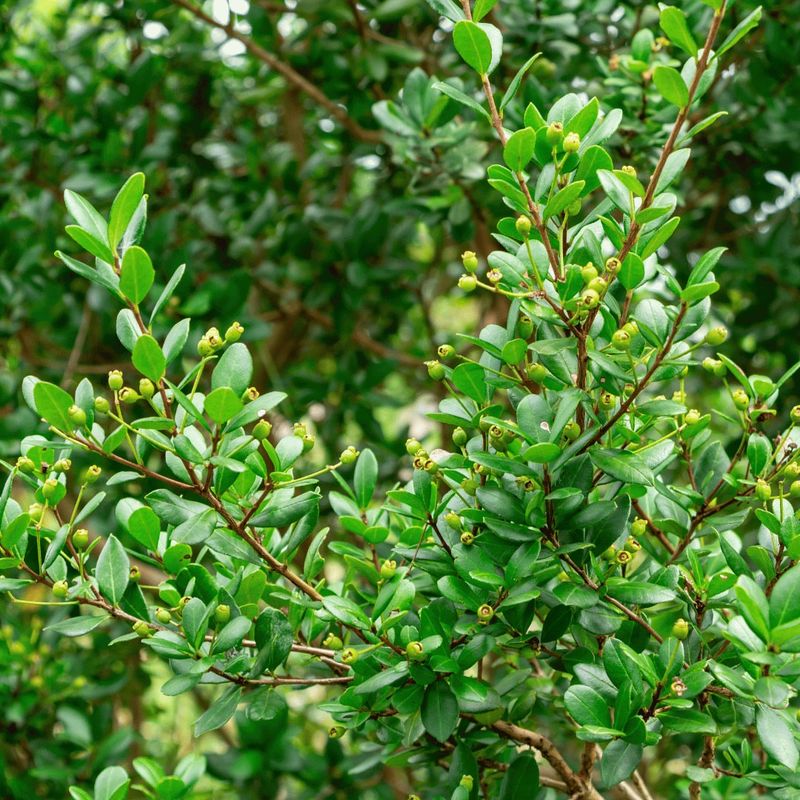
Here’s a Florida native shrub that earns its place through steady, controlled growth and attractive foliage that stays neat without fuss. Leaves emerge with a reddish tint before maturing to glossy green, creating subtle color variation throughout the year.
Growth is naturally compact and upright, typically reaching four to six feet over many years rather than a single season.
Central and South Florida provide ideal conditions, though North Florida gardeners in protected microclimates can succeed with it too. Cold sensitivity means it may struggle below freezing, so knowing your specific zone matters.
Full sun to partial shade works well, and established plants handle dry spells without complaint.
Small white flowers appear sporadically throughout warm months, followed by orange to red berries that wildlife appreciate. The flowering doesn’t create heavy petal drop or messy cleanup, keeping your landscape looking tidy.
Aromatic leaves release a pleasant scent when brushed, adding a sensory element to pathways or seating areas.
Pruning needs are minimal since the natural form stays balanced and proportional. If you want to shape it slightly or keep it smaller, light trimming once or twice yearly is plenty.
4. Walter’s Viburnum (Dwarf Or Compact Cultivars)
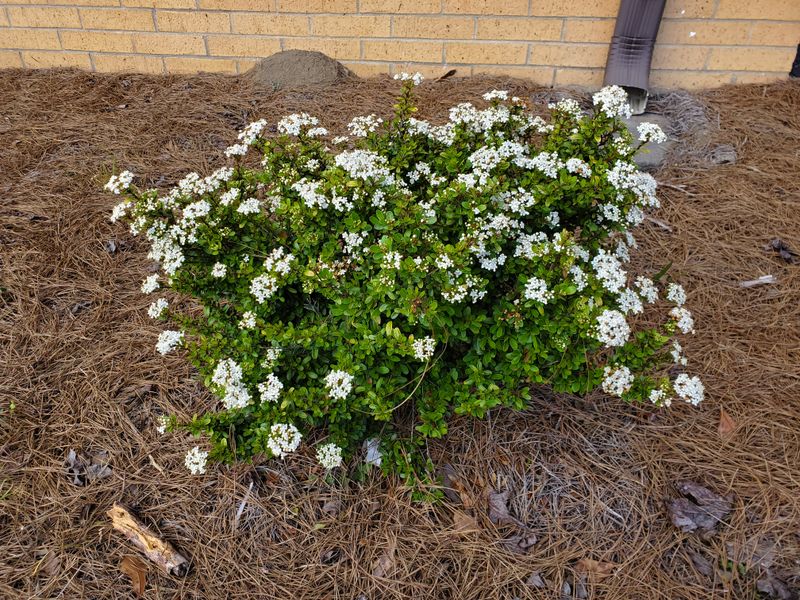
Native viburnums offer fantastic structure and seasonal interest, but the standard forms can grow quite large over time. Selecting dwarf or compact cultivars gives you all the benefits with a much smaller footprint that stays manageable year after year.
These selections typically reach three to five feet rather than the eight to twelve feet of straight species.
North and Central Florida provide the best growing conditions since this plant appreciates some winter chill and tolerates occasional freezes. South Florida gardeners may find it less vigorous due to lack of cold dormancy.
Partial shade to full sun works well, with some afternoon protection appreciated in hotter regions.
Spring brings clusters of small white flowers that smell wonderful and attract pollinators without creating heavy petal mess. Berries follow in summer, turning from red to black and providing food for birds.
Glossy foliage looks healthy and attractive throughout the year with minimal effort.
Growth rate is moderate to slow depending on your specific cultivar and location, but all compact forms stay far more contained than standard types. Occasional shaping keeps plants looking their best, though they naturally maintain good form without constant attention.
5. Firebush (Compact Cultivar)
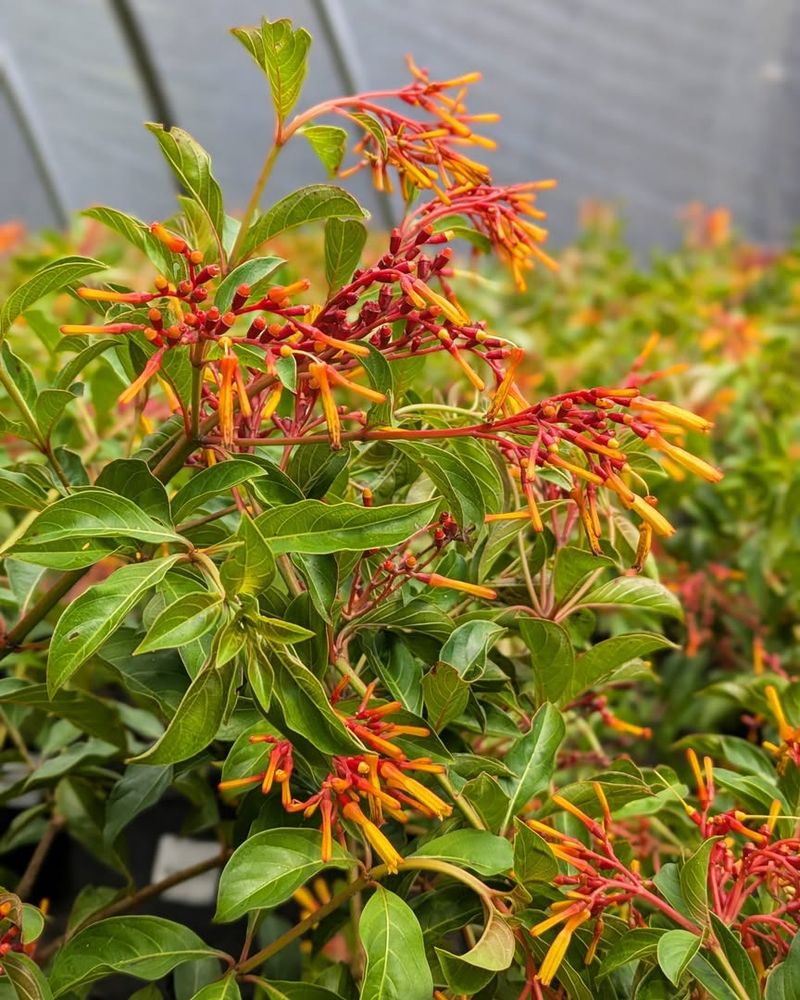
Standard firebush can grow tall and leggy, requiring frequent cutting back to maintain a tidy appearance. Compact cultivars reduce this problem by staying shorter and bushier than standard firebush, typically reaching three to four feet rather than six to eight.
Tubular orange to red flowers appear nearly year round in warmer regions, bringing constant color and hummingbird activity.
Central and South Florida provide ideal conditions where these selections bloom most prolifically and stay evergreen. North Florida gardeners can grow them as perennials that return from roots after cold snaps, though top growth may be lost in freezes.
Full sun produces the best flowering and most compact growth habit.
Butterflies and hummingbirds visit constantly, making this a wonderful choice near windows or patios where you can enjoy the wildlife show. Flowers don’t create messy petal drop, and the plant naturally sheds older blooms without leaving unsightly debris.
Foliage stays relatively clean and pest free throughout the growing season.
Light trimming after heavy flowering flushes encourages bushier growth and more blooms, but the compact forms need far less intervention than standard types. Even without pruning, they maintain a reasonably tidy appearance that won’t embarrass you.
6. Dwarf Gardenia (Cold Hardy Cultivars)
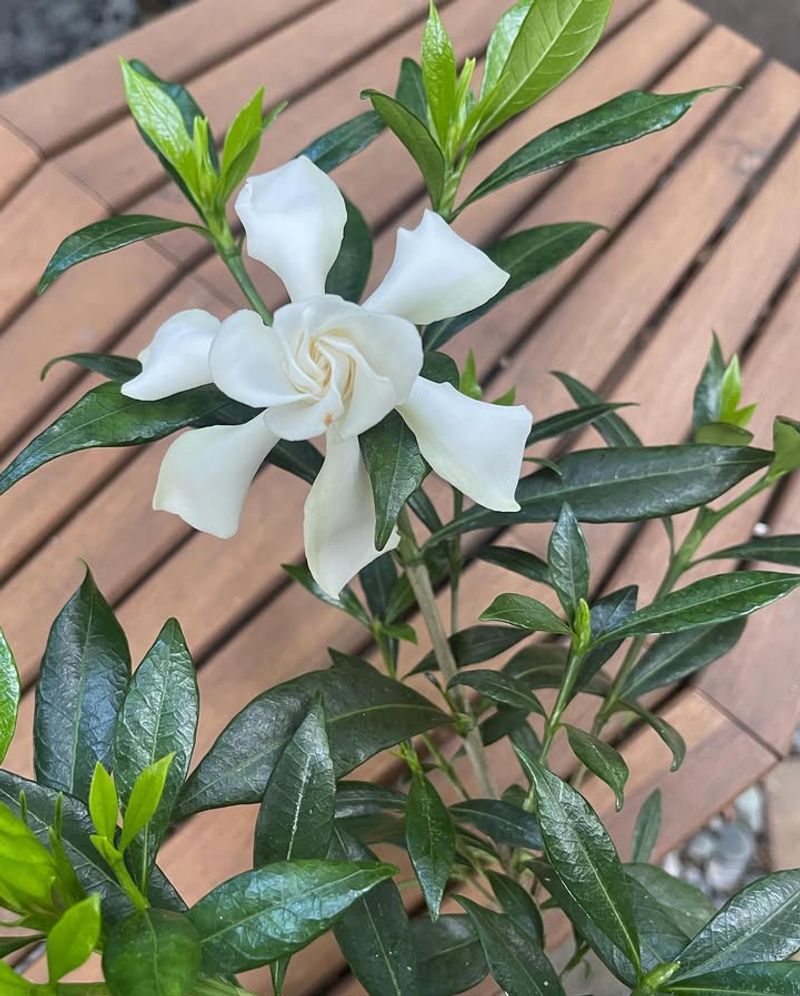
Gardenias are famous for their intoxicating fragrance, but many varieties grow large and require constant attention to keep shaped. Cold hardy dwarf selections give you those gorgeous white blooms and incredible scent in a much more manageable package.
These typically stay under three feet tall and wide, growing slowly enough that annual pruning keeps them perfectly proportioned. Like all gardenias, performance depends on good drainage and acidic soil.
Selecting cold hardy cultivars extends gardenia growing into North Florida where standard types would struggle. Central Florida gardeners enjoy the easiest success, while South Florida growers should choose varieties bred for warmer winters.
Morning sun with afternoon shade produces the best results, protecting flowers from scorching while providing enough light for good blooming.
Blooms appear primarily in late spring and early summer, filling your yard with that unmistakable perfume that makes people stop and smile. Glossy dark green leaves look polished year round, creating attractive foliage even when flowers are absent.
Spent blooms drop cleanly without creating significant mess on walkways or patios.
Acidic soil keeps foliage deep green and healthy, so occasional applications of sulfur or specialized fertilizer help maintain vigor. Growth stays slow and controlled, making these perfect for foundation plantings or container growing where space is limited.
7. Dwarf Mondo Grass
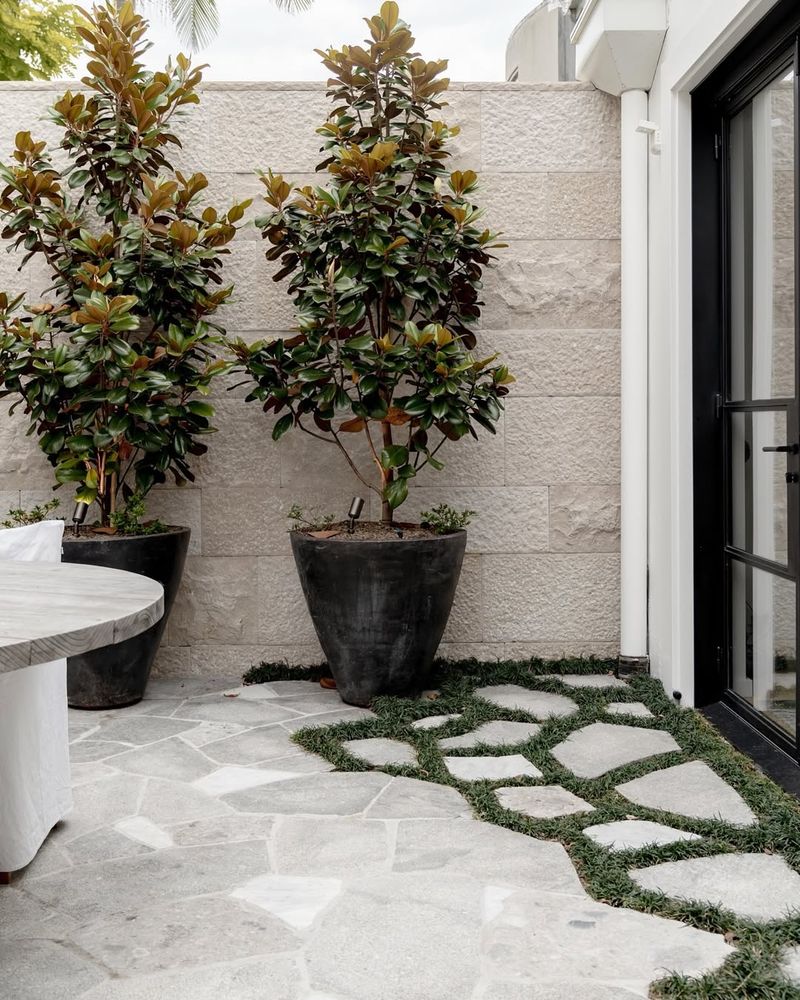
Creating neat edges and ground cover without weekly mowing becomes effortless with this extremely slow growing grass alternative. Dark green blades stay short, typically reaching only two to four inches tall, and spread gradually to form dense mats.
Once established, it needs virtually no maintenance beyond occasional cleanup of debris that falls into it.
All regions of Florida can grow this reliable groundcover, though it performs particularly well in Central and North Florida. Shade tolerance is excellent, making it perfect for areas under trees where traditional lawn grasses struggle.
Some morning sun is fine, but avoid full day sun in the hottest regions where foliage may bleach.
Unlike regular grass, you’ll never need to mow this planting, saving countless hours and eliminating noisy equipment from your routine. It stays consistently short and tidy without any cutting, creating clean lines along walkways or between planting beds.
Small purple flowers appear in summer, followed by blue berries, though both are subtle and don’t create mess.
Spreading is so gradual that it won’t invade adjacent areas aggressively, yet it eventually fills in to create seamless coverage. Occasional division every few years can expand your planting area if desired.
8. Clumping Liriope
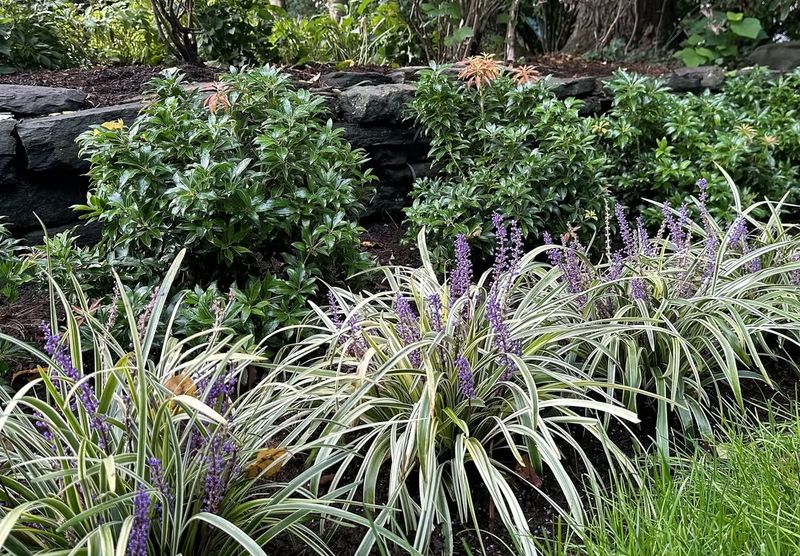
Grasslike perennials that actually stay where you plant them are worth their weight in gold for low maintenance landscapes. Unlike spreading types that invade everywhere, clumping forms grow slowly outward from the original plant without sending runners throughout your beds.
Foliage reaches about twelve to eighteen inches tall, creating neat mounds that maintain their shape year after year.
Every region of Florida can successfully grow clumping varieties, making this an adaptable choice for statewide landscapes. Shade to partial sun suits it best, though established plants tolerate more sun than you might expect.
Variegated forms with cream or yellow striping add extra visual interest without requiring additional care.
Purple or white flower spikes emerge in late summer, standing above the foliage and adding vertical interest when many other plants look tired. Blooms attract pollinators without creating messy petal drop, and spent flower stalks can be removed or left standing as you prefer.
Foliage stays evergreen, providing year round structure and color.
Clumps expand slowly enough that division is only needed every several years if you want to propagate more plants. Otherwise, just leave them alone to do their thing, maybe trimming back foliage once in early spring if it looks ragged after winter.
9. Blue Porterweed
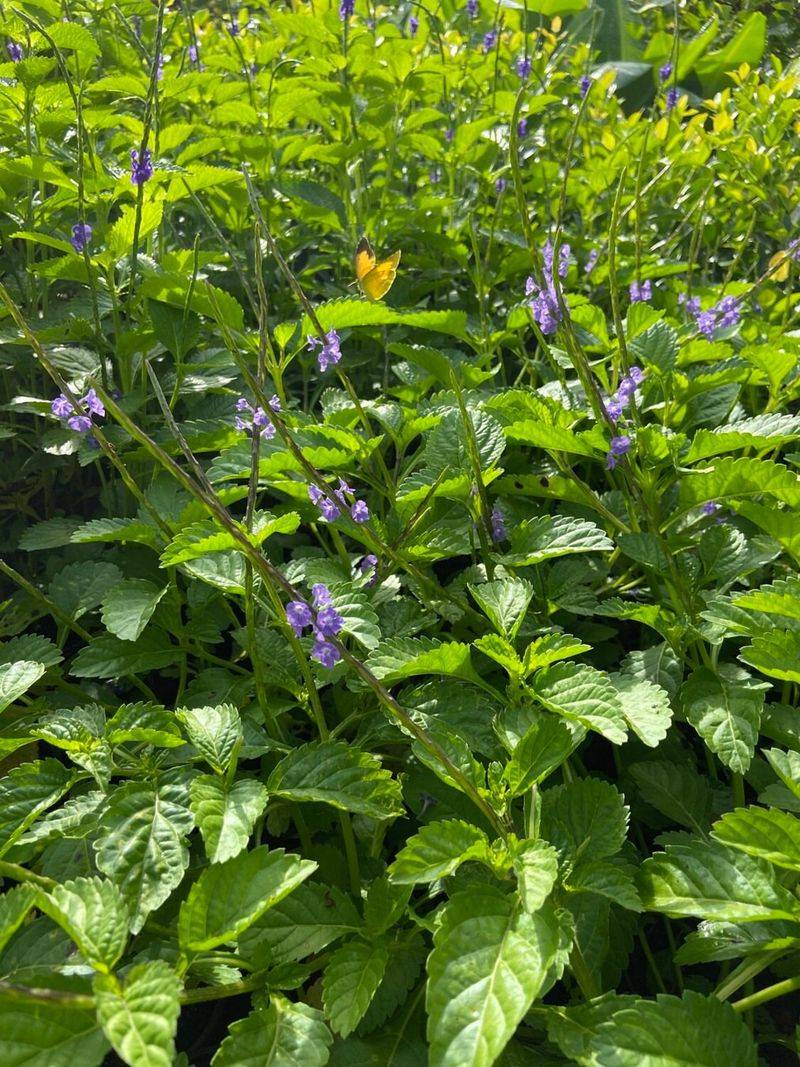
Butterflies gather around this Florida native like kids around an ice cream truck, making it irresistible for wildlife gardeners. Tubular blue to purple flowers bloom nearly year round in warmer regions, providing constant nectar for butterflies and occasional hummingbird visits.
Growth stays relatively compact at two to three feet tall and wide in most home landscapes, especially with occasional light trimming.
Central and South Florida provide the best conditions for evergreen growth and continuous blooming. North Florida gardeners can grow it as a returning perennial that may lose top growth in freezes but rebounds quickly from roots.
Full sun to light shade works well, with more sun producing heavier flowering.
Unlike some butterfly plants that grow rangy and unkempt, this one maintains a reasonably tidy appearance even without constant attention. Flowers appear on terminal spikes, creating an orderly presentation rather than scattered blooms.
Spent flowers drop cleanly without leaving sticky residue or heavy petal mess on surrounding surfaces.
Light shearing after major bloom flushes encourages bushier growth and more flower production, but even neglected plants stay presentable. Growth rate is moderate rather than explosive, so you won’t be fighting to keep it contained.
Drought tolerance improves with age, reducing watering chores over time.
10. Sunshine Mimosa
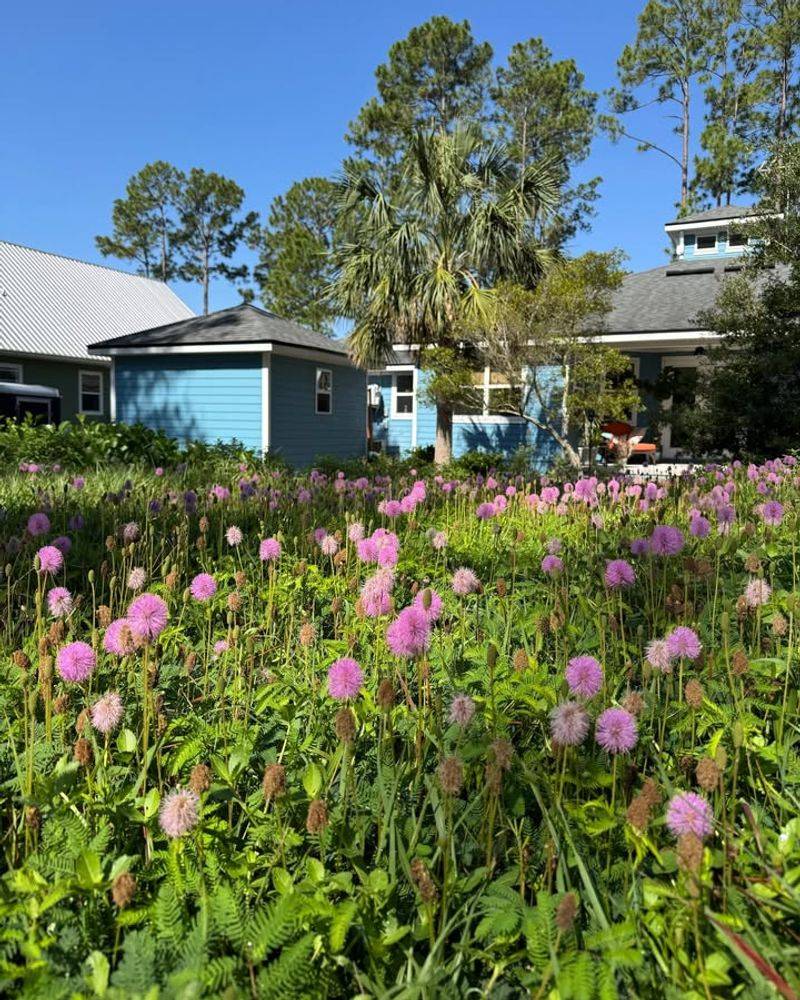
Feathery foliage and bright yellow pompom flowers create a cheerful display on this Florida native groundcover that stays low and spreads gradually. Unlike its aggressive exotic relatives, this native form grows steadily and stays under control, typically reaching six to twelve inches tall.
Flowers appear sporadically throughout warm months, attracting butterflies and adding sunny color without overwhelming the landscape.
Central and South Florida provide ideal growing conditions where it stays evergreen and blooms most freely. North Florida gardeners can grow it in warmer microclimates, though cold snaps may damage foliage temporarily.
Full sun produces the most flowers and tightest growth, while too much shade causes legginess.
Delicate looking leaves fold up when touched or at night, creating an interesting interactive element that kids find fascinating. Despite the delicate appearance, established plants handle heat and moderate drought remarkably well.
Growth spreads gradually by underground stems, filling in areas steadily without the aggressive behavior of exotic mimosa species.
Occasional mowing or trimming back in early spring rejuvenates plants and encourages fresh growth, but this isn’t strictly necessary. Even without intervention, it maintains a relatively tidy groundcover appearance.
Flowers don’t create significant cleanup since they’re small and decompose quickly when they fade.
11. Saw Palmetto
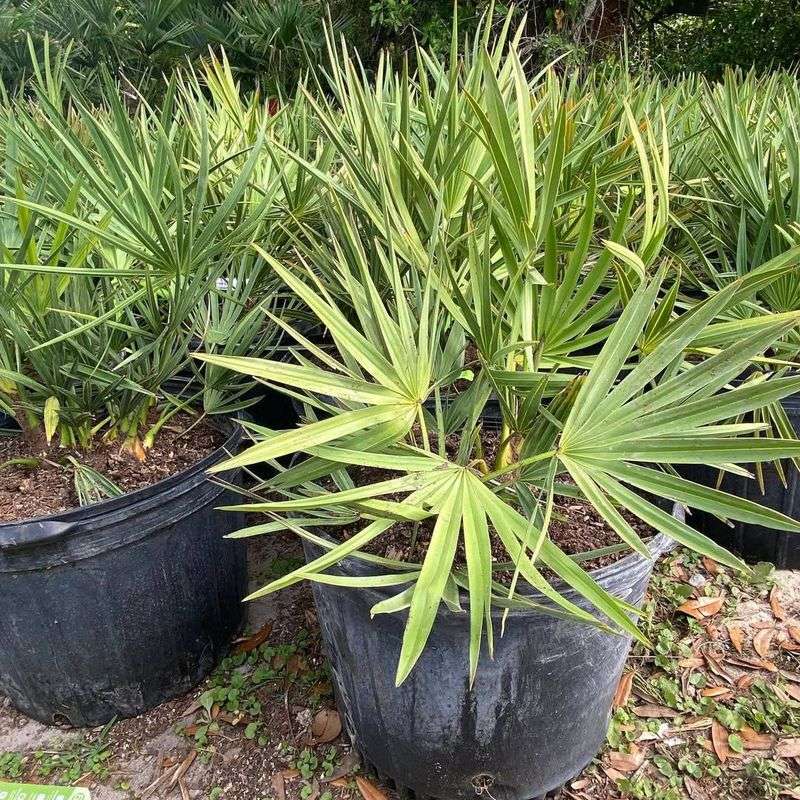
Nothing says Florida quite like this iconic native palm that grows at a pace measured in years rather than months. Silvery green to blue green fans emerge slowly from a low trunk that often stays horizontal or barely above ground.
Mature specimens might reach four to six feet tall after decades, making this the ultimate in patient landscaping.
Every region of Florida can grow this adaptable palm, from the Panhandle to the Keys. It handles full sun best but tolerates light shade, and once established it laughs at drought conditions.
Sandy, well drained soils suit it perfectly, which describes much of Florida’s natural landscape.
Wildlife value is exceptional, with flowers providing nectar for bees and fruits feeding everything from birds to bears. The dense crown offers shelter for small creatures seeking protection from predators or weather.
Despite this wildlife appeal, it doesn’t create messy fruit drop on patios since specimens are typically planted away from hardscapes.
Maintenance is almost nonexistent beyond removing an occasional brown frond if you want a polished look. Many homeowners simply let it grow naturally, appreciating the authentic Florida character it brings.
Growth is so slow that you’ll never worry about it outgrowing its space.
12. Dwarf Palmetto (Sabal Minor)
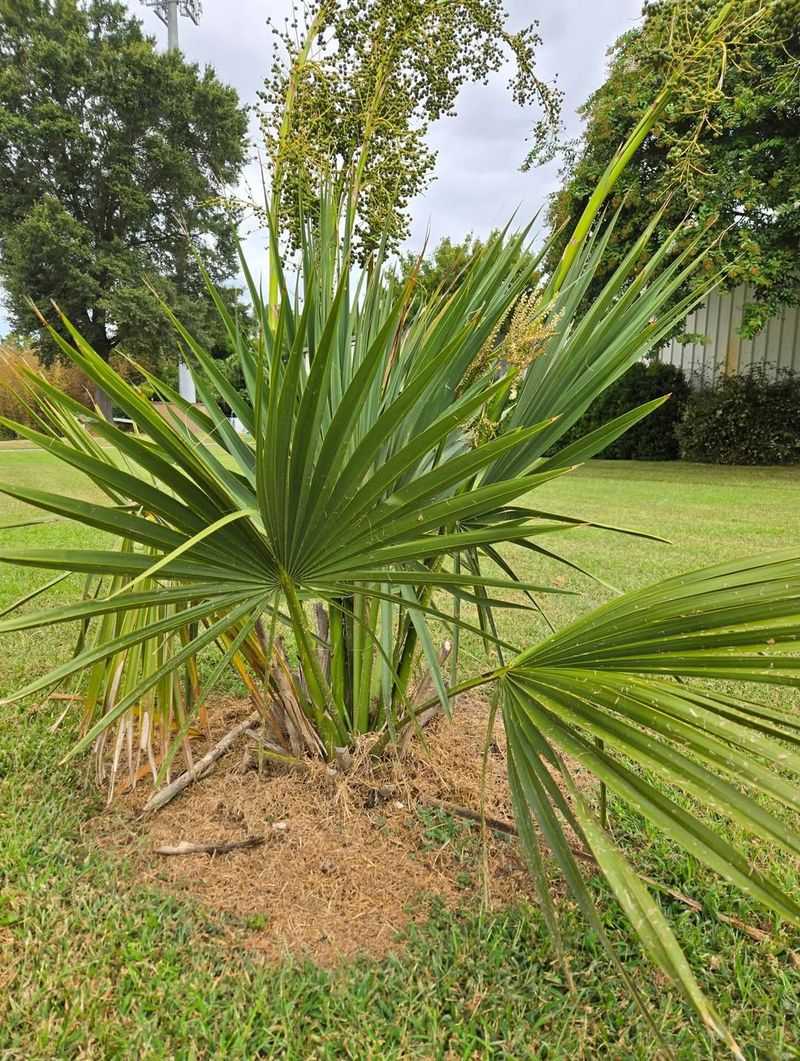
Preferring shadier spots than most palms, this southeastern native stays remarkably compact and grows at a pace that won’t surprise you with sudden size increases. Fronds typically emerge directly from the ground or a very short trunk, creating a fountain of green that rarely exceeds four to five feet tall.
Each fan shaped leaf looks substantial and tropical without the plant demanding constant space.
North and Central Florida provide the best conditions, as this palm actually appreciates some cold weather and may sulk in South Florida’s relentless heat. Shade to partial shade suits it perfectly, making it valuable for spots under trees where other palms would struggle.
Moisture tolerance is good, so it handles areas that stay damp better than many landscape plants.
Growth rate is pleasantly slow, with new fronds emerging gradually throughout the growing season rather than in rapid flushes. This predictable growth makes planning easy since you won’t suddenly find it blocking pathways or windows.
Cold hardiness is excellent, tolerating freezes that would damage or destroy many other palm species.
Cleanup involves removing old brown fronds once or twice yearly, a quick job given the slow growth rate. Otherwise, it needs virtually no attention once roots establish and it settles into its spot.
13. Muhly Grass (Compact Or Straight Species)
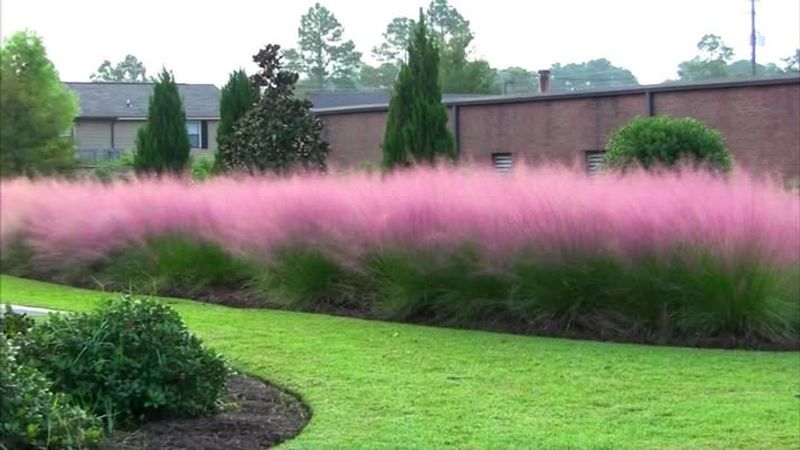
Few grasses create as much seasonal drama with as little maintenance as this Florida native that forms neat clumps of fine textured foliage. While it establishes at a moderate pace, it remains well-behaved and clump-forming.
Green blades emerge from the center, creating rounded mounds that typically reach two to three feet tall and wide. Fall brings the real show when airy pink to purple flower plumes rise above the foliage like colorful clouds.
All regions of Florida can successfully grow this adaptable grass, though it performs most spectacularly in Central and North Florida. Full sun produces the best flowering and most compact growth, while too much shade causes weak stems and sparse blooms.
Well drained soil is important, as soggy conditions can lead to crown problems.
Blooming season transforms landscapes from ordinary to extraordinary, with backlit plumes glowing in morning and evening light. Flowers persist for weeks, providing extended color when many other plants are finishing for the year.
Seeds feed birds through winter, adding wildlife value beyond the visual appeal.
Annual cutback in late winter before new growth emerges keeps plants looking fresh and vigorous, but this is the only regular maintenance needed. Clumps expand slowly, so division is rarely necessary unless you want to propagate more plants.
Drought tolerance improves with establishment, reducing supplemental watering needs over time.
14. Twinflower (Dyschoriste Oblongifolia)
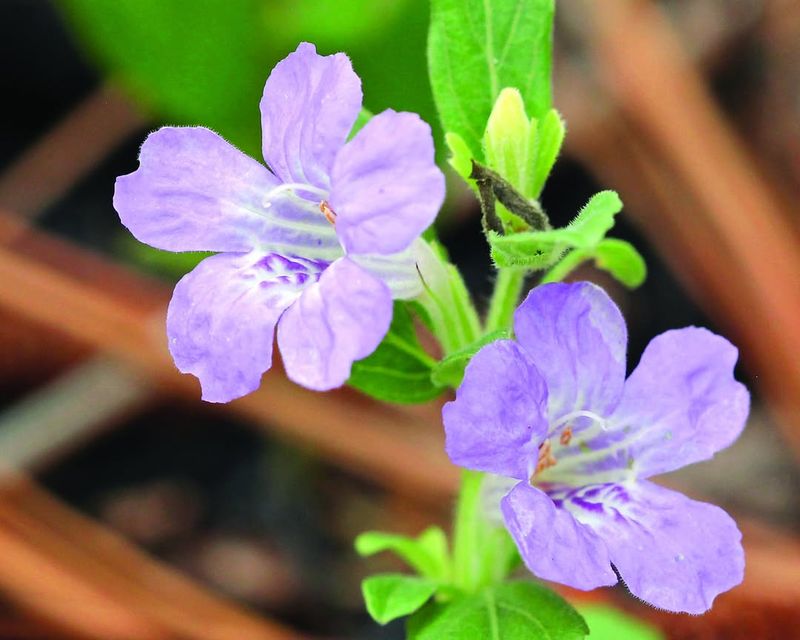
Groundcovers that actually flower well in shade are rare treasures, making this Florida native particularly valuable for challenging spots under trees. Small tubular lavender flowers appear throughout warm months, creating delicate color where few other plants bloom.
Foliage stays low, typically under six inches tall, spreading gradually to form a soft carpet that never needs mowing.
Central and North Florida provide the best growing conditions, while South Florida gardeners may find it less vigorous in the constant heat. Shade to partial shade suits it perfectly, and it actually prefers these conditions over full sun.
Moisture needs are moderate, with established plants handling some dryness between waterings.
Unlike aggressive groundcovers that invade every adjacent bed, this one spreads at a civilized pace that stays manageable. You can easily pull back edges if it wanders slightly beyond its intended area.
Flowers attract small butterflies and native bees without creating any mess or maintenance issues.
Virtually no care is needed once plants establish and begin spreading. An occasional light raking removes fallen tree debris that might accumulate in the foliage, but even this is optional.
Growth remains slow and steady, creating reliable coverage without surprises or sudden expansion that requires emergency control measures.
15. Blanket Flower
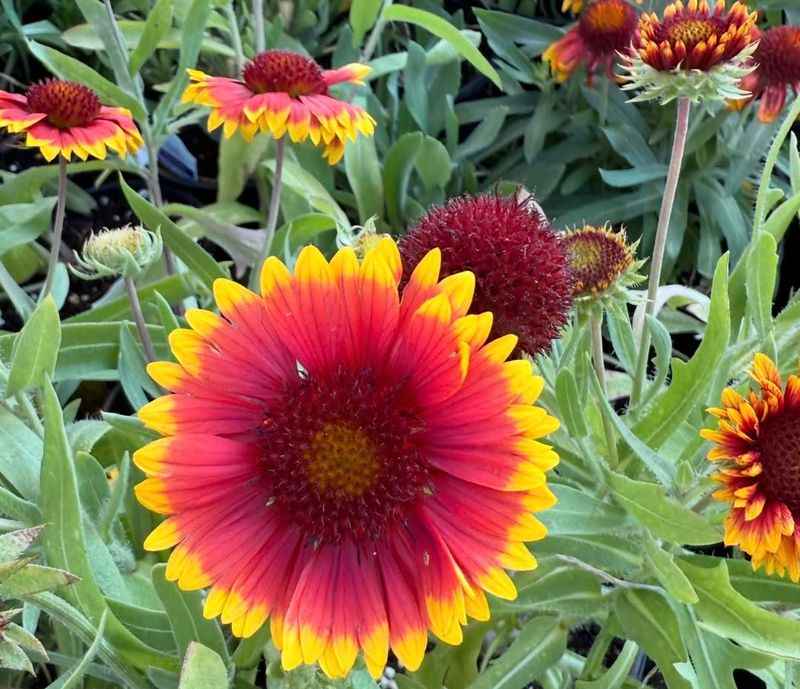
Bright daisy-like blooms in shades of red, orange, and yellow bring cheerful color from spring through fall on this tough native perennial. Individual plants stay compact at twelve to eighteen inches tall and wide, forming neat clumps that don’t spread aggressively.
Plants establish quickly but remain easy to manage. Flowers appear continuously throughout warm months, attracting butterflies and providing cut flowers for arrangements without depleting the plant.
Every region of Florida can grow this adaptable wildflower, though North and Central Florida see the longest bloom seasons. Full sun is essential for heavy flowering and compact growth, while shade causes weak stems and sparse blooms.
Sandy, well drained soil suits it perfectly, and once established it handles drought conditions remarkably well.
Deadheading spent flowers encourages more blooms, but even neglected plants continue flowering reasonably well throughout the season. Foliage stays relatively tidy between the abundant flowers, creating an attractive overall appearance.
Self seeding can occur but is rarely aggressive, and volunteers are easy to remove if they appear where you don’t want them.
Light cutting back after the main bloom flush encourages fresh growth and another round of flowers. Otherwise, just enjoy the show without much intervention.
Winter withering is normal in cooler regions, with fresh growth returning reliably from roots each spring.