10 Small Backyard Changes That Make A Big Difference For Florida Birds
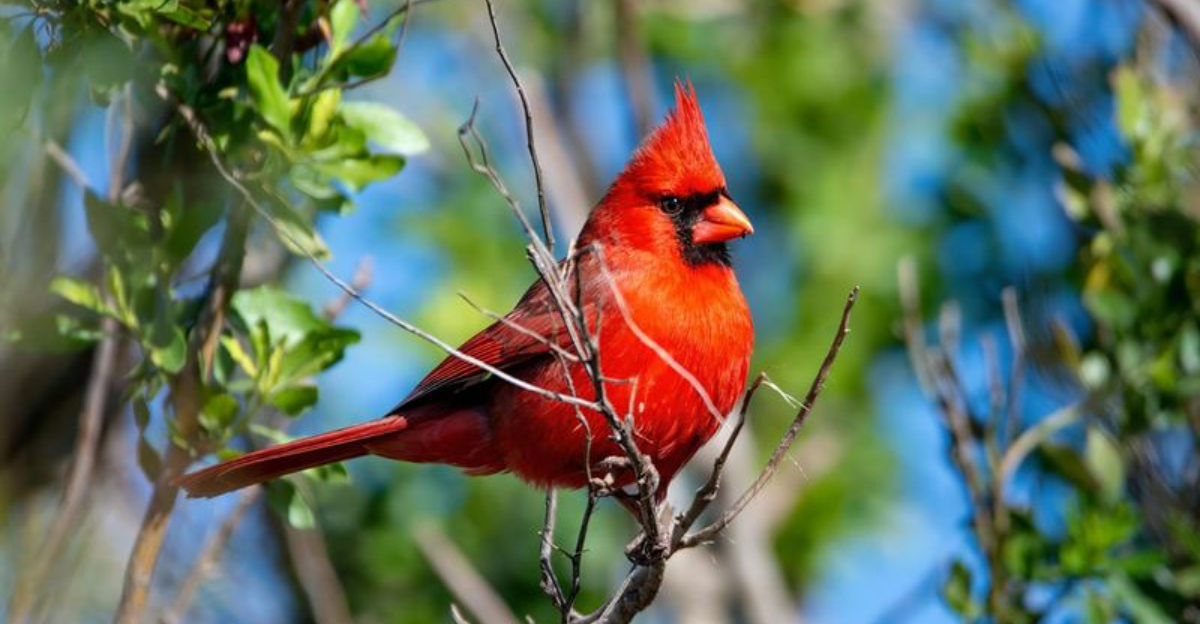
Florida birds are disappearing from neighborhoods faster than most people realize. One day your yard is full of cardinals, mockingbirds, and fluttering warblers.
The next, it feels strangely quiet. New developments, shrinking green space, extreme heat, and stronger storms are changing where birds can survive.
The surprising part is this: your backyard can make a real difference. You do not need acres of land, expensive landscaping, or fancy equipment to help.
Small, simple changes can turn an ordinary lawn into a life-saving pit stop for migrating birds and a safe home for year-round residents.
Imagine stepping outside with your morning coffee and seeing birds bathing, feeding, and raising young just a few feet away.
That kind of connection feels good, and it also supports local wildlife when natural habitats are under pressure. Your outdoor space, no matter the size, has more power than you think.
The next few ideas show how easy it can be to help Florida birds thrive again.
1. Why Florida Birds Rely On Backyards More Than Ever
Urban sprawl continues to reshape Florida’s landscape, replacing wetlands, pine flatwoods, and scrublands with shopping centers and housing developments.
Birds that once nested in wild spaces now search for alternatives, and your backyard may be one of the few green refuges left in their territory.
Migration patterns bring waves of warblers, thrushes, and tanagers through Florida twice a year. These travelers need safe places to rest and refuel between long flights.
Without accessible food, water, and cover, many struggle to complete their journeys.
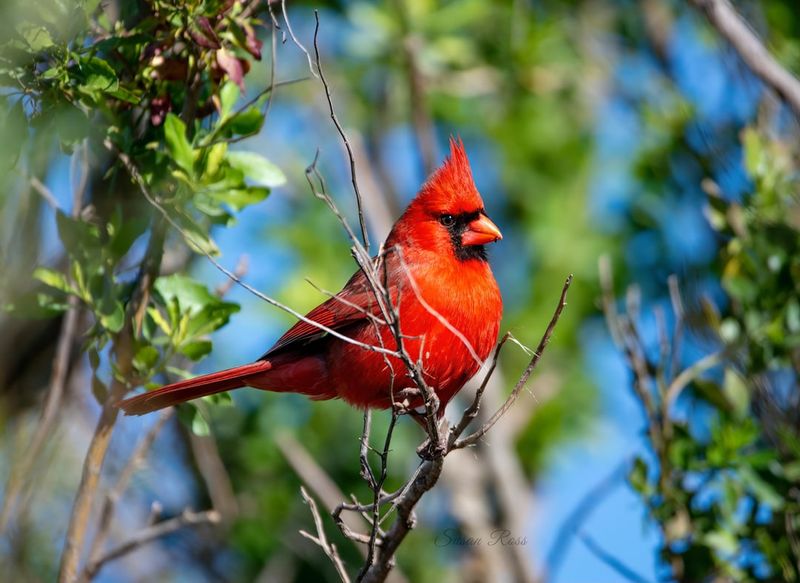
Year-round residents like cardinals, mockingbirds, and blue jays also depend on consistent resources. Florida’s intense summer heat and unpredictable storm seasons make reliable backyard habitats even more critical.
When you offer what birds need, you’re not just attracting visitors—you’re supporting survival.
Small changes work because birds notice details. A shallow water source, a cluster of native shrubs, or an untrimmed corner can mean the difference between a bird passing through and a bird staying to nest.
2. Adding Water Without Creating Problems

Birds need water every single day, not just for drinking but for bathing and cooling down during Florida’s relentless heat. A simple birdbath placed in a shaded spot can attract more species than any feeder.
Keep the water shallow, no more than two inches deep, so smaller birds feel safe wading in.
Stagnant water becomes a mosquito breeding ground fast, especially during Florida’s rainy season. Change the water every two to three days, or add a small solar fountain to keep it moving.
Moving water also catches the attention of passing birds, drawing them in with sound and sparkle.
Position your water source near shrubs or low trees so birds can quickly retreat if a hawk appears. Avoid placing it directly under branches where cats might lurk.
In South Florida, where temperatures stay high year-round, consider adding a second water source during summer months.
North and Central Florida backyards benefit from keeping birdbaths accessible during cooler months too. Even when temperatures drop, birds still need fresh water for feather maintenance.
3. Why Native Plants Matter More Than Feeders
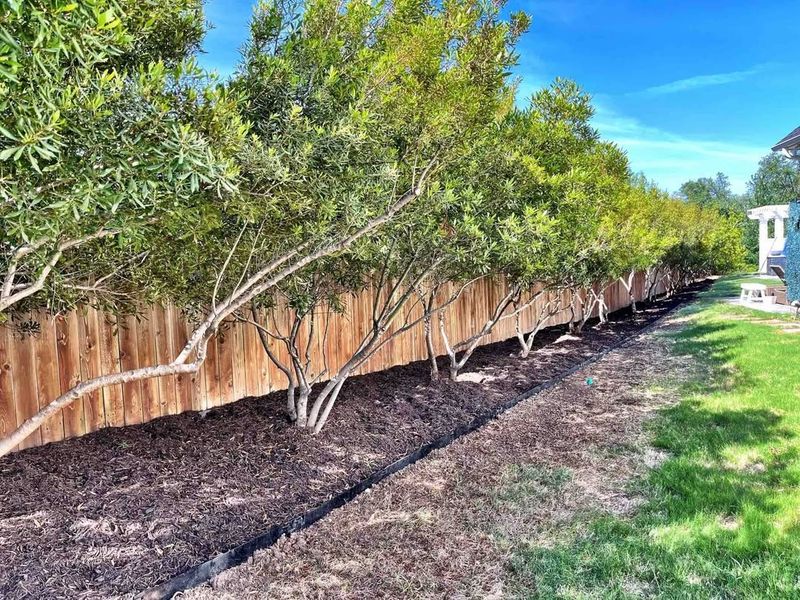
Feeders bring quick rewards, but native plants create ecosystems that sustain birds naturally. Florida’s native species, like beautyberry, firebush, and coontie, produce berries, seeds, and nectar that local birds have relied on for thousands of years.
These plants also host caterpillars and insects that fuel nestlings during breeding season.
Non-native ornamentals might look attractive, but they rarely support the food web birds depend on. A single oak tree can host over 500 species of caterpillars, while most exotic plants support almost none.
When you plant native, you’re feeding birds indirectly and more effectively than any seed mix.
In North Florida, try planting Southern magnolia, wax myrtle, and wild coffee. Central Florida backyards thrive with Simpson’s stopper, marlberry, and coral honeysuckle.
South Florida gardeners can add gumbo limbo, Jamaica caper, and native passionflower vines.
Native plants also require less water, fertilizer, and pesticides once established, which means fewer chemicals affecting the insects birds eat. Your yard becomes healthier for everyone.
4. Letting Parts Of Your Yard Stay Natural
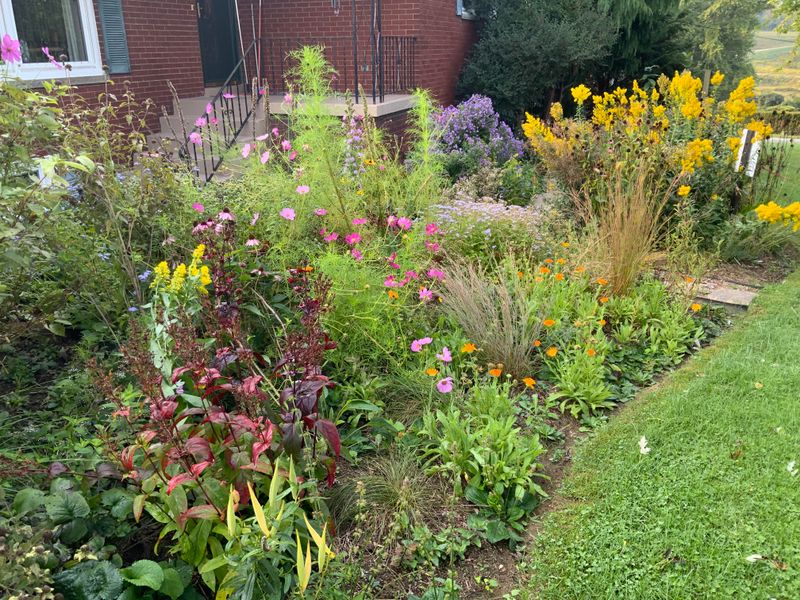
Perfect lawns offer birds almost nothing. Grass cut short every week eliminates insects, seeds, and ground cover that many species need for foraging.
Letting one section of your yard grow a little wild can create surprising habitat in just a few weeks.
Leave fallen leaves under trees and shrubs instead of raking them away. Ground-feeding birds like towhees and thrashers flip through leaf litter searching for beetles, spiders, and other invertebrates.
This natural layer also keeps soil moist and enriches it over time.
Consider mowing less frequently or designating a corner where native grasses and wildflowers can grow freely. In Central Florida, muhly grass and sunshine mimosa provide seeds and cover.
North Florida backyards benefit from partridge pea and native sunflowers.
South Florida residents can let areas naturalize with beach sunflower and dune grasses if near coastal zones. These spaces don’t need to look messy, just less manicured.
Birds appreciate the cover, food, and nesting material these natural zones provide, especially during migration when they need quick energy.
5. Providing Shelter From Heat And Storms
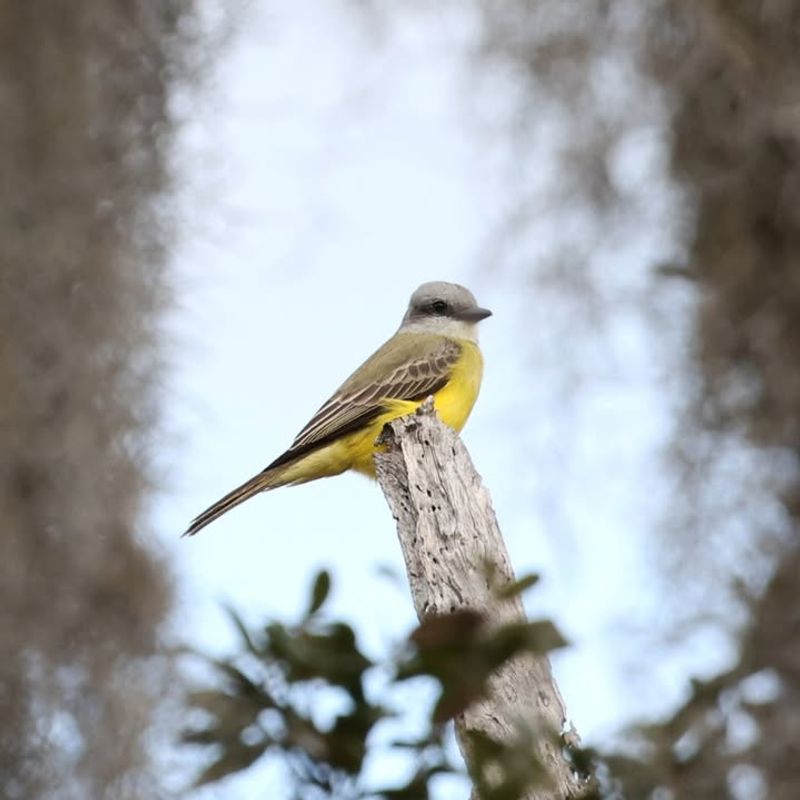
Florida’s summer sun can be brutal, and afternoon thunderstorms arrive with little warning. Birds need dense cover where they can escape both.
Shrubs and small trees with thick foliage offer the best protection, especially if layered at different heights.
Wax myrtle, Walter’s viburnum, and yaupon holly create excellent shelter throughout the state. These plants stay green year-round and grow dense enough to shield birds from rain and predators.
Plant them in clusters rather than single specimens to maximize cover.
In South Florida, stoplight fiddlewood and myrsine provide similar benefits while tolerating heat and salt spray. North Florida backyards can add Eastern red cedar and American holly for evergreen cover that also produces winter berries.
Avoid over-pruning shrubs into tight shapes. Birds prefer natural, slightly messy growth where they can tuck themselves into protected spots.
During hurricane season, these sheltered areas become even more important as birds hunker down to wait out storms. Your yard may be the safest place for miles around.
6. Reducing Hazards Birds Face At Home

Window collisions rank among the top threats to backyard birds. Reflections of trees and sky confuse birds into flying full speed into glass.
You can prevent most strikes by applying decals, window film, or external screens that break up reflections.
Keep feeders either very close to windows, within three feet, or farther than thirty feet away. Birds won’t build up dangerous speed if they’re right next to the glass, and distant placement gives them room to recognize the barrier.
Outdoor cats pose another serious risk. Even well-fed pets hunt instinctively, and birds focused on feeders or baths become easy targets.
If your cat goes outside, consider a catio or supervised leash time instead of free roaming.
Reduce pesticide use throughout your yard. Chemicals meant for mosquitoes or lawn pests can harm the insects birds eat, and toxins accumulate in birds’ bodies over time.
Florida-Friendly Landscaping principles encourage natural pest management that keeps your yard safer for wildlife. Small adjustments to how you manage your space can prevent harm without sacrificing enjoyment.
7. Seasonal Changes That Help Year-Round
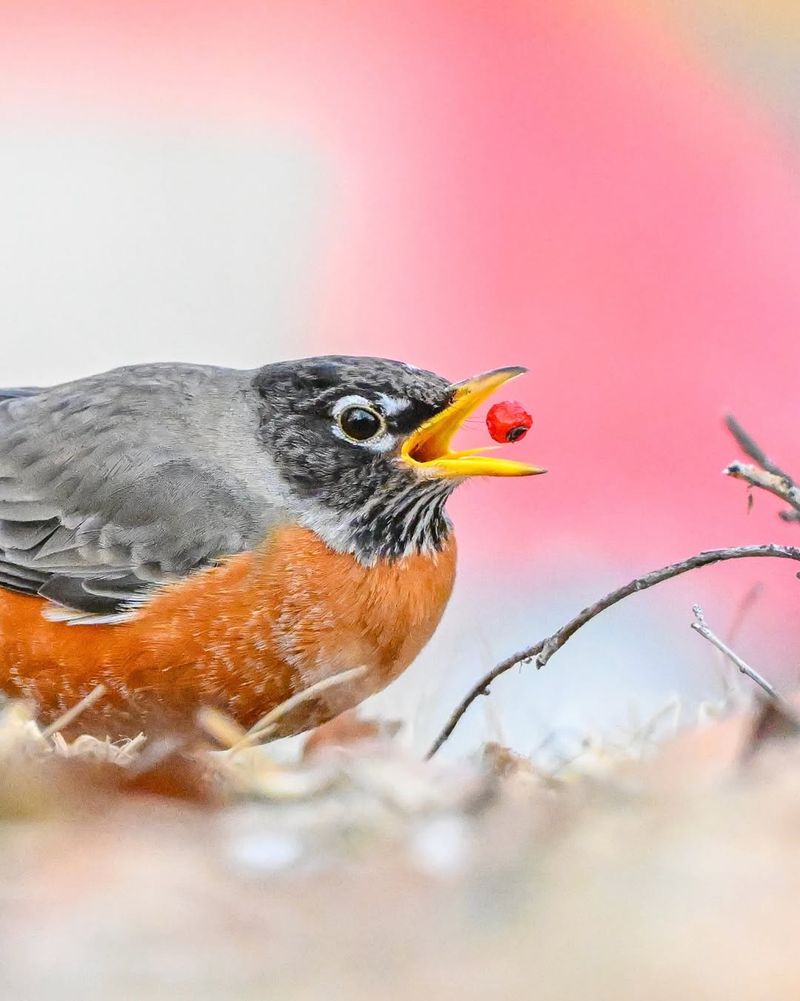
Florida’s bird population shifts throughout the year, and small seasonal adjustments can support both residents and migrants. In spring, migratory songbirds arrive exhausted from crossing the Gulf of Mexico.
They need immediate access to water, protein-rich insects, and safe cover to recover.
Summer brings nesting season for many species. Avoid heavy pruning between March and August so you don’t disturb active nests.
Keep water sources filled consistently, as heat stress affects both adults and fledglings.
Fall migration peaks in September and October, bringing warblers, thrushes, and other travelers through your yard. Native plants fruiting during this window, like beautyberry and elderberry, provide critical fuel for their southward journey.
Winter residents like cedar waxwings and American robins arrive in flocks, drawn to berry-producing plants. In North Florida, freezing nights occasionally occur, so maintaining evergreen cover becomes essential.
Central and South Florida see less temperature variation, but winter is still a time when food resources naturally decline. Your backyard can fill that gap beautifully.
8. How North Florida Backyards Support Birds
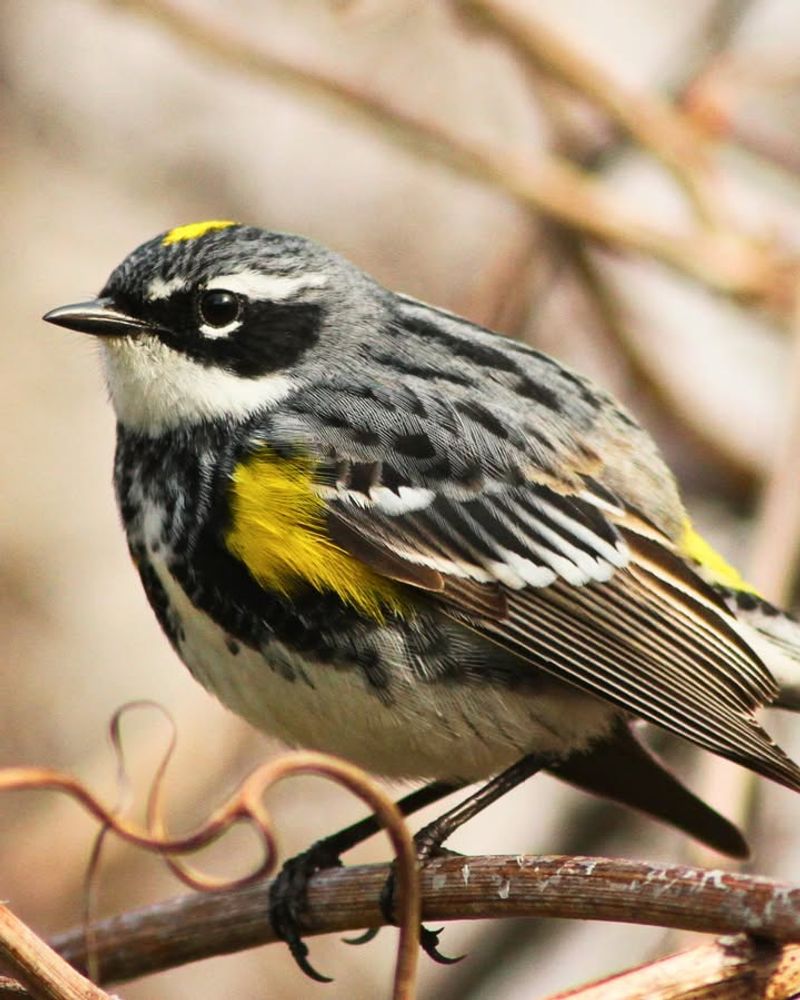
North Florida’s climate bridges temperate and subtropical zones, creating unique opportunities for bird diversity. Your backyard might host species rarely seen farther south, like Eastern bluebirds, brown-headed nuthatches, and pine warblers that prefer cooler, forested areas.
Longleaf pine ecosystems once dominated this region, and remnants of that habitat still influence which birds thrive here. Planting native pines, oaks, and understory species like wiregrass and coontie helps recreate those conditions on a small scale.
Winter temperatures occasionally dip below freezing, so birds need reliable shelter and food sources when cold snaps hit. Southern magnolia, live oak, and Eastern red cedar provide evergreen cover.
Native hollies and dogwoods produce berries that persist into winter months.
North Florida also sits along major migratory flyways. Spring and fall bring waves of neotropical migrants passing through on their way to and from breeding grounds.
Keeping your yard pesticide-free ensures abundant insects during these critical travel windows. Your small changes can support birds moving between continents.
9. What Works Best In Central Florida
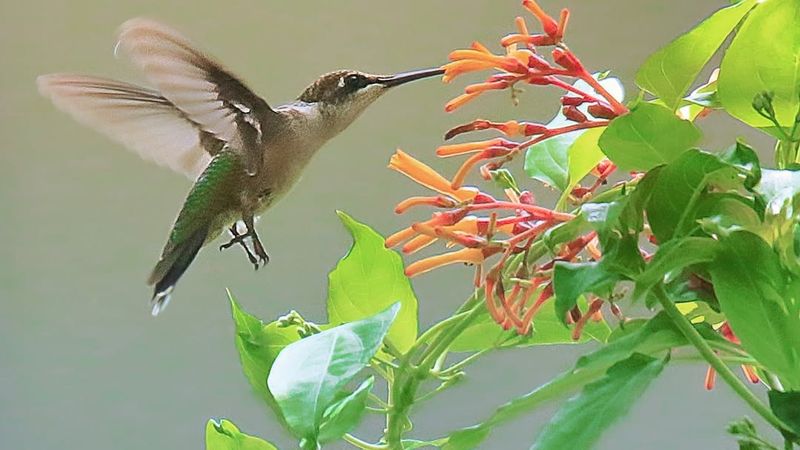
Central Florida sits in a transition zone where northern and southern species overlap, giving your backyard potential to attract an impressive variety of birds.
Scrub-jays, found nowhere else in the world outside Florida, thrive in sandy scrub habitats that once covered much of this region.
If you live near remaining scrub areas, planting sand live oak, myrtle oak, and scrub palmetto can extend habitat into your yard. These plants tolerate sandy, well-drained soils and support specialized species that depend on scrub ecosystems.
Central Florida’s subtropical climate means mild winters and long, hot summers. Birds need consistent water access throughout the year, and shade becomes critical during summer months.
Planting native canopy trees like laurel oak or sweetgum provides cooling cover for ground-dwelling birds.
This region also experiences intense afternoon thunderstorms during summer. Dense shrub layers offer shelter when storms roll in quickly.
Native choices like firebush, Simpson’s stopper, and coontie create excellent mid-story cover. Your yard becomes a refuge during weather extremes that define Central Florida’s climate.
10. How South Florida Backyards Differ
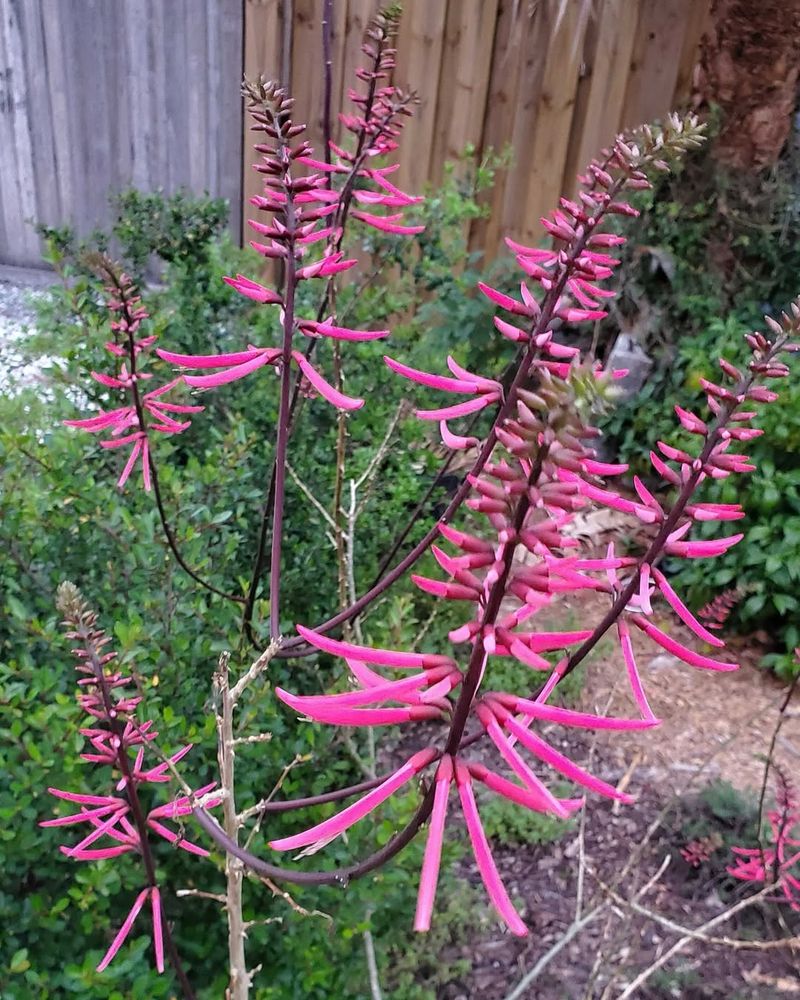
South Florida’s tropical and subtropical climate supports bird species found nowhere else in the continental United States. Your backyard might attract painted buntings, mangrove cuckoos, or white-crowned pigeons if you provide the right habitat elements.
Heat and humidity dominate year-round, making water sources absolutely essential. Birds need multiple bathing and drinking spots, especially during the hottest months.
Moving water helps prevent mosquitoes and stays fresher longer in the warm climate.
Native tropical plants like gumbo limbo, Jamaica caper, and coral bean attract hummingbirds, orioles, and other nectar-feeders. These plants also support insects that insectivorous birds depend on.
South Florida’s urban areas often lack sufficient tree canopy, so even a few native trees can create vital habitat.
Hurricane season brings strong storms that strip trees and flood low areas. Maintaining diverse plantings at different heights ensures some cover survives even severe weather.
Salt-tolerant natives like sea grape and stoplight fiddlewood work well in coastal areas. Your backyard becomes increasingly important as natural habitats face development pressure and climate challenges unique to South Florida.