9 Small Balcony Plants That Thrive In Pots And Look Stunning
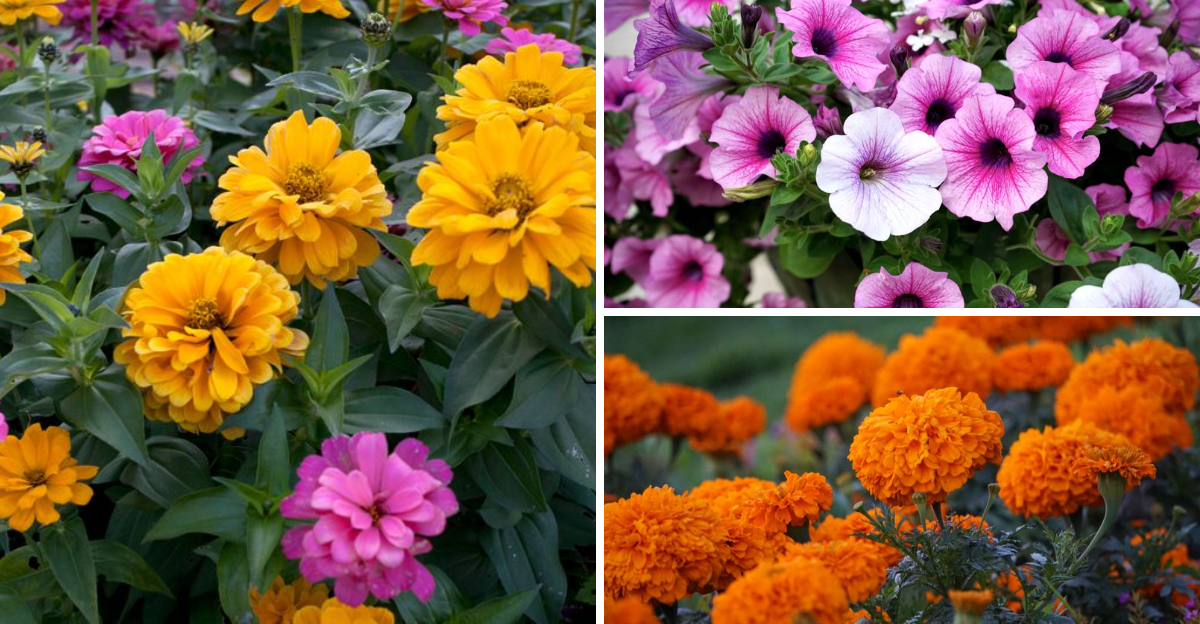
Balconies hold more potential than you ever imagined. Tiny spaces still let you grow serious color.
Gardeners everywhere already prove this true every single spring. Concrete becomes a spectacle once you choose wisely.
Space shrinks, but your ambition never truly has to. Pots hold entire ecosystems when you know how.
Scorching heat still challenges anything weak rather fast. Toughness matters more to you than fragile beauty.
Vivid color still wins once toughness backs it up. Growth stays quiet until it suddenly surges forward.
Roots spread, stems climb, blooms open around you. Nobody ever expects your balcony to outshine a backyard.
Yours will, the moment you choose correctly. Real momentum builds fast once your next bloom opens.
Neighbors notice, then they start asking you questions. Strangers slow down just to admire your railing.
Questions soon turn into requests, and requests multiply fast. You won’t be able to stop once you start.
1. Calibrachoa
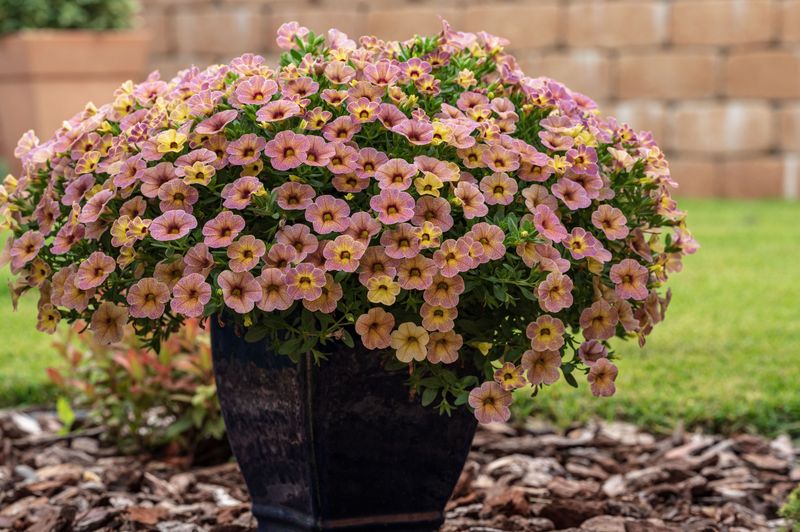
Imagine a petunia that had a baby with a wildflower. That is basically what calibrachoa is. These tiny bell-shaped blooms cover the plant so completely that you can barely see the leaves underneath.
Million Bells earned their nickname honestly. A single plant can produce hundreds of small flowers throughout the growing season.
They trail beautifully over pot edges, making them perfect for hanging baskets and window boxes on balconies.
They need full sun to really shine, so place them in your brightest balcony spot. In partial shade, the blooms thin out and the plant becomes more leggy than lush. Six or more hours of direct sunlight brings out the best in this plant.
Calibrachoa is self-cleaning, meaning old blooms fall off on their own without trimming. This is a huge advantage for busy people who do not have time for regular grooming. The plant keeps refreshing itself all season long with no effort from you.
Watering needs are moderate, but these plants do not like to dry out completely. Check the soil every day or two during hot summer weather. A lightweight, well-draining potting mix helps prevent root issues in containers.
Feed them weekly with a liquid fertilizer formulated for blooming plants. Calibrachoa is a heavy feeder and will slow down significantly without regular nutrients.
These small balcony plants are low maintenance in most ways but genuinely love their fertilizer routine.
2. Geraniums
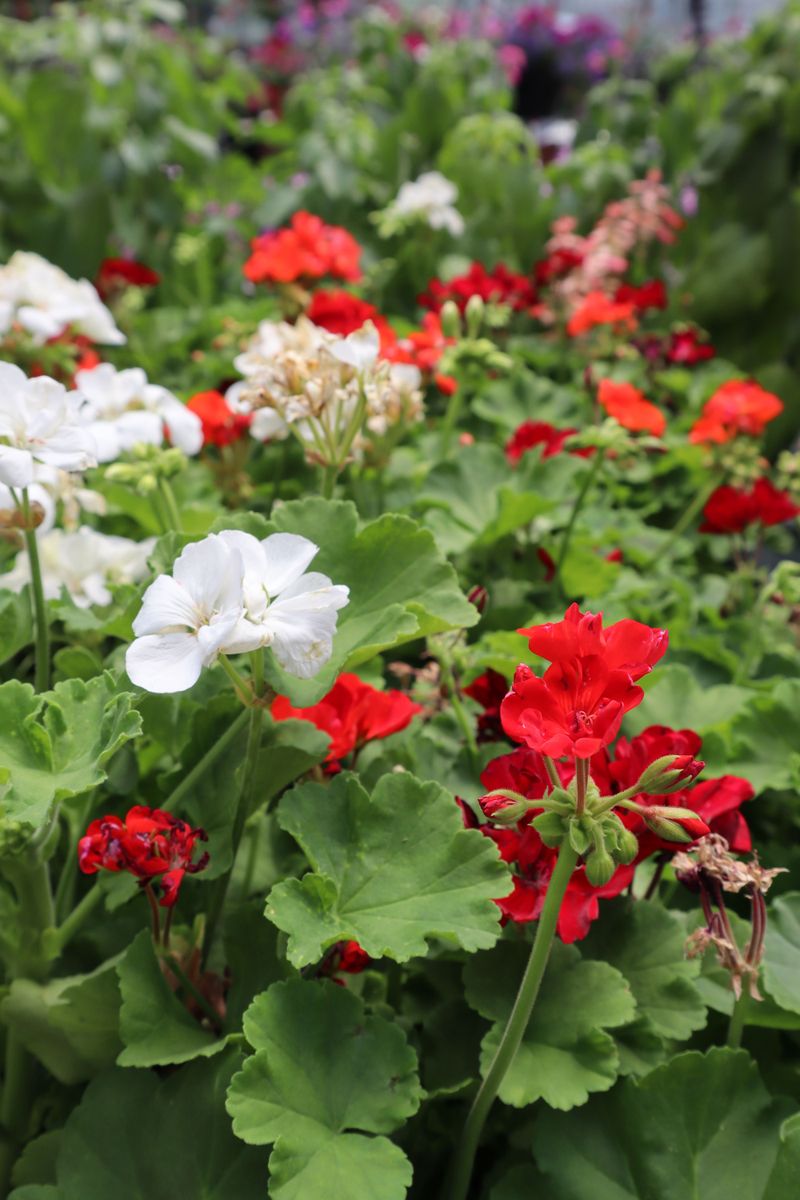
Grandmothers have been growing geraniums on windowsills for centuries, and there is a reason they never went out of style. These small balcony plants pack a serious punch of color without demanding much in return.
A single pot of geraniums can light up a dull balcony corner instantly. Geraniums love sunshine, so place them where they get at least six hours of direct light daily.
They are drought-tolerant, which means forgetting to water once in a while will not end in disaster. Just make sure your pots have good drainage holes to prevent soggy roots.
Removing spent blooms keeps new flowers coming all season long. Pinch off the faded flowers right at the base of the stem. This simple habit takes about two minutes and rewards you with weeks of fresh color.
These plants come in shades of red, coral, white, pink, and deep burgundy. You can mix two or three colors in one large pot for a window-box effect.
Geraniums are believed to help deter certain insects, making them a nice balcony companion. Feed them with a balanced liquid fertilizer every two weeks during the growing season.
They thrive in warm weather and slow down a bit when temperatures drop. Bring them indoors before the first frost and they will bounce back strong next spring.
3. Petunias
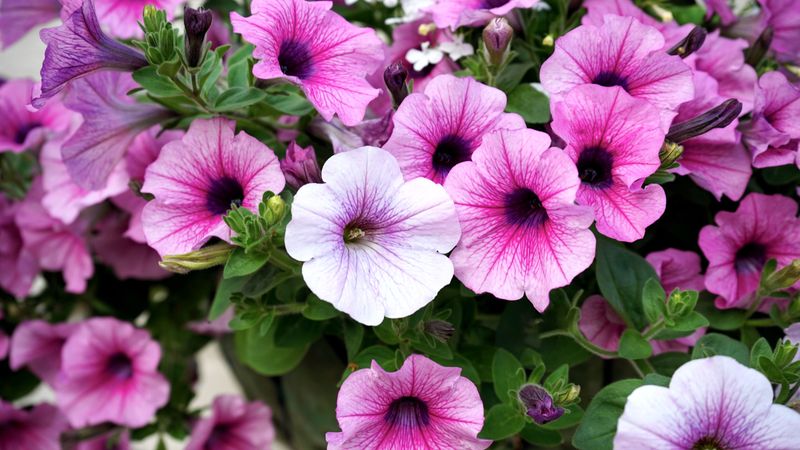
Few flowers put on a show quite like petunias do. They cascade over pot edges like a waterfall of color, turning any balcony railing into a full, layered display.
These small balcony plants are among the most popular in America for very good reason. Petunias come in almost every color imaginable, from deep purple to candy-stripe pink.
Wave petunias are especially great for containers because they spread and trail beautifully. Mix bold colors with soft whites for a look that feels intentional and polished.
They need full sun to perform their best, so pick the sunniest spot on your balcony. At least six hours of direct light per day keeps them blooming from spring through fall.
In shadier spots, they tend to get leggy and produce fewer flowers. Watering is where most people go wrong with petunias. They like consistent moisture but do poorly in waterlogged soil.
Check the top inch of soil with your finger before watering again. Fertilizing every week or two is the secret weapon of serious petunia growers. Use a balanced liquid fertilizer formulated for flowering plants to support steady blooming.
Without regular feeding, the plants will still grow but the flower count drops noticeably. Trim them back by about a third in midsummer if they start looking scraggly.
They bounce back fast and reward you with a fresh flush of blooms. Petunias are truly one of the hardest-working flowers in any pot garden.
4. Marigolds
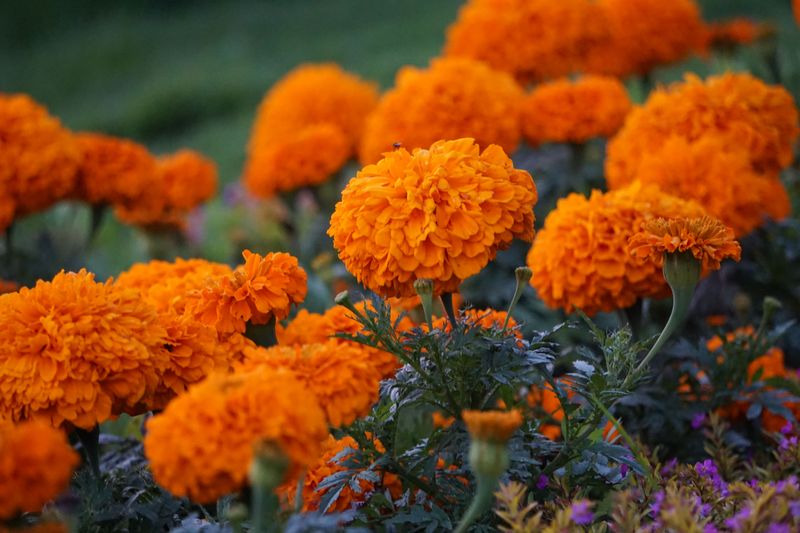
Marigolds smell like summer afternoons and look like little suns packed into a pot. They are one of the toughest and most cheerful options for a container balcony garden. Even beginners find marigolds nearly impossible to mess up.
These flowers thrive in full sun and warm temperatures, which makes them perfect for south-facing balconies. They bloom continuously from late spring until the first cold snap arrives.
The orange, yellow, and gold tones give any space an instant warm, welcoming feel. One of the best things about marigolds is their natural pest-repelling ability. Their strong scent is often said to help keep aphids and whiteflies away, though the effect is mild.
Planting them near herbs or vegetables in nearby pots adds an extra layer of protection. Marigolds prefer well-draining potting mix and do not need heavy watering.
Let the top inch of soil dry out between waterings to keep roots happy. Overwatering is the number one mistake container gardeners make with these plants.
Remove the spent blooms regularly to keep the plant producing new flowers. Pinch the old flower heads off right at the stem base. This small effort makes a big difference in how full and lush the plant looks.
French marigolds stay compact and bushy, making them ideal for smaller pots. African marigolds grow taller and work well in deeper containers. Either way, these small balcony plants deliver color all season with very little fuss.
5. Begonias
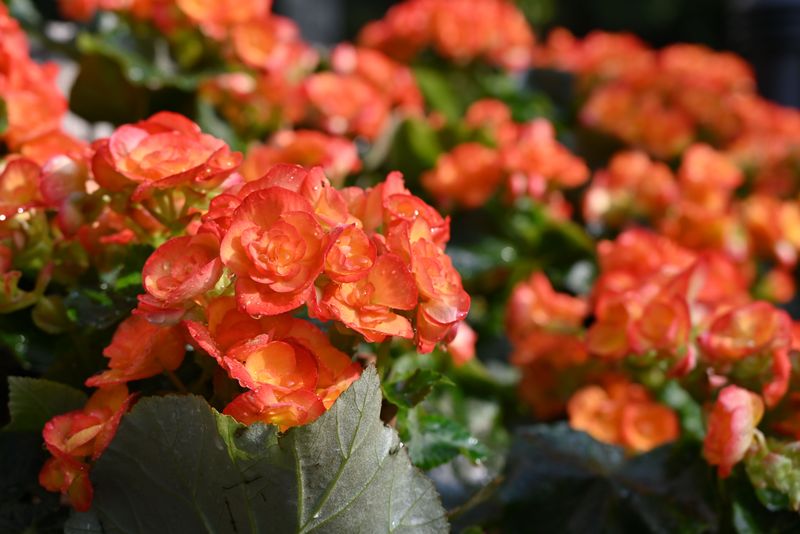
Not every balcony gets blasted with full sun all day, and that is where begonias become your best friend. These plants are the royalty of shady container gardens.
They bring rich color and lush texture to spots that most flowers would simply refuse to grow in.
Wax begonias and tuberous begonias are the two types most popular for containers. Wax begonias are tough, compact, and bloom almost nonstop. Tuberous varieties produce bigger, showier blooms that look almost like roses.
Begonias prefer bright indirect light or morning sun with afternoon shade. Direct afternoon sun can scorch their leaves and fade their blooms quickly. A north or east-facing balcony is often the ideal home for these beauties.
Water them when the top inch of soil feels dry to the touch. Begonias are sensitive to overwatering and can develop root rot in soggy conditions. Always use pots with drainage holes and a light, well-aerated potting mix.
Fertilize every two to three weeks with a balanced liquid feed during the growing season. Too much nitrogen will push leafy growth at the expense of flowers.
A balanced liquid fertilizer formulated for flowering plants keeps the blooms coming steadily all summer. Begonias also work beautifully indoors near bright windows if your balcony gets too cold.
Their long bloom season and shade tolerance make them one of the most versatile small balcony plants available. Few flowers give you this much beauty with this little effort.
6. Zinnias
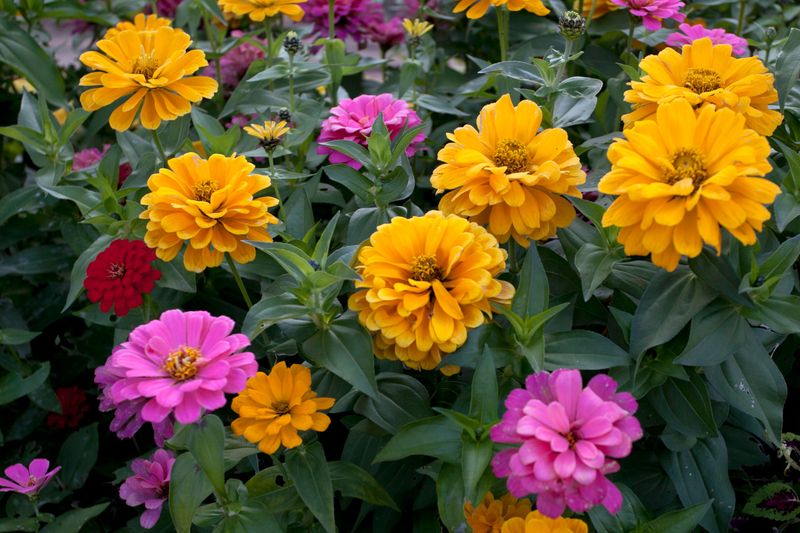
Zinnias are the kind of flower that makes people stop walking and stare. They come in electric shades of red, orange, pink, yellow, and even lime green.
Growing them in balcony pots is one of the fastest ways to add serious color to your outdoor space.
These plants are annuals that grow quickly from seed or transplant. You can have blooming zinnias within weeks of planting, which feels incredibly satisfying. They thrive in full sun and genuinely struggle in shade, so give them your sunniest spot.
Compact zinnia varieties like Thumbelina or Profusion are best for container growing. They stay bushy and short, which suits smaller pots perfectly. Taller varieties tend to get top-heavy and may need staking in exposed balcony positions.
Zinnias are heat lovers and actually perform better as summer temperatures climb. They slow down slightly in extreme humidity but bounce back once conditions ease. These small balcony plants are surprisingly tough once established in a container.
Water at the base of the plant rather than overhead to prevent powdery mildew. Good air circulation around the pot also helps keep foliage healthy. Spacing matters even in containers, so do not overcrowd them.
Removing spent zinnias encourages the plant to push out fresh blooms continuously. Snip the old flower just above the next set of leaves.
Butterflies and hummingbirds absolutely love zinnias, so expect some lovely visitors on your balcony.
7. Lantana
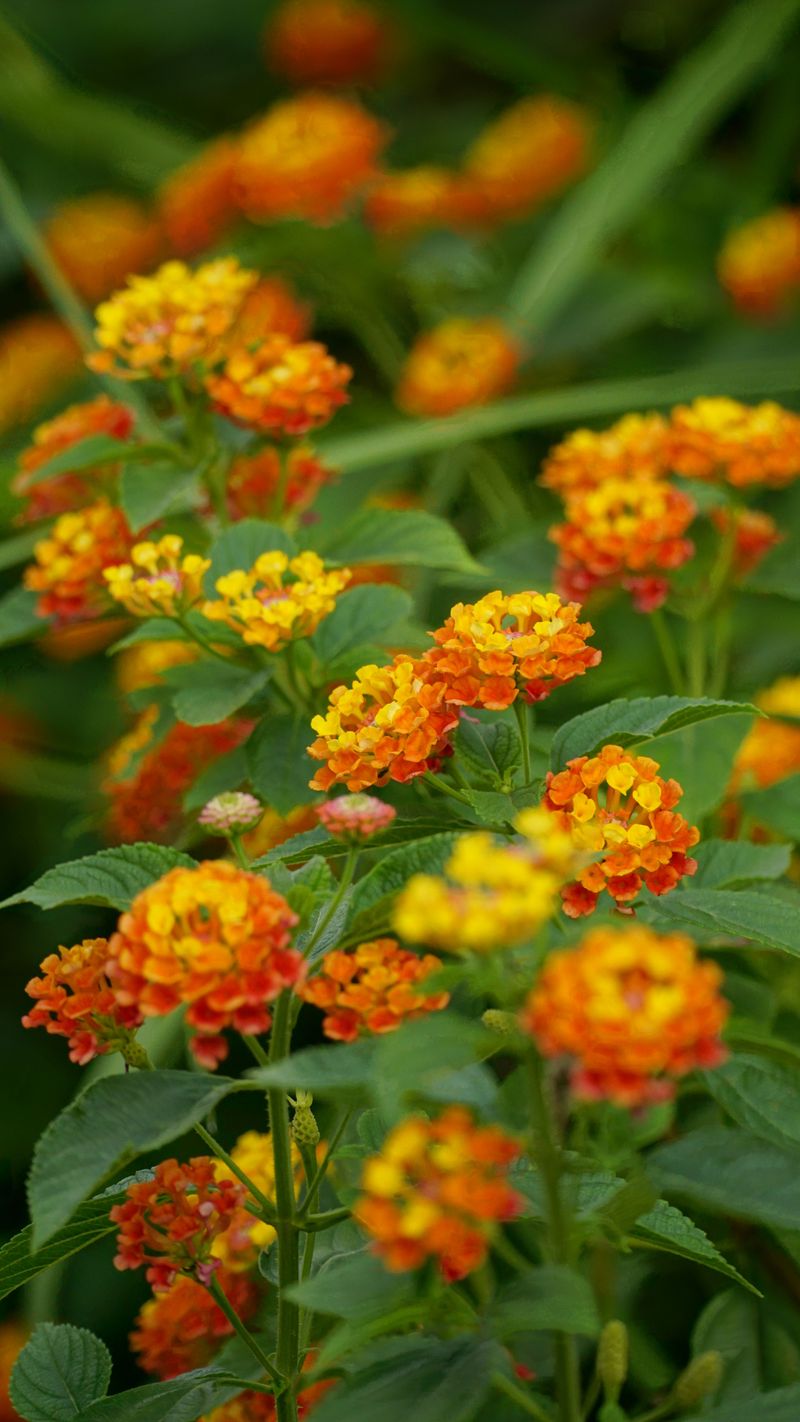
Lantana is one of the most productive bloomers in the balcony garden world. This plant blooms in clusters of tiny flowers that shift color as they age, so one pot can look like it holds three different plants at once.
The multicolor effect is genuinely stunning up close. These plants are built for heat and full sun, making them perfect for balconies that bake in summer.
Once established, they handle drought conditions better than most flowering plants. They are a top pick for gardeners who travel or simply forget to water regularly.
Lantana attracts butterflies like nothing else in the container garden world. Monarchs, swallowtails, and skippers flock to the flowers throughout the season. Adding a pot of lantana to your balcony basically creates a mini butterfly sanctuary.
These plants are vigorous growers and will fill a large pot quickly. Prune them back by about a third in midsummer to keep them tidy and encourage fresh growth. Without occasional trimming, they can get woody and produce fewer blooms.
Use a well-draining potting mix and a pot with good drainage holes. Water when the top inch of soil is dry and avoid letting the roots sit in standing water. Overwatering is the main issue most container growers face with lantana.
Feed with a balanced fertilizer every two to three weeks for best results. Lantana earns its place among the finest small balcony plants with very little effort from you. Bold, beautiful, and remarkably resilient.
8. Bougainvillea
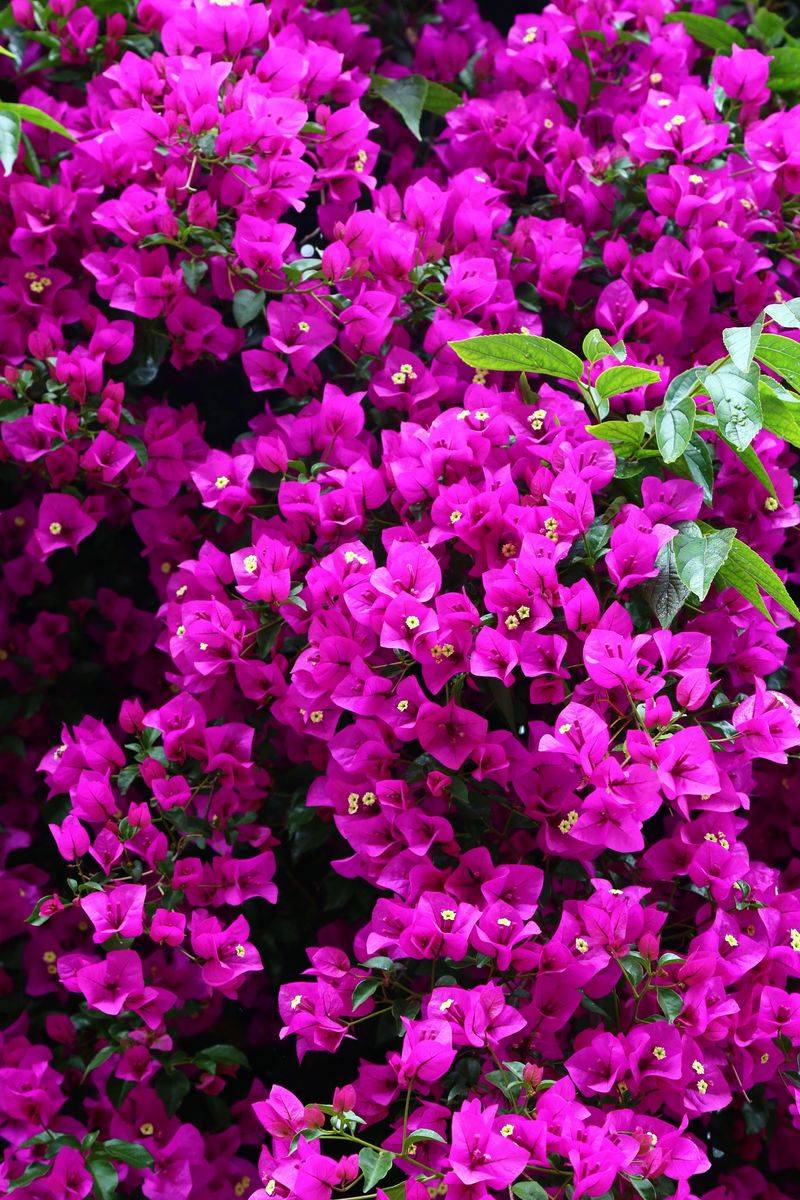
Bougainvillea is the boldest performer of the balcony garden, and it earns every bit of that title. Those vivid magenta, orange, or purple bracts are not actually flowers but modified leaves that surround tiny white blooms.
The result is one of the most visually striking displays any container plant can deliver. This plant loves heat and direct sun more than almost anything else on this list.
Give it the hottest, brightest spot on your balcony and it will absolutely thrive. In cooler or shadier conditions, it sulks and refuses to bloom.
Bougainvillea has a counterintuitive relationship with water. Slightly stressing the plant by letting it dry out between waterings actually triggers more blooming.
Consistent overwatering produces lush green growth but very few of those spectacular bracts.
Use a deep pot with excellent drainage to accommodate the root system. A heavy container also helps anchor the plant on windy balconies. Bougainvillea can get top-heavy as it grows, so weight at the base matters.
Fertilize with a balanced bloom-focused formula every two to three weeks. Regular feeding during the growing season keeps the color show going for months. Cut back on fertilizer in fall to let the plant slow down naturally.
Pruning after each bloom cycle encourages fresh bract production. Wear gloves, as the stems have sharp thorns. Among small balcony plants, bougainvillea is the one that makes the boldest statement of all.
9. Verbena
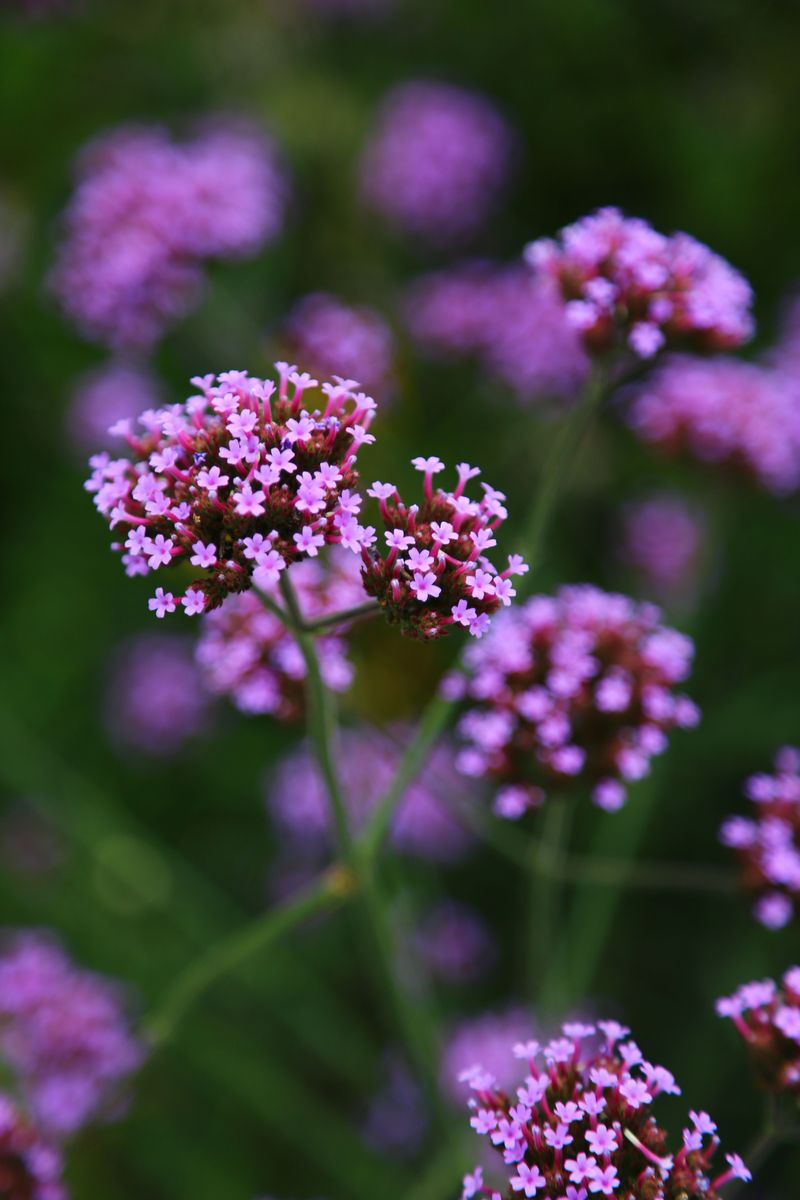
Verbena is a reliable, low-fuss choice that experienced container gardeners keep coming back to every season.
The clusters of small flowers look delicate, but the plant itself is surprisingly tough and heat-resistant. It blooms from spring all the way through fall without much fuss.
Trailing verbena varieties are especially gorgeous in hanging baskets and window boxes. They spill downward in a soft curtain of color that looks effortlessly romantic. Colors range from deep purple and lavender to bright red and soft pink.
Full sun is where verbena performs best, needing at least six hours of direct light daily. It handles heat waves better than many other flowering plants in the same category. Balconies with intense afternoon sun are actually ideal for this flower.
Water verbena deeply but allow the soil to dry slightly between sessions. These plants are moderately drought-tolerant once they settle into their containers. Good drainage is essential because wet roots lead to problems fast.
Fertilize every two weeks with a balanced liquid feed to keep blooms coming. Without regular feeding, the plant continues to grow but the flower clusters thin out noticeably. A small investment in fertilizer pays back with months of continuous color.
Trim verbena back by about a third in midsummer to refresh the plant and boost new growth. Butterflies and bees visit frequently, adding life and movement to your balcony. Verbena is one of the most rewarding small balcony plants you can grow in a pot.