8 Small Native Trees That Are Perfect For Texas Front Yards
A front yard tree has a big job to do, even when it stays on the smaller side. It needs to add beauty, bring some shade, and make the space feel more welcoming without overwhelming the house or swallowing up the whole lawn.
In Texas, that can be a tricky balance. A tree might look great at the nursery, then turn out to be far too large, too messy, or not nearly tough enough for the heat and dry conditions that come with everyday life in much of the state.
That is why small native trees deserve a closer look. They are already adapted to Texas conditions, which gives them a real advantage when it comes to handling sun, soil, and weather swings.
Many also bring the kind of character people want in a front yard, whether that means spring flowers, interesting bark, vibrant fall color, or a shape that adds charm all year.
When chosen well, a smaller native tree can frame a home beautifully, support local wildlife, and give the yard a more settled, thoughtful look without creating extra headaches later on.
1. Texas Redbud
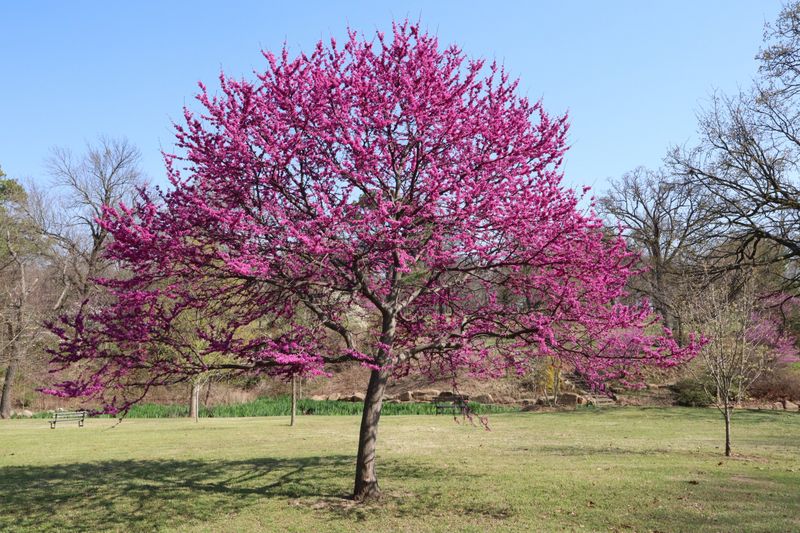
Every spring, the Texas Redbud puts on one of the most jaw-dropping shows in the Lone Star State. Before a single leaf appears, the branches explode with clusters of bright pink flowers. It looks like someone painted the tree with a brush dipped in pink watercolor.
Growing between 15 and 25 feet tall, this tree fits perfectly in smaller front yards without crowding sidewalks or power lines.
The heart-shaped leaves add charm throughout the summer, then turn a warm yellow in fall. That means you get three seasons of visual interest from just one tree.
Texas Redbud handles a wide range of soil types, including rocky, clay-heavy, and sandy soils found across Texas. Once established, it becomes very drought-tolerant, making it a low-maintenance choice for busy homeowners. It does best in full sun to partial shade.
Pollinators absolutely love this tree. Bees arrive in large numbers the moment those pink flowers open.
Birds also visit regularly, especially after the seed pods form in late summer. Planting a Texas Redbud near your front walkway creates a welcoming, colorful entrance that your neighbors will notice every spring.
2. Mexican Plum
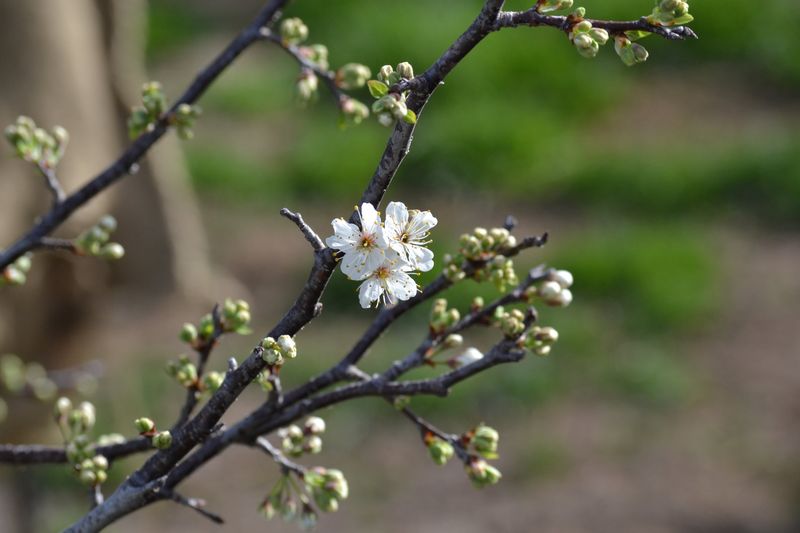
If you have ever walked past a tree and stopped because of a sweet, unexpected fragrance, you know exactly the kind of surprise the Mexican Plum offers every spring.
Its white blossoms appear early in the season, often before most other trees have even woken up. The scent is genuinely lovely and fills the air around your front yard.
Beyond the flowers, this tree has gorgeous peeling bark that adds texture and visual interest even in winter when leaves are gone.
It grows 15 to 25 feet tall and develops a naturally rounded shape that looks tidy without much pruning. Texas homeowners appreciate trees that look good with minimal effort.
Late summer brings small reddish-purple plums that wildlife cannot resist. Birds, deer, and small mammals all enjoy the fruit.
If you want to attract more wildlife to your yard in Texas, the Mexican Plum is one of the easiest ways to do it.
Soil adaptability is another big plus. Mexican Plum grows well in rocky limestone soils, sandy ground, and clay-heavy areas common throughout Central and North Texas.
It tolerates drought once established and rarely needs supplemental watering after its first year. Plant it where it gets plenty of sun for the best flower display and fruit production each year.
3. Desert Willow
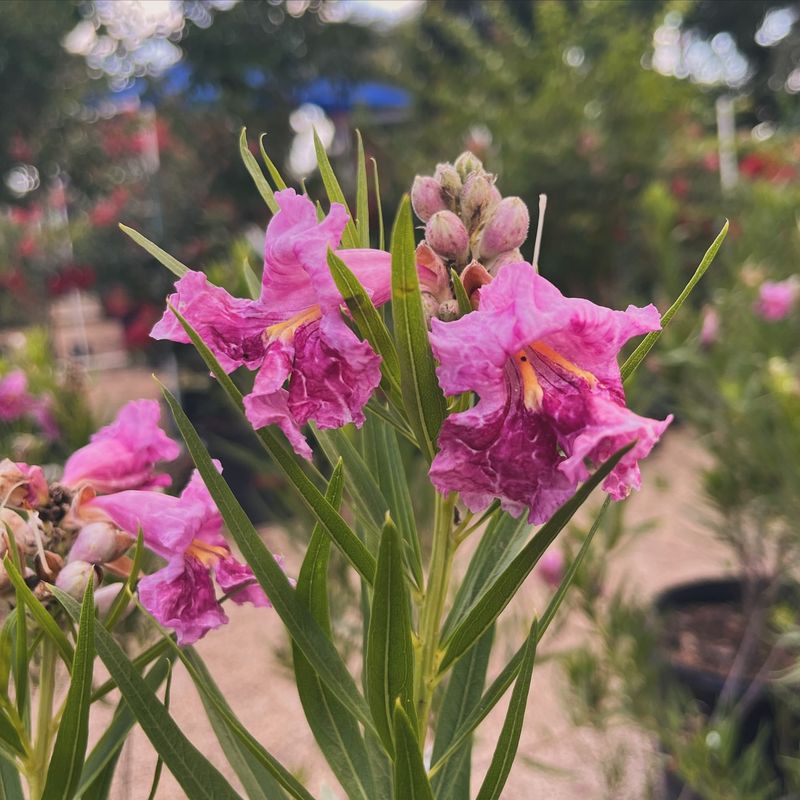
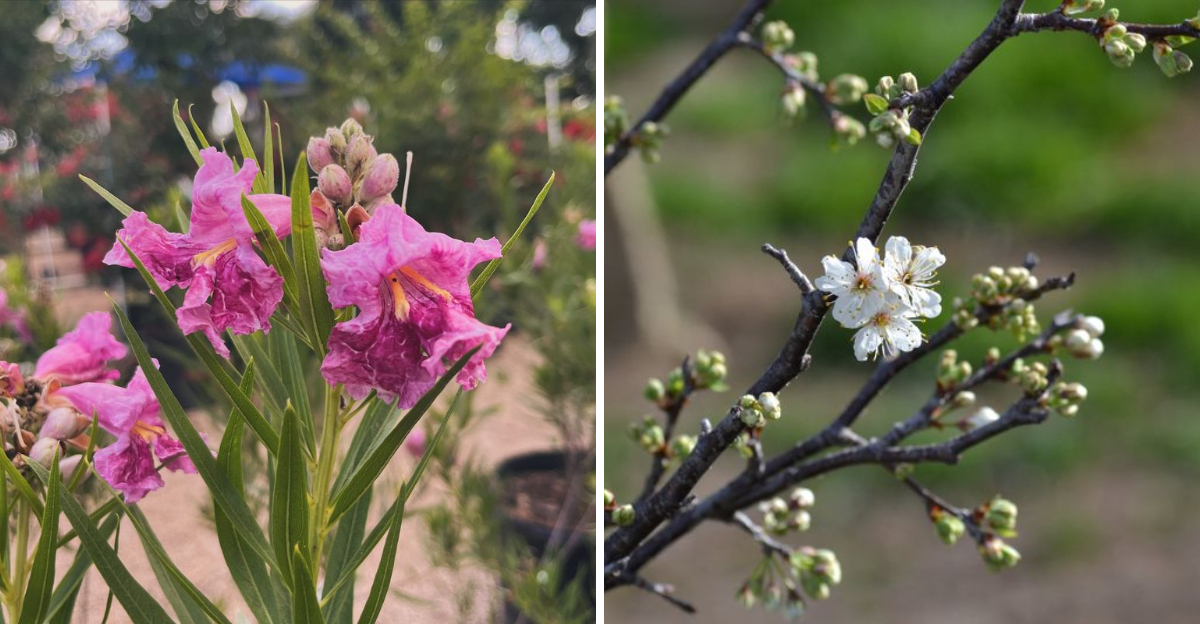
Picture a tree that blooms all summer long, attracts hummingbirds, and barely needs any water. That is the Desert Willow in a nutshell, and it is one of the most underrated native trees for Texas front yards.
Despite the name, it is not a true willow. It belongs to its own plant family and is perfectly suited for hot, dry conditions.
The flowers are stunning. They come in shades of pink, purple, lavender, and white, and they are shaped like small trumpets.
Blooming starts in late spring and continues through the summer, giving your yard months of color. Hummingbirds flock to these blooms, which makes your front yard feel like a mini nature sanctuary.
Desert Willow grows 15 to 25 feet tall with a loose, airy canopy that lets sunlight filter through beautifully. The slender leaves give it an elegant, wispy look that stands out from denser shade trees.
It thrives in full sun and well-drained soils, including the rocky and sandy ground found in West Texas and Central Texas.
Watering needs are minimal once the tree is established. It handles heat and drought far better than most ornamental trees.
For homeowners in dry parts of Texas looking for a low-water, high-impact tree, Desert Willow checks every box and then some.
4. Eve’s Necklace
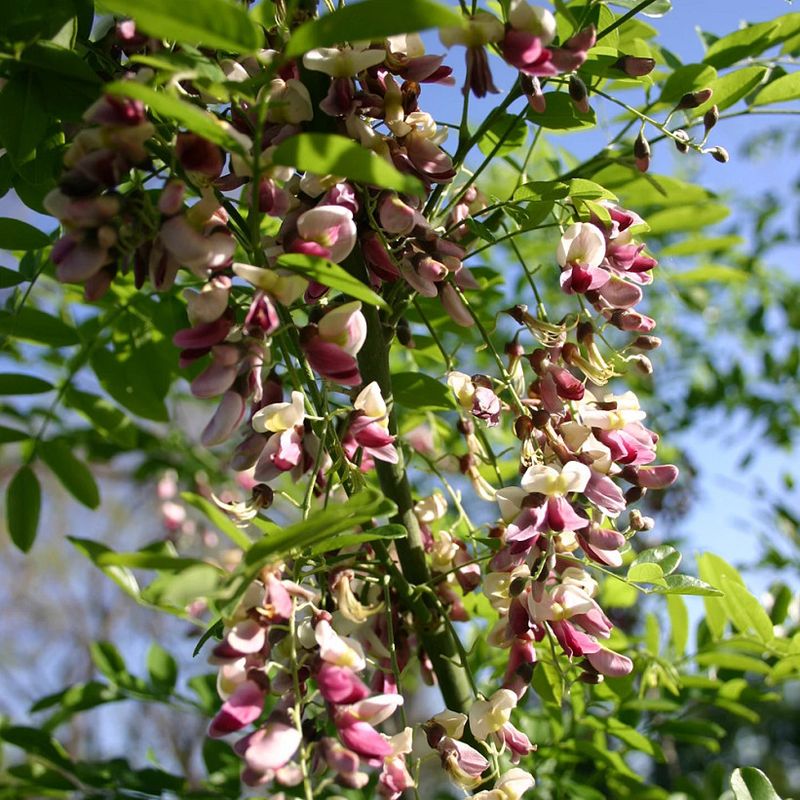
Not many trees come with a name as poetic as Eve’s Necklace, and once you see those distinctive seed pods, you will understand exactly why it earned that name.
The pods are strung with dark, bead-like seeds that hang in long chains from the branches, creating a truly unique ornamental effect in fall and winter.
In spring, the tree bursts into soft pink flower clusters that look delicate and almost dreamlike against the sky. The blooms are fragrant and attract native bees and butterflies.
Eve’s Necklace grows 15 to 25 feet tall with a graceful, open form that suits front yards without overwhelming the space around your home.
Central and North Texas are especially good regions for this tree. It adapts well to the limestone soils common in the Hill Country and surrounding areas.
Once established, it handles drought reasonably well, though it appreciates a deep watering during extended dry spells in summer.
Eve’s Necklace works well in both full sun and partial shade, giving homeowners flexibility when choosing a planting spot. It is a slow to moderate grower, so patience pays off.
Over time, it develops a handsome canopy with interesting bark texture. For anyone in Texas looking for something a little different from the usual landscape trees, this native gem is absolutely worth considering.
5. Anacacho Orchid Tree
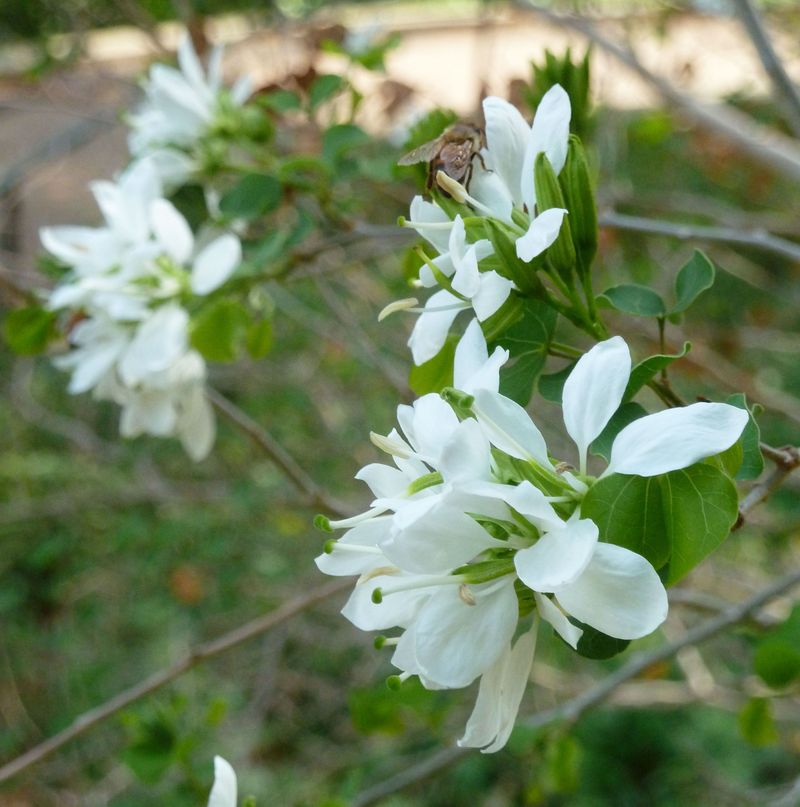
Flowers that look like orchids on a native Texas tree? Yes, that is exactly what the Anacacho Orchid Tree delivers, and it is nothing short of spectacular.
The blooms are white to pale pink, delicate, and clustered in a way that genuinely resembles orchid blossoms. Spring visits to a yard with this tree feel like something special.
Native to the limestone canyons of the Pecos River region in Texas, this tree is built for tough conditions. It handles heat, drought, and rocky soil without complaint.
Growing 10 to 20 feet tall, it stays compact and manageable, making it an excellent fit for smaller front yards in warmer parts of Texas, including South Texas and the Hill Country.
The leaves are small, two-lobed, and give the tree a fine texture that looks elegant year-round. In mild winters, it may even hold onto some leaves, behaving almost like a semi-evergreen. That makes it one of the more versatile native trees for Texas landscapes.
Butterflies are particularly drawn to the Anacacho Orchid Tree. Planting one near the entrance of your home creates a living welcome sign that changes with the seasons.
Maintenance is minimal once established, and it rarely needs pruning to keep its naturally tidy shape. For a touch of elegance in a tough Texas climate, few trees compare to this one.
6. Texas Persimmon
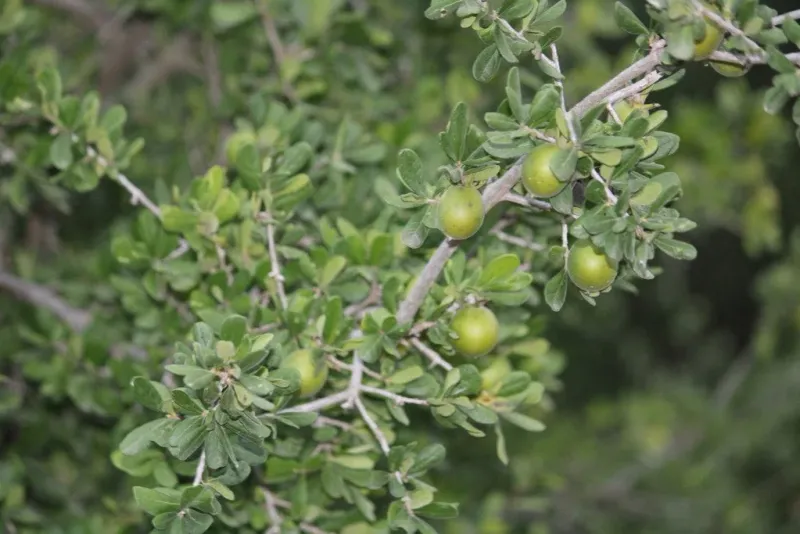
Some trees earn their spot in a yard purely through good looks, and the Texas Persimmon is a master of quiet, sculptural beauty. The bark is one of the most striking features you will find on any native tree.
It peels away in patches to reveal a smooth surface in shades of gray, white, and cream that almost looks like polished stone.
Texas Persimmon grows slowly, reaching 10 to 20 feet tall over many years. That slow pace is actually a benefit for front yard use because you will never have to worry about it outgrowing its space.
It stays tidy and compact with minimal pruning, which saves time and effort for homeowners across Texas.
Drought tolerance is exceptional. This tree is native to the rocky, dry regions of South and West Texas, where rainfall is scarce and summers are brutal.
Once established, it survives on very little supplemental water. That makes it one of the toughest small trees you can plant in a low-water landscape.
In late summer, small dark fruits appear on female trees. They are edible and popular with birds and other wildlife.
The contrast of dark fruit against pale bark is visually striking. For Texas yards that need a tree with year-round structure, unique bark texture, and minimal care requirements, the Texas Persimmon is an outstanding and often overlooked choice.
7. Possumhaw Holly
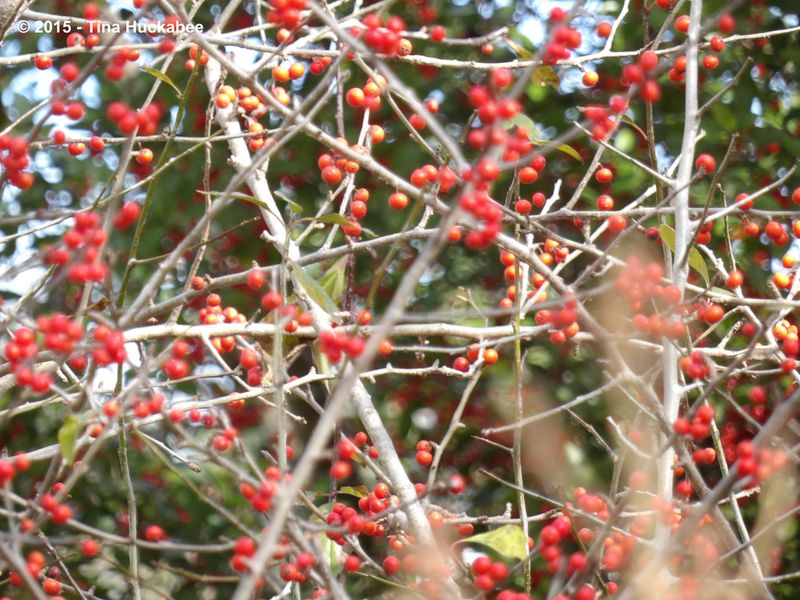
When winter strips most trees bare and front yards start looking dull, the Possumhaw Holly steps up and steals the show.
Bright red and orange berries cling to its bare branches from late fall through winter, creating a bold splash of color when everything else looks gray and lifeless. It is genuinely one of the best winter-interest plants in all of Texas.
Growing 15 to 25 feet tall, it can be trained as a small tree or left as a large multi-stemmed shrub. Either way, it fills a space beautifully without becoming invasive or messy.
The deciduous nature means you get to enjoy the full berry display without any leaves blocking the view during its most spectacular season.
Birds absolutely love Possumhaw Holly. Cedar waxwings, mockingbirds, and robins all flock to the berries throughout winter.
Planting one in your Texas front yard essentially sets up a free bird-watching station right outside your window during the colder months.
Spring and summer bring fresh green foliage that looks clean and tidy. The tree adapts well to a range of soil conditions, including clay and poorly drained areas where other trees struggle.
It handles both full sun and partial shade. For Texas homeowners who want year-round seasonal interest and a yard that supports local wildlife, Possumhaw Holly is a genuinely rewarding choice.
8. Carolina Buckthorn
Not every front yard in Texas gets blazing sun all day, and that is exactly where the Carolina Buckthorn shines.
Most native trees prefer full sun, but this one actually thrives in part shade, making it a fantastic option for yards that sit under the canopy of larger trees or next to a shaded fence line.
Carolina Buckthorn is not as well-known as some of the flashier native trees on this list, but that is honestly part of its charm. It grows 10 to 20 feet tall with a naturally neat, upright form that fits beautifully in tight spaces.
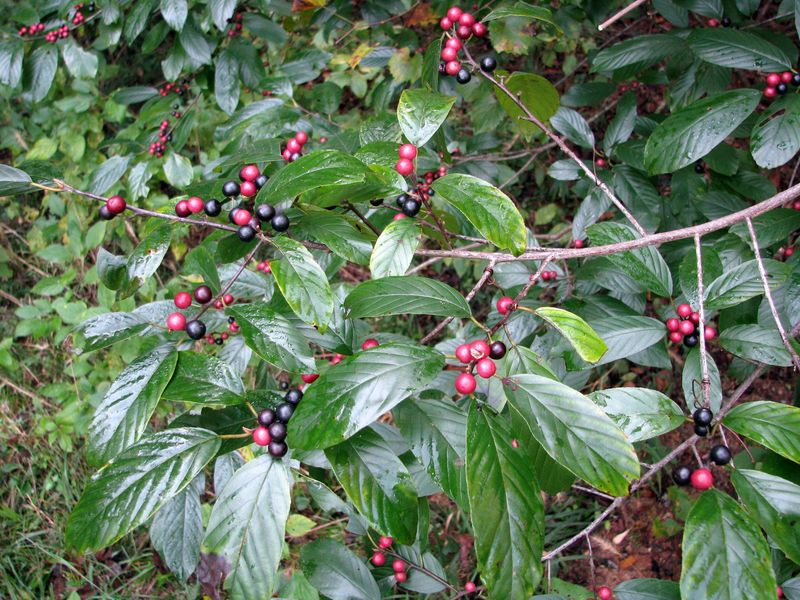
The glossy, dark green leaves stay attractive throughout the growing season and give it a polished, refined appearance.
Small flowers appear in spring and go mostly unnoticed, but the berries that follow are worth watching. They start red and ripen to a deep black by late summer, attracting birds and small wildlife.
The color transition from red to black on the same plant at the same time creates a subtle but interesting visual display.
Soil adaptability is a real strength of this tree. It handles moist, rich soils as well as average garden soil found throughout East Texas and Central Texas.
For homeowners dealing with challenging shady spots where other trees refuse to grow, Carolina Buckthorn offers a reliable, low-maintenance, and genuinely attractive native solution worth planting.