10 Smart Landscaping Changes That Reduce Pests In Florida Yards
Living in Florida means warm weather, green landscapes, and spending time outdoors. It also means dealing with mosquitoes, ants, gnats, and other pests that seem to show up the moment you step outside.
Many homeowners feel stuck in a cycle of spraying, treating, and reapplying products just to keep their yards usable. It can get expensive, frustrating, and exhausting.
The truth is that your landscape plays a huge role in how many pests move in and stick around. Small changes to plant spacing, watering habits, and yard maintenance can make your property far less attractive to insects while keeping plants healthier and stronger at the same time.
With the right adjustments, it is possible to enjoy outdoor spaces without constantly fighting bugs or relying on harsh chemicals.
These practical landscaping changes are simple, affordable, and designed for Florida’s unique climate so homeowners can take back their yards and enjoy them again.
Give Plants More Breathing Room
Cramming plants together feels productive when you first landscape, but tight spacing creates the dark, damp microclimates that Florida insects love most.
When foliage touches and overlaps, air cannot move through properly, and moisture lingers long after your sprinklers shut off or afternoon storms pass.
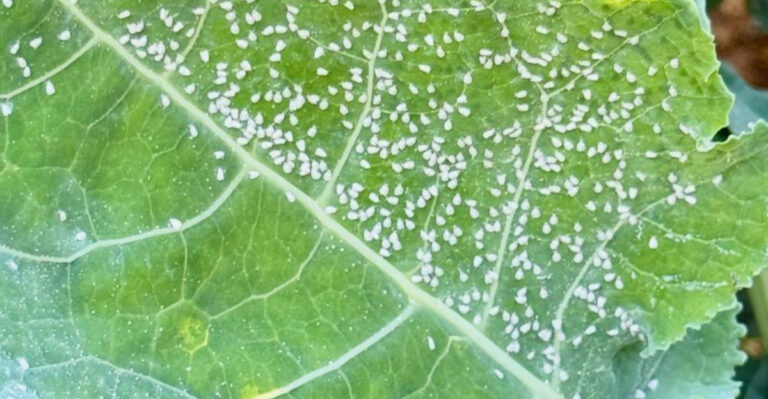
That trapped humidity becomes an invitation for whiteflies, aphids, and fungus gnats to settle in and multiply quickly.
North Florida gardeners often see this problem ease slightly during cooler months when pest activity naturally slows down. Central and South Florida homeowners deal with the issue year-round because insects never truly take a break in those warmer zones.
Spacing plants according to their mature size allows sunlight to reach lower leaves and keeps air circulating freely around every stem.
You will notice fewer pest outbreaks once your plants have room to breathe and dry properly between waterings.
University of Florida IFAS Extension recommends following spacing guidelines on plant tags to reduce crowded conditions that encourage insect buildup.
Healthier plants with good airflow also resist disease better, which means less stress and fewer weak spots for pests to exploit in your landscape.
Stop Water From Sitting In Your Yard
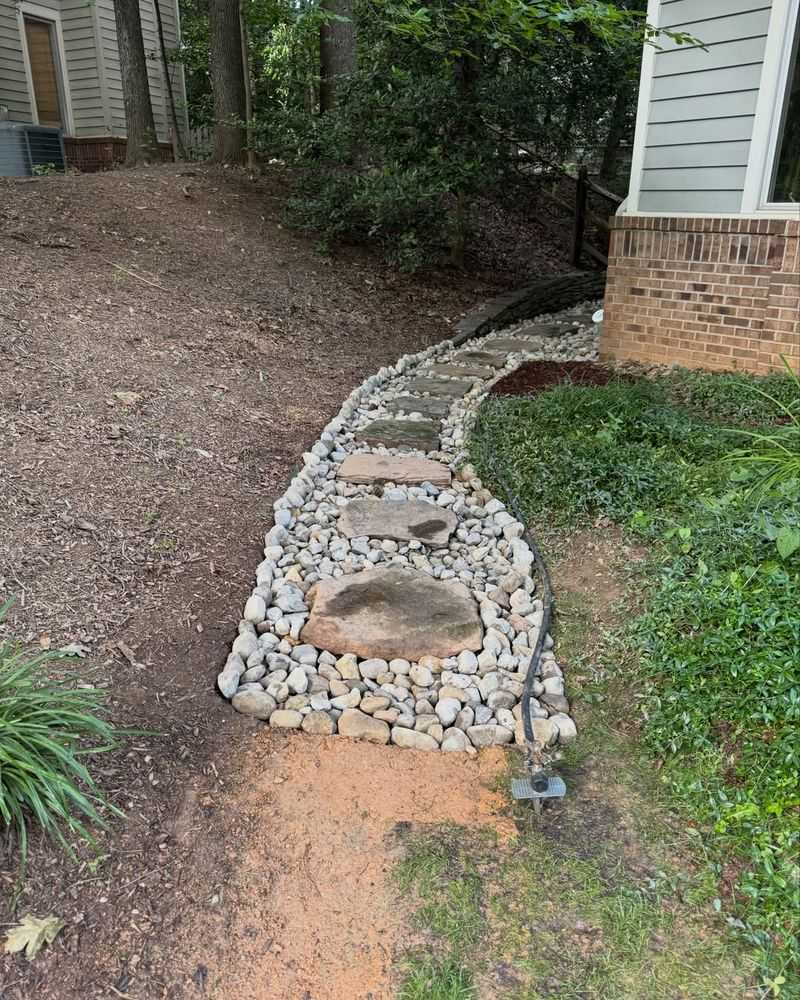
Standing water acts like a neon sign for mosquitoes and other moisture-loving pests that breed rapidly in Florida humidity. Even small puddles that linger after rain or irrigation give insects exactly what they need to complete their life cycles and multiply by the hundreds.
Your yard might have low spots, compacted soil, or clogged drainage that you never noticed until you start watching where water collects and stays.
Mosquitoes can breed in very small amounts of standing water, so addressing drainage issues makes a dramatic difference in pest pressure around your home.
Regrading problem areas, adding French drains, or amending heavy clay soils with organic matter helps water move through instead of pooling on the surface.
South Florida homeowners often deal with higher water tables and more frequent afternoon storms, making good drainage even more critical for pest reduction.
Once you fix drainage problems, you will see fewer mosquitoes hovering around your patio and notice that other moisture-dependent insects like fungus gnats also decline.
The Florida Friendly Landscaping Program emphasizes proper grading and drainage as foundational steps for healthier yards that naturally resist pest problems without constant intervention.
Pick Plants Pests Avoid Naturally
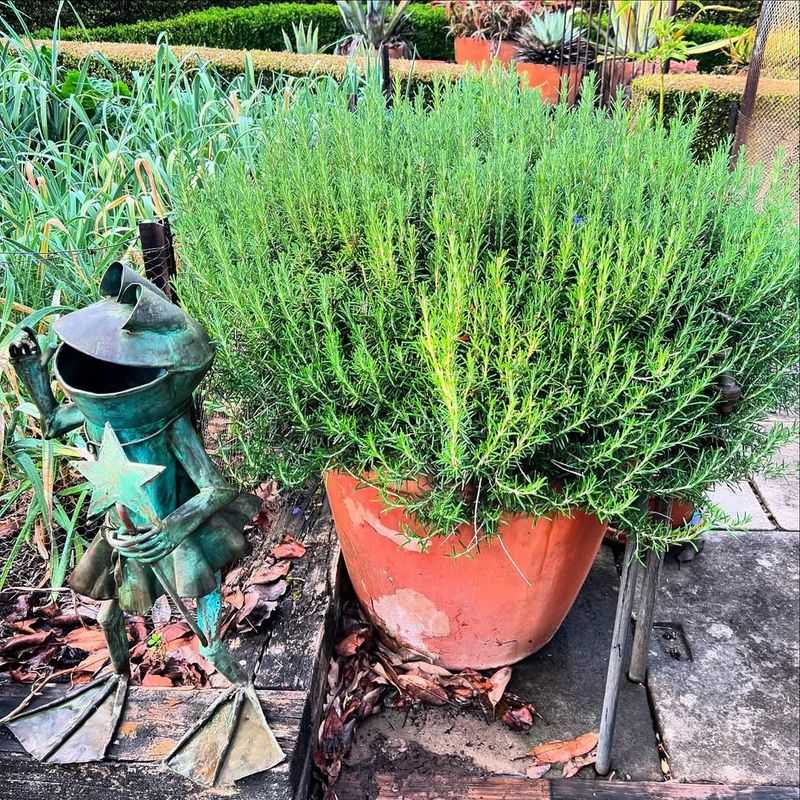
Some plants are naturally less attractive to the insects that cause the most problems in Florida landscapes. Choosing pest-resistant varieties means you spend less time battling infestations and more time enjoying your outdoor spaces without frustration.
Herbs like rosemary, basil, and lavender produce strong scents that may discourage some nuisance insects at close range, while native beautyberry and firebush support beneficial insects without inviting destructive pests.
University of Florida research shows that planting a diverse mix of Florida-friendly species creates a more balanced ecosystem where pest populations stay naturally controlled.
Avoid plants known for attracting specific problems, like gardenias that draw whiteflies or hibiscus that become magnets for aphids and spider mites in our heat.
North Florida gardeners have more cold-tolerant options, while Central and South Florida can grow a wider range of tropical plants that are more tolerant of common pests.
Your landscape becomes easier to maintain when you select plants that thrive without constant pest management. Native and adapted species typically need less water and fertilizer, which also reduces the lush, tender growth that pests prefer to attack first in any yard.
Crowded Beds Invite More Bugs
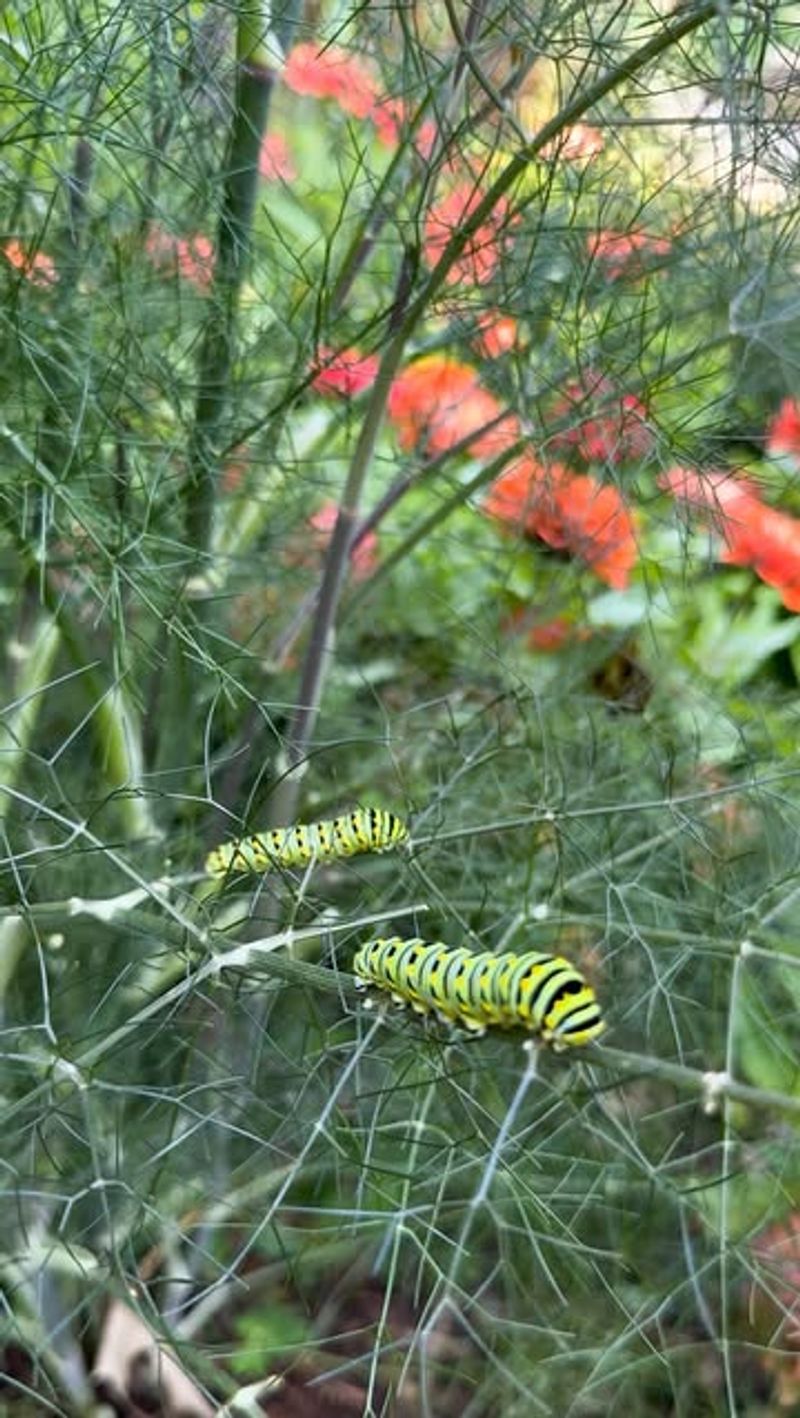
Overstuffed planting beds create sheltered hiding spots where pests can feed, breed, and spread without you noticing until the problem becomes severe. Tight quarters mean leaves stay wet longer, stems touch and create bridges for insects to travel easily, and predators like lizards and spiders cannot patrol effectively through the dense growth.
Florida humidity amplifies these issues because moisture never fully evaporates from crowded foliage, giving soft-bodied insects like mealybugs and scale the damp conditions they need to thrive.
Thinning out overcrowded beds improves air circulation and allows sunlight to reach all plant surfaces, which naturally discourages many common pests.
You might feel hesitant to remove plants, but giving each one proper space results in healthier growth and fewer insect problems overall.
Central Florida landscapes benefit especially from this change because year-round warmth keeps pest populations active without the seasonal breaks that North Florida experiences.
Once you open up your beds, beneficial insects can move through more easily to hunt pests, and you will spot problems sooner during routine checks. Florida Integrated Pest Management guidelines emphasize spacing as a cultural control that reduces pest pressure before you ever need chemical intervention.
Mulch Can Help Or Hurt Pest Problems
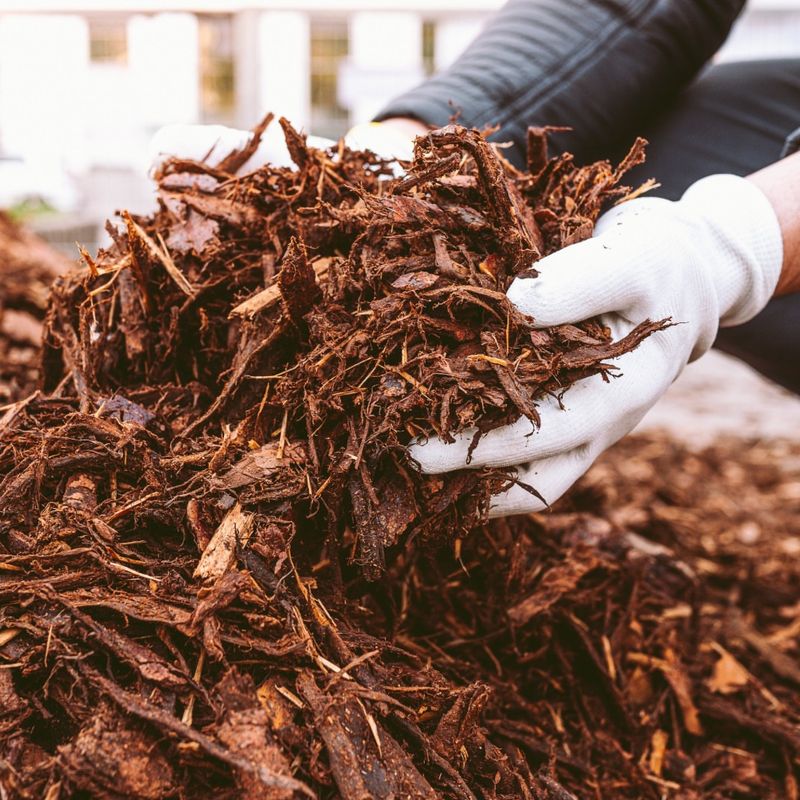
Mulch provides wonderful benefits for Florida landscapes by conserving moisture, moderating soil temperature, and suppressing weeds, but the wrong type or application invites pests instead of preventing them. Piling mulch too deeply or too close to plant stems creates damp, dark environments where roaches, earwigs, and fungus gnats thrive comfortably.
Fresh wood chips decompose quickly in our heat and humidity, which can increase moisture levels that may attract termites and carpenter ants to nearby areas.
University of Florida IFAS Extension recommends keeping mulch layers around two to three inches deep and pulling it back several inches from plant stems and tree trunks to prevent pest problems.
Pine bark, eucalyptus, and melaleuca mulches tend to break down more slowly in Florida conditions and harbor fewer pests than cypress or hardwood varieties.
South Florida gardeners often see faster decomposition rates and may need to refresh mulch more frequently than those in North Florida.
Proper mulching reduces pest habitat while still delivering all the benefits your plants need to stay healthy and stress-free. You will notice fewer insects congregating around your beds once you adjust mulch depth and keep it away from direct contact with plant tissue.
Invite Nature’s Pest Control Crew
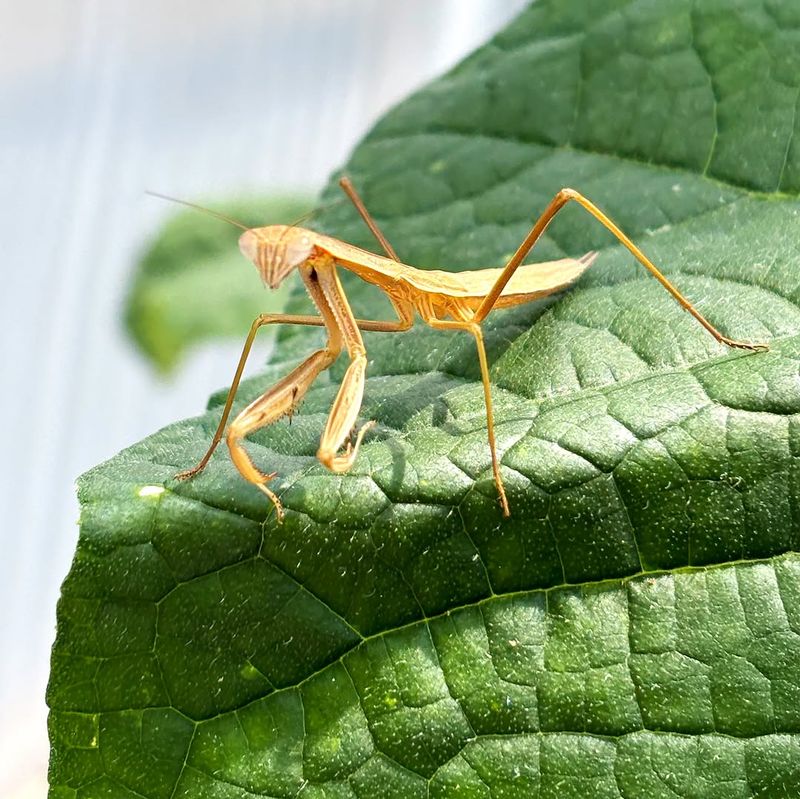
Your yard already has natural allies waiting to help control pest populations if you give them the right habitat and resources. Ladybugs, lacewings, parasitic wasps, and predatory beetles all feed on the insects that damage your plants, while lizards, frogs, and birds hunt larger pests throughout the day.
Creating a landscape that supports these beneficial creatures means fewer pest outbreaks and less need for chemical treatments that can harm the helpers along with the pests.
Planting native flowers like blanket flower, coreopsis, and salvia provides nectar and pollen that beneficial insects need to survive and reproduce in your landscape.
Avoid broad-spectrum insecticides that eliminate both good and bad bugs, disrupting the natural balance that keeps pest numbers manageable.
North Florida yards often see more seasonal variation in beneficial insect activity, while Central and South Florida landscapes can support these helpers year-round with consistent food sources.
Once beneficial populations establish, you will notice that pest problems resolve more quickly and rarely escalate into serious infestations.
The Florida Friendly Landscaping Program encourages homeowners to work with nature instead of against it, building ecosystems where pest control happens naturally through predator and prey relationships.
Messy Edges Create Hidden Pest Zones
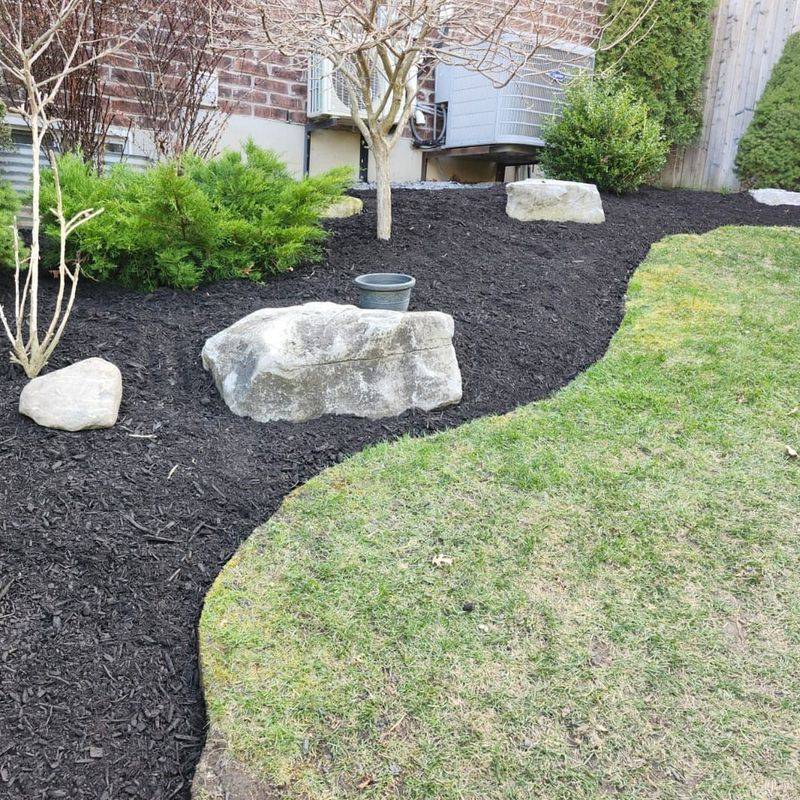
Neglected borders where your lawn meets beds, fences, or hardscapes become perfect hiding spots for pests that prefer undisturbed areas close to food sources. Tall grass, leaf litter, and overgrown groundcovers along edges provide shelter for roaches, ants, and spiders that eventually migrate closer to your home.
These transition zones often stay damp longer because they receive less sun and air movement, creating ideal conditions for moisture-loving insects to establish colonies.
Keeping edges trimmed and clear allows sunlight to reach the soil surface and reduces the protected microclimates that pests need to survive Florida heat and predators.
A clean border between different landscape areas also makes it easier to spot pest activity early before populations explode and spread throughout your yard.
South Florida homeowners deal with this issue year-round, while North Florida gardeners might get a seasonal break when cooler weather temporarily reduces pest pressure along neglected edges.
Regular maintenance of these transition zones dramatically reduces the number of pests moving from your landscape into your home. You will notice fewer insects indoors once you eliminate the sheltered pathways and breeding areas that messy edges provide right next to your foundation and entry points.
Leftover Plant Debris Feeds Pest Problems
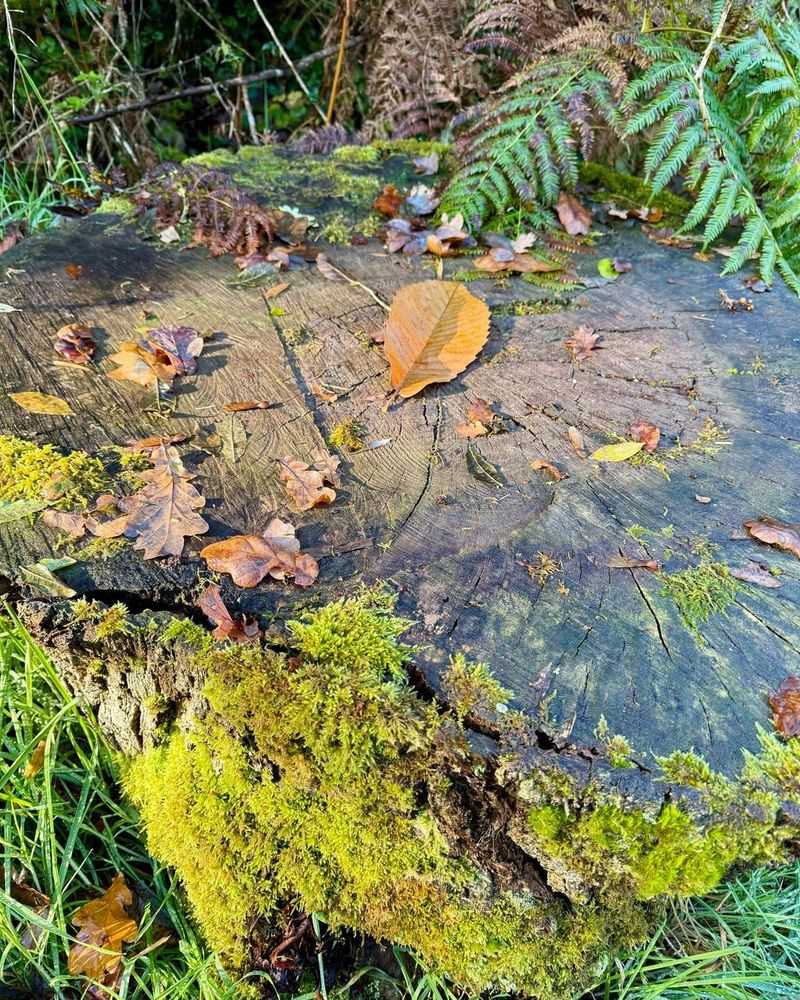
Fallen leaves, spent flowers, pruned branches, and other plant material that sits in your landscape provide food and shelter for pests that multiply quickly in Florida conditions. Decomposing vegetation attracts fungus gnats, earwigs, pillbugs, and other insects that feed on decaying organic matter and then move on to attack living plants nearby.
Piles of debris also create damp hiding spots where roaches and centipedes congregate during hot days and then venture out at night to explore your property. While many spiders are beneficial, clutter still provides shelter for unwanted pests.
Regularly removing plant debris keeps your landscape cleaner and eliminates the resources that pest populations need to build up between your maintenance visits.
North Florida yards accumulate more leaf litter during fall, while South Florida landscapes generate debris year-round from constant growth and tropical storm activity.
Composting removed material away from your house turns waste into a valuable soil amendment without creating pest problems right next to your living spaces.
You will see fewer insects overall once you stop providing them with the food and habitat that leftover plant debris supplies so generously.
University of Florida recommendations emphasize sanitation as a key cultural practice that prevents pest problems before they start, reducing your reliance on chemical controls.
Wrong Watering Schedules Attract Insects
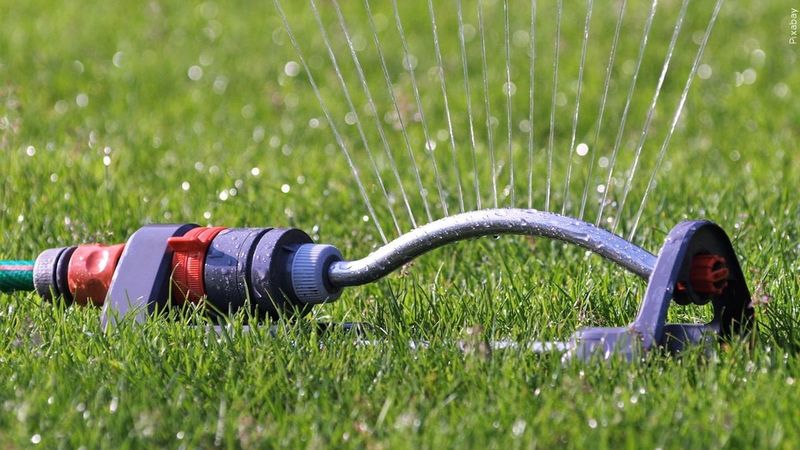
Watering at the wrong time or too frequently creates the constantly moist conditions that many Florida pests find irresistible for feeding and breeding. Evening irrigation leaves foliage wet overnight when temperatures drop and humidity rises, giving fungal diseases and moisture-loving insects like thrips and aphids ideal conditions to attack your plants.
Overwatering also weakens root systems and produces soft, succulent growth that pests prefer to target over tougher, properly hydrated plant tissue.
Watering early in the morning allows foliage to dry quickly as temperatures rise and gives plants the moisture they need before afternoon heat stresses them.
Florida Friendly Landscaping guidelines recommend watering only when plants show signs of need rather than following a rigid schedule that ignores rainfall and seasonal changes.
South Florida landscapes often need more frequent irrigation than North Florida yards, but the principle of morning watering applies equally across all regions to minimize pest attraction.
Adjusting your irrigation timing and frequency reduces pest pressure while actually improving plant health and conserving water. You will notice that insect problems decline when foliage stays dry overnight and plants develop stronger growth that resists pest damage more effectively throughout the growing season.
Sun And Shade Placement Changes Everything
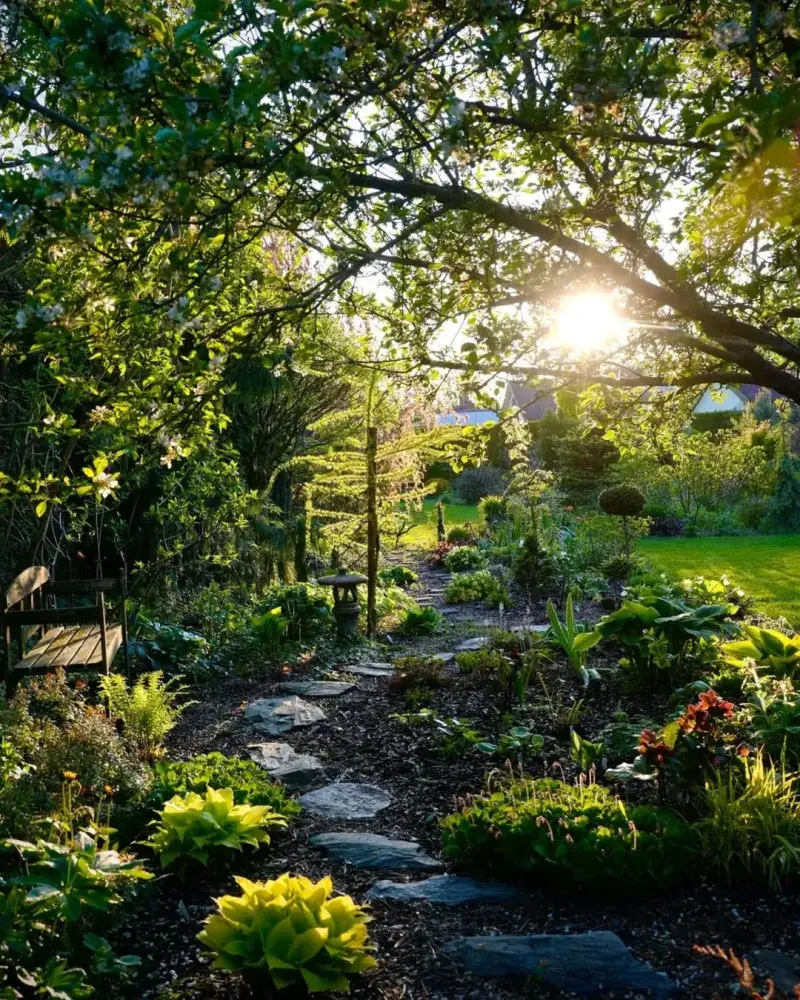
Planting sun-loving species in shade or shade-preferring plants in full sun creates stressed, weakened plants that become easy targets for every pest in your neighborhood.
Stressed plants cannot defend themselves properly against insect attacks because they lack the energy to produce protective compounds or heal quickly from feeding damage.
Florida heat intensifies this problem because plants struggling in wrong light conditions also suffer more from drought stress, making them even more attractive to opportunistic pests looking for vulnerable hosts.
Matching each plant to its ideal light requirements produces vigorous growth that naturally resists pest colonization and recovers quickly from minor damage.
University of Florida plant guides provide specific light requirements for thousands of species that perform well in our climate zones.
North Florida gardens can grow a wider range of temperate plants that need distinct seasons, while Central and South Florida landscapes focus more on tropical and subtropical species with different light tolerances.
You will see dramatic improvements in plant health and pest resistance once you place each species where it receives the right amount of sunlight. Healthy, properly sited plants simply do not attract the same pest pressure as struggling specimens trying to survive in unsuitable conditions throughout your landscape.