13 Smart Tricks Michigan Homeowners Do To Stop Weeds In Gravel
Gravel is supposed to be the low-maintenance hero of the yard, but Michigan homeowners know better. Thanks to windy seed drop, spring rain, and stubborn weeds that seem to thrive anywhere, gravel driveways and walkways can turn messy fast.
Before you know it, tiny green invaders are popping up between every stone. The good news is you do not have to accept this as your new normal.
With the right tricks, you can stop weeds before they take over and keep your gravel areas looking clean and sharp. From smart prep moves to easy upkeep habits that actually work in Michigan’s changing seasons, these strategies save time, effort, and frustration.
If you are tired of pulling weeds every weekend and watching them come right back, you are about to learn smarter ways to stay ahead of the problem for good.
1. Lay Landscape Fabric Under Gravel
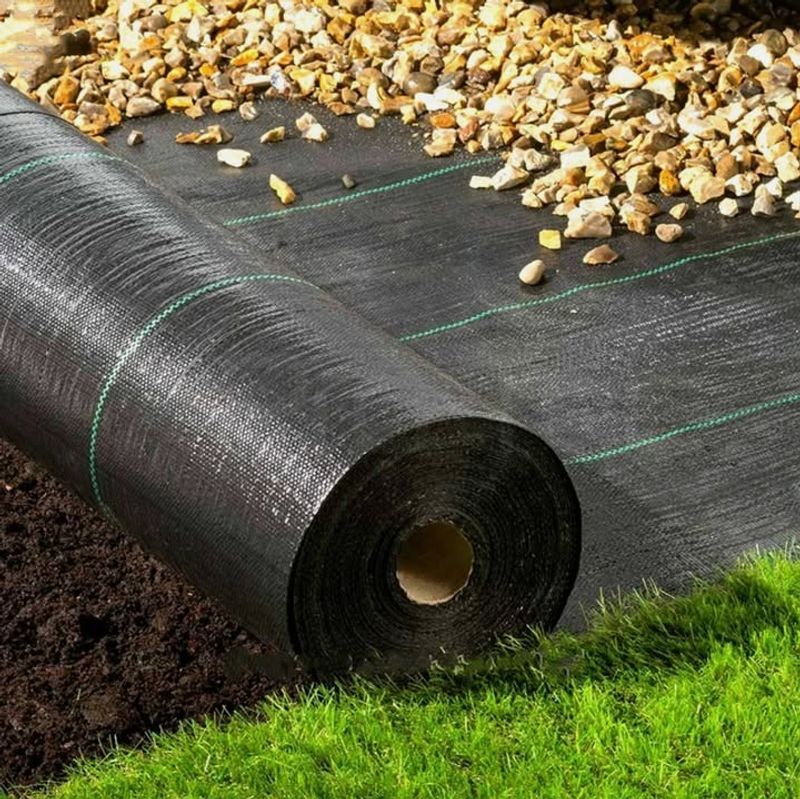
Installing landscape fabric creates a protective barrier that blocks sunlight from reaching weed seeds. This simple step stops most weeds before they even start growing. The fabric allows water and air to pass through while preventing unwanted plants.
Before adding gravel, prepare the ground by removing existing vegetation and leveling the surface. Choose commercial-grade landscape fabric rather than thin plastic sheeting.
The heavier material lasts longer and resists tearing during installation. Overlap fabric edges by at least six inches to prevent gaps where weeds might sneak through. Secure everything with landscape staples every few feet.
Michigan’s freeze-thaw cycles can shift soil, so proper anchoring keeps fabric in place. Add your gravel layer immediately after installing fabric to protect it from UV damage. This combination works beautifully for driveways, walkways, and decorative garden beds.
Most homeowners find this method reduces weeds by over eighty percent.
The initial investment pays off with years of reduced maintenance. Quality landscape fabric can last a decade or more when properly installed.
Your gravel areas will stay cleaner with minimal effort required throughout each season.
2. Apply A Thick Layer Of Gravel
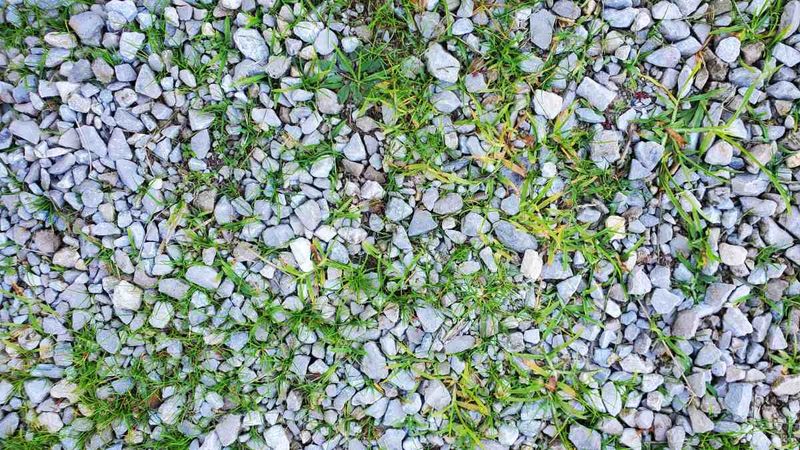
Gravel depth matters more than most people realize when fighting weeds. A proper layer blocks sunlight and creates an inhospitable environment for germination. Skimping on depth leaves your yard vulnerable to persistent invaders.
Aim for two to three inches of gravel coverage across all areas. This thickness prevents most weed seeds from reaching soil beneath.
Thinner applications allow light penetration, which encourages sprouting.
Michigan weather can scatter gravel over time through rain, snow, and foot traffic. Check depths annually and add material where coverage has thinned.
High-traffic zones near garage doors or walkways need more frequent topping up. Deeper isn’t always better since excessive weight can compact underlying soil and fabric. Stick with recommended depths for optimal drainage and weed control.
Different gravel types settle differently, so monitor your specific material. Consider using a garden rake to redistribute stones before adding new layers. Even coverage ensures consistent weed suppression across your entire space.
This straightforward approach works year after year with minimal additional effort required from you.
3. Use Pre-Emergent Herbicides
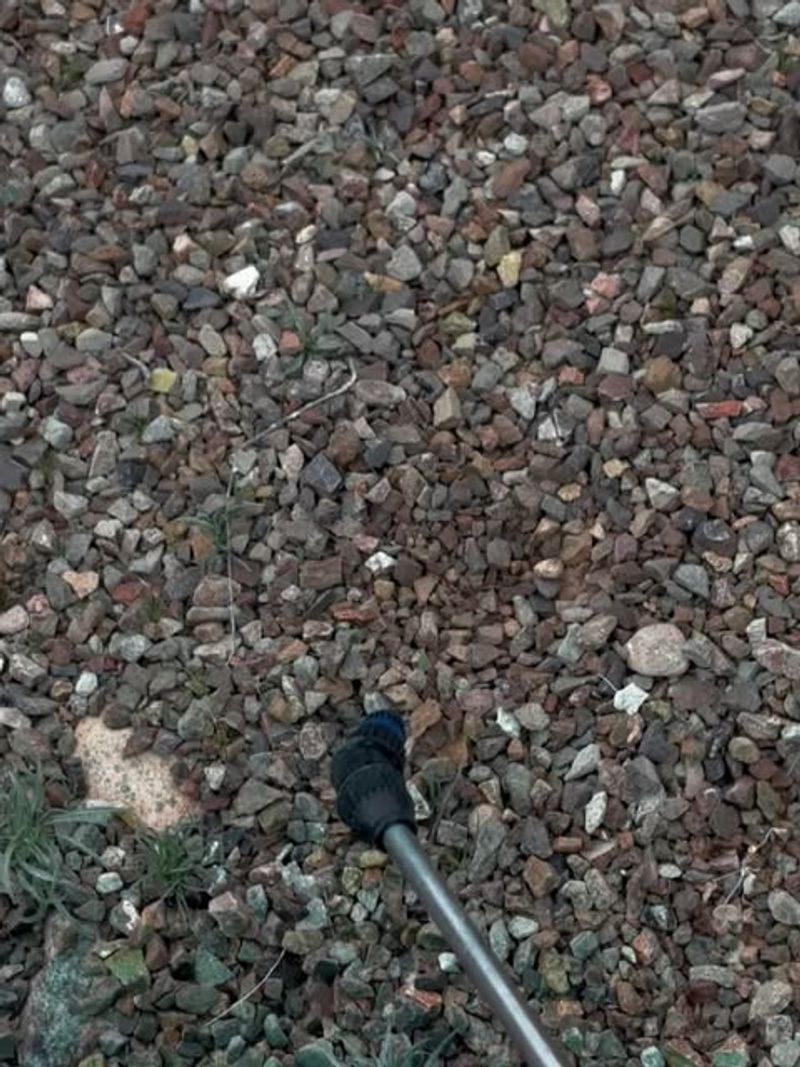
Pre-emergent herbicides stop weeds before they become visible problems in your gravel. These products create a chemical barrier that prevents seed germination. Timing application correctly makes all the difference for successful control.
Apply these treatments in early spring before soil temperatures reach fifty degrees. Michigan’s unpredictable spring weather requires watching forecasts closely.
A second application in late summer handles fall-germinating weed species.
Choose products labeled safe for gravel areas and follow manufacturer instructions precisely. Granular formulas work better than liquids for stone surfaces.
Water lightly after application to activate the herbicide barrier. Pre-emergents won’t affect established weeds, only preventing new seeds from sprouting. Combine this method with other strategies for complete coverage.
The protection typically lasts three to four months before reapplication becomes necessary.
Keep pets and children away from treated areas until products dry completely. Store unused herbicide in a cool, dry location away from direct sunlight.
Michigan homeowners appreciate how this proactive approach reduces weeding time significantly.
Results appear gradually as fewer weeds emerge throughout the growing season. Patience pays off with cleaner gravel areas all summer long.
4. Spot-Treat Weeds With Vinegar
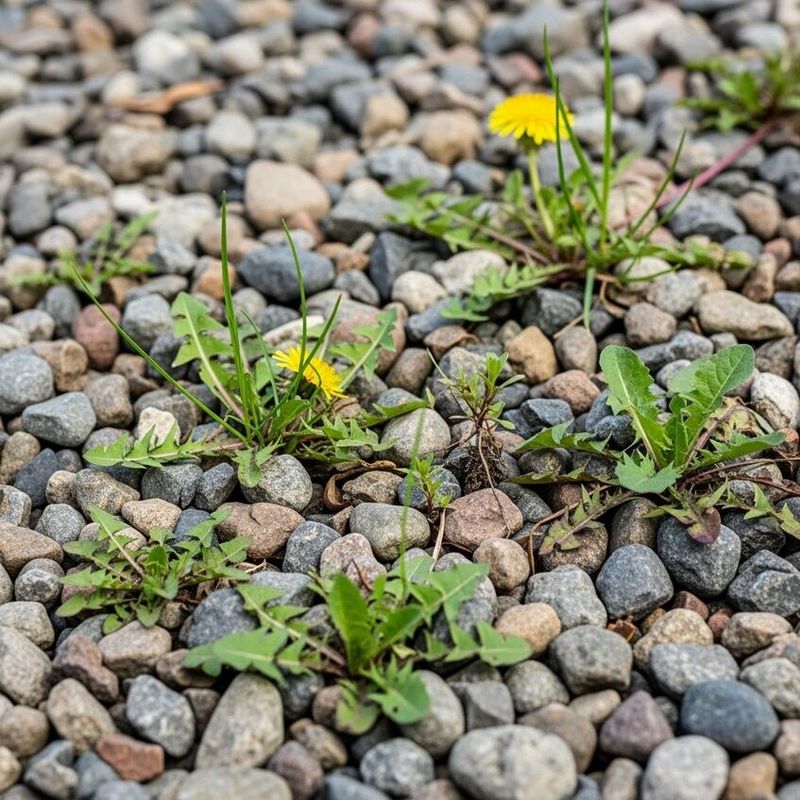
Horticultural vinegar offers a natural solution for tackling individual weeds popping up. This concentrated acetic acid burns foliage on contact without harsh synthetic chemicals.
Regular kitchen vinegar won’t work since it lacks sufficient strength for outdoor weeds.
Purchase twenty-percent acetic acid vinegar from garden centers for best results. Spray directly onto weed leaves during sunny, calm days. Wind can carry spray onto desirable plants, so choose conditions carefully.
Vinegar affects only parts it touches, so thorough coverage ensures complete control. Young weeds succumb faster than mature plants with established root systems. Multiple applications might be necessary for stubborn perennial weeds.
This method works wonderfully for small patches rather than widespread infestations. The acidic nature breaks down quickly in soil without lasting environmental impact.
Michigan’s summer heat amplifies vinegar’s effectiveness on targeted weeds.
Wear gloves and eye protection when handling concentrated vinegar products. The strong acidity can irritate skin and eyes upon contact. Store bottles securely away from children and pets between uses.
Results appear within hours as treated foliage wilts and browns. This quick-acting approach satisfies homeowners wanting immediate visible progress against weeds.
5. Regular Raking Or Disturbance
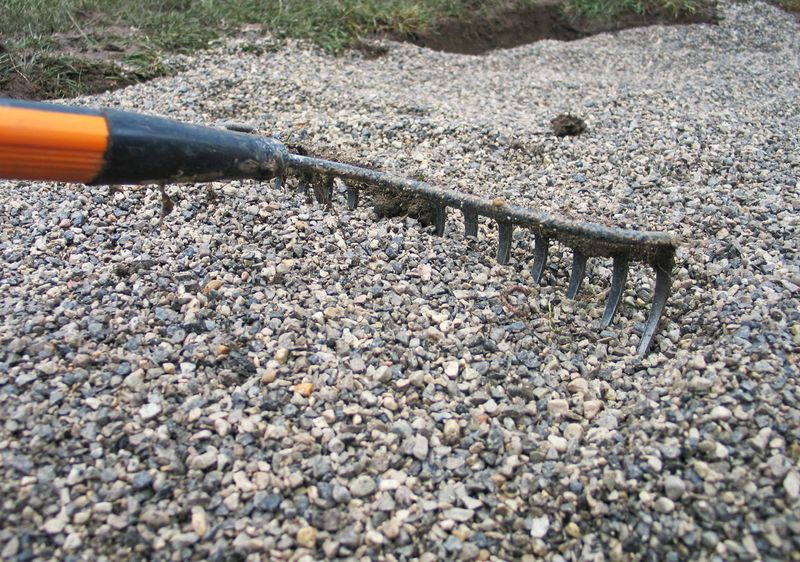
Mechanical disruption prevents weed seedlings from establishing strong root systems in gravel. Light raking every few weeks interrupts growth cycles before plants mature. This simple maintenance takes just minutes but delivers impressive results.
Use a sturdy metal rake to turn and shuffle gravel stones regularly. The movement exposes tiny seedlings to air and sunlight, causing them to dry out. Disturbed roots can’t anchor properly in loose stone surfaces.
Focus on areas where weeds appear most frequently, such as edges and low spots. Michigan’s spring rains can wash soil into gravel, creating perfect germination conditions.
Breaking up these pockets reduces future weed pressure significantly. Combine raking with other methods for comprehensive control throughout the growing season. The physical activity provides light exercise while maintaining your property.
Many homeowners find this meditative task surprisingly satisfying.
Avoid raking so aggressively that you displace landscape fabric underneath gravel layers. Gentle, consistent disturbance works better than occasional intense sessions. Schedule this task alongside other regular yard maintenance for best consistency.
Children can help with this simple chore, making it a family activity. The immediate visible improvement motivates continued effort throughout summer months.
6. Edge Gravel Beds
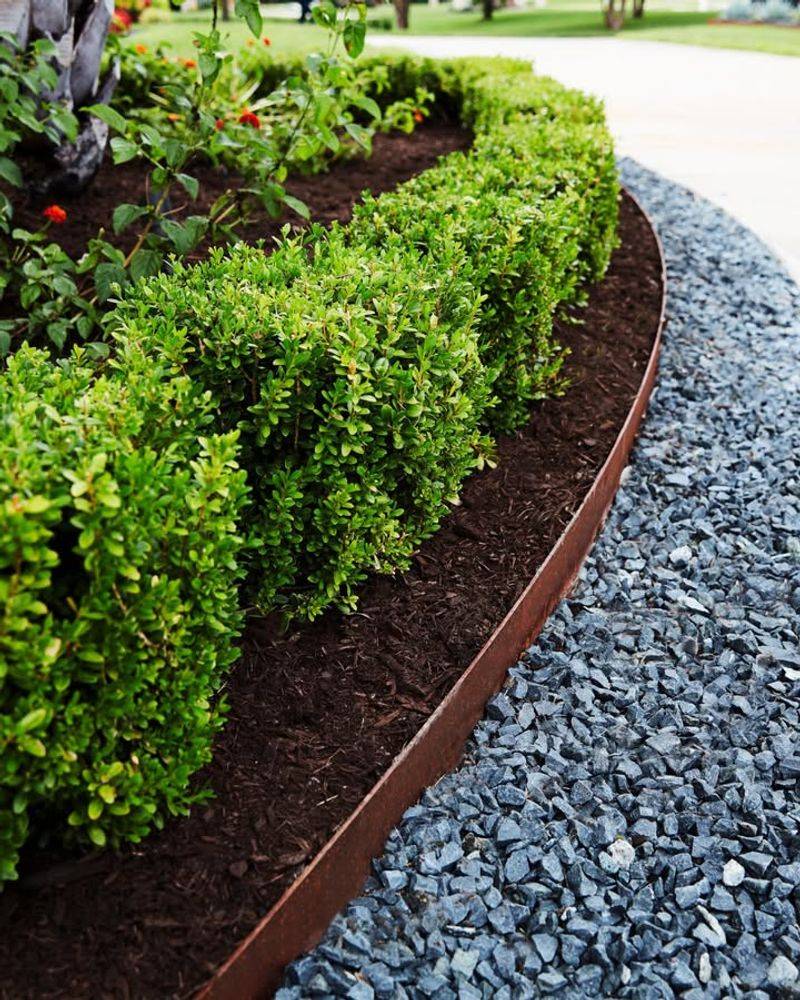
Installing edging creates a defined boundary that stops grass and weeds from invading. Metal, stone, or heavy-duty plastic barriers form physical walls against encroachment.
This investment protects your gravel areas for years with minimal upkeep. Dig a shallow trench along gravel bed perimeters before installing edging material. The top edge should sit slightly above surrounding soil levels.
Proper installation prevents grass runners from creeping over or under barriers. Michigan’s frost heaving can shift edging over winter months, requiring spring adjustments. Check alignment annually and reset any displaced sections promptly.
Secure edging with stakes driven deep enough to resist ground movement.
Choose materials that complement your home’s aesthetic while providing functional protection. Steel edging offers sleek modern lines, while natural stone creates rustic charm.
Plastic versions cost less but may need replacement sooner. Clean edges make your entire landscape look more polished and intentional. The crisp lines between gravel and lawn create professional-looking results.
Edging also simplifies mowing by keeping grass contained in designated areas. Your lawn mower won’t scatter gravel onto the grass or vice versa.
7. Solarization
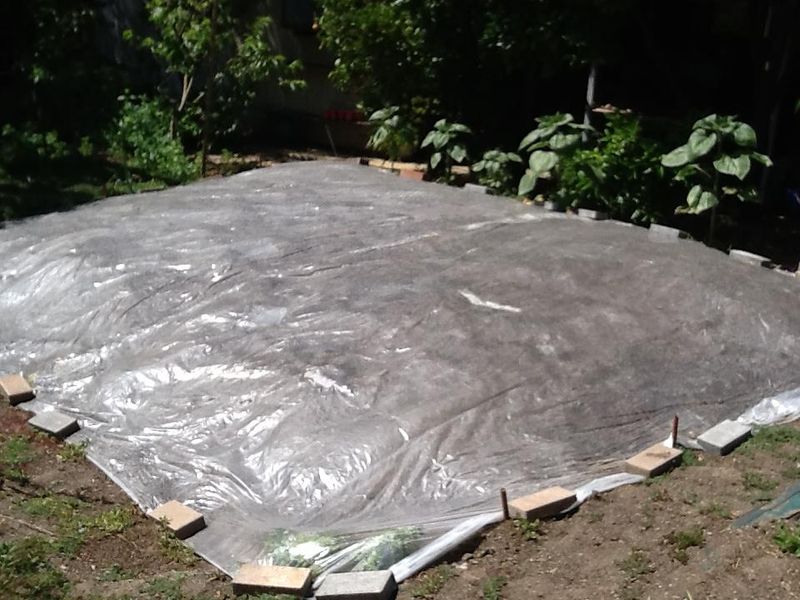
Summer heat becomes your ally when using solarization to eliminate weed seeds. Clear plastic sheeting traps solar energy, raising temperatures high enough to sterilize soil.
This chemical-free approach works exceptionally well during Michigan’s warmest months.
Remove gravel temporarily and cover the bare ground with clear plastic sheets. Secure edges with rocks or soil to prevent wind from lifting corners. Leave plastic in place for four to six weeks during peak summer heat.
Temperatures under plastic can exceed one hundred twenty degrees on sunny days. This intense heat penetrates several inches deep, destroying weed seeds and root fragments.
The process also eliminates many soil-borne pests and diseases.
Michigan’s variable summer weather means choosing the hottest, sunniest period for best results. Cloud cover and rain reduce effectiveness significantly. Monitor weather forecasts and plan accordingly for optimal outcomes.
After treatment, replace gravel carefully to avoid introducing new contaminated soil. This method works best when renovating existing gravel areas rather than routine maintenance.
The effort pays off with dramatically reduced weed pressure for several seasons. Solarization requires patience but delivers impressive long-term benefits without ongoing chemical applications.
8. Use Larger Stones Or Decorative Rocks
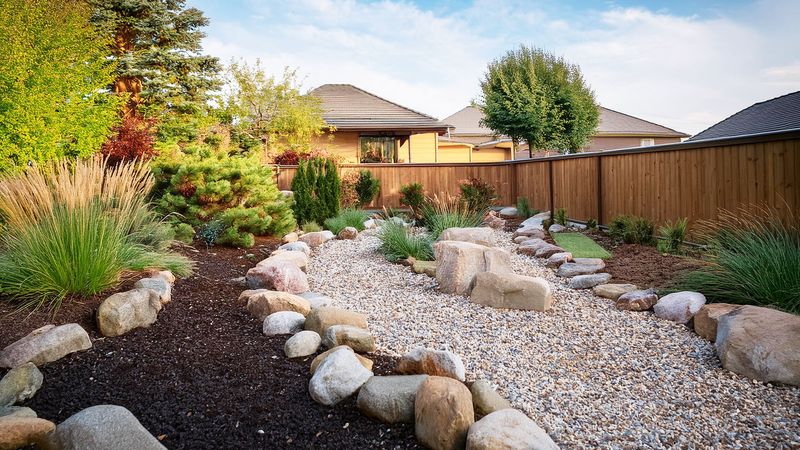
Bigger rocks create fewer small spaces where soil and seeds can accumulate. Larger stones also make it physically harder for seedlings to push through.
Upgrading from small pea gravel to substantial decorative rocks reduces maintenance considerably.
Stones measuring two to four inches across provide excellent weed suppression while maintaining attractive appearance. River rocks, crushed stone, and decorative boulders all work beautifully.
Choose colors and textures that enhance your home’s exterior style. Larger materials cost more initially but require less frequent replacement and maintenance. Michigan winters can be harsh on small gravel, which washes away more easily.
Heavier stones stay put through freeze-thaw cycles and spring runoff.
Mix sizes strategically for both function and visual interest throughout your landscape. Use larger stones in high-visibility areas and smaller gravel where budget constraints exist. The varied texture adds depth and character to outdoor spaces.
Calculate coverage carefully since larger stones require different quantities than fine gravel. Most suppliers provide coverage estimates based on stone size and bed depth.
Proper planning prevents ordering too much or too little material. The substantial appearance of larger stones creates an upscale look that increases curb appeal significantly.
9. Hand-Pull Emerging Weeds
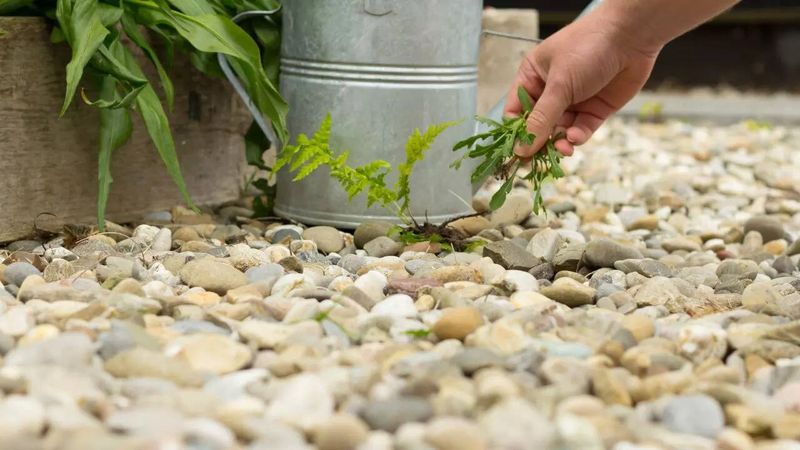
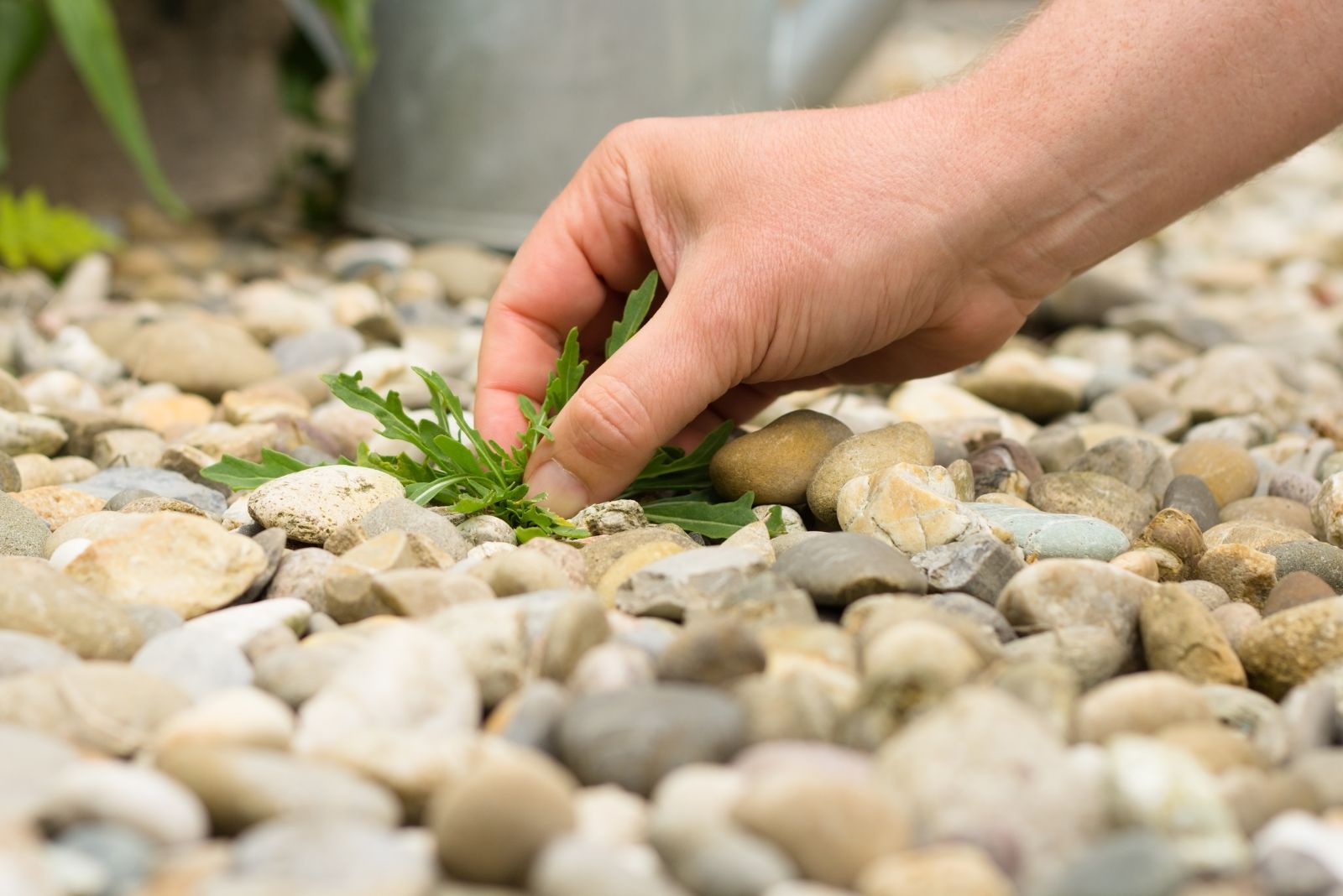
Catching weeds early prevents them from producing thousands of seeds for future problems. Hand-pulling remains one of the most effective control methods when done consistently.
A few minutes weekly keeps gravel areas looking pristine year-round.
Pull weeds after rain when soil is moist and roots release more easily. Grasp plants at the base near soil level rather than yanking stems.
Getting the entire root system prevents regrowth from remaining fragments. Keep a small bucket or bag handy for collecting pulled weeds during routine inspections. Remove collected material from your property rather than composting it.
Wear sturdy gloves to protect hands from rough gravel and occasional thorny plants. Knee pads make the task more comfortable during longer weeding sessions. Michigan homeowners who weed regularly spend less time overall than those who delay.
Young children can help identify and remove obvious weeds under supervision. This teaches responsibility while making quick work of small infestations.
Family teamwork turns a chore into quality time together outdoors. Consistent attention prevents small problems from becoming overwhelming landscape disasters requiring professional intervention.
10. Maintain Proper Drainage
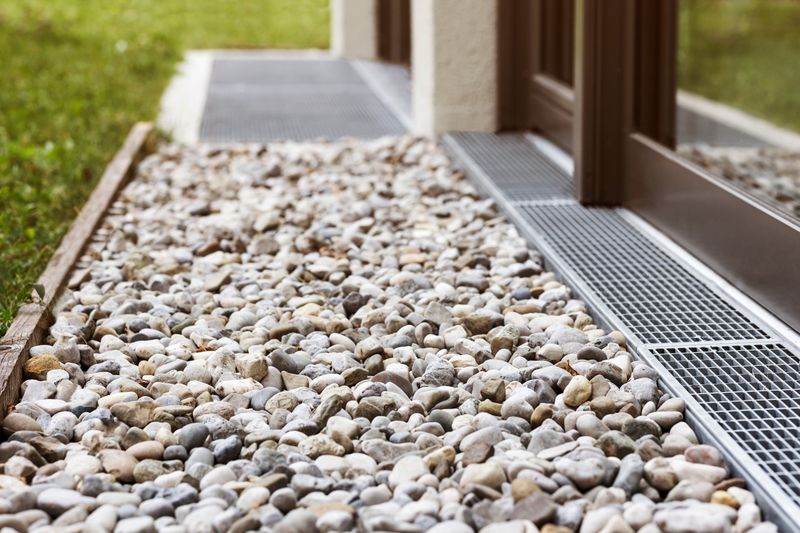
Standing water creates perfect conditions for weed germination in gravel areas. Proper drainage ensures water moves through and away from stone surfaces quickly.
Michigan’s heavy spring rains make this consideration especially important for long-term success.
Grade gravel beds with a slight slope directing water toward appropriate drainage points. Even a one to two percent grade makes significant difference in water movement.
Low spots collect moisture and become weed magnets within weeks. Install French drains or catch basins in areas prone to water accumulation. These systems channel excess moisture away before problems develop.
Professional installation might be necessary for complex drainage issues. Check drainage patterns after heavy rains to identify problem areas needing correction. Water should disappear within hours rather than pooling for days.
Adjust grading as needed to maintain proper flow throughout your property.
Compacted soil beneath gravel can impede drainage over time despite initial proper installation. Periodic aeration or loosening helps maintain water movement through underlying layers.
This maintenance prevents gradual deterioration of drainage effectiveness.
Good drainage protects more than just weed control by preventing erosion and foundation issues. Your entire property benefits from thoughtful water management strategies implemented correctly.
11. Combine Gravel With Groundcovers
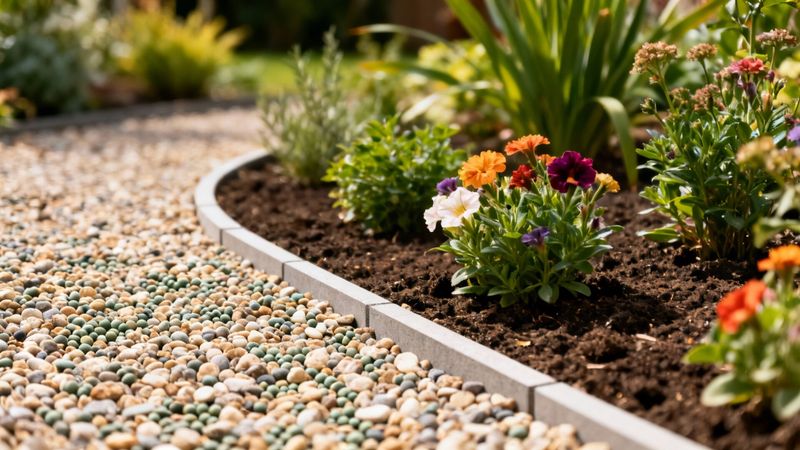
Strategic groundcover plantings along gravel edges create living barriers against weed invasion. Dense, low-growing plants outcompete weeds for space, light, and nutrients.
This approach adds beauty while reducing maintenance requirements throughout the growing season.
Choose hardy groundcovers suited to Michigan’s climate, such as creeping thyme or sedum. These tough plants tolerate foot traffic and require minimal care once established.
Their spreading nature fills gaps where weeds might otherwise take hold.
Plant groundcovers in soil adjacent to gravel rather than within stone areas. The plants naturally spread into gravel edges, softening hard lines beautifully.
This transition zone looks intentional while serving practical weed-control purposes.
Water new plantings regularly until roots establish, then reduce irrigation to normal levels. Most groundcovers become quite drought-tolerant after their first season.
Michigan’s natural rainfall often provides sufficient moisture for established plants.
Trim groundcovers occasionally to maintain desired boundaries and encourage dense growth. Healthy, vigorous plants spread faster and compete more effectively against opportunistic weeds.
The flowering varieties add seasonal color as an extra bonus. This method combines aesthetics with function in ways purely mechanical approaches cannot match beautifully.
12. Apply Corn Gluten Meal
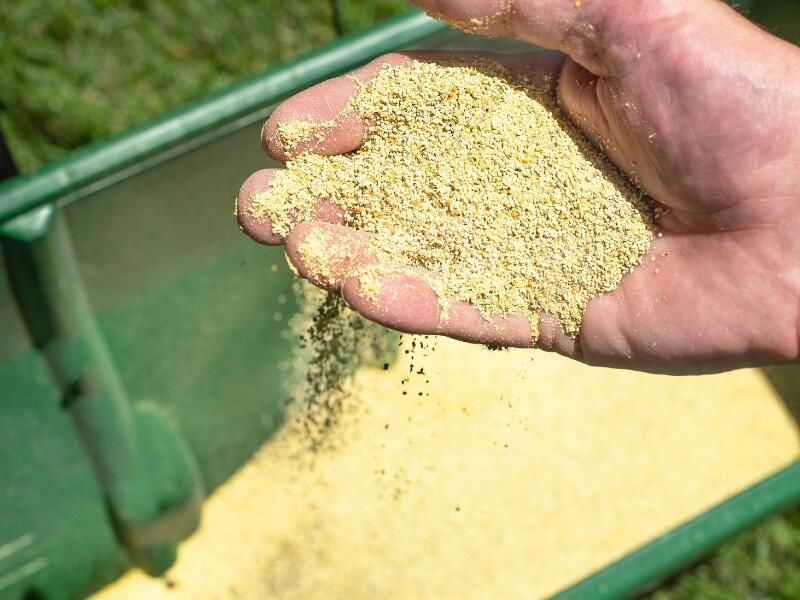
Corn gluten meal provides natural pre-emergent control without synthetic chemicals. This byproduct of corn processing inhibits root formation in germinating seeds.
Environmentally conscious Michigan homeowners appreciate its effectiveness and safety profile.
Apply corn gluten meal in early spring before weeds begin sprouting actively. Use approximately twenty pounds per thousand square feet of gravel area.
Timing proves critical since the product only affects seeds during germination. Water lightly after application to activate the natural compounds that prevent rooting. The nitrogen content also provides mild fertilization to any nearby desirable plants.
This dual benefit makes corn gluten meal particularly attractive for integrated landscapes.
Expect results to improve over several years of consistent use rather than immediate perfection. The product works best as part of a comprehensive weed management strategy.
Patience and persistence deliver increasingly better outcomes each season. Corn gluten meal costs more than synthetic alternatives but appeals to organic gardening enthusiasts.
The natural origin and reduced environmental impact justify the premium for many homeowners. Pet and child safety concerns disappear with this gentle option.
Reapply every six to eight weeks during the growing season for continuous protection against emerging weeds.
13. Avoid Soil Contamination
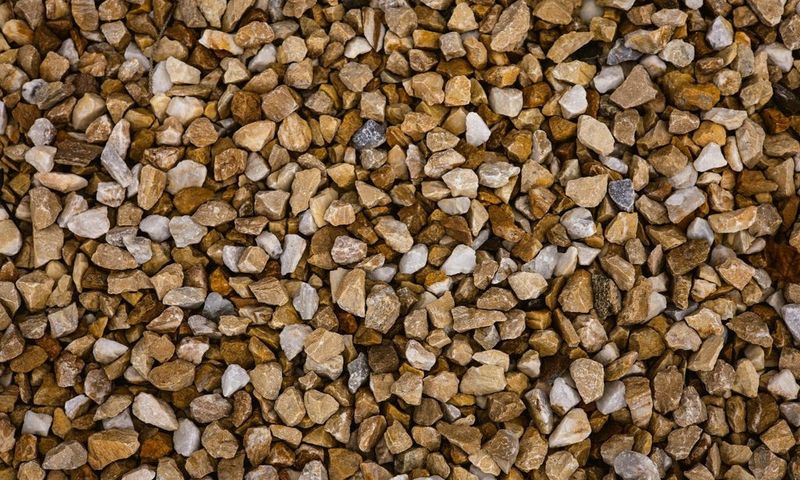
Starting with clean gravel prevents introducing weed problems from the very beginning. Contaminated stone arrives loaded with soil particles and dormant seeds ready to sprout.
Quality control during material selection and installation saves countless hours of future maintenance.
Purchase gravel from reputable suppliers who wash and screen their products thoroughly. Inspect delivered material before spreading to ensure cleanliness and proper sizing.
Return contaminated loads rather than accepting substandard material that causes ongoing problems.
When topping up existing gravel areas, use the same quality standards for new material. Even small amounts of contaminated stone can introduce aggressive weed species.
Michigan’s climate allows many weed types to thrive once established in gravel. Clean tools and equipment between uses in different yard areas to prevent spreading seeds. Boots, wheelbarrows, and rakes can all transfer contamination inadvertently.
Simple rinsing with a hose removes most problematic material between tasks. Store extra gravel on tarps or pallets rather than directly on bare ground. This prevents soil contact that could contaminate clean stone before installation.
Cover stored materials to keep them clean until needed for future projects. Prevention through careful material handling proves far easier than fighting established weed populations later.