Smart Tricks Oregon Gardeners Should Use To Prevent Weeds In Raised Beds
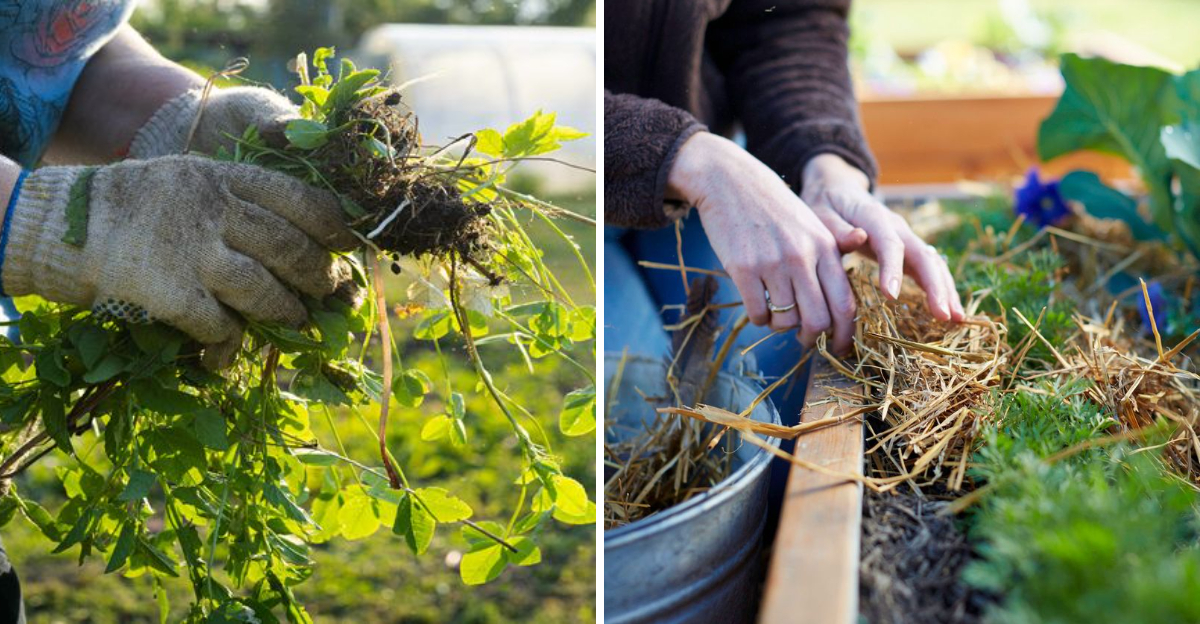
Weeds don’t wait for an invitation, and in Oregon’s famously wet springs, they show up early, set up fast, and act like they own the place.
Raised beds are supposed to be your tidy little corner of gardening paradise, and honestly, they can be.
But here’s the thing nobody tells you at the garden center: a raised bed is not a weed-free bed. It’s just a bed where YOU have the upper hand, if you play it smart.
The good news is that a few simple habits put in place right now can seriously cut down on the hours you spend pulling uninvited guests out of your soil later. Your vegetables, herbs, and flowers will thank you.
Your back will really thank you.
1. Use Mulch To Block Light And Slow New Weeds
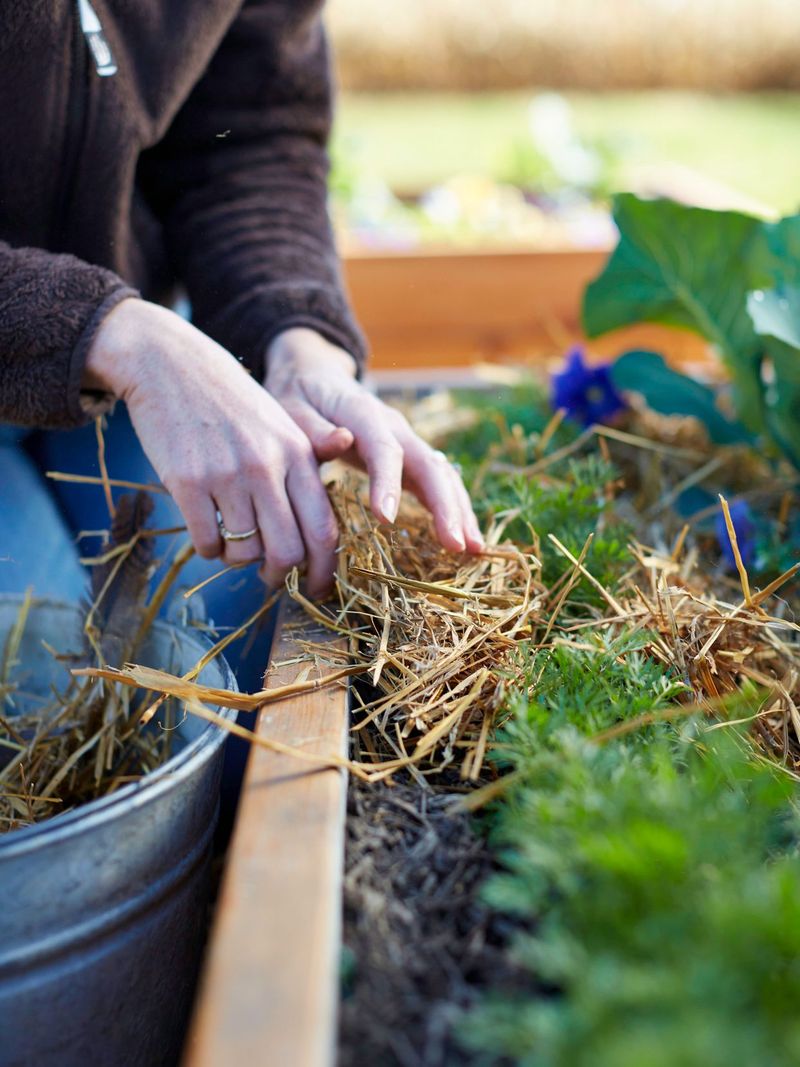
A thick layer of mulch is one of the most reliable tools any Oregon gardener can keep in their back pocket. Mulch works by blocking sunlight from reaching the soil surface, which is exactly what weed seeds need to sprout.
Without that light, most seeds just sit there without germinating.
Straw, wood chips, and shredded leaves all work well in raised beds. Aim for a layer about two to three inches deep, placed carefully around your plants.
Too thin and light sneaks through; too thick and you risk holding excess moisture against plant stems, which can cause problems in Oregon’s already damp spring conditions.
One thing many gardeners appreciate about mulch is that it does double duty. While it slows weed growth, it also helps soil hold moisture between waterings and keeps soil temperature more consistent.
For raised beds packed with vegetables or herbs, that combination is genuinely useful. Refreshing your mulch layer mid-season, especially after heavy rain breaks it down, keeps the barrier working through summer.
Getting into the habit of mulching right after planting gives weeds less of a chance to sneak in while your crops are still getting established.
2. Pull Or Hoe Weeds While They Are Still Young
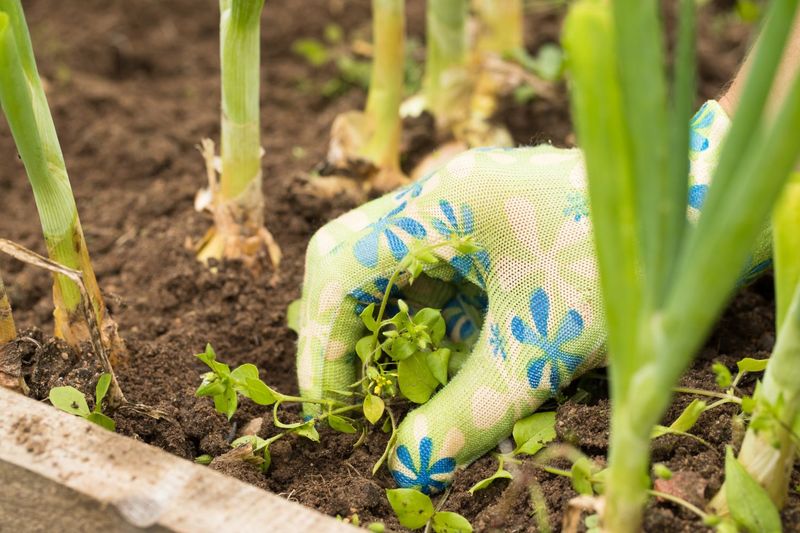
Catching weeds when they are small makes an enormous difference in how much work you end up doing later. Young weeds pull out easily, roots and all, with very little effort.
Wait a few weeks, and those same seedlings develop deeper roots and start competing hard with your vegetables for water and nutrients.
In Oregon, the window between a weed seedling appearing and becoming a real problem can be surprisingly short.
Wet spring soil gives roots a chance to anchor quickly, so checking raised beds every few days during peak growing season is a smart routine to build.
A quick five-minute scan can catch dozens of tiny weeds before they become dozens of large ones.
Hoeing works well for young weeds too, especially when you have a wider bed with some open soil between transplants. A light scrape across the surface cuts seedlings off at the soil line, and they dry out fast in even a little sunshine.
Your Oregon Garden Changes Every Week. Your Plan Should Too.
Gardening in Oregon changes quickly throughout the season. Every Friday you’ll receive a simple weekly plan showing exactly what to plant, prune, fertilize, harvest, and protect so you never miss the right timing.
The key is acting early rather than waiting until the bed looks overrun. Raised beds are compact enough that regular, quick weeding sessions stay manageable as long as you do not let things get ahead of you.
3. Weed When Soil Is Damp, Not Wet
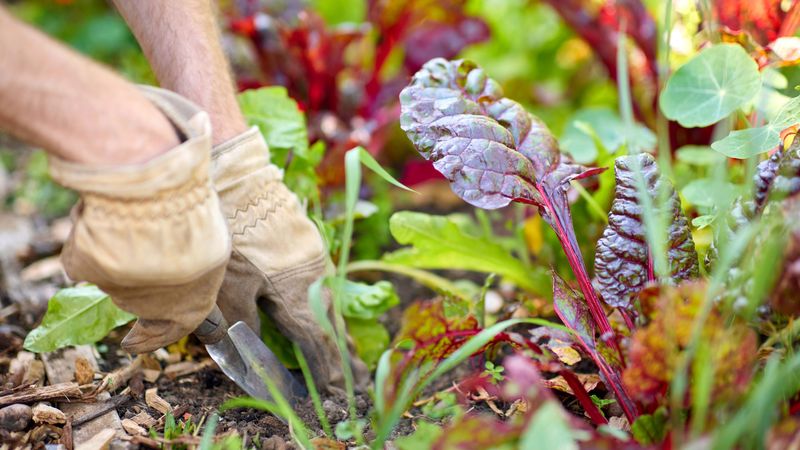
Timing your weeding sessions around soil moisture might sound like a small detail, but it genuinely changes how easy the job is.
Damp soil lets roots slide out cleanly, which means you remove the whole weed rather than snapping the top off and leaving the root behind to regrow.
Saturated, muddy soil is a different story. When Oregon’s spring rains have soaked a raised bed thoroughly, working in the bed compacts the soil and can damage its structure.
Wet soil also clings to roots in a way that makes clean removal harder. Waiting just a day or two after heavy rain, until the bed feels moist but no longer soggy, gives you the best conditions for effective hand weeding.
Dry, hard soil presents its own challenges. Roots grip tightly in compacted dry ground, and you risk breaking weeds off at the surface rather than removing them fully.
Most gardeners find that the day or two following a moderate rain, or the morning after a thorough watering, is the sweet spot for weeding raised beds.
Keeping a small hand fork nearby makes it easy to loosen the soil around stubborn roots without disturbing nearby vegetable plants.
4. Use A Hula Hoe Or Action Hoe For Tiny Seedlings
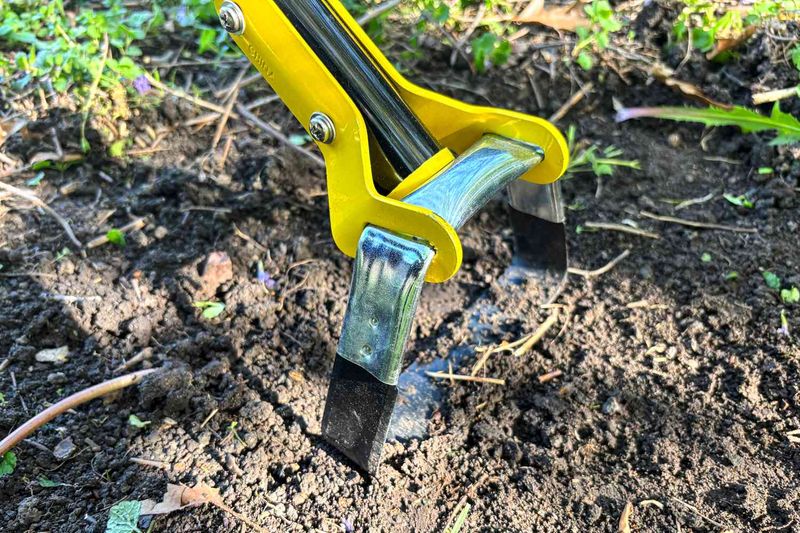
Few garden tools earn their keep as quickly as a hula hoe, sometimes called a stirrup hoe or action hoe. The looped blade oscillates back and forth as you push and pull it through the soil, slicing tiny weed seedlings off just below the surface.
For raised beds with open areas between transplants or seed rows, it is remarkably efficient.
The trick is using it early, when weed seedlings are still at the thread-like stage. At that point, a single pass with a hula hoe can clear a surprising amount of ground in just a few minutes.
The severed seedlings dry out on the soil surface quickly, especially on a sunny Oregon afternoon, and rarely manage to re-root if left alone.
Raised beds are actually ideal for this kind of shallow cultivation because the soil tends to stay loose and uncompacted compared to in-ground garden areas. That loose texture lets the hoe blade glide smoothly without much resistance.
Choosing a hula hoe sized appropriately for your bed width helps too. A narrow blade works well between close-planted rows, while a wider one covers more ground when there is a bit more space to work with between plants.
5. Avoid Tilling Unless You Really Need To
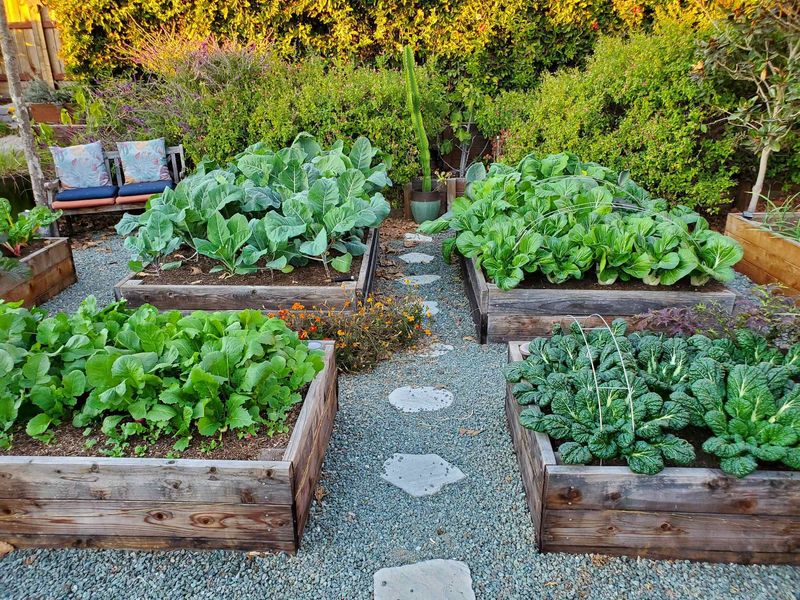
Tilling feels productive, but it can actually create more weed problems than it solves. Every time you turn over soil, you bring buried weed seeds up to the surface where they get the light they need to sprout.
Raised beds that get tilled repeatedly can develop a constant flush of new weeds throughout the growing season.
Oregon soils in raised beds tend to stay loose and workable without regular tilling, especially when organic matter like compost is added on top each season.
A no-till or low-till approach keeps the soil structure intact, which benefits earthworms, soil microbes, and water retention.
It also keeps dormant weed seeds buried where they cannot easily germinate.
If you do need to loosen compacted areas or work in amendments, try to disturb only the top inch or two of soil rather than turning it deeply. A broad fork or garden fork can loosen soil without inverting layers the way a tiller does.
Over time, gardeners who minimize tilling often notice a real drop in the number of weeds they deal with each season.
For Oregon raised beds that already have good, amended soil, skipping the tiller is one of the easier weed-prevention habits to adopt.
6. Sheet Mulch New Beds Before Planting
Starting a new raised bed gives you a rare opportunity to get ahead of weeds before a single seed goes in the ground.
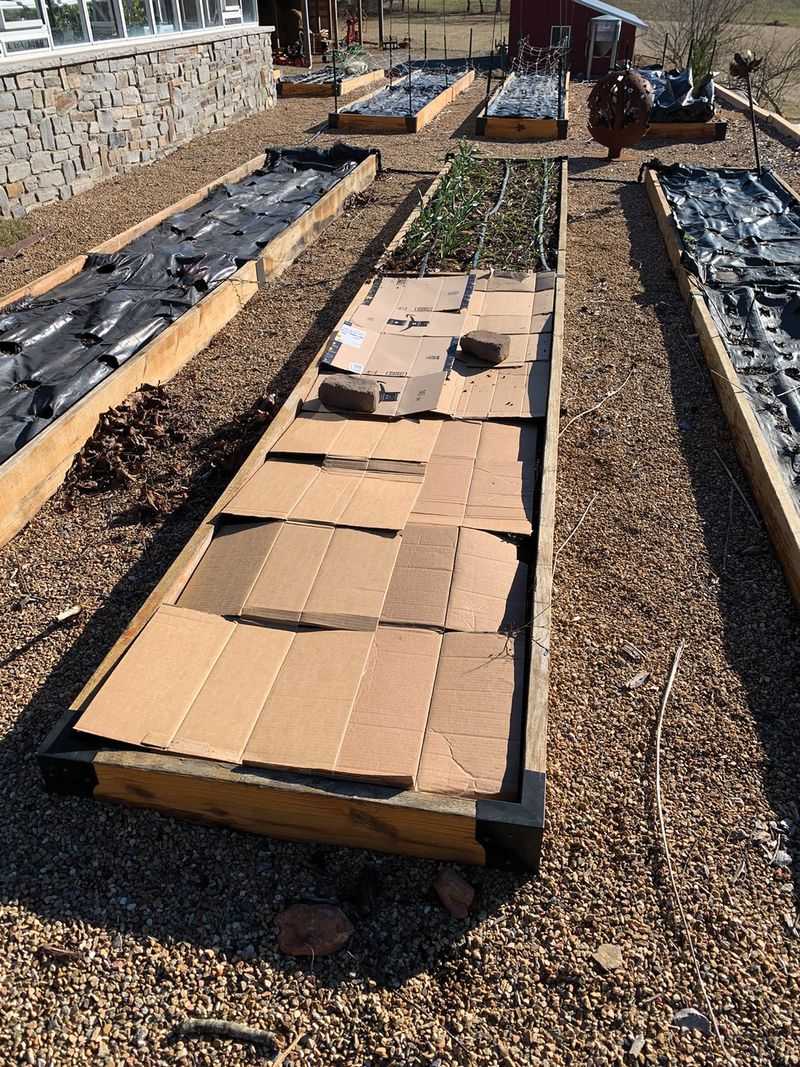
Sheet mulching, which involves layering cardboard or several sheets of newspaper directly on the soil, creates a physical barrier that blocks existing weeds and seeds from pushing through while the bed gets established.
Cardboard works especially well because it breaks down slowly over a full growing season, smothering whatever was growing underneath while gradually adding organic matter to the soil.
Wet the cardboard thoroughly before adding your planting mix or compost on top, which helps it conform to the soil surface and start breaking down.
In Oregon’s moist spring climate, cardboard can decompose within a single season under a raised bed.
Sheet mulching is particularly useful for gardeners converting a grassy or weedy patch of ground into a new raised bed space. Rather than removing sod by hand or treating it with anything, the cardboard layer handles the job passively over time.
Once planting mix is added on top, you can plant directly into it without waiting. This method sets new beds up with far fewer weeds in the first season, giving your vegetables and flowers a cleaner, less competitive start.
7. Keep Walkways Covered And Dry
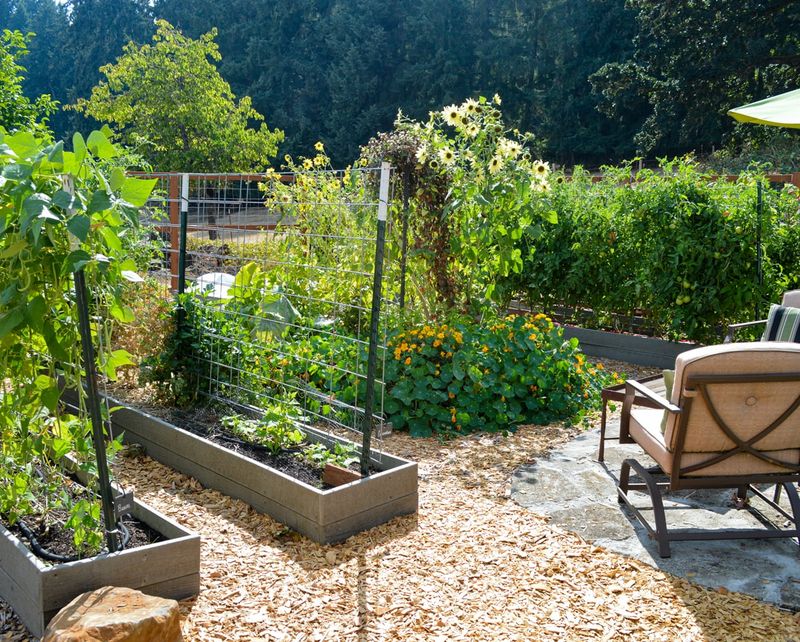
Walkways between raised beds might not seem like part of the weed problem, but they can be a significant source of spreading seeds. Weeds that sprout in paths go to seed quickly and drop seeds that blow or wash into nearby beds, restarting the whole cycle.
Keeping paths covered reduces that risk considerably.
Wood chips, gravel, and landscape fabric are all common options for path coverage in Oregon gardens. Wood chips are popular because they look natural, break down slowly, and stay put even on slightly sloped ground.
A layer three to four inches deep keeps most weed seedlings from getting enough light to grow, though occasional top-ups are needed as the chips break down over time.
Gravel paths drain well, which matters in Oregon where paths can stay soggy through spring. A well-drained path dries faster after rain, making it less hospitable for weed germination.
Whatever material you choose, keeping paths covered and maintained means fewer seeds migrating into your raised beds from the edges.
Some gardeners find that a simple border between the path and the bed edge, such as a wooden board or metal edging strip, also helps keep path material from mixing into bed soil and reduces weed crossover.
8. Remove Annual Weeds Before They Set Seed
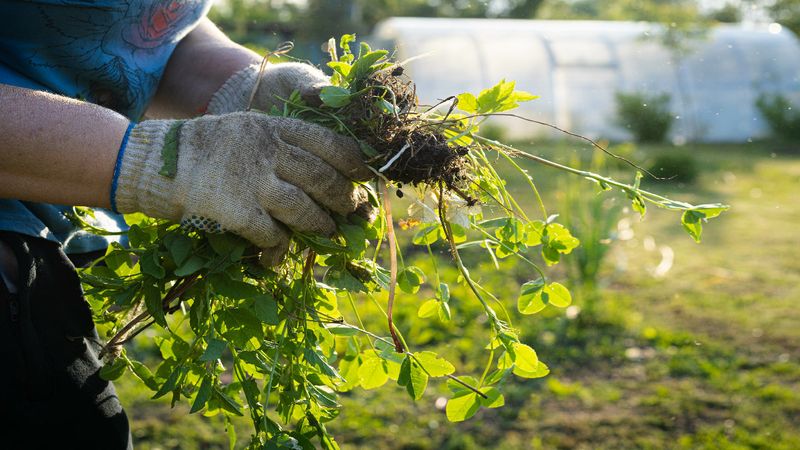
Annual weeds complete their entire life cycle in a single season, which means they are racing to flower and drop seeds as fast as possible.
One overlooked plant can scatter hundreds or even thousands of seeds into your raised bed before the end of summer.
Getting those plants out before they flower is one of the highest-value moves in weed management.
Common annual weeds in Oregon raised beds include hairy bittercress, chickweed, and annual bluegrass. Hairy bittercress is especially sneaky because it flowers and sets seed very early in spring, sometimes before gardeners even notice it growing.
Checking beds carefully in late winter and early spring, when soil first starts warming, helps catch these early bloomers.
Even if you pull a weed that has already started to flower, removing it from the bed quickly matters. Some annual weeds can continue ripening seeds even after being pulled from the soil, especially if the plant is mature.
Tossing pulled weeds into a bucket rather than leaving them on the bed surface reduces that risk.
Building the habit of scanning for any plant that does not belong and removing it before it flowers keeps seed pressure in your raised beds much lower over the long run.
9. Hand Pull In Small Raised Bed Spaces
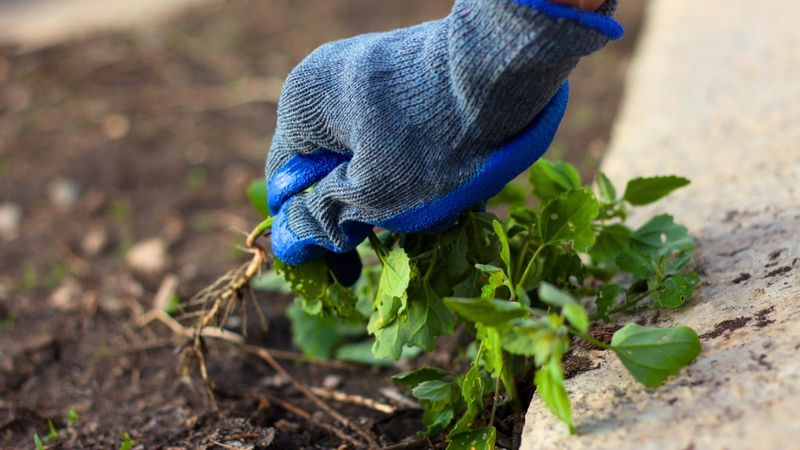
Raised beds are often packed with plants growing close together, which makes it tricky to use even small tools without disturbing roots or knocking over seedlings.
In those tight spots, hand pulling remains the most precise and reliable method for getting weeds out cleanly.
The technique matters more than most people realize. Gripping the weed as close to the soil as possible and pulling with a slow, steady motion gives you the best chance of removing the full root.
A quick yank often breaks the stem and leaves the root behind, especially with weeds that have had a few weeks to anchor. For taprooted weeds, a small hand fork or narrow weeding tool can loosen the surrounding soil first, making clean removal much easier.
Oregon raised beds planted with herbs, lettuce, or mixed greens tend to have especially tight spacing, which makes hand pulling a regular part of maintenance rather than a last resort.
Wearing thin garden gloves improves grip and protects skin during longer weeding sessions.
Working through a bed methodically, one section at a time, keeps the job from feeling overwhelming.
Many experienced Oregon gardeners find that a short hand-weeding session every week or two keeps raised beds in good shape without ever letting weeds build up to an unmanageable level.
10. Start Early Before Weeds Get Established
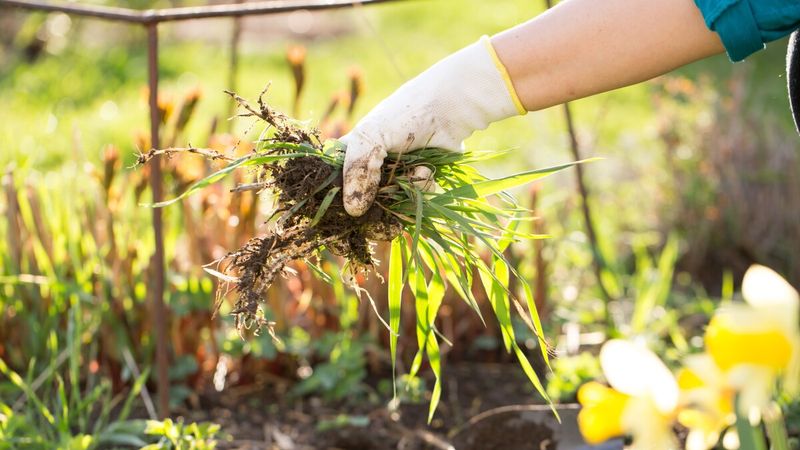
Weed seeds in Oregon raised beds do not wait for warm summer weather to get started.
Many common weeds begin germinating in late winter or very early spring, taking advantage of cool, moist conditions that most gardeners do not associate with active growing.
By the time spring planting season arrives, those early weeds may already be well established.
Getting out to check raised beds in late February or early March, even before you are ready to plant, gives you a real head start. Removing seedlings at that stage takes almost no effort.
A light pass with a hand hoe or a few minutes of hand pulling can clear a bed that might otherwise be weedy by April.
Starting early also helps you spot perennial weeds like dandelions or dock that are pushing up from established roots. Those plants are easiest to remove when the soil is still soft from winter rain and the roots have not yet spread for the season.
Building a habit of early-season bed checks, even just a quick walk through the garden on a dry afternoon, sets a productive tone for the whole growing year.
Oregon gardeners who start weed prevention before the main season often spend far less time dealing with weed pressure once summer arrives.