How To Propagate 10 Popular California Garden Plants From Cuttings
Raise your hand if you have ever walked past a gorgeous plant at a nursery, checked the price tag, and quietly put it back on the shelf. Yeah, we have all been there.
Here is the thing though, you might already have everything you need growing right in your own backyard. Spring is hands down one of the most exciting times to try propagation in California.
The plants are practically bursting with fresh new growth, temperatures are still playing nice, and those longer sunny days are basically rolling out the welcome mat for young roots.
Snip a few stems, give them the right conditions, and before you know it you are multiplying your favorite plants for free.
Free plants, people. It genuinely does not get better than that.
1. Lavender Loves A Spring Head Start
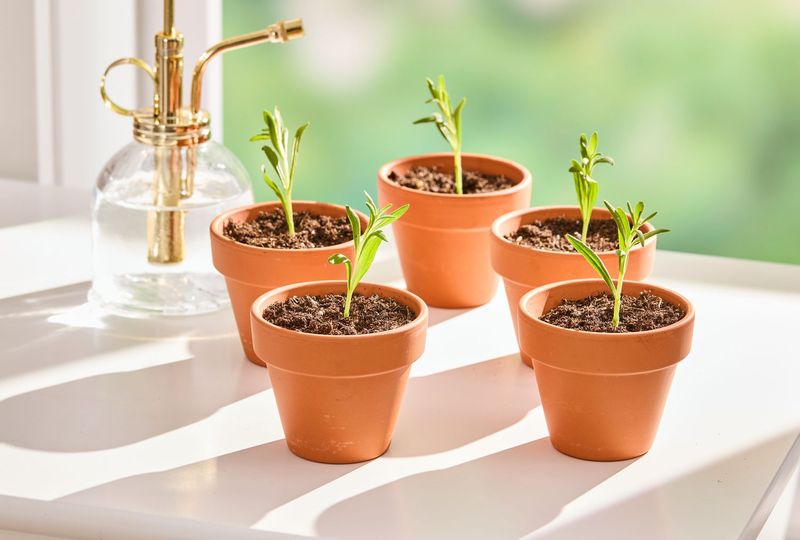
Few plants smell as good on a California potting bench as a handful of freshly snipped lavender stems. Spring is one of the most reliable times to propagate lavender from cuttings because the new growth is soft, flexible, and ready to root.
Look for shoots that have not yet formed flower buds, since those stems put their energy into blooming rather than rooting.
Snip stems about three to four inches long, just below a leaf node, and strip the lower leaves clean. Dipping the cut end into rooting hormone powder can help speed things along, though some gardeners find lavender roots well without it.
A gritty, well-draining propagation mix suits lavender much better than a heavy potting soil, since soggy roots tend to cause problems.
Keep your cuttings in a warm, bright spot out of direct afternoon sun, and mist them lightly to hold some humidity around the leaves. In many parts of California, mild spring mornings create ideal conditions for rooting trays.
Expect to see signs of rooting within three to six weeks, though timing varies depending on your local temperatures and the maturity of the growth you took.
2. Rosemary Gets Going With Fresh Cuttings
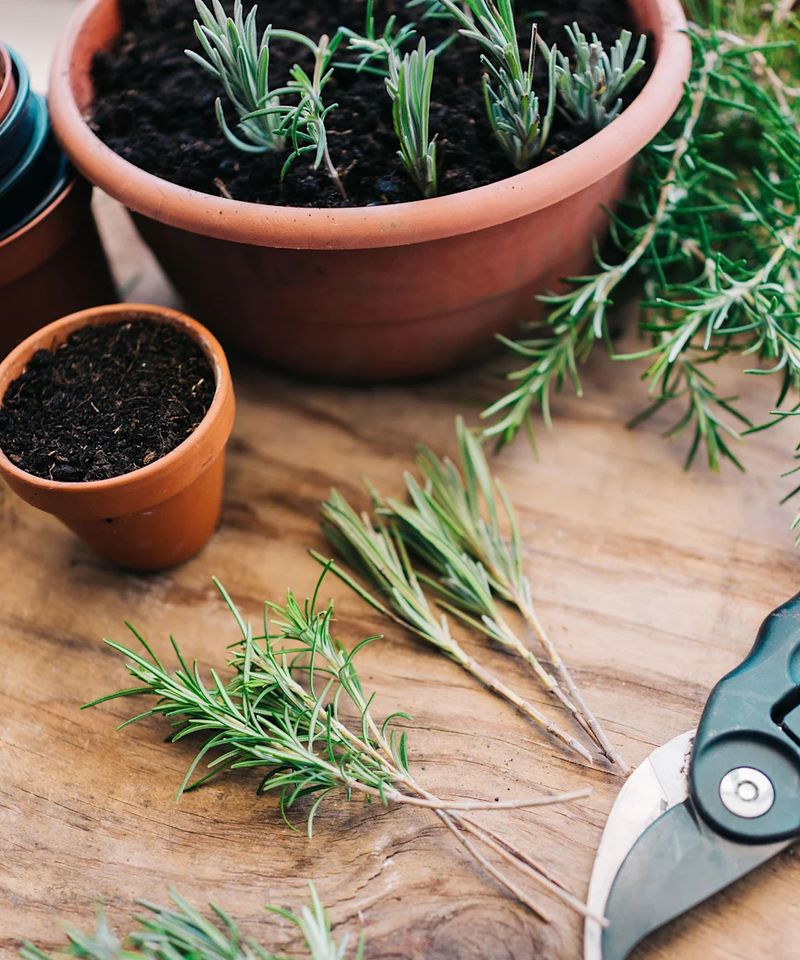
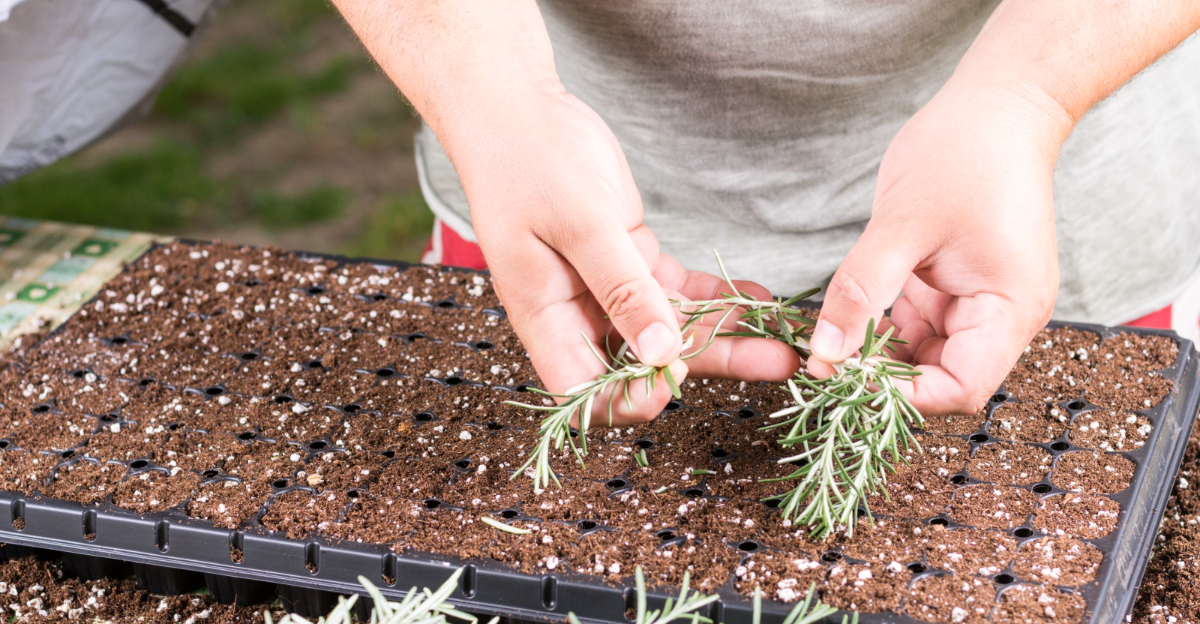
Snipping a few stems from a healthy rosemary plant on a mild California morning is one of the most satisfying ways to spend time in the garden.
Rosemary is a reliable plant to propagate from cuttings, and spring growth gives you stems that are firm enough to handle but still soft enough to root without too much trouble.
Softwood cuttings taken in early to mid-spring tend to perform well across many California growing regions.
Choose healthy, non-flowering stems about four to six inches long. Strip the lower two inches of leaves and make a clean cut just below a node using sanitized shears.
Placing the prepared cutting into a mix of perlite and coarse sand gives it the drainage rosemary needs to root without rotting.
A clear plastic bag or humidity dome placed loosely over the cuttings helps hold moisture in the air around the leaves. Set the tray somewhere warm and bright, but shield it from harsh midday sun.
Rosemary can take a few weeks to show rooting progress, so patience matters here. Once the roots are about an inch long, you can move the young plants into individual containers and begin hardening them off slowly.
Your California Garden Changes Every Week. Your Plan Should Too.
Gardening in California changes quickly throughout the season. Every Friday you’ll receive a simple weekly plan showing exactly what to plant, prune, fertilize, harvest, and protect so you never miss the right timing.
3. Salvia Starts Fast On Soft New Growth
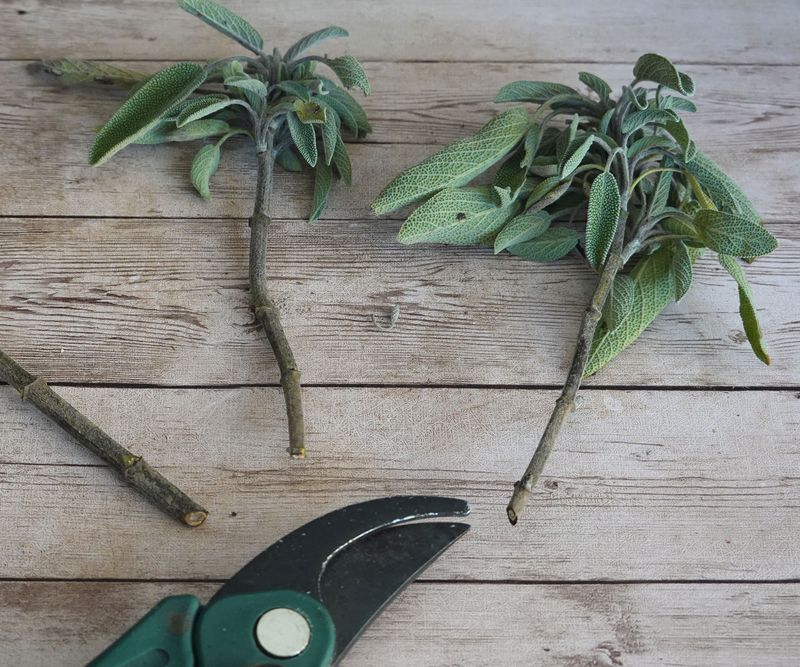
Walk through almost any California garden in spring and you will likely spot salvia sending out waves of fresh, soft new growth. That tender new growth is exactly what you want when taking cuttings, since it roots faster than older, woodier stems.
Many salvia varieties popular in California gardens, including ornamental sages and native species, respond well to softwood propagation during the cooler, longer days of spring.
Cut stems about three to four inches long, choosing tips that are actively growing but have not yet flowered. Remove the lower leaves, leaving just two or three pairs at the top, and trim any large leaves in half to reduce moisture loss.
A standard propagation mix kept evenly moist works well for most salvia cuttings.
Salvia often roots within two to four weeks under the right conditions, which makes it one of the more encouraging plants to propagate for the first time. Rooting tends to go more smoothly when cuttings are kept out of drying winds and strong afternoon sun.
Once you see firm new growth emerging from the top of the cutting, that is usually a good sign that roots have formed and the young plant is ready to move forward.
4. Hydrangea Takes Off While Spring Growth Is Soft
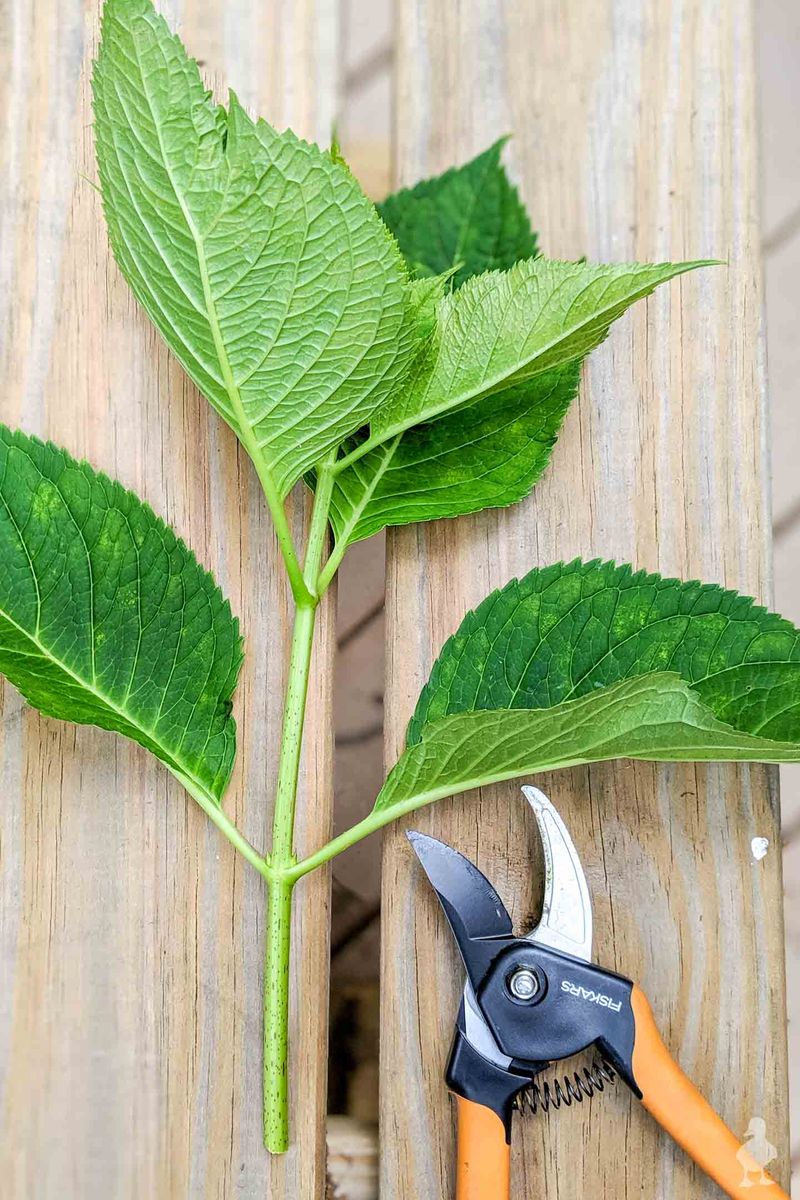
There is something almost magical about watching a hydrangea cutting settle into its propagation pot and begin to take hold.
Spring is a particularly good time to try this in California because the new growth is soft and full of the energy the plant needs to push out roots quickly.
Cuttings taken from stems that have not yet formed flower buds tend to root more reliably than those snipped from blooming wood.
Look for stems about four to six inches long with at least two sets of leaves. Remove the lower leaves completely and trim the remaining leaves in half to cut down on moisture loss through the foliage.
A clean, moist propagation mix that holds some moisture without becoming waterlogged gives hydrangea cuttings a solid foundation to work from.
Shade is your friend here. Hydrangea cuttings wilt quickly in strong California sun, so keeping them in bright but indirect light helps them stay turgid while roots develop.
A plastic humidity tent or covered propagation tray can make a real difference in keeping conditions stable.
Rooting typically takes three to five weeks, and once new leaves begin to unfurl, the cutting has likely established enough roots to be carefully moved to a larger container.
5. Fuchsia Bounces Back From Snipped Spring Tips
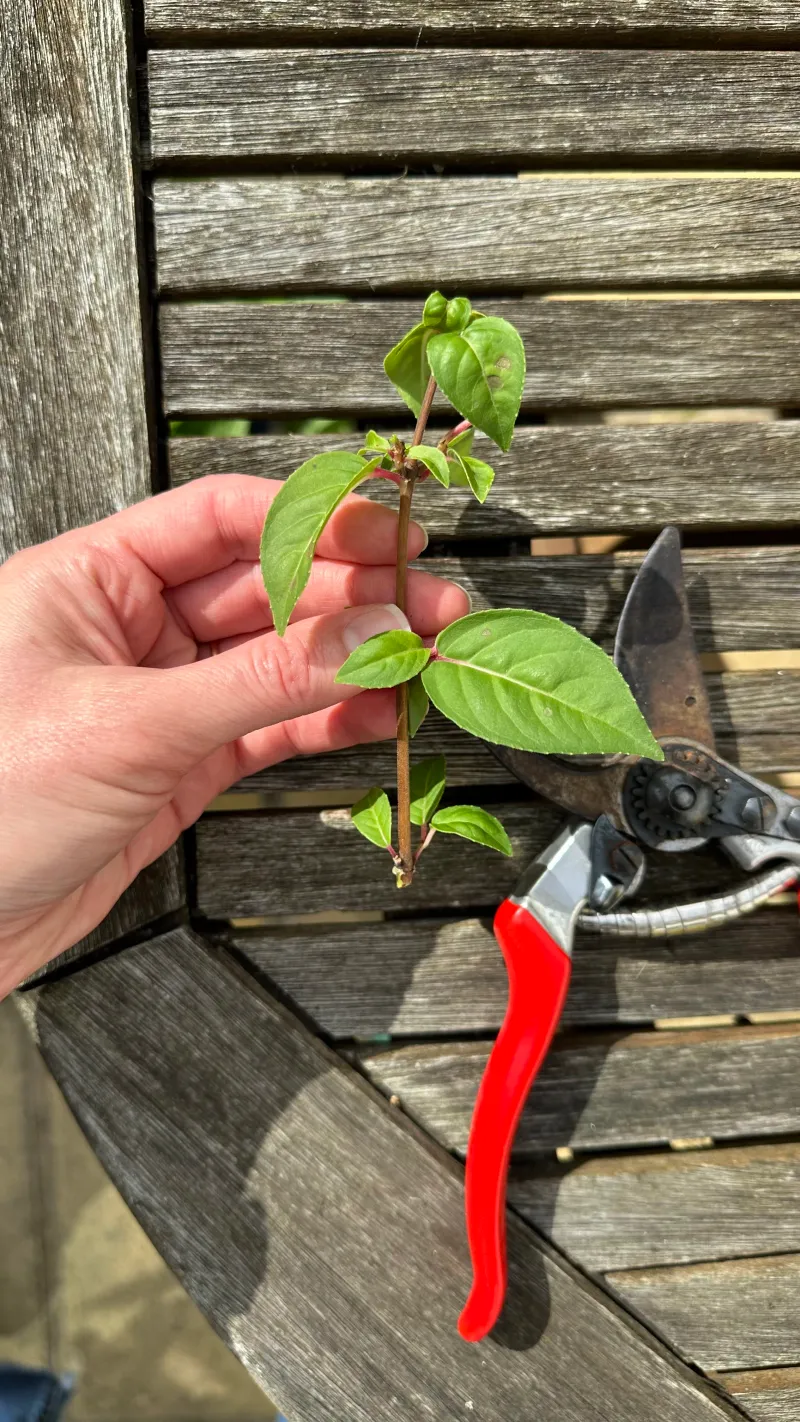
Snipping the soft tips from a fuchsia plant in spring does double duty in a California garden: it encourages the parent plant to branch out and gives you cutting material that roots with surprising ease.
Fuchsia is one of those plants that almost seems eager to propagate, especially when the spring growth is young and tender.
Gardeners in coastal California often find fuchsia responds especially well because the cool, humid air suits the cuttings nicely during the rooting phase.
Take tip cuttings about three to four inches long, removing the lower leaves and leaving just a few small leaves at the top. Rooting hormone is helpful but not always necessary with fuchsia, since these cuttings can root fairly quickly on their own.
A light, well-aerated propagation mix kept consistently moist is a good choice for this plant.
Keep cuttings out of direct sun and away from drying winds, since fuchsia wilts easily when it loses too much moisture through its leaves. A covered propagation tray or a simple plastic bag tent works well for holding humidity.
Roots typically form within two to three weeks under good conditions, and once the young plant shows steady new growth, it can be gradually introduced to more light and airflow before moving into its final home.
6. Pelargonium Makes Spring Propagation Feel Easy
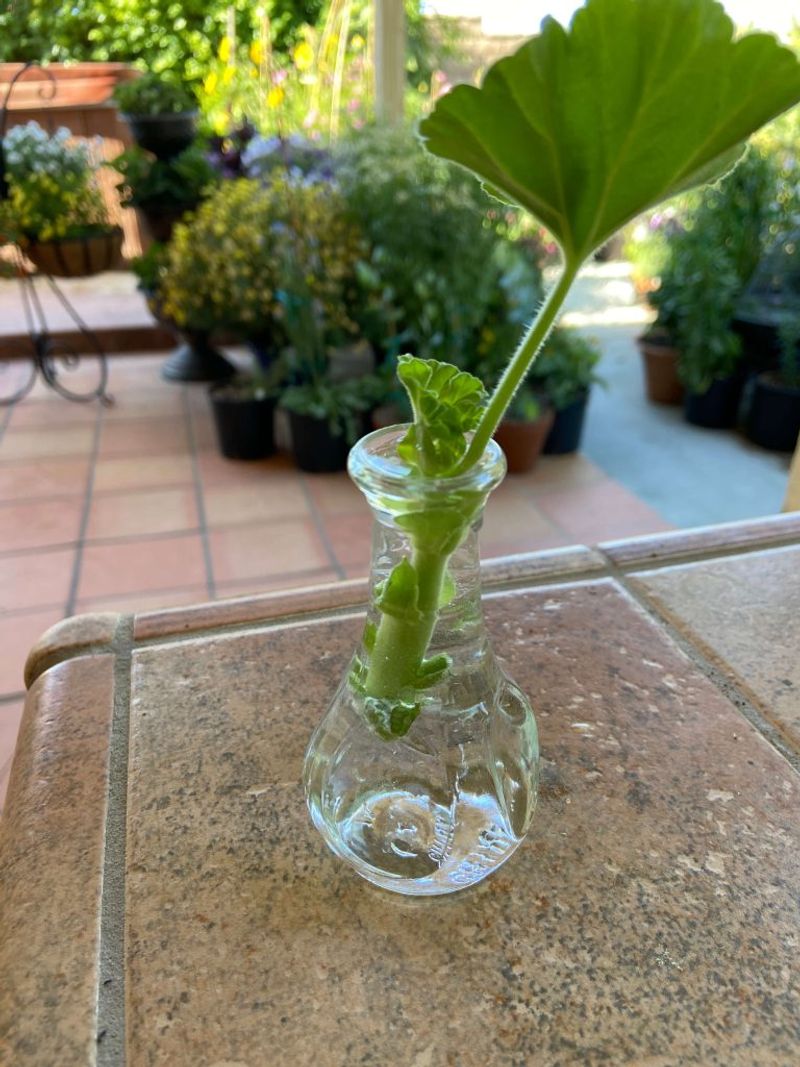
For gardeners who want a confidence-boosting first experience with cuttings, pelargonium is hard to beat.
These familiar plants, often called geraniums in California gardens, root with very little fuss from spring cuttings and reward even beginner propagators with quick results.
The soft new growth that appears as days get longer and temperatures climb gives you the ideal cutting material for rooting success.
Cut stems three to four inches long just below a leaf node, and let the cut end dry out in the open air for an hour or two before planting. This short drying period helps reduce the chance of stem rot at the base of the cutting.
Plant the prepared stem in a light, free-draining propagation mix and water it in gently.
One thing that sets pelargonium apart from many other plants is that it roots best without a humidity dome. Too much trapped moisture around the stems can cause problems, so simply place the cuttings in a warm, bright spot with good airflow.
In many California climates, a sunny windowsill or a sheltered outdoor spot works well. Roots typically develop within two to four weeks, and once the cutting feels firm in its pot and shows new leaf growth, it is ready to move into a larger container.
7. Bougainvillea Benefits From Strong Spring Growth
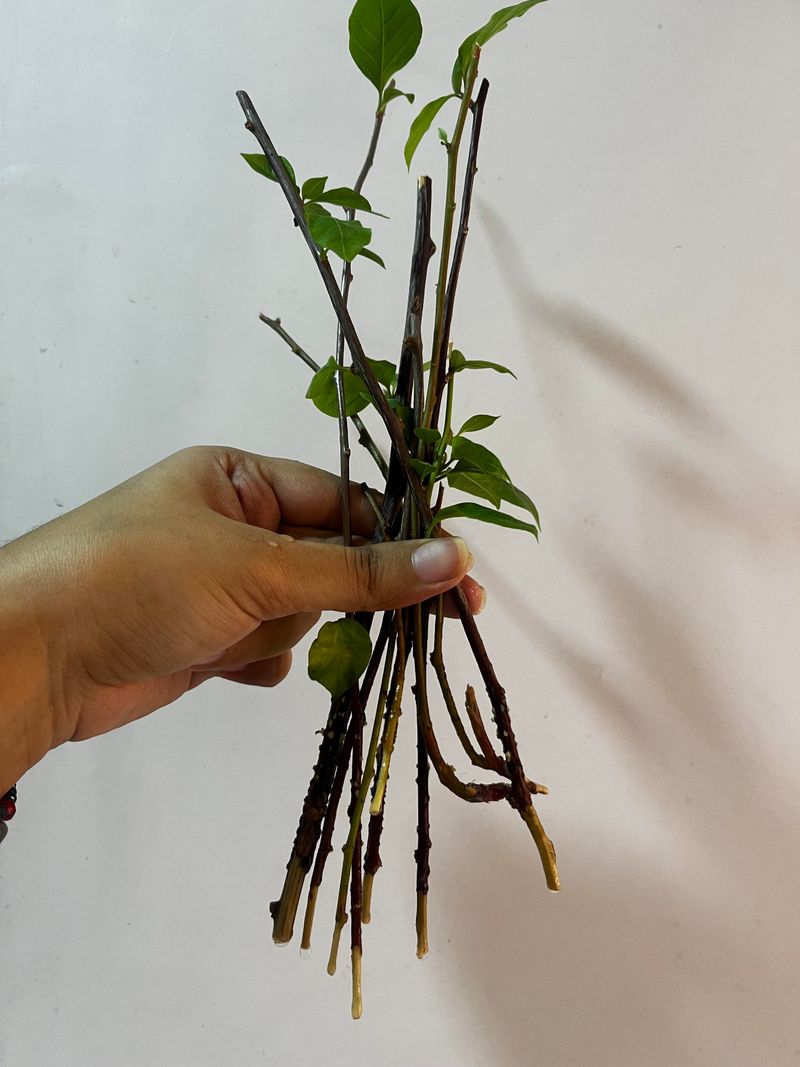
Bougainvillea is a California garden icon, and spring is one of the more productive times to try propagating it from cuttings.
As the plant pushes out new growth with the warming temperatures and longer days, you get stems that are firm enough to handle well but still young enough to root without too much resistance.
Bougainvillea can be a little more challenging to root than some other plants on this list, but spring growth gives you the best odds.
Choose semi-hardwood stems about six inches long that have a little firmness to them but are not fully woody.
Remove most of the leaves, leaving just one or two at the top, and dip the cut end generously in rooting hormone before placing it in a well-draining propagation mix.
Warmth from the bottom, such as a heat mat set to a gentle temperature, can help encourage rooting in cooler parts of California.
Bougainvillea cuttings need steady warmth and moderate moisture to root well, but they do not like sitting in wet soil. Patience is important here, since rooting can take six weeks or more.
Bright light without harsh direct sun during the rooting phase helps keep the cuttings stable. Once roots are established, bougainvillea grows quickly and rewards the effort with its vibrant color.
8. Russian Sage Prefers A Slightly Later Start
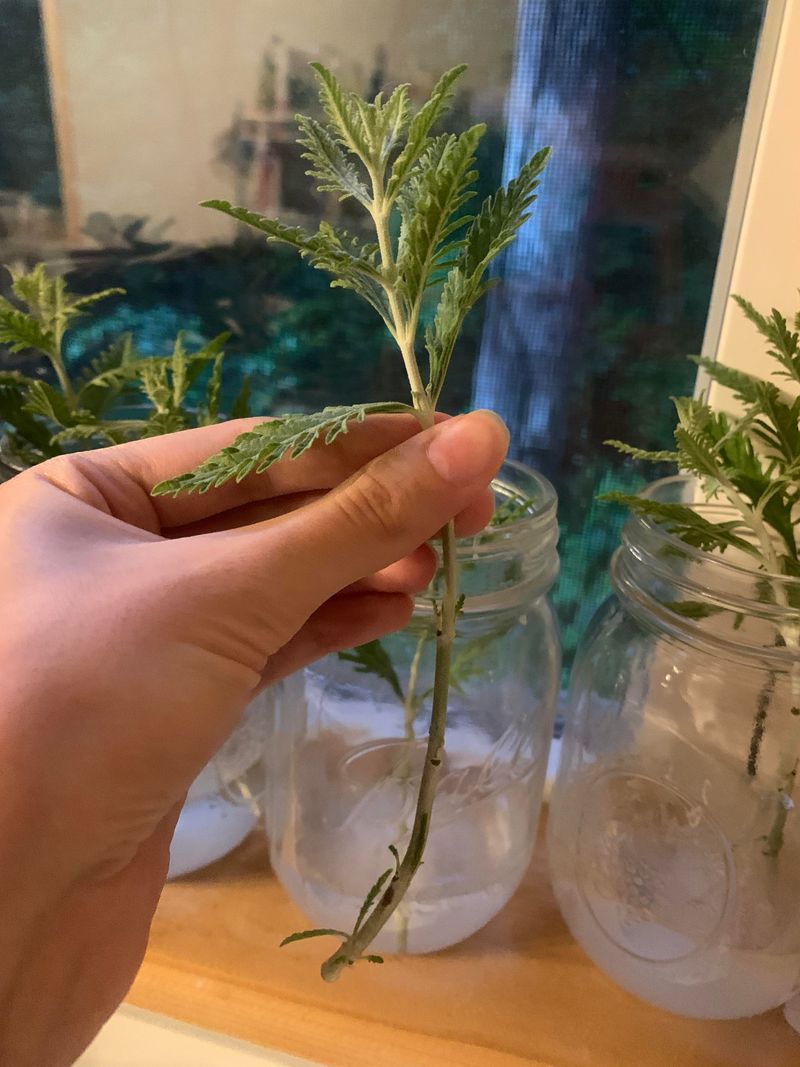
Unlike some plants that push out their best cutting material early in spring, Russian sage tends to do better when you wait just a bit for the stems to firm up a little.
In many California gardens, the ideal window for taking Russian sage cuttings falls in mid to late spring, once the new growth has some structure to it but has not yet become too woody.
Grabbing stems too early, when they are extremely soft and floppy, can lead to wilting before roots have a chance to form.
Look for stems about four to five inches long with visible nodes and healthy, silvery-green foliage. Strip the lower leaves and dip the cut end in rooting hormone before placing it in a gritty, well-draining propagation mix.
Russian sage does not like overly moist conditions, so err on the side of slightly drier rather than soggy when watering the cuttings.
A warm, bright spot with gentle airflow suits Russian sage cuttings well. Coastal California gardeners may find the naturally humid air helpful during rooting, while those in hotter inland areas should keep cuttings shaded from harsh afternoon heat.
Rooting can take four to six weeks. Once the young plants show steady new growth and resist a gentle tug, they are ready for individual pots and gradual outdoor hardening.
9. Thyme Roots Quickly While Stems Are Young
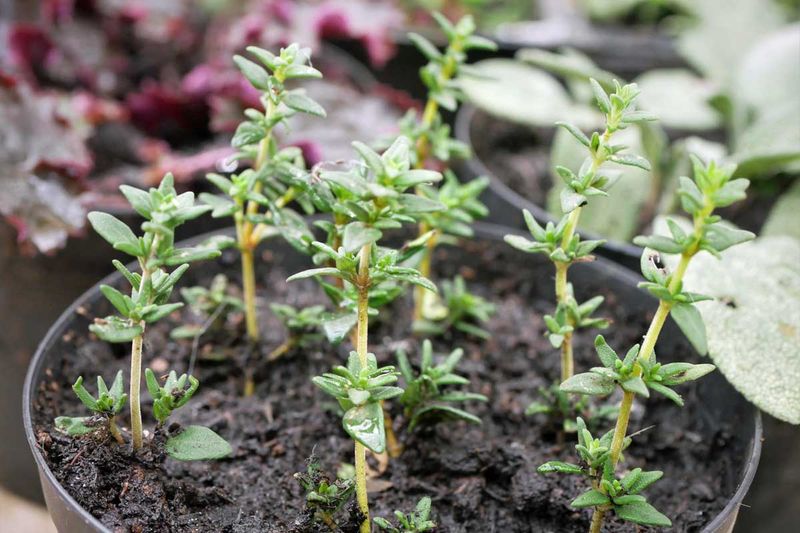
Thyme is one of the most rewarding herbs to propagate in a California garden, and spring is when the process tends to go fastest.
The young stems that emerge as temperatures warm up are soft, flexible, and packed with the vitality needed to push out roots in a relatively short amount of time.
A single established thyme plant can give you dozens of cuttings over the course of a spring season without any noticeable impact on the parent plant.
Select stems about two to three inches long from actively growing tips, and strip the lower half of leaves cleanly. A light touch with rooting hormone can help, though thyme is one of those plants that often roots on its own without much encouragement.
Press the prepared cuttings into a sandy, well-draining propagation mix and water them in gently.
Thyme roots well in bright conditions and does not need a humidity dome the way some other plants do. In fact, good airflow around the stems helps reduce the chance of fungal issues at the base of the cuttings.
Across many California growing regions, thyme cuttings taken in spring can show solid root development within two to three weeks. Once rooted, these young plants establish quickly in containers, raised beds, or sunny garden borders.
10. Lantana Takes Off From Tender New Growth
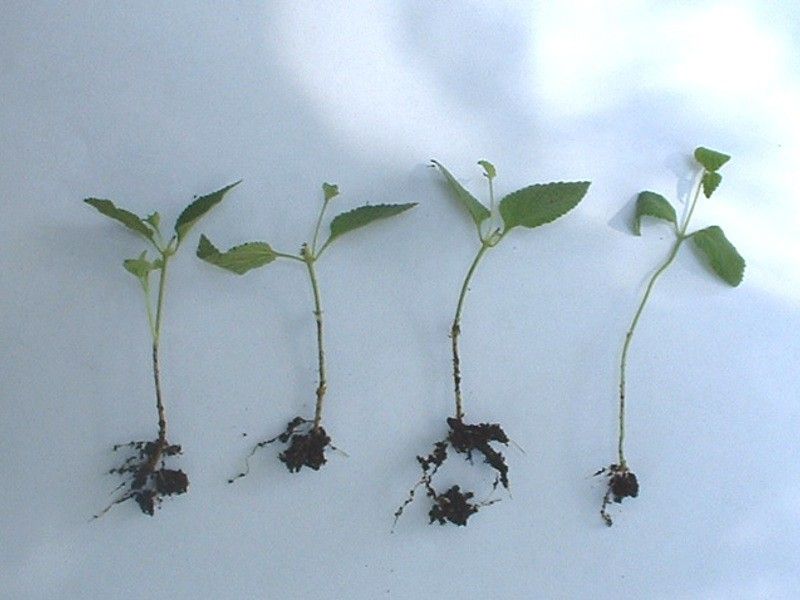
Lantana is one of those California garden plants that seems ready to grow the moment spring settles in, which is exactly why this is such a good time to try cuttings.
In California gardens, lantana is happiest in full sun with warm temperatures and well-drained soil, and in frost-free areas it can bloom continuously, so a healthy plant usually produces plenty of fresh material to work with.
Softwood cuttings are generally taken in spring, and UC propagation guidance recommends snipping just below a node, using clean tools, and rooting the cutting in an appropriate medium while keeping conditions evenly moist rather than soggy.
For lantana, that means choosing tender new growth that still feels flexible instead of older, hardened stems.
Once the cuttings are set, bright light without harsh stress and steady moisture can help them settle in. After rooting, young plants usually do best when moved gradually into stronger sun instead of being pushed into intense California heat all at once.
That extra patience pays off, because lantana can become a long-blooming, heat-tolerant garden staple once it is established.