11 Smart Ways Florida Gardeners Storm-Proof Their Yards
Florida storm season has a way of exposing every weak spot in a yard. One afternoon of wind and rain can turn patio furniture into flying hazards, wash mulch into the street, and leave broken branches scattered across the lawn.
Many homeowners only think about storm prep when a warning pops up on their phone, but the yards that recover fastest usually started preparing long before the clouds rolled in.
Small choices like what trees you plant, how you manage drainage, and where you store outdoor items can make a huge difference when weather turns rough.
The good news is that storm-proofing your yard does not require expensive equipment or major renovations. It starts with simple upgrades that protect your home, reduce cleanup time, and help your landscape bounce back faster after heavy weather.
A little planning now can save you hours of work later.
1. Choosing Trees That Handle Wind Better
Walk through any Florida neighborhood after a hurricane, and you will notice something interesting about which trees remain standing and which ones topple.
Oak species like live oak and sand live oak develop deep root systems that anchor them firmly, even when saturated soil turns soft during heavy rainfall.
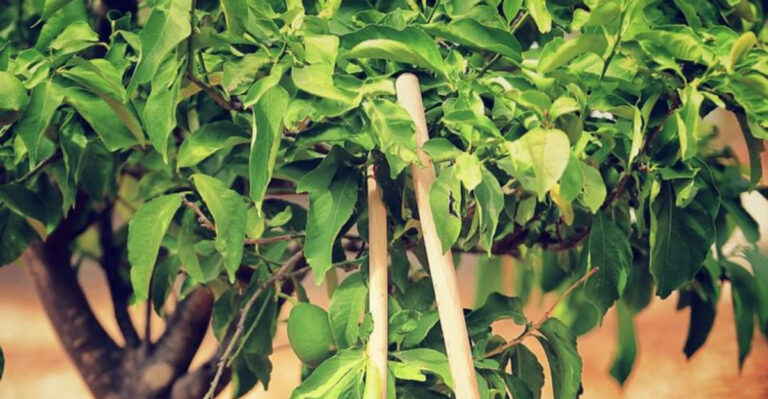
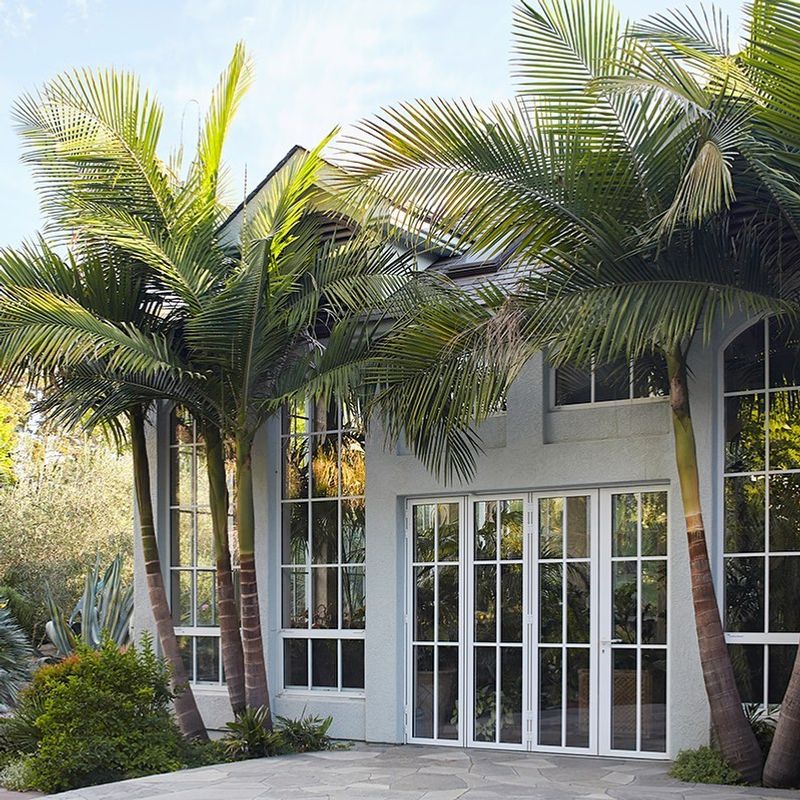
Sabal palms flex dramatically in high winds without snapping because their trunks bend instead of breaking, and their root balls hold tight in sandy ground.
Planting the wrong tree near your house creates risk you might not see until a major storm arrives.
Shallow-rooted species like laurel oak or water oak often fail during hurricanes, especially in Central Florida where summer thunderstorms keep soil moisture high before tropical systems arrive.
South Florida gardeners benefit from native species adapted to salt spray and constant wind exposure along the coast.
University of Florida IFAS Extension recommends choosing trees known for better wind resistance and matching them to your local growing zone. Smaller mature sizes near structures reduce the chance of roof damage, and proper spacing allows roots to spread without competing.
Strong tree selection protects your investment and keeps your yard safer when the next storm warning gets issued.
2. Pruning The Right Way Before Storm Season
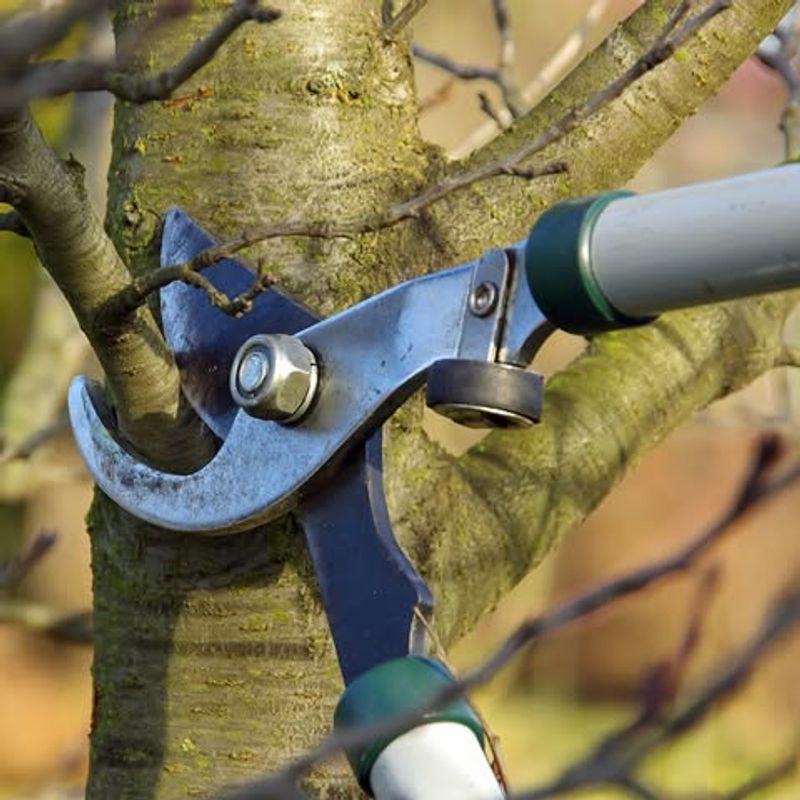
Your trees need haircuts, but timing and technique matter more than most homeowners realize when storm season approaches.
Proper pruning removes weak branches that become flying hazards while keeping the canopy structure strong enough to let wind pass through instead of catching it like a sail.
Certified arborists in Florida follow standards that preserve the natural shape of trees rather than topping them, which actually weakens their structure and creates more problems during high winds.
North Florida residents often schedule pruning in late winter before spring growth begins and well ahead of June hurricane season. Central and South Florida gardeners work on similar schedules, though tropical storm threats extend longer in southern counties.
Removing crossing branches, water sprouts, and damaged limbs reduces weight at the ends of branches where wind force concentrates most.
Many arborists recommend avoiding removal of more than about 25 percent of a tree’s canopy in one season, as excessive pruning stresses trees and reduces their ability to recover from storm damage.
Focus on creating clearance around structures, power lines, and pathways where falling limbs cause the most trouble.
Clean cuts heal faster and resist disease better than ragged tears left by storm winds.
3. Managing Yard Drainage Before Heavy Rain
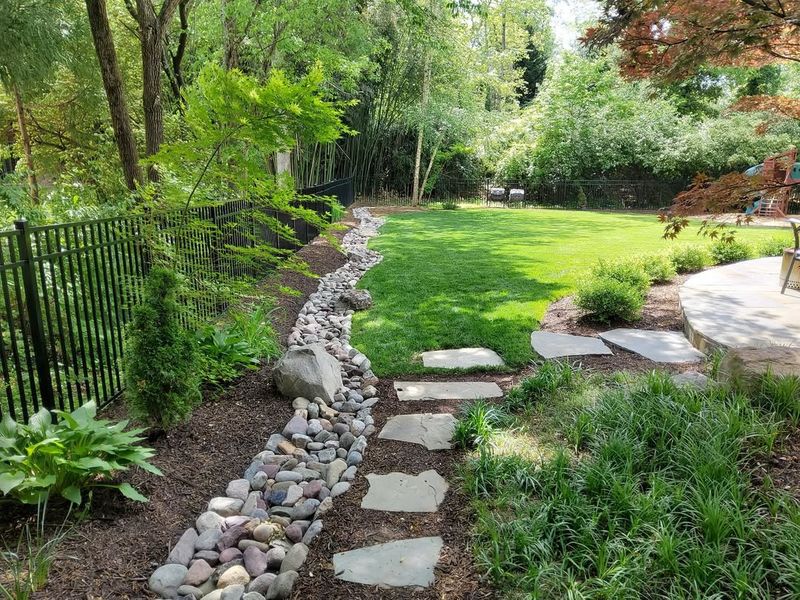
Heavy rain arrives fast in Florida, dumping inches in hours and turning low spots into ponds that stress plants and saturate soil around tree roots. Good drainage keeps water moving away from your house foundation and prevents erosion that washes away mulch, soil, and smaller plants.
Grading your yard so water flows toward street drains or designated retention areas protects both your landscape and your home structure during intense rainfall events common throughout the state.
French drains, swales, and rain gardens designed according to Florida Friendly Landscaping principles handle excess water without expensive infrastructure.
Many Central Florida areas have heavier soils that hold water longer than sandy coastal regions, so drainage solutions vary by region and soil type.
South Florida gardeners often deal with high water tables that limit how deep drainage systems can go, requiring surface solutions like berms and planted swales instead.
Check your yard after summer thunderstorms to identify where water pools and stays longest. Adjusting soil levels, adding drainage pathways, and planting water-tolerant species in wet zones prepares your landscape for the heavier rains that accompany tropical systems.
Proper drainage reduces root rot, prevents tree toppling from saturated soil, and keeps your yard functional after storms pass through.
4. Securing Containers And Lightweight Features
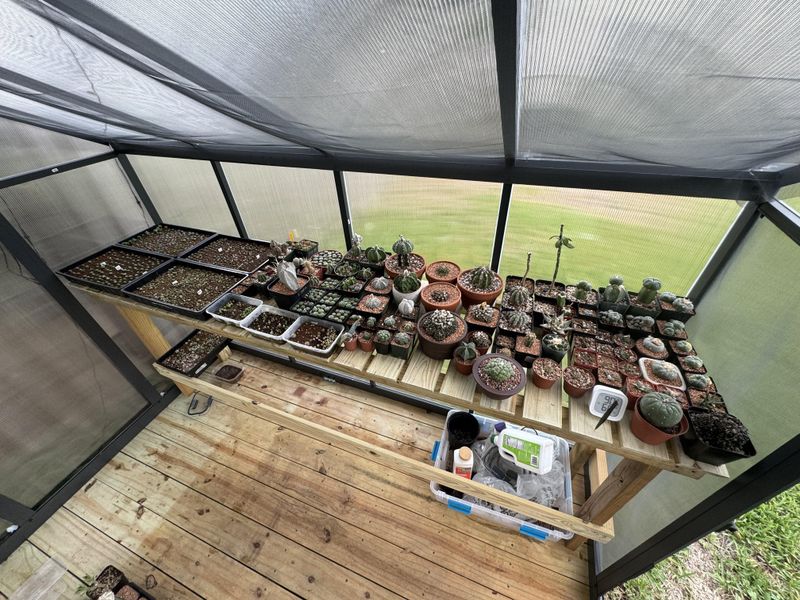
Potted plants, garden ornaments, and lightweight furniture become dangerous projectiles when hurricane winds reach your neighborhood.
Anything not anchored or brought inside can crash through windows, damage vehicles, or injure people trying to secure property at the last minute.
Starting your storm preparation by moving or securing loose items gives you time to focus on bigger tasks as weather forecasts become more certain.
Create a storage plan before storm season begins so you know exactly where containers and decorations will go when warnings get issued. Garages, sheds, and covered patios work well for temporary storage, though heavy items can sometimes stay outside if laid flat on the ground.
Some North Florida homeowners have more storage options such as sheds or larger garages, while South Florida homeowners might need to get creative with limited indoor space.
Group lightweight containers together and move them early, ideally two days before expected storm arrival when stores still have supplies and roads remain clear. Anchor permanent features like birdbaths and statuary with ground stakes or remove them entirely during peak hurricane months.
Your yard looks bare without decorative elements, but temporary changes prevent permanent damage and keep everyone safer when high winds arrive.
5. Mulching To Reduce Erosion And Washout
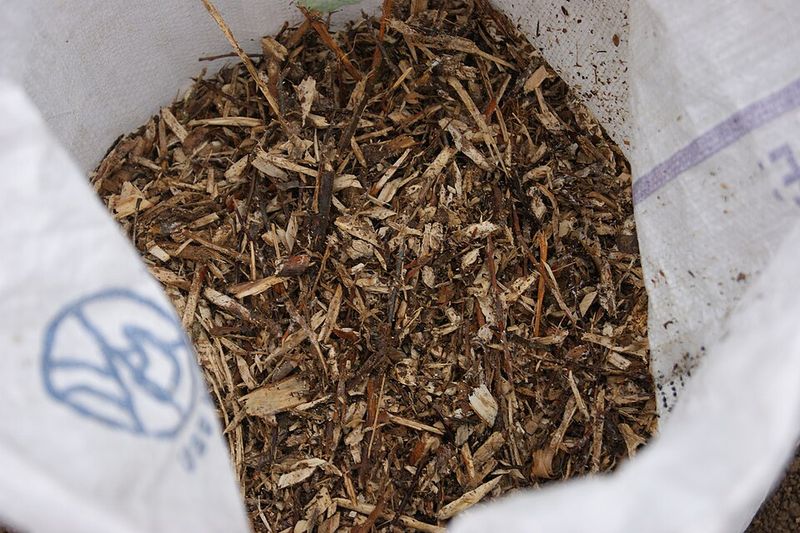
Bare soil washes away fast when heavy rain pounds your yard, carrying nutrients and exposing plant roots that need protection.
A 2–3 inch layer of quality mulch acts like armor for your garden beds, slowing water runoff and holding soil in place even during the most intense rainfall events Florida throws at you.
Pine bark and other common organic mulches work well across much of the state, breaking down slowly while providing long-term protection for plant roots.
Apply mulch several weeks before storm season so it settles and binds together slightly, creating better erosion resistance than freshly spread material. Pull mulch a few inches away from tree trunks and plant stems to prevent rot while still covering the root zone completely.
Central Florida gardeners notice that mulch helps sandy soils retain moisture between rain events, while coastal South Florida yards benefit from the salt spray buffer mulch provides.
Check mulch depth after major storms and replenish areas where heavy rain washed material away or piled it unevenly. Avoid mulch volcanoes around trees, as excessive depth against trunks invites pests and disease that weaken trees before the next storm arrives.
Proper mulching protects your soil investment and keeps plant roots stable when wind and water test your landscape.
6. Strengthening Garden Beds And Borders
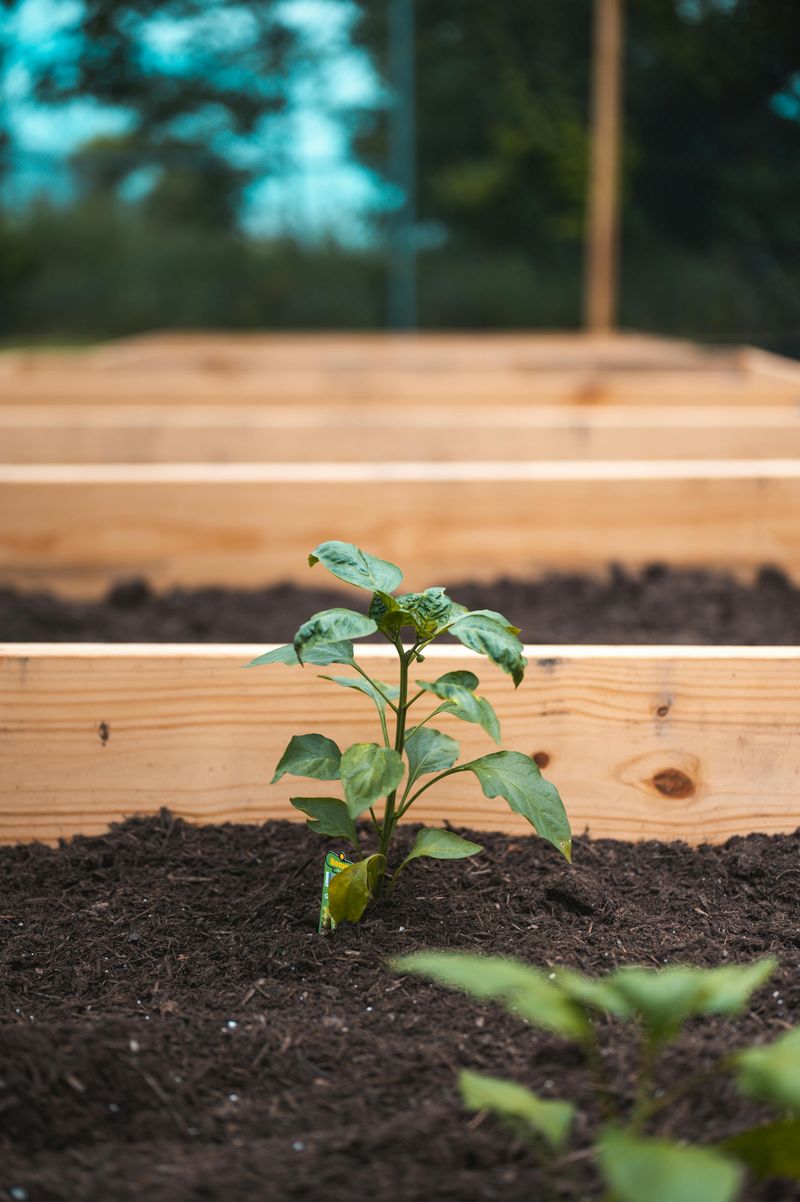
Garden beds with clear borders hold soil and mulch better during storms than informal planting areas that blend into lawn spaces.
Installing edging made from concrete pavers, landscape timbers, or commercial plastic edging creates physical barriers that prevent washout when water rushes across your property.
Raised beds built with proper drainage perform even better, lifting plant roots above standing water while containing soil amendments that might otherwise wash away.
Sloped yards in hilly parts of North Florida need stronger borders than flat coastal properties, though every region benefits from well-defined planting areas. Secure edging materials firmly into the ground so they stay in place when saturated soil shifts during heavy rain.
South Florida coral rock and coquina stone make attractive and functional borders that resist both wind and water movement.
Reinforce weak spots in existing beds before storm season rather than waiting for damage to occur. Check that bed edges sit slightly higher than surrounding grade to direct water around rather than through planting areas.
Strong borders reduce cleanup work after storms, protect valuable plants from root exposure, and maintain the visual structure of your landscape even when weather gets rough.
Your effort pays off when neighbors spend days repairing erosion damage while your beds stay intact.
7. Planting Wind-Buffer Shrubs And Hedges
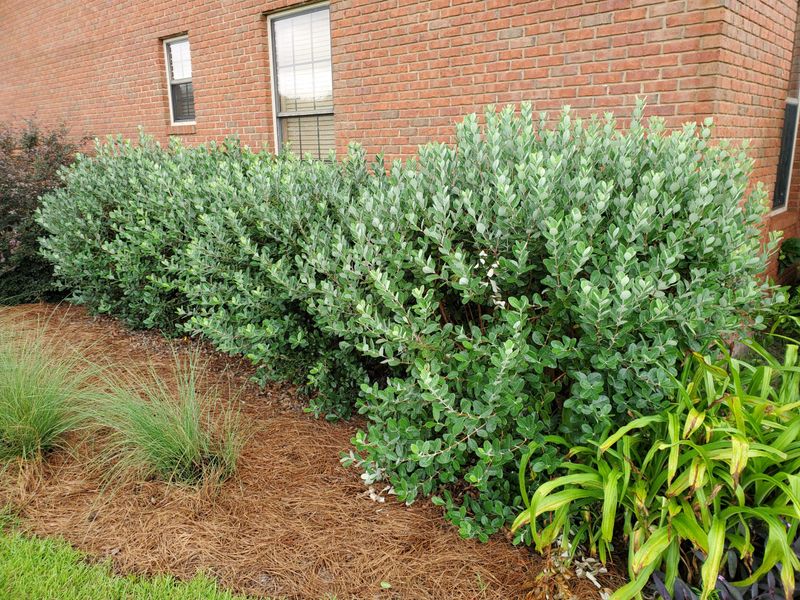
Strategic shrub plantings create living windbreaks that reduce storm damage to more vulnerable plants and structures behind them.
Native species like wax myrtle, Simpson stopper, and cocoplum grow dense enough to slow wind while flexible enough to bend without breaking during hurricanes.
Properly spaced hedge rows filter salt spray in coastal areas and reduce the force of wind before it reaches your house windows and patio enclosures.
North Florida gardeners can use cold-hardy shrubs like yaupon holly and American beautyberry that handle both winter freezes and summer storms. Central Florida benefits from wider plant selection including firebush and Walter’s viburnum that thrive in transitional climate zones.
South Florida coastal properties need salt-tolerant species planted in staggered rows to create depth and redundancy when tropical systems bring sustained high winds.
Plant windbreak shrubs well ahead of storm season so they have time to establish strong roots and develop dense canopies. Space individual shrubs close enough to create continuous coverage but far enough apart to allow air circulation that prevents disease.
Avoid single-row hedges that create solid walls, as wind can topple them more easily than staggered plantings that allow some air movement through multiple layers.
8. Reducing Flying Debris In The Yard
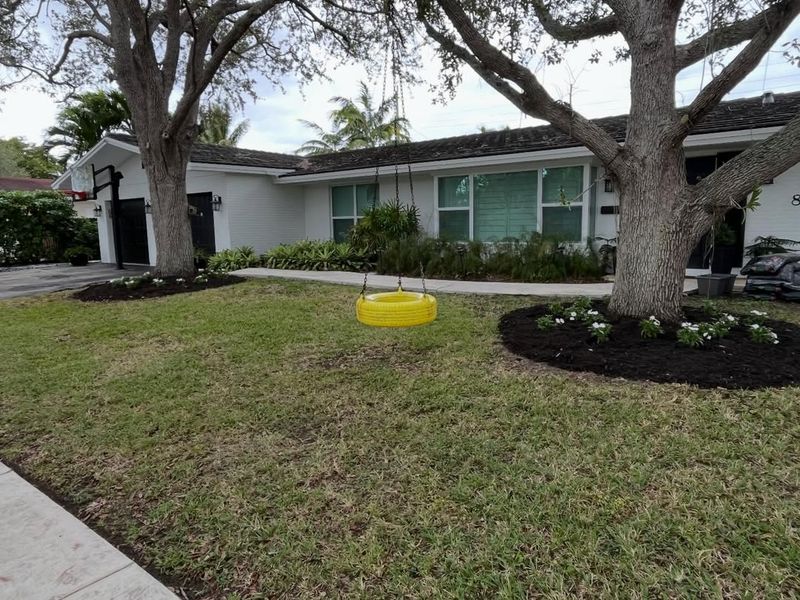
Branches, lawn furniture, toys, tools, and unsecured equipment scattered around your property all become dangerous when hurricane winds arrive.
Walking your yard with a critical eye several times during storm season helps you identify items that need securing or storage before weather forecasts turn urgent.
Trimming weak branches, storing tools in sheds, and removing temporary structures reduces both property damage and liability if your belongings damage neighboring homes.
Create designated storage areas for seasonal items so you can clear your yard quickly when storm watches get issued. North Florida properties with larger lots might have more items to secure, while compact South Florida yards concentrate potential debris in smaller areas near structures.
Pool equipment, grills, and outdoor electronics need particular attention, as these expensive items cause significant damage if they become airborne.
Schedule a yard cleanup at least once monthly during hurricane season to prevent gradual accumulation of potential debris.
Wilted palm fronds, broken branches, and construction materials left from projects all add to cleanup work after storms and create hazards during high winds.
Your neighbors notice properties that stay maintained and free of loose items, and your insurance company appreciates proactive debris reduction that minimizes claims after major weather events.
9. Protecting Young Plants And New Installations
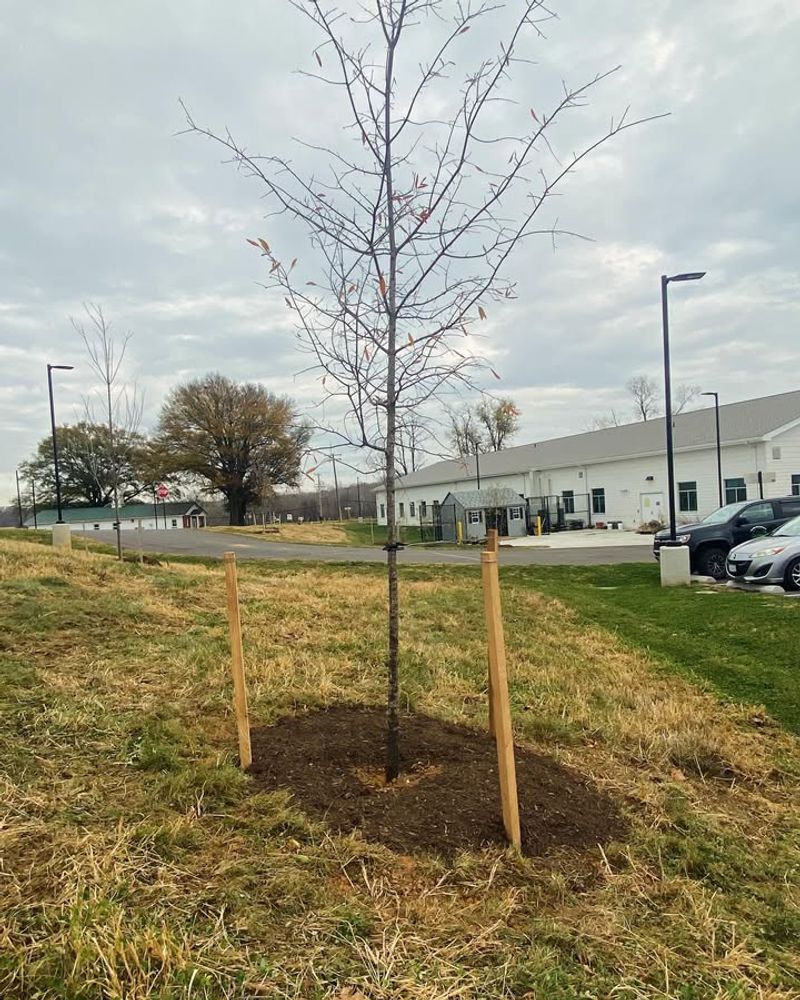
Recently planted trees, shrubs, and perennials face higher storm risk than established plants because their root systems have not yet spread enough to anchor them firmly.
Staking new trees properly supports them through their first few storm seasons without causing trunk damage or restricting natural movement that builds strength.
Temporary windbreaks made from burlap or shade cloth protect tender transplants from salt spray and drying winds that stress young growth.
Avoid major landscape installations from June through November when storm probability peaks across Florida.
North Florida gardeners can sometimes plant in early fall before hurricane season ends, while South Florida residents face tropical storm threats well into November most years.
If you must plant during storm season, choose smaller container sizes that establish faster and require less support during weather events.
If soil is very dry, lightly watering new plants before storms can help roots settle, but avoid saturating already wet soil. Remove stakes from trees once roots establish, typically after one or two growing seasons, so trunks develop natural taper and strength.
Young plants represent significant investment and effort, so timing installations around weather patterns and providing appropriate protection helps them survive their vulnerable early months and grow into storm-resilient landscape features.
10. Preparing Coastal Yards For Salt And Wind
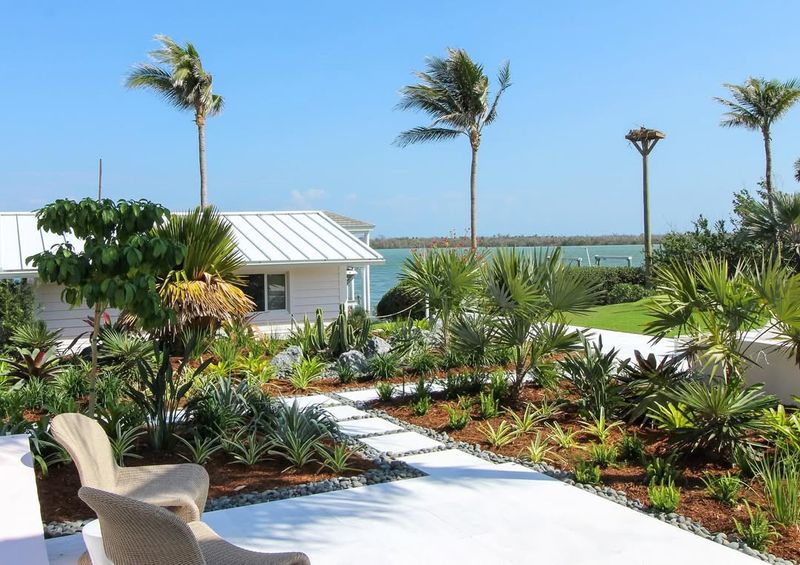
Living near Florida beaches means your landscape faces challenges inland properties never experience, with salt spray burning foliage and constant wind desiccating plants year-round.
Storm events intensify these conditions dramatically, pushing saltwater inland and coating everything with corrosive spray that damages sensitive species.
Selecting salt-tolerant natives like sea grape, railroad vine, and beach sunflower gives coastal gardens the resilience they need to recover quickly after tropical systems pass.
South Florida coastal properties often experience more frequent exposure to salt spray and strong winds, requiring the toughest plant selections and most frequent maintenance.
Central Florida Gulf Coast and Atlantic beaches deal with similar conditions but slightly shorter storm seasons.
Even North Florida coastal areas from Pensacola to Jacksonville need salt-adapted landscapes, though cooler winter temperatures allow some temperate species that struggle further south.
Rinse salt spray from plant foliage after storms using fresh water from hoses or collected rainwater to prevent cumulative damage through the season. Install additional windbreaks closer to the beach to create protected microclimates for less tolerant ornamentals.
Coastal gardening requires accepting that some plants will not thrive regardless of care, so focus your efforts on proven performers adapted to your specific exposure level and distance from the water.
11. What Storm-Ready Yards Have In Common
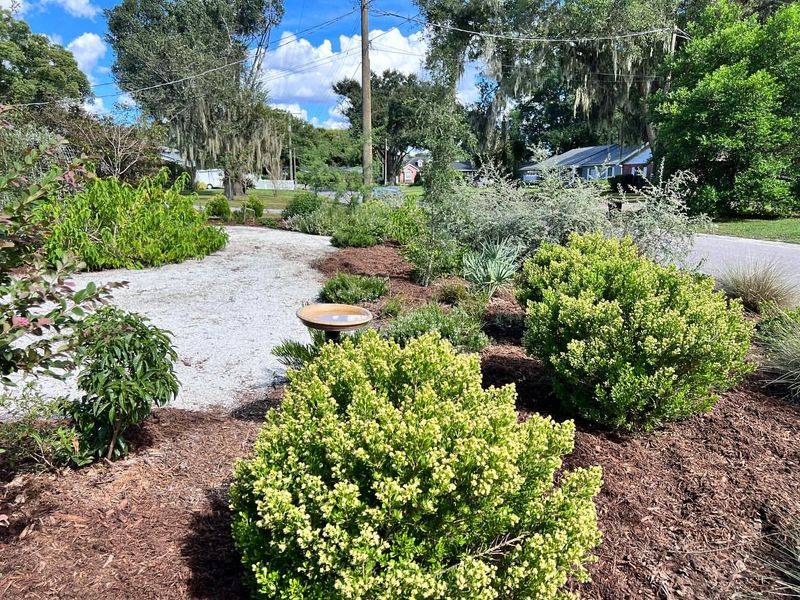
After major storms, clear patterns often appear separating yards that bounce back quickly from those requiring weeks of cleanup and replanting.
Storm-ready landscapes share specific characteristics including appropriate plant selection for the region, proper spacing that allows wind movement, and regular maintenance that removes weak growth before weather tests it.
These yards typically feature native species adapted to Florida conditions, deep mulch layers protecting soil, and minimal loose items that could become projectiles.
Homeowners with resilient yards understand that storm preparation happens year-round through consistent care rather than frantic last-minute efforts. They prune regularly, monitor drainage after ordinary rainstorms, and replace problem plants before they cause damage.
North Florida properties often include diverse tree canopies with multiple species spreading risk, while South Florida yards emphasize low-growing salt-tolerant plants that present less wind resistance.
The common thread connecting successful storm-ready yards across all Florida regions is intentional design based on realistic weather expectations and proven preparation practices.
These landscapes cost less to maintain long-term because they work with Florida conditions instead of fighting them.
Your yard can develop the same resilience through gradual improvements, plant-by-plant decisions, and seasonal maintenance habits that build strength into every part of your landscape before the next storm warning appears.