9 Soil Problems Eastern Oregon Gardeners Face (And How To Fix Them)
Gardening in Eastern Oregon comes with big skies, bold seasons, and some seriously stubborn soil. One day you are full of planting plans, the next you are staring at dry, compacted ground that feels more like concrete than garden soil.
It is a common challenge across the region, and even experienced gardeners run into trouble when the soil refuses to cooperate.
The good news is that most soil problems have simple, practical solutions. With the right approach, you can turn tough, lifeless dirt into rich, productive ground that supports healthy roots and stronger plants.
Small improvements like adding organic matter, fixing drainage, and balancing nutrients can completely change how your garden performs.
Once you understand what your soil is telling you, it becomes much easier to grow vegetables, flowers, and shrubs that truly thrive in Eastern Oregon’s unique conditions. Let’s look at the most common soil troubles and how to fix them.
1. High Alkaline Soil (High pH)
Alkaline soil is one of the biggest headaches for Eastern Oregon gardeners. The pH levels often climb above 7.5, making it tough for many plants to absorb nutrients properly.
This happens because the region receives little rainfall, which means salts and minerals accumulate instead of washing away.
Plants growing in high pH soil often show yellow leaves with green veins, a sign they cannot access iron. Blueberries, azaleas, and rhododendrons struggle terribly in these conditions.
Even vegetables like tomatoes and peppers may produce poorly when the soil stays too alkaline.
Lowering pH takes patience and regular effort in Eastern Oregon. Sulfur is your best friend here because it gradually acidifies soil over several months.
Apply elemental sulfur in spring and fall, working it into the top six inches of soil.
Adding organic matter like compost and peat moss also helps buffer pH levels. These materials improve soil structure while slowly bringing down alkalinity.
For quick fixes, try using acidic fertilizers or chelated iron supplements to help plants access nutrients right away.
2. Salty / Saline Soil
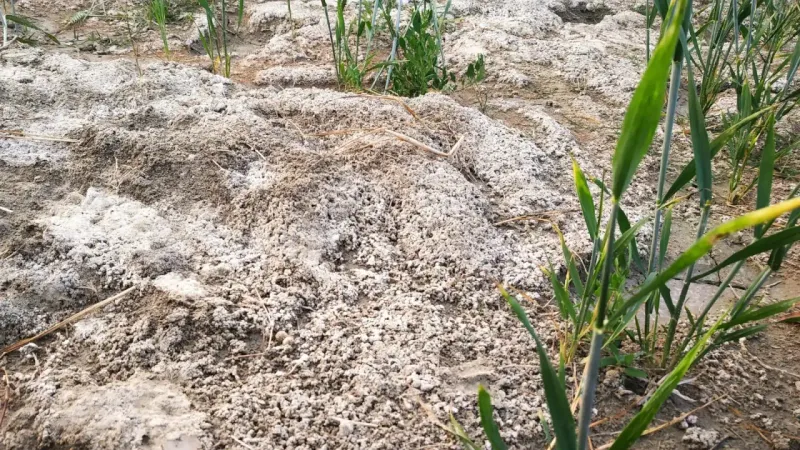
Salt buildup creates serious problems across Eastern Oregon, especially in areas with poor drainage or heavy irrigation. White crusty deposits on the soil surface signal that salts have concentrated to harmful levels.
These salts prevent roots from taking up water, even when moisture is present.
Saline conditions occur naturally in many Eastern Oregon locations due to mineral-rich parent materials. Irrigation water often contains dissolved salts that accumulate over time.
As water evaporates in the hot, dry climate, salts get left behind and concentrate in the root zone.
Plants growing in salty soil look stunted and burned around leaf edges. Grass may thin out, and garden vegetables produce smaller yields.
The damage mimics drought stress because roots cannot function properly when surrounded by excess salts.
Flushing salts requires deep watering that leaches them below the root zone. Install drip irrigation to apply water slowly and deeply rather than frequent shallow watering.
Adding gypsum helps displace sodium and improves soil structure without changing pH. Choose salt-tolerant plants like Russian sage and yarrow for problem areas.
3. Compacted Clay Soil
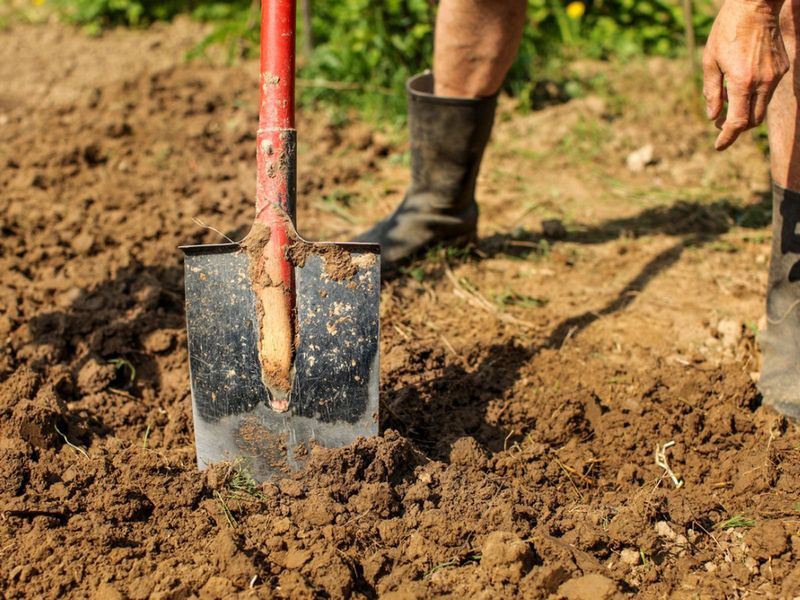
Clay soil dominates many Eastern Oregon gardens, creating a dense, heavy medium that roots struggle to penetrate. When wet, clay becomes sticky and unworkable.
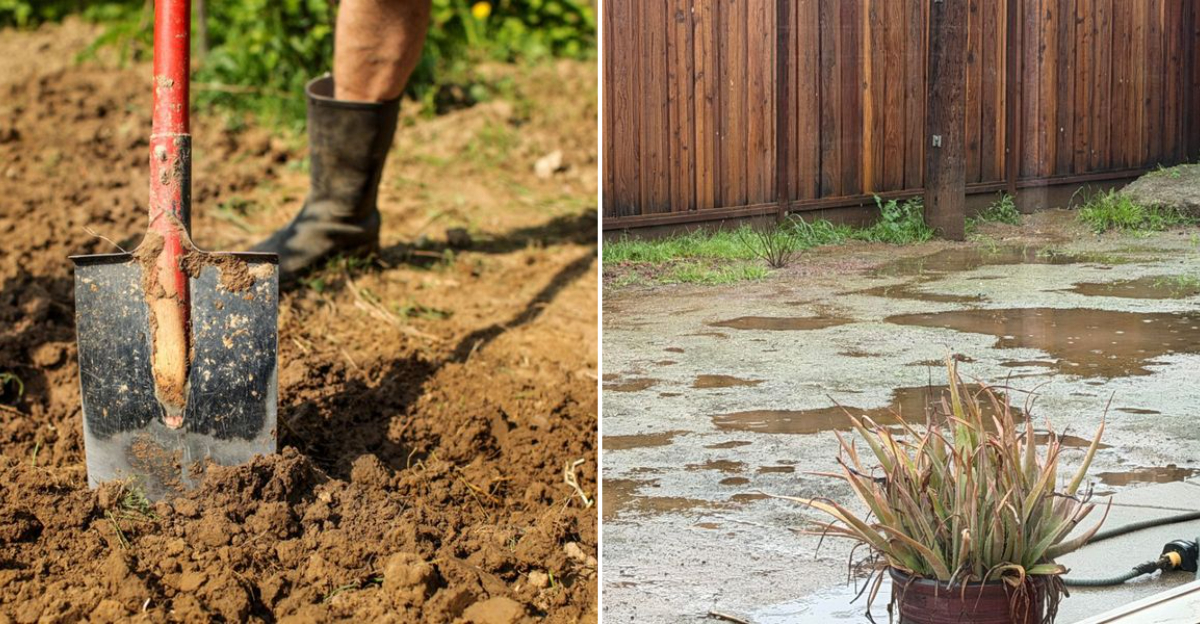
When dry, it hardens into concrete-like chunks that even shovels have trouble breaking through.
Compaction happens easily in clay because the tiny particles pack together tightly. Walking on wet clay or working it at the wrong time makes compaction worse.
Water pools on the surface instead of soaking in, and roots cannot spread properly to support healthy plant growth.
Poor drainage is the most obvious problem with compacted clay in Eastern Oregon. Plants may develop root rot during wet periods, then suffer drought stress when clay dries out completely.
Seedlings have difficulty emerging through the hard surface crust that forms after watering.
Breaking up clay requires adding coarse materials that create air spaces between particles. Mix in compost, aged manure, and coarse sand to improve texture over time.
Never work clay when wet because this destroys structure. Raised beds filled with amended soil offer an immediate solution for vegetable gardens in Eastern Oregon.
4. Poor Organic Matter Content
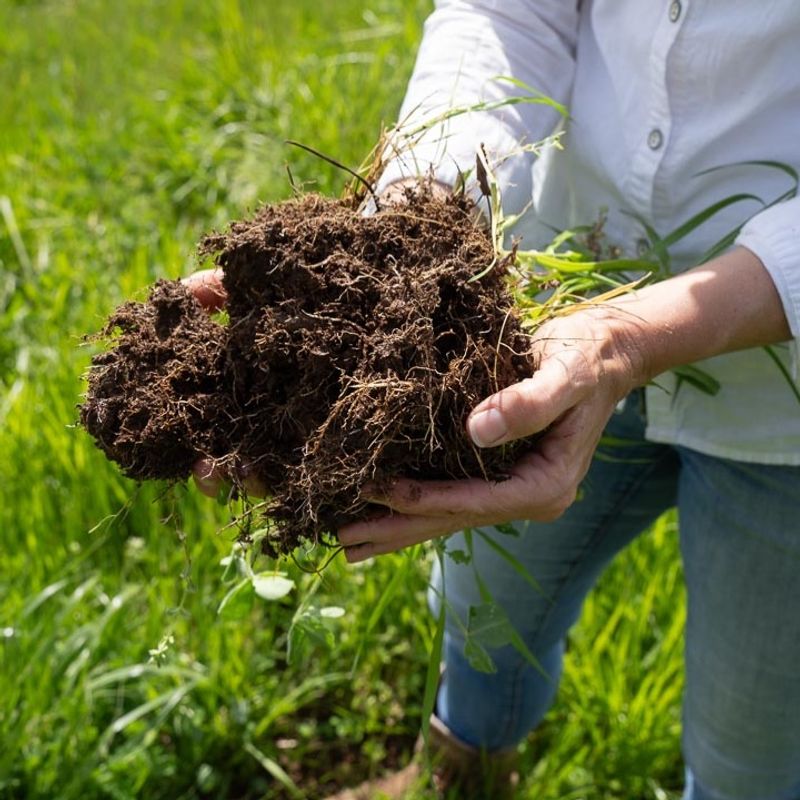
Eastern Oregon soils naturally contain very little organic matter compared to wetter regions. The dry climate means plant materials decompose slowly, and native vegetation produces less biomass to begin with.
Most garden soils in the area contain less than two percent organic matter.
Without adequate organic content, soil cannot hold moisture or nutrients effectively. The soil structure remains poor, with little ability to support beneficial microorganisms.
Plants grow slowly and require more frequent fertilizing because nutrients wash through quickly or remain locked up.
Building organic matter transforms problem soils into productive gardens over time. Compost is the foundation of soil improvement in Eastern Oregon.
Apply a two to three inch layer each spring and work it into the top several inches of soil.
Cover crops like annual ryegrass or winter wheat add organic matter when tilled under before planting. Mulching garden beds with straw, wood chips, or leaves protects soil while slowly decomposing.
Avoid removing plant debris; instead, chop and drop it to return nutrients to the soil. Sheet composting with layers of cardboard and organic materials works wonderfully for building new beds in Eastern Oregon.
5. Nutrient Deficiencies
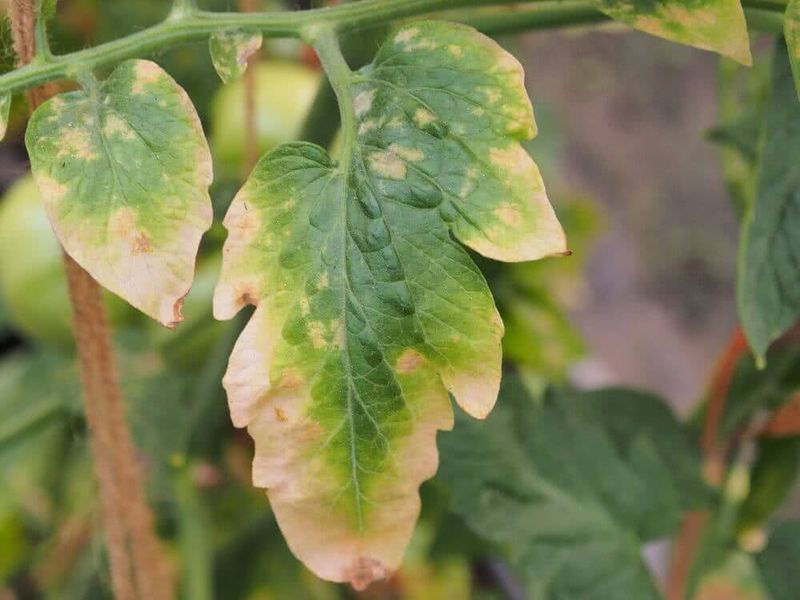
Nutrient shortages plague Eastern Oregon gardens because alkaline pH locks up many essential elements. Iron, zinc, and manganese become unavailable even when present in soil.
Plants show distinctive symptoms like yellowing between leaf veins or stunted growth patterns.
Nitrogen often runs low because organic matter breaks down slowly in the dry climate. Phosphorus binds tightly to clay particles and calcium, making it inaccessible to roots.
Micronutrient deficiencies appear more commonly here than in other regions due to the high pH conditions.
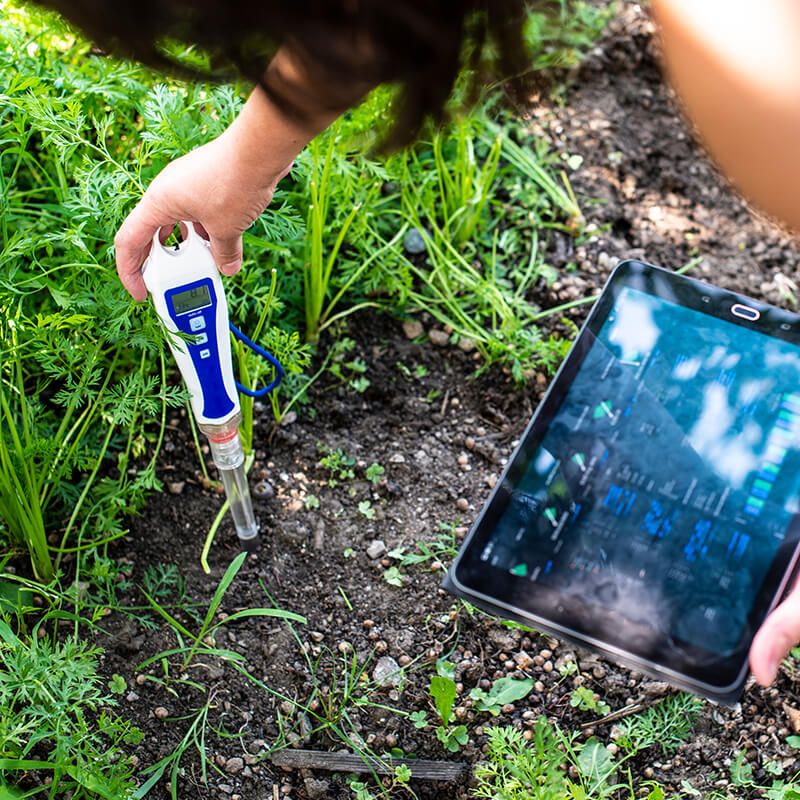
Testing soil every few years helps identify specific deficiencies before they become severe. Contact your local Extension office for affordable testing services.
The results guide your fertilizing program so you apply only what plants actually need.
Chelated fertilizers work better in alkaline Eastern Oregon soils because they remain available at high pH. Foliar feeding delivers nutrients directly through leaves when root uptake is limited.
Organic options like fish emulsion and kelp provide broad-spectrum nutrition. Sulfur-coated fertilizers release slowly while helping to lower pH gradually over time.
6. Hardpan Layers
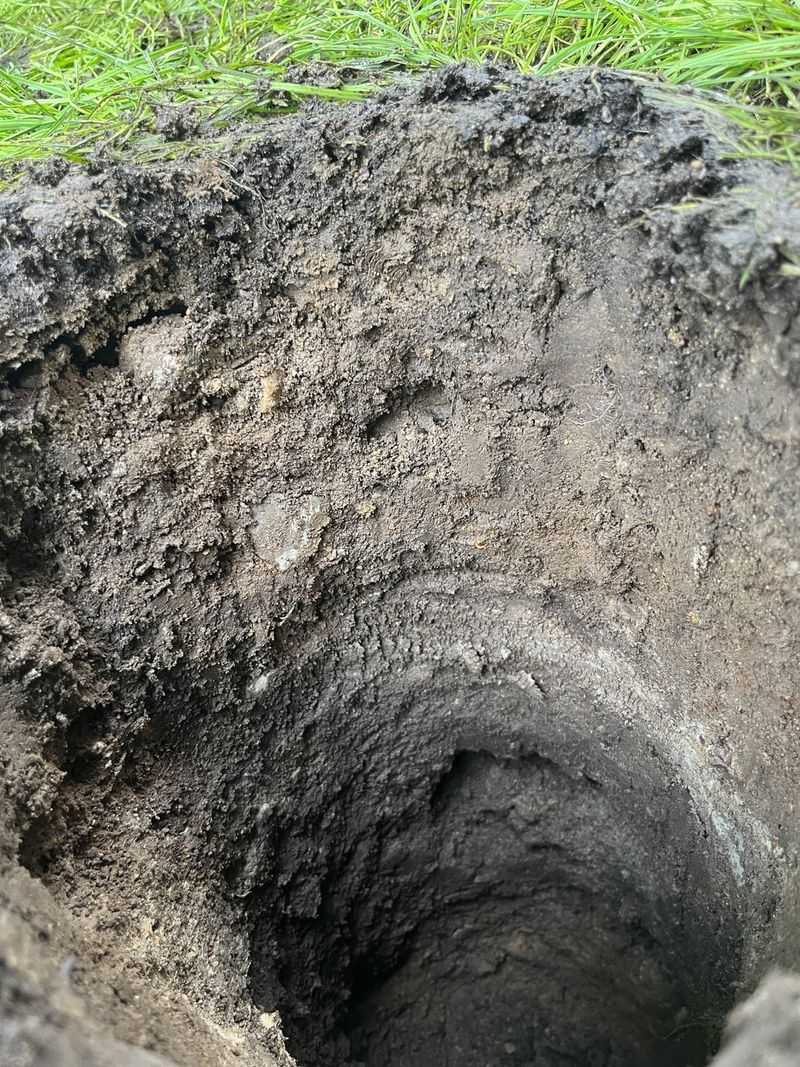
Hardpan creates an impenetrable barrier beneath the soil surface across much of Eastern Oregon. This cement-like layer forms naturally through mineral deposition or develops from repeated tilling at the same depth.
Roots cannot penetrate through it, effectively limiting the growing space available to plants.
Water cannot drain past hardpan layers, causing seasonal waterlogging above while leaving deeper soil completely dry. During dry periods, plants cannot access moisture reserves below the barrier.
The shallow root systems that develop make plants more vulnerable to drought stress and wind damage.
Identifying hardpan requires digging down about eighteen inches to feel for resistance. A soil probe or long screwdriver will stop suddenly when it hits the layer.
Many Eastern Oregon gardens have hardpan at twelve to twenty-four inches deep.
Breaking through hardpan demands serious physical effort or mechanical equipment. A pickaxe works for small areas, while larger gardens may need a rented subsoiler attachment.
Work when soil is slightly moist, not wet or bone dry. After breaking through, mix compost into the loosened soil to prevent reformation.
Deep-rooted cover crops like daikon radish help maintain pathways through hardpan naturally.
7. Poor Water Retention
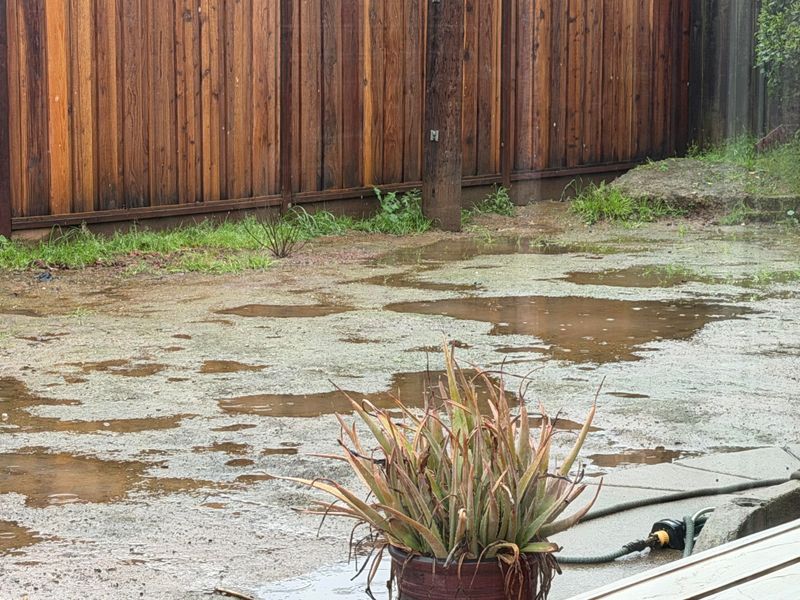
Water runs right through Eastern Oregon soils without staying long enough for plants to use it. Sandy soils drain too quickly, while crusted clay sheds water like pavement.
The low organic matter content means soil particles cannot hold moisture between waterings.
Plants wilt frequently even with regular irrigation because roots sit in soil that dries out within hours. Water bills climb as gardeners apply more water that never reaches the root zone.
Nutrients leach away with the water, creating additional deficiencies that stress plants further.
Improving water retention starts with boosting organic matter content throughout the root zone. Compost acts like a sponge, holding moisture while maintaining air spaces for roots.
Work it deeply into beds rather than just spreading it on top.
Mulching reduces evaporation dramatically in Eastern Oregon’s hot, dry climate. Apply three to four inches of organic mulch around plants, keeping it away from stems.
Polymer crystals mixed into soil absorb hundreds of times their weight in water and release it slowly. Adjust irrigation schedules to water deeply but less frequently, encouraging roots to grow deeper where moisture lasts longer.
8. Wind Erosion
Strong winds sweep across Eastern Oregon regularly, carrying away precious topsoil from gardens and fields. Bare soil is especially vulnerable during spring when winds peak and ground remains exposed.
Losing even an inch of topsoil removes years of improvement efforts and vital nutrients.
Newly planted gardens suffer most because young plants provide little protection. Seeds blow away before they can sprout, and seedlings get sandblasted by wind-driven soil particles.
Organic matter and fine soil particles disappear first, leaving behind coarser, less fertile material.
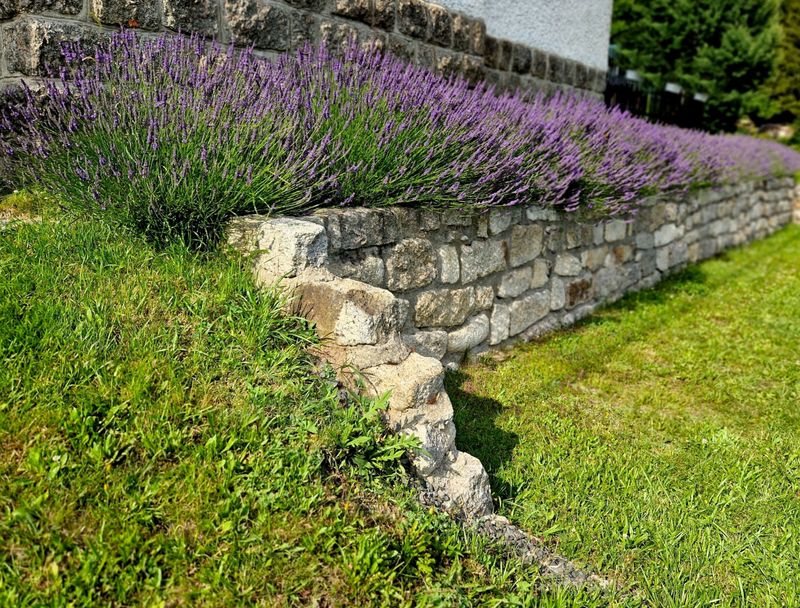
Windbreaks offer the most effective long-term solution for Eastern Oregon properties. Plant rows of shrubs or install fencing on the windward side of gardens.
Even temporary barriers like burlap screens reduce wind speed enough to prevent erosion during critical periods.
Keep soil covered year-round to protect it from wind damage. Plant cover crops in fall to hold soil through winter and early spring.
Mulch heavily between plants and in pathways. Avoid leaving soil bare after harvest; plant something immediately or spread mulch.
Low-growing groundcovers fill spaces between larger plants while anchoring soil. Watering before predicted wind events helps soil particles stick together temporarily.
9. Surface Crusting
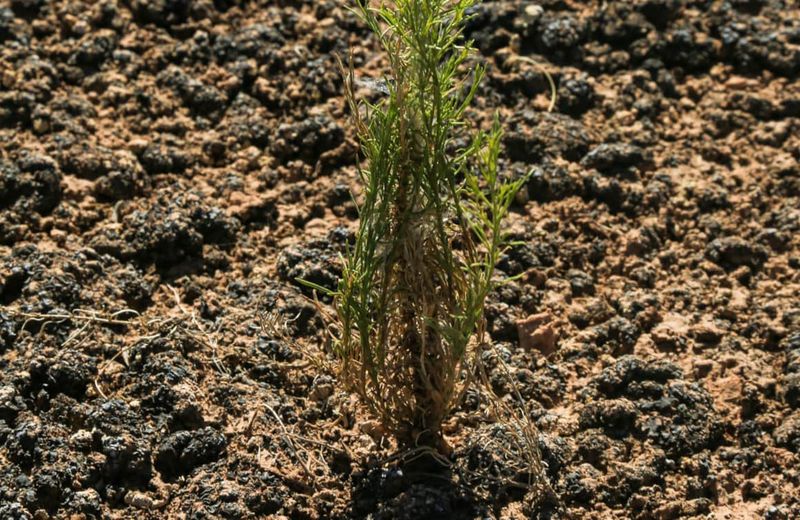
A hard crust forms on Eastern Oregon soil surfaces after watering or rain, creating a barrier that seedlings cannot break through. The crust develops as clay particles settle and cement together when soil dries.
This problem frustrates gardeners trying to start seeds directly in the ground.
Crusting also prevents water and air from entering the soil effectively. Irrigation water runs off instead of soaking in, and oxygen cannot reach roots buried below the hardened layer.
The crust may be only a quarter-inch thick but strong enough to stop tiny seedlings completely.
Fine-textured soils crust most severely, especially when they contain little organic matter. Heavy irrigation or hard rains compact the surface and accelerate crust formation.
Walking on wet soil makes crusting worse by pressing particles together tightly.
Breaking the crust gently with a rake after it forms helps seedlings emerge successfully. Apply a light layer of compost or vermiculite over seeded rows to prevent crust formation.
These materials do not cement together like clay particles. Covering seeded areas with row covers or boards until sprouts appear protects against crusting.
Improving overall soil structure with organic amendments reduces crusting problems long-term in Eastern Oregon gardens.