South Florida Gardeners Are Quietly Removing These Front Yard Plants In 2026
Across South Florida, front yards have started to look different in 2026. A quiet shift moves through neighborhoods as certain once popular plants slowly disappear from view.
Landscapes feel cleaner, more intentional, and shaped by a new way of thinking about curb appeal and climate reality.
What once filled beds near walkways and driveways no longer fits the direction many gardens now follow. Change happens quietly, yard by yard, plant by plant, yet the pattern grows impossible to miss.
This movement reflects evolving priorities, smarter landscape choices, and a closer response to South Florida’s unique conditions. Behind the scenes, a new standard for front yard planting is taking form, reshaping the look and feel of residential landscapes across the region in subtle but meaningful ways.
1. Areca Palms Fading From High Maintenance Yards
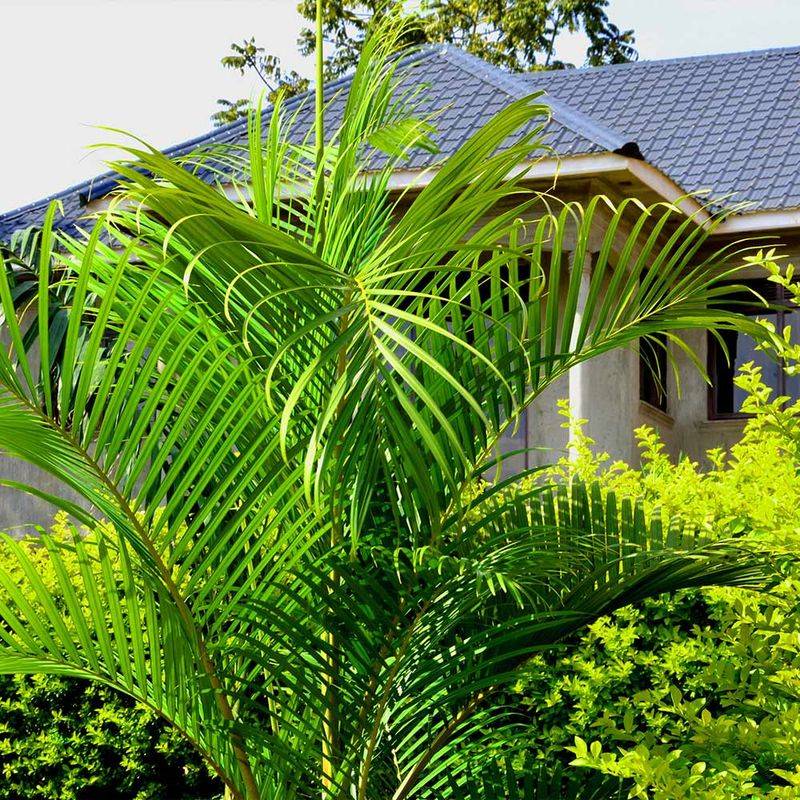
Homeowners who planted areca palms years ago now spend countless weekends trimming brown fronds and worrying about the next storm. These palms became extremely popular because they grow fast and create instant privacy, but that quick growth comes with serious drawbacks.
The constant need for fertilizer to prevent yellowing fronds frustrates many gardeners who thought they were planting something easy.
South Florida’s alkaline soils cause persistent magnesium and potassium deficiencies in arecas, leading to those telltale yellow and brown lower fronds. Without regular fertilization every few months, these palms look shabby quickly.
The pruning requirements add up too, since withered fronds need removal to maintain appearance and prevent pest habitat.
Storm damage presents another major concern. Areca palms have relatively shallow root systems and tall, slender trunks that bend and break during hurricanes.
After strong storms, many homeowners face expensive removal costs when multiple trunks snap or uproot.
The combination of high nutrient demands, constant pruning, and storm vulnerability has pushed many South Florida gardeners toward more resilient alternatives like foxtail palms or native saw palmettos that tolerate neglect better and stand up to severe weather without the same level of ongoing intervention and expense.
2. Crotons Losing Ground To Tougher Plants
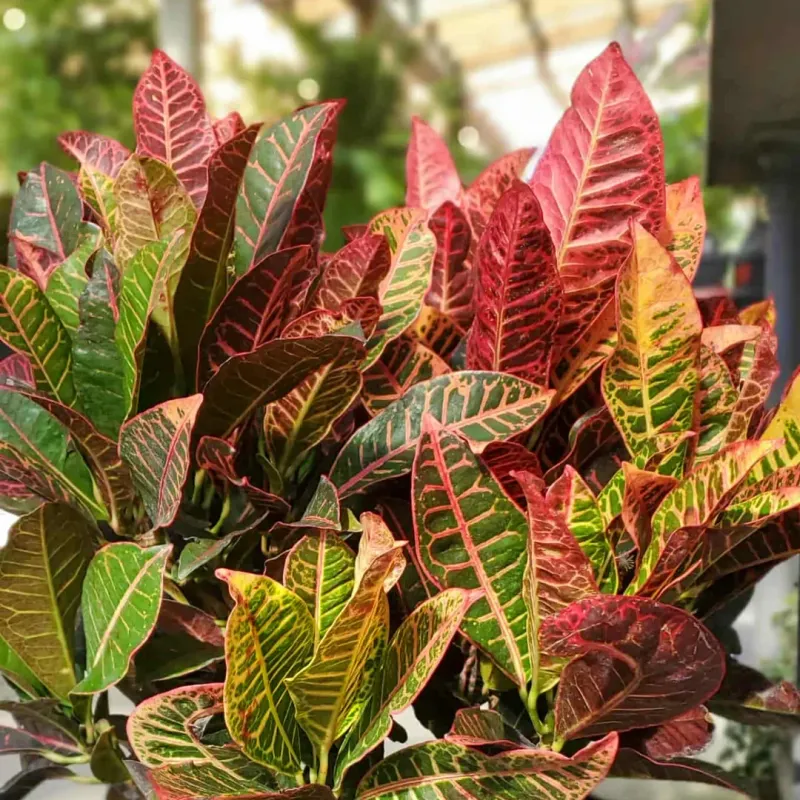
Bright, colorful crotons seemed like the perfect choice for adding year-round color to South Florida landscapes. Their bold leaves in red, yellow, orange, and green created instant visual interest.
But gardeners quickly learned these tropical beauties come with frustrating weaknesses that make them poor long-term investments for front yard plantings.
Scale insects and mealybugs love crotons, infesting them regularly and requiring constant monitoring and treatment. The sticky honeydew these pests produce attracts sooty mold, turning attractive leaves black and grimy.
Even brief cold snaps damage crotons severely, causing leaf drop and dieback that takes months to recover from.
The maintenance never stops. Crotons need regular pruning to maintain shape, frequent pest control applications, and protection during winter cold fronts.
Many South Florida gardeners have watched their once-vibrant crotons decline into scraggly, pest-ridden eyesores that detract from curb appeal rather than enhance it. The realization that native firebush or Walter’s viburnum provides color with far less fuss has driven the shift away from crotons.
These tougher alternatives handle pests better, tolerate temperature fluctuations, and require minimal intervention while still delivering visual interest throughout the year without the constant babysitting crotons demand from frustrated homeowners.
3. Ficus Hedges Falling Over Root And Storm Problems
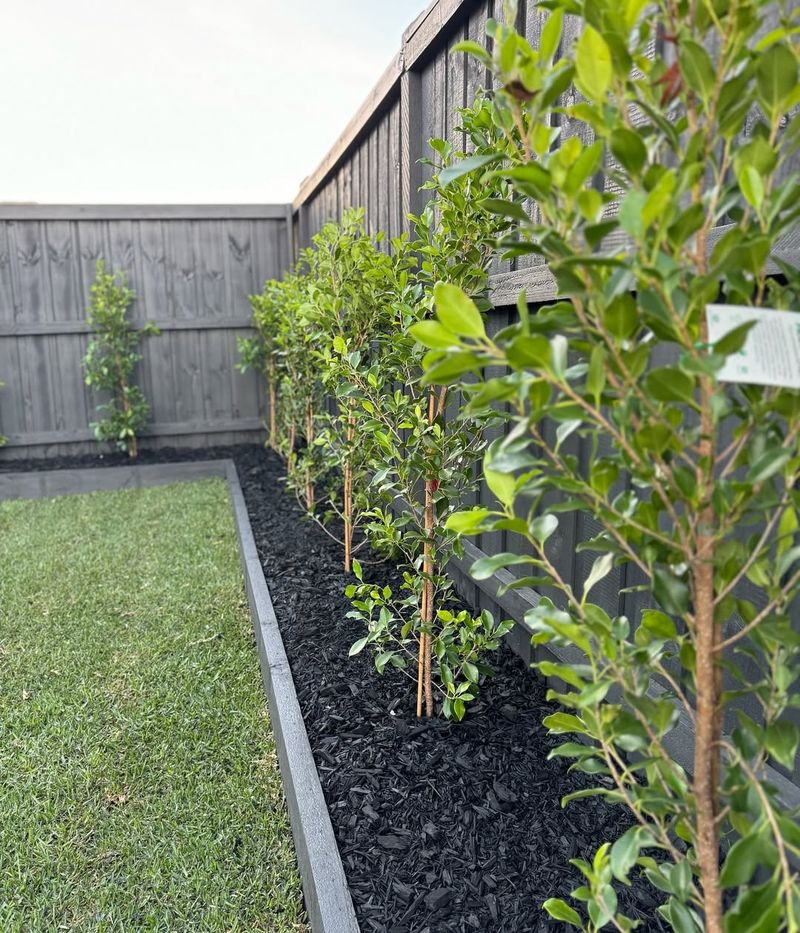
Sidewalks buckle, driveways crack, and irrigation lines rupture when ficus hedge roots spread beneath them. What looked like a perfect privacy hedge ten years ago has become a costly maintenance nightmare for countless South Florida homeowners.
The aggressive root system that makes ficus hedges grow so quickly also makes them incompatible with modern residential landscapes where underground utilities and hardscaping need protection.
Foundation damage represents a real concern. Ficus roots seek water and nutrients aggressively, infiltrating sewer lines, septic systems, and even working their way under building foundations.
Repair costs often exceed thousands of dollars, far more than the original hedge installation. The roots also create tripping hazards as they surface and spread across lawns.
Hurricane winds topple ficus hedges with alarming regularity. Their shallow, spreading root systems provide poor anchorage against strong winds, and the dense canopy catches wind like a sail.
After storms, fallen ficus hedges block driveways and damage structures.
The combination of infrastructure damage, storm vulnerability, and constant pruning requirements to maintain height has convinced many South Florida property owners to remove mature ficus hedges despite the privacy loss, replacing them with better-behaved alternatives like Simpson stopper or cocoplum that provide screening without the destructive root behavior.
4. Clusia Hedges Replaced By Smarter Choices
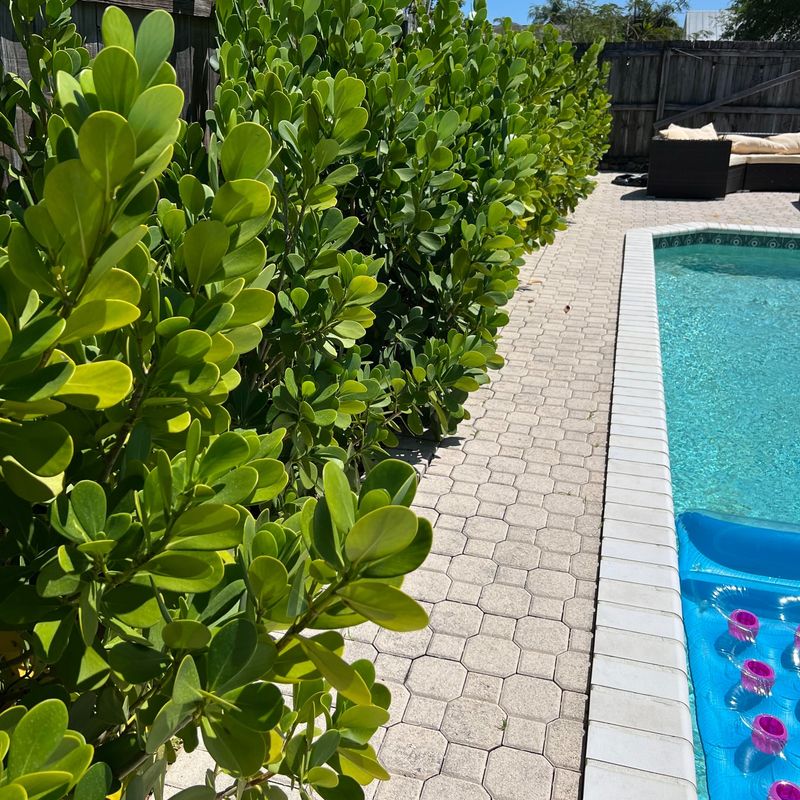
Landscape companies planted clusia hedges everywhere across South Florida over the past decade, often spacing them far too close together. The result has been predictable: overcrowded hedges that decline in health, develop bare spots, and require constant intervention to maintain appearance.
What seemed like a salt-tolerant, hurricane-resistant solution has revealed serious limitations when planted incorrectly.
Proper spacing for clusia requires at least four to five feet between plants for healthy long-term growth. Most installations used two to three feet spacing for faster privacy, creating competition for nutrients, water, and light.
The crowded conditions lead to interior branch decline, pest problems, and uneven growth that looks increasingly shabby over time.
The maintenance requirements increase as crowded clusia hedges age. Withered interior branches need removal, fungal issues develop in the dense canopy with poor air circulation, and the plants become leggy and sparse at the bottom.
Many South Florida homeowners now realize their clusia hedge will never improve without drastic renovation or complete removal. The recognition that properly spaced native alternatives like marlberry or myrsine provide better long-term performance with less crowding-related decline has motivated replacements.
These smarter choices establish attractive hedges without the spacing mistakes that doomed so many clusia installations to eventual failure and removal.
5. Podocarpus Losing Favor In Small Yards
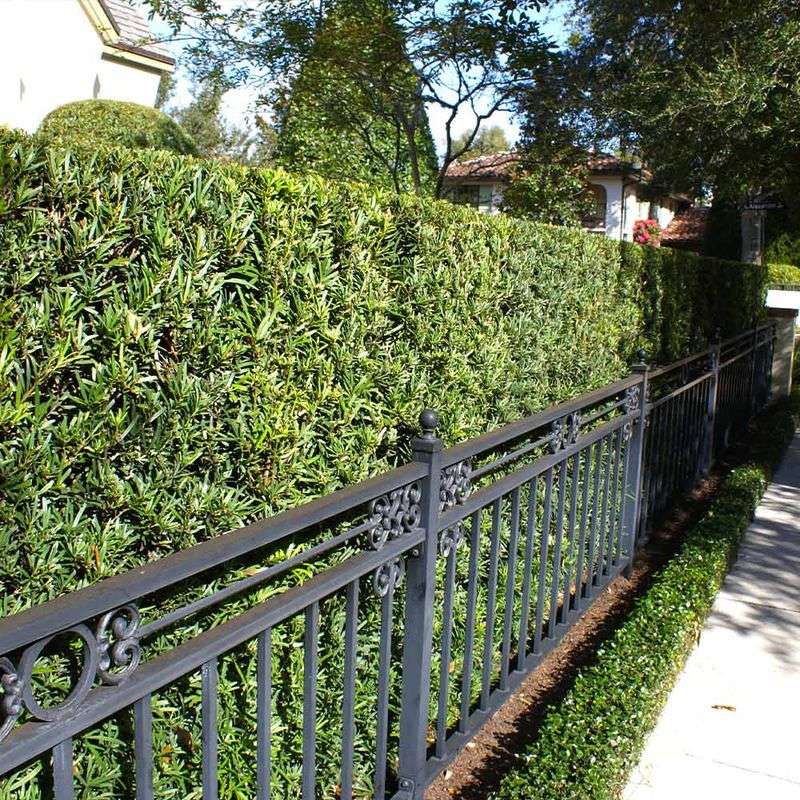
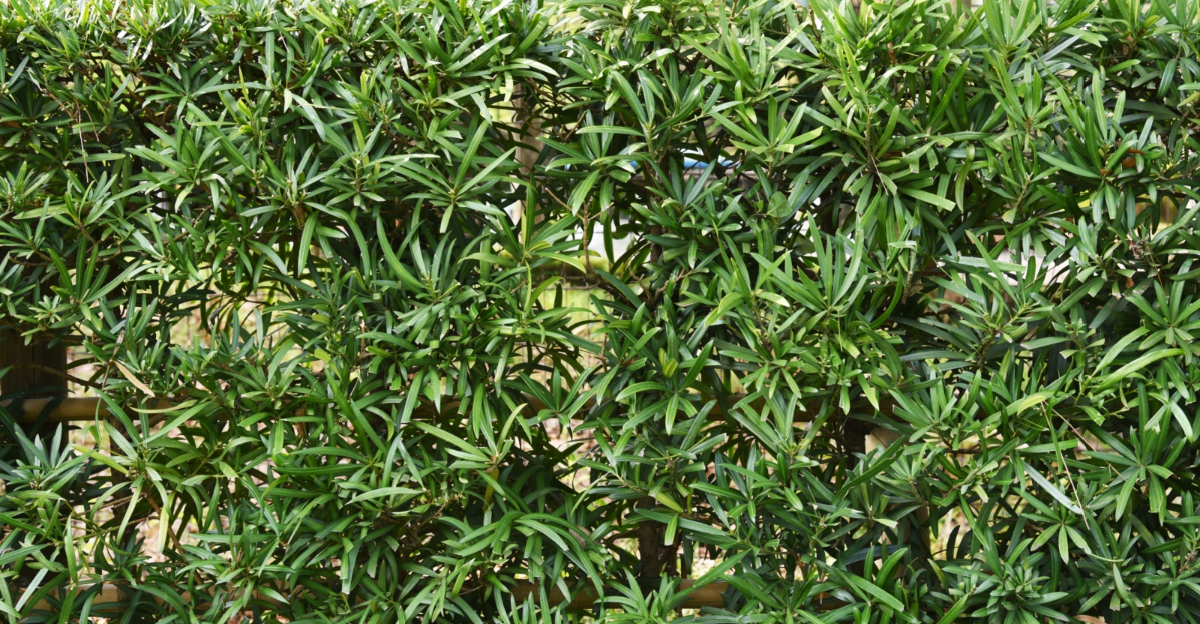
Older neighborhoods feature massive podocarpus hedges that tower over fences and require ladder work to maintain. These evergreen hedges grow relentlessly, reaching fifteen to twenty feet tall if left unpruned.
For small modern yards where space is limited, podocarpus has become an impractical choice that demands too much ongoing size management.
The pruning schedule never ends. Podocarpus grows vigorously during South Florida’s long growing season, requiring trimming every six to eight weeks to maintain desired height and width.
Miss a few pruning sessions and the hedge quickly becomes unmanageable, blocking windows, shading other plants, and overwhelming the landscape. The labor and cost of frequent professional pruning add up significantly over the years.
Scale insects plague podocarpus regularly, causing yellowing and decline that requires treatment. The combination of aggressive growth, pest susceptibility, and size mismatch with smaller contemporary lots has pushed many South Florida gardeners toward more appropriately sized alternatives.
Plants like Simpson stopper or native beautyberry naturally stay smaller, require less frequent pruning, and better suit modern residential landscapes where yard space is precious.
The realization that fighting a plant’s natural size is frustrating and expensive has accelerated podocarpus removal from front yards where more manageable plants make better long-term sense for homeowners seeking lower maintenance landscapes.
6. Ixora Struggling In Difficult Soils
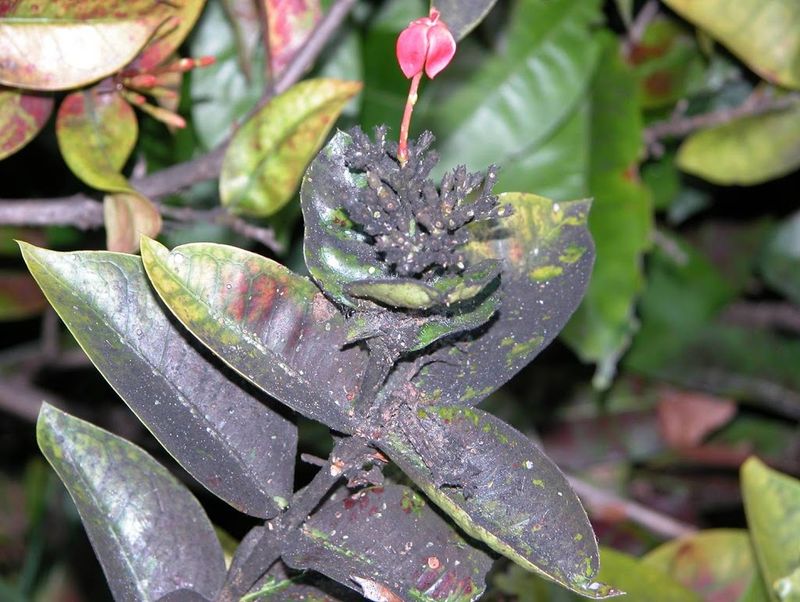
Bright clusters of red, orange, or yellow ixora flowers once appeared in nearly every South Florida landscape. Garden centers promoted these shrubs as reliable bloomers for tropical color.
However, many homeowners discovered their ixoras never quite thrived, producing weak growth and few flowers despite regular care and watering.
Soil pH causes most ixora problems in South Florida. These plants prefer acidic conditions but encounter alkaline soils throughout much of the region, especially in areas with limestone-based soils or high pH irrigation water.
The resulting iron deficiency causes persistent yellowing of new growth, weak flowering, and overall poor performance that disappoints gardeners expecting lush, colorful displays.
Correcting soil pH for ixoras requires ongoing applications of acidifying fertilizers and soil amendments, adding expense and effort that many homeowners find frustrating. Even with treatment, ixoras often struggle to maintain deep green foliage and abundant flowering.
The recognition that plants naturally suited to local soil conditions perform better with less intervention has driven the shift toward alternatives like firebush, jatropha, or pentas that tolerate South Florida’s challenging soils without constant pH adjustment.
These replacements deliver reliable color and vigorous growth without the nutritional headaches that made ixoras more trouble than they were worth for many frustrated gardeners across the region.
7. Orange Jasmine Falling To Pest Pressure
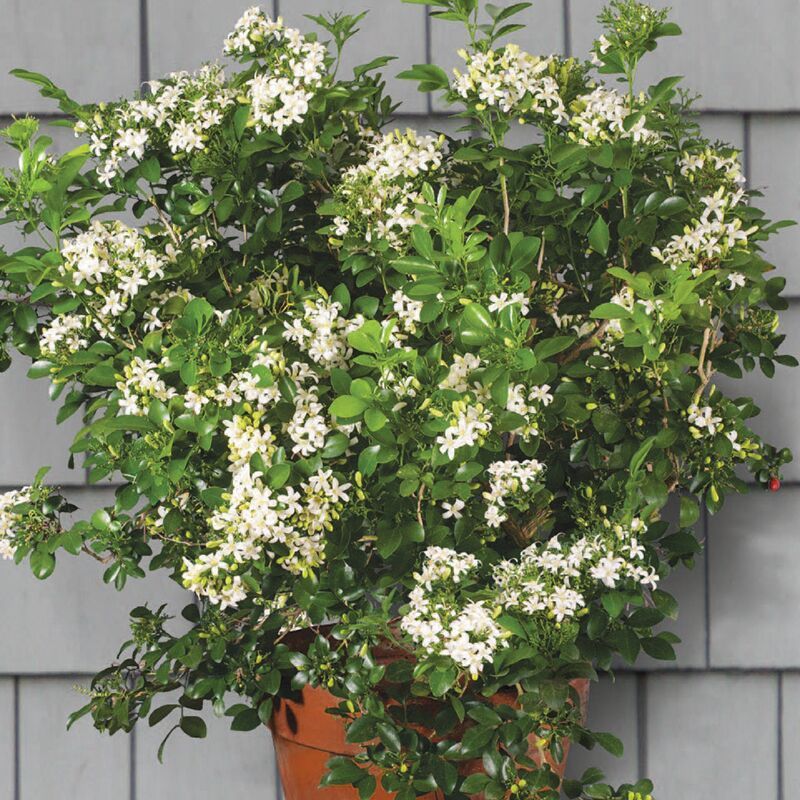
Clouds of tiny white insects rise from orange jasmine shrubs when disturbed, revealing severe whitefly infestations that plague this once-popular hedge plant.
The sweet-scented flowers and dense growth made orange jasmine attractive for foundation plantings and property borders, but persistent pest problems have convinced many South Florida gardeners this plant isn’t worth the constant battle.
Whiteflies reproduce rapidly in South Florida’s warm, humid climate, with orange jasmine serving as a preferred host. The insects suck plant juices, weakening growth and covering leaves with sticky honeydew that promotes sooty mold.
Scale insects also attack orange jasmine regularly, further stressing plants and reducing vigor. The combination creates an ongoing pest management challenge that requires frequent monitoring and treatment.
Controlling whiteflies on orange jasmine demands repeated pesticide applications or biological controls that many homeowners find impractical and expensive. Even with treatment, infestations quickly return, especially when neighboring properties have untreated orange jasmine serving as pest reservoirs.
The realization that native alternatives like white indigoberry or myrsine provide similar screening without the pest magnetism has motivated replacements throughout South Florida.
These tougher plants naturally resist local pests better, reducing the need for constant intervention while maintaining attractive foliage and form without becoming whitefly breeding grounds that frustrate homeowners and neighbors alike.
8. Foxtail Fern Spreading Out Of Control
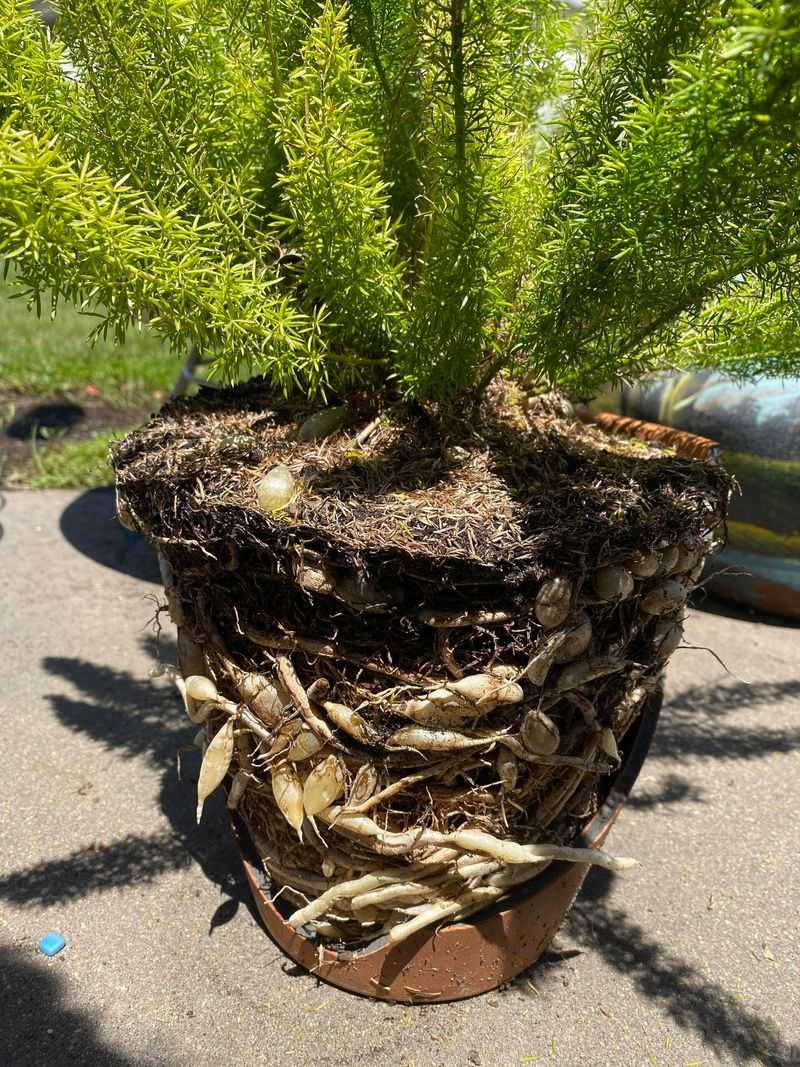
What started as a small clump of attractive foxtail fern can spread aggressively into lawns, flower beds, and nearby areas if not controlled. The aggressive growth habit and incredibly persistent tuberous roots make foxtail fern one of the most regretted landscape choices among South Florida gardeners who underestimated its spreading nature.
Underground tubers spread rapidly, sending up new shoots far from the original planting. These tubers store energy and water, making the plant drought-tolerant but also difficult to fully remove once established.
Each tuber left behind after removal attempts quickly regenerates into new plants, frustrating homeowners trying to reclaim invaded landscape areas.
Removing foxtail fern requires excavation of the entire root system, often extending several feet in all directions. The brittle tubers break easily during removal, with each fragment capable of producing new growth.
Many South Florida property owners have spent years battling foxtail fern that escaped its intended boundaries, digging repeatedly as new shoots emerge from overlooked tubers.
The recognition that better-behaved groundcovers like sunshine mimosa or beach sunflower stay where planted without aggressive spreading has motivated complete foxtail fern removal from countless yards.
These alternatives provide attractive foliage without the management nightmare that makes foxtail fern a landscape liability rather than an asset in modern South Florida gardens.
9. Agapanthus Fading In Florida Heat
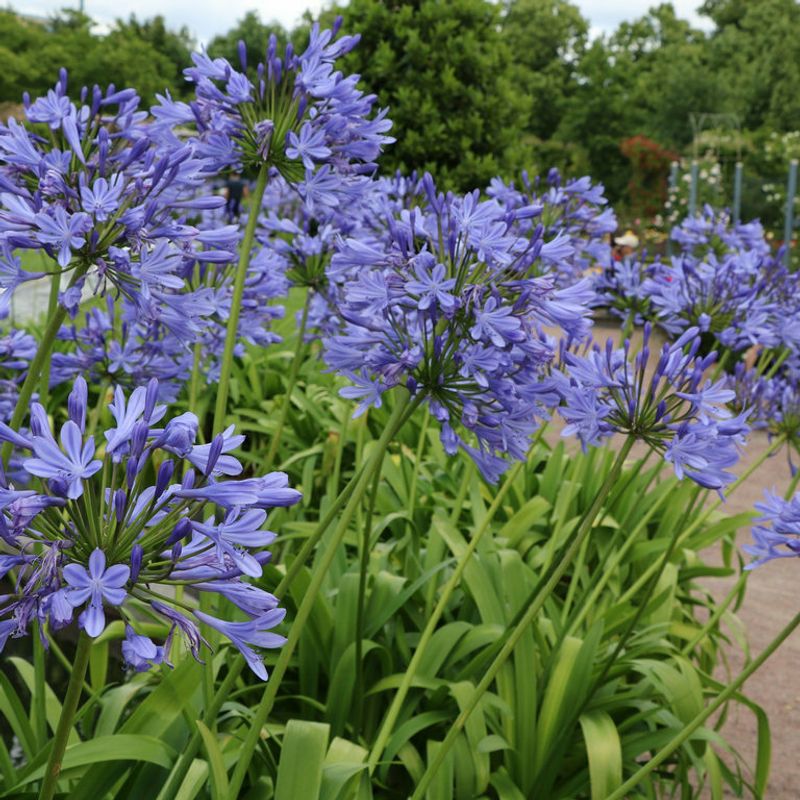
Garden catalogs showcased agapanthus with gorgeous blue or white flower clusters rising above strappy foliage, and many South Florida gardeners planted them hoping for that elegant display. The reality can be disappointing in some locations, as these plants may struggle with intense heat and humidity, sometimes producing fewer flowers over time.
Agapanthus originates from South Africa’s more moderate climate and may struggle in parts of South Florida during prolonged summer heat and humidity. The plants become stressed during the hottest months, with foliage yellowing and flowering declining significantly.
Even in partial shade, agapanthus rarely performs as expected, frustrating gardeners who envisioned abundant blooms.
The combination of heat sensitivity, declining vigor, and disappointing flowering has convinced many South Florida homeowners to replace agapanthus with plants naturally suited to tropical conditions. Native rain lilies, society garlic, or blue-eyed grass provide similar aesthetic appeal with much better heat tolerance and reliable performance.
These alternatives thrive in South Florida’s challenging climate, producing consistent flowering without the gradual decline that made agapanthus a poor investment.
The lesson learned is that plants from Mediterranean or temperate climates rarely match the performance of species adapted to truly tropical conditions, saving gardeners frustration by choosing regionally appropriate plants from the start rather than fighting unsuitable selections that never quite thrive.
10. Natal Plum Replaced For Safer Landscapes
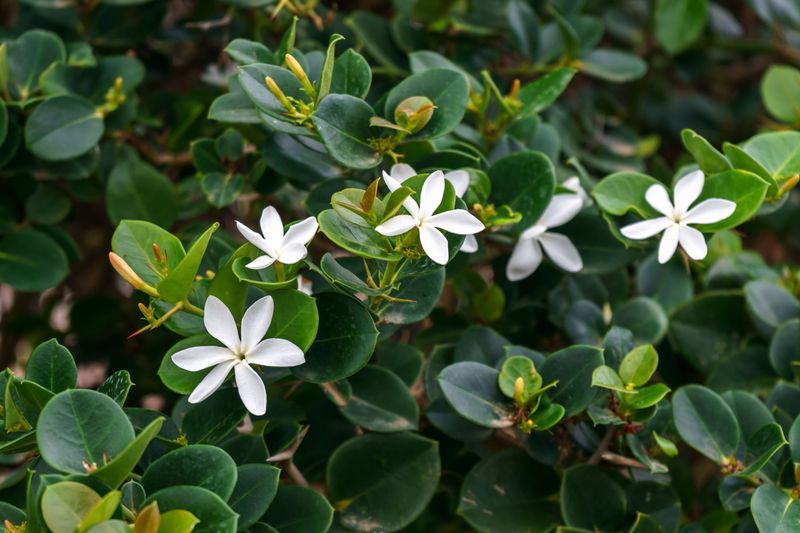
Sharp thorns hidden among glossy leaves make natal plum a hazard for families with children and pets. These spines cause painful puncture wounds that many homeowners discovered the hard way while pruning or playing near these shrubs.
The safety concerns alone have motivated numerous removals, but natal plum’s other issues reinforce the decision to choose better alternatives.
Storm damage affects natal plum severely, with branches breaking irregularly and creating jagged, unattractive forms that take years to correct through pruning. The uneven growth pattern makes maintaining neat hedges difficult, and the plant’s tendency to develop long, wayward shoots requires frequent attention.
Salt tolerance varies among individual plants, with some specimens declining in coastal areas despite the species’ reputation for salt resistance.
The recognition that thornless alternatives like Simpson stopper, marlberry, or native firebush provide similar screening without safety hazards has accelerated natal plum removal from South Florida front yards.
These safer choices work better around play areas, walkways, and entrances where accidental contact with thorns creates liability and injury concerns.
Modern landscaping prioritizes user-friendly plants that enhance rather than endanger, making spiny natal plum an outdated choice.
Homeowners replacing natal plum appreciate landscapes where pruning doesn’t require protective clothing and children can play safely without risk of painful encounters with hidden thorns that made this once-common plant incompatible with contemporary family-friendly yards.