Spiky Brown Balls Covering New Jersey Sidewalks Come From A Tree You Probably Walk Past Daily
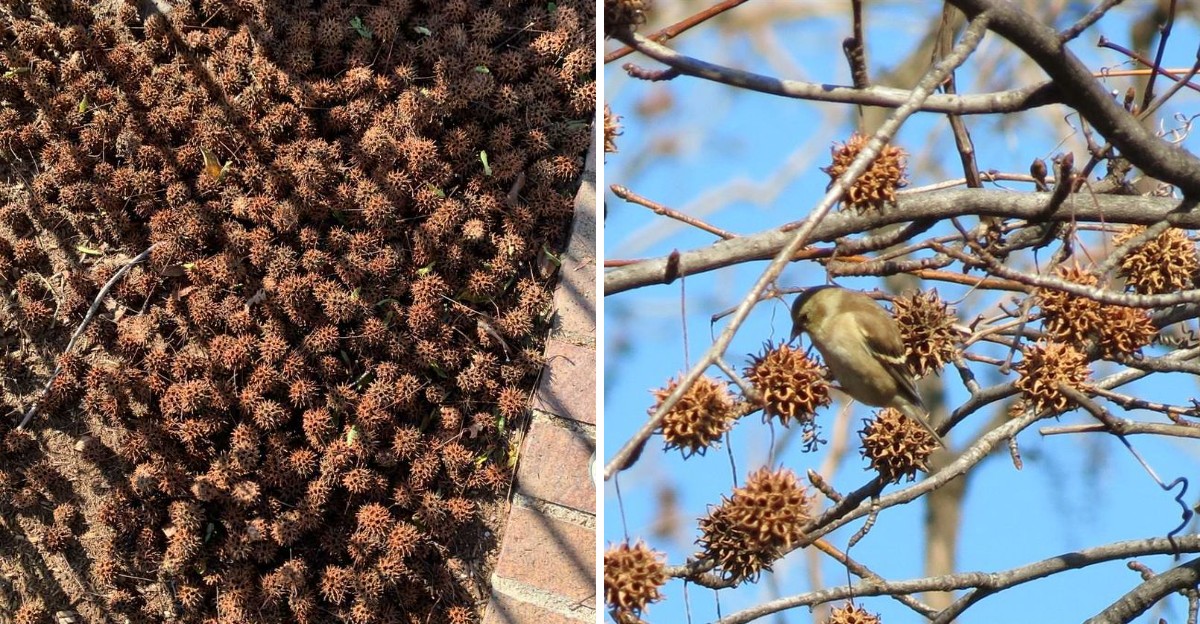
A single tree on your block can drop thousands of spiky little balls in one season, and they keep falling for months. I learned this the hard way when one rolled under my sneaker and sent me into an awkward sidewalk dance.
Across New Jersey, these woody spheres collect along curbs, driveways, and park paths. They crunch, they roll, and they poke right through thin flip-flops.
Kids toss them like tiny grenades of mischief, while dog walkers mutter about them all winter.
I am surprised how many people never look up to find the source. You probably stroll past this tree on the way to work or school. It has glossy leaves shaped like stars and some of the most dazzling fall color around.
So what tree hides such a prickly habit behind all that beauty? Once you spot one, you start seeing them on almost every street in New Jersey.
Star-Shaped Leaves Overhead Give Away the Gumball Tree
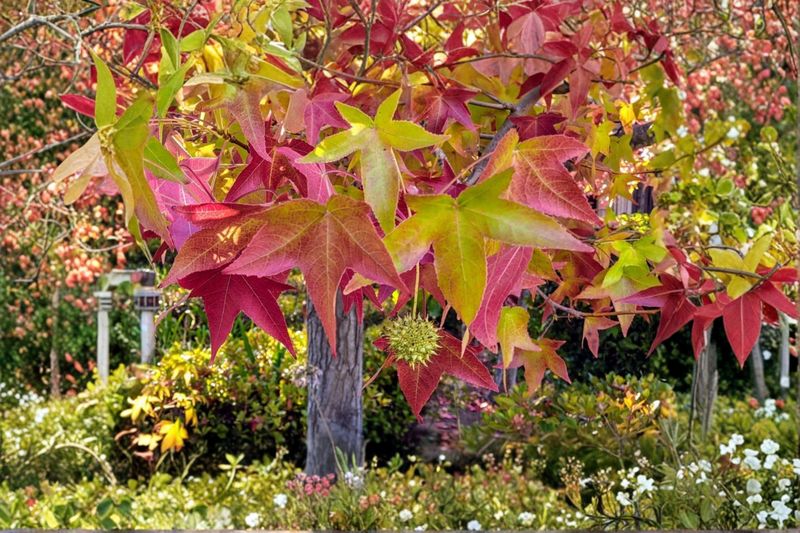
Look up the next time you crunch one of those spiky balls on a New Jersey sidewalk. Chances are high you are standing under an American sweetgum, known to scientists as Liquidambar styraciflua.
Sweetgum is a native tree in the eastern United States, and southern New Jersey sits right in its natural range. It is also planted widely along streets, in parks, and around schools and office parks across the state.
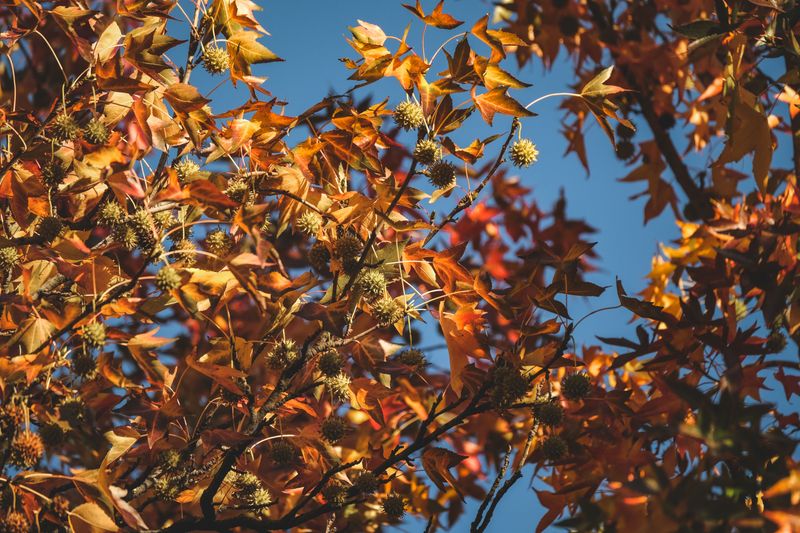
That is why so many people pass one daily without noticing. The leaves are your best clue. Each one looks like a five- to seven-pointed star, glossy and bright green in summer.
Some folks mistake them for maple leaves, but sweetgum leaves grow alternately on the twig, while maple leaves grow in pairs across from each other.
Crush a leaf and you may notice a light, resin-like scent. That sticky, fragrant sap gave the tree its name.
Early settlers and Indigenous peoples used the gum for various purposes long before it became a sidewalk complaint.
Another fun clue sits on younger branches. Many sweetgums grow corky, wing-like ridges along their twigs, which feel rough and bumpy in your hand.
Those Spiky Gumballs Are Actually Packed With Seeds
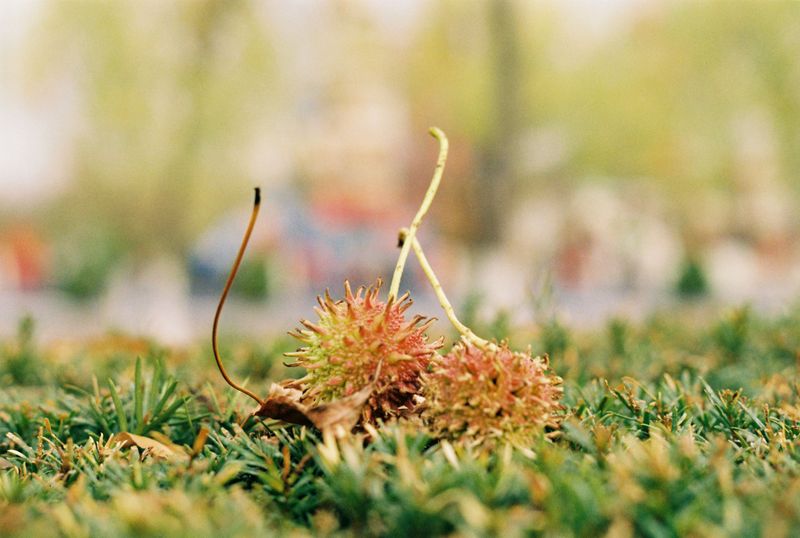
Hold one of those prickly brown balls up close and you will see dozens of tiny holes. Each hole marks a separate capsule, and together they form a fused fruit cluster that people call a gumball.
A typical gumball measures about 1 to 1.5 inches across. Each capsule ends in a stiff, curved point, which explains why stepping on one feels so rude.
Gumballs start out green during summer, hanging from long stems like holiday ornaments. As fall arrives, they turn brown and woody. Once dry, the capsules open and release small winged seeds that drift on the wind.
After the seeds leave, the empty shell is what falls to your sidewalk. That is why most gumballs you find feel light and hollow. They are basically spent seed containers, not fresh fruit.
Many of the capsules also hold tiny undeveloped seeds that look like sawdust. Shake a fresh brown gumball over a sheet of paper and you might see both kinds tumble out.
Kids sometimes call them monkey balls, space bugs, or porcupine eggs. Whatever name you use, they are a clever seed delivery system that has worked for this tree for a very long time.
Sweetgum Balls Keep Raining Down From Fall Into Spring
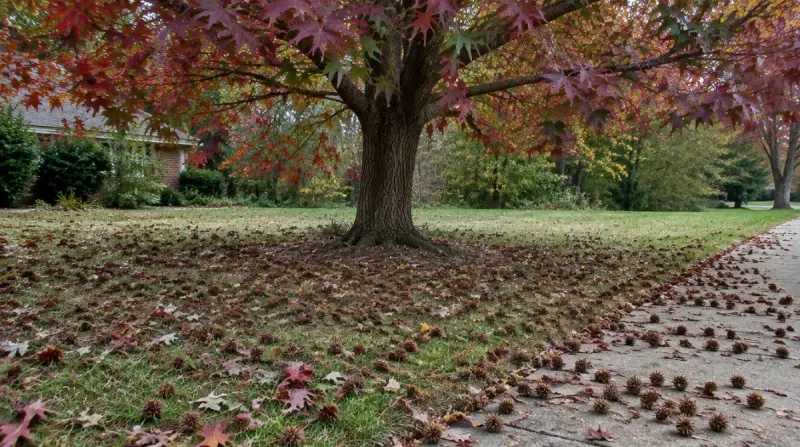
Cleaning up gumballs once rarely solves the problem. The tree drops them slowly, starting in late fall and continuing through winter, with stragglers often hanging on into early spring across New Jersey.
Bare winter branches make this easy to see. Once the leaves are gone, you can spot clusters of brown balls dangling against the gray sky. Each windy day or winter storm shakes loose a fresh batch onto walks and driveways.
That long timeline frustrates a lot of homeowners in New Jersey. You rake on Saturday, and by Tuesday the patio looks like nothing happened. I finally stopped chasing every single one and switched to quick weekly sweeps instead.
Tree size also plays a role. A mature sweetgum can reach 60 to 75 feet in landscapes and even taller in the wild, so a single tree covers a large area. Older trees often produce heavy crops, though output can vary from year to year.
Planning helps more than frustration. Expect the main drop from roughly November through February, keep a stiff broom near the door, and give extra attention after strong winds.
Shoveling snow over a layer of gumballs can be bumpy, so a quick sweep before a storm in New Jersey pays off.
Ankles, Mowers, and Gutters Feel the Gumball Pain
Rolling ankles are the classic gumball complaint. These hard spheres act like tiny marbles underfoot, and a careless step on a sloped driveway can send you wobbling.
Bare feet fare even worse. Kids running across a lawn in early spring often learn quickly that sweetgum territory calls for shoes. Pets with sensitive paws may also tiptoe or avoid certain spots.
Older walkers, runners, and anyone pushing a stroller should take extra care. Sidewalks under big street trees can turn slick and lumpy, especially when wet leaves mix in.
Some New Jersey towns encourage residents to keep public walks clear, so check your local rules.
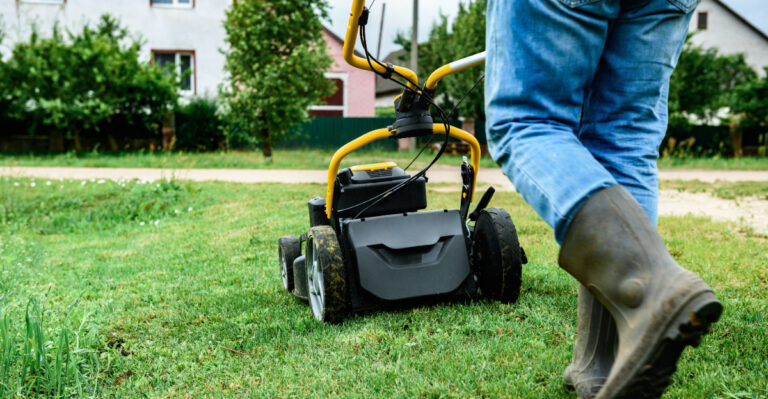
Lawn care brings its own headaches. Gumballs can dull mower blades, get flung out at high speed, and jam smaller equipment. Clearing them before mowing protects both your machine and anyone standing nearby.
Gutters and drains collect plenty too. Balls roll into downspouts and storm grates, where they can trap leaves and slow drainage.
A quick check of gutters after the main drop helps prevent overflow during spring rains. None of this makes the tree a bad neighbor. It simply means a little awareness goes a long way when sweetgums share your space.
Goldfinches and Squirrels Love Those Prickly Sweetgum Pods
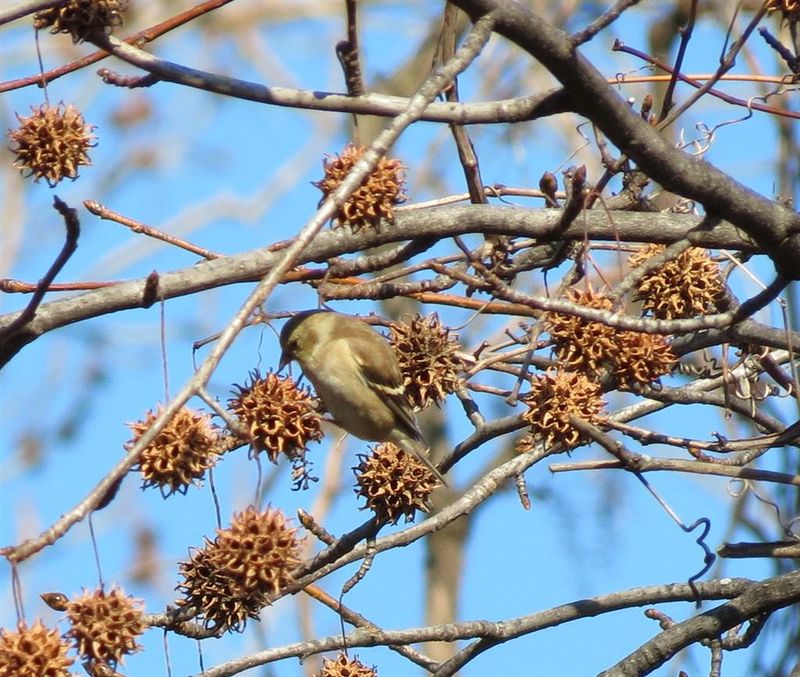
Watch a sweetgum on a quiet winter morning and you may catch a goldfinch hanging upside down on a gumball. The bird is prying out seeds with its small, sharp beak.
Those seeds feed plenty of wildlife during the lean cold months. American goldfinches, purple finches, chickadees, sparrows, and mourning doves all visit. Squirrels and chipmunks also nibble on seeds that fall to the ground.
The tree supports insects too. Sweetgum serves as a host plant for a number of moth species, including the luna moth and the stunning promethea moth.
Their caterpillars feed on the leaves, and those caterpillars in turn feed songbird babies in spring.
Big sweetgums also provide shelter and nesting spots. The dense summer canopy shades sidewalks and cools nearby homes, and the deep roots help soak up stormwater.
Fall color adds a bonus for people. Sweetgum leaves can turn yellow, orange, red, and deep purple, sometimes all on the same tree.
So when you sweep up a pile of empty gumballs, remember they already did their job. The birds outside your window may have enjoyed a meal from that very tree.
Rakes, Rollers, and Fruitless Sweetgum Varieties Make Cleanup Easier
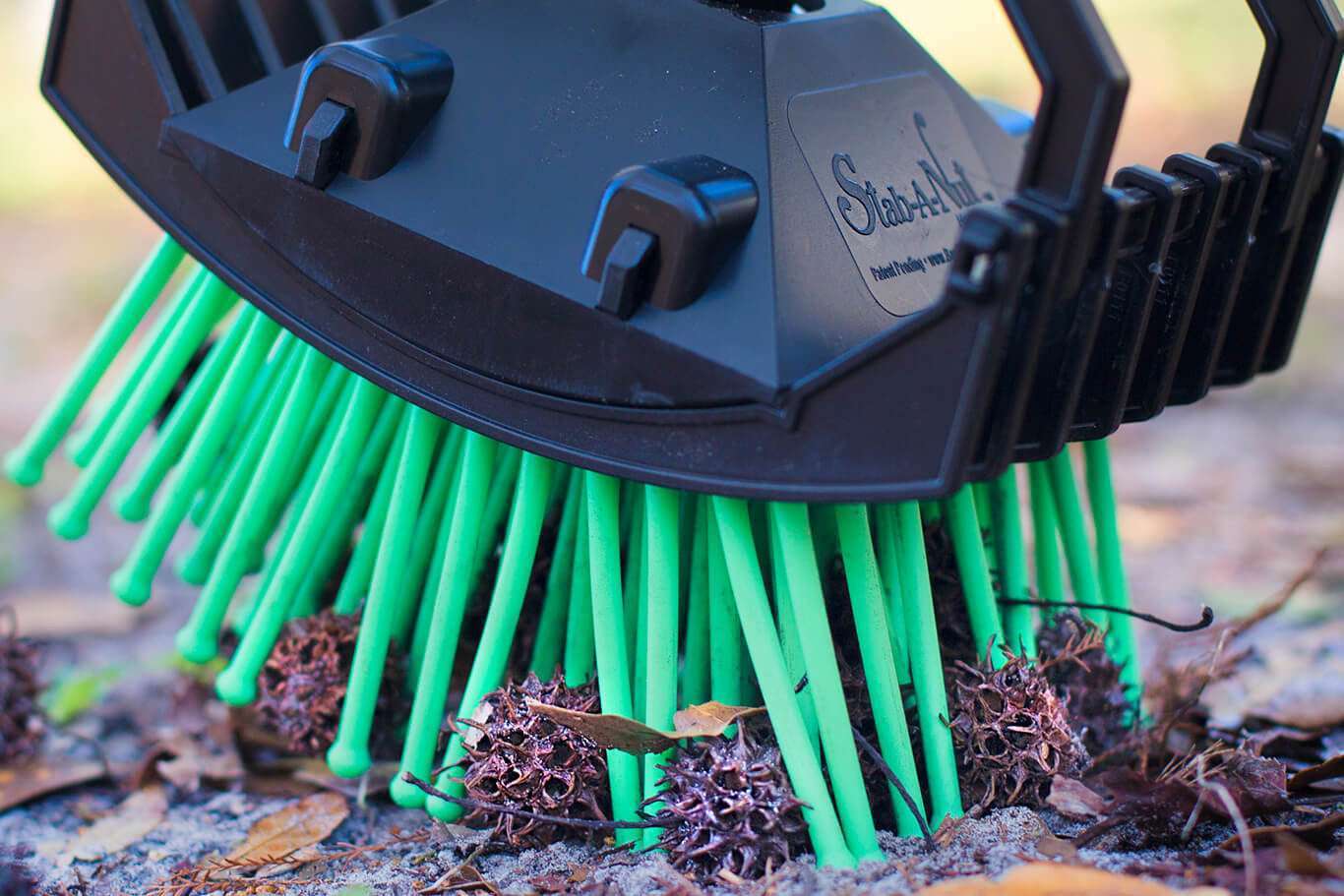
A good tool changes everything with gumballs. Many gardeners swear by rolling nut gatherers, the wire-basket tools on a long handle, which scoop up balls as you push them across the lawn.
A sturdy metal rake or a stiff push broom works well on hard surfaces. Leaf blowers can herd gumballs into piles, and some mowers with bagging attachments pick up scattered balls on grass.
Just clear thick drifts by hand first to protect blades. Preventing fruit is trickier. Some professionals apply growth regulators containing ethephon in spring, timed to the bloom stage.
Results vary, timing must be precise, and the product needs repeat use each year, so hire a licensed applicator if you go that route.
Planting a new tree gives you a simpler fix. Fruitless or nearly fruitless cultivars such as Rotundiloba produce very few gumballs while keeping the star leaves and fall color.
Check with your town before touching any street tree. Many New Jersey municipalities manage trees along public rights-of-way through a shade tree commission.
Removing or treating those trees often requires permission. A quick call can save you a fine and keep a healthy tree standing.
Turn That Pile of Gumballs Into Garden Helpers
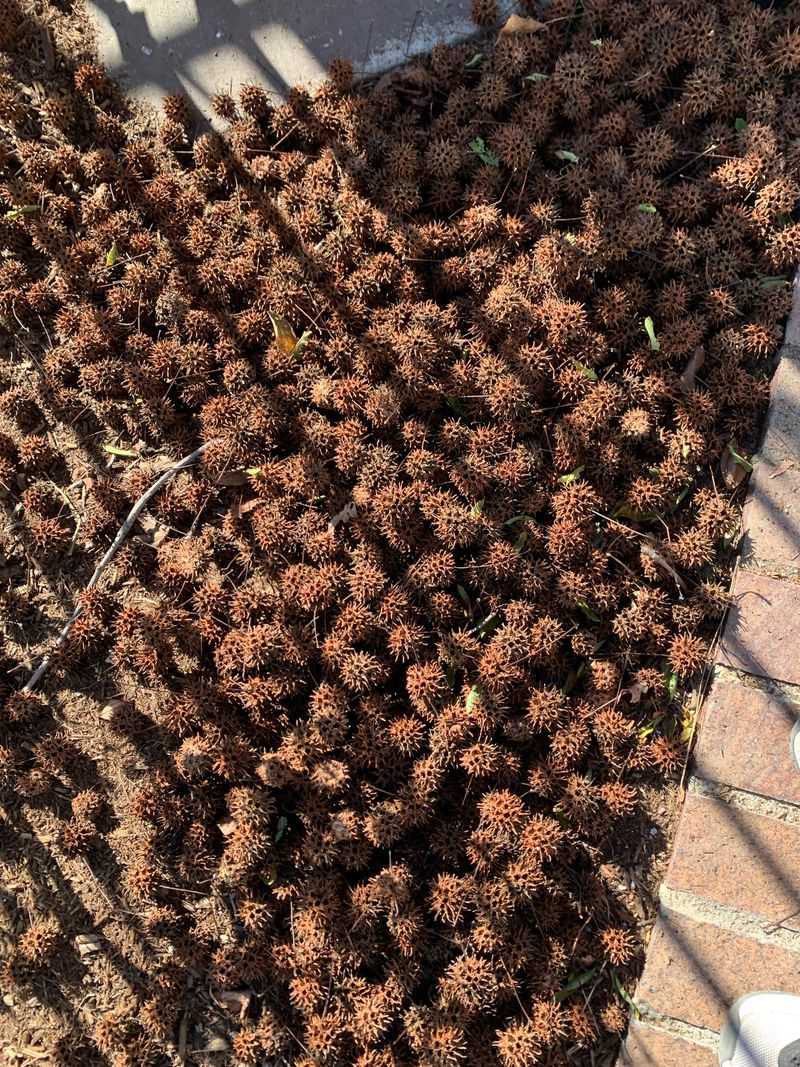
My favorite trick came after a long afternoon of raking. Instead of bagging everything, I spread a layer of gumballs around a few garden beds to see what would happen.
Many gardeners report that the spiky texture discourages cats from digging and may make paths less inviting to some critters. Results vary, so treat it as a fun experiment rather than a sure thing.
Gumballs break down slowly, so they last longer than shredded leaves. From a distance, a layer looks a lot like rustic bark mulch. Keep them away from walkways where people might step on them barefoot.
Crafters love them too. Spray-painted gumballs make charming holiday ornaments, wreath accents, and table decorations. Kids enjoy turning them into tiny critters with googly eyes and pipe cleaners.
Dry gumballs also catch fire easily, so some folks use them as kindling in outdoor fire pits. Follow local burn rules and keep fires small and supervised.
Finally, think about placement if you plant a sweetgum. Give it room away from sidewalks, patios, and driveways, or choose a fruitless type.
With smart planning, you get the shade, fall color, and birds without the daily sidewalk obstacle course.