10 Spring Bulbs Virginia Homeowners Should Buy Now And Plant In Late October
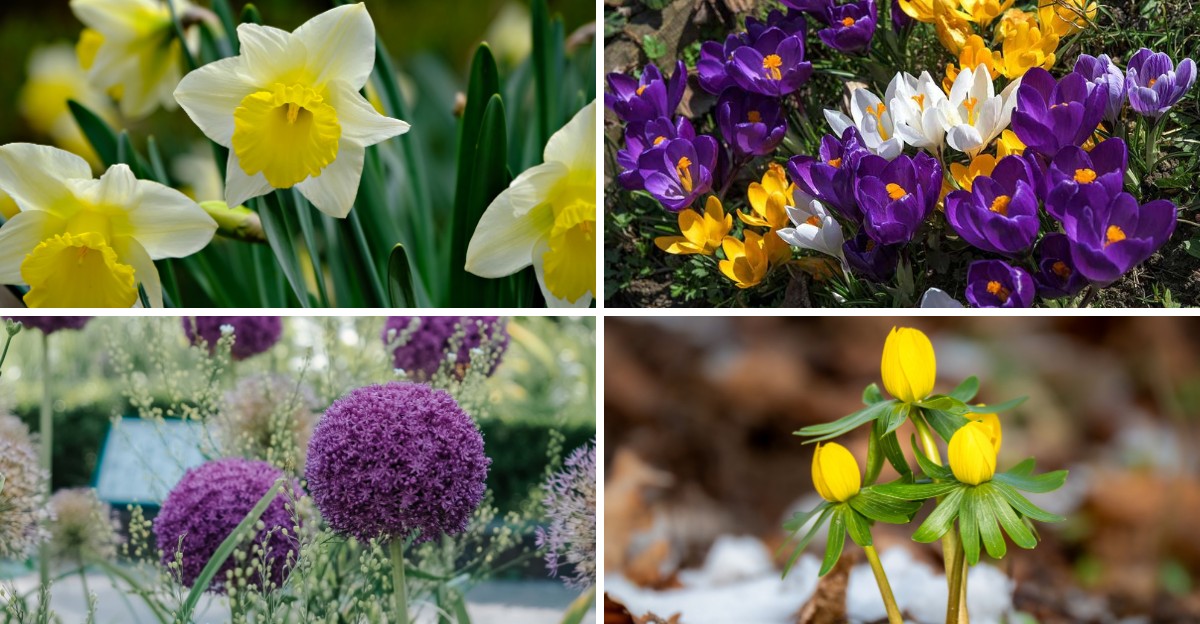
A spring garden starts with a little fall digging and a hopeful glance at the sky. The bulbs you tuck into the ground this season will be the first splash of color after a long, gray winter.
Across Virginia, late October often brings soil cool enough for planting. That chill signals bulbs to start growing roots instead of leaves, giving them a strong start before winter.
Buying now gets you the best pick of colors and varieties before garden centers sell out. Until planting day, store them somewhere cool, dry, and away from ripening fruit, which can harm the flower buds inside.
Some bulbs shrug off hungry deer, while others return reliably even in warm southern springs. A few bloom so early they push through the last frosts of the season.
The bulbs below range from tiny early flowers to tall, showy blooms. Mix a few, and next spring could feel like one bright surprise after another.
1. Daffodils That Deer Won’t Touch
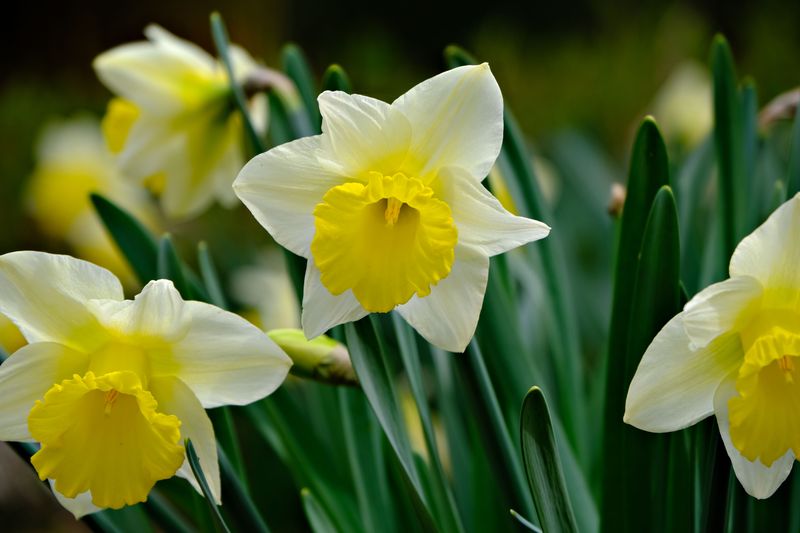
Few sights feel as cheerful as daffodils nodding beside a driveway after winter. Better yet, deer usually leave their bitter bulbs and flowers alone.
Buy firm bulbs now, choosing several varieties if you want a longer flower show. Early, middle, and late bloomers can brighten different weeks of spring.
Plant them in late October when the soil has cooled, usually about six inches deep. Leave a few inches between bulbs so each clump has room to grow.
Pick a spot with good drainage and plenty of spring sunlight. Under deciduous trees works well because their branches are still bare when daffodils bloom.
In Virginia, a warm fall may keep soil temperatures high into late October. If the ground feels warm, waiting another week or two is reasonable.
Point each bulb upward, cover it with soil, and water once after planting. A thin layer of mulch helps protect the bed and marks your planting spot.
After flowering, resist the urge to cut away green leaves. They feed the bulb for next year, so remove them once they turn yellow.
For a natural look, plant bulbs in small, uneven groups rather than straight lines. Keep bulbs away from pets and children, since eating them can cause illness.
2. Species Tulips That Return In Southern Heat
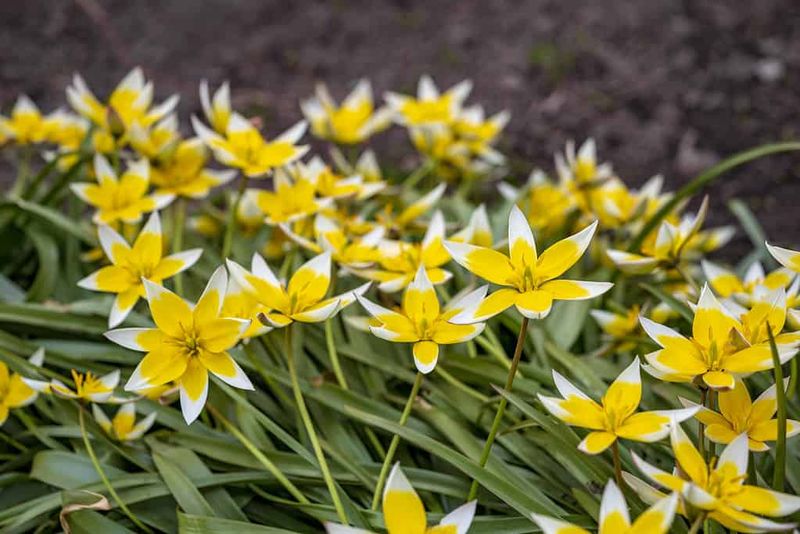
Big florist tulips can put on a show, then return with fewer flowers. Their smaller species cousins often handle sunny, well-drained gardens better.
Look for botanical tulips such as Tulipa clusiana or Tulipa tarda. Their pointed petals and compact size give a garden a lively, less formal look.
Shop early because specialty bulbs can sell out before planting season. Choose firm bulbs without soft spots, and keep them cool and dry until late October.
Give species tulips a sunny place where water drains quickly after rain. Raised beds and slopes can help in yards with heavy clay soil.
Plant bulbs about four inches deep, following the package if your variety differs. Set them in loose groups where you can enjoy their details up close.
Your Virginia Garden Changes Every Week. Your Plan Should Too.
Gardening in Virginia changes quickly throughout the season. Every Friday you’ll receive a simple weekly plan showing exactly what to plant, prune, fertilize, harvest, and protect so you never miss the right timing.
Virginia summers can be humid, so avoid beds that stay wet after flowers fade. Many species tulips prefer a fairly dry resting period beneath the soil.
Leave their leaves in place until they yellow, even when the flowers finish. Skip thick summer watering over that spot if you hope for repeat blooms.
Try them along a path, near a mailbox, or in a sunny rock garden. Their small blooms reward anyone who slows down for a closer look.
3. Crocus For The First Pop Of Spring Color
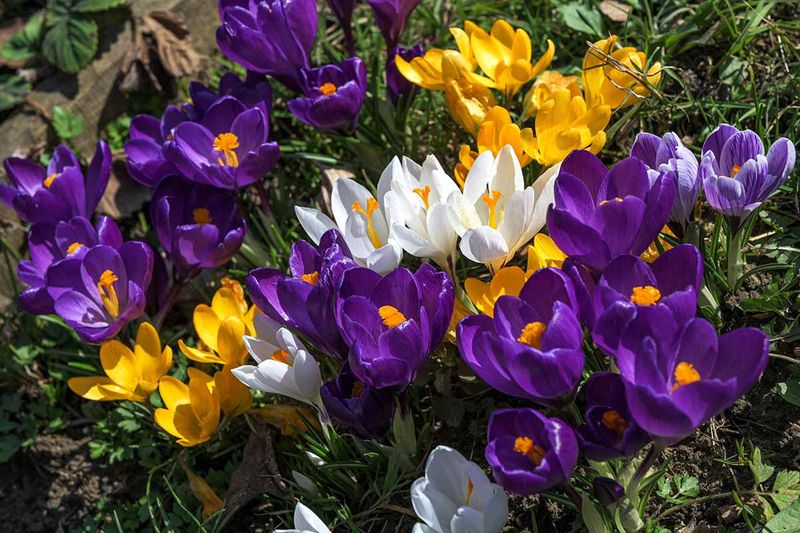
Imagine looking across a chilly yard and spotting purple petals near your shoes. Crocus can bring that welcome surprise before many other bulbs wake up.
Choose a mix of purple, white, and yellow bulbs for a bright patch. Larger Dutch crocuses make bold spots, while smaller species crocuses can spread gradually.
Buy the small, firm corms now and plant them in late October. Set them roughly three inches deep, with a few inches between neighbors.
Sunny lawns and garden edges both work if water drains away after storms. Crocus flowers open wide in sunshine and often close when skies turn gray.
If you plant in grass, choose a place you can leave unmowed afterward. The narrow leaves need time to gather energy for next spring.
Squirrels sometimes dig up newly planted corms, especially in freshly turned soil. Lay a piece of wire mesh over the bed until the ground settles.
For an easy planting pattern, gently toss a handful onto prepared soil. Put each corm where it lands for a scattered, meadowlike effect.
Some crocuses offer early pollen to bees during mild weather. Keep expectations flexible, since bloom timing changes with winter temperatures and sunlight.
4. Grape Hyacinths For Carpets Of Blue
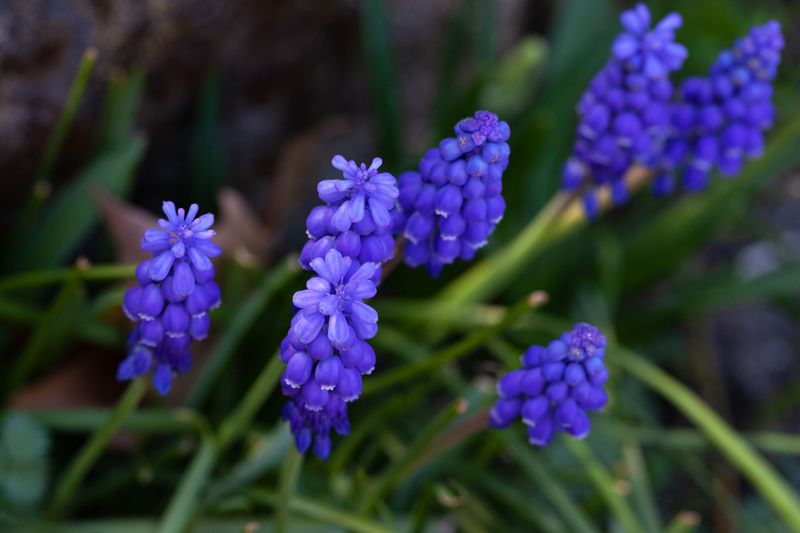
Tiny blue bells can make a garden path look sprinkled with confetti. Grape hyacinths, also called Muscari, grow in short spikes packed with small flowers.
They pair beautifully with yellow daffodils, especially along walkways and border fronts. Buy plenty of bulbs if you want a broad ribbon of blue.
Plant them in late October, about three inches deep and a few inches apart. A sunny or lightly shaded site with draining soil gives them a good start.
Some varieties send up leaves in fall, so do not mistake the green tips for trouble. Their flowers still arrive when spring weather warms the garden.
Once established, grape hyacinths can form larger patches through offsets and seeds. That habit is charming in informal beds but less welcome in tightly planned borders.
Remove faded flower spikes before seeds form if you want fewer volunteers. You can also plant them in pots to keep their spread contained.
Give containers drainage holes, then water after planting and check moisture during dry spells. Set the pots where they can experience winter cold outdoors.
Try a few clusters near a doorstep or bench. Their low height makes them easiest to enjoy where people pass nearby.
5. Alliums For Bold Purple Globes
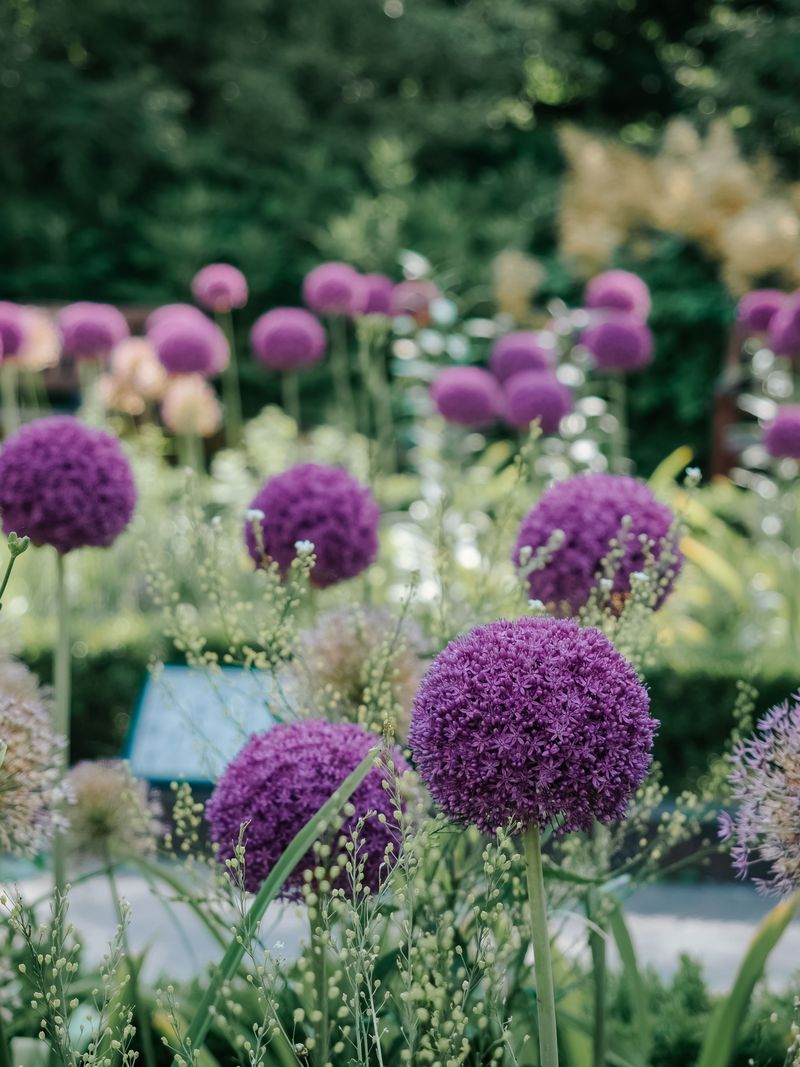
Alliums look like purple fireworks paused above the garden. Their round flower heads add shape and height after many early spring bulbs finish.
Choose your bulbs with the planting space in mind. Some alliums reach several feet tall, while smaller kinds fit neatly near a path.
Buy firm bulbs now and check each variety’s mature height on the label. Plant in late October at the recommended depth, usually several inches below the surface.
Full sun helps stems stay sturdy and flowers develop well. Well-drained soil matters, since bulbs can struggle in ground that stays soggy.
Place taller varieties among perennials that will grow fuller by late spring. Their fresh leaves can help hide allium foliage as it fades.
Deer tend to avoid alliums, which belong to the onion family. That makes their bold blooms handy near beds where browsing causes frustration.
Leave some spent flower heads standing if you like their sculptural look. The dry globes can add interest long after their purple color fades.
For an eye-catching display, repeat small groups through one sunny border. In humid summers, avoid soaking the bed once the bulbs rest underground.
6. Snowdrops For Blooms In Late Winter
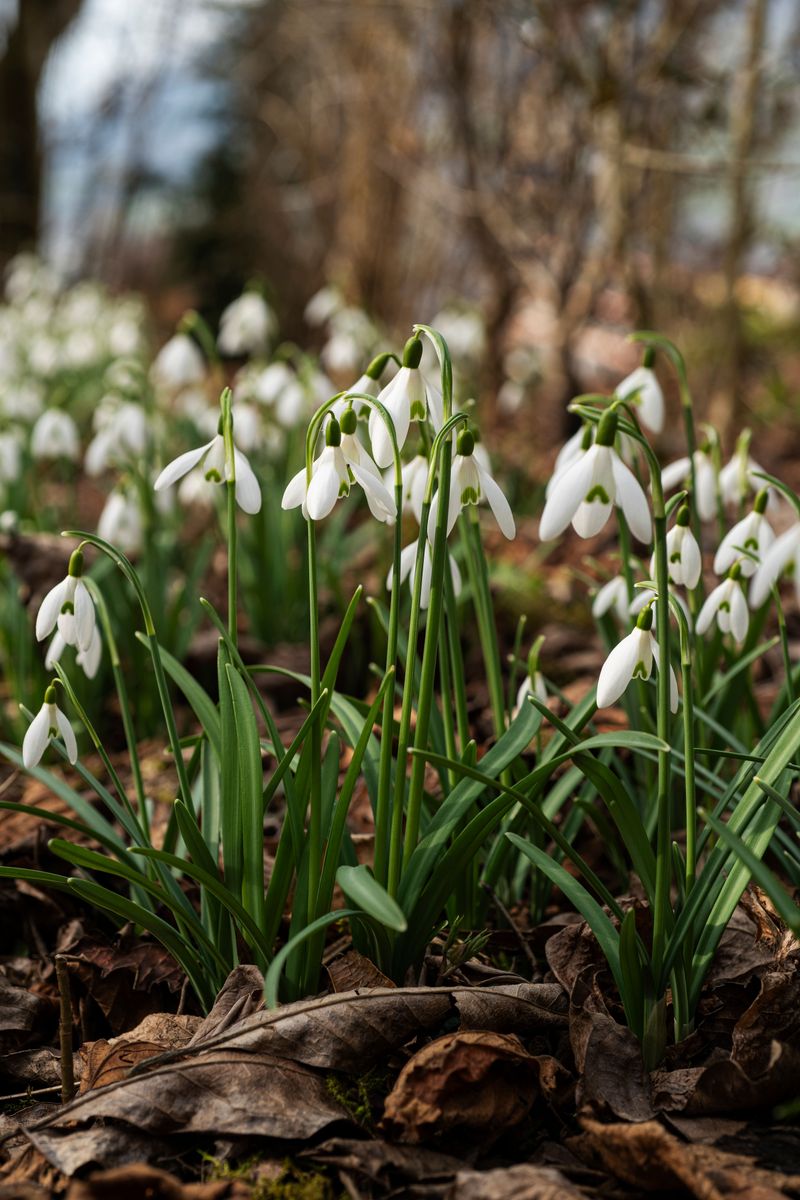
Snowdrops seem almost too delicate for chilly weather, yet their white bells appear remarkably early. They bring a quiet kind of excitement to winter walks.
Choose Galanthus bulbs from a trusted seller and plant them soon after purchase. Small bulbs can dry out, so avoid leaving them indoors for weeks.
Late October is a useful planting time when the soil has cooled. Set bulbs about three inches deep in loose groups for a natural look.
Give snowdrops partial shade and soil that drains well but stays fairly moist. A spot beneath deciduous shrubs can offer suitable light before leaves fill in.
Mark their location with a small stake after planting. Their narrow leaves are easy to overlook when you tidy the garden.
Snowdrops may take time to settle before forming larger clumps. Once established, you can divide crowded groups after flowering while leaves remain green.
Enjoy them close to a door or walkway where small blooms will be noticed. Against brown leaves, their white petals look especially bright.
Check the plant name when shopping, since common names can be confusing. Snowdrops are Galanthus, not the taller white spring snowflake sometimes sold nearby.
7. Hyacinths For Unbeatable Fragrance
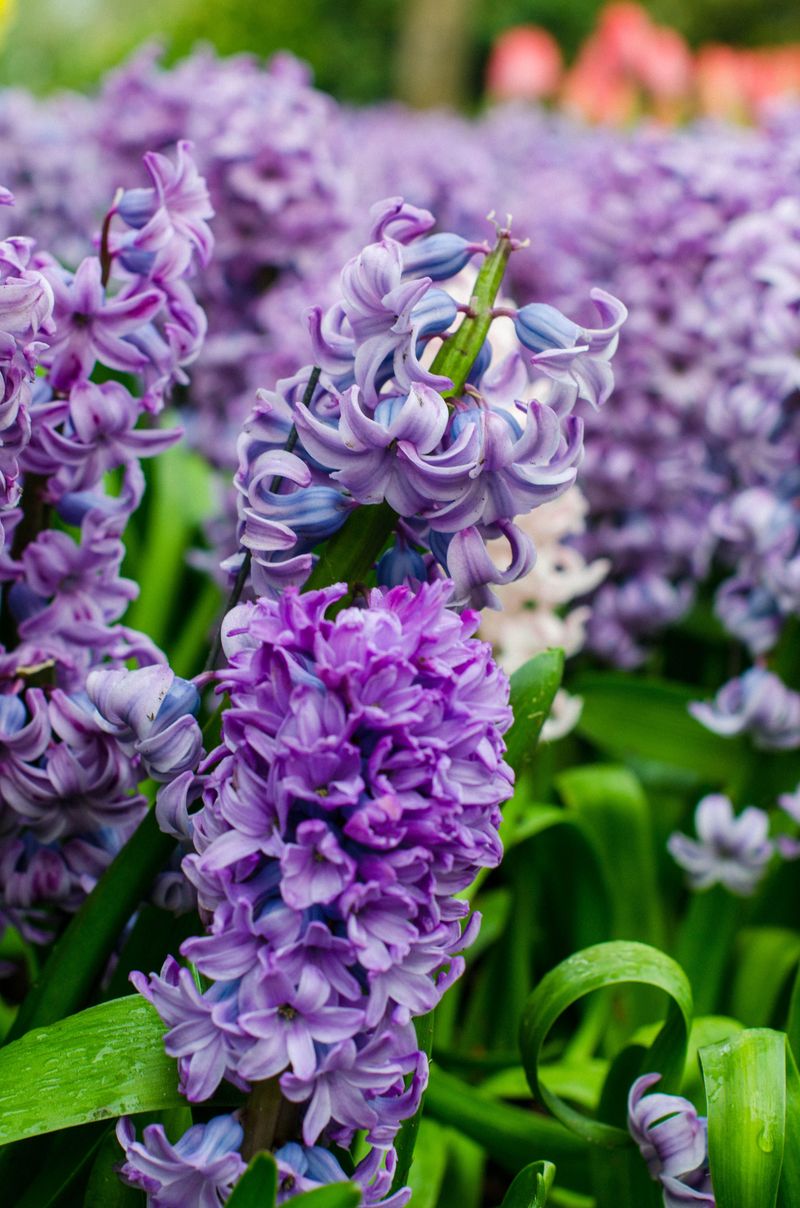
One small cluster of hyacinths can make a porch visit feel like a trip to a flower shop. Their dense flower spikes bring rich color and strong fragrance.
Choose pink, purple, blue, or white bulbs based on your favorite garden colors. Buy large, firm bulbs now for a bold first spring display.
Plant them in late October, about six inches deep in well-drained soil. Give each bulb space so air can move around the flowers.
Place fragrant hyacinths near a doorway, patio, or frequently used path. A distant corner will make their best feature harder to enjoy.
Wear gloves while handling bulbs if your skin is sensitive. The bulbs can irritate skin, and they should stay away from curious pets.
Full sun supports strong flowering, though light shade can also work. If clay soil holds water, try a raised bed or roomy container.
After blooming, trim the spent flower stalk but leave the green foliage. Over time, garden-grown flower spikes may become looser than their first display.
For a cheerful arrangement, mix hyacinths with low-growing spring flowers in one bed. Their upright shapes stand out nicely beside smaller blooms.
8. Dutch Iris For Tall, Elegant Stems
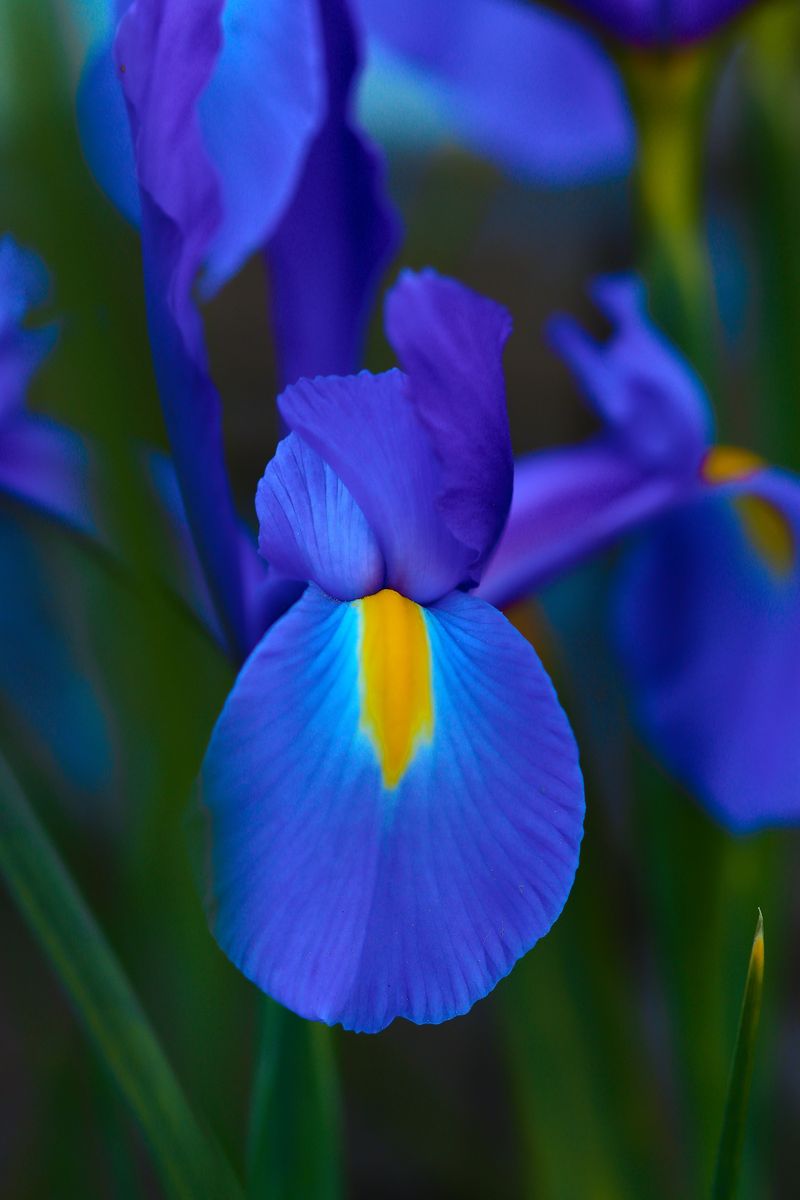
Dutch iris flowers look dressed for a special occasion, with slim stems and striking petals. Blue, purple, white, and yellow choices give gardeners plenty of options.
These bulbs bloom later than many early spring favorites. Their height helps bridge the gap between low bulbs and emerging summer plants.
Buy plump bulbs now, then choose a sunny spot before late October arrives. Plant them about four inches deep, checking the package for variety-specific guidance.
Loose soil and good drainage are especially helpful for Dutch iris. If rain puddles in your bed, improve the site before planting.
Try placing them behind shorter flowers rather than at the border’s front. A group of several stems creates a stronger picture than one scattered bulb.
Wind can bend tall flower stems, so consider a sheltered location. You can also cut a few blooms for a simple indoor vase.
Leave the narrow leaves standing after flowers fade. Like other spring bulbs, they need that growing time to store energy.
In warmer parts of Virginia, repeat blooms can vary with soil and summer moisture. Treat a returning display as a bonus while enjoying the first season.
9. Wild Hyacinth, A Native Bulb For Moist Spots
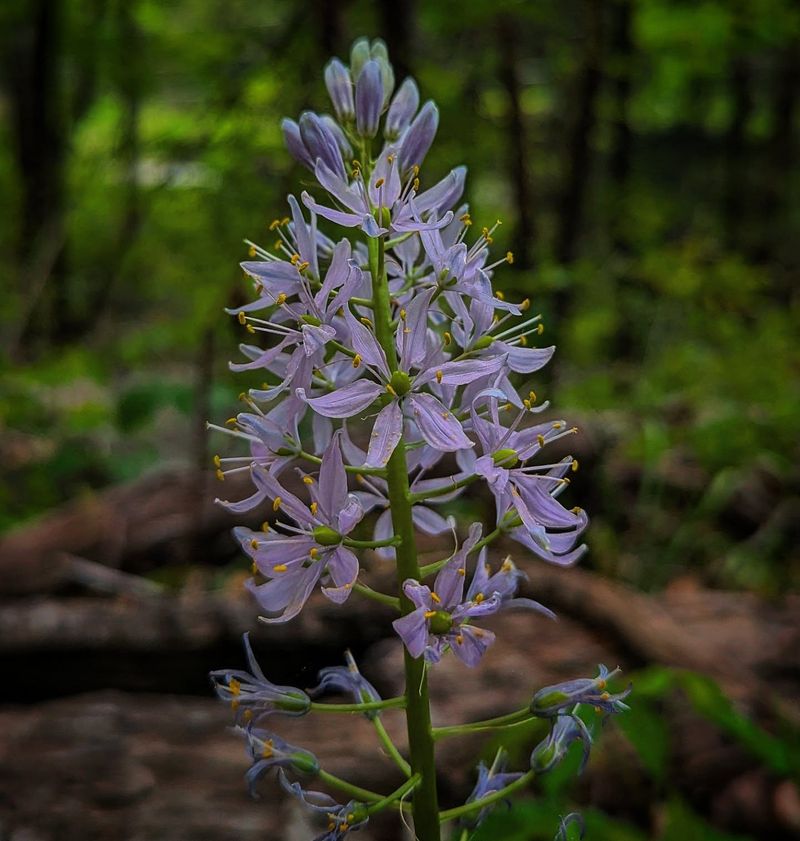
A damp garden edge can be tricky for many familiar spring bulbs. Wild hyacinth offers a different answer with soft blue flowers on upright spikes.
Look for Camassia scilloides, a native species sometimes called Atlantic camas. Check the scientific name because common names can point to unrelated plants.
Buy nursery-grown bulbs from a seller that identifies their source. Avoid digging native plants from wild areas, where they support local habitats.
Plant bulbs in late October in soil that holds some moisture without staying flooded. Follow the seller’s depth guidance, usually several inches below the surface.
Partial sun along a woodland edge can suit this plant well. It also grows in open spots where spring moisture remains fairly steady.
The airy flowers can attract visiting pollinators when conditions are right. Pair them with other plants that appreciate a similar moisture level.
Wild hyacinth grows taller than tiny woodland flowers, so give it room to show. Mark the planting spot before its leaves disappear later in the season.
For Virginia homeowners, choosing a native bulb adds local character to the spring garden. It also turns a hard-to-plant damp patch into something worth watching.
10. Winter Aconite For Bright Yellow Late-Winter Cups
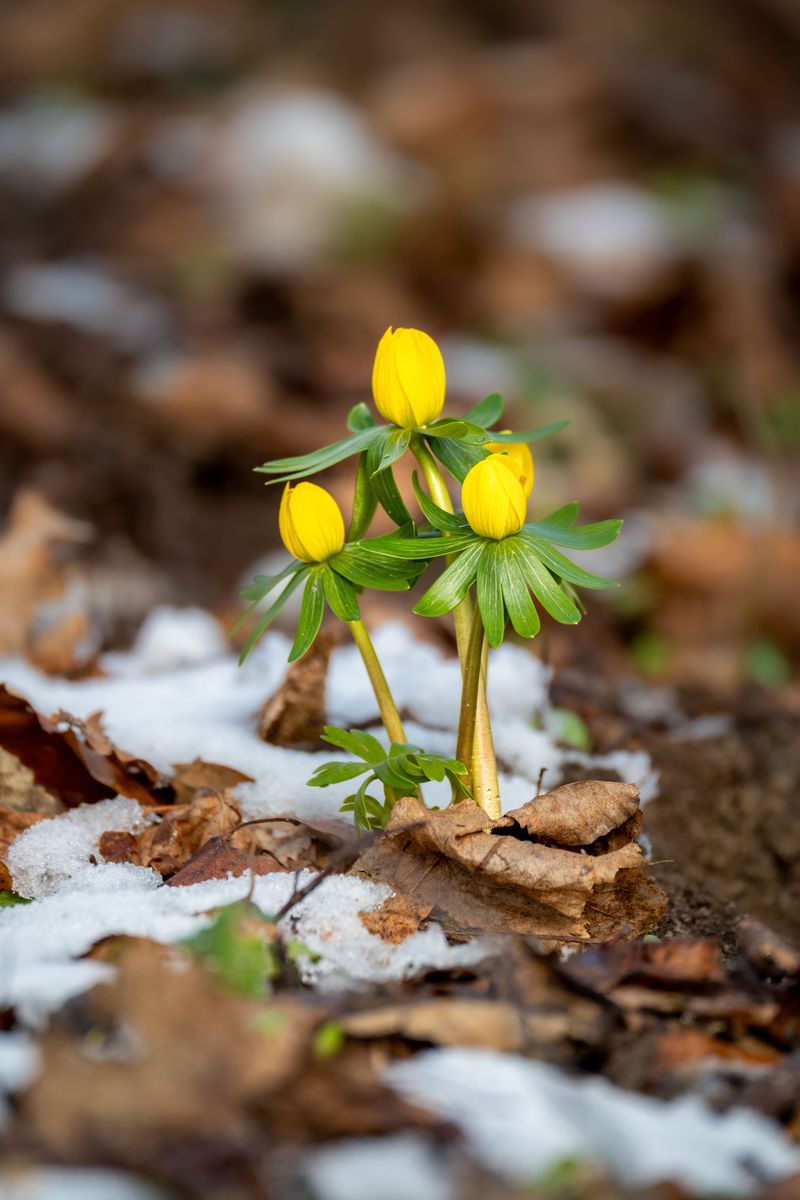
Winter aconite pops up like a handful of tiny golden suns. Its cup-shaped flowers sit above leafy green collars, making late winter look unexpectedly cheerful.
Look for Eranthis hyemalis when ordering, since common names can be misleading. The small planting pieces are tubers rather than true bulbs.
Buy them now and plant in late October beneath deciduous trees. They enjoy winter light and some shade once nearby branches leaf out.
Soak dry tubers briefly before planting if your supplier recommends it. Set them roughly two inches deep in soil with good drainage.
Winter aconite suits natural-looking beds where fallen leaves can remain. Avoid placing it in a spot you plan to dig each spring.
Once comfortable, it may spread into small colonies over several seasons. Give those bright cups space to mingle with snowdrops or early crocuses.
All parts of the plant are poisonous if eaten. Wear gloves when handling tubers and choose another location if pets explore planting beds.
A few patches near a window can brighten an otherwise quiet season. With thoughtful fall planting, Virginia’s next garden show may begin earlier than expected.