Stack A Few Logs In A Quiet Corner Of Your Virginia Yard, And Watch What Happens
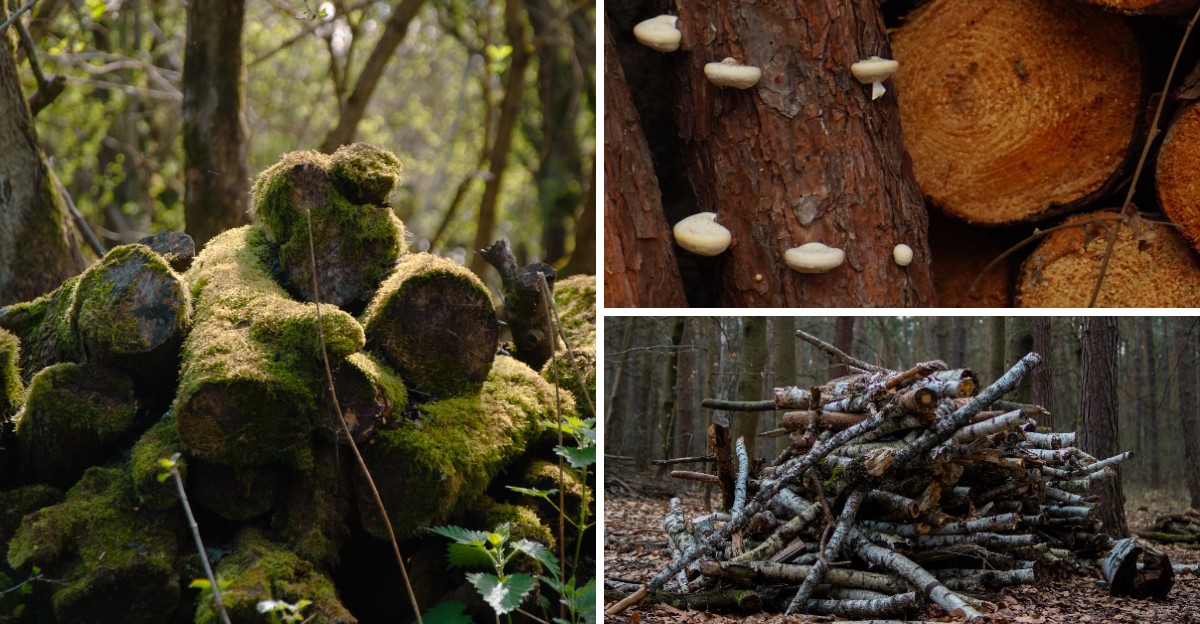
A rotting log can hold more living cells than the tree did while it stood. Ecologists call old wood one of the busiest homes in any forest, and it rarely needs a single thing from us.
I love that the best wildlife magnet in my yard came with zero price tag. A few leftover rounds from a storm-felled oak sat in a shady spot, and within weeks the place felt different. Beetles moved in first, then a toad, then a wren that visited every morning.
Virginia gardeners have a real edge here. Our humid summers, mild winters, and long list of native salamanders, fungi, and songbirds make a quiet woodpile come alive fast.
You need only a shady corner, a little patience, and a willingness to let things get a bit wild. So what will your quiet corner be hiding by next spring?
Those Stacked Logs Start Filling Up With Beetles And Fungi Faster Than You Expect
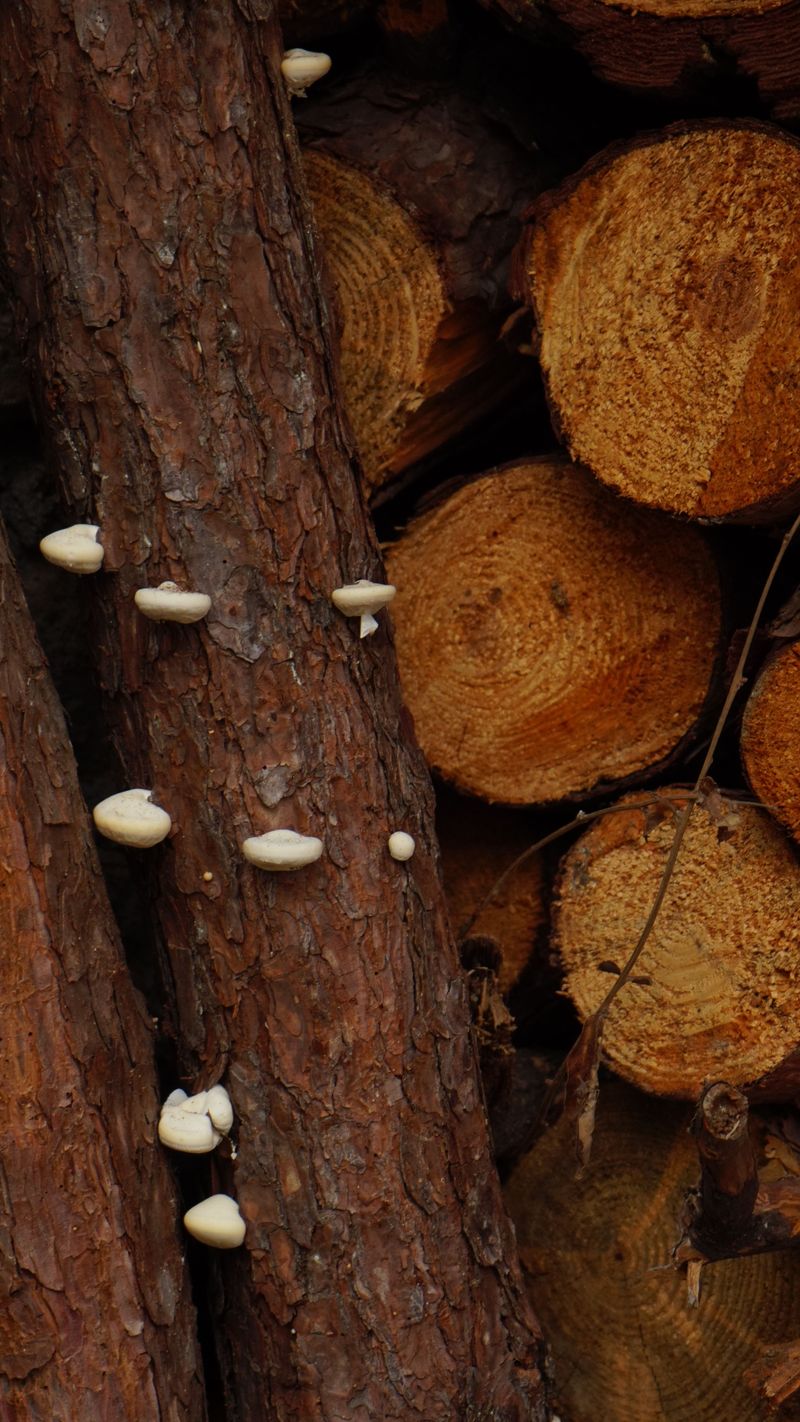
Something moves into a fresh log pile within days, and most of it is too small to notice at first. Fungi send threadlike strands called hyphae into the wood, softening it from the inside.
Bacteria join the effort, and the bark slowly loosens.
Once the wood softens, the beetles arrive. Bark beetles, wood-boring beetles, and later the shiny bess beetle all play a part in breaking wood apart.
Behind them come pill bugs, millipedes, centipedes, spiders, and earthworms that feed on the crumbly leftovers.
I find it oddly satisfying to lift a log in early summer and watch the whole crew scatter. That busy scene is the engine of the pile.
Every chewed tunnel and soft patch makes room for the next wave of residents.
Mushrooms and lichens are often the first signs you can see from a distance. Turkey tail fungus, with its striped fan shapes, is common on hardwood logs across the state.
Moss tends to creep over shaded bark in damp spots too.
None of these early guests are a problem for a healthy garden. Most of them feed on wood that is already down, not on living trees or shrubs.
Think of them as a cleanup team that also happens to feed a lot of larger animals.
Give the pile one full season, and you will see the shift clearly. A plain stack of firewood turns into a soft, layered, living structure.
Building A Brush And Log Pile The Way Wildlife Biologists Recommend
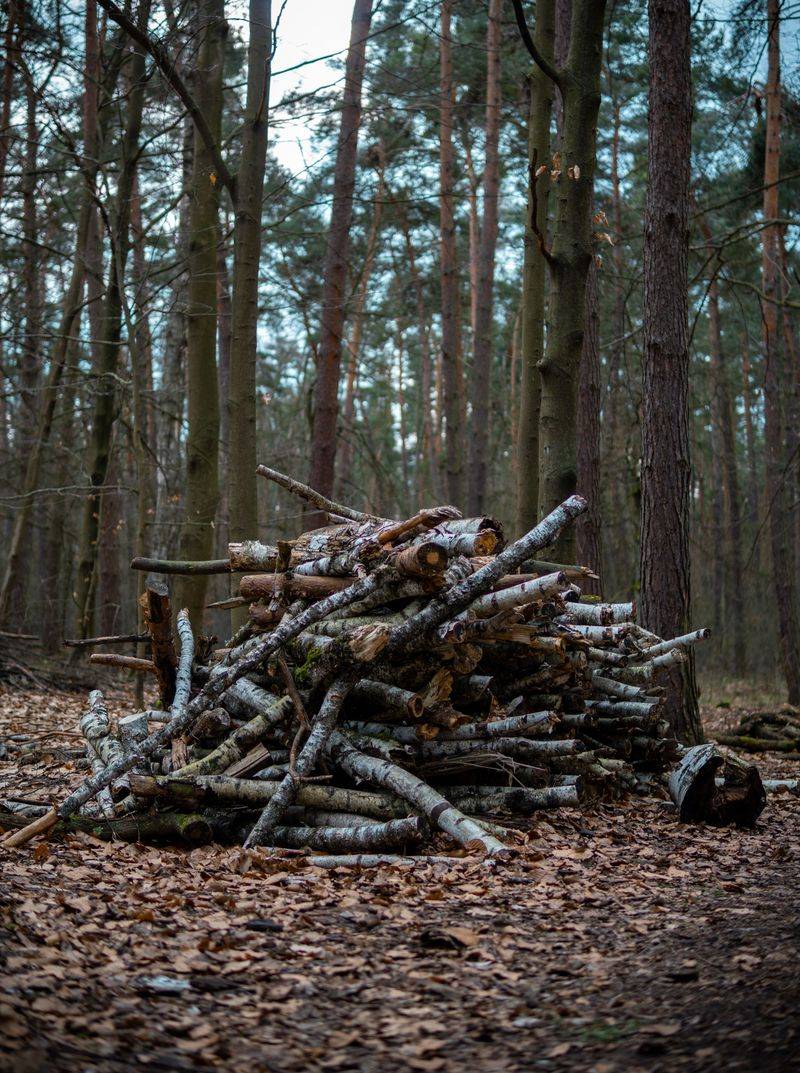
Wildlife biologists have a simple formula, and it starts from the ground up. Lay your biggest logs on the bottom, spaced a few inches apart, so they form tunnels.
Small animals use those gaps as hallways and hiding places.
Next, add medium logs across the base in a crisscross pattern. Finish with smaller branches and brush on top to create cover from hawks and weather.
The goal is a loose, airy stack rather than a tight woodpile.
Size matters a little. Many wildlife agencies suggest a pile roughly 10 to 12 feet wide and about 5 or 6 feet tall for larger properties.
In a small suburban yard, a waist-high stack of logs still offers plenty of value.
Hardwoods like oak, hickory, and maple last longer and support a wide range of insects. Mixing a few softer woods adds variety, since they break down faster.
Leave the bark on whenever you can, because many critters hide right beneath it.
Try to let a few logs touch bare soil. That contact keeps them damp and invites fungi, worms, and salamanders.
A layer of fallen leaves tucked around the base helps too.
Personally, I like building mine in late fall or winter, when storm cleanup leaves extra wood lying around. By spring, the pile looks settled and ready for guests.
Salamanders And Toads Love The Cool, Damp Space Under Old Logs
Lift a damp log on a cool spring morning, and you might spot a slender red-backed salamander curled in the soil. Eastern red-backed salamanders are among the most common in Virginia.
They breathe through their skin, so they need moist hiding places to stay comfortable.
Virginia has dozens of salamander species, and the state is known as a hotspot for them. Many live entirely on land and spend most days under logs, rocks, and leaf litter.
Your woodpile can copy that forest-floor setting nicely.
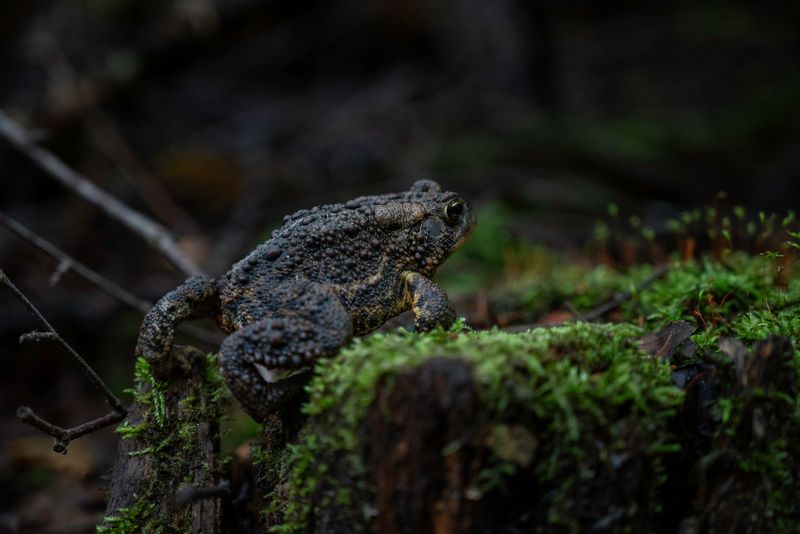
American toads and Fowler’s toads also appreciate the shelter. During hot summer days, they tuck under logs to stay cool.
In colder months, many burrow into soft soil nearby to wait out winter.
A few gentle habits help these amphibians thrive. Keep the pile in shade, avoid using pesticides nearby, and add leaves around the base.
A small water source like a shallow dish or nearby pond makes the spot even more appealing.
Please put logs back carefully after you peek underneath. Roll them toward you so any animal stays protected, then set them down slowly.
Handle salamanders rarely, and only with wet hands, since lotions and dry skin can harm them.
Spotting one of these shy creatures feels like winning a small backyard prize. It also tells you the soil and moisture around your pile are in good shape.
Wrens, Woodpeckers, And Chipmunks Will Treat Your Woodpile Like A Pantry
Carolina wrens seem to find a new log pile almost overnight. These loud little birds, common across the state year-round, poke through crevices hunting spiders and beetles.
Their bubbly song often announces that the pile is open for business.
Downy woodpeckers and red-bellied woodpeckers may tap at softened logs for grubs. White-throated sparrows and eastern towhees scratch through leaves at the base in fall and winter.
Even bluebirds sometimes perch on top to scan for insects below.
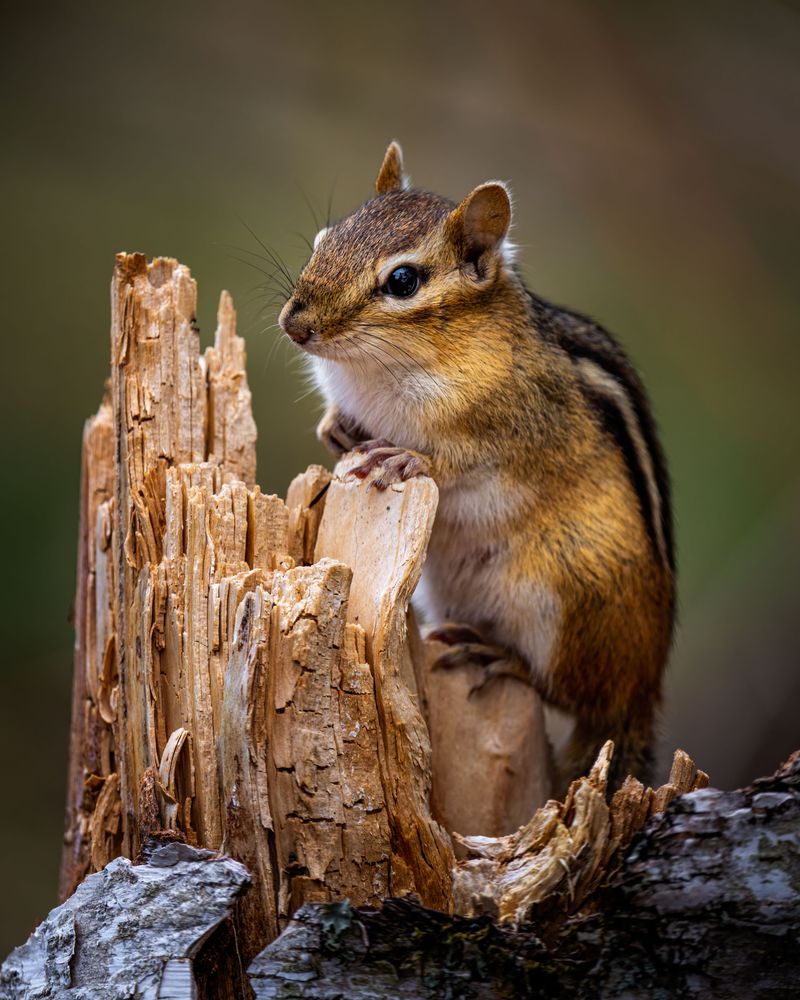
Small mammals love the hidden tunnels too. Eastern chipmunks use the gaps as safe lanes and lookout spots.
Cottontail rabbits may rest inside the brush layer on cold nights.
Snakes are part of the picture as well. Harmless species like the eastern garter snake and black rat snake may visit for warmth or to hunt rodents.
Copperheads do live in much of Virginia and also use woody cover, so watch your step and wear gloves when moving wood.
I think of the pile as a neighborhood diner with tables for everyone. Insects feed on the wood, birds and toads feed on insects, and hawks or foxes occasionally check on everyone else.
That balance keeps any single group from taking over.
Set a chair nearby on a quiet morning. You may be surprised how many visitors stop by in an hour.
Keep That Log Pile Away From Your House To Avoid Termites And Copperheads
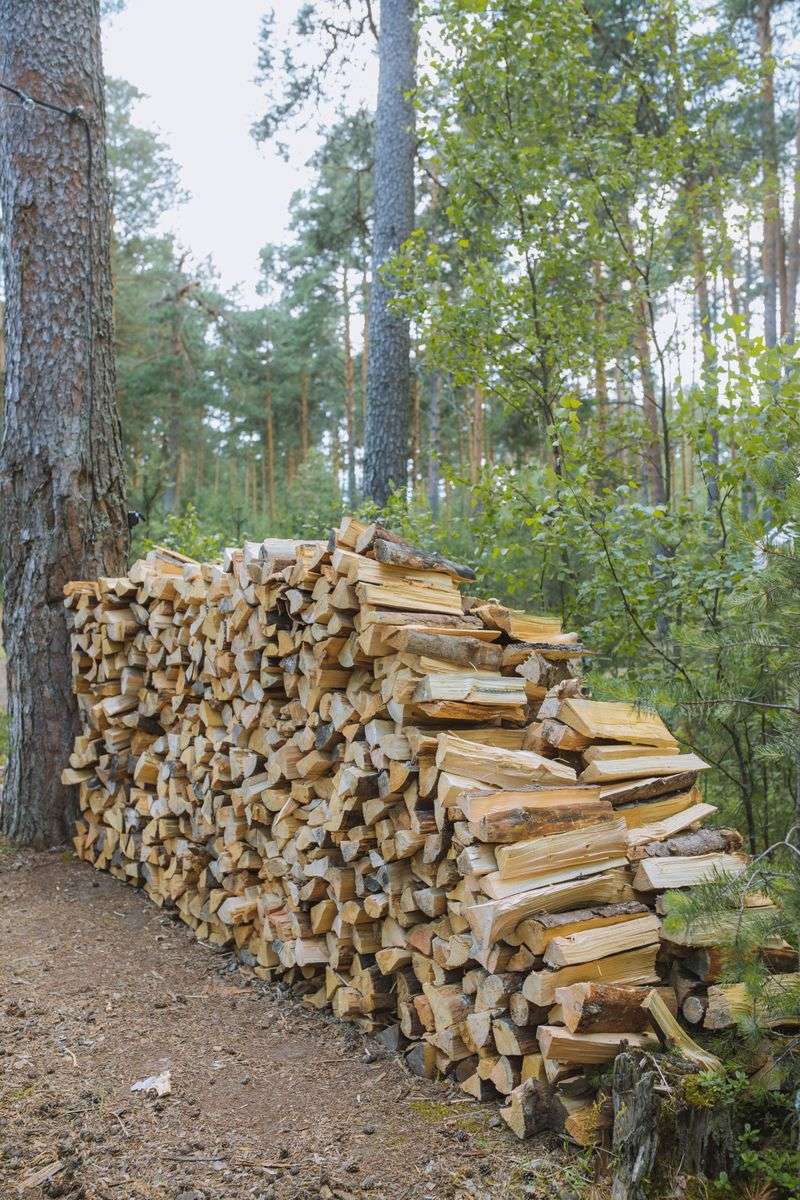
Location is the one decision you really want to get right. Eastern subterranean termites are widespread in Virginia, and they happily feed on damp wood touching the ground.
A wood pile near your foundation gives them an easy stepping stone.
Many pest experts recommend keeping firewood and log piles at least 20 feet from your home. For a wildlife pile meant to rot slowly, farther is even better.
A back corner or a spot along the woods edge works well.
Distance also helps with other guests. Mice and rats may use the pile, and carpenter ants like softened wood.
Keeping the stack away from sheds, decks, and fences limits trouble in places you care about.
Snakes are another reason to plan carefully. Copperheads are found in most of the state and like leaf litter and woody cover.
Avoid placing a pile beside play areas, garden paths, or the spot where kids grab balls.
Fire safety matters too, especially in dry late summer or during fall burn bans. Keep piles away from grills, fire pits, and outdoor outlets.
Before building, check any HOA rules or local ordinances about yard debris. Some neighborhoods allow natural areas only in backyards or require tidy edges.
A neat border of stones or a low fence can make your pile look intentional and neighbor-friendly.
Slowly Rotting Wood Turns Into Rich, Spongy Soil Around Your Garden
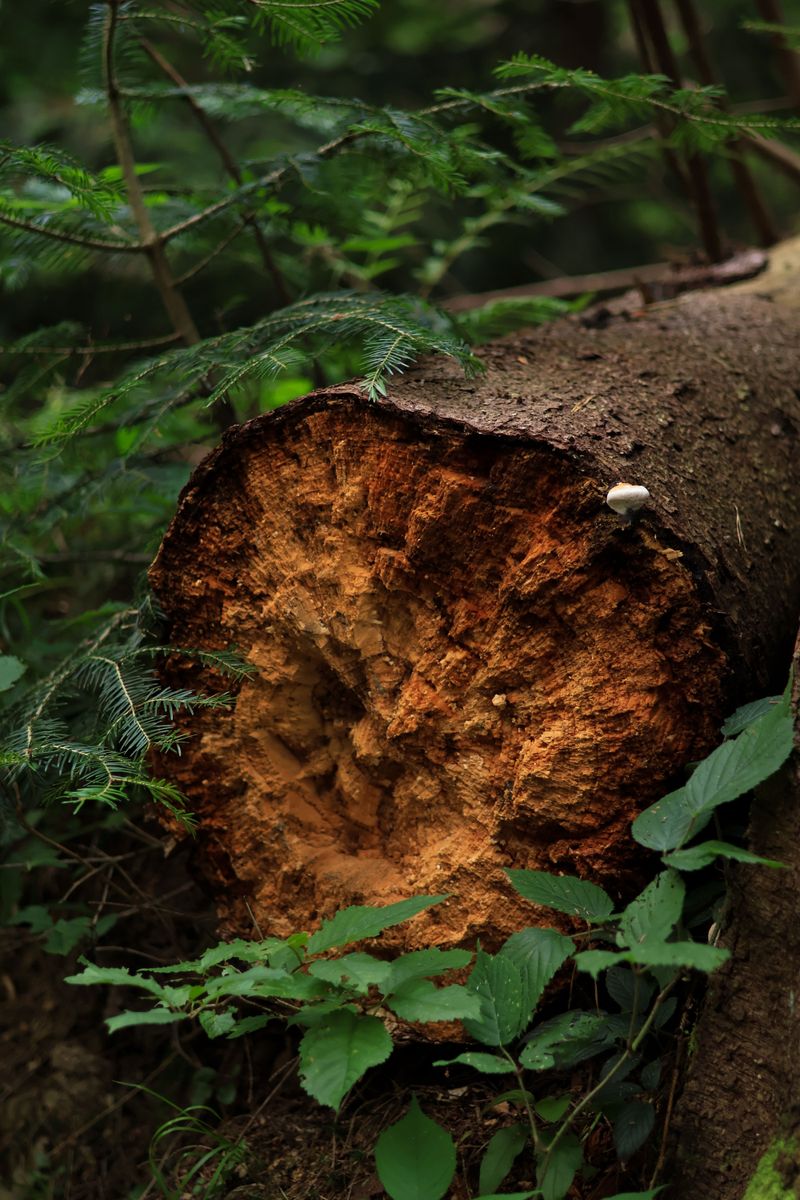
Break apart an older log and you will find something that feels like chocolate cake. Years of fungal work turn hard wood into dark, crumbly material full of organic matter.
Gardeners call it humus, and plants love it.
That transformation takes time. Small branches may soften in a year or two, while thick oak rounds can last five to ten years or longer.
The slow pace is part of the appeal, since nutrients trickle out gradually.
Rotting wood holds water remarkably well. Like a sponge, it soaks up rain and releases moisture slowly during dry spells.
That helps nearby plants, ferns, and wildflowers cope with hot, sticky summers.
One detail surprises many people. Fresh wood buried in soil can briefly tie up nitrogen while microbes break it down.
Logs sitting on top of the ground, as in a habitat pile, rarely cause that problem for nearby plants.
Much of the state has heavy red clay, especially across the Piedmont. Adding decayed wood and leaf mold over time can loosen that sticky clay and improve drainage.
Earthworms and fungi carry the organic material deeper for you.
When an old log finally collapses, spread the crumbly remains around shrubs or native plantings. Then add a fresh log to the pile.
The cycle simply keeps going.
Hugelkultur Beds Put Those Old Logs To Work Under Your Vegetables
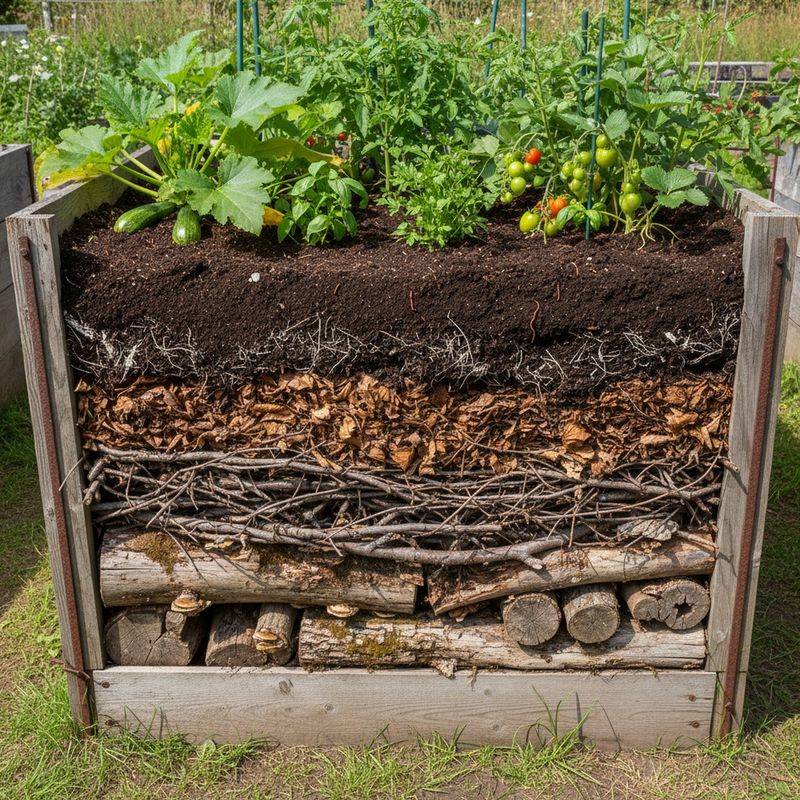
Got more logs than your habitat pile needs? Hugelkultur might be your next favorite project.
The name comes from German words meaning hill culture, and the idea is simple.
You lay logs and branches in a trench or on the ground, then cover them with leaves, compost, and topsoil. Over time, the buried wood soaks up water and breaks down.
The mound becomes a moisture-holding, nutrient-rich growing bed.
Fans report needing less watering once beds settle, often after the first season or two. Results vary, though, and research on the method is still limited.
I treat it as a fun experiment rather than a guaranteed miracle.
A few tips help a lot. Use hardwoods like oak or maple, and skip black walnut, since it releases a compound called juglone that can harm tomatoes and other crops.
Avoid treated lumber or wood with paint.
Add extra compost or a nitrogen source the first year, because fresh wood can borrow nitrogen from the soil. Squash, beans, and pumpkins often do well on young mounds.
Fall is a great time to build. Fallen leaves are plentiful, and the bed has all winter to settle before spring planting.
By April, you will have a lively mound ready for seedlings.
Check On Your Mossy Log Pile Each Season And Enjoy The Show
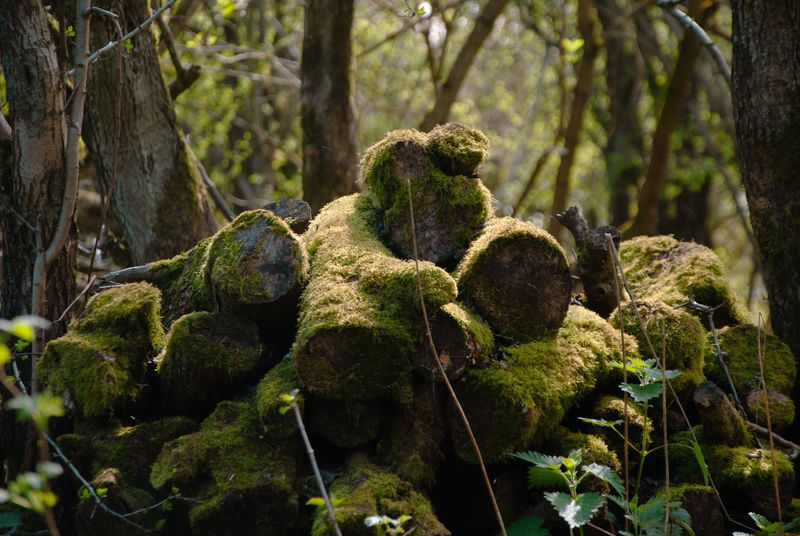
Patience is the secret ingredient, and the reward grows every season. In spring, look for salamanders, emerging fungi, and nesting wrens.
Summer brings beetles, fireflies resting by day, and toads hiding from the heat.
Fall is mushroom season in many Virginia yards. Rain and cooler nights often bring a fresh crop of colorful caps along the logs.
Toss a few extra leaves around the base to help wintering insects and amphibians.
Winter looks quiet, but plenty is happening. Queen bumblebees, beetles, and other insects may shelter in soft wood and leaf litter.
Sparrows and juncos use the brush for cover on windy days.
Maintenance stays easy. Add a fresh log or two each year as older ones crumble, and resist the urge to tidy too much.
Wear gloves whenever you reach in, and move wood slowly.
I like keeping a little notebook or phone album of what turns up. Apps like iNaturalist help you identify fungi, insects, and salamanders.
Your sightings can even help scientists track wildlife across the state.
Best of all, a log pile teaches you to slow down. Kids and grownups alike get hooked on lifting a log and wondering who is home.
That curiosity might be the most valuable thing your quiet corner grows.