That Scary-Looking Bug In Your Virginia Garden Is Actually On Your Side
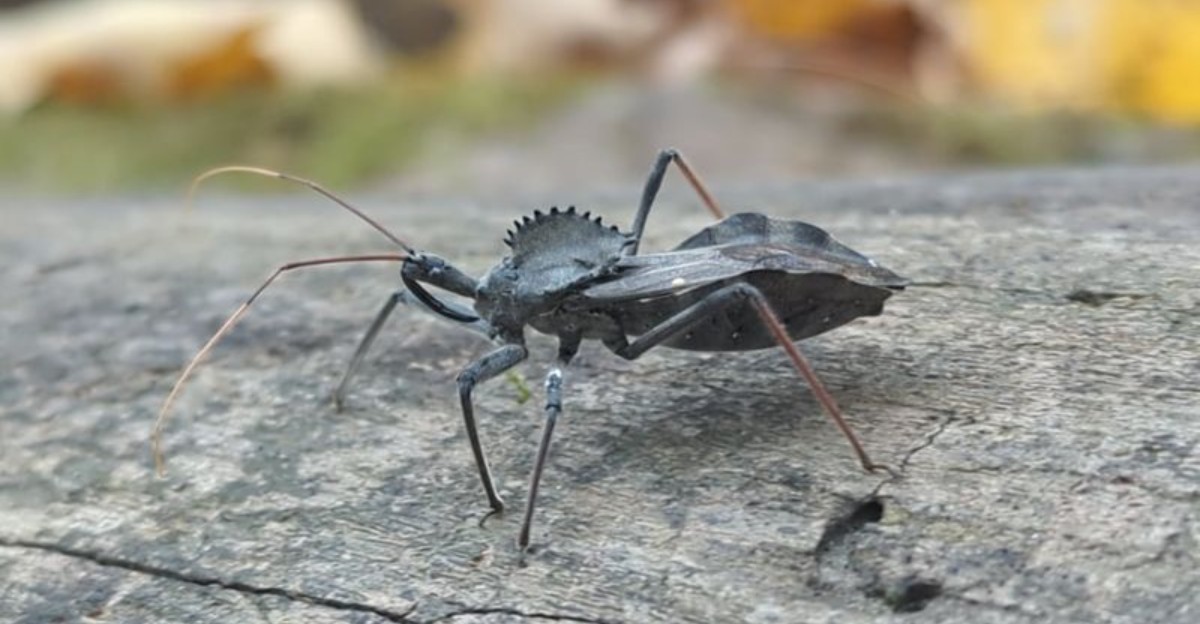
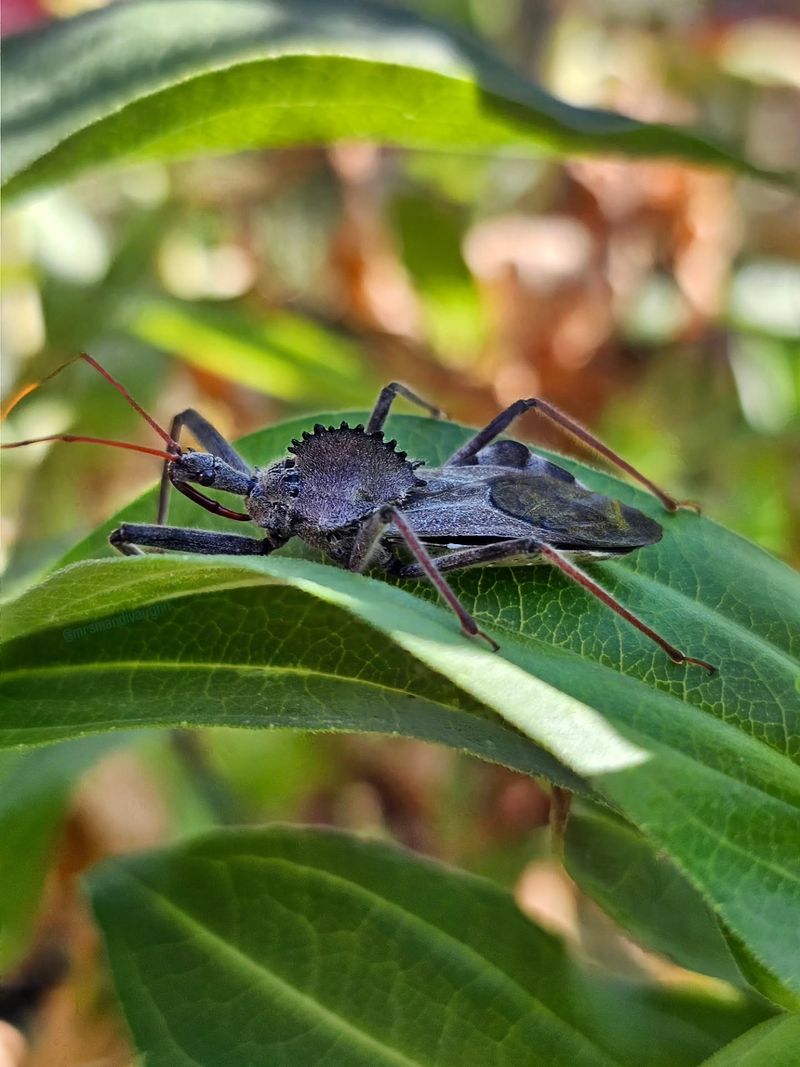
You reach for the last ripe tomato of the season, and something gray, spiky, and strangely armored stares back at you. It looks like a tiny dinosaur wearing a saw blade on its back.
Before you reach for the bug spray, take a breath and a closer look. That odd creature might be one of the best helpers in your garden.
It quietly patrols leaves and stems, hunting the very pests that chew holes in your plants. Gardeners across Virginia spot it every year, usually as summer starts to fade.
This bug does come with a few rules worth knowing before you get too friendly. Its looks are wild, its habits are fascinating, and its bite is something you’ll definitely want to skip.
So who is this armored visitor, and why should you let it stay? Your garden’s toughest little bodyguard has quite a story.
It’s Called A Wheel Bug
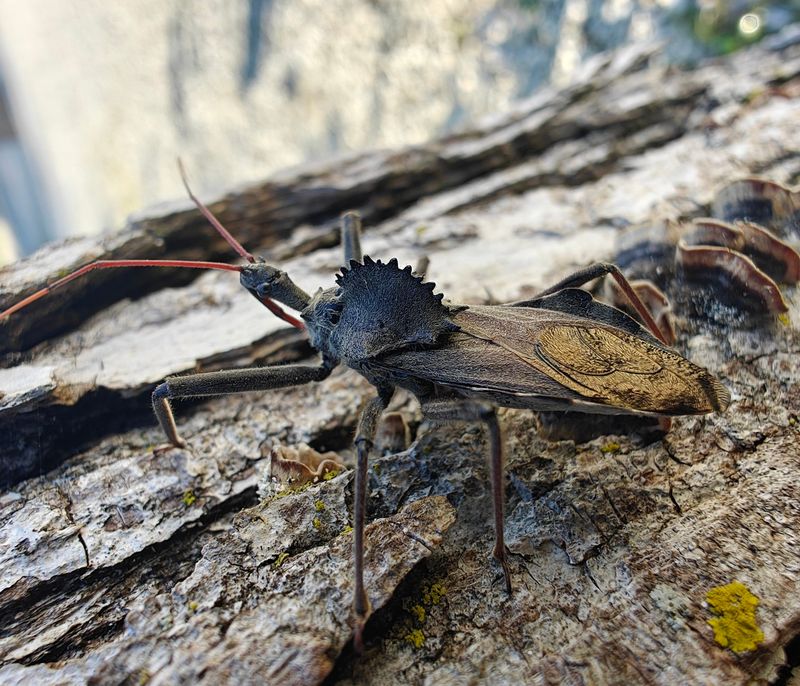
Picture a bug that looks like it rolled straight out of a science fiction movie. Meet the wheel bug, one of the most striking insects in North America.
Scientists call it Arilus cristatus, a name given by Carl Linnaeus back in 1763. People also call it the North American wheel bug, which is a bit easier to say.
Size is a big part of its spooky reputation. Adults can stretch from 1 to 1.5 inches long, which is huge for a bug.
In fact, it ranks among the largest true bugs on the continent. True bugs are a special insect group with mouthparts built for piercing and sucking.
Wheel bugs are common across Virginia and much of the eastern United States. You might find one in a flower bed, on a fence post, or near a porch light.
Many people see one and assume it is dangerous or invasive. Neither guess is quite right, since this insect is a native species that belongs here.
Knowing its name helps you look it up quickly when you spot one. A quick photo and an online search can confirm what you found.
Here is a handy tip for curious gardeners. Snap a picture from a safe distance and share it with your local Virginia Cooperative Extension office.
Extension experts love helping people identify insects. They can also teach you more about which bugs help your garden and which ones harm it.
Once you learn the wheel bug’s name, you will start noticing it more often. Soon, you may even feel glad to see one.
A Spiky “Gear” On Its Back Gives It Away
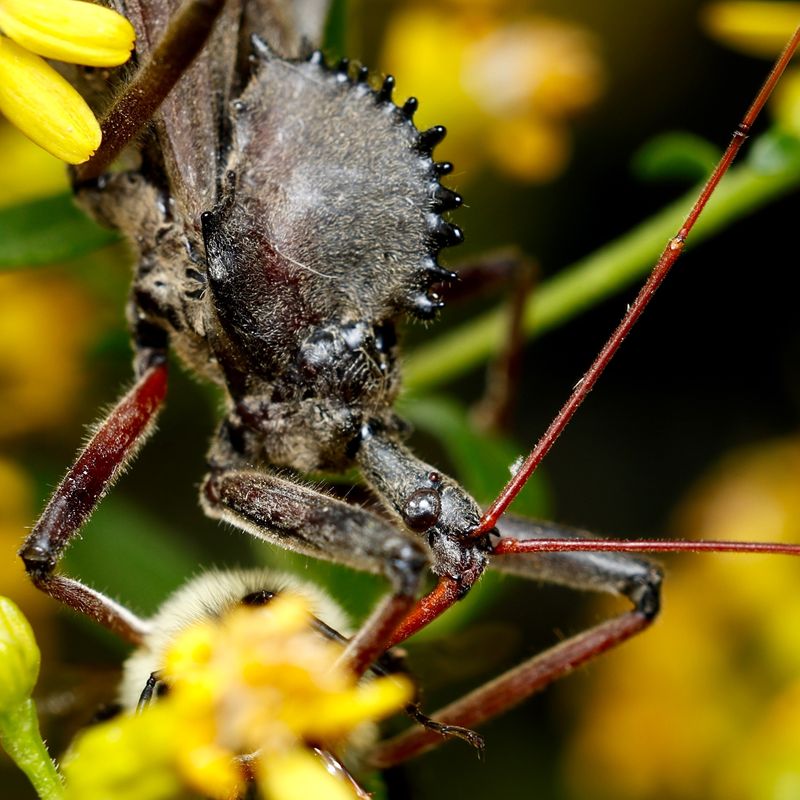
Ever seen a bug wearing a tiny gear like a crown? That strange ridge is the easiest clue for spotting a wheel bug.
Right behind its head sits a curved, toothy crest. It looks like half of a cogwheel from an old clock or bicycle.
Experts call this part a pronotal ridge. No other insect in the United States has anything quite like it, which makes identification simple.
Adult wheel bugs usually look grayish-black or brownish-gray. Their dull coloring helps them blend into tree bark, twigs, and dry plant stems.
Your Virginia Garden Changes Every Week. Your Plan Should Too.
Gardening in Virginia changes quickly throughout the season. Every Friday you’ll receive a simple weekly plan showing exactly what to plant, prune, fertilize, harvest, and protect so you never miss the right timing.
Their long legs and narrow heads add to their odd look. Combined with the gear, they seem almost mechanical, like a little garden robot.
Young wheel bugs are a different story. Called nymphs, they lack the famous crest entirely and can fool even experienced gardeners.
Nymphs often have bright red or orange bellies with dark markings. They also tend to hold their rear ends up in the air as they walk.
Here is a useful trick for spotting them. Check the undersides of leaves and the tips of branches during late spring.
If you see a small, long-legged bug with a reddish rear, it may be a baby wheel bug. Watch it for a while instead of squishing it.
Over several weeks, that little nymph will grow and change. Eventually, its signature gear will appear, and you will know exactly who has been visiting.
It’s A Type Of Assassin Bug
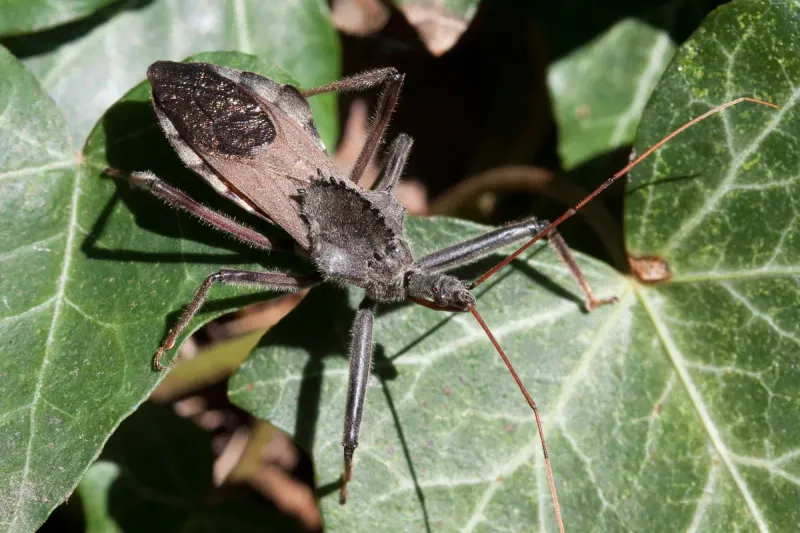
Some bugs nibble leaves, and others sip nectar. The wheel bug belongs to a group with a much more dramatic job title.
It is part of the family Reduviidae, better known as assassin bugs. The name sounds fierce, and honestly, it fits their hunting style well.
Every member of this family is a predator. Instead of eating plants, they hunt other insects for their meals.
Assassin bugs come in many shapes, sizes, and colors. Some are tiny and slim, while the wheel bug is one of the biggest in the bunch.
Think of them as the lions of the insect world. They sit near the top of the bug food chain, keeping other populations in check.
Most assassin bugs move slowly and patiently. They creep toward their target, then strike quickly with a sharp, beak-like mouthpart.
Here is a fun fact to share at dinner. Some assassin bugs disguise themselves with dirt or debris to sneak up on prey.
Wheel bugs do not usually bother with disguises, though. Their gray coloring already helps them hide in plain sight on trees and shrubs.
Learning about this family can change how you see your yard. Many bugs that look tough are actually working hard to protect your plants.
So next time you see a slow, stalking insect with a pointy beak, pause. You may be watching a skilled garden hunter on patrol.
It Hunts Caterpillars, Beetles, And Stink Bugs
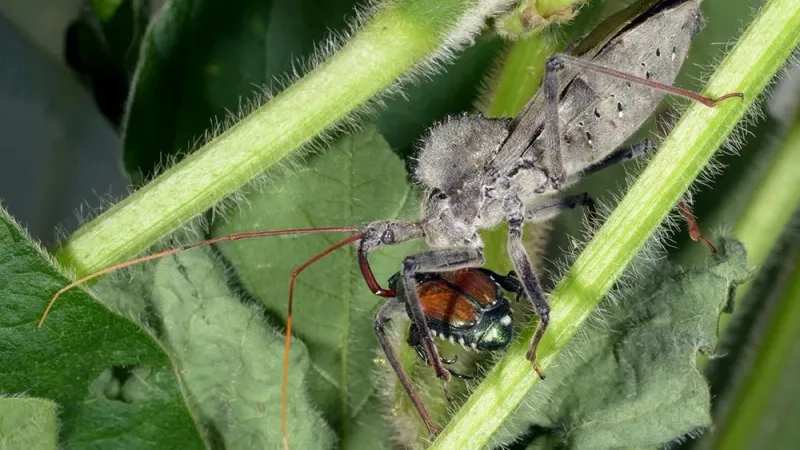
Japanese beetles chewing your roses? Stink bugs crawling over your tomatoes?
A wheel bug would happily take those pests off your hands.
Its menu is long and impressive. Caterpillars like cabbage worms and tent caterpillars are favorite targets for this hungry hunter.
Beetles are on the list too. Wheel bugs go after Japanese beetles and Mexican bean beetles, two common troublemakers in Virginia gardens.
They also eat aphids, leaf miners, and sawfly larvae. Each of these pests can damage leaves, fruit, and flowers if left alone.
Here is the real headline. Wheel bugs are among the few insects known to eat the invasive brown marmorated stink bug.
That matters a lot in Virginia, where stink bugs invade homes and harm crops. Very few native predators will touch them.
Hunting works like this. The wheel bug stabs its prey with a strong beak and injects saliva filled with digestive enzymes.
Those enzymes turn the insect’s insides into liquid. The wheel bug then sips up the meal like a smoothie through a straw.
Even tiny nymphs help out by eating aphids and other soft insects. Yes, they sometimes grab a ladybug or honey bee too.
Still, the good they do far outweighs those occasional snacks. Most gardeners happily accept the trade for fewer chewed-up plants.
It’s A Natural Pest Control Helper
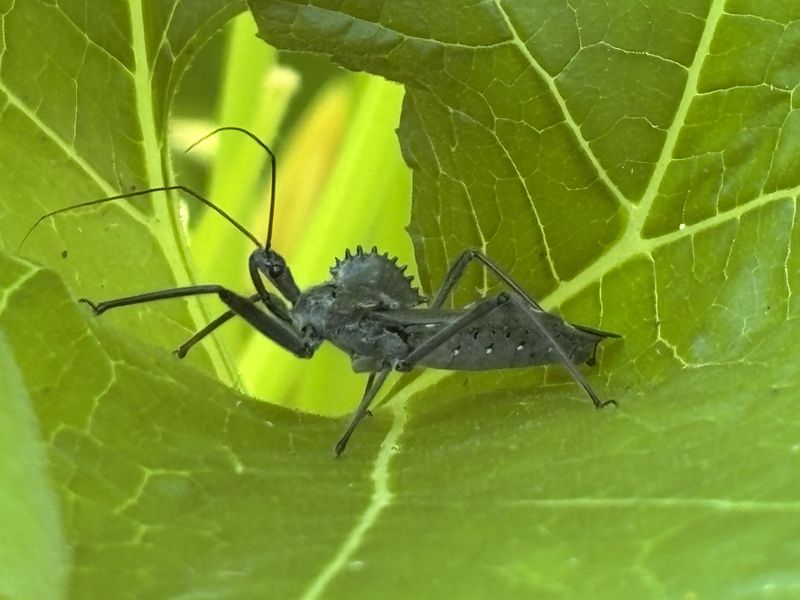
Imagine hiring a pest control crew that works for free, all day long. Wheel bugs do exactly that in gardens and forests.
Organic gardeners prize them as helpful insects. Their constant hunting keeps many pest populations from growing out of control.
Best of all, wheel bugs do not eat plants. Your lettuce, peppers, and flowers stay safe from their beaks.
Their presence can also tell you something nice about your yard. Seeing wheel bugs often means your garden is healthy and mostly free of harsh chemicals.
Broad-spectrum sprays harm good bugs along with bad ones. When predators disappear, pests often bounce back faster than before.
Here is a practical tip. Try hand-picking pests or using targeted treatments before reaching for strong insecticides.
Planting a mix of flowers, shrubs, and herbs helps too. Diverse plants attract many insects, giving predators like wheel bugs plenty to eat.
Leaving a little leaf litter and a few woody stems also helps. These spots give beneficial insects shelter through the seasons.
Many gardeners notice fewer caterpillar problems once predators settle in. Nature tends to find its own balance when we give it a chance.
So think of the wheel bug as a teammate. You plant and water, and it handles some of the security work around the beds.
It’s Most Noticeable In Late Summer And Fall
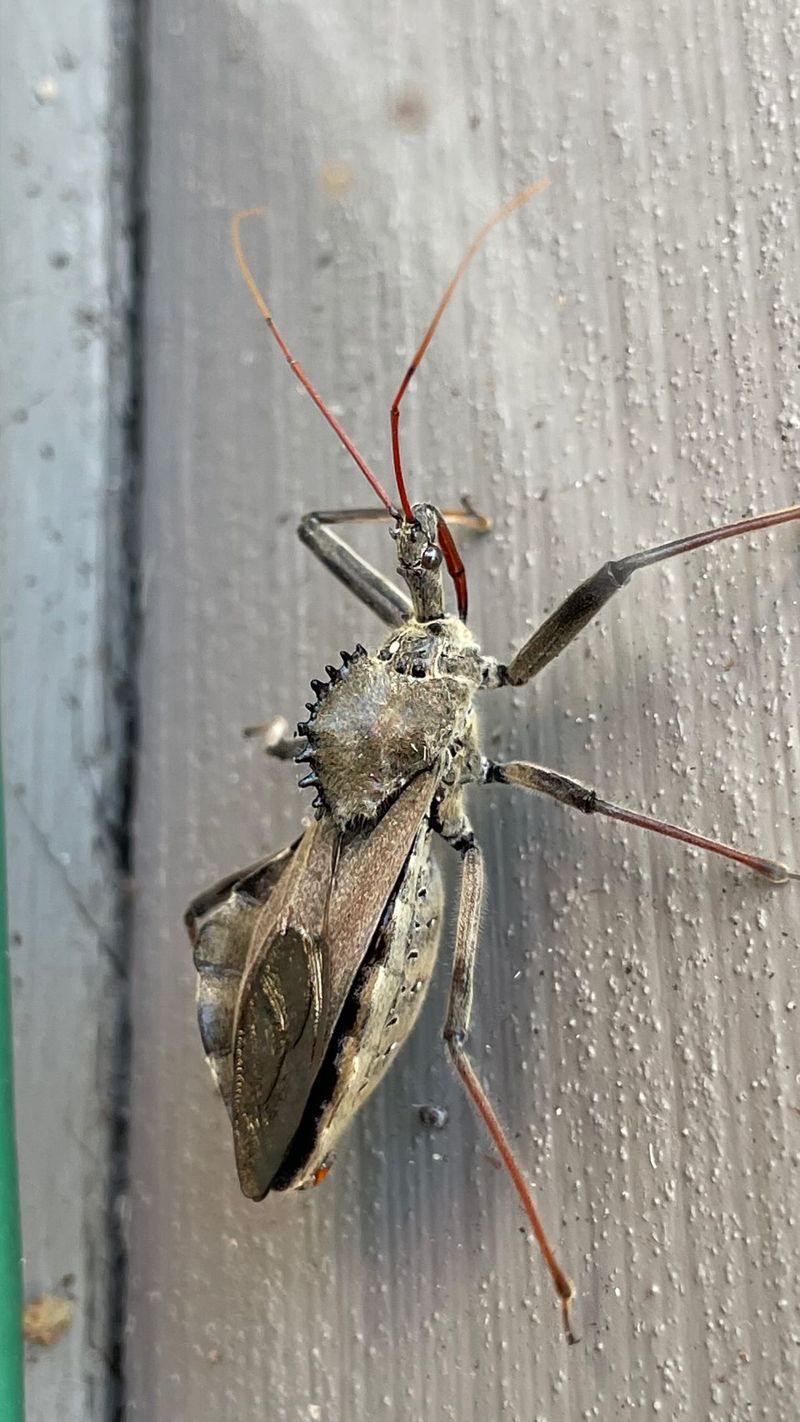
As summer heat fades and the first leaves turn gold, wheel bugs seem to show up everywhere. There is a good reason for that timing.
These insects have just one generation per year. Their life cycle follows the seasons closely, from egg to adult.
It all begins in late autumn. Females lay clusters of barrel-shaped eggs on twigs and branches.
The egg clusters look a bit like tiny honeycombs. They often contain dozens of eggs packed neatly together.
Those eggs rest through the cold winter months. Then in May and June, the nymphs hatch and start hunting right away.
Throughout summer, the nymphs molt several times. With each molt, they grow larger and look more like their parents.
By late summer and early fall, they reach full adult size. That is when most people spot them on porches, fences, and gardens.
Once cold weather arrives, the adults reach the end of their natural lifespan. Only the eggs carry the next generation into spring.
Here is a helpful tip for winter pruning. Look closely for those honeycomb-like clusters on twigs before you snip.
If you find one, consider leaving that branch alone. You will be saving a whole crew of future pest hunters for next year.
Its Bite Is Extremely Painful
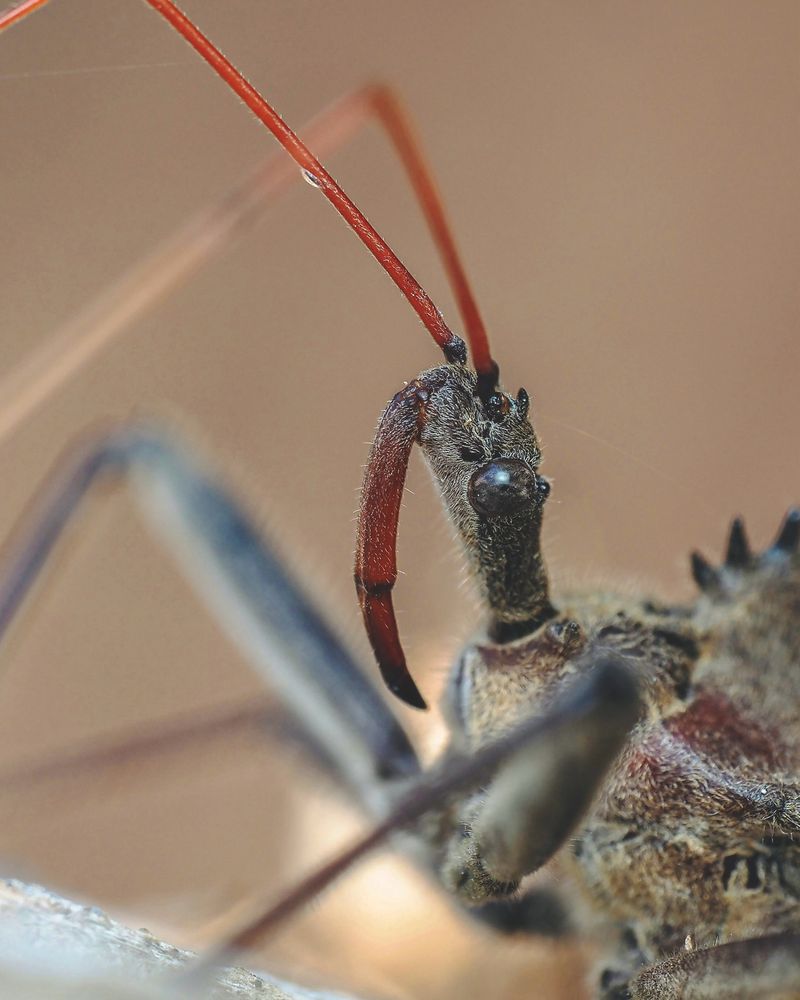
Ask anyone who has been bitten by a wheel bug, and you will likely see them wince. Many say it hurts more than a wasp or hornet sting.
Thankfully, wheel bugs are not aggressive. They bite mainly when someone grabs, pinches, or presses against them.
The pain usually starts sharp and burning. It can stick around for several hours, and sometimes for days.
After the first sting fades, some people feel numbness. Others notice a dull, throbbing ache that lingers for a while.
Why does it hurt so much? The bug injects the same digestive enzymes it uses on prey.
That saliva works as a kind of venom, but for most people it causes pain rather than real danger. Still, they irritate skin and tissue enough to make the experience memorable.
For most people, the bite is not considered dangerous in the short term. It is simply very uncomfortable and slow to calm down.
If you get bitten, wash the area with soap and water. A cold pack can help ease swelling and soreness.
Watch the spot over the next few days. If redness spreads or you notice signs of an allergic reaction, contact a doctor.
The best plan, of course, is avoiding a bite altogether. Respecting this bug’s space keeps both of you happy.
Never Handle It With Bare Hands
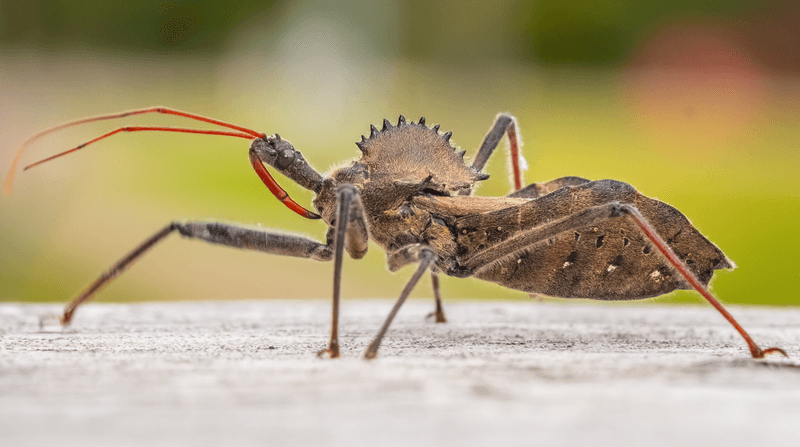
Curiosity is great, but bare fingers and wheel bugs do not mix. A gentle approach and the right tools make all the difference.
Wheel bugs are usually calm and slow-moving. Even so, they will defend themselves quickly if they feel trapped or threatened.
Kids often want to pick up interesting bugs. Teach them to look closely with their eyes, not their hands.
If one lands somewhere inconvenient, put on thick gardening gloves first. Leather or heavy fabric gloves offer the best protection.
Sometimes a wheel bug wanders indoors, especially during fall. Slide a sheet of paper or cardboard under it slowly.
A clear cup works well too. Place it over the bug, slip paper underneath, and carry it outside.
Release it near shrubs or trees, away from doors and walkways. It will happily get back to hunting.
Avoid swatting, slapping, or crushing a wheel bug. Sudden pressure makes a defensive bite far more likely.
Be careful when grabbing tools, laundry, or patio cushions outdoors. Wheel bugs sometimes rest in these spots during warm afternoons.
A quick glance before reaching saves you from an unpleasant surprise. Small habits like that keep gardening fun and pain-free.
Leave It Be, And Let It Work
Sometimes the smartest gardening move is doing nothing at all. When you spot a wheel bug, simply let it carry on.
These insects are valuable allies for any gardener. Recognizing them is the first step toward protecting them.
Each wheel bug in your Virginia garden adds to a balanced, healthy ecosystem. Predators and pests keep each other in check naturally.
By eating harmful insects, wheel bugs cut down on chemical sprays. That saves money and protects bees, birds, and pets.
Here is something many people overlook. If you wipe out all the pests with chemicals, wheel bugs lose their food.
Hungry predators then move elsewhere to find meals. When pests return, your helpful hunters may be gone.
Instead, aim for balance rather than a spotless garden. A few chewed leaves can mean your natural helpers have plenty to do.
Share what you know with neighbors and family. Many Virginians still think this bug is a threat worth squashing.
A little knowledge can turn fear into appreciation. Soon your whole street might welcome these armored hunters.
So next time that spiky gray bug catches your eye, smile and step back. Your garden has a guardian, and it is hard at work.