8 Statement Houseplants With Large And Showy Leaves Perfect For Florida Homes
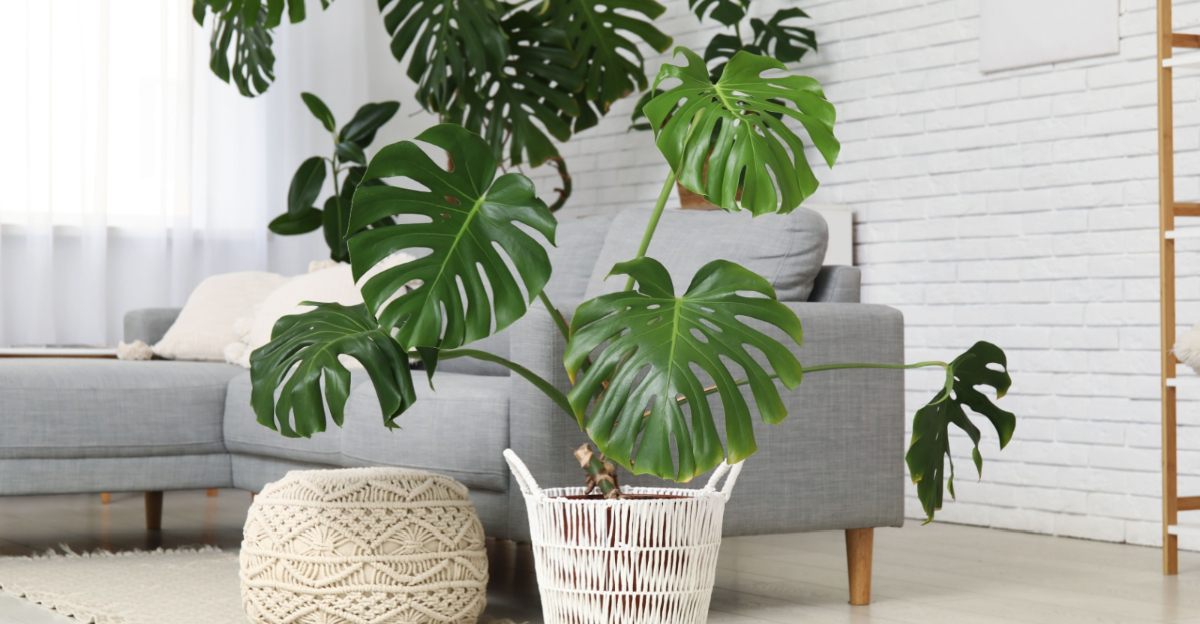
Big leaves change everything. One bold plant can turn a plain Florida room into a lush retreat that feels alive, dramatic, and unforgettable.
Large, showy foliage does more than fill empty corners. It creates movement, texture, and a sense of tropical escape that fits perfectly with Florida light and warmth.
The right statement plant becomes the focal point guests notice first and the detail you admire every single day. Size matters, but shape, color, and presence matter even more.
Some plants bring glossy elegance. Others deliver wild jungle energy.
A few offer architectural lines that feel modern and refined. Florida homes provide bright sun, high humidity, and long growing seasons, which makes them ideal for bold foliage choices that thrive indoors.
Ready to transform your space with greenery that commands attention? These stunning houseplants bring oversized beauty and serious impact to any Florida home.
1. Tropical Drama Starts With Monstera
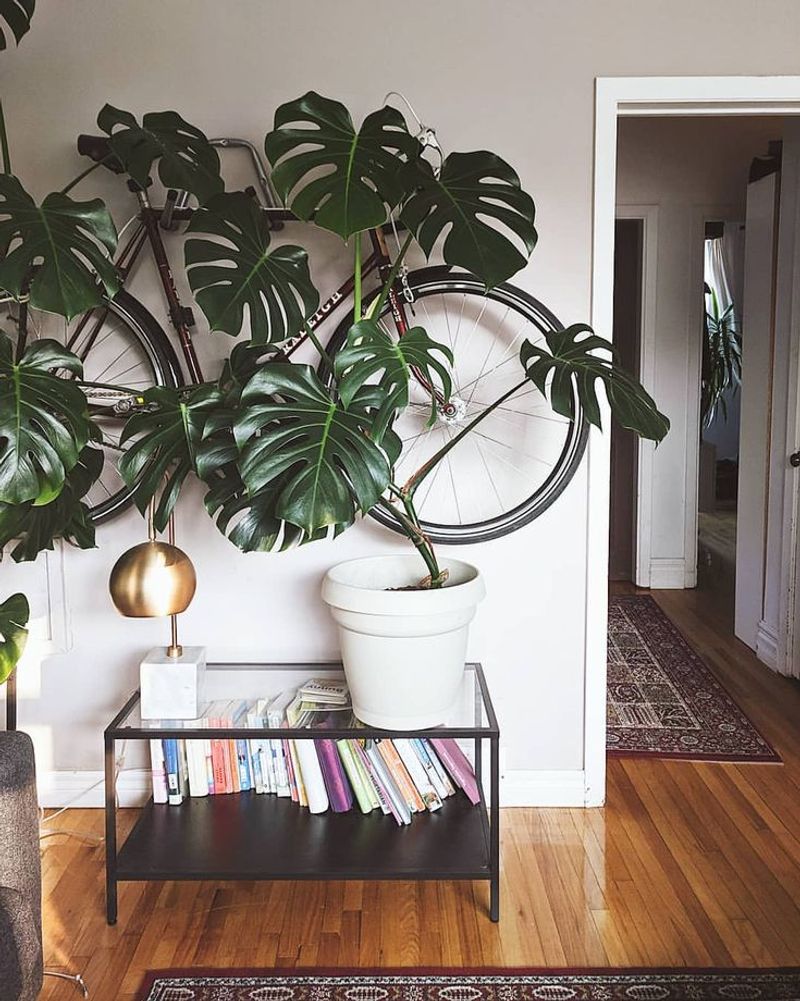
Few houseplants capture attention quite like Monstera deliciosa, with its iconic split leaves that seem to grow more dramatic with every new unfurling. Those signature holes and cuts, called fenestrations, develop as the plant matures, creating a living sculpture that adds instant jungle vibes to any Florida home.
Each leaf can span two feet or more, making this plant a true showstopper.
Florida’s naturally warm indoor temperatures suit Monstera perfectly. It thrives in bright, indirect light near east or west-facing windows and appreciates the ambient humidity most Florida homes already offer.
Water when the top two inches of soil feel dry, usually once a week during warmer months.
Support becomes important as Monstera grows taller. Adding a moss pole or trellis encourages upward growth and larger leaves.
Keep foliage dust-free by gently wiping leaves with a damp cloth every few weeks, which also helps the plant photosynthesize more efficiently.
Watch for yellowing lower leaves, which often signals overwatering. Monstera tolerates occasional neglect better than constant fussing.
With minimal effort, this classic tropical beauty will reward you with bold, architectural foliage that transforms any corner into a lush focal point.
2. Fiddle Leaf Fig Brings Instant Impact
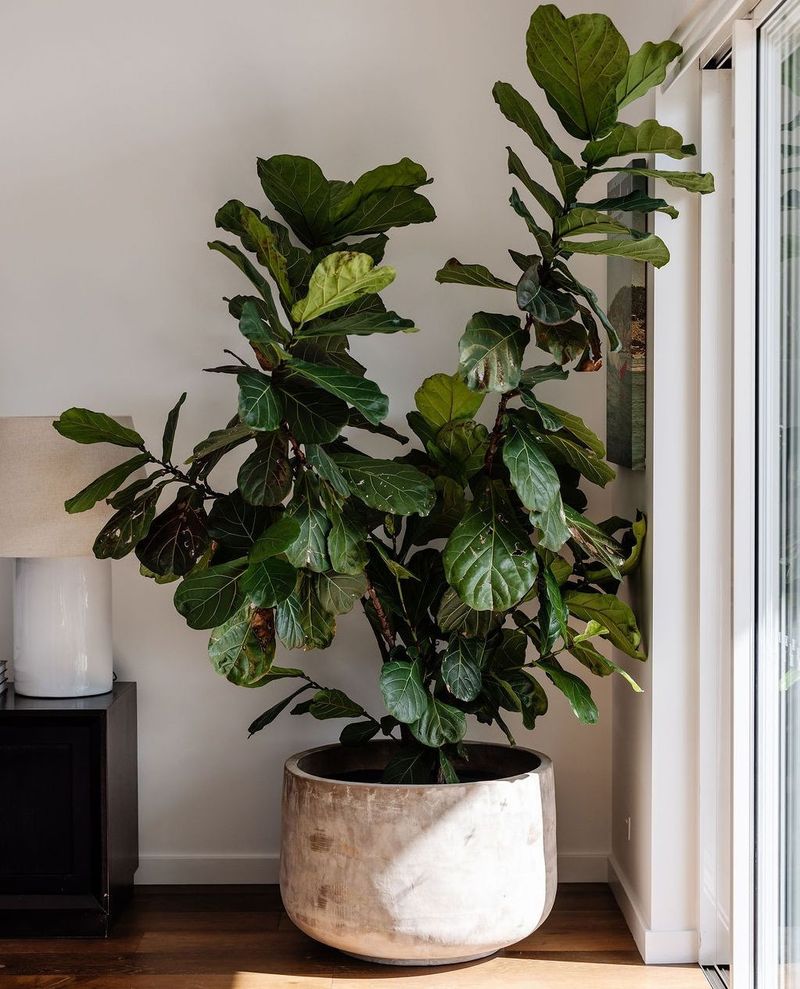
Walk into any design magazine-worthy space and you’ll likely spot a Fiddle Leaf Fig commanding attention with its oversized, violin-shaped leaves. Ficus lyrata has become the poster child for statement houseplants, and for good reason; those broad, veined leaves create an elegant, sculptural presence that anchors a room beautifully.
In Florida homes, where natural light is abundant, this plant can truly shine.
Bright, filtered light works best for Fiddle Leaf Figs. Position yours near a large window with sheer curtains, rotating the pot a quarter turn weekly to encourage even growth.
These plants prefer consistent watering schedules – let the top inch of soil dry between waterings, then water thoroughly until it drains.
Florida’s humidity helps, but Fiddle Leaf Figs can be particular about sudden changes. Avoid moving your plant frequently or placing it near air conditioning vents.
Brown spots on leaves often indicate watering issues, either too much or too little.
Wipe leaves monthly to remove dust and keep them glossy. With patience and consistency, your Fiddle Leaf Fig will develop into a stunning vertical accent that brings sophisticated tropical elegance to your Florida living space year after year.
3. Bird Of Paradise Creates A Bold Tropical Statement
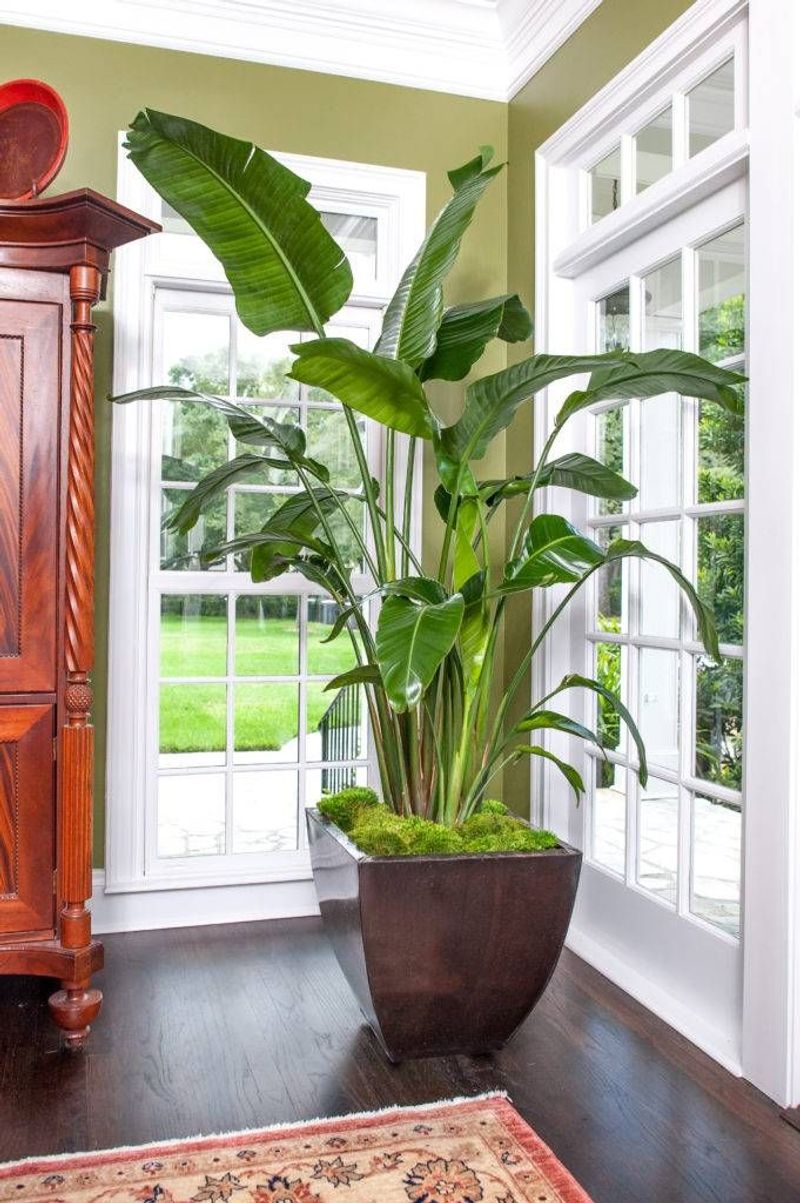
Strelitzia reginae brings the feeling of a tropical resort right into your Florida home with its massive, paddle-shaped leaves that reach skyward like natural sculptures. This plant doesn’t just fill space – it transforms it, creating layers of lush greenery that make rooms feel larger and more alive.
The leaves can stretch several feet long, creating a dramatic backdrop for any interior style.
Bird of Paradise loves Florida’s bright conditions. Place it where it receives several hours of direct morning sun or very bright indirect light throughout the day.
This sun-lover actually needs strong light to thrive and develop those characteristically large leaves that make it so impressive.
Water generously during growing season when the top inch of soil dries out, usually every five to seven days in warm months. Bird of Paradise appreciates Florida’s natural humidity but isn’t overly fussy.
It tolerates some dryness better than soggy soil.
These plants grow large, so give yours plenty of room to spread. Remove older outer leaves that yellow naturally as the plant matures.
With adequate light and space, Bird of Paradise develops into a magnificent tropical specimen that brings vacation vibes to your everyday living areas.
4. Alocasia Regal Shields Adds Dark Leaf Drama
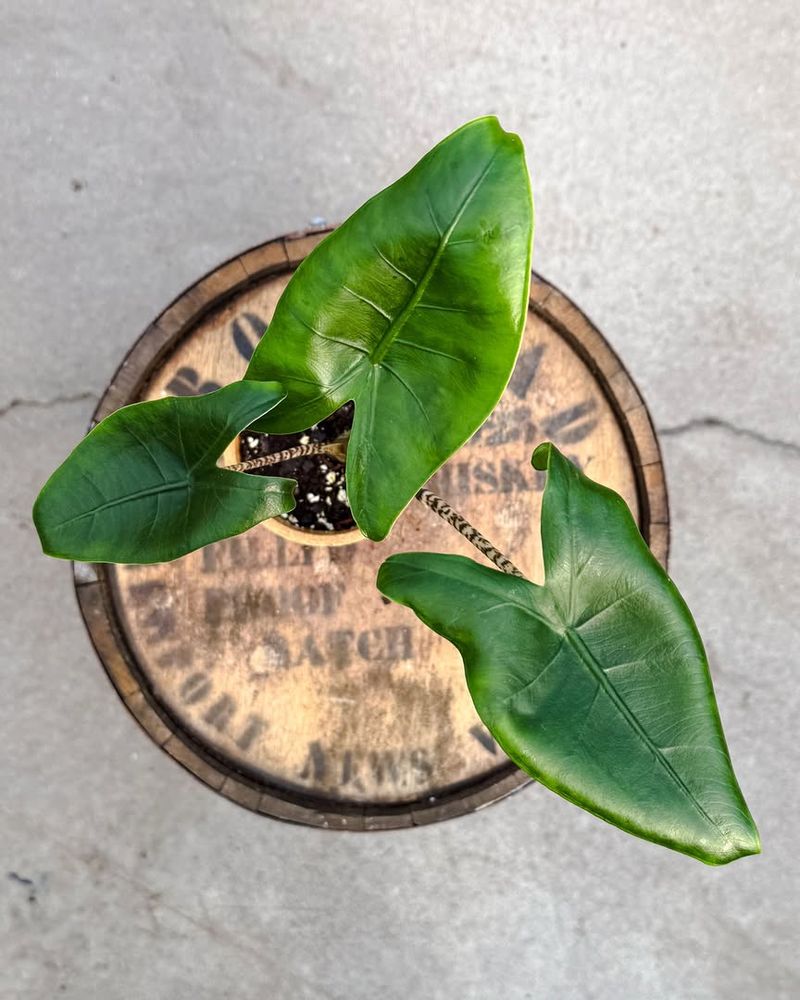
When you want foliage that makes a moody, sophisticated statement, Alocasia Regal Shields delivers with its enormous, shield-shaped leaves in deep green tones accented by contrasting veins. This hybrid variety produces some of the largest leaves in the Alocasia family, each one emerging like a work of art with a slightly glossy finish that catches light beautifully.
The dramatic coloring adds depth to bright Florida interiors.
Bright, indirect light keeps this Alocasia happy without scorching those magnificent leaves. East-facing windows work wonderfully in Florida homes, providing gentle morning sun and bright conditions the rest of the day.
These plants adore humidity, which Florida naturally provides, though they appreciate being away from direct air conditioning.
Keep soil consistently moist but never waterlogged. Alocasias prefer regular watering, usually twice weekly during warm months, but always check soil moisture first.
Yellow leaves often mean too much water, while brown edges suggest the plant needs more humidity or less direct light.
Regal Shields can go dormant during cooler months, even in Florida. Don’t panic if growth slows or a leaf yellows in winter.
Reduce watering slightly and wait for spring’s warmth to trigger fresh growth. This stunning plant rewards attentive care with bold, oversized foliage.
5. Philodendron Selloum Fills A Room With Jungle Energy
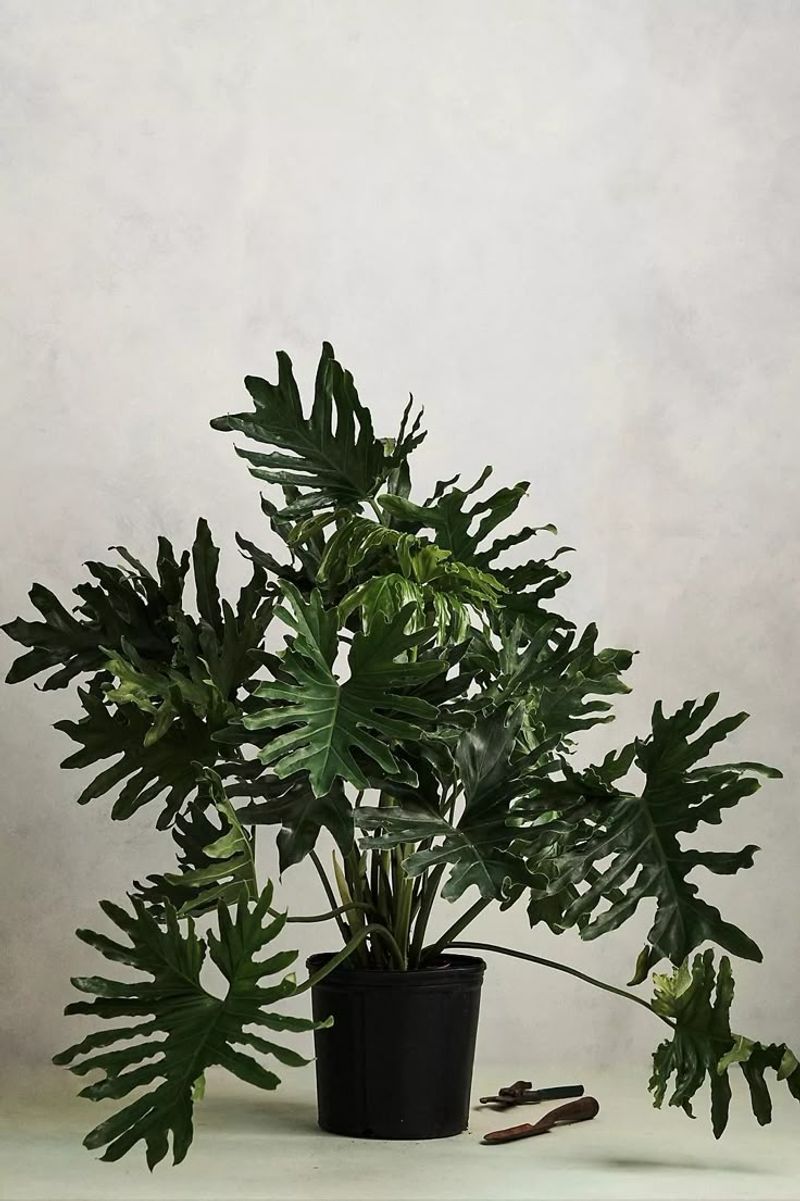
Philodendron bipinnatifidum, commonly called Selloum or Tree Philodendron, grows with an exuberant energy that fills corners and empty spaces with lush, deeply lobed foliage. Each leaf unfurls with dramatic cuts and curves, creating a layered, tropical canopy that can span several feet wide.
This plant grows outward rather than climbing, making it perfect for filling floor space in Florida great rooms or sunrooms.
Medium to bright indirect light suits Selloum beautifully. It adapts well to various light conditions but produces larger, more dramatic leaves when given ample brightness.
Florida’s natural light levels throughout most of the year keep this plant growing steadily and looking vibrant.
Water when the top two inches of soil feel dry, typically once weekly in summer. Selloum tolerates slight underwatering better than sitting in soggy soil.
Good drainage is essential, so make sure your pot has drainage holes and soil doesn’t stay constantly wet.
This philodendron appreciates occasional feeding during growing season with diluted liquid fertilizer. Wipe leaves down monthly to keep them dust-free and glossy.
As lower leaves age and yellow naturally, simply trim them at the base. With room to spread and basic care, Selloum becomes an impressive tropical centerpiece.
6. Elephant Ear Leaves Command Attention Fast
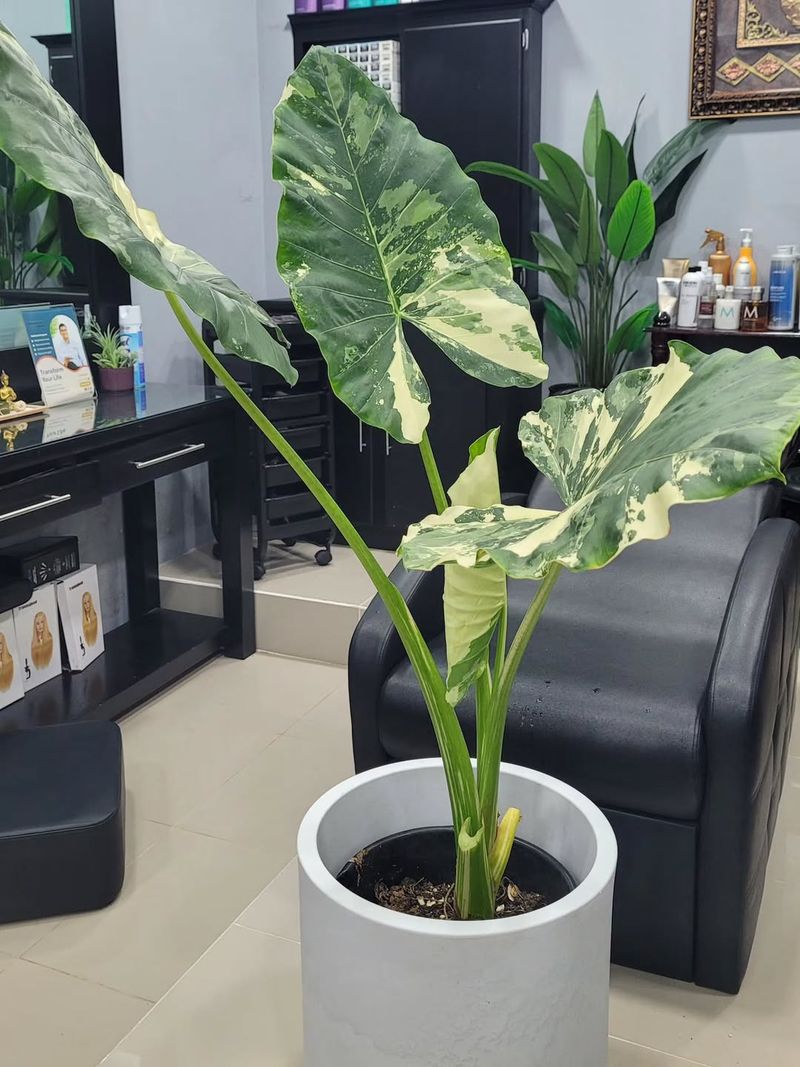
Colocasia and Alocasia varieties commonly called Elephant Ears produce some of the largest, most attention-grabbing foliage you can grow indoors. A single leaf can measure over a foot across, creating an instant tropical statement that stops visitors in their tracks.
These plants grow surprisingly fast in Florida’s warm indoor conditions, quickly developing into impressive specimens that dominate any space they occupy.
Bright, filtered light and consistent moisture keep Elephant Ears thriving indoors. They naturally grow near water in the wild, so they appreciate more frequent watering than many houseplants; sometimes every few days during warm months.
Check soil daily and water when the top inch feels dry.
Florida’s humidity is a major advantage for these moisture-loving plants. They struggle in dry air but flourish in naturally humid environments.
Keep them away from heating or cooling vents that might dry out their massive leaves, which can develop brown edges when air becomes too dry.
These plants grow from bulbs and may slow down or go dormant during cooler months. Reduce watering if growth stops but don’t let soil completely dry out.
When warm weather returns, Elephant Ears will push out fresh leaves and resume their rapid, dramatic growth that makes them such spectacular statement plants.
7. Rubber Plant Delivers Bold Glossy Elegance
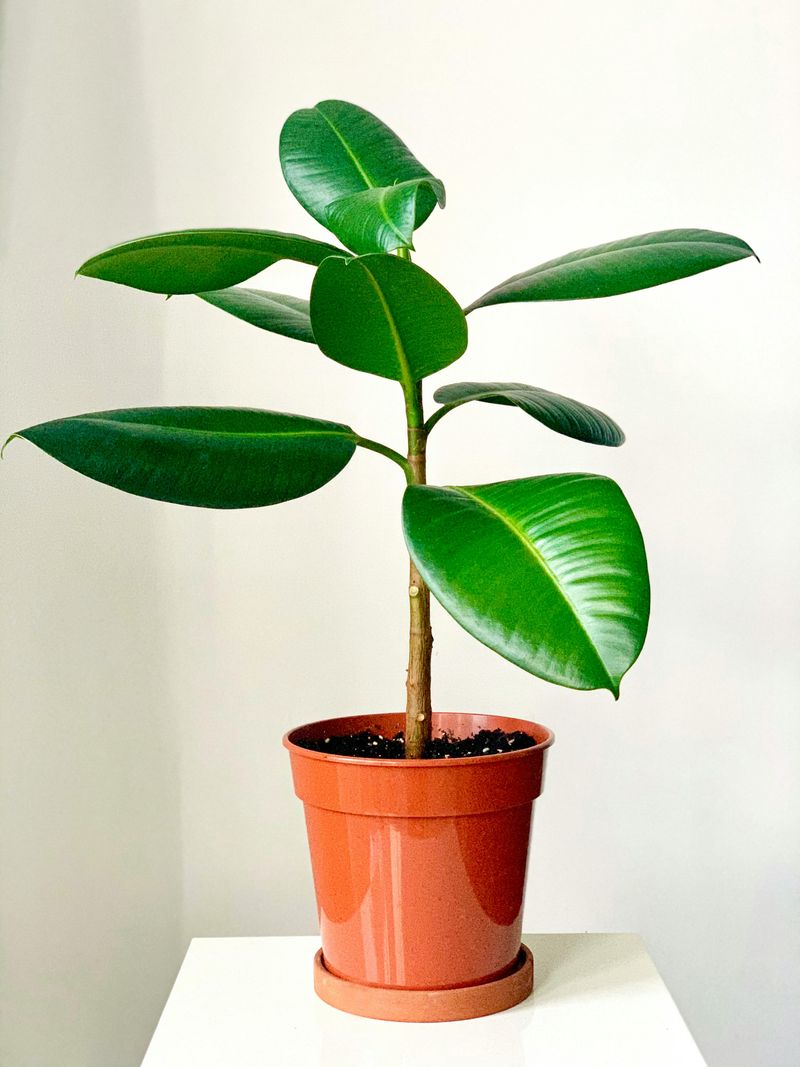
Ficus elastica, the classic Rubber Plant, offers bold simplicity with its large, glossy leaves that reflect light beautifully and create a polished, sophisticated look. Each thick, leathery leaf emerges in a rich green that deepens with maturity, and varieties with burgundy or variegated coloring add even more visual interest.
This plant grows upright, making it perfect for corners and spaces where you want vertical impact without excessive width.
Bright, indirect light brings out the best glossy sheen in Rubber Plant leaves. In Florida homes, placing yours near a bright window without direct afternoon sun works perfectly.
These plants adapt to medium light but grow more slowly and produce smaller leaves in dimmer conditions.
Water when the top two inches of soil dry out, usually weekly during warmer months. Rubber Plants tolerate slight dryness well but dislike sitting in water.
Yellow leaves often signal overwatering, while drooping leaves mean the plant needs a drink.
Keep those gorgeous leaves shiny by wiping them with a damp cloth every couple weeks. This removes dust and helps the plant absorb light more efficiently.
Rubber Plants grow steadily but not aggressively, developing into elegant, tree-like specimens that bring timeless tropical style to Florida interiors without demanding constant attention.
8. Calathea Orbifolia Brings Oversized Pattern And Texture
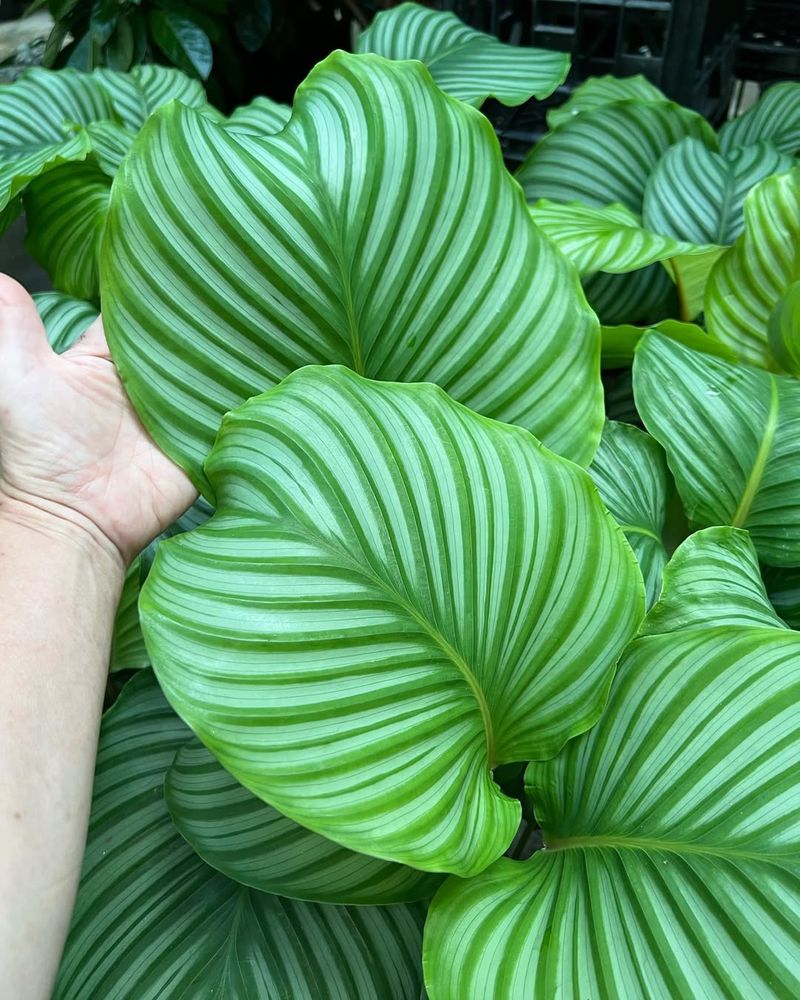
Calathea orbifolia stands out among prayer plants with its exceptionally large, round leaves painted in alternating stripes of silvery-green and deep green. Each leaf can grow nearly a foot across, creating a bold pattern that adds artistic interest without needing flowers.
The foliage has a soft, velvety appearance that invites closer inspection, and the plant’s natural movement – leaves folding slightly at night – adds living charm to Florida homes.
Medium to bright indirect light works best for this Calathea. Too much direct sun fades those beautiful stripes, while too little light slows growth and reduces leaf size.
East or north-facing windows in Florida homes typically provide ideal conditions for keeping this plant looking its best.
Calatheas love humidity and consistent moisture. Water when the top inch of soil feels dry, using filtered or distilled water if your tap water is heavily treated.
Brown leaf edges usually indicate low humidity or mineral buildup from water. Grouping plants together or using a pebble tray can boost humidity around your Calathea.
These plants appreciate warmth and dislike temperature fluctuations. Keep yours away from air conditioning vents.
With attention to moisture and light, Calathea orbifolia rewards you with stunning, oversized foliage that brings pattern, texture, and tropical elegance to any Florida interior.