8 Steps To Get Your Thanksgiving Cactus Blooming Right On Schedule
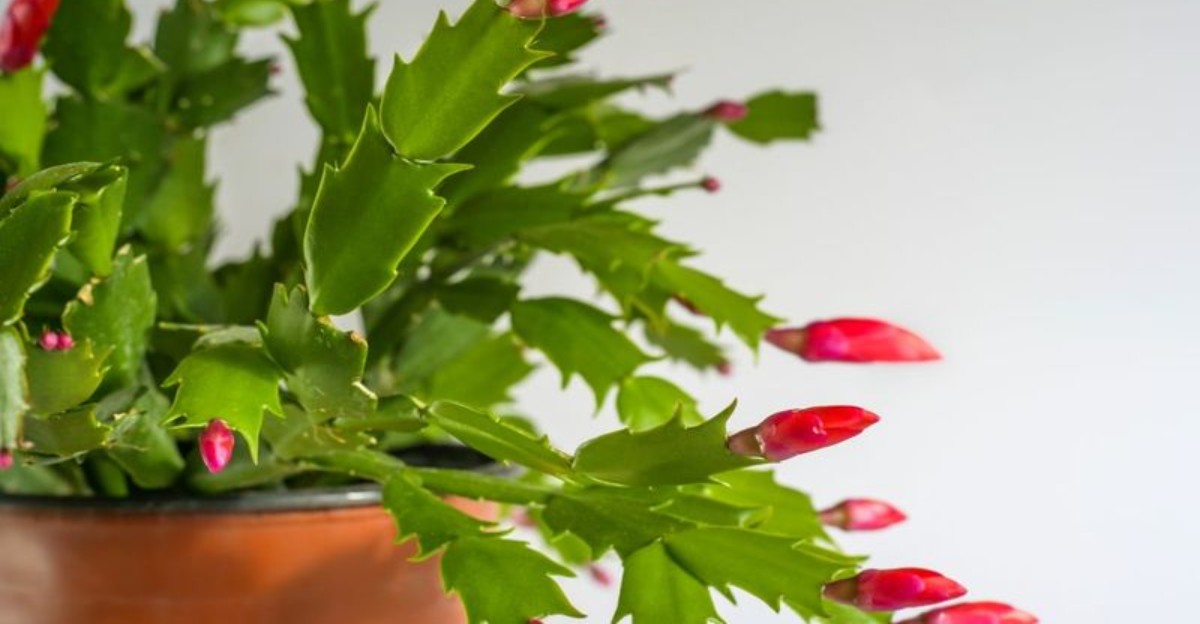
A plant that lives on mossy tree branches in Brazil’s coastal mountains can tell time by counting dark hours. Hummingbirds visit its hanging flowers in the wild, and the blooms open right as the long nights arrive.
Scientists call this habit photoperiodism, and it means the plant reacts to night length more than day length. Cool evenings send a second signal, so a chilly windowsill can matter as much as a dark room.
I skipped both cues one year and got a lovely green plant with no flowers by late November. You build your holiday show weeks ahead, long before anyone starts planning the pie or setting the table.
After I tested a simple dark-closet routine, my plant opened its first pink bud two days before the feast. Want to see what tiny habits made that happen, and which common mistake sends the buds falling off?
1. Check Those Pointed Claws on Every Stem Segment
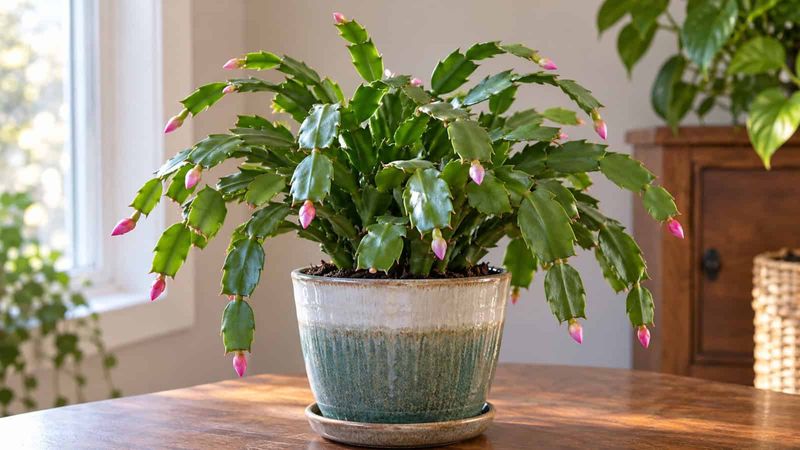
Those tiny pointed teeth along each flat stem segment are your first clue, and they look a bit like crab claws. Thanksgiving cactus, or Schlumbergera truncata, earned the nickname crab cactus because of those sharp little points on every segment.
Christmas cactus, Schlumbergera x buckleyi, has smoother edges with rounded scallops that feel soft when you run a finger along them. Easter cactus belongs to a different group and blooms in spring, with star-shaped flowers and bristly segment tips.
I once bought a plant labeled Christmas cactus at a grocery store, and it bloomed in mid-November anyway. Many stores sell Thanksgiving types under the Christmas name, since they flower earlier and look great on shelves.
Thanksgiving blooms often have yellow pollen, while Christmas cactus flowers usually show pink or purplish pollen at the tips. That pollen trick comes from extension experts, and it helps when the stem shape seems hard to judge.
Knowing your type matters because the schedule changes, and a Christmas cactus started too late may miss Thanksgiving. Thanksgiving cactus usually starts blooming about a month earlier, so its timeline fits the late November holiday better.
Grab your plant today and snap a close photo of one segment for future reference in your notes. You will thank yourself later when friends ask which holiday cactus you own and how you got flowers.
Once the claws confirm your plant, you can plan every step around a mid-November bloom date with confidence. Correct names keep the guesswork low, and they make the rest of this routine much easier to follow.
2. Tuck Your Cactus Into a Dark Closet Every Night
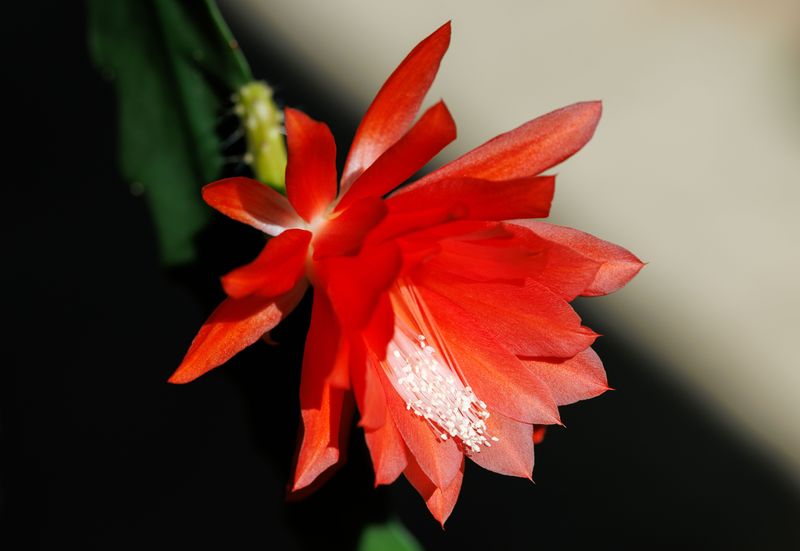
Darkness is the secret ingredient here, and my coat closet has become the most important flower room in the house. Thanksgiving cactus forms buds when nights stretch long, which is why fall triggers the show in nature.
Most extension guides suggest giving the plant 12 to 16 hours of uninterrupted darkness every single night. Start about six to eight weeks before you want flowers, which means late September or early October.
Even a quick flick of a lamp can confuse the plant and push your bloom date later. A porch light shining through a window or a glowing TV may be enough to interrupt the signal.
I move my pot into the closet around six in the evening and bring it back out after breakfast. Setting a phone alarm helps, because forgetting one or two nights can slow the whole process down.
A cardboard box or a heavy dark cloth works nicely if your home lacks an empty closet. Make sure the cover does not crush the stems, since bruised segments can drop off later.
Some growers skip the closet and simply keep the plant in a spare room nobody uses at night. That method works too, as long as no lamps or streetlights reach the leaves after sunset.
Once you see small bumps forming at the stem tips, the dark routine has done its job well. At that point you can relax the schedule, although keeping nights fairly dark still helps the buds develop.
3. Set Your Cactus Near a Bright East Facing Window
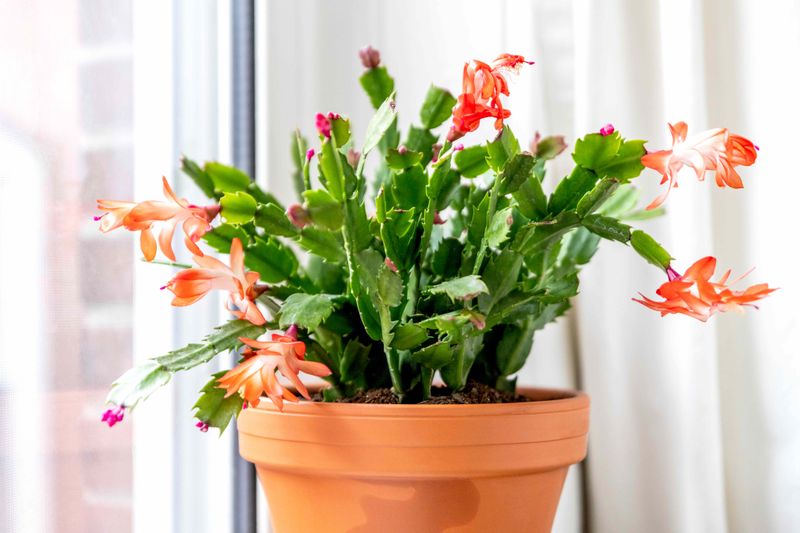
Morning sunshine feels like a warm cup of cocoa for this plant, gentle enough to enjoy without getting burned. Thanksgiving cactus grows under tree canopies in Brazil, so it prefers bright light filtered through leaves and branches.
An east-facing window gives soft morning rays and then shade during the hotter afternoon hours of the day. West or south windows can work too, as long as a sheer curtain softens the strong direct sun.
I learned this the hard way when my cactus turned reddish purple after a summer on a sunny sill. That color shift often signals too much light, and the stems may look stressed or slightly shriveled afterward.
Too little light causes problems as well, because weak plants store less energy for making flowers this fall. Leggy, pale stems usually mean the spot is too dim, so shift the pot closer to a window.
Grow lights help in darker homes, and a simple LED panel can fill the gap during short days. Just switch the light off well before the dark period begins, or the plant may delay budding for weeks.
After buds appear, stop moving the pot around, since sudden changes in light can make buds drop early. I mark the pot with a small sticker so I return it facing the same direction every morning.
Steady light during the day pairs perfectly with darkness at night, giving the plant clear signals to follow. Consider it a simple daily rhythm that your cactus understands far better than any calendar does.
4. Let Cool Fall Nights Chill Your Holiday Cactus
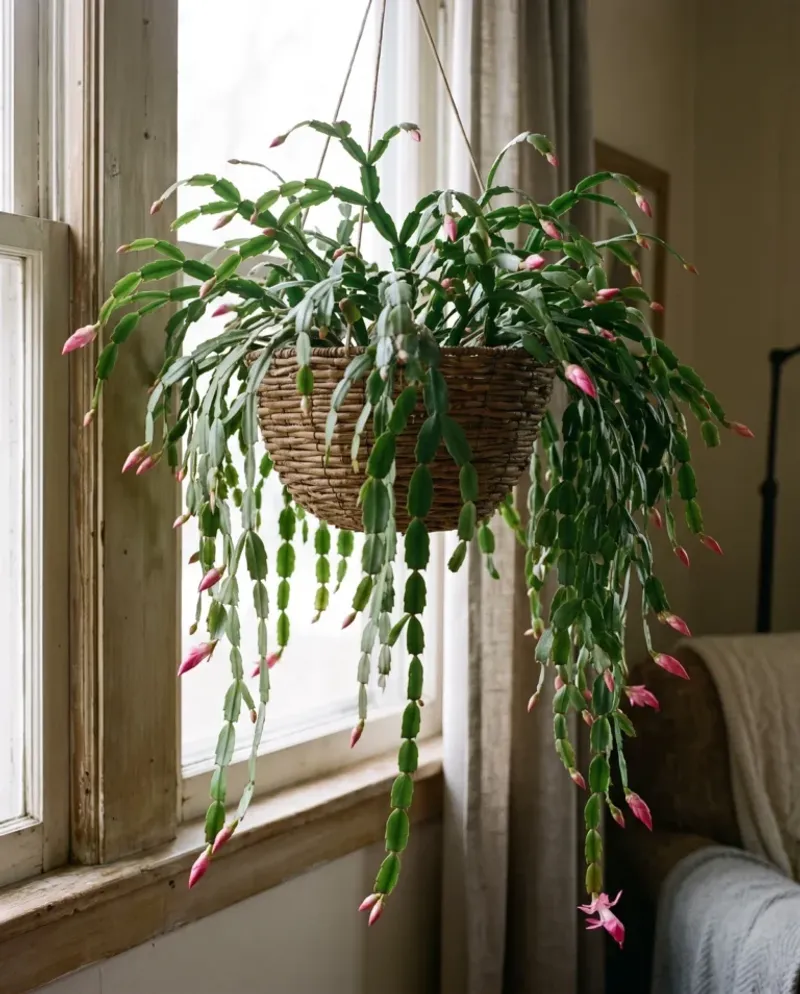
Chilly evenings do more than send us looking for sweaters, because they also nudge this cactus toward flowering. Cool nights between about 50 and 65 degrees Fahrenheit help trigger buds, working alongside the long dark hours.
University extension sources note that temperatures near 50 to 55 degrees can encourage buds even with some light. That means a cool room alone may do much of the work, which feels like a nice shortcut.
Daytime temperatures around 65 to 70 degrees keep the plant comfortable while it builds energy for blooms. I keep mine in a guest bedroom with the heat turned low, and it seems happiest there each fall.
Frost is a real danger, so bring outdoor plants inside before nights drop below roughly 50 degrees. Holiday cacti are tropical plants and cannot handle freezing weather on a porch or patio for long.
Heat vents and radiators cause trouble once the furnace kicks on, drying the plant and stressing tender buds. Cold drafts from doors cause similar problems, so pick a spot away from busy entryways and leaky windows.
A cheap indoor thermometer placed beside the pot shows you exactly what the plant feels overnight. You might be surprised how much cooler a windowsill gets compared to the middle of the room.
If warm weather lingers into early fall, a basement or cool porch room can stand in nicely. Steady coolness for several weeks usually rewards you with plump buds lined up along every stem tip.
5. Water Your Thanksgiving Cactus Gently Before Buds Form
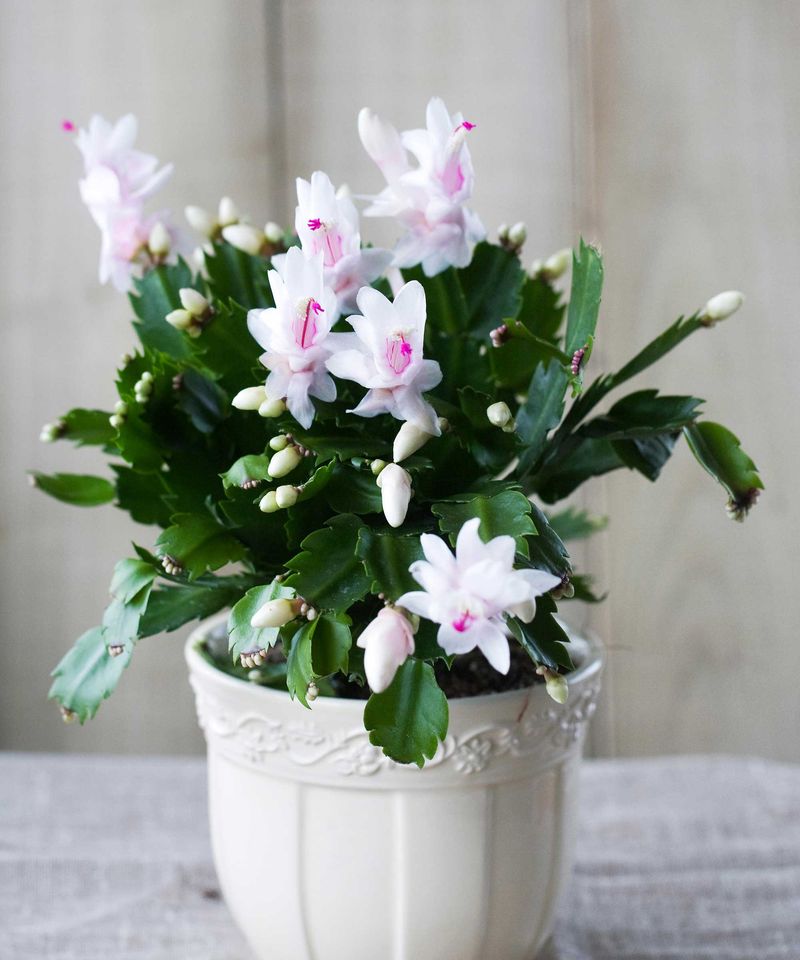
Soggy soil spoils a holiday cactus fast, and I have a few mushy pot memories to prove it. Despite the cactus name, this plant comes from a humid forest and likes more water than desert types.
During spring and summer, water when the top inch of soil feels dry to your fingertip. That often works out to every week or two, depending on your pot size and room temperature.
Once fall arrives and the dark treatment begins, ease back a little and let the soil dry slightly deeper. Many growers find that lighter watering at this stage helps the plant shift its energy toward making buds.
After buds show up, go back to steady moisture, because a parched plant often drops its flowers early. Aim for soil that feels like a wrung-out sponge rather than a puddle sitting in the pot.
I water at the sink and let extra drain for several minutes before returning the pot to its saucer. Standing water in a saucer invites root rot, which shows up as limp stems and a sour smell.
Room temperature water works best, since icy water from the tap can shock the roots on chilly days. A quick finger test before every drink beats any calendar, because home conditions change from week to week.
Getting the watering rhythm right takes a little practice, but your plant shows clear signals along the way. Firm, glossy segments mean you are doing fine, while wrinkled ones suggest the pot needs a deeper drink.
6. Pause the Plant Food Before Flower Buds Appear
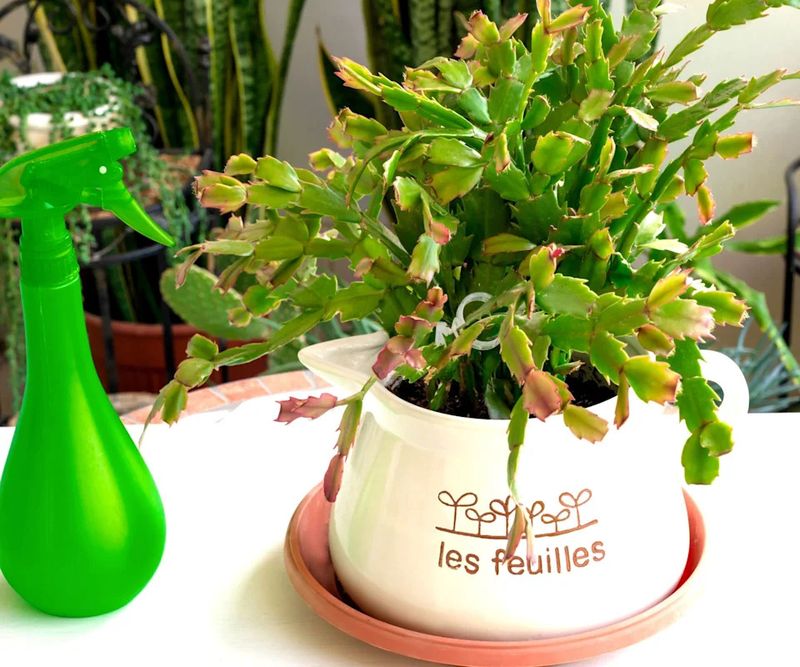
Fertilizer feels like a kind gift, yet too much at the wrong time gives you leaves instead of flowers. Thanksgiving cactus grows best with regular meals in spring and summer, followed by a rest before blooming.
A balanced houseplant fertilizer such as 20-20-20, mixed at half strength, works well about once a month. Some gardeners like African violet food, which suits holiday cacti nicely and is easy to find in stores.
Stop feeding by late summer or early fall, roughly when you start the dark and cool routine. That break tells the plant to quit pushing new stems and start forming buds at the segment tips.
Holiday cacti have a higher need for magnesium than many houseplants, according to some extension guides. A teaspoon of Epsom salts per gallon of water, given monthly in the growing season, can supply it.
Just avoid giving Epsom salts and regular fertilizer during the same week, so the plant gets steady nutrition. I write both dates on a sticky note inside a kitchen cabinet so I can track them easily.
Once buds form, some growers resume a light half-strength feeding to support the blooms through the holidays. Others wait until flowering ends, and both approaches seem to work fine for healthy, well-rooted plants.
Overfeeding can burn roots and leave crusty white salt on the soil surface or around the pot rim. Flushing the pot with plain water every few months clears that buildup and keeps the roots happier overall.
7. Boost Humidity Around Your Budding Holiday Cactus
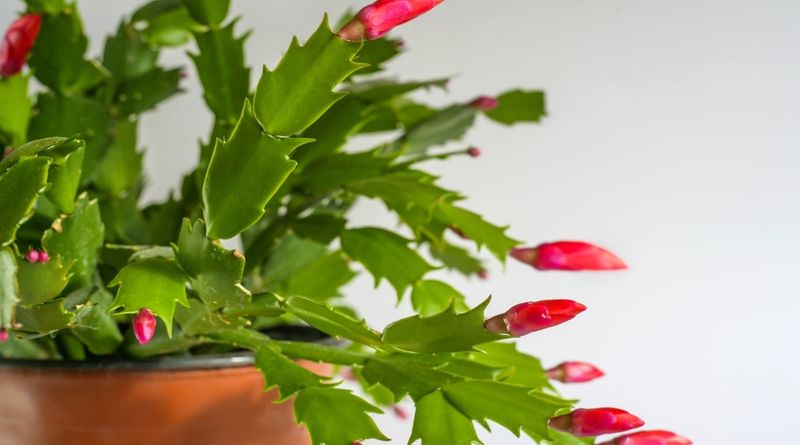
Furnace air can feel like a desert breeze, and tender cactus buds notice the dryness long before you do. These plants come from misty mountain forests, so they enjoy humidity levels somewhere around 40 to 60 percent.
Winter heating often drops indoor humidity well below that range, especially in older homes with drafty windows. Dry air is one common reason buds shrivel and fall off right before they were ready to open.
A pebble tray is my favorite fix, made from a shallow dish filled with gravel and a little water. Set the pot on top so it sits above the water line rather than soaking in it.
Evaporation from the tray adds moisture right around the plant, which helps more than you might expect. Grouping houseplants together raises humidity too, since leaves release moisture into the air around them every day.
A small room humidifier works wonders if your home feels especially dry during the colder months. I run one near my plant shelf, and buds seem to hold on longer since I started.
Misting helps a little, though the effect fades quickly, so treat it as a bonus rather than a solution. Mist in the morning so the stems dry by evening, which reduces the chance of fungal spots.
A cheap digital hygrometer shows the humidity level at a glance, removing the guesswork from the routine. Pair it with your thermometer, and you will know exactly how comfortable your cactus feels each day.
8. Pick a Snug Pot With Fast Draining Cactus Mix
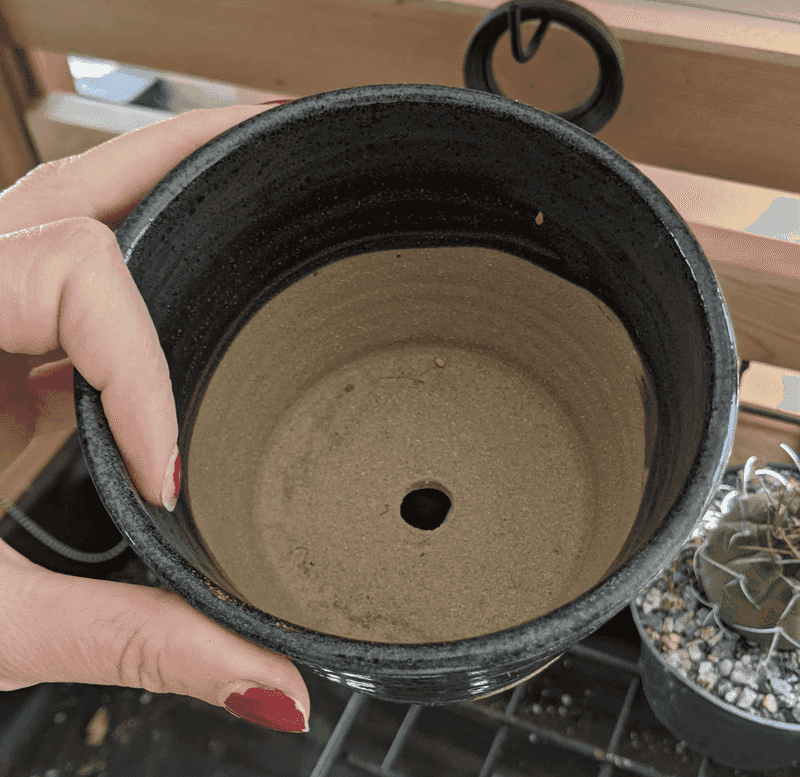
Crowded roots sound like a problem, yet this cactus seems to bloom best when its pot feels a bit snug. In the wild, Thanksgiving cactus clings to tree branches and rocks, with roots tucked into small pockets of debris.
That epiphytic lifestyle means the roots crave air, so heavy garden soil holds far too much water for them. A cactus or succulent mix works well, especially when you add extra perlite for better airflow and drainage.
I stir in a handful of orchid bark too, which reminds the roots of their treetop home. Whatever mix you choose, make sure the pot has drainage holes, because trapped water leads to root rot.
Repotting every two to three years is usually plenty, and spring after flowering is the best time for it. Moving the plant to a new pot in fall can disturb roots and cause buds to drop before Thanksgiving.
Choose a container just one size larger, since a huge pot holds extra soil that stays wet too long. Terra cotta dries faster than plastic, which helps if you tend to water a little more than needed.
Pinching back stem tips in late spring or early summer encourages branching, which means more tips for flowers. You can root those trimmed segments in damp mix and share new plants with friends next year.
Healthy roots in the right pot support every other step, from dark nights to steady watering habits. Get the foundation right, and your plant has a strong chance of blooming right on schedule every fall.