8 Steps To Save Frost-Damaged Citrus Trees In Florida This February
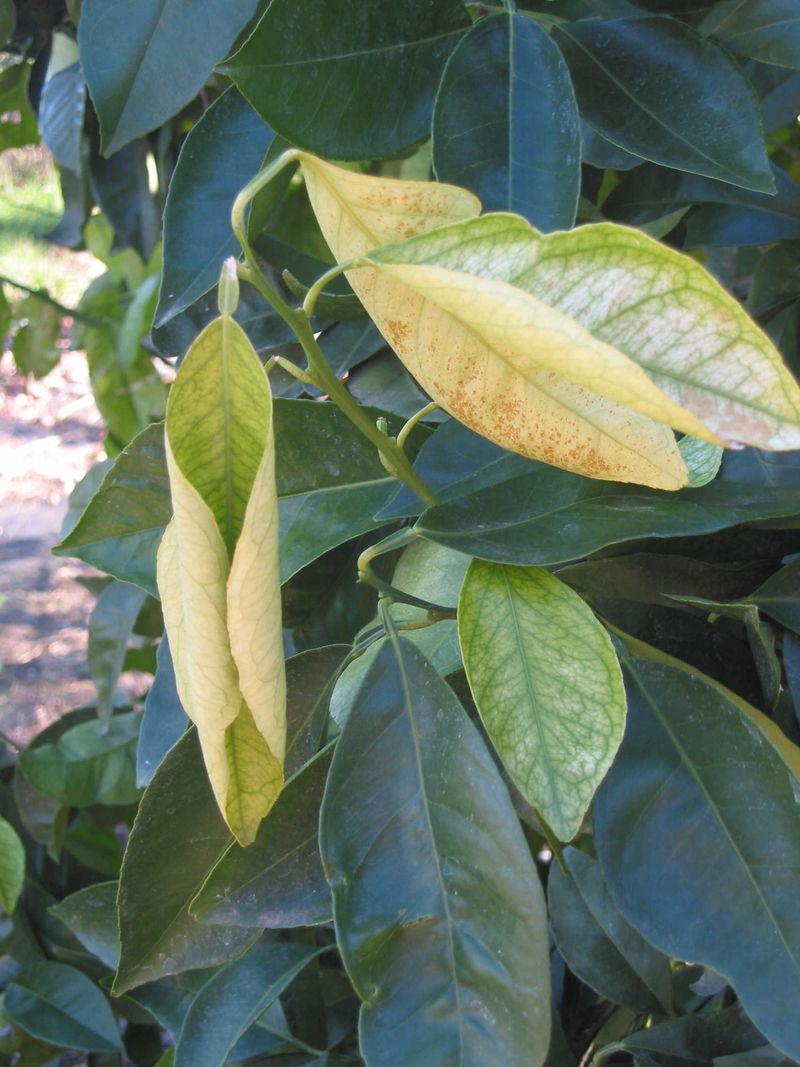
You stepped outside this February and saw frost damage on your citrus trees, and that heavy feeling hit fast. Brown leaves, cracked bark, and drooping branches made your once healthy trees look tired and weak.
I know how worrying that scene can be, especially when you care about your trees and the fruit they bring each season.
The good news is many citrus trees can still recover and push out new growth with timely care and patience.
You are not the only one facing this problem right now, many Florida gardeners see the same damage after sudden cold nights.
Recovery begins here, and your tree still has the strength to come back.
1. Check For Living Growth Before Taking Action
After a cold Florida night leaves your citrus trees looking damaged, resist the urge to immediately start cutting branches. Many trees that appear completely ruined on the surface still have living tissue beneath the bark.
The cambium layer, which sits just under the outer bark, remains the true indicator of whether a branch can recover.
Scratch a small section of bark gently with your thumbnail or a clean knife blade. Look for green or cream-colored tissue underneath.
This color signals that the branch still has life flowing through it and can produce new growth when temperatures warm up. Brown tissue usually indicates that section did not survive the freeze.
Start checking near the base of branches and work your way outward toward the tips. You might discover that damage stops partway up the tree, meaning lower portions remain healthy.
This simple test prevents you from removing branches that could still leaf out in spring.
Mark living branches with colored tape or ribbon so you remember which ones showed positive signs. Take notes or photos to track your findings across different parts of the tree.
This information becomes invaluable when you eventually begin the pruning process weeks later.
2. Delay Pruning Until New Growth Appears
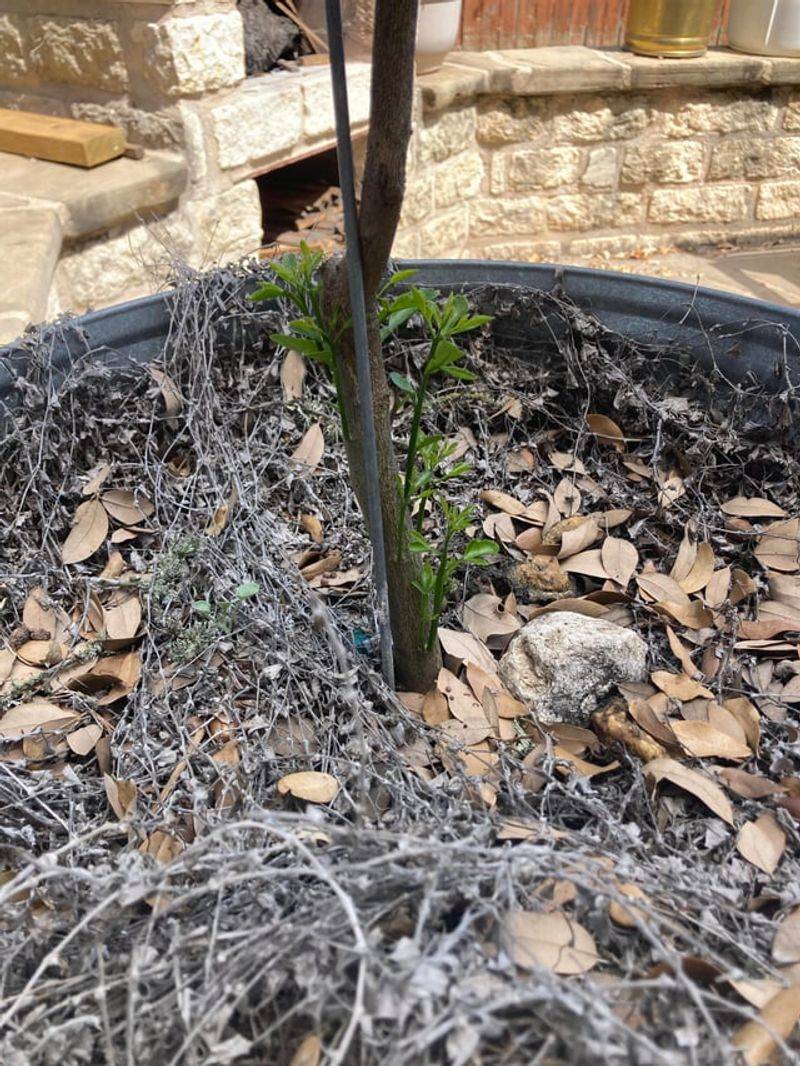
Patience becomes your greatest tool when dealing with frost-damaged citrus trees. Even though brown leaves and seemingly lifeless branches create an urge to clean up the mess immediately, waiting several weeks or even months allows the tree to show you exactly what needs removal.
Premature pruning often results in cutting away branches that would have recovered naturally.
Citrus trees take considerable time to push out new growth after cold damage. Depending on the severity of the freeze and your location in Florida, new growth may begin anytime from March through May.
Buds that survived the cold will eventually swell and produce fresh leaves, clearly marking which branches remain viable.
During this waiting period, the tree continues moving nutrients and energy toward areas that can still grow. Cutting too early interrupts this natural process and may expose the tree to additional stress or disease.
Wounds created by pruning also need warm weather to heal properly and seal against infections.
Recheck your trees in late April or early May to reassess your trees. By then, the pattern of new growth will be obvious, making pruning decisions straightforward and accurate.
3. Remove Only Clearly Damaged Wood
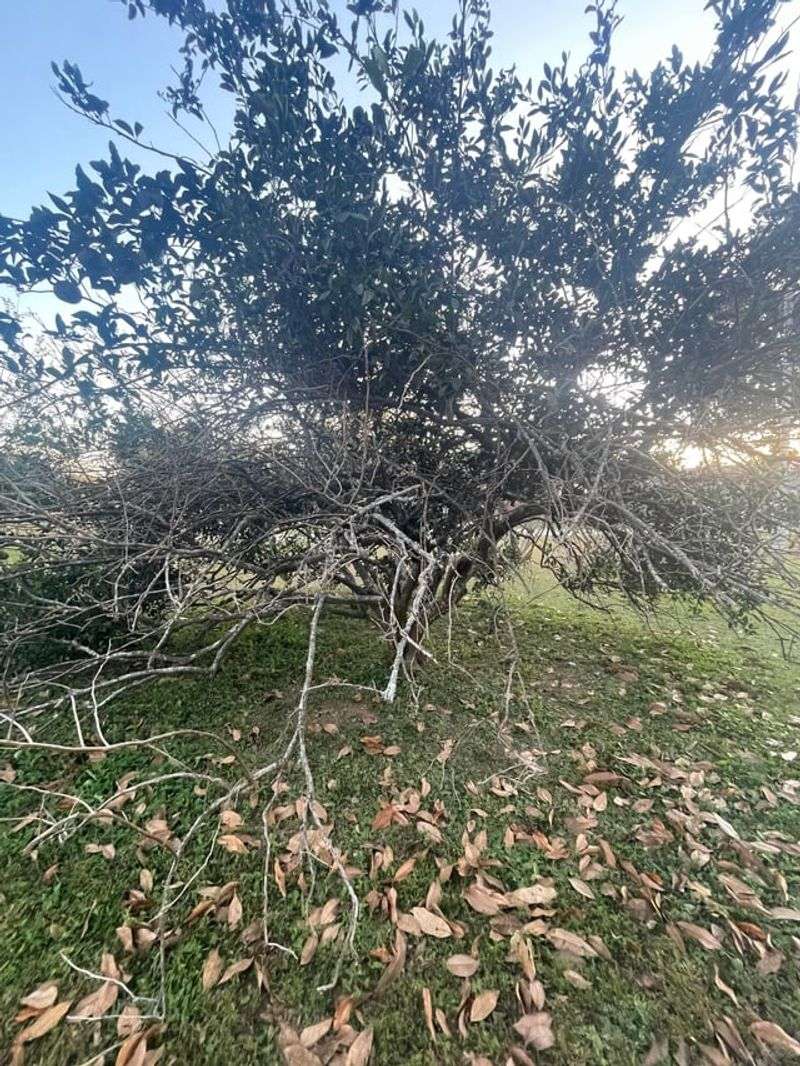
Once new growth clearly identifies which branches remain healthy, you can begin selective pruning with confidence. Focus exclusively on wood that shows no signs of life and has turned completely brown or black throughout.
Make clean cuts just above the point where green tissue appears, leaving all potentially viable wood intact.
Use sharp, sanitized pruning tools to create smooth cuts that heal quickly. Ragged cuts or dull blades create larger wounds that take longer to seal and may invite disease organisms.
Clean your tools with rubbing alcohol between cuts, especially when moving between different trees in your yard.
Cut back to healthy green wood or a living branch rather than leaving stubs. Stubs cannot produce new growth and often become entry points for fungal infections.
Angle your cuts slightly to allow water to run off rather than pooling on the wound surface.
Work gradually and step back frequently to assess your progress. Removing too much wood at once can shock the tree and slow its recovery.
If you feel uncertain about a particular branch, leave it alone for another few weeks and check again later.
4. Protect Roots With Fresh Mulch
While branches suffer visible damage during a freeze, roots also experience stress from cold soil temperatures. A fresh layer of organic mulch provides insulation that moderates soil temperature swings and helps roots maintain steady growth during recovery.
This protection becomes especially important if additional cold nights threaten before spring fully arrives.
Apply a 2 to 3 inch layer of wood chips, pine bark, or similar organic material in a circle extending from about 6 to 8 inches away from the trunk out to the drip line. Keep mulch pulled back from direct contact with the trunk to prevent moisture buildup that could encourage rot or pest problems.
The clear space around the trunk allows air circulation while the surrounding mulch protects the root zone.
Organic mulch provides benefits beyond temperature control. As it slowly breaks down, it adds nutrients to the soil and improves soil structure.
It also helps retain moisture during dry periods in Florida and reduces competition from weeds that would otherwise steal resources the tree needs for recovery.
Replenish mulch as it decomposes throughout the year. A well-maintained mulch layer supports long-term tree health well beyond the immediate frost recovery period.
5. Water Carefully And Avoid Overwatering
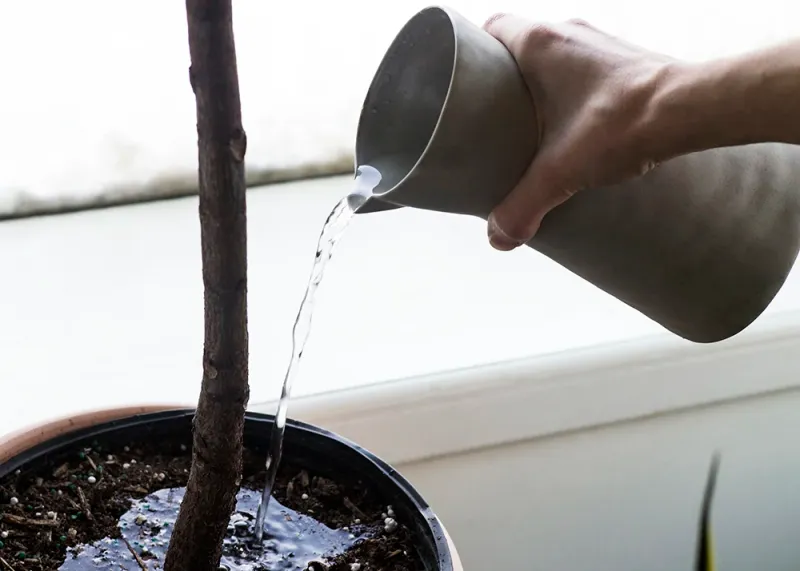
Frost-damaged citrus trees need consistent moisture to support new growth, but their reduced leaf canopy means they use far less water than healthy trees. Finding the right balance prevents both drought stress and waterlogged soil conditions that damage already compromised roots.
Check soil moisture before watering rather than following a fixed schedule.
Insert your finger or a soil probe about 3 to 4 inches into the ground near the drip line. If the soil feels moist at that depth, wait another day or two before watering.
If it feels dry, apply water slowly and deeply, allowing it to soak into the root zone rather than running off the surface.
Trees with significant leaf loss cannot transpire water efficiently, meaning excess water sits in the soil longer than usual. Waterlogged conditions deprive roots of oxygen and create an environment where root rot diseases thrive.
These problems compound the stress the tree already faces from cold damage.
As new leaves emerge and the canopy fills in, gradually increase watering frequency to match the tree’s growing needs. Monitor soil moisture regularly throughout the recovery period, adjusting your watering schedule based on rainfall and temperature changes common in Florida spring weather.
6. Wait Before Applying Fertilizer
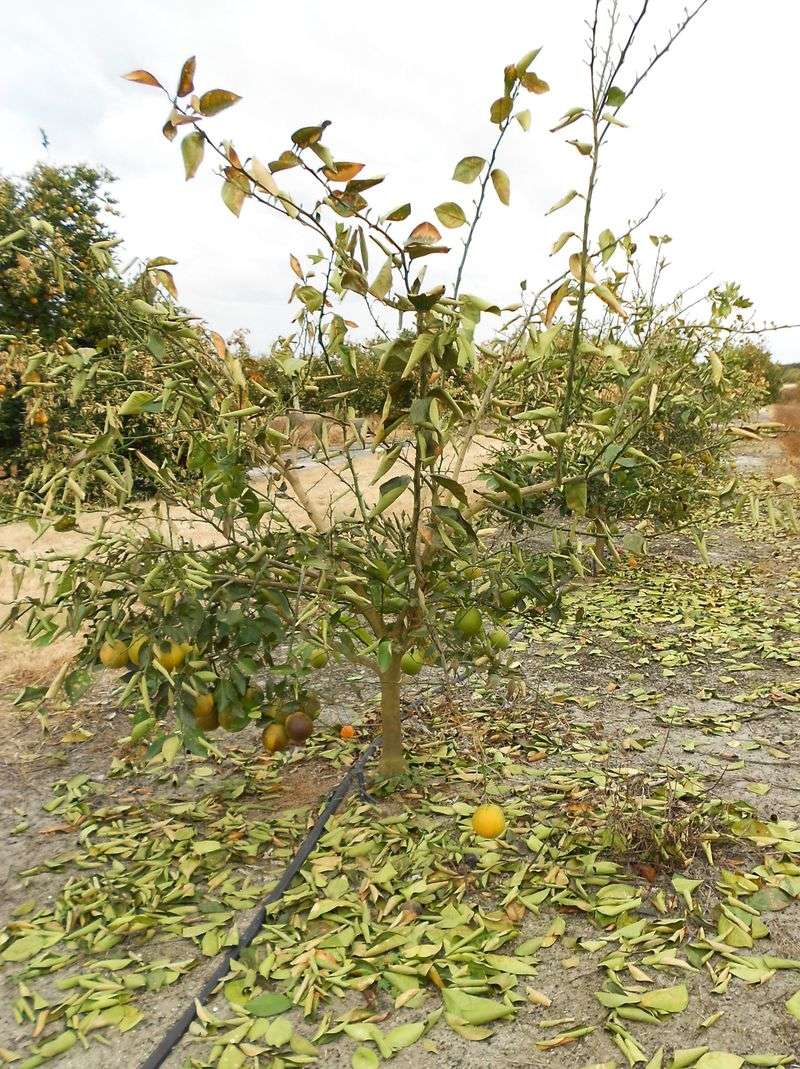
The instinct to feed a damaged tree and speed its recovery seems logical, but applying fertilizer too soon after frost damage actually creates additional stress. Fertilizer encourages rapid growth that the tree cannot support while it focuses energy on repairing damaged tissue and establishing new roots.
Excess nutrients in the soil can also burn compromised roots that lack the capacity to process them properly.
Wait until you see substantial new leaf growth covering at least 30 to 40 percent of the canopy before introducing fertilizer. This typically falls sometime in spring, often between April and May, once clear new growth is visible.
The presence of healthy new foliage indicates the tree has recovered enough to benefit from supplemental nutrition.
When you do resume fertilizing, begin with a reduced application rate and observe how the tree responds. Look for continued healthy growth and good leaf color.
If the tree shows signs of stress such as leaf burn or wilting, reduce the amount further.
Choose a balanced citrus fertilizer formulated for Florida soils, which typically need supplemental micronutrients. Follow package directions carefully and water thoroughly after application to help nutrients move into the root zone where the tree can access them.
7. Shield Trees From Another Cold Night
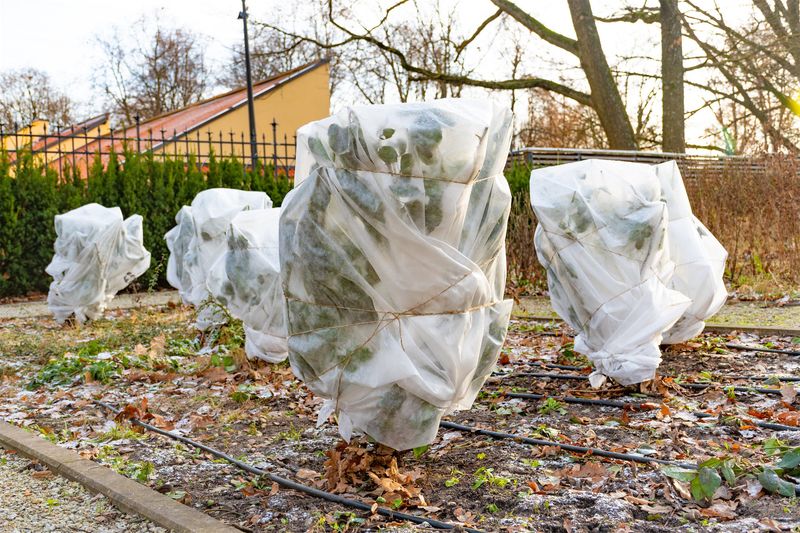
February weather in Florida remains unpredictable, and another cold snap can strike while your trees are still vulnerable from previous damage. Trees already stressed by one freeze have reduced cold tolerance and may suffer more severe injury if temperatures drop again.
Monitoring weather forecasts closely and preparing protection methods in advance safeguards your trees during this risky period.
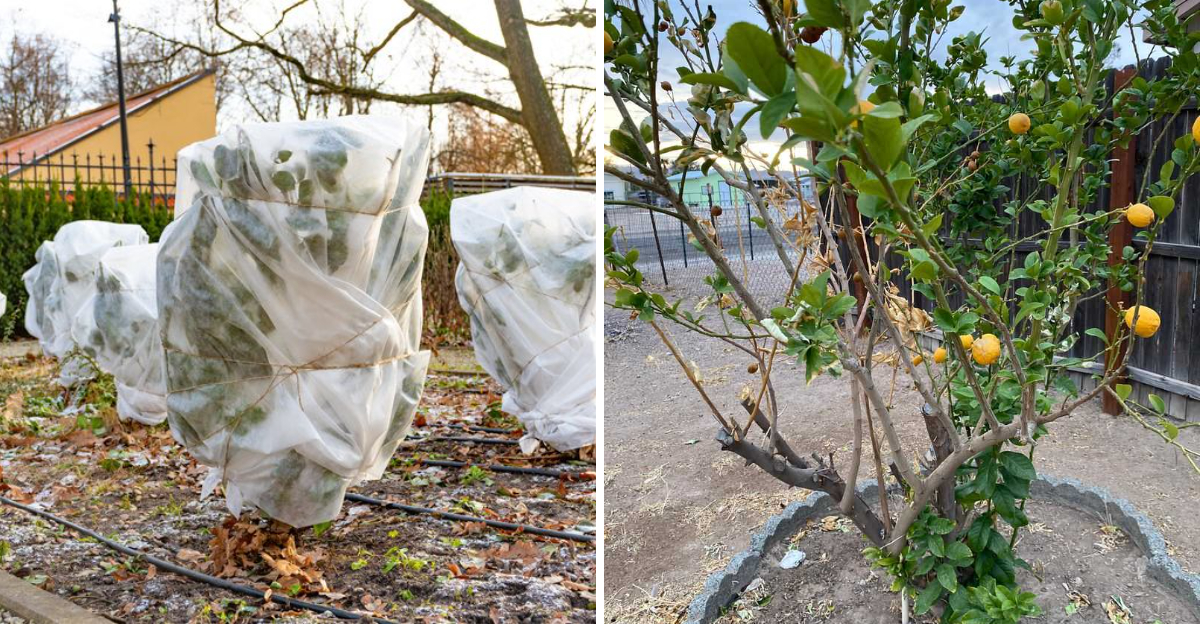
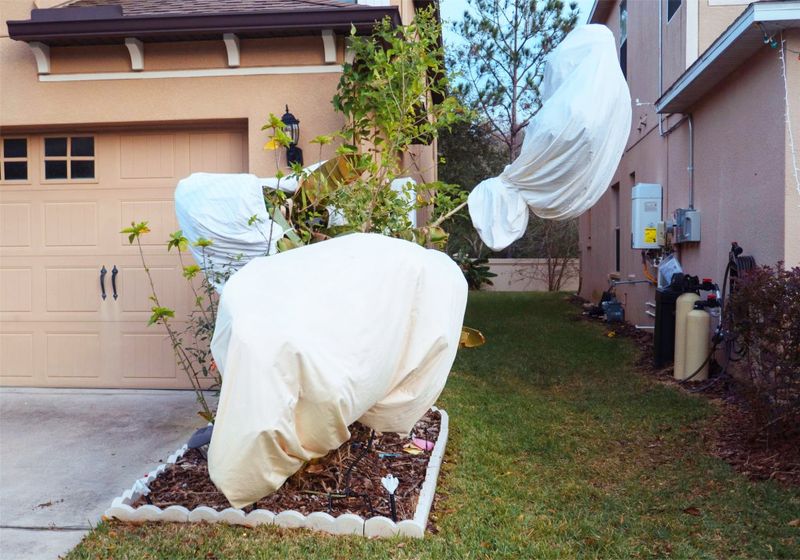
When forecasts predict temperatures near or below freezing, cover smaller trees completely with blankets, sheets, or commercial frost protection fabric. Drape material over a frame or stakes rather than letting it rest directly on branches, as contact points can still freeze.
Extend the covering all the way to the ground and secure edges with rocks or stakes to trap warm air rising from the soil.
For larger trees that cannot be covered easily, focus on protecting the trunk and lower scaffold branches with wrapped blankets or insulation. These core areas contain the most critical growth points.
String non-LED incandescent holiday lights through the canopy, as these produce gentle heat.
Remove coverings the next morning once temperatures rise above freezing so trees receive sunlight and air circulation. Leaving covers on too long can create excess humidity that encourages fungal problems.
8. Watch For Recovery And New Leaf Growth
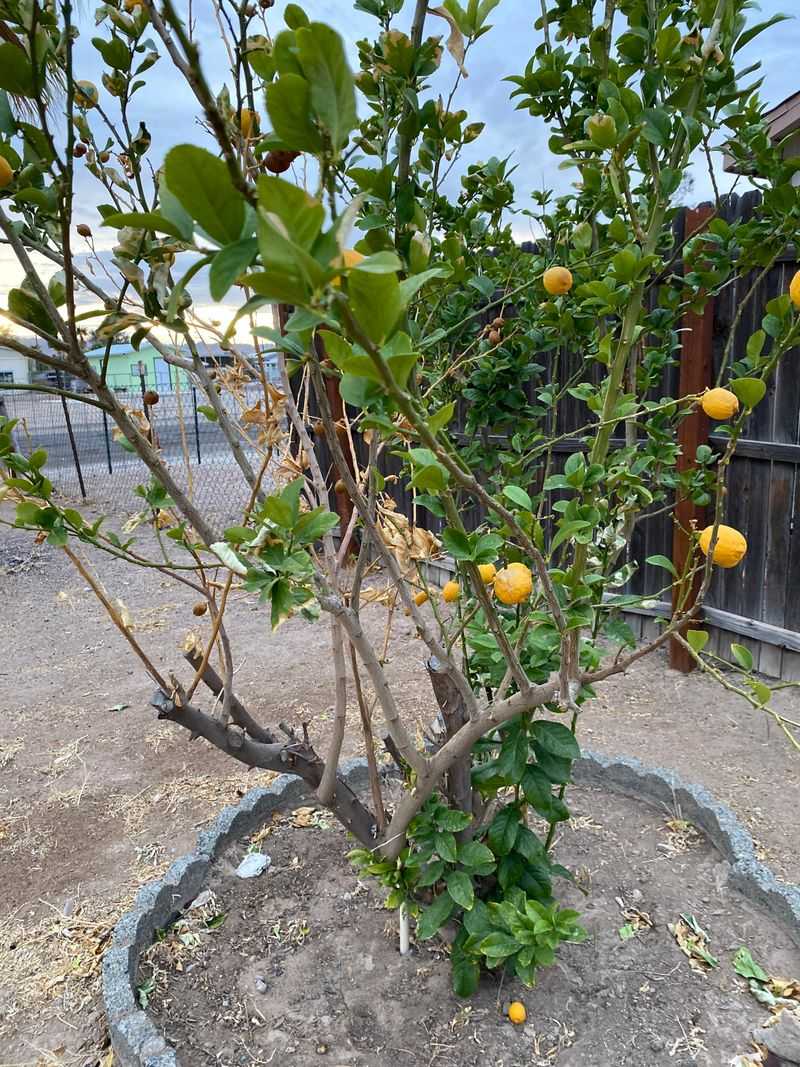
Recovery from frost damage unfolds gradually over several months, and watching for positive signs helps you gauge whether your care strategies are working. New leaf growth represents the most encouraging indicator that your citrus tree has overcome the setback and resumed normal function.
These fresh leaves often appear brighter green than older foliage and emerge from buds along branches that showed green tissue during your earlier scratch tests.
Photograph your trees every few weeks to document recovery progress. Comparing images side by side reveals changes that might seem subtle when you observe the tree daily.
Look for increasing leaf density, branches filling out, and overall improvement in the canopy structure. Healthy new growth should appear vigorous and maintain good color without yellowing or spotting.
Pay attention to flowering and fruit set as well. While frost-damaged trees might not produce a full crop this year, any blooms and developing fruit indicate the tree has recovered enough energy to support reproduction.
Some trees may skip fruiting entirely this season and focus solely on rebuilding their canopy, which represents a normal response.
If recovery stalls or the tree shows declining health despite proper care, consider consulting a certified arborist or your local extension office for specific guidance tailored to your situation.