7 Steps To Take Right Now To Save Your Frost-Damaged Plants In Florida
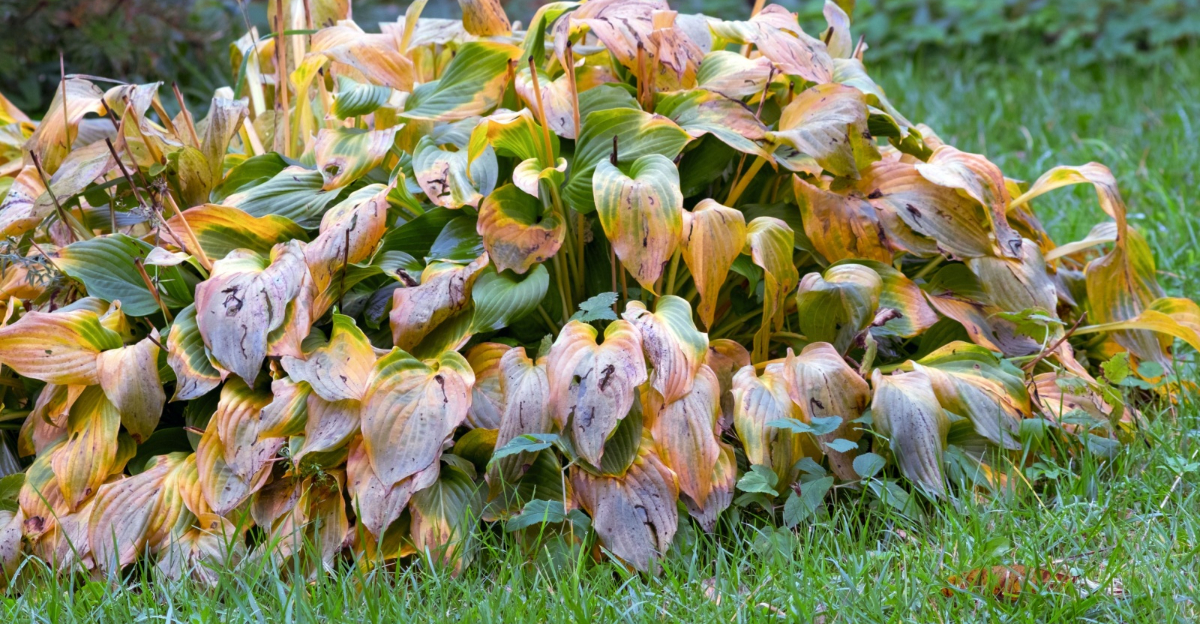
Yesterday your garden was thriving. Today it looks like winter paid Florida a surprise visit.
Blackened leaves, limp tropicals, and sad-looking palms can make any gardener’s heart sink fast. Many Florida plant lovers have walked outside after a cold night and felt that same wave of panic.
The urge to trim, fertilize, and “fix everything” right away is strong, but quick reactions often do more harm than good. Florida plants are survivors.
Even when they look rough on the surface, many are already pushing energy toward recovery below the soil and inside their stems. The right moves right now can mean the difference between losing plants and watching them rebound beautifully in the coming weeks.
Before you grab the pruners or plant food, take a breath and read this. Your garden still has a very good chance.
1. Wait Before Acting
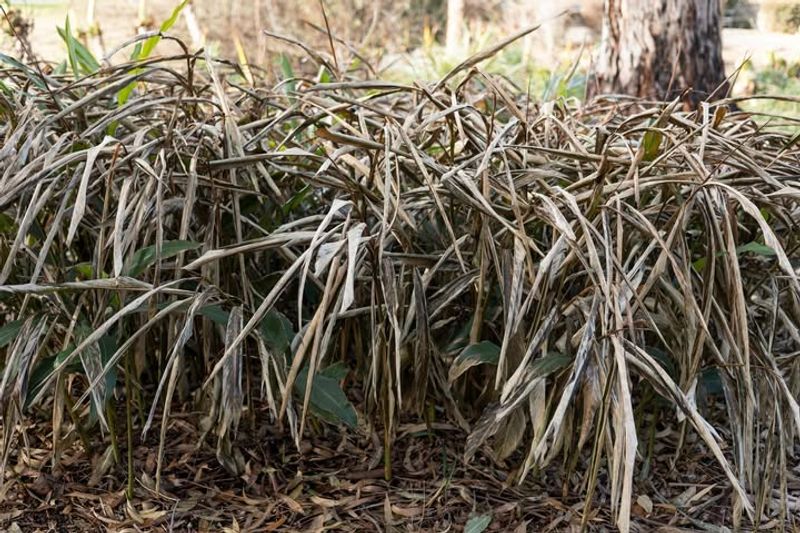
Frost damage can be shocking when you first see it. Your instinct might be to grab the pruning shears and start cutting away all the brown, wilted foliage immediately.
However, one of the most important things you can do for your Florida plants right now is simply wait and observe.
Those damaged leaves and stems are still serving a purpose, even though they look terrible. They act as protective insulation for the healthier tissue underneath, shielding it from any additional cold snaps that might come through.
Florida weather can be unpredictable, and another frost event could happen within days or weeks.
Removing damaged growth too soon exposes tender new tissue to potential harm. Think of those brown leaves as a natural bandage covering a wound.
You would not rip off a bandage before the injury underneath has had time to heal, and the same principle applies here.
Give your plants at least a few weeks before making any major decisions. During this waiting period, watch for signs of life.
New buds, green stems, or fresh shoots emerging from the base are all positive indicators that the plant is recovering internally.
This patience pays off because it gives you a clearer picture of what actually needs attention. Some branches that look completely damaged might surprise you by producing new growth from dormant buds.
If you cut them away too early, you remove potential recovery points.
Florida gardeners who have weathered cold snaps before know that waiting is hard but necessary. Your plants are working beneath the surface, redirecting energy and resources to surviving parts.
Trust the process and resist the urge to take action before the plant shows you what it truly needs.
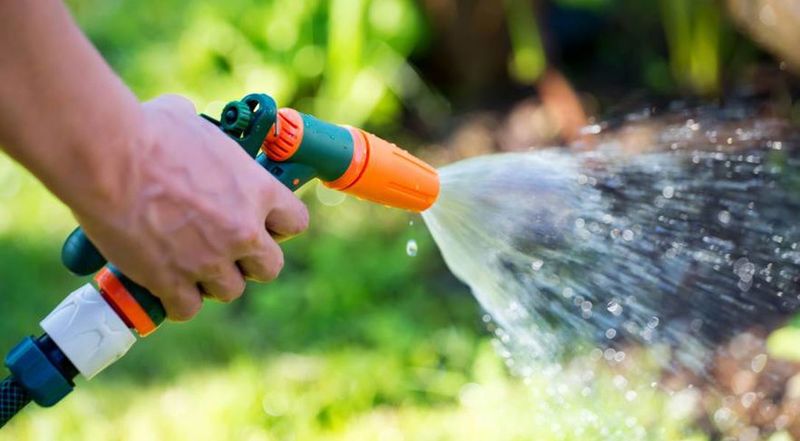
2. Water To Rehydrate Roots
Cold temperatures do more than just damage leaves and stems. Frost causes plant cells to freeze, and when ice crystals form inside plant tissue, they rupture cell walls.
This disruption affects the plant’s ability to move water from the roots up through the stems and into the leaves.
Even after temperatures warm up, your Florida plants may be suffering from dehydration. Their root systems are still functional, but the damaged vascular tissue struggles to transport moisture efficiently.
Providing consistent water helps the roots stay active and supports any recovery efforts the plant is making.
Check the soil moisture around your plants regularly. If the top few inches feel dry, water deeply at the base.
Avoid shallow, frequent watering, which encourages weak root development. Instead, give the soil a thorough soaking so moisture reaches deeper root zones where it can be absorbed more effectively.
Be mindful not to overwater, especially if your Florida soil has poor drainage. Waterlogged roots can suffocate and develop rot, which compounds the stress your plant is already experiencing.
The goal is to keep the soil consistently moist but not soggy.
Watering is particularly important for container plants, which dry out faster than in-ground plants. Pots lose moisture quickly, especially on sunny Florida days, so check them more frequently.
If temperatures are still cool, water during the warmer part of the day to avoid additional cold stress.
Rehydrating your plants gives them the resources they need to begin internal repairs. Healthy roots are the foundation of recovery, and keeping them hydrated ensures they can support new growth when the time is right.
This simple step makes a significant difference in how well your plants bounce back from frost damage.
3. Hold Off On Pruning
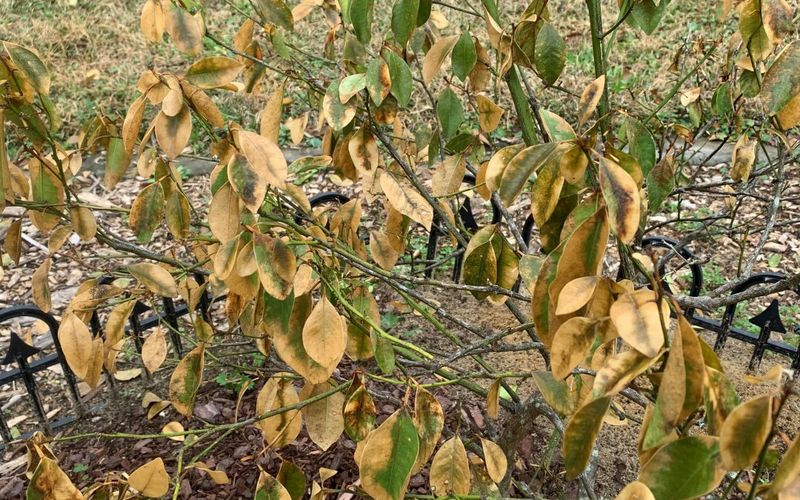
When you see brown, crispy foliage all over your Florida garden, the temptation to prune is almost overwhelming. It looks messy, and you want your landscape to look neat again.
But reaching for the pruning shears too soon is one of the biggest mistakes you can make after a frost event.
Damaged foliage, even though it looks unsightly, continues to protect the plant. It shields the interior branches and the main trunk from sun exposure and potential temperature swings.
Florida can experience warm days even in winter, and that damaged tissue acts as a buffer against rapid temperature changes.
Pruning also stimulates new growth. When you cut a branch, the plant responds by pushing out fresh shoots.
If another cold snap arrives, that tender new growth is extremely vulnerable and can suffer even worse damage than the original frost caused.
Waiting to prune also gives you a better sense of what tissue is truly damaged beyond recovery. Some branches may look completely brown but still have living cambium underneath the bark.
If you prune too early, you might remove parts of the plant that could have regenerated.
Another reason to hold off is that pruning creates open wounds. These wounds can become entry points for pests and diseases, especially when the plant is already stressed.
Allowing the plant to heal naturally before making cuts reduces this risk significantly.
Florida gardeners should plan to wait at least four to six weeks, or even until spring, before doing any major pruning. By then, new growth will clearly indicate which parts of the plant are viable and which are not.
This patience prevents you from accidentally removing healthy tissue and gives your plants the best chance at a full recovery.
4. Prune Only After New Growth
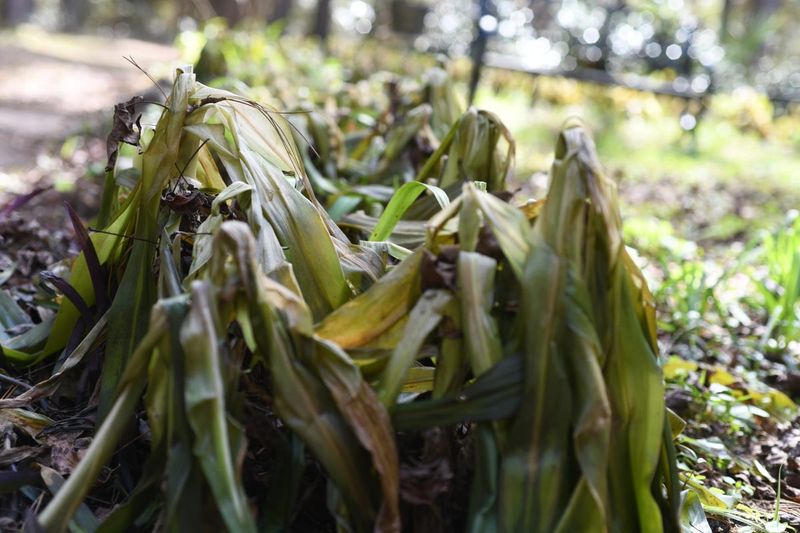
Once new growth begins to emerge, you finally have a green light to start pruning. This is the moment Florida gardeners have been waiting for, because new shoots tell you exactly where the plant is alive and where it is not.
You can now confidently remove the parts that will not recover.
Look for fresh green leaves, new buds, or shoots sprouting from the base or along the stems. These are your guides.
Trace each branch back from the new growth and prune just above where you see signs of life. This ensures you are not cutting into healthy tissue.
Use clean, sharp pruning tools to make smooth cuts. Ragged cuts heal slowly and can invite disease.
Sterilize your shears between cuts, especially if you are working on multiple plants, to prevent spreading any potential pathogens.
Start by removing the most obviously damaged parts, like completely brown branches with no signs of recovery. Work slowly and carefully, checking each section before you cut.
Some branches may surprise you with small green buds hidden beneath the bark.
For shrubs and perennials in Florida, you might find that new growth emerges from the base while the top remains damaged. In these cases, you can cut the plant back significantly, allowing the fresh shoots to take over.
Many tropical and subtropical plants respond well to this kind of rejuvenation pruning.
Trees require a bit more caution. Remove only withered or damaged branches, and avoid heavy pruning that could stress the tree further.
Trees take longer to recover than smaller plants, so be conservative with your cuts. Focus on improving the overall structure and removing any hazards, like broken limbs that could fall.
Pruning after new growth appears ensures you are working with accurate information about what your plant needs. This approach maximizes recovery and minimizes unnecessary loss.
5. Delay Fertilizer
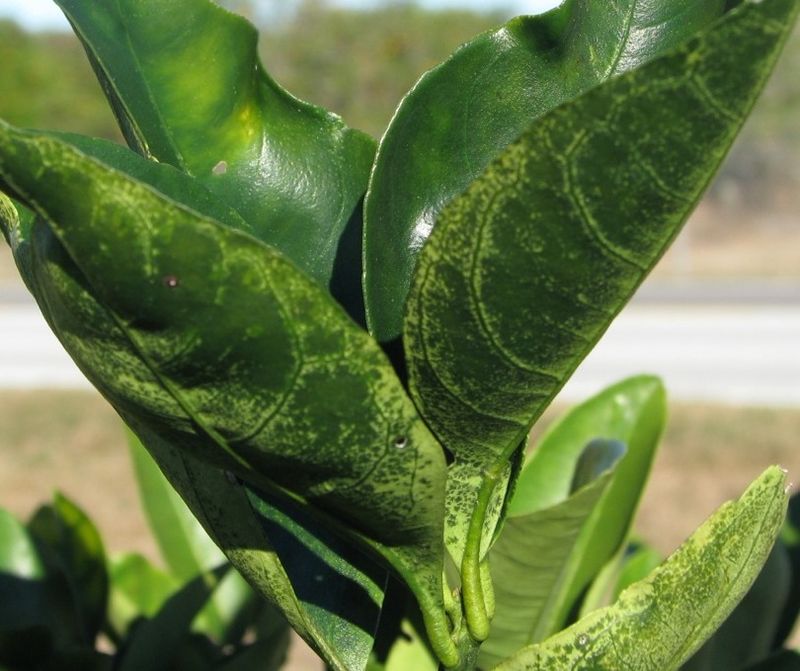
Fertilizer is plant food, and it might seem logical to feed your frost-damaged plants to help them recover faster. However, applying fertilizer too soon after a cold event can actually do more harm than good.
Florida gardeners need to resist the urge to fertilize until their plants show clear signs of active growth.
When a plant is stressed from frost damage, its root system is not functioning at full capacity. The damaged vascular tissue cannot efficiently absorb and transport nutrients.
Adding fertilizer to soil when the plant cannot use it leads to a buildup of salts, which can further stress or even damage the roots.
Fertilizer also encourages rapid new growth. While new growth is a good sign, pushing the plant to grow too quickly before it has fully recovered internally can weaken it.
The plant needs time to repair its damaged systems before it can support vigorous new shoots and leaves.
Wait until you see consistent new growth emerging from multiple points on the plant. This indicates that the root system is functioning well enough to take up nutrients and that the plant is ready to put energy into expansion rather than just survival.
In Florida, this typically means waiting until spring, when temperatures are consistently warm and the risk of additional frost has passed. At that point, a balanced, slow-release fertilizer can support the plant’s recovery without overwhelming it.
When you do fertilize, start with a lighter application than you might normally use. Gradually increase as the plant shows more robust growth.
This gentle approach supports recovery without adding unnecessary stress.
Think of fertilizer as fuel for a car. If the engine is damaged, adding more fuel will not fix the problem and might even cause more issues.
Your frost-damaged plants need time to repair their engines before they can use that fuel effectively.
6. Remove Deceased Tissue Later
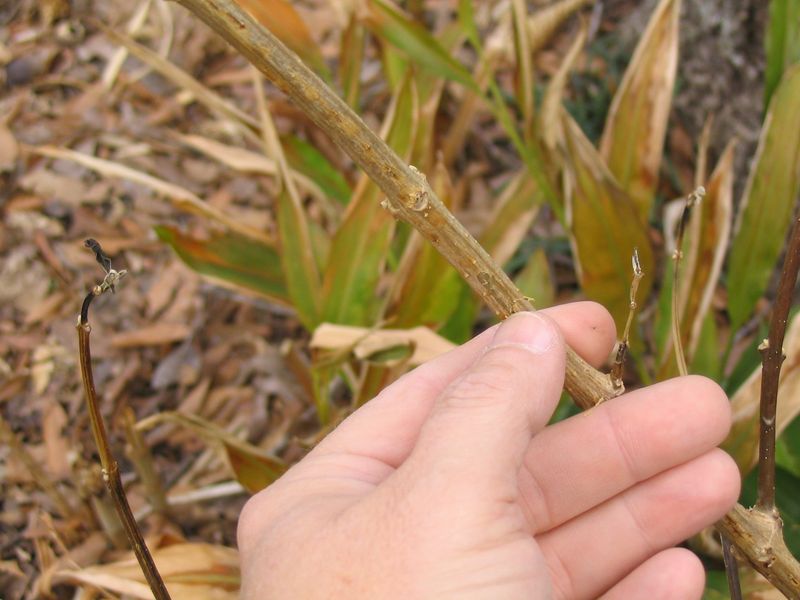
After you have waited patiently and new growth has emerged, there will still be some completely lifeless tissue left on your plants. These are the branches and stems that show no signs of recovery even after weeks or months.
Now is the time to remove them, but only after you are absolutely certain they are beyond saving.
Deceased tissue serves no purpose once the plant has stabilized and new growth is established. In fact, it can become a liability.
Lifeless branches can harbor pests, fungal diseases, and decay that might spread to healthy parts of the plant. Removing them improves air circulation and reduces these risks.
To confirm that a branch is truly gone, try the scratch test. Use your fingernail or a knife to gently scrape a small section of bark.
If you see green or moist tissue underneath, the branch is still alive. If it is brown and dry all the way through, it is safe to remove.
Cut withered branches back to just above the nearest healthy growth or to the main trunk. Make clean cuts at a slight angle to allow water to run off, which helps prevent rot.
Avoid leaving stubs, as these can become entry points for disease.
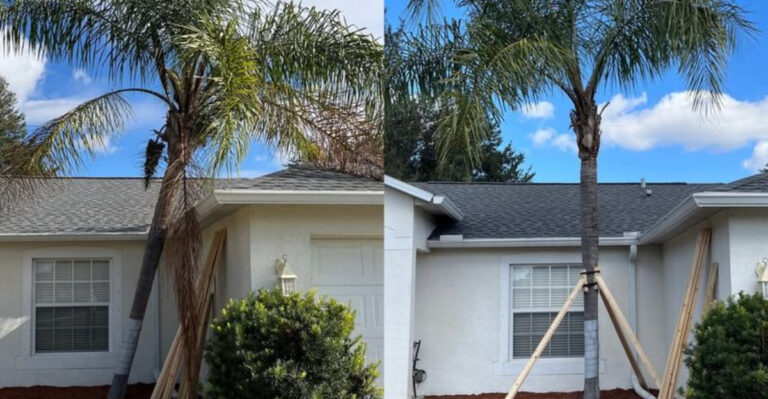
For Florida plants like palms, removing withered fronds is important, but be careful not to over-prune. Palms draw nutrients from older fronds as they decline naturally, so only remove fronds that are completely brown and dry.
Cutting green or partially green fronds can stress the palm.
Dispose of the removed deceased tissue properly. Do not leave it piled around the base of the plant, where it can attract pests or promote disease.
Bag it up and discard it, or add it to a compost pile if you are confident it is disease-free.
Cleaning up deceased tissue gives your Florida garden a fresh, healthy appearance and sets the stage for strong, continued growth throughout the growing season.
7. Be Patient! Recovery Takes Time
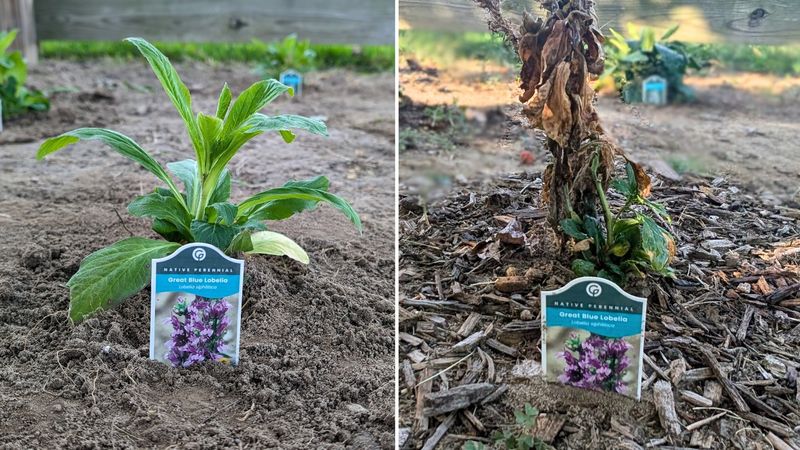
Perhaps the hardest part of dealing with frost damage in Florida is simply waiting. Recovery does not happen overnight, and some plants take months to fully bounce back.
Tropical and subtropical species, which are common in Florida landscapes, can be especially slow to recover because they are not naturally adapted to cold stress.
Different plants recover at different rates. Herbaceous perennials and fast-growing shrubs might show new growth within a few weeks.
Woody shrubs and small trees can take a couple of months. Large trees, especially slow-growing species, might take an entire growing season or even longer to fully recover.
During this time, continue providing consistent care. Water regularly, keep an eye out for pests or disease, and avoid making any drastic changes to the plant’s environment.
Stability is key to helping your plants regain their strength.
Some plants may look worse before they look better. As the damaged tissue dries out and falls away, the plant might appear even more sparse.
This is a normal part of the recovery process. Focus on the new growth that is emerging rather than the old damage that is fading away.
It is also possible that some plants will not fully recover. If a plant shows no new growth after several months, or if the damage was too severe, it may be time to consider replacement.
This is disappointing, but it is also an opportunity to choose a more cold-hardy species for that spot in your Florida garden.
Celebrate small victories along the way. Each new leaf, each fresh shoot, and each sign of vigor is proof that your patience and care are paying off.
Gardening is a long game, and recovery from frost damage is a testament to the resilience of plants and the dedication of the gardeners who tend them. Your Florida landscape will come back stronger with time.