Still Guessing When To Prune Crape Myrtles? These 8 Tips Lead To Better Blooms In Texas

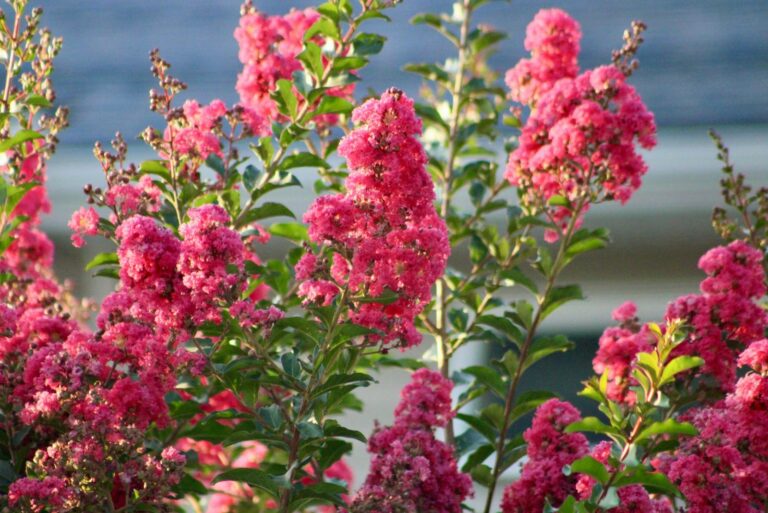
Crape myrtles are the crown jewels of Texas gardens—but if you prune them at the wrong time, those stunning summer blooms can disappear faster than a summer thunderstorm.
Many gardeners still guess when to cut, leading to leggy growth, fewer flowers, or even damaged trees.
Fortunately, you don’t have to rely on luck. Prune at the wrong time, and your crape myrtles sulk all season.
The secret to spectacular blooms lies in timing, technique, and a few insider tricks that Texas gardeners swear by.
Winter and early spring are critical windows for shaping the tree, removing old growth, and encouraging vigorous, colorful flowers that will steal the show from June through September.
The right cuts now mean flowers that wow later.
These eight practical tips break down exactly how to prune, what to remove, and how to avoid common mistakes that trip up even experienced gardeners.
With clear guidance, your crape myrtles can reach their full potential without extra stress or guesswork.
Stop guessing—start pruning smart, and watch your blooms explode.
For Texas gardeners, pruning crape myrtles isn’t just maintenance—it’s the secret ingredient for a show-stopping garden.
Follow these tips, and your neighbors won’t stop asking how you do it.
1. Prune Crape Myrtles During Dormancy, Not On A Calendar Date

Timing matters more than you might think when it comes to pruning crape myrtles, and relying on a specific date can actually work against you.
Texas is a vast state with diverse climate zones, meaning dormancy arrives at different times depending on where you live.
In North Texas, trees typically enter dormancy earlier in winter, while South Texas gardens may not see dormancy until late January or even February.
Watching your tree rather than the calendar gives you the best results.
Look for signs like complete leaf drop and no new growth emerging from branch tips.
Pruning during true dormancy protects the tree from stress and allows it to focus energy on root development rather than healing cuts.
When spring arrives, your crape myrtle will be primed to produce vigorous new growth and abundant flower buds.
Cutting too early while sap is still flowing can weaken the tree, while pruning too late may remove developing buds.
Regional variations in Texas weather mean gardeners in Houston might prune weeks later than those in Amarillo.
By observing dormancy signals specific to your area, you ensure your crape myrtle receives care at the optimal moment for maximum bloom production throughout the summer months ahead.
2. Remove Only Branches That Are Damaged Or Crossing

Less is often more when it comes to pruning crape myrtles, and focusing on problem branches rather than overall size makes a significant difference.
Selective pruning targets specific issues like branches that rub against each other, creating wounds that invite pests and disease.
Crossing branches also compete for the same space, reducing airflow through the canopy and limiting sunlight penetration to inner growth.
Start by identifying branches that show obvious damage from storms, ice, or mechanical injury, as these will never fully recover and drain energy from the tree.
Next, look for branches growing inward toward the center rather than outward, as these disrupt the natural vase shape that promotes better blooming.
Removing these select branches improves the overall structure without shocking the tree into compensatory growth.
Texas heat can be intense, and crape myrtles need good air circulation to stay healthy and resist fungal issues like powdery mildew.
Minimal pruning allows the tree to maintain its energy reserves and focus on producing flower buds rather than healing extensive wounds.
Each cut you make should have a clear purpose beyond simply reducing size.
When you finish, your crape myrtle should look balanced and open, with branches that have room to grow without interfering with their neighbors throughout the blooming season.
3. Thin The Canopy To Improve Sunlight And Airflow

Opening up the interior of your crape myrtle through strategic thinning creates conditions that foster exceptional flowering and tree health.
Thinning differs from shortening because you remove entire branches back to their point of origin rather than cutting them partway.
This technique preserves the natural shape while reducing density, allowing sunlight to reach inner branches that would otherwise remain shaded and unproductive.
Better light penetration means more branches develop flower buds, increasing the overall bloom display across the entire tree.
Improved airflow is equally important, especially in humid Texas regions where moisture can linger in dense foliage.
Stagnant air creates perfect conditions for fungal diseases that weaken trees and reduce flowering capacity.
By thinning crowded sections, you encourage air movement that keeps leaves dry and healthy throughout the growing season.
Focus on removing smaller interior branches that receive little light anyway, rather than major structural limbs.
Stand back frequently to assess your progress, ensuring the canopy maintains a balanced appearance from all angles.
The goal is a tree that looks lighter and more open without appearing sparse or over-pruned.
When summer arrives, your thinned crape myrtle will reward you with blooms distributed throughout the canopy rather than concentrated only on outer branch tips.
4. Keep The Natural Shape Of The Tree Intact

Crape myrtles develop a naturally elegant vase shape with multiple trunks that arch gracefully outward, and preserving this form is key to maximizing bloom potential.
Nature designed these trees to grow in a specific pattern that optimizes light capture and flower production, so working with that design makes more sense than fighting against it.
When you maintain the natural architecture, branches grow at angles that support heavy flower clusters without bending or breaking.
The vase shape also creates an attractive silhouette year-round, adding visual interest even during winter dormancy when blooms are absent.
Many Texas landscapes feature crape myrtles as focal points or street trees, and preserving their natural form enhances curb appeal and property value.
Forcing a crape myrtle into an unnatural shape through heavy pruning creates stress that reduces flowering and makes the tree more susceptible to problems.
Instead of trying to keep a large variety small through constant cutting, choose appropriately sized cultivars for your space from the start.
Dwarf varieties work perfectly for small gardens, while standard sizes suit larger properties where they can reach their full potential.
When you do prune, step back often to view the overall form and ensure your cuts enhance rather than detract from the natural structure.
A properly shaped crape myrtle looks effortless and produces abundant blooms that cascade beautifully throughout the Texas summer.
5. Avoid Extreme Winter Crape By Skipping Heavy Topping

Walk through any Texas neighborhood in late winter and you might spot a disturbing sight: crape myrtles chopped down to thick stumps, a practice gardeners do not recommend.
This severe topping involves cutting all major branches back to just a few feet, leaving knobby stubs that look more like amputated limbs than graceful trees.
Unfortunately, many people believe this harsh approach encourages more blooms, but the opposite is true.
Heavy topping forces the tree to produce weak, spindly shoots that grow straight up in clusters from the cut points.
These shoots often lack the strength to support large flower clusters, resulting in floppy branches and fewer quality blooms.
The unnatural growth pattern also creates dense canopy areas that trap moisture and reduce airflow, increasing disease risk in humid Texas summers.
Recognizing this practice is easy once you know what to look for: uniform cut heights, thick knobs at branch ends, and unnatural vertical growth patterns.
Healthy crape myrtles have naturally tapered branches with smooth bark and varied branching angles.
Avoiding this common mistake means resisting the urge to drastically shorten your tree each year.
Instead, focus on selective pruning that maintains the natural architecture while promoting strong flowering wood throughout the growing season.
6. Know When Not To Prune At All

Sometimes the best pruning decision is to put away the shears and leave your crape myrtle alone entirely.
Mature trees that bloom abundantly and maintain good structure need no intervention, and unnecessary pruning only disrupts their established patterns.
If your crape myrtle produces plenty of flowers, has an attractive shape, and shows no signs of disease or damage, there is simply no reason to cut anything.
Many gardeners feel compelled to prune every year because they see neighbors doing it, but this habit can actually reduce flowering over time.
Young crape myrtles especially benefit from minimal pruning during their first few years, as they need energy to establish strong root systems and develop their natural form.
Excessive early pruning can delay maturity and reduce the size of future bloom displays.
Even established trees sometimes need a break from pruning to recover from previous over-cutting or to allow their natural shape to reassert itself.
If you have been heavily pruning for years and want to transition to a more natural approach, simply stop cutting and let the tree grow freely for a season or two.
You might be surprised at how well it performs without constant intervention.
Trusting your crape myrtle to manage its own growth often produces better results than well-intentioned but unnecessary pruning throughout the Texas growing season.
7. Prune Suckers And Basal Growth Early

Vigorous shoots that emerge from the base of your crape myrtle or along lower trunk sections divert valuable energy away from flower production.
These suckers and basal growths appear throughout the growing season, especially after pruning or when trees experience stress from drought or damage.
While they might seem harmless, allowing them to grow unchecked creates a bushy appearance at the tree base and reduces resources available for bloom development.
Removing these shoots promptly channels energy back into the main canopy where flowers form on new growth.
Check your crape myrtles regularly during spring and summer, as catching suckers when they are small makes removal easier and less stressful for the tree.
Simply pull or cut them as close to the trunk or root as possible, taking care not to damage the bark.
Some gardeners prefer to rub off very young suckers with their thumb, which works well when shoots are just emerging.
Persistent sucker growth might indicate that your tree is grafted and the rootstock is trying to take over, or that the tree is under stress from poor growing conditions.
Addressing underlying issues like inadequate water or poor soil drainage can reduce sucker production over time.
Regular monitoring throughout the Texas growing season keeps your crape myrtle looking tidy and ensures maximum energy goes toward producing the spectacular flower displays these trees are famous for.
8. Match Pruning Style To The Size Of The Variety

Choosing the right crape myrtle variety for your space from the beginning eliminates most pruning problems and leads to healthier, more floriferous trees.
Dwarf varieties reaching only three to five feet naturally fit under windows and in small garden beds without requiring constant cutting to maintain size.
Mid-size cultivars growing eight to twelve feet work perfectly as privacy screens or accent plantings where moderate height is desirable.
Standard varieties can reach twenty feet or more, making them ideal for shade or as small specimen trees in larger Texas landscapes.
When you match variety to location, your pruning needs become minimal because the tree naturally stays within appropriate bounds.
Trying to keep a large variety small through aggressive pruning creates ongoing maintenance headaches and reduces bloom quality year after year.
If you already have an oversized crape myrtle in the wrong location, consider replacing it with an appropriately sized variety rather than fighting its natural growth habit.
For existing trees of the correct size, adjust your pruning approach based on the variety’s mature dimensions and growth rate.
Compact varieties need almost no pruning beyond removing spent flowers, while larger types benefit from selective thinning to maintain structure.
Understanding your specific variety and working with its natural characteristics results in stunning blooms with minimal effort throughout the Texas growing season.