Stop Leaving Out These Things That Attract Javelina To Arizona Yards
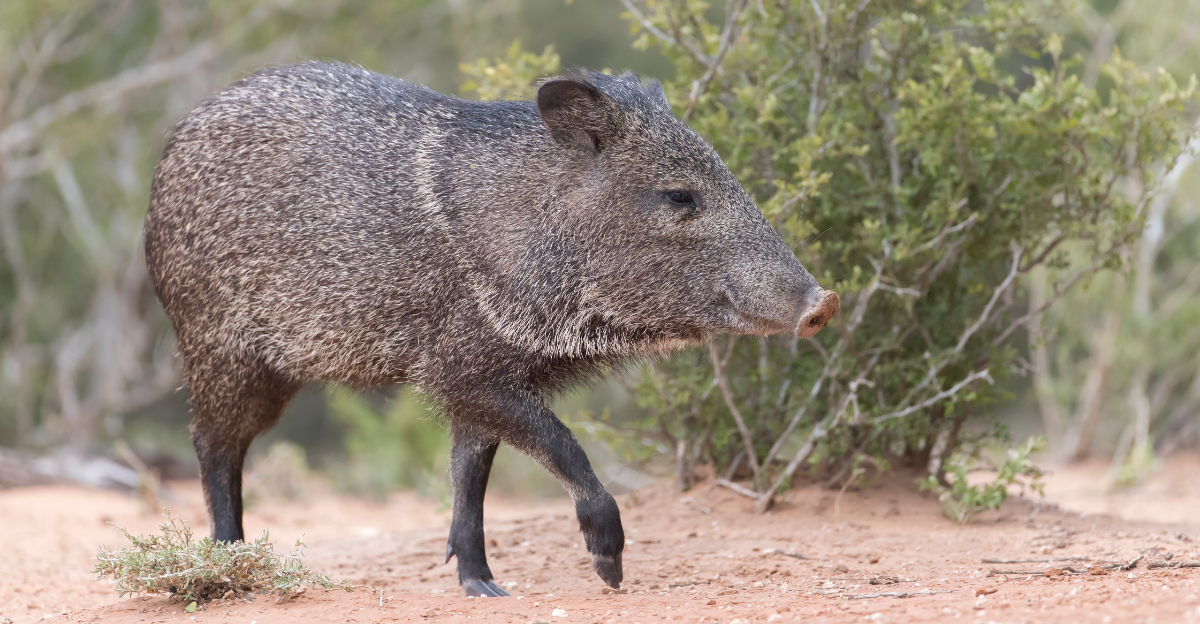
Javelina rarely wander into neighborhoods without a reason. Something around your Arizona yard may be making it far more inviting than you expect.
Their powerful sense of smell helps them locate food and moisture from surprising distances. Once they find an easy resource, they often return to the same area.
Many attractants are easy to overlook during the hottest part of summer. Compost piles, recently watered gardens, and certain ornamental plants can all catch their attention.
Most visits begin quietly before becoming a regular pattern. Small changes around the yard can make a noticeable difference.
The good news is that discouraging javelina does not require complicated solutions. A few simple adjustments can make your property much less appealing.
Knowing what draws these animals in is the first step toward keeping them moving through instead of stopping to explore your yard.
1. Clean Up Fallen Fruit Right Away
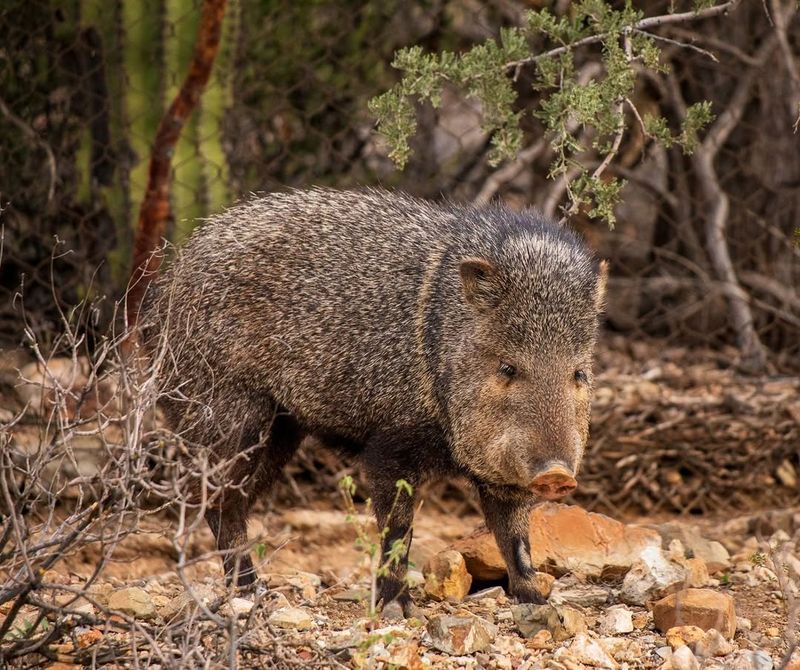
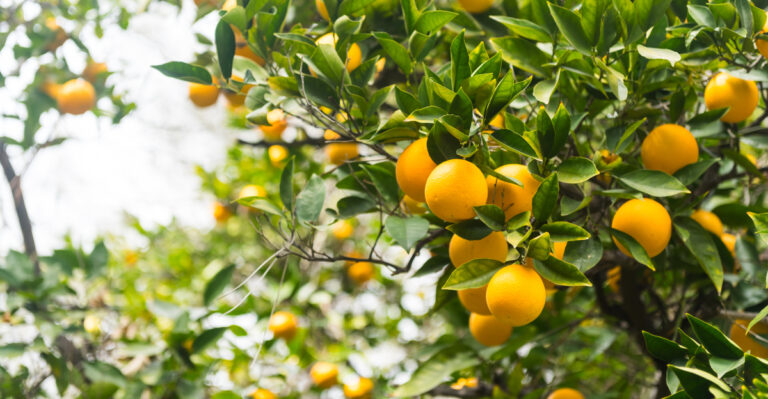
Fruit on the ground is basically a free buffet for javelinas. If you have citrus trees, fig trees, or any other fruit-bearing plants in your yard, dropped fruit can pull these animals in fast.
Javelinas have a strong sense of smell. They can pick up the scent of rotting or ripe fruit from a surprisingly long distance.
Once they find a reliable food source, they tend to return to the same spot repeatedly.
Check under your trees every day during fruiting season. Pick up anything that has fallen before nightfall, since javelinas tend to be most active around dusk and dawn.
A quick walk around the yard in the evening can make a real difference.
If you have fruit trees close to a fence or wall, that makes it even easier for javelinas to access whatever drops. Consider trimming low-hanging branches so fruit falls in a more contained area that is easier for you to monitor and clean up.
Composting fallen fruit is fine, but keep that compost bin sealed tight. Loose fruit piles left near the base of trees are a common reason javelinas start showing up regularly.
Staying on top of cleanup is one of the most practical habits you can build during harvest season.
2. Lock Trash Cans With Tight Lids
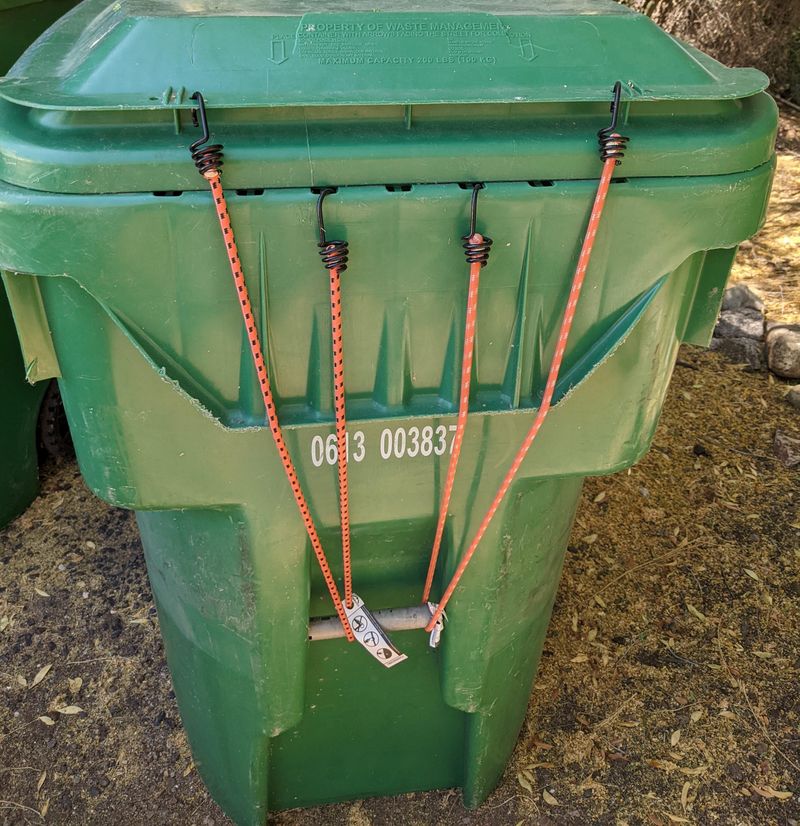
Garbage smells like dinner to a javelina. An unsecured trash can sitting outside overnight is one of the most reliable ways to attract wildlife to your property.
Standard trash can lids are not enough. Javelinas are persistent and curious.
They will nudge, tip over, and root through containers if the smell is strong enough. A lid that just rests on top offers almost no real protection.
Look for trash cans that have a locking mechanism built in, or use a bungee cord to secure the lid tightly. Storing cans in a garage or enclosed area until collection day is even better.
If outdoor storage is your only option, make sure the can is pushed against a wall so it cannot be tipped easily.
Rinsing food containers before tossing them can also reduce odor. Strong-smelling waste like meat scraps, overripe produce, and cooking grease should be double-bagged.
Your Arizona Garden Changes Every Week. Your Plan Should Too.
Gardening in Arizona changes quickly throughout the season. Every Friday you’ll receive a simple weekly plan showing exactly what to plant, prune, fertilize, harvest, and protect so you never miss the right timing.
Reducing the scent coming from your trash is just as important as securing the container itself.
In many desert neighborhoods, javelinas have learned to associate certain streets with easy food access. Consistent neighbors who secure their trash help break that pattern over time.
Your effort does not just protect your yard, it contributes to a broader habit of responsible coexistence with local wildlife.
3. Take Pet Food Inside At Night
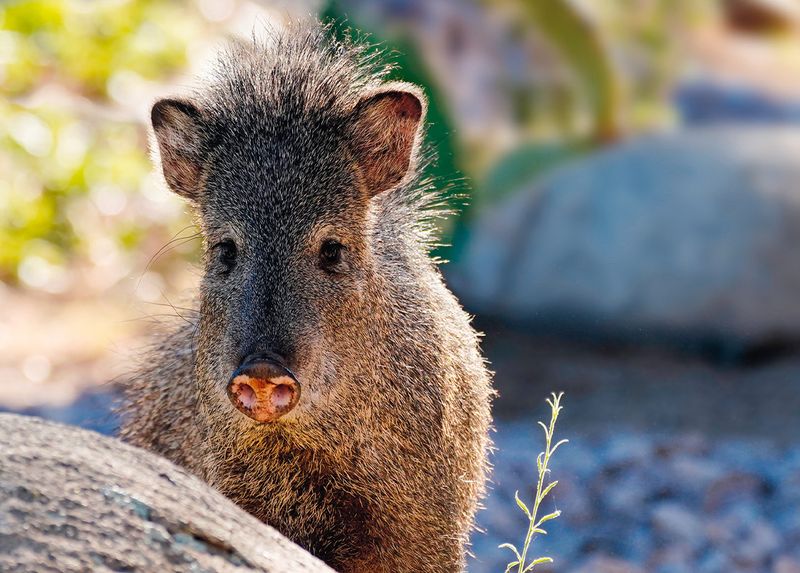
Leaving a pet bowl outside after dark is one of the quickest ways to get a javelina visit. Pet food, especially dry kibble, has a strong smell that carries well in warm desert air.
Javelinas are not aggressive by nature, but they can become defensive if startled or if they feel cornered. A javelina coming into your yard for pet food could lead to a stressful encounter with your dog or cat.
That situation is worth avoiding.
Get into the habit of picking up food and water bowls as part of your evening routine. Even a small amount of leftover kibble at the bottom of a bowl is enough to attract wildlife.
Water bowls can also draw javelinas in dry weather, so bring those inside too if possible.
If you feed pets outdoors regularly, consider switching to indoor feeding, at least during the warmer months when javelinas are more active. Automatic feeders that close after a set time can also help reduce leftover food sitting outside.
Cats that eat outside are especially vulnerable to surprise encounters with javelinas.
Keeping feeding stations elevated does not fully solve the problem since food smells still reach the ground level.
4. Keep Compost Covered
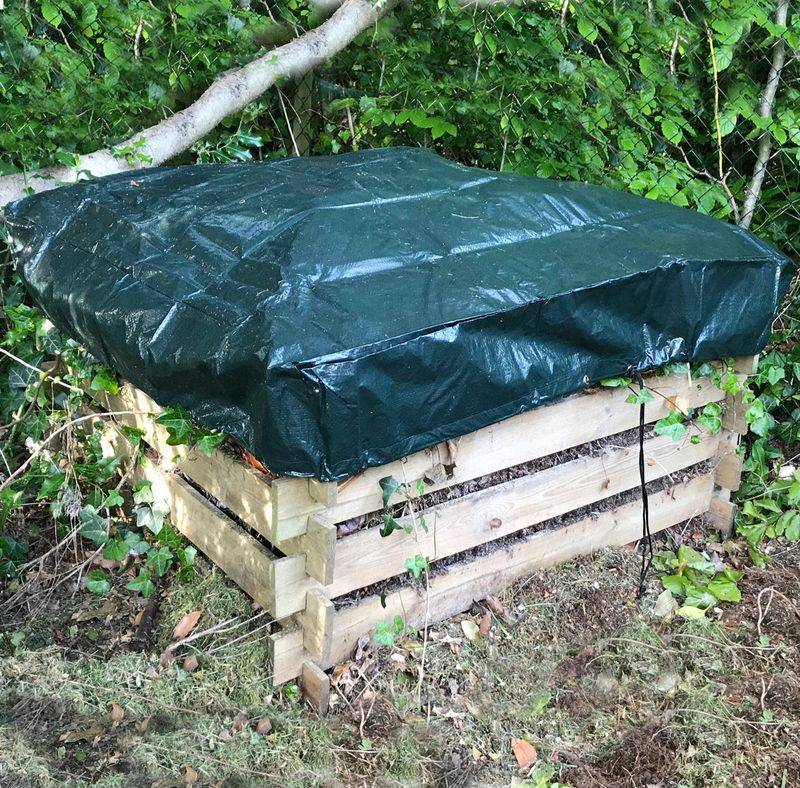
Compost is one of the most underestimated javelina attractants in a desert yard. Vegetable scraps, fruit peels, and food waste break down quickly in warm weather, and the smell intensifies as decomposition happens.
Open compost piles are especially tempting. Javelinas will dig through them without hesitation.
Even a pile that seems well-buried can become a problem once the odor starts spreading. In hot climates, that smell builds up faster than most people expect.
Use a compost bin with a tight-fitting, secure lid rather than an open pile or uncovered container. Tumbler-style bins work well because they are fully enclosed and can be turned to speed up decomposition, which also reduces strong odors.
Make sure there are no gaps at the base where animals could dig underneath.
Avoid adding meat, dairy, or cooked foods to your compost. These break down differently from plant-based material and tend to produce stronger, more persistent odors.
Sticking to fruit scraps, vegetable trimmings, and yard waste keeps the smell more manageable.
Turning your compost regularly and layering it with dry material like leaves or cardboard also helps control odor. A well-maintained bin is less likely to attract wildlife than a neglected one.
5. Fix Leaks Around Your Yard
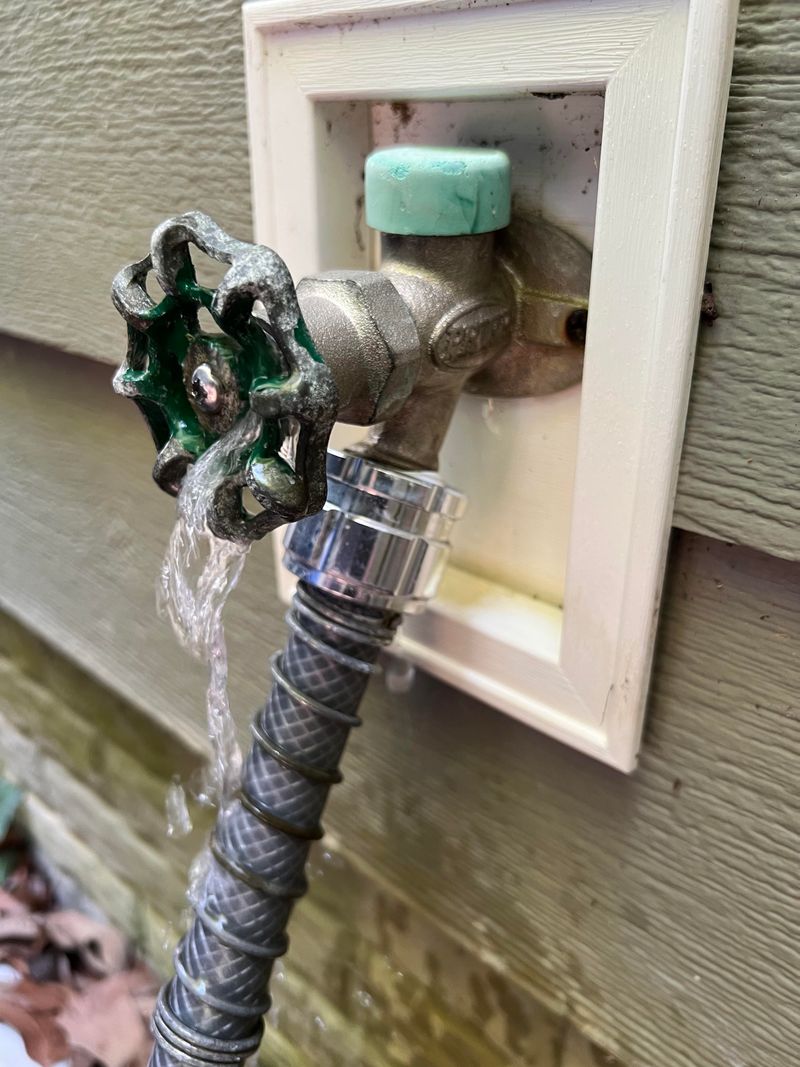
Water is a serious draw for wildlife in dry desert regions. A dripping faucet, a leaking hose connection, or a slow irrigation leak can create a small puddle that attracts javelinas, especially during the hottest months.
Javelinas need water regularly. In neighborhoods where natural water sources are scarce, even a small wet patch in a yard becomes appealing.
They will return to reliable water spots consistently once they locate them.
Walk your yard and check for any signs of moisture where there should not be any. Look at hose bibs, drip lines, and irrigation heads.
A slow leak might not seem like a big deal, but it can create a mud patch or pooling area that wildlife notices quickly.
Fixing leaks also helps conserve water, which matters in desert climates. Repairing a worn washer or tightening a loose connection takes just a few minutes and removes one more reason for javelinas to wander into your space.
If you have a birdbath or decorative water feature, consider whether it is positioned in a way that makes it accessible to ground-level animals. Raising water features or bringing them in at night can reduce access.
6. Sweep Up Spilled Bird Seed
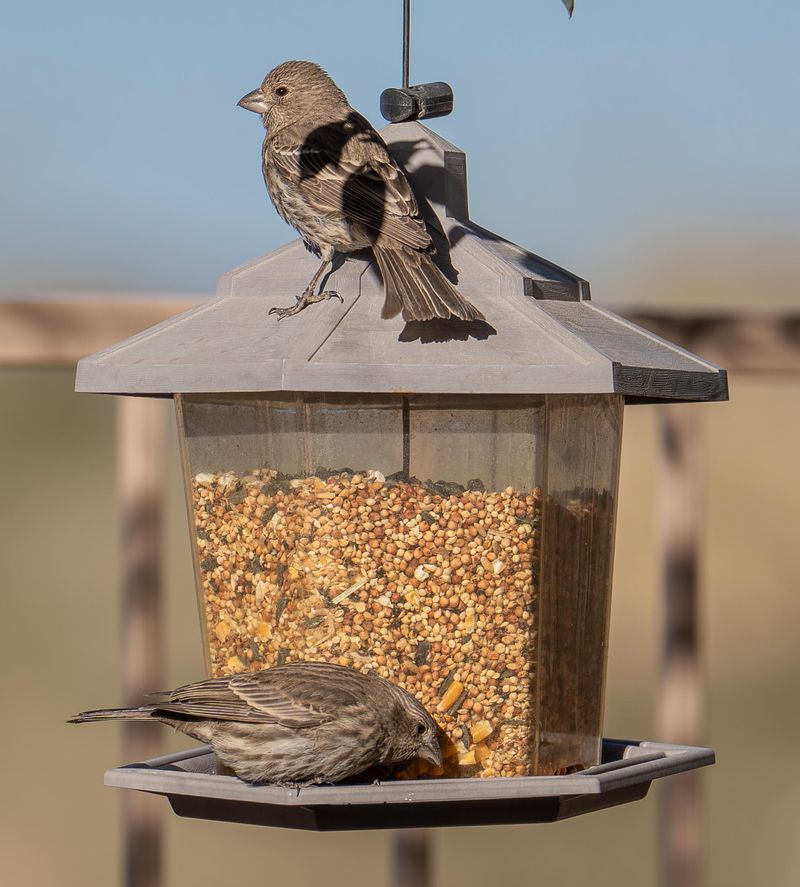
Bird feeders are a popular feature in desert yards, but the seed that falls to the ground can quickly become a problem. Spilled millet, sunflower seeds, and mixed seed blends are attractive to javelinas, especially when they accumulate in large amounts.
Javelinas are opportunistic foragers. Seed on the ground requires almost no effort to eat, making it an easy and reliable food source.
Once a javelina figures out that a yard regularly has fallen seed, it will keep coming back.
Sweeping or raking beneath feeders every day, or at least every couple of days, reduces the buildup. Catching seed waste before it piles up is much easier than trying to clean up a large mess after the fact.
A small handheld broom and dustpan work fine for most setups.
Switching to tube feeders with small catch trays can help reduce how much seed hits the ground in the first place. Avoid platform feeders or open trays at ground level.
Positioning feeders higher up and away from low-lying shrubs also makes it harder for javelinas to access what falls.
Some people in Arizona choose to stop using ground-level bird feeders entirely during javelina season. That is a personal call.
7. Pick Up Ripe Cactus Fruit
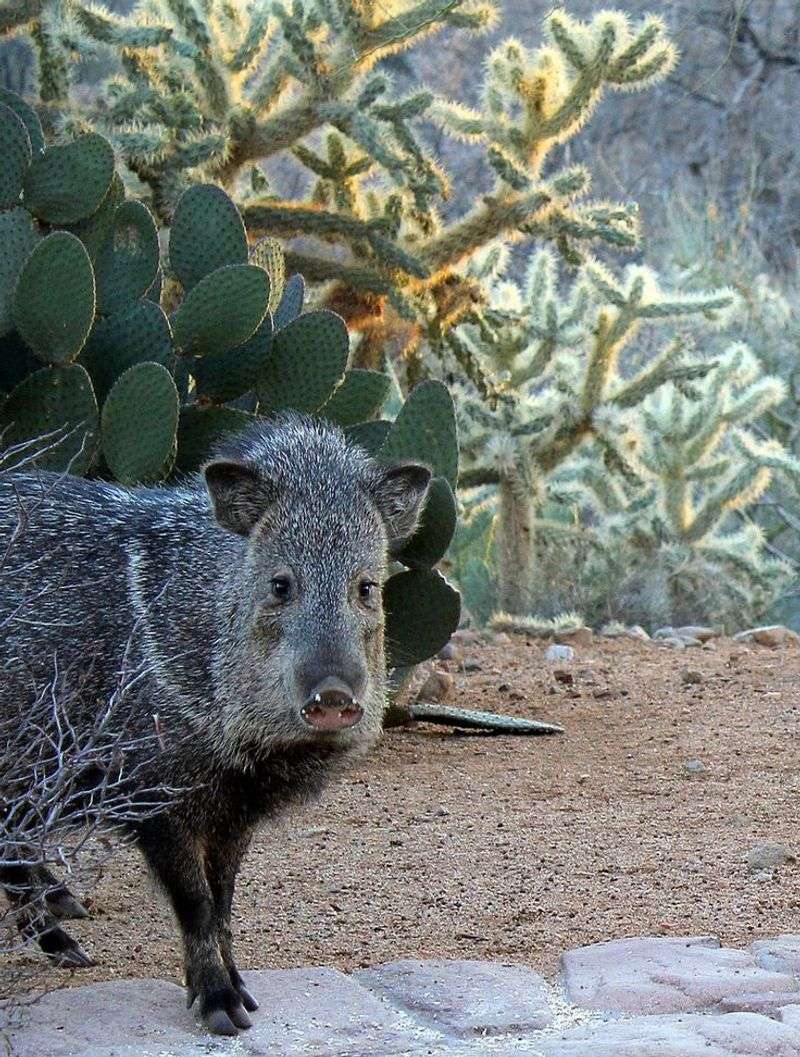
Prickly pear cactus fruit is a natural part of the desert diet for javelinas. When those bright red or purple fruits ripen and fall, they become an easy snack sitting right in your yard.
If you have prickly pear or other fruiting cacti on your property, keep an eye on them during late summer and fall when the fruit tends to ripen. Fruit that drops and sits on the ground for even a day or two can attract javelinas to the area.
Use tongs or thick gloves to pick up fallen cactus fruit safely. The spines on prickly pear pads and fruit can be stubborn and hard to see.
Collect ripe fruit regularly and either use it, compost it in a sealed bin, or dispose of it in a secured trash container.
Harvesting cactus fruit before it falls is an even better approach. Prickly pear fruit is edible and can be used to make juice, jelly, and other foods.
Turning a wildlife attractant into something useful for your household is a practical and satisfying solution.
Saguaro fruit also ripens seasonally and falls to the ground. If you have saguaros on your property in the Sonoran Desert region, the same logic applies.
8. What To Do If Javelinas Keep Visiting
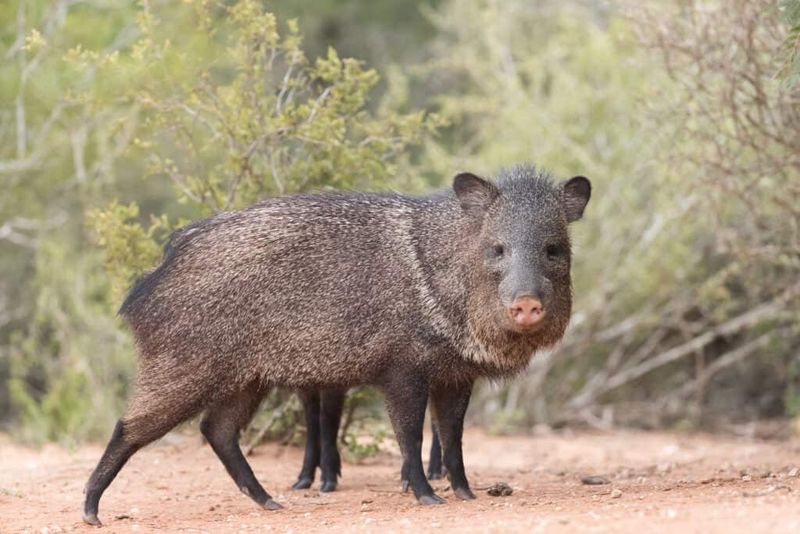
Consistent javelina visits usually mean something in or around your yard is still drawing them in. Before assuming the problem is random, take a close look at what might still be available to them.
Walk your property at dusk or early morning when javelinas are most active. Look for signs like rooting in soil, tracks near garden beds, or disturbed mulch.
These clues can point to exactly where and why they keep returning.
Contact your local Arizona Game and Fish Department office if the visits become frequent or if javelinas are behaving in ways that feel unsafe. They can offer guidance specific to your neighborhood and situation.
Reporting sightings also helps wildlife managers track activity in urban and suburban areas.
Fencing can help, but it needs to be the right kind. Javelinas are low to the ground and can squeeze under gaps.
A solid barrier that extends close to the soil line works better than an open-bottom fence. Chain link alone is often not enough.
Motion-activated lights or sprinklers can discourage nighttime visits without causing harm. These tools do not work perfectly in every situation, but many homeowners find them useful as part of a broader approach.
Combining multiple strategies tends to be more effective than relying on just one fix.
Patience matters too. Changing habits takes time for both people and wildlife.