The One Thing North Carolina Basil Needs In August Or It Will Turn Bitter
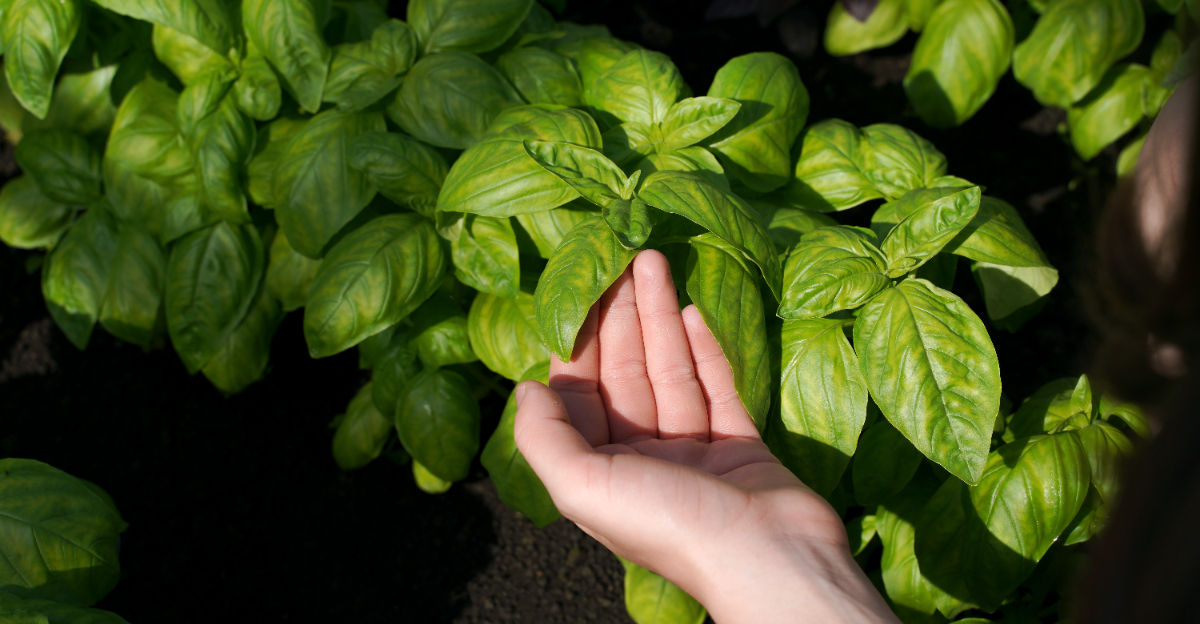
Consistent harvesting is the one thing North Carolina basil absolutely needs in August, or plants quickly turn bitter as they shift toward flowering.
Once basil starts producing flower buds, its energy moves away from leaf production and toward seed development instead.
This shift changes the plant’s flavor profile significantly, giving leaves a sharper, less pleasant taste than earlier in the season. Pinching off flower buds as soon as they appear helps delay this process and keeps leaves tasting fresh.
Regular harvesting, even when you don’t need basil immediately, encourages continued leafy growth rather than flowering. August heat tends to speed up this flowering process, making consistent attention even more important during this stretch.
Cutting stems just above a leaf node also encourages fuller, bushier growth over time. Staying on top of this simple task keeps basil productive and flavorful right through the rest of summer.
1. Pinch Every Flower Bud Before It Opens
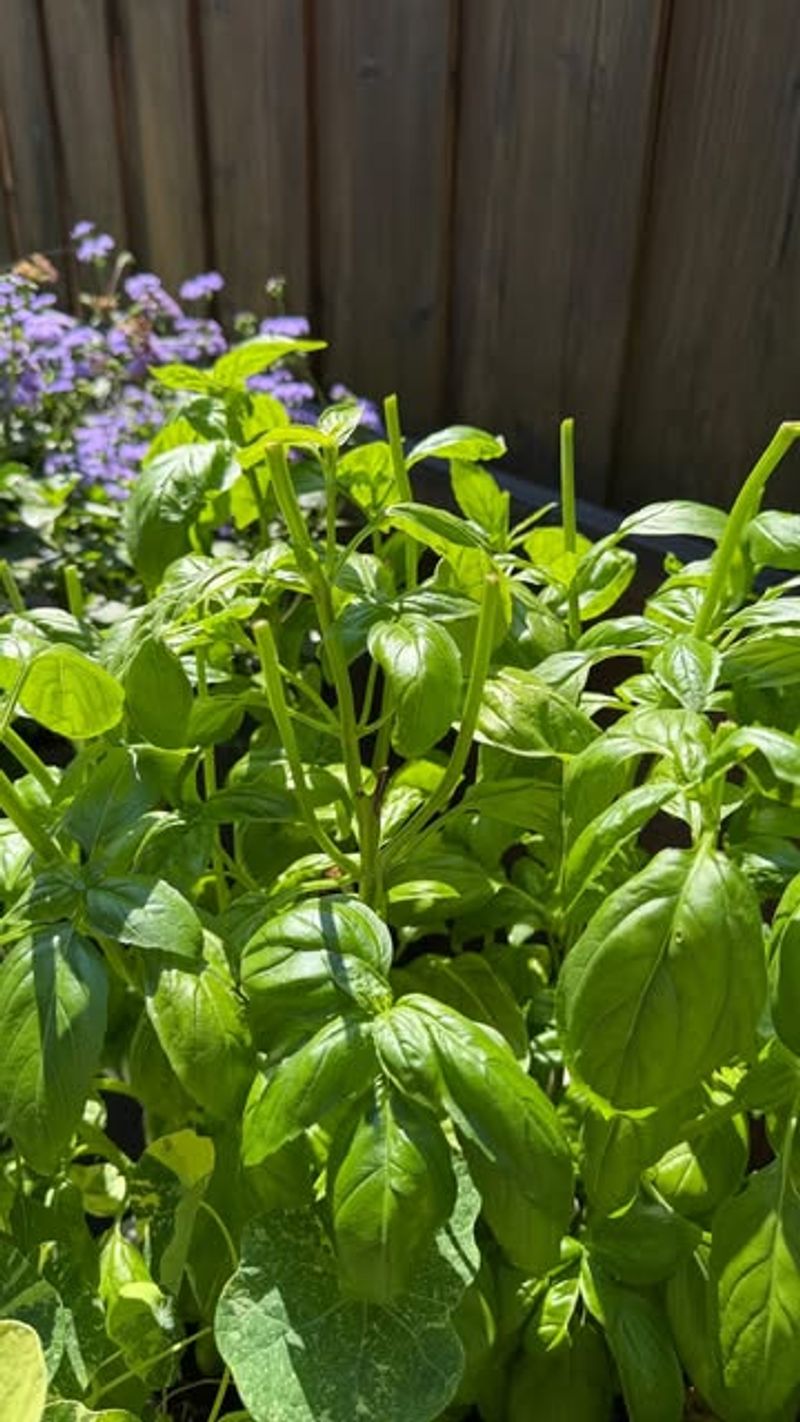
Most gardeners wait too long. By the time a full flower spike has opened up on a basil plant, the plant has already shifted a good portion of its energy away from producing leaves.
The secret is catching those buds before they get a chance to bloom, and in August, that window moves fast.
North Carolina summers are warm and relentless, which means basil matures quickly. A tight little bud cluster can turn into a full flower spike in just a few days when temperatures climb.
Checking your plants every two or three days during August is not exaggerated. It is genuinely the most effective habit you can build for a productive basil patch.
When you spot a developing flower tip, remove the entire thing rather than just the open blooms. Pulling off only the open flowers while leaving the spike behind does not stop the process. The plant will keep pushing energy into that same shoot.
Removing the whole tip sends a clear message to the plant: branch out and grow more leaves instead. This one simple action redirects growth in a way that benefits every harvest you take from that point forward.
The more consistently you pinch, the more generous and leafy your plants become over the rest of the season.
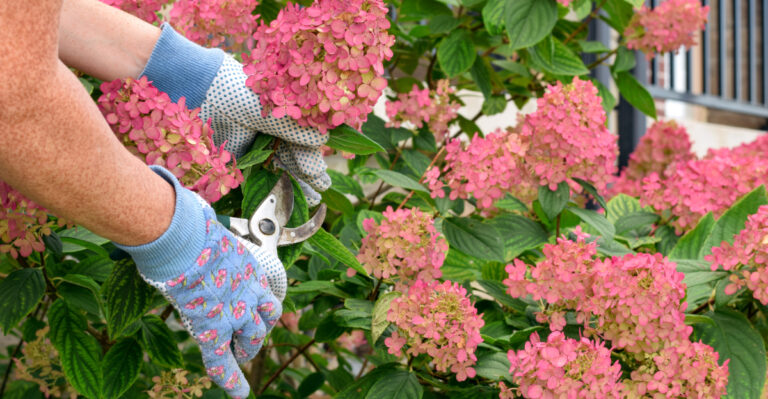
Keep a small pair of clean scissors nearby when you walk through the garden. Pinching with your fingers works perfectly well too, and most gardeners find it easier to do a quick check while they are already outside watering or tending to other plants.
2. Flowering Can Reduce Leaf Quality
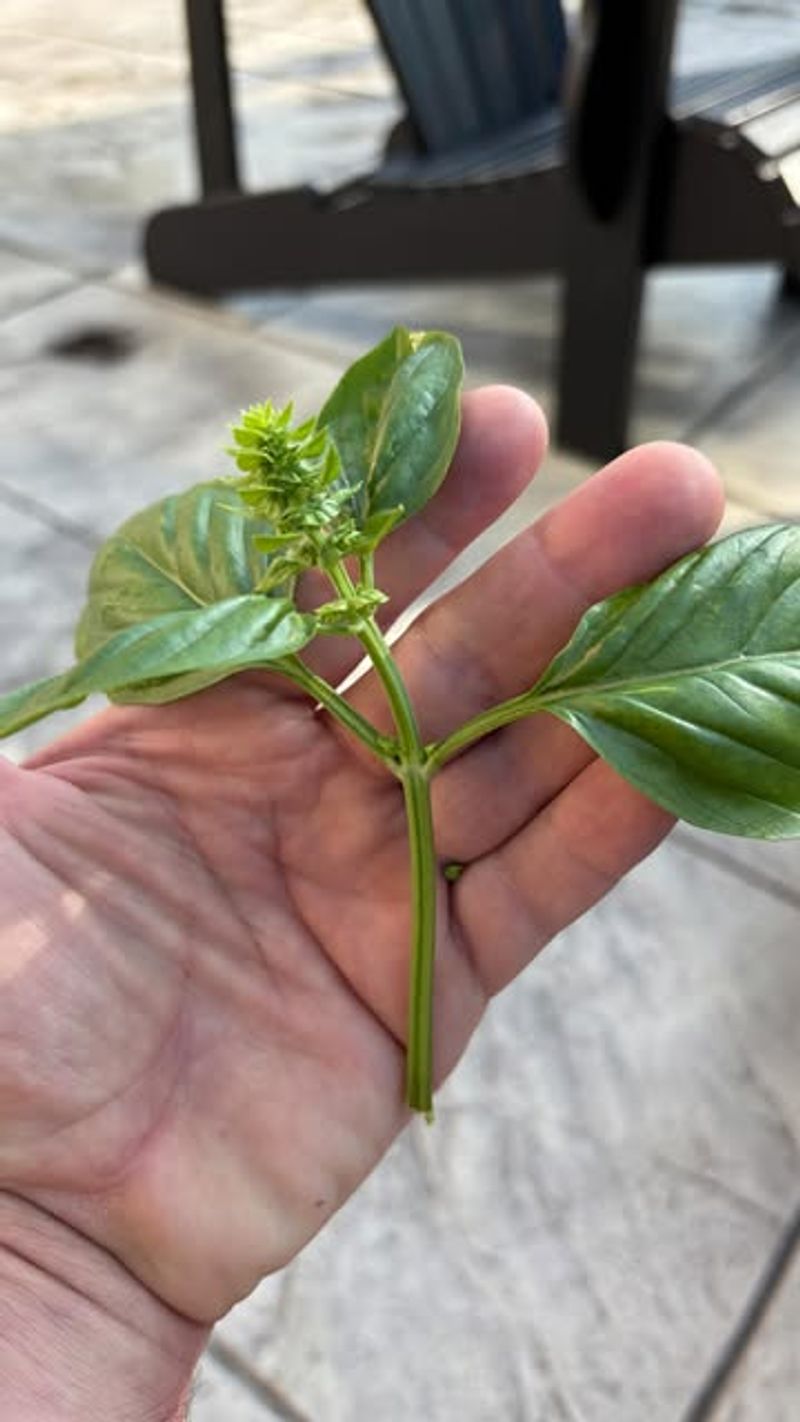
There is a reason experienced herb gardeners get a little anxious when they spot the first flower spike on their basil. Once a basil plant shifts into its reproductive stage, everything changes.
The plant’s priorities flip from making leaves to making seeds, and the foliage often pays the price.
Leaves that form after flowering has begun can taste noticeably different. Many gardeners describe them as sharper, more peppery, or sometimes slightly bitter compared to the soft, sweet flavor of pre-flower basil.
Your North Carolina Garden Changes Every Week. Your Plan Should Too.
Gardening in North Carolina changes quickly throughout the season. Every Friday you’ll receive a simple weekly plan showing exactly what to plant, prune, fertilize, harvest, and protect so you never miss the right timing.
The texture can also shift, with leaves becoming a bit tougher or thicker than what you would expect from a younger, vigorously growing plant.
To be fair, the leaves do not become completely unusable. Plenty of cooks still use post-flower basil in sauces, soups, or cooked dishes where the stronger flavor blends in rather than standing out.
But for fresh uses like caprese salads, pesto, or garnishes, the difference is real and noticeable.
The key takeaway is that leaf quality tends to decline gradually as flowering advances, not all at once.
Catching the process early by removing flower buds gives you a longer stretch of high-quality harvests before the plant naturally winds down later in the season.
August is particularly important in North Carolina because the combination of heat, long daylight hours, and plant maturity all push basil toward flowering at the same time.
Staying ahead of those flower buds is the most direct way to protect the flavor and texture of every leaf you bring into the kitchen.
3. August Basil Needs Frequent Flower Checks
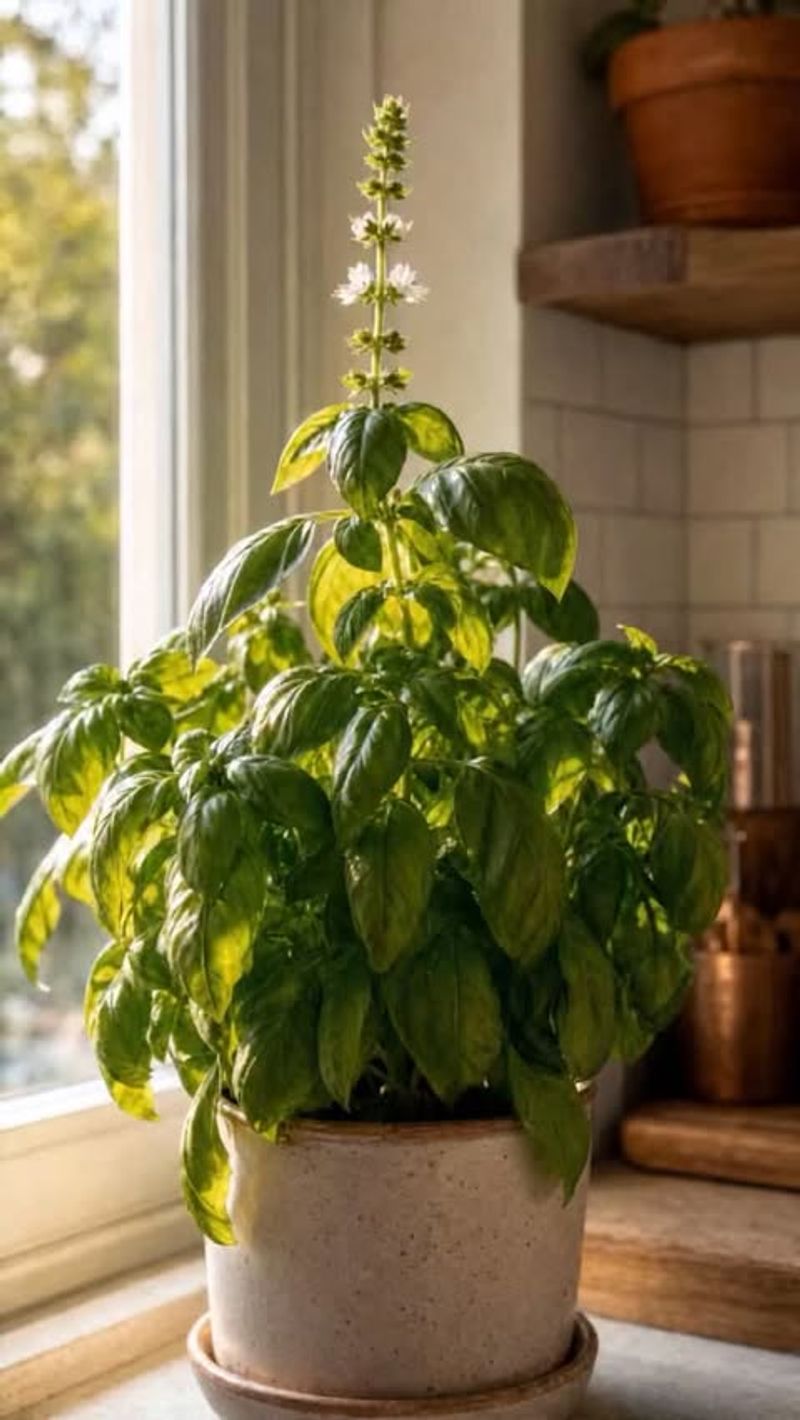
August catches a lot of gardeners off guard. The basil that looked perfectly manageable in June and July suddenly seems to be racing toward flowering almost overnight.
That is not an exaggeration. Warm temperatures and long days create ideal conditions for basil to mature fast, and mature plants in August can push out flower buds at a surprisingly quick pace.
Checking your plants a few times each week is genuinely the most practical advice for this time of year. It sounds like a lot, but each inspection only takes a few minutes, especially once you know exactly where to look.
The tops of the main stems are always the first place flower clusters appear. Train your eyes to scan those tips every time you walk past the garden.
Catching buds early makes the whole process much easier. A tiny cluster of developing flowers can be removed with a quick pinch, leaving the rest of the stem and foliage completely intact.
Waiting until several flower spikes have fully developed means more pruning, more disruption to the plant, and less usable foliage left behind after the cleanup.
Frequent checks also help you spot any plants that are flowering more aggressively than others.
Some cultivars and some individual plants just bolt faster, and identifying those early lets you give them extra attention before the situation gets ahead of you.
Think of these quick checks as a routine rather than a chore. A few minutes of attention several times a week adds up to a much longer, more productive harvest season for every basil plant in your garden.
4. Pinch The Stem Above A Healthy Leaf Pair
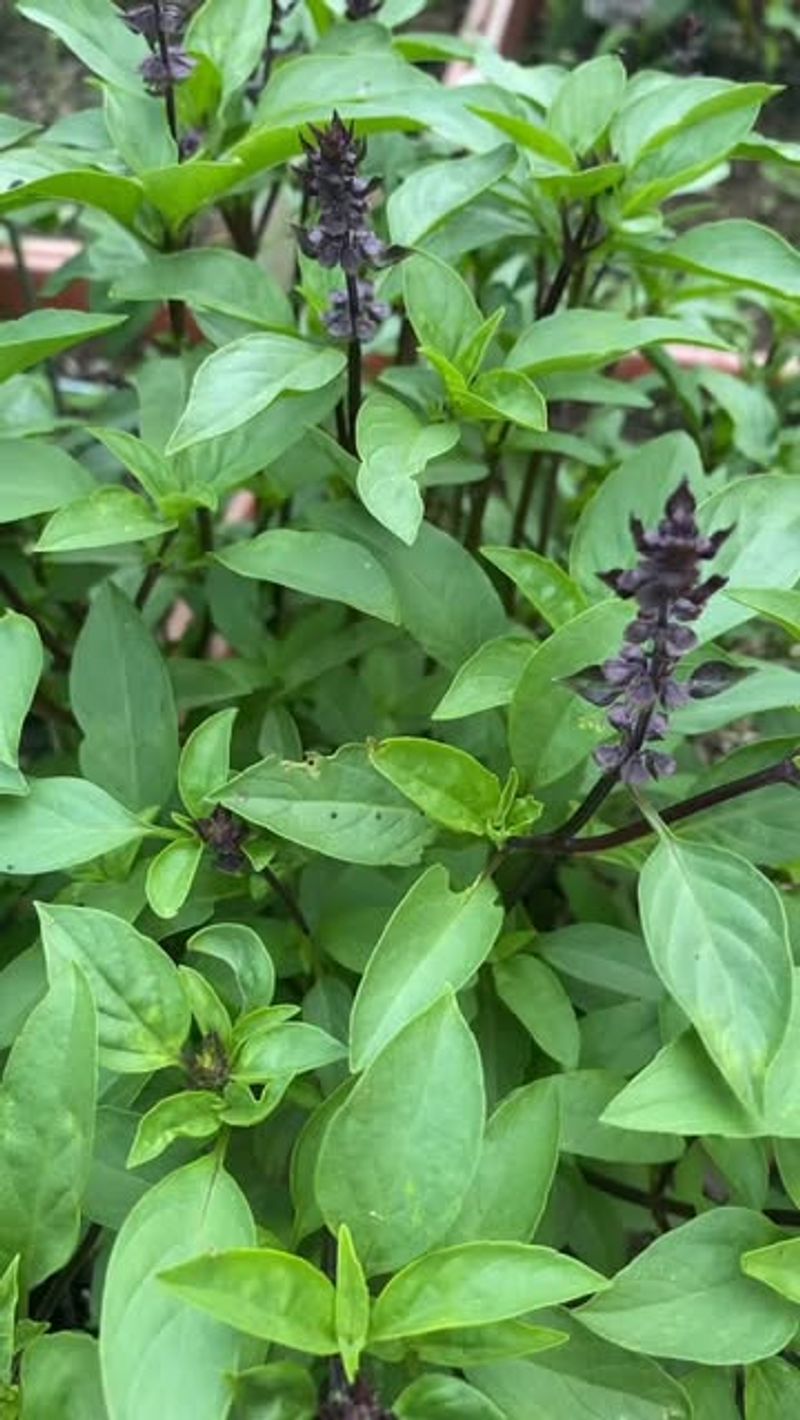
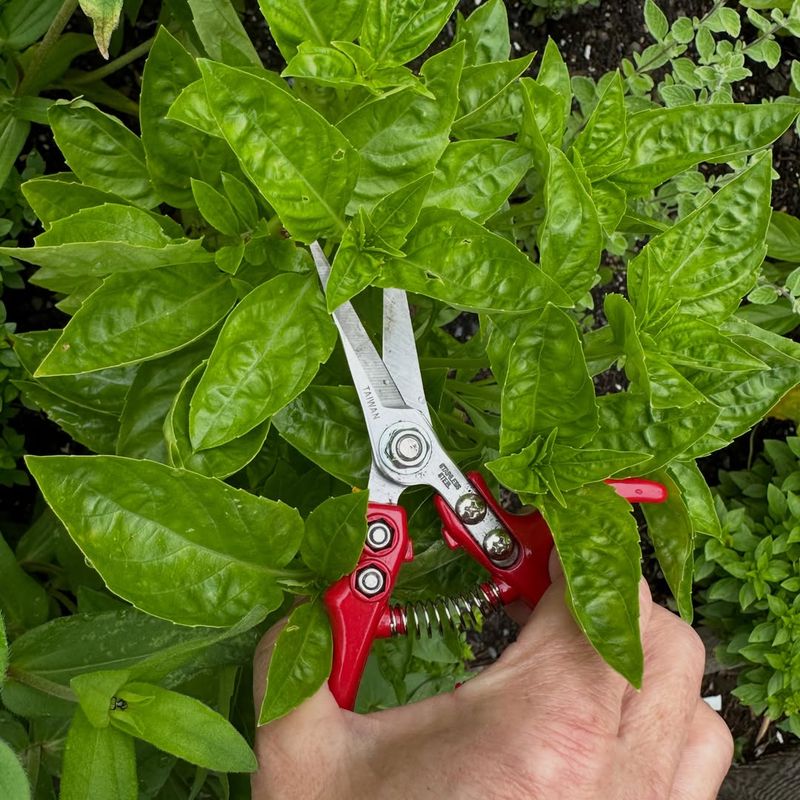
Knowing where to pinch matters just as much as knowing when to pinch. A lot of gardeners remove a flower bud but leave a long, bare section of stem behind, which does not help the plant branch out the way it should.
The correct spot is just above a healthy pair of leaves, and getting this right makes a noticeable difference in how your plant responds.
When you remove the growing tip right above a leaf pair, the two small buds sitting at the base of those leaves get activated. These are called axillary buds, and they are essentially waiting for the signal to grow.
Once the main tip is gone, those buds develop into two new branches, which means your one stem becomes two. Repeat this process a few times across the season and a single plant can become impressively full and bushy.
Clean tools matter here too. Whether you use your fingers or a small pair of garden scissors, make sure they are clean before you start.
This is a simple step that helps prevent spreading any issues from plant to plant while you work through the garden.
Avoid leaving a long stub of bare stem above the leaf pair. That leftover stem does not produce new growth and can sometimes become a weak point on the plant.
A clean cut or pinch right above the leaves keeps the plant tidy and encourages the strongest possible response from those new branches below.
Practice this technique on a few stems and you will quickly develop a feel for exactly where to pinch. It becomes second nature after just a couple of sessions in the garden.
5. Regular Harvesting Encourages Bushier Growth
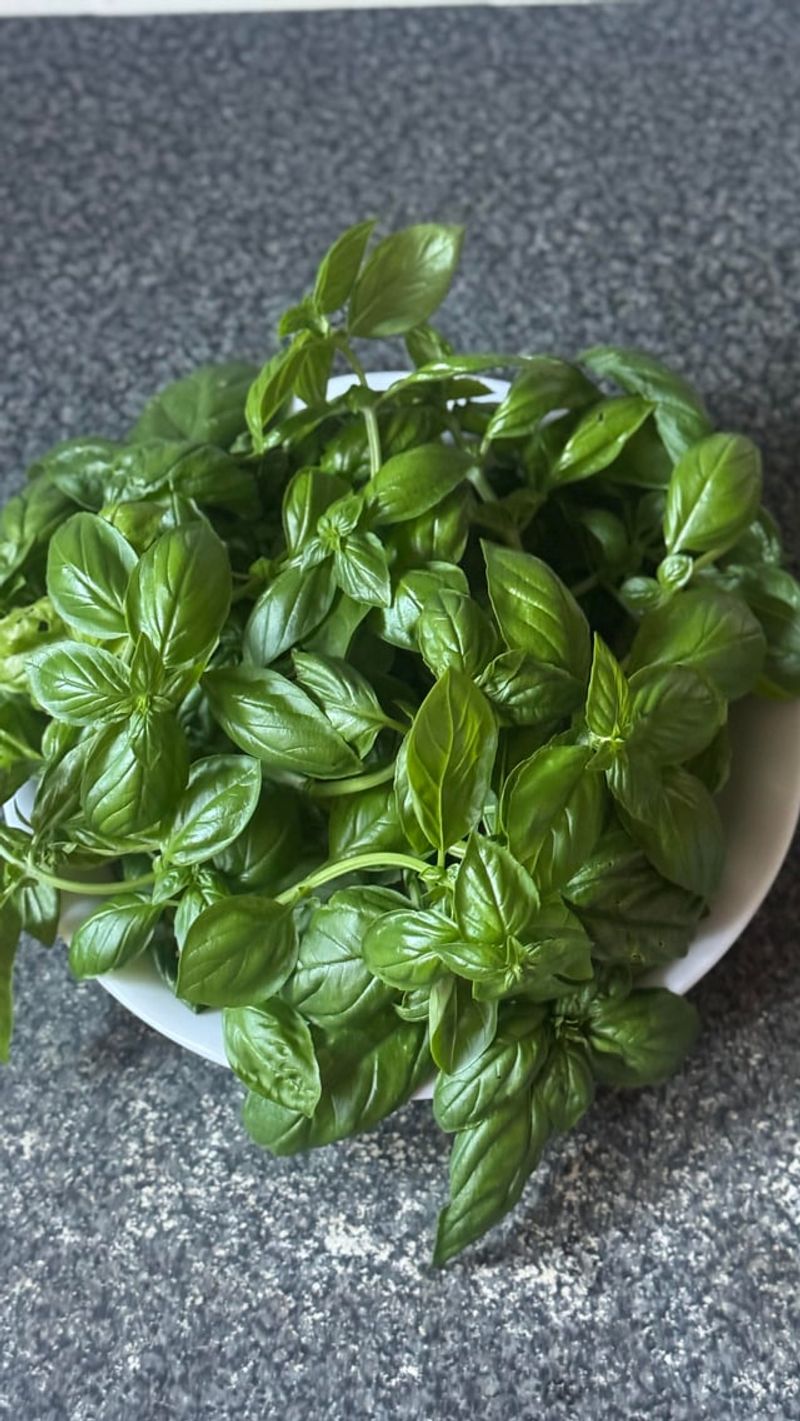
One of the most satisfying things about basil is that the more you harvest it, the better it grows. This is not true of every plant in the garden, but basil genuinely rewards frequent attention.
Removing stem tips on a regular basis limits the plant’s upward reach and pushes energy into the lower branches instead, creating a fuller, more productive shape over time.
Many gardeners make the mistake of picking individual leaves from the same spot on the plant over and over again. While this gives you a few leaves at a time, it does not encourage the kind of branching that makes a plant truly productive.
Harvesting several stem tips instead, right above a healthy leaf pair, triggers multiple new branches to form and keeps the whole plant growing vigorously.
In North Carolina’s August heat, this branching habit is especially valuable. A bushy, well-branched plant has more growing tips and more leaf surface area than a tall, spindly one.
That translates directly into more leaves available for harvesting over the rest of the season.
Aim to harvest stem tips every week or every other week rather than waiting for the plant to get large before you take anything.
Frequent, moderate harvesting keeps the plant in an active, vegetative state longer and delays the natural push toward flowering that August conditions tend to accelerate.
Even if you do not need the basil immediately, harvesting stem tips and setting them in a glass of water on the counter keeps them fresh for several days and keeps your garden plants growing in exactly the right direction.
6. Harvest Before The Day Becomes Hot
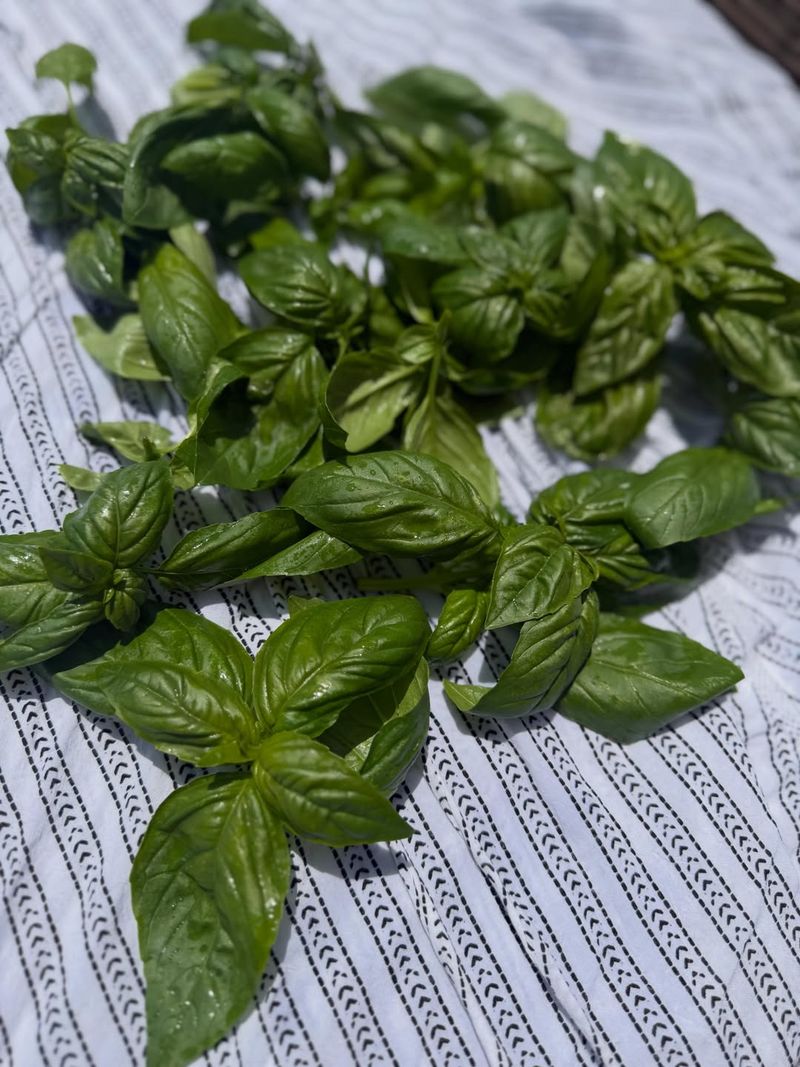
Timing your harvest might sound like a small detail, but it genuinely affects the quality of what you bring inside.
NC State Extension recommends gathering herbs in the morning, after the dew has dried from the leaves but before the strongest heat of the day sets in.
For most of August in North Carolina, that sweet spot falls somewhere between mid-morning and late morning.
Basil contains aromatic oils in its leaves, and those oils are at their most concentrated and fresh early in the day. As temperatures climb and the sun beats down through the afternoon, those delicate oils can become more volatile and less vibrant.
Harvesting at the right time means you are getting the most flavorful leaves possible from every cutting.
There is a practical reason to wait until the dew dries too. Wet leaves can bruise more easily during handling and are more prone to developing spots or deteriorating quickly after harvest.
A short wait in the morning until the leaves feel dry to the touch makes a real difference in how well the fresh basil holds up once you bring it inside.
Handle the stems gently when you cut them. Basil bruises fairly easily, and rough handling can cause those dark spots that appear on the leaves within minutes of damage.
A clean, confident cut with sharp scissors and a gentle hand from that point forward keeps your harvest looking and tasting its best.
Making morning harvest a habit also means you are out in the garden regularly, which naturally leads to spotting and removing flower buds before they have a chance to develop fully.
7. Consistent Moisture Still Protects Leaf Quality
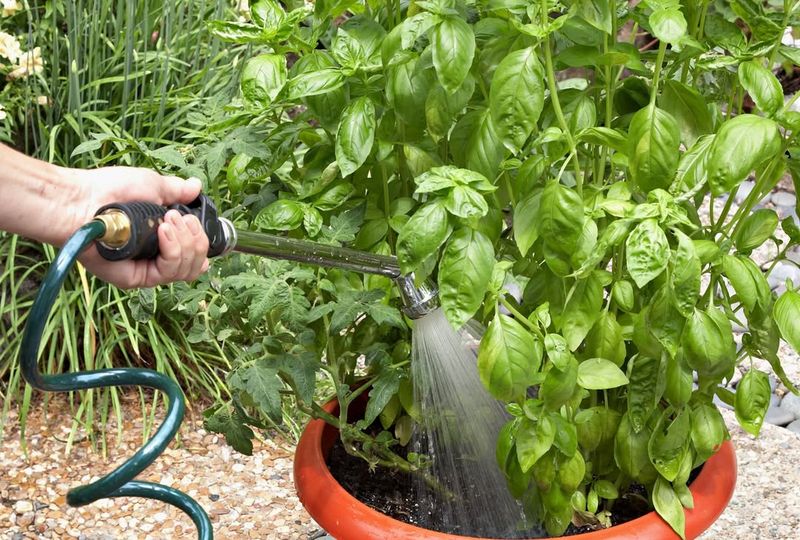
Pinching flower buds is the most important action for keeping basil leafy and flavorful in August, but watering conditions run a close second.
Basil prefers moist, well-drained soil, and getting that balance right during North Carolina’s hot, dry August stretches makes a real difference in how the plants look and taste.
NC State Extension guidance for container-grown basil recommends allowing the soil to dry slightly between waterings rather than keeping it consistently wet.
This slight dry-down period between waterings encourages stronger root development and can actually support better flavor in the leaves.
Roots sitting in waterlogged soil for extended periods are more vulnerable to rot and stress, which shows up quickly in the foliage.
At the same time, letting container plants become severely dry is a fast way to stress a basil plant into bolting.
A basil plant under drought stress reads that as a signal to reproduce quickly, and it will push flower spikes out much faster than a well-watered plant would.
Consistent, attentive watering removes that pressure and keeps the plant focused on vegetative growth.
For in-ground plants in North Carolina, August heat can dry out the top layer of soil surprisingly fast.
Checking the soil an inch or two below the surface gives a more accurate picture of actual moisture levels than looking at the surface alone.
Mulching around the base of the plants helps retain moisture between watering sessions and keeps soil temperatures more stable during the hottest parts of the day.
Water at the base of the plant rather than overhead when possible. Keeping the foliage dry reduces the chance of fungal issues, which can become more common in the humidity of a North Carolina August.
8. Pinching Helps But Cannot Guarantee Mild Flavor
Regular pinching and consistent harvesting are genuinely the best tools you have for keeping basil tender and flavorful through August. But it is worth being honest about what pinching can and cannot do.
Flavor in basil is shaped by more than just whether or not the plant has flowered. Cultivar, leaf age, growing conditions, moisture levels, and overall plant health all play a role in what ends up on your palate.
Some basil varieties naturally carry a stronger, more peppery flavor than others regardless of how carefully they are managed.
A Genovese basil and a Thai basil are going to taste very different even when both are harvested at exactly the same stage of growth. Knowing what you planted helps set realistic expectations for the flavor profile you will get.
Tasting a leaf before a large harvest is a simple and underrated habit. One quick taste tells you more about what that plant is producing right now than any visual inspection can.
If the flavor is still fresh and balanced, go ahead and harvest freely. If it tastes noticeably sharp or strong, consider whether a smaller harvest or a cooked application makes more sense for that batch.
Plants do have a natural lifespan, and even the most attentive pinching routine eventually reaches its limits. When repeated pinching no longer produces enough appealing new growth, that is a signal the plant has run its course for the season.
Starting a fresh plant from seed or a nursery transplant gives you a clean slate and a new round of tender, flavorful leaves to look forward to through the rest of the growing season.