Stop Making These 7 Mistakes In Your Florida Garden This January
January is Florida’s secret gardening superpower.
While much of the country is locked under snow and frozen soil, Florida gardeners are quietly growing food, planting flowers, and setting the stage for their best spring ever.
Cool nights, bright days, and fewer pests make this one of the most productive and forgiving months of the year if you know how to use it.
Florida winter weather can be deceiving.
One wrong move right now such as watering too much, pruning at the wrong time, or planting crops that do not match your region can quietly undermine months of growth.
What makes it even trickier is that Florida does not have a single winter climate.
North, Central, and South Florida behave very differently in January, and advice that works perfectly in one area can cause serious problems in another.
Gardeners who understand these differences gain a powerful advantage going into spring.
These seven common January mistakes are the ones that most often hold Florida gardens back, and avoiding them now sets up healthier plants, bigger harvests, and more vibrant blooms for the months ahead.
1. Overwatering During Cool Weather
When the temperatures drop in January, your plants need far less water than they did back in August.
Cool soil holds moisture much longer, and roots simply aren’t drinking as fast when the weather turns mild.
Many Florida gardeners stick to their summer watering schedule without realizing that what worked in July can actually harm plants in winter.
Roots sitting in soggy soil during cooler months become vulnerable to rot and fungal issues.
The lack of heat means water evaporates slowly, creating a constantly damp environment that most plants dislike.
You might notice yellowing leaves, wilting despite wet soil, or a general lack of vigor in your garden beds.
Check your soil before reaching for the hose.
Stick your finger down a couple of inches, and only water if it feels dry.
Most established ornamental plants in January need water just once or twice a week in Central and North Florida, though South Florida’s sandy soils may dry out faster.
Containers dry out faster than garden beds, so pay closer attention to potted plants.
Adjust your irrigation system if you have one.
Turn down the frequency or duration during the cooler months.
Your plants will thank you with stronger roots and healthier growth.
Remember that less is truly more when it comes to January watering in Florida gardens.
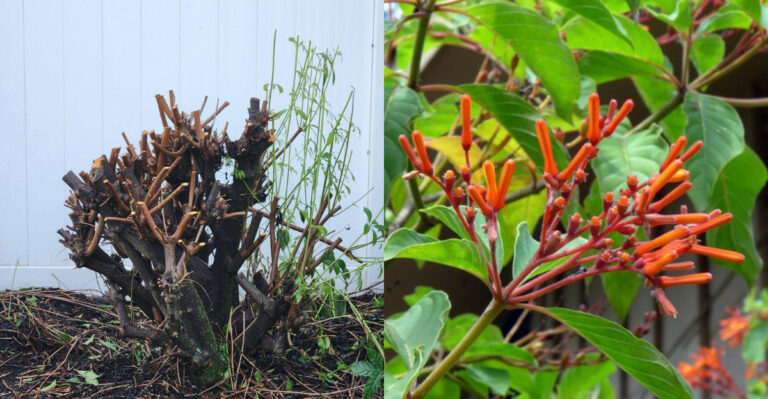
2. Pruning Spring Blooming Plants Too Early
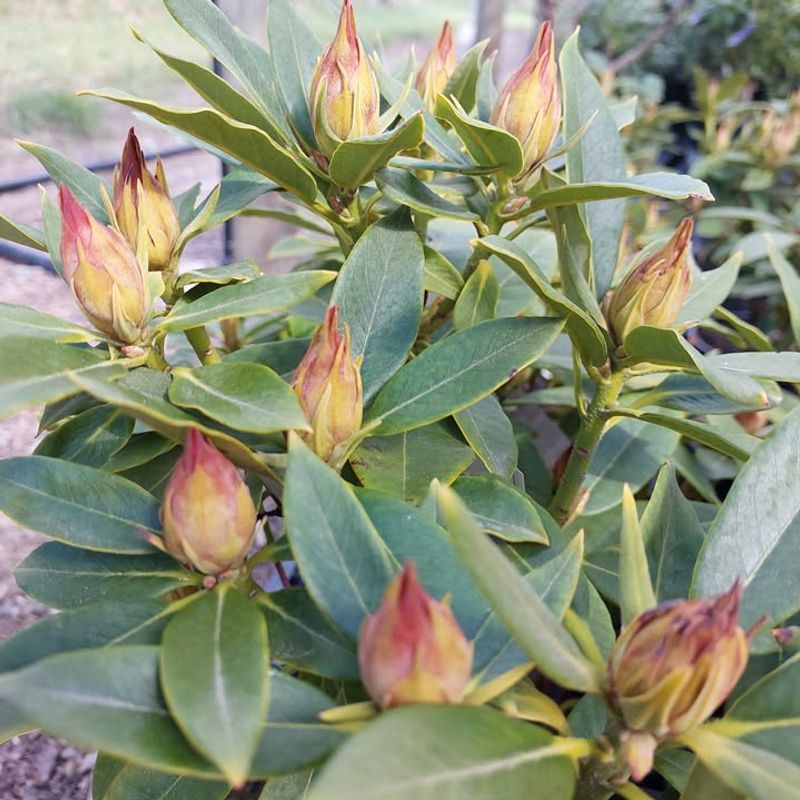
Azaleas, gardenias, and many other spring bloomers set their flower buds in late fall and early winter.
Those little swollen buds you see on the branches right now are the promise of beautiful blooms just a few months away.
Cutting them off in January means you’re removing all those future flowers before they ever have a chance to open.
It’s tempting to tidy up the garden when January brings such pleasant weather for outdoor work.
But pruning spring flowering shrubs now is one of the most common mistakes Florida gardeners make.
You might think you’re helping the plant by shaping it or removing wayward branches, but you’re actually sacrificing the spring show you’ve been waiting for all year.
Wait until right after your plants finish blooming in late spring before you prune.
That gives you the entire summer and fall for the plant to grow new wood and set buds for next year’s flowers.
If you absolutely must remove a damaged or crossing branch in January, do it selectively and sparingly.
Mark your calendar with the best pruning times for your specific plants.
Azaleas can be pruned in May or June after flowering.
Gardenias prefer a trim right after their main bloom cycle ends.
Learning when to prune saves you from the disappointment of a bloomless spring.
3. Planting Warm Season Crops Outside
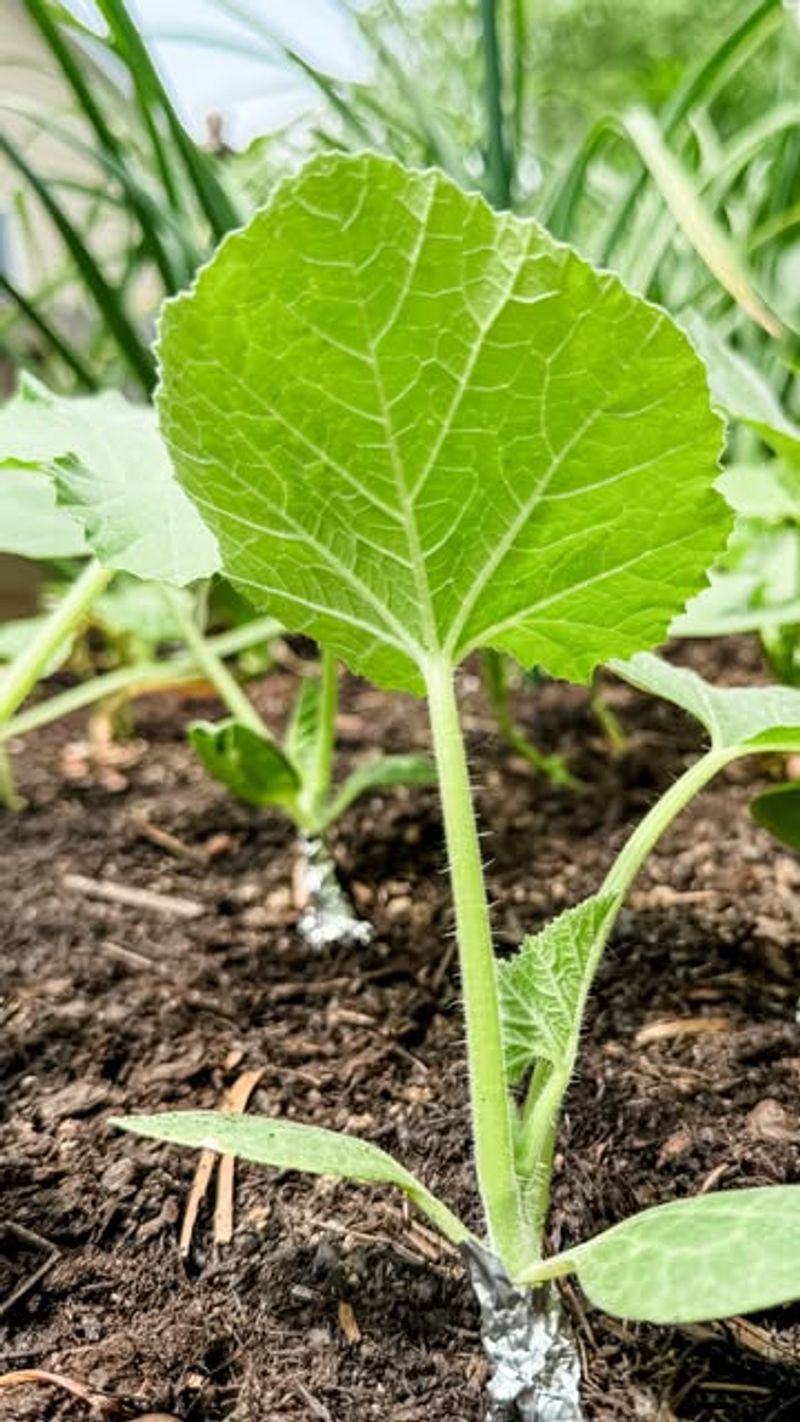
Tomatoes, peppers, squash, and cucumbers love warmth — but when they can be planted in Florida depends on where you live.
In North and Central Florida, winter nights are still too cool for these crops.
In South Florida, however, January is one of the best planting windows for warm-season vegetables.
Plants set out too early in North and Central Florida often sit there looking sad and stunted, while in South Florida they usually grow vigorously.
In North and Central Florida they won’t really grow or produce well until the weather truly warms up in March or April.
You end up with plants that never quite catch up to the ones started at the proper time.
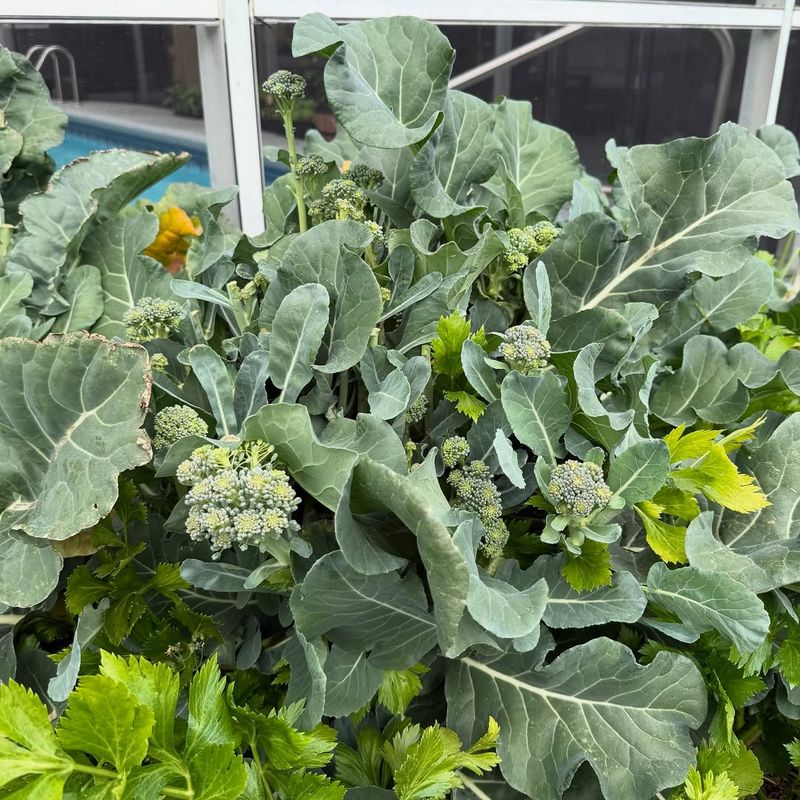
In North and Central Florida, use January to focus on cool-season crops.
In South Florida, this is peak time for tomatoes, peppers, squash, cucumbers, and beans.
In North and Central Florida, lettuce, broccoli, cabbage, kale, carrots, and snap peas all love our mild winter weather.
In South Florida, leafy greens like lettuce, arugula, and spinach perform best, while peas and brassicas often struggle in the warmth.
These vegetables prefer the cool winter temperatures found in North and Central Florida and will reward you with abundant harvests before the heat returns.
In North and Central Florida, start warm-season seeds indoors under lights or in a protected greenhouse.
In South Florida, these crops should already be planted outdoors.
That way, North and Central Florida gardeners will have strong transplants ready to go outside when temperatures stabilize in late February or March.
Patience pays off with healthier plants and better yields throughout the growing season.
4. Skipping Mulch
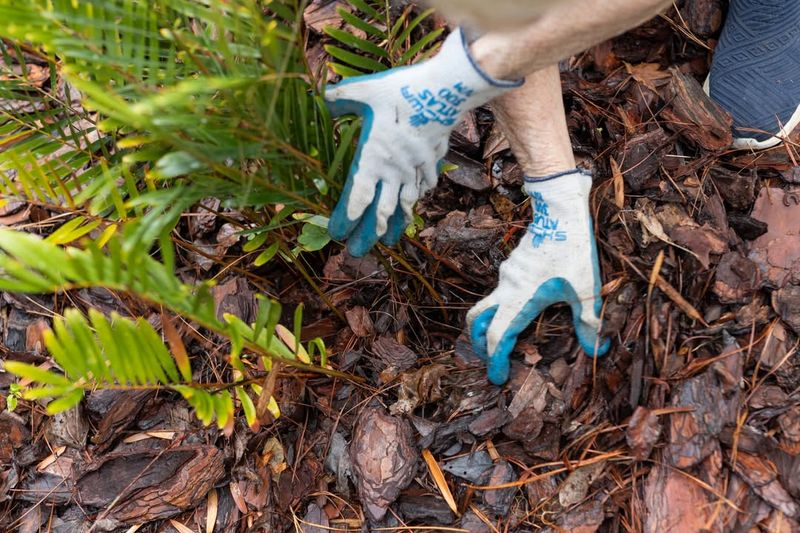
Bare soil is an invitation for trouble in any season, but January is an especially important time to maintain good mulch coverage in Florida gardens.
Winter weeds germinate enthusiastically in our mild temperatures, and exposed soil loses moisture faster than you might expect even during cooler months.
A good layer of mulch acts as a protective blanket that solves multiple problems at once.
Mulch suppresses weed seeds by blocking light and creating a barrier they can’t easily penetrate.
It moderates soil temperature, keeping roots more comfortable during those occasional cold snaps we get in January.
It also holds moisture in the soil, reducing how often you need to water and helping beneficial soil organisms thrive.
Apply a two to three inch layer of organic mulch around your plants.
Pine bark, pine straw, or wood chips all work beautifully in Florida gardens.
Keep the mulch pulled back a few inches from plant stems and tree trunks to prevent moisture buildup right against the bark.
Refresh your mulch if it’s gotten thin over the past year.
Organic mulches break down over time, which is actually beneficial because they add nutrients and organic matter to your soil.
But that also means you need to replenish them periodically to maintain coverage.
January is a perfect time for this garden maintenance task.
5. Forgetting To Protect Plants From Cold Snaps
Florida winters are generally mild, but we’re no strangers to the occasional cold front that sends temperatures plummeting overnight.
Tropical and tender plants that do fine during normal January weather can suffer serious damage when temperatures drop into the 30s or below.
The mistake isn’t growing these plants in Florida, it’s failing to protect them when forecasts warn of unusually cold conditions.
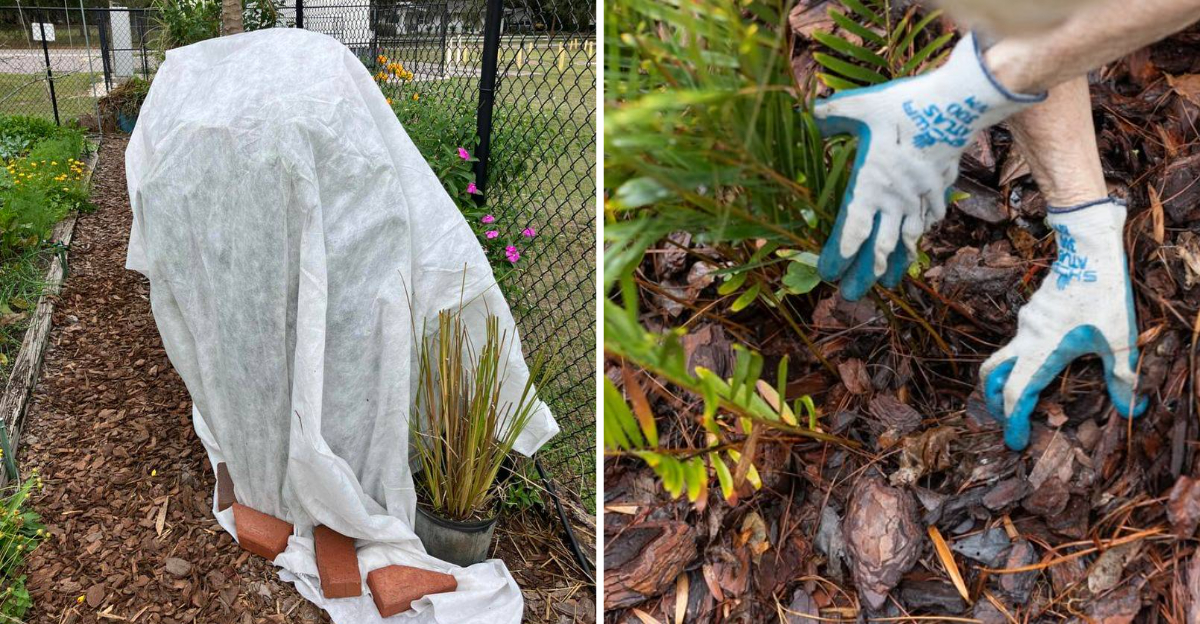
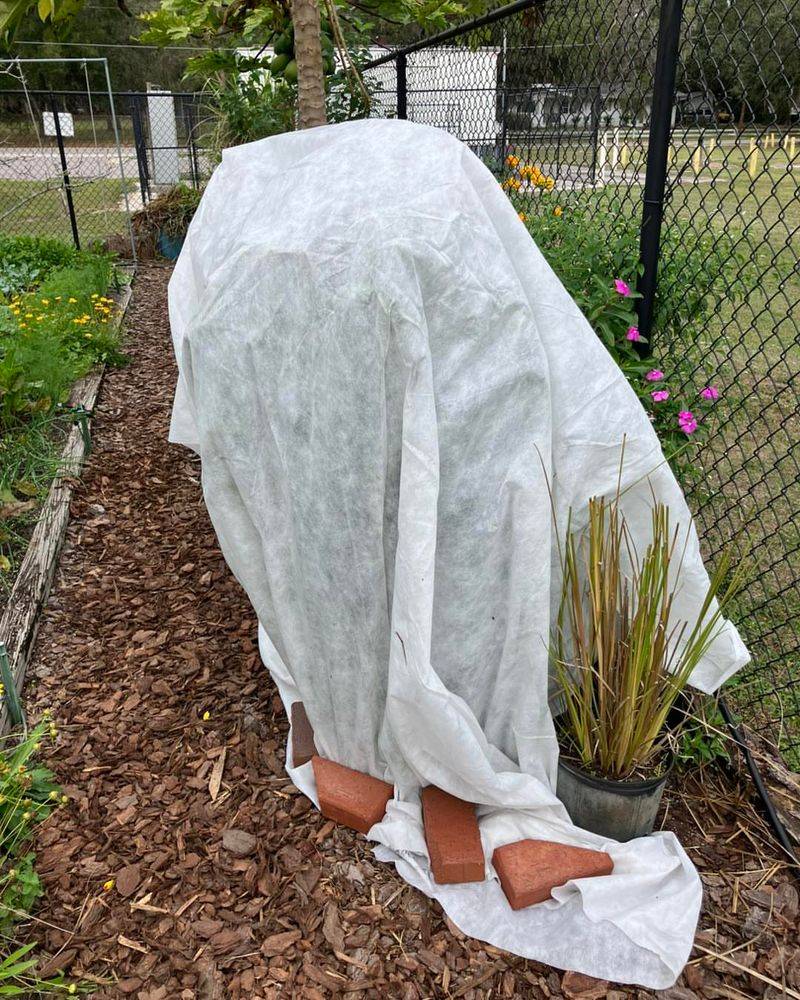
Keep frost cloth, old sheets, or lightweight blankets handy throughout the winter months.
When a cold snap is predicted, cover sensitive plants in the late afternoon before temperatures drop.
Drape the covering all the way to the ground to trap heat radiating from the soil.
Remove covers once temperatures rise above freezing the next day.
Bring potted tropicals close to the house or under covered areas where they’ll benefit from radiant heat.
Water plants thoroughly before a freeze because moist soil holds and releases heat better than dry soil.
Avoid fertilizing tender plants in January since new growth is more susceptible to cold damage than mature foliage.
Know which plants in your garden need protection.
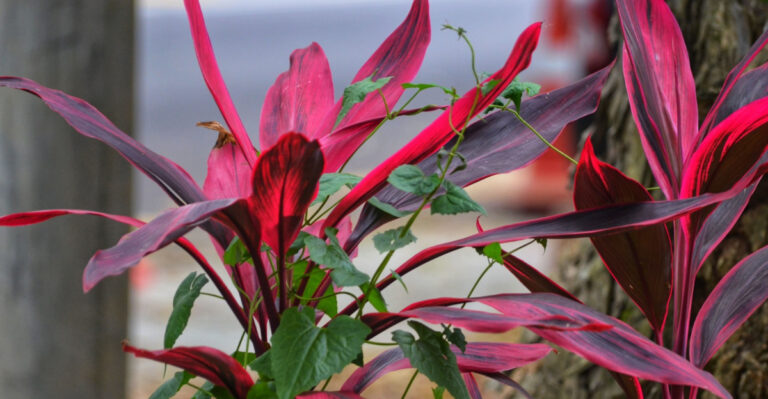
Hibiscus, crotons, orchids, ferns, and citrus trees often need covering during hard freezes.
Native Florida plants and true cold hardy selections usually handle our winter lows without any help.
Being prepared means you can act quickly when weather warnings come through.
6. Ignoring Soil Health
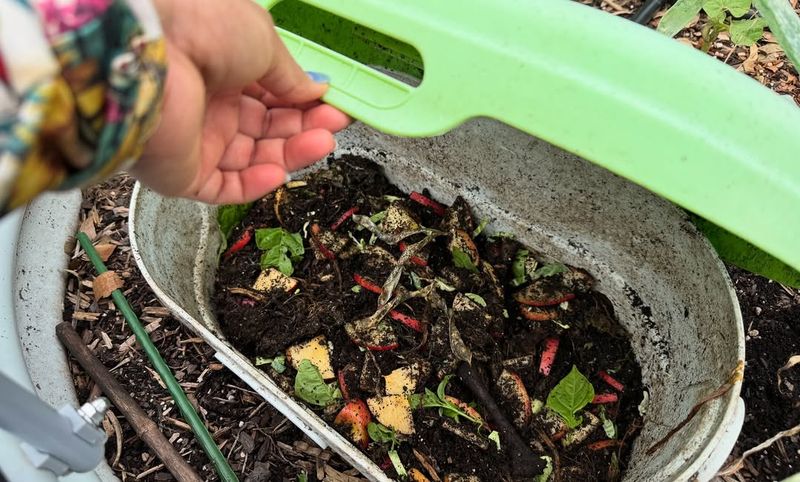
Healthy soil is the foundation of a thriving garden, yet many gardeners focus only on what’s growing above ground.
January is an ideal time to think about soil health because you can amend beds before spring planting gets into full swing.
Florida’s sandy soils drain quickly and don’t hold nutrients well, so regular additions of organic matter make a tremendous difference in plant performance.
Compost is your best friend for building better soil.
Spread a one to two inch layer over garden beds and work it gently into the top few inches of soil.
This adds nutrients, improves soil structure, and helps with both water retention and drainage.
Worm castings, aged manure, and leaf mold all provide similar benefits.
Consider getting a soil test through your local Extension office.
The results will tell you exactly what your soil needs in terms of pH adjustments and nutrients.
This takes the guesswork out of fertilizing and prevents you from adding things your soil doesn’t actually need.
Living mulches and cover crops also boost soil health.
If you have an empty bed in January, consider planting a quick cover crop like clover or annual rye.
Turn it under in a few weeks, and you’ll add organic matter while suppressing weeds.
Healthy soil grows healthy plants with less work and fewer problems throughout the year.
7. Failing To Plan For Spring
Spring arrives early in Florida, and it comes on fast.
Before you know it, March temperatures are climbing and garden centers are bursting with warm season transplants.
Gardeners who wait until spring actually arrives often find themselves scrambling, unprepared, and missing the ideal planting windows.
January is your opportunity to plan ahead while the pace is still relaxed and manageable.
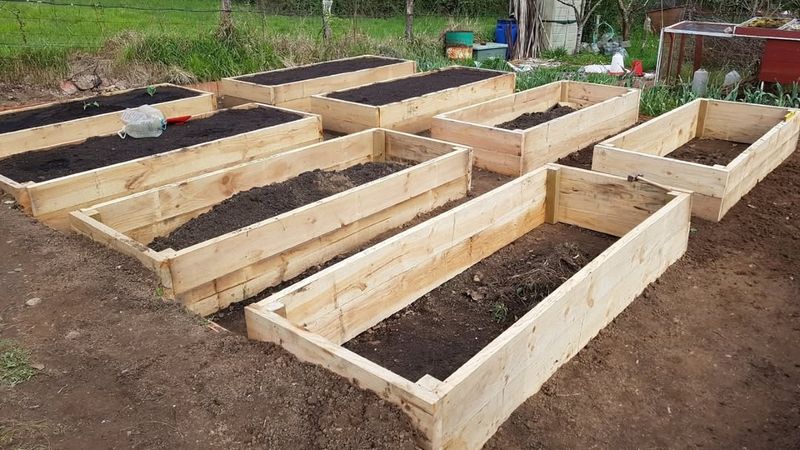
Take time now to sketch out what you want to grow and where you want to grow it.
Look back at last year’s notes if you kept any.
What worked well?
What struggled?
What do you want to try differently this season?
Order seeds for varieties that might not show up at local stores.
Prepare garden beds now so they’re ready when planting time arrives.
Clear out any remaining fall crops that have finished producing.
Add compost and amendments.
Repair irrigation systems or install new drip lines.
All of this is much easier to do in pleasant January weather than in hot March afternoons.
Start seeds indoors for plants you’ll transplant later.
In North and Central Florida, tomatoes, peppers, and herbs started from seed in January will be perfect sized transplants by late February or early March.
Having plants ready to go into the ground at the optimal time gives you a significant advantage.
Planning ahead transforms spring gardening from a frantic rush into an enjoyable, organized process that sets you up for success.