The Oregon Plants You Should Not Cut Back In September
September cleanup can be dangerously satisfying. One faded stem comes out, then another, and suddenly the pruners are moving through the garden like they have been waiting all year for this moment.
The problem is that not every tired-looking plant is ready for a haircut. Some growth that appears finished may still have an important job ahead, even if it is no longer winning any beauty contests.
Oregon gardens can be especially tricky at this point in the season. Warm afternoons may linger, cooler nights start creeping in, and plants begin responding to shorter days in ways that are not always visible above ground.
That makes a blanket cutback risky. What looks messy now could still support the plant, protect new growth, or contribute to what happens later in the year.
Garden neatness has terrible timing sometimes. A slower cleanup can be the smarter move.
Leaving certain plants alone for a little longer may do more for the garden than an enthusiastic afternoon with the shears.
1. Hydrangeas May Already Be Holding Next Year’s Buds
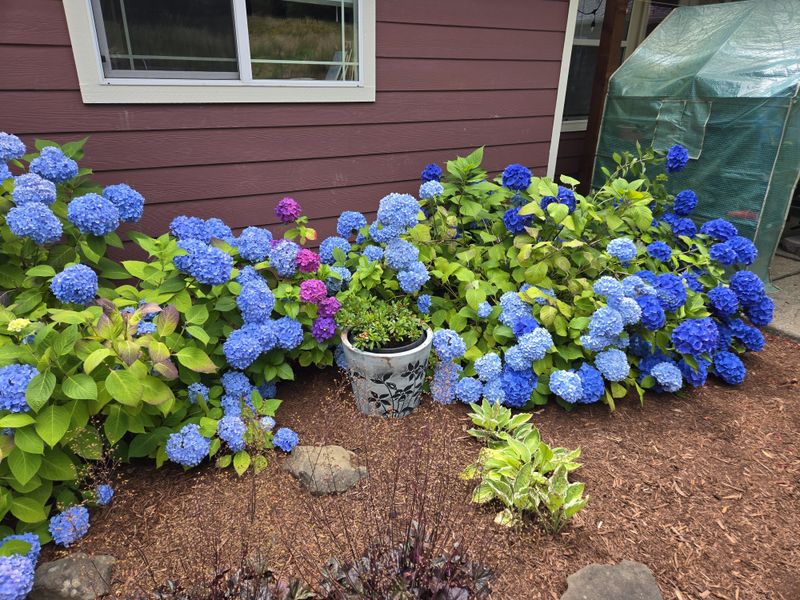
Few garden plants cause more pruning confusion than hydrangeas. Many gardeners reach for the shears in September thinking they are helping the plant look neater heading into winter.
But for most hydrangea varieties, especially the popular mophead and lacecap types, that September trim can wipe out an entire season of blooms.
Most traditional hydrangeas bloom on what gardeners call “old wood.” That means the flower buds for next spring and summer are already forming on the stems that grew earlier this year. By September, those buds may already be set and waiting.
Cutting the stems back now removes those buds completely. Come spring, your plant will leaf out beautifully but produce very few, if any, flowers.
A better approach is to leave your hydrangeas completely alone through fall and winter. The old flower heads actually serve a purpose beyond looks.
They help protect the tender buds below them from frost damage during cold nights. If you want to tidy things up, wait until late winter or very early spring when you can see which buds are swelling and alive.
Some newer hydrangea varieties, like the Endless Summer series, bloom on both old and new wood. Even so, cutting them back hard in September is still not the best idea.
You risk reducing the number of blooms and stressing the plant right before it needs to conserve energy for winter. When in doubt, put the shears down and wait.
2. Rhododendrons Are Better Left Alone This Late
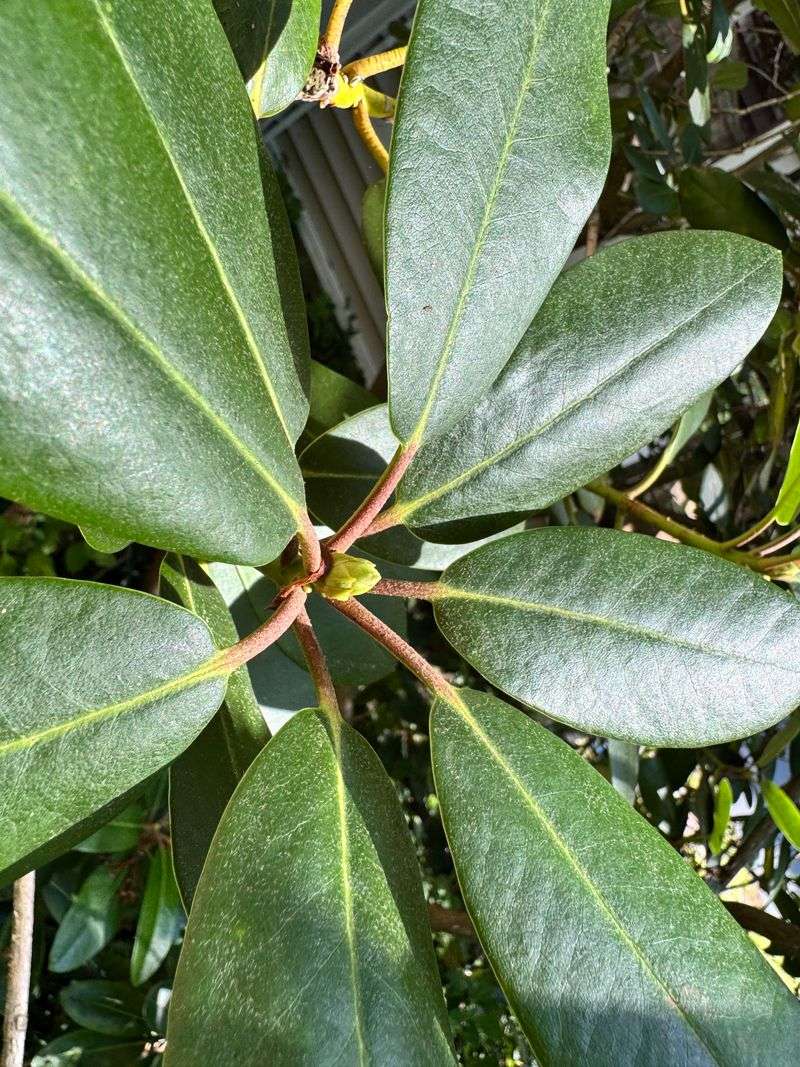
Rhododendrons are one of the most beloved shrubs in the Pacific Northwest, and for good reason. They put on a stunning show of color in spring, and their thick, glossy leaves look great year-round.
But pruning them in September is one of the easiest ways to lose that spring flower display entirely.
Right now, many rhododendrons are quietly doing something important. They are forming the round, swollen buds that will become next spring’s flowers.
These buds sit right at the tips of the branches and are easy to spot if you look closely. Any pruning done at this stage removes those buds directly.
Your Oregon Garden Changes Every Week. Your Plan Should Too.
Gardening in Oregon changes quickly throughout the season. Every Friday you’ll receive a simple weekly plan showing exactly what to plant, prune, fertilize, harvest, and protect so you never miss the right timing.
You will not see the damage until spring arrives and your shrub stays bare while the neighbors’ rhodies are blooming away.
The best time to prune rhododendrons is right after they finish blooming in late spring or early summer. At that point, the plant has just flowered and has not yet started setting buds for next year.
A light shaping at that time will not cost you any blooms. You have a short window of about four to six weeks after flowering to do any trimming safely.
In Oregon, rhododendrons also need their full canopy of leaves to handle the wet, cool winters ahead. Cutting back branches now reduces the plant’s ability to photosynthesize and store energy.
Leave your rhododendrons alone this fall and let them do their thing. They will reward you with a full, gorgeous bloom in spring.
3. Azaleas Can Lose Future Flowers To September Pruning
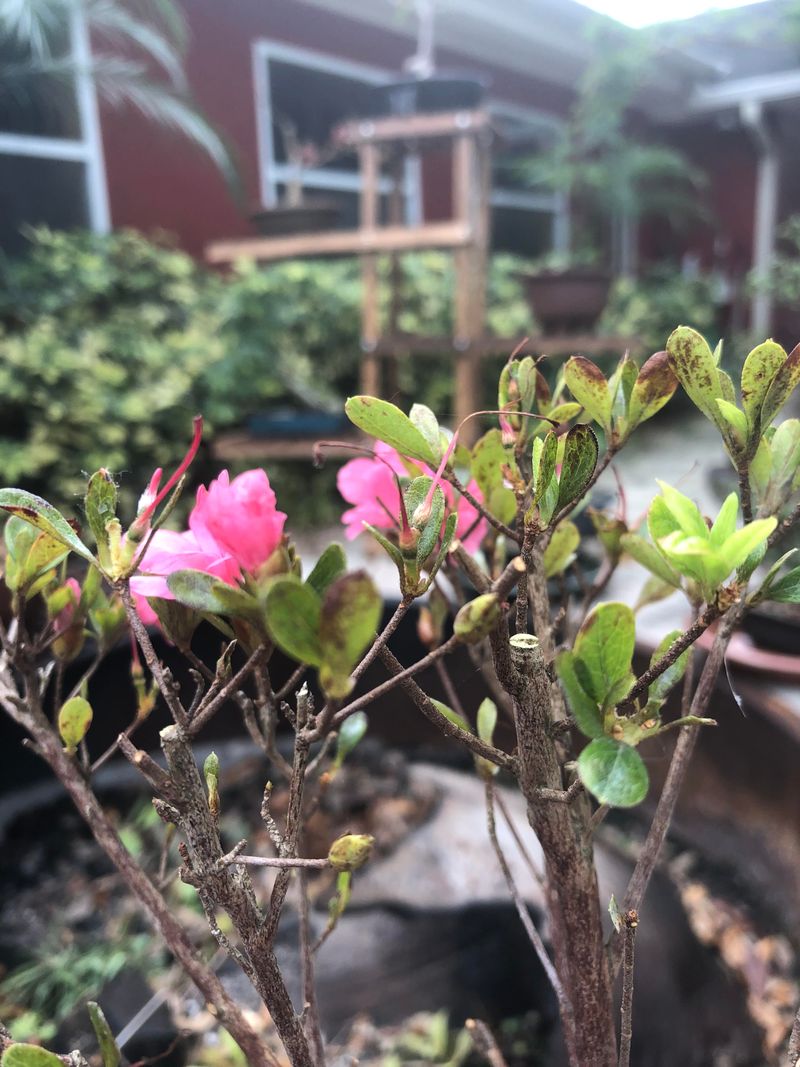
By September, most azalea varieties have already started forming the buds that will produce their colorful spring flowers. Pruning at this point is like throwing away next year’s blooms before they even have a chance to open.
Azaleas are especially popular in shaded Oregon gardens because they handle low light well and produce reliable color in spring. But their beauty depends heavily on timing when it comes to maintenance.
Unlike some plants that can handle a trim almost any time of year, azaleas have a narrow window for pruning. That window closes much earlier than most gardeners expect.
The safest time to prune azaleas is within a few weeks of when they finish blooming in spring. Early summer is acceptable too, as long as you finish before mid-July.
After that, the plant begins forming next year’s buds, and any cutting risks removing them. Waiting until September almost guarantees you will lose a portion of next spring’s flower display.
A light cleanup is sometimes tempting when you see withered or crossing branches. If you absolutely must remove something, stick to clearly damaged wood and leave healthy stems alone.
A sharp, clean cut is always better than a ragged one if you do need to prune. But for now, the best advice is simple: step back, set your tools aside, and let your azaleas rest and prepare for what comes next.
4. Lilacs Should Keep Their Older Flowering Wood
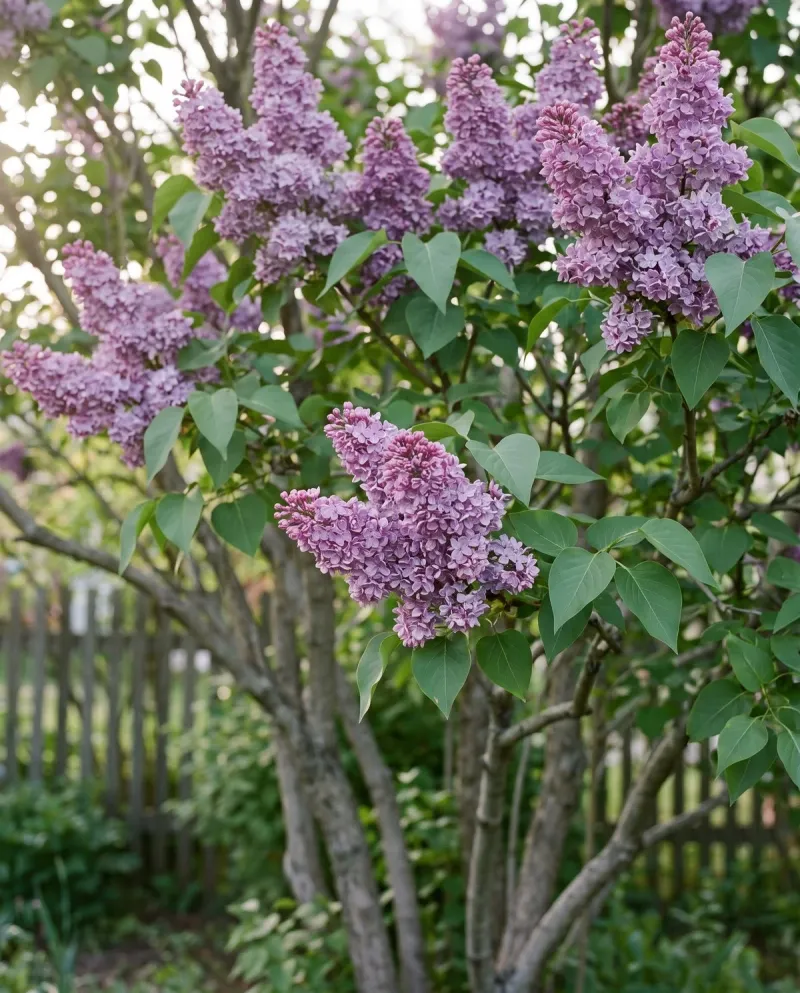
There is something deeply nostalgic about a lilac in full bloom. The fragrance alone can stop you in your tracks.
But lilacs are one of those plants that really punish you for pruning at the wrong time, and September is definitely the wrong time.
Lilacs bloom on old wood, meaning the flower buds form on stems that grew during the previous season. By late summer, those buds are already in place and just waiting through the winter to open in spring.
Cutting back the shrub in September removes those buds and leaves you with a plant that will grow plenty of new leaves next year but very few flowers.
Another thing to keep in mind is that lilacs actually benefit from keeping some of their older, thicker stems. Those mature stems tend to produce the best flower clusters.
Aggressive pruning that removes a lot of old wood at once can push the plant into producing lots of leafy new growth instead of flowers. That new growth will not bloom for another year or two.
If your lilac has gotten very large or overgrown, the best approach is to prune it gradually over several years, not all at once. And timing matters just as much as technique.
Right after blooming in spring is the ideal moment, giving the plant the whole growing season to set next year’s buds.
September pruning, no matter how careful, risks setting back your lilac’s flowering by at least a full season. Patience really pays off with this plant.
5. Camellias May Already Be Setting Buds
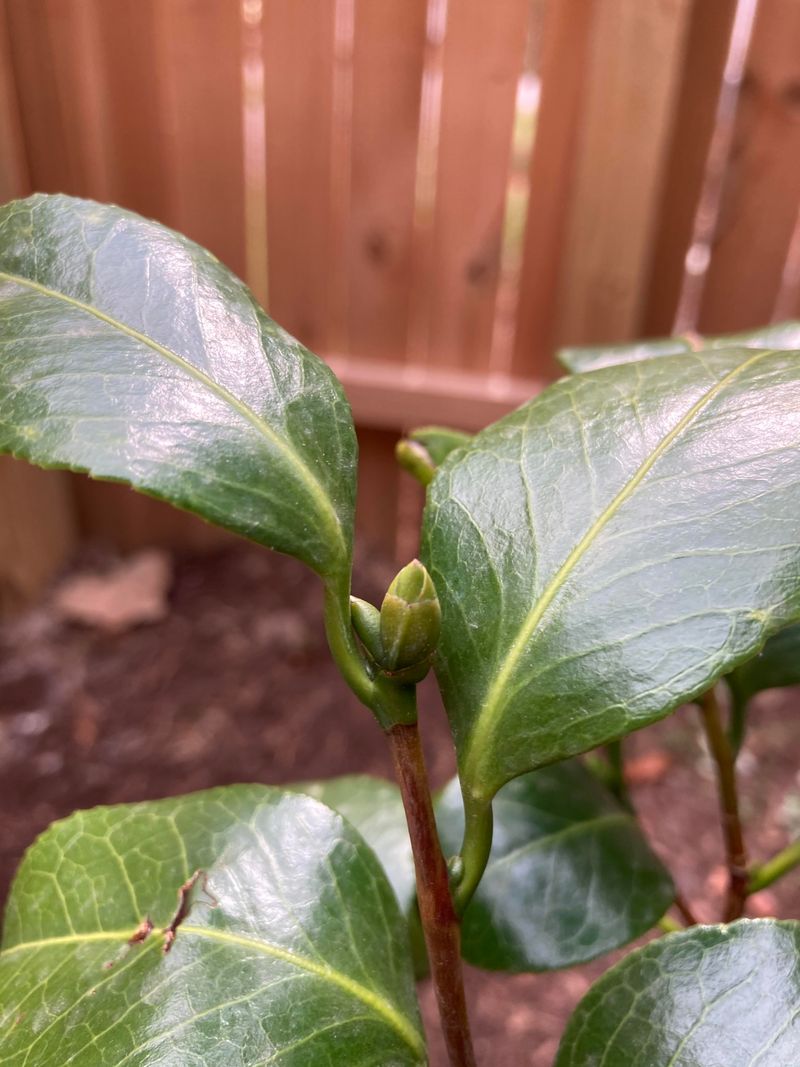
Camellias are one of the most elegant flowering shrubs you can grow in a mild climate. Their waxy blooms appear in late fall or winter, depending on the variety, which makes them especially valuable when most other plants are bare.
But that unique timing also means their buds are forming much earlier than you might expect.
By September, many camellia varieties have already started developing next season’s flower buds. Those buds are small and easy to overlook at first, but they are there.
Pruning the shrub now can remove a significant number of them, reducing the flower display you will see in the coming months.
For fall-blooming camellias, pruning in September might mean losing flowers that were just weeks away from opening.
The best time to prune camellias is right after they finish blooming. For fall and winter bloomers, that means pruning in late winter or very early spring.
For spring-blooming varieties, early summer works well. Either way, you want to give the plant enough time to grow and set new buds before the next bloom cycle begins.
Camellias are also more cold-sensitive than many gardeners realize. Their lush, dense growth helps protect the inner branches and roots from frost.
Cutting back the plant in September reduces that natural insulation at exactly the time when the plant needs it most.
Let your camellia hold onto its shape and its buds through fall. You will be glad you did when those first blooms open on a gray winter morning.
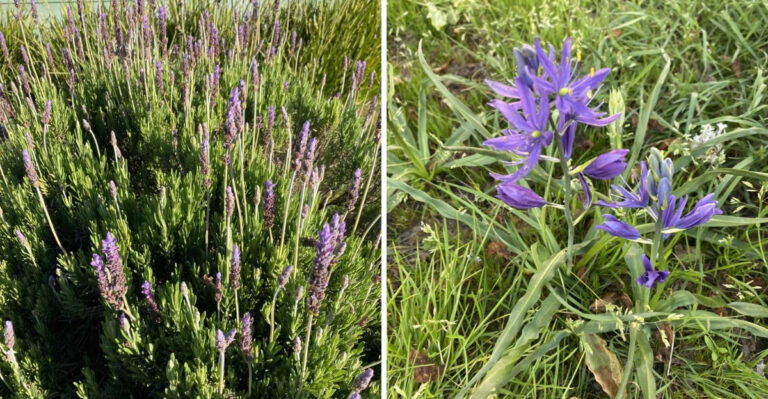
6. Lavender Should Not Be Cut Hard Into Old Wood
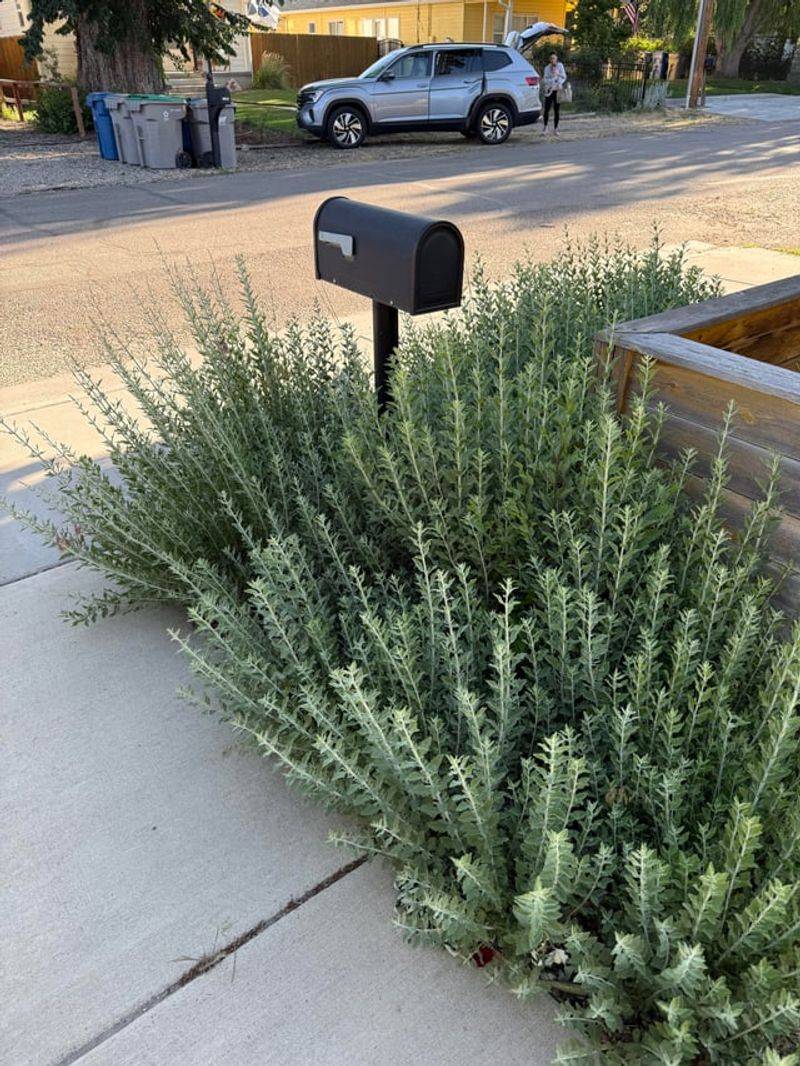
Lavender looks simple to care for, but it has one pruning rule that trips up a lot of gardeners.
Cutting too hard into the old, woody base of the plant can cause serious long-term damage, and doing it in September makes things even worse.
By fall, lavender has finished its main bloom and is starting to slow down. The plant needs time to harden off and prepare for cooler temperatures ahead.
A heavy cutback in September removes the soft, green growth that the plant relies on to protect its woody core. Without that buffer, the plant becomes more vulnerable to frost damage during winter.
Another issue is that lavender does not regrow easily from bare, old wood. Unlike some shrubs that will push new growth from almost anywhere, lavender tends to struggle if you cut back to stems that have no green growth left on them.
A plant cut too hard in fall may not recover at all, especially if winter turns out to be colder than usual.
The right time for a meaningful lavender trim is late summer, ideally in August, right after the blooms have faded.
At that point, you can cut back the soft, new growth by about a third, shaping the plant and encouraging a tighter, more compact form.
But always leave plenty of green growth intact. In September, the best you can do is remove spent flower stalks without going any deeper. Keep the shears light and the plant will stay healthy through winter.
7. Rosemary Can Struggle After A Heavy Late Cutback
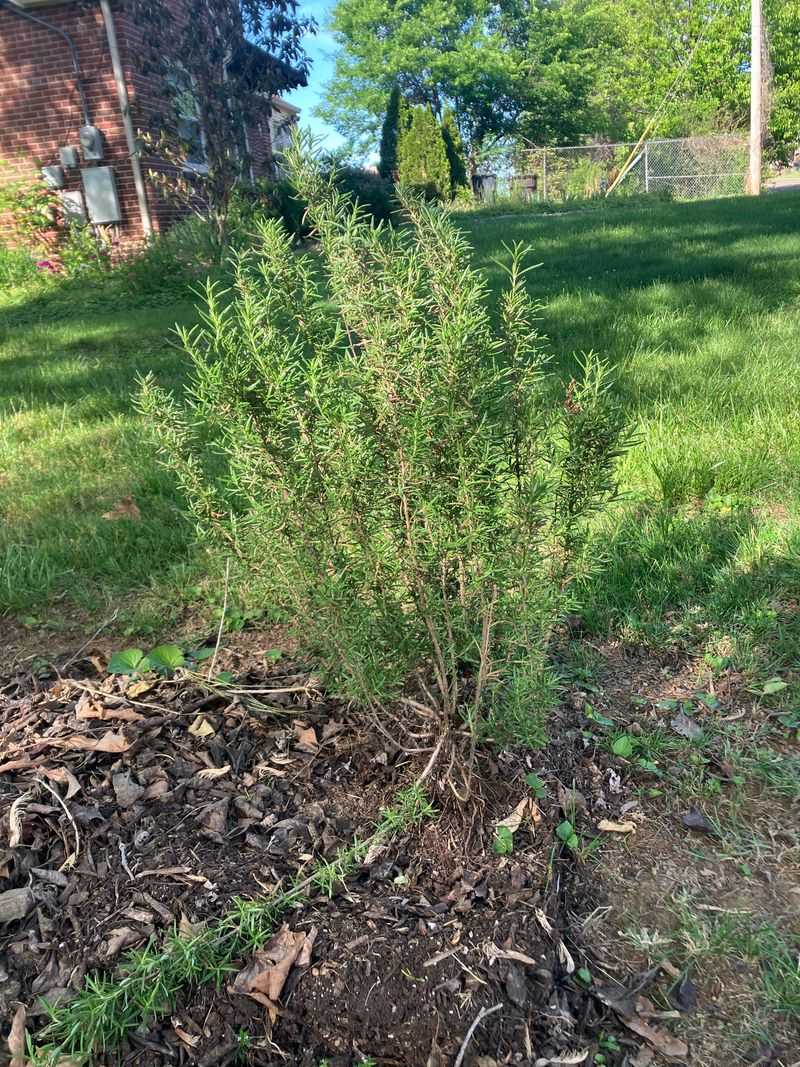
Many gardeners treat it like an indestructible herb that can handle anything. But a heavy cutback in September can actually put rosemary under real stress heading into the colder months.
Like lavender, rosemary has a woody base that does not regenerate well if cut back too aggressively. The plant’s ability to regrow depends on having some green, leafy stems left intact.
When you cut deep into the old wood in fall, you remove the growth the plant needs to bounce back. If a cold snap follows, the already-stressed plant has very little reserve to draw on.
Rosemary also tends to be slower to recover from pruning than many other herbs. A spring or early summer trim gives the plant the entire warm season to push new growth and fill back in.
A September trim leaves the plant with much less time to recover before temperatures drop and growth slows to a crawl.
In the Pacific Northwest, rosemary can handle mild winters just fine when left alone. But plants that have been cut back hard in fall are more likely to show brown, damaged patches by the time spring arrives.
Some may not recover fully at all. If your rosemary has gotten a bit unruly, a light tidy-up of the tips is fine in September.
Just avoid going deep into the woody base. Save any serious reshaping for late spring when the plant is actively growing and ready to respond.
8. Ornamental Grasses Can Stay Standing Through Fall
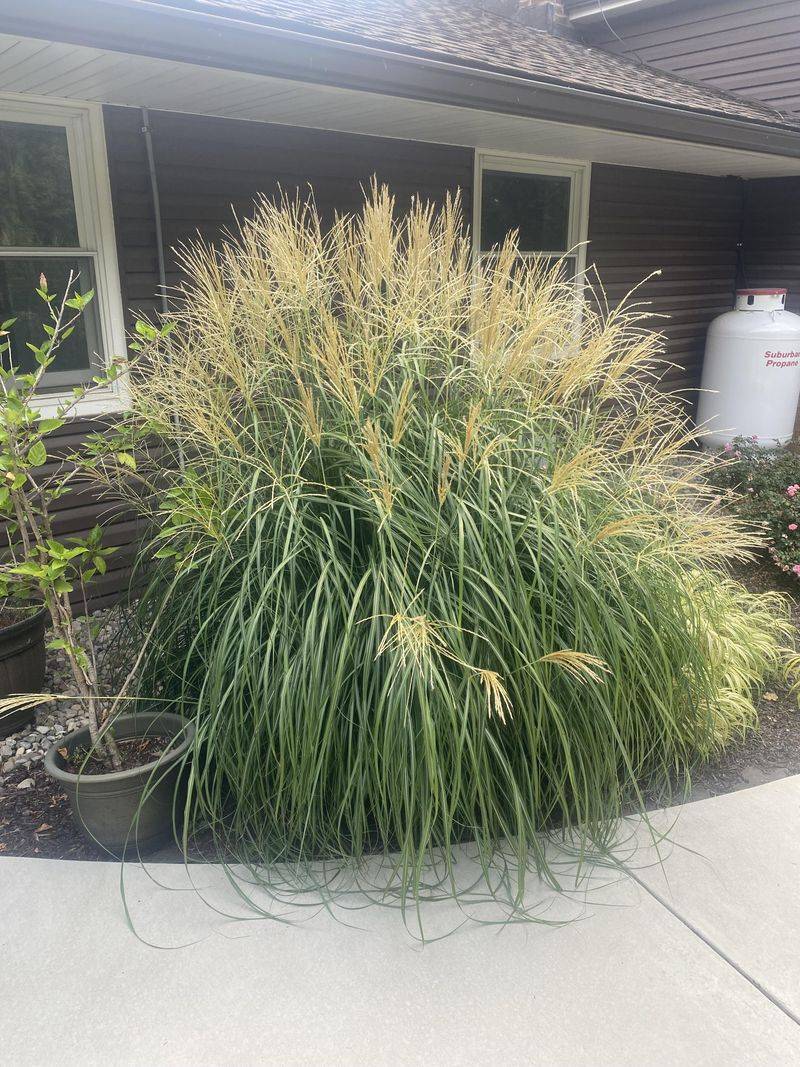
Ornamental grasses are some of the most low-maintenance plants you can grow, and their fall appearance is actually one of their best features.
As temperatures cool, many varieties turn beautiful shades of gold, orange, and bronze. Cutting them back in September means missing out on that seasonal show entirely.
Beyond their looks, ornamental grasses serve a practical purpose when left standing through fall and winter.
Their upright stems and feathery plumes catch light frost and morning dew in a way that looks genuinely stunning in the garden.
Birds also appreciate the seed heads, using them as a food source during the colder months when other options are scarce.
The roots of ornamental grasses are still active in September, pulling in nutrients and storing energy for next year’s growth.
Cutting the plant to the ground now does not harm the roots, but it does remove the above-ground material that helps insulate the crown from hard freezes.
For larger clumping grasses, that crown protection can matter a lot during a cold Oregon winter.
The best time to cut back ornamental grasses is late winter or very early spring, just before the new growth starts pushing up from the base. At that point, you can cut them back hard without any risk to next year’s performance.
A simple rubber band or bungee cord wrapped around the clump before cutting makes the whole job much neater and faster. For now, let them wave in the breeze and enjoy the show they put on every fall.