10 Stunning Central Florida Flowers To Plant In March
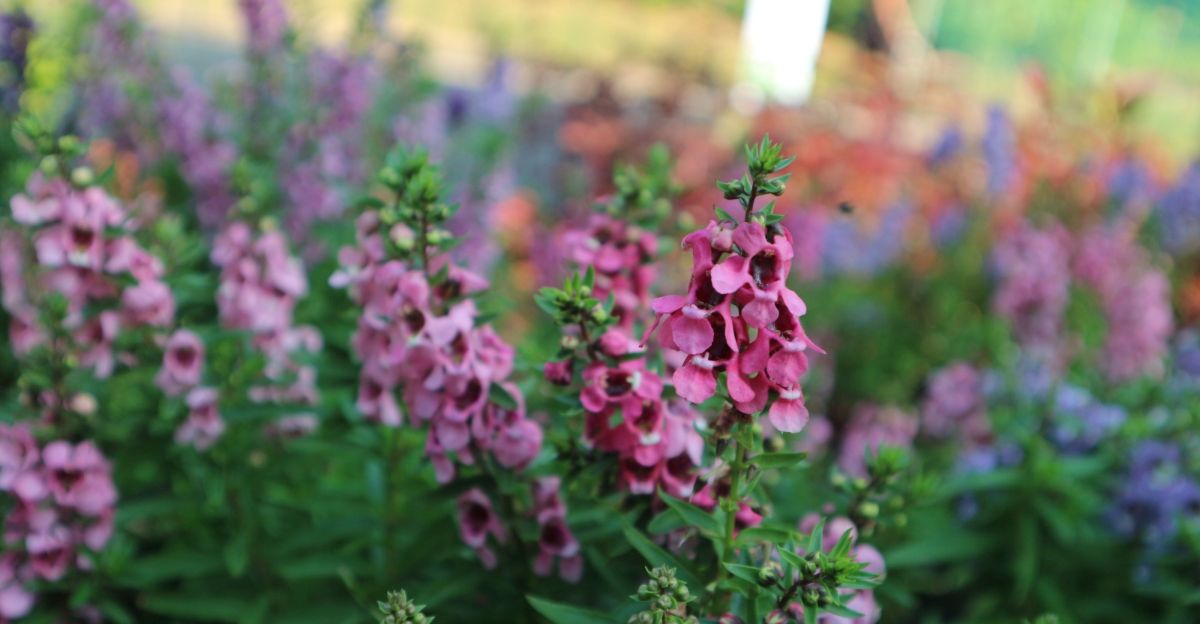
March in Central Florida feels like the starting signal for a spectacular garden season. The air warms, sunlight grows stronger, and suddenly yards across the region begin waking up with fresh color and new growth.
It is the moment when a simple planting decision can shape how vibrant your garden looks for months ahead. This short window is powerful.
Plant the right flowers now and your beds, borders, and containers can explode with color just as spring settles in. Wait too long and the rising heat can make it harder for new plants to establish.
Gardeners who take advantage of March often enjoy the most dramatic results. A few well-chosen flowers can transform an ordinary Central Florida yard into a bright, eye-catching display before summer even begins.
1. Angelonia Adds Color Just As Central Florida Warms Up
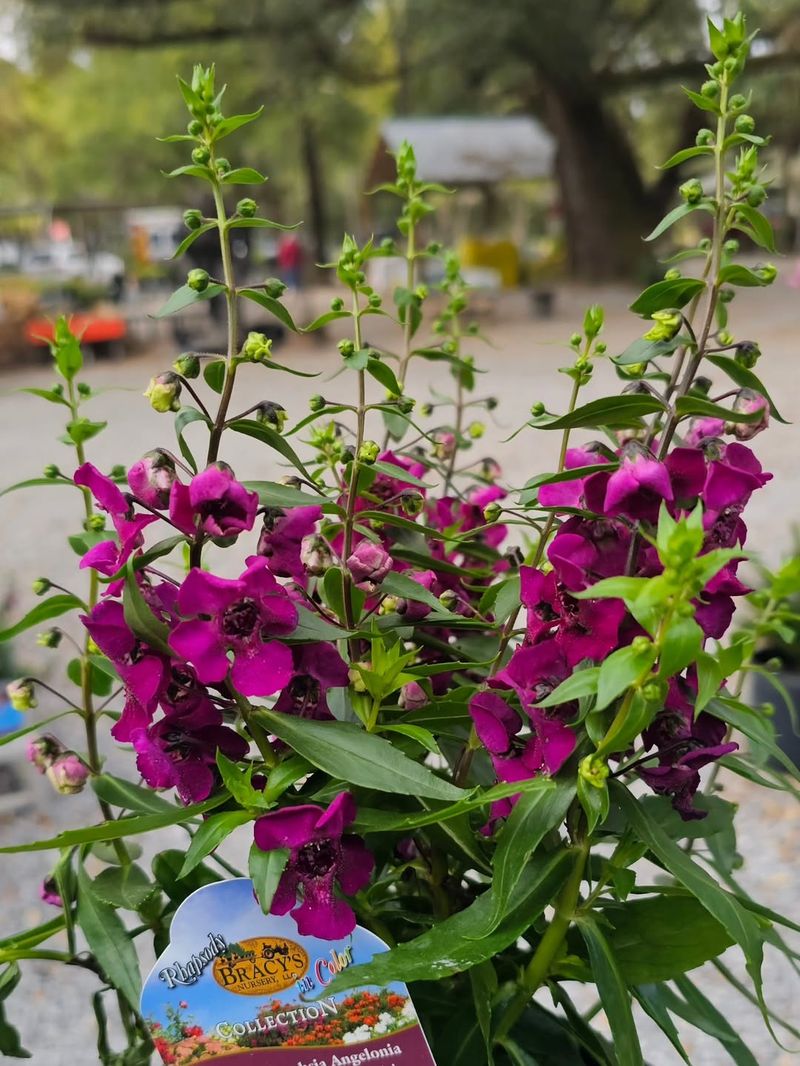
Picture a plant that looks like a snapdragon but laughs at Florida heat. Angelonia, sometimes called summer snapdragon, earns its place in Central Florida gardens by producing tall, slender spikes loaded with small blooms in purple, pink, lavender, and white.
It starts performing right as March temperatures begin their steady climb, giving you color exactly when the garden needs refreshing.
According to UF/IFAS, angelonia thrives in full sun and well-drained soil, making it a natural fit for the sandy, sun-drenched conditions common across Central Florida. The upright growth habit, typically reaching 12 to 18 inches tall, makes it a strong choice for the middle or back of a flower border.
Planted in rows or clusters, it creates a neat, vertical effect that draws the eye upward and adds structure to a bed.
Water young transplants regularly until they settle in, then ease off since angelonia handles dry spells better than most annuals. Deadheading spent blooms encourages fresh flower production and keeps the plant looking tidy.
For containers, pair it with trailing plants like sweet potato vine to create a layered, professional look. Angelonia keeps blooming straight through Central Florida’s long, hot spring and summer without missing a beat.
2. Zinnias Bring Bright Blooms To Sunny March Beds
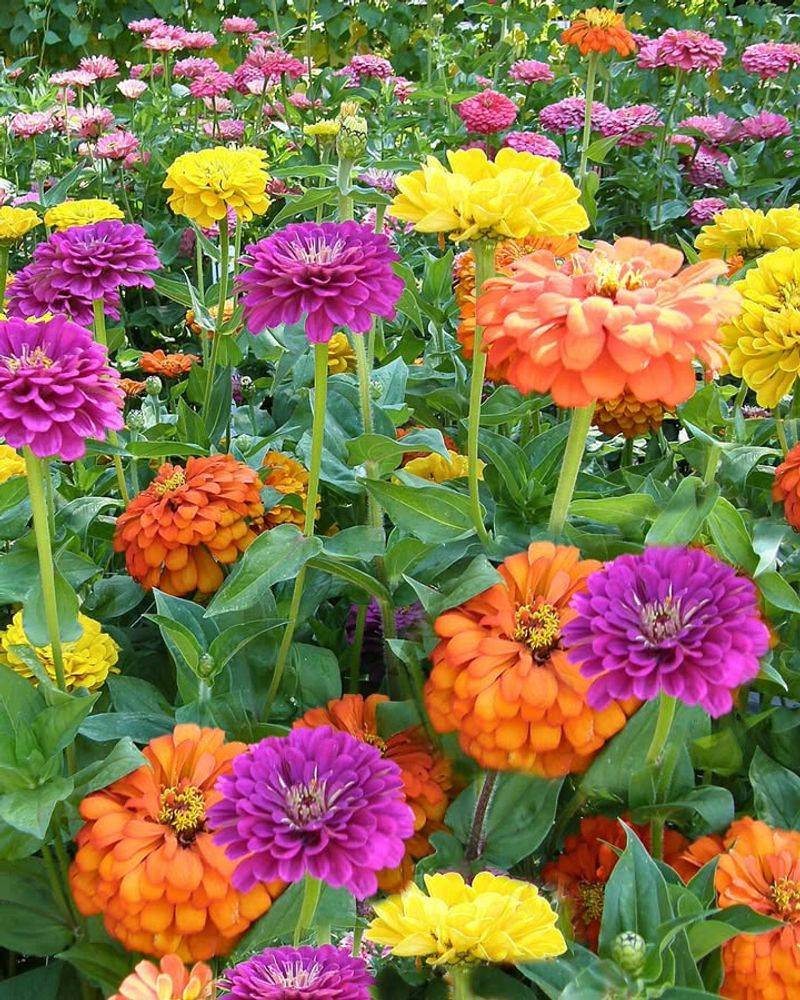
Few flowers deliver color as fast and as cheerfully as zinnias. Plant seeds or transplants in March and you can expect blooms in as little as six to eight weeks, filling sunny Central Florida beds with an explosion of color just in time for the height of spring.
Their range is almost ridiculous in the best way, covering soft pastels, neon brights, coral tones, and deep burgundy, in forms from small buttons to wide dinner-plate blooms.
Zinnias are sun lovers through and through. They need at least six hours of direct sunlight daily and perform poorly in shade or crowded, humid spots where air circulation is low.
UF/IFAS recommends spacing zinnias properly and avoiding overhead watering to reduce the risk of powdery mildew, which is a common issue in Florida’s humid conditions. Water at the base of the plant whenever possible.
Beyond their visual impact, zinnias are magnets for butterflies, making them a fantastic addition to any pollinator-friendly planting in Central Florida. Deadhead regularly to keep new buds coming and pinch back young plants to encourage bushier growth.
Direct-seeding into loose, amended soil gives excellent results and saves money compared to buying transplants. Zinnias truly earn their reputation as one of the easiest, most rewarding flowers you can grow here.
3. Marigolds Light Up Garden Borders With Easy Color
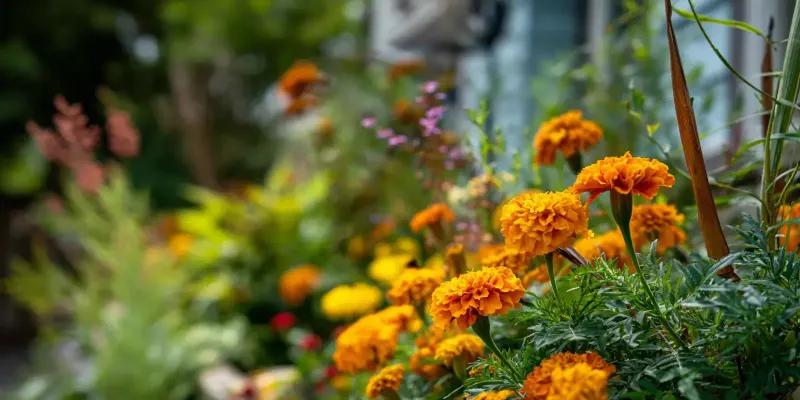
There is something deeply satisfying about a border of marigolds in full bloom. The bright orange and golden-yellow flowers practically glow in the March sunshine, and they require almost no fuss to get there.
Marigolds have been a staple of Florida gardens for decades, and UF/IFAS consistently recommends them as reliable warm-season annuals for Central Florida landscapes.
French marigolds stay compact, usually between 6 and 12 inches, making them ideal for edging walkways, lining raised beds, or filling the front row of a flower border. African marigolds grow taller and produce larger blooms, creating a bolder statement in the middle or back of a planting.
Both types prefer full sun and well-drained soil, conditions that are easy to meet across most of Central Florida.
One bonus that gardeners appreciate is the scent. Marigold foliage produces a strong fragrance that some common garden pests find off-putting, which can be a natural advantage in an organic or low-spray garden.
Water consistently but avoid soggy soil, and remove spent blooms to keep fresh flowers coming through spring. For a classic, no-nonsense approach to spring color in Central Florida, marigolds remain one of the most dependable choices available at any local garden center.
4. Salvia Keeps The Show Going As Spring Heat Builds
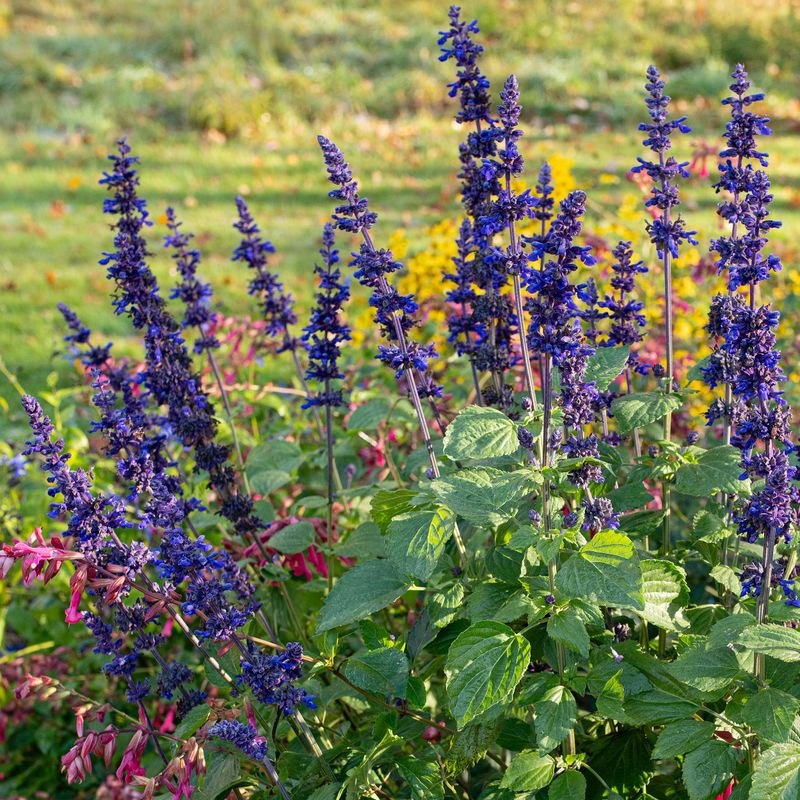
As Central Florida marches toward its warmer months, plenty of cool-season flowers start struggling. Salvia does the opposite.
It hits its stride right when temperatures begin rising, producing spikes of vivid red, purple, coral, or blue blooms that stand tall and keep producing color through the heat. For gardeners looking for a flower that earns its spot through the entire spring season and beyond, salvia is hard to beat.
Tropical sage, Salvia coccinea, is especially well-suited to Central Florida and is recognized by UF/IFAS as a reliable warm-season option. It tolerates the sandy, well-drained soils common in the region and performs best in full sun, though it can handle a bit of afternoon shade during the hottest months.
The tubular blooms are a particular favorite of hummingbirds and native bees, making salvia a natural centerpiece for a pollinator garden.
Plant salvia in March and it will have time to establish strong roots before summer arrives. Space plants adequately for good air circulation, water deeply but infrequently once established, and cut back leggy stems to encourage fresh growth and more blooms.
Salvia looks stunning in mixed borders, raised beds, or large containers. Its upright form provides welcome vertical contrast when planted alongside lower-growing flowers like marigolds or vinca.
5. Pentas Fill Central Florida Gardens With Long Lasting Color
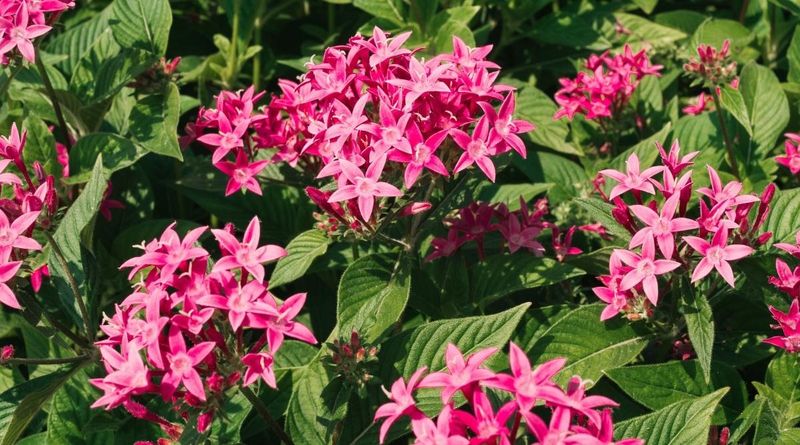
Walk through any well-maintained Central Florida garden in spring and you are almost certain to spot pentas. Those cheerful, star-shaped flower clusters come in red, pink, white, and lavender, and they bloom with a consistency that few other annuals can match.
From March planting all the way through late fall, pentas keep producing fresh color without demanding constant attention from the gardener.
Butterflies absolutely love pentas. The nectar-rich blooms attract swallowtails, monarchs, and skippers, turning a simple flower bed into a lively, moving display.
Hummingbirds visit them too, adding even more life to the garden. UF/IFAS recommends pentas as one of the top butterfly-attracting plants for Florida landscapes, and the plant’s performance in Central Florida’s warm, humid conditions backs that up completely.
Pentas thrive in full sun and do best in well-drained soil with regular watering during dry stretches. They also perform well in containers, which makes them versatile for patios, porches, and entryways where a welcoming splash of color is always appreciated.
Pinch back the tips occasionally to encourage branching and more flower clusters. Avoid overwatering, as pentas prefer slightly drier conditions between waterings.
Few plants give Central Florida gardeners as much reliable seasonal color for as little effort as pentas consistently do.
6. Vinca Handles Rising Temperatures With Ease
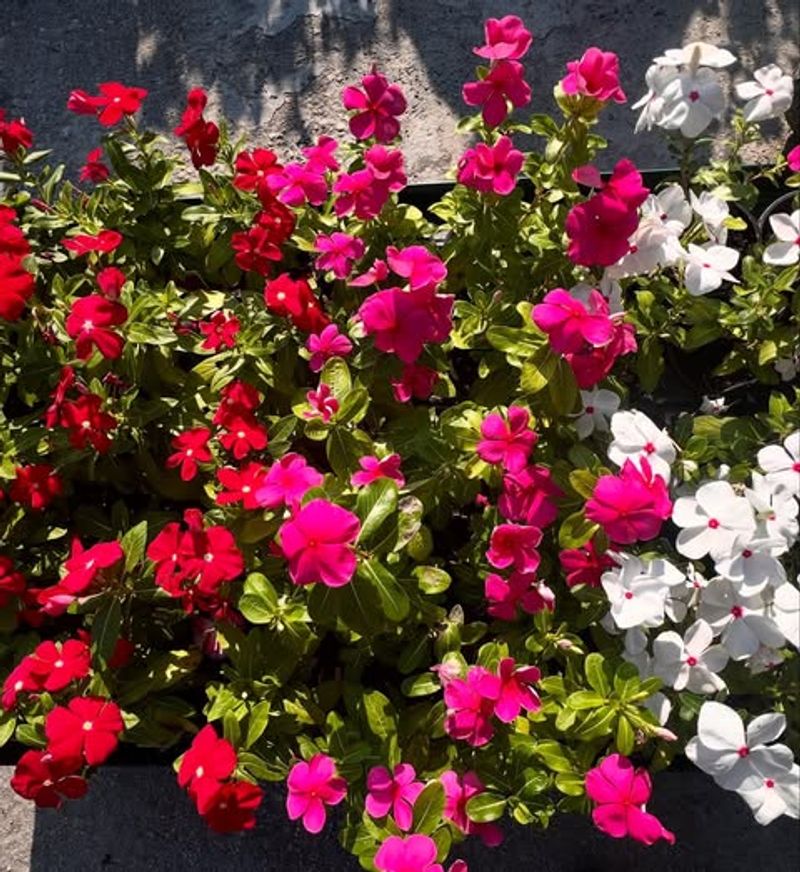
Reliability has a name in the Central Florida annual flower world, and that name is vinca. Also called periwinkle or Catharanthus roseus, this tough little plant produces cheerful five-petaled blooms in pink, red, white, coral, and bicolor combinations, and it does so without flinching as spring temperatures climb toward summer levels.
March is the right time to get it in the ground so roots are well established before the serious heat arrives.
UF/IFAS highlights vinca as one of the most heat-tolerant flowering annuals available for Florida landscapes. It performs best in full sun and well-drained soil, which describes the growing conditions across much of Central Florida.
Once established, vinca handles dry periods with impressive composure, though consistent moisture during the first few weeks after planting helps it get off to a strong start.
One important note for Central Florida gardeners: vinca can be susceptible to aerial phytophthora, a fungal issue that spreads through splashing water and soggy soil. UF/IFAS recommends choosing disease-resistant varieties and avoiding overwatering to keep plants healthy.
Look for newer series like Cora or Titan, which have been bred for improved disease resistance in humid Florida conditions. Plant vinca in borders, containers, or mass plantings for a bold, long-lasting display that carries the garden confidently from spring into summer.
7. Celosia Turns Heads With Bold Texture And Vivid Color
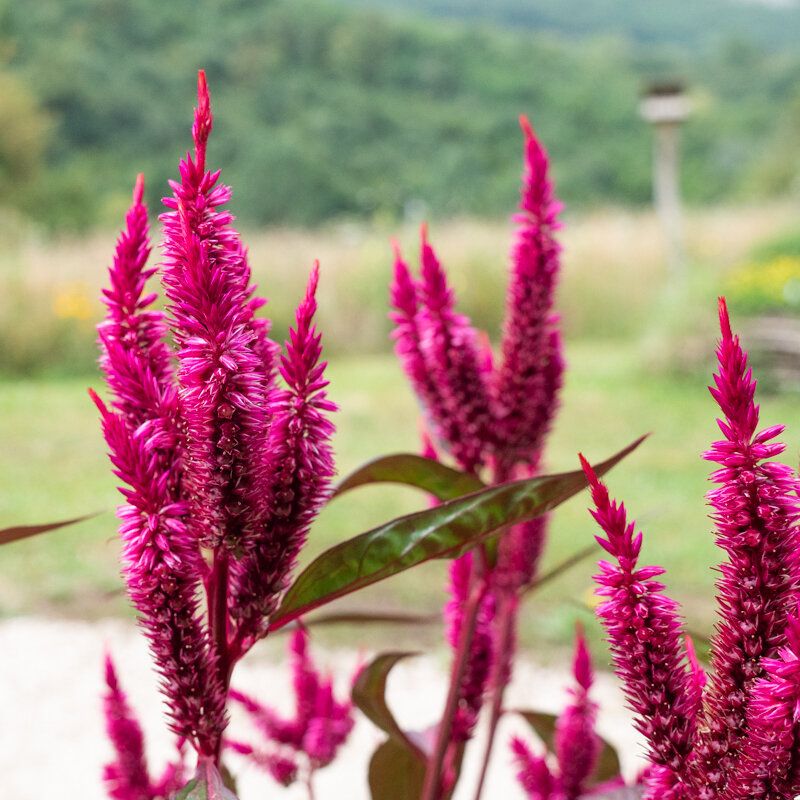
Some flowers blend quietly into the background. Celosia is not one of them.
With blooms that resemble rooster combs, feathery plumes, or wheat-like spikes depending on the variety, celosia commands attention the moment it starts flowering. The colors are equally bold, ranging from deep crimson and orange to golden yellow, hot pink, and even bicolor combinations that look almost painted on.
Celosia is a heat-loving annual that feels completely at home in Central Florida’s warming spring climate. It thrives in full sun and well-drained soil and handles the humidity that comes with the season better than many other flowering plants.
UF/IFAS lists celosia among the summer color annuals well-suited to Central Florida yards, noting its strong performance in the region’s challenging warm-season conditions.
The plume types, often sold under names like Kimono or Fresh Look, tend to perform especially well in Florida’s outdoor conditions and are widely available at local garden centers in March. Plumed celosia also makes excellent cut flowers, so you can bring some of that bold color indoors.
Space plants about 10 to 12 inches apart to allow good airflow, which helps prevent fungal issues in humid weather. Water at the base rather than overhead, and enjoy the dramatic, texture-rich display celosia brings to spring beds and mixed containers throughout Central Florida.
8. Torenia Brightens Shadier Spots With Soft Color
Not every corner of a Central Florida yard gets six hours of direct sun. Covered patios, spots under large oaks, and the shady sides of fences can feel like lifeless zones for color-hungry gardeners.
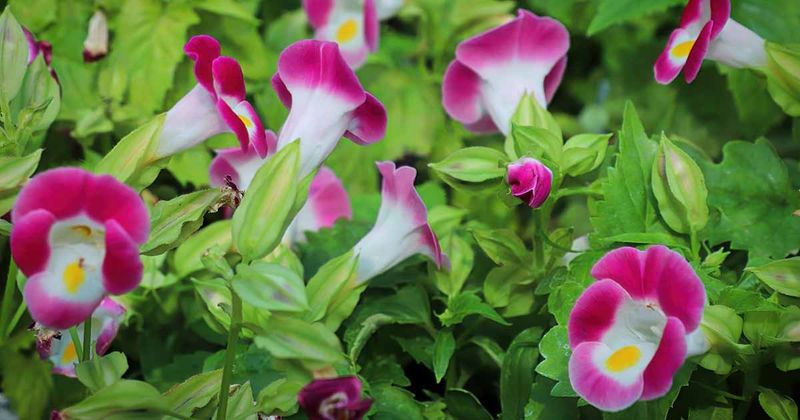
Torenia, commonly called wishbone flower, solves that problem with a cheerful attitude and blooms that actually prefer lower light conditions where most summer annuals would struggle.
The flowers are small but striking, typically displaying a combination of purple, lavender, pink, or white with a contrasting yellow throat that gives them a pansy-like charm. Torenia grows low and mounding, usually reaching 8 to 12 inches tall, which makes it a natural fit for the front of a shaded border, a window box, or a hanging basket on a covered porch.
It thrives in partial to full shade and appreciates consistently moist, well-drained soil.
March planting in Central Florida gives torenia time to settle in before summer’s intense heat and rain arrive. Keep soil evenly moist but never waterlogged, and apply a light layer of mulch to help retain moisture around the roots.
UF/IFAS includes torenia among the flowering plants suited to shaded Florida landscapes. For gardeners frustrated by bare, colorless shady spots, torenia is a genuinely welcome discovery that delivers season-long softness and charm without needing a single ray of direct sunlight.
9. Blue Daze Spreads Gentle Color Through Sunny Spaces
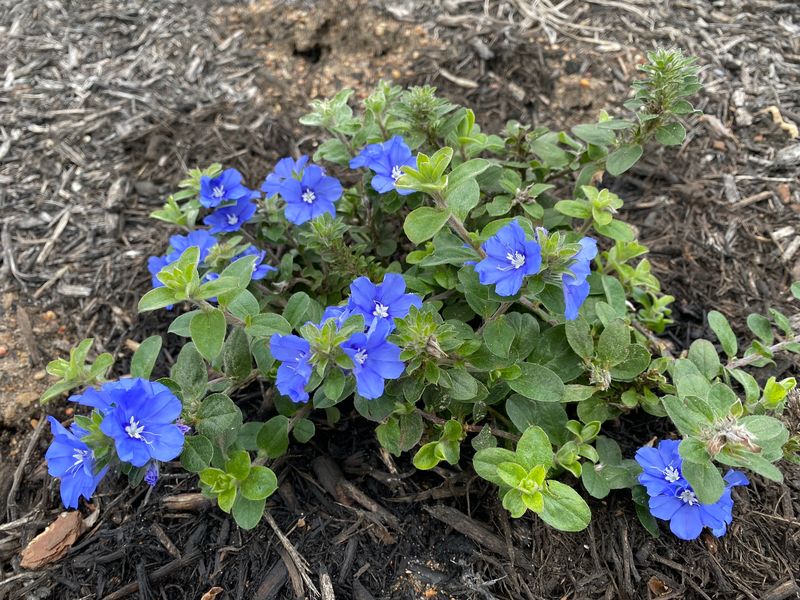
Sky-blue flowers are surprisingly rare in the warm-season garden, which is exactly what makes blue daze such a standout. The small, funnel-shaped blooms open fresh each morning in a soft, clear blue with a white center, giving the plant an almost delicate appearance despite its tough, sun-loving nature.
As a low-growing spreader, blue daze fills horizontal space beautifully, creeping outward along beds and spilling over the edges of containers.
Botanically known as Evolvulus glomeratus, blue daze is well-adapted to Central Florida’s sandy soils and full-sun conditions. UF/IFAS recommends it as a Florida-Friendly Landscaping plant, noting its drought tolerance once established and its strong performance in the region’s warm, humid climate.
It typically grows 12 to 18 inches wide and stays low, around 12 inches in height, making it ideal as a ground-level accent or border filler.
Plant blue daze in March in a sunny spot with good drainage and let it spread naturally as the season progresses. It pairs especially well with taller, upright plants like salvia or angelonia, creating a layered look that feels polished and intentional.
Water regularly until established, then reduce frequency as roots strengthen. Avoid heavy clay soils or spots that stay wet after rain.
The soft blue color reads beautifully against green foliage and warm-toned flowers throughout the Central Florida spring season.
10. Coreopsis Brings A Florida Friendly Burst Of Gold
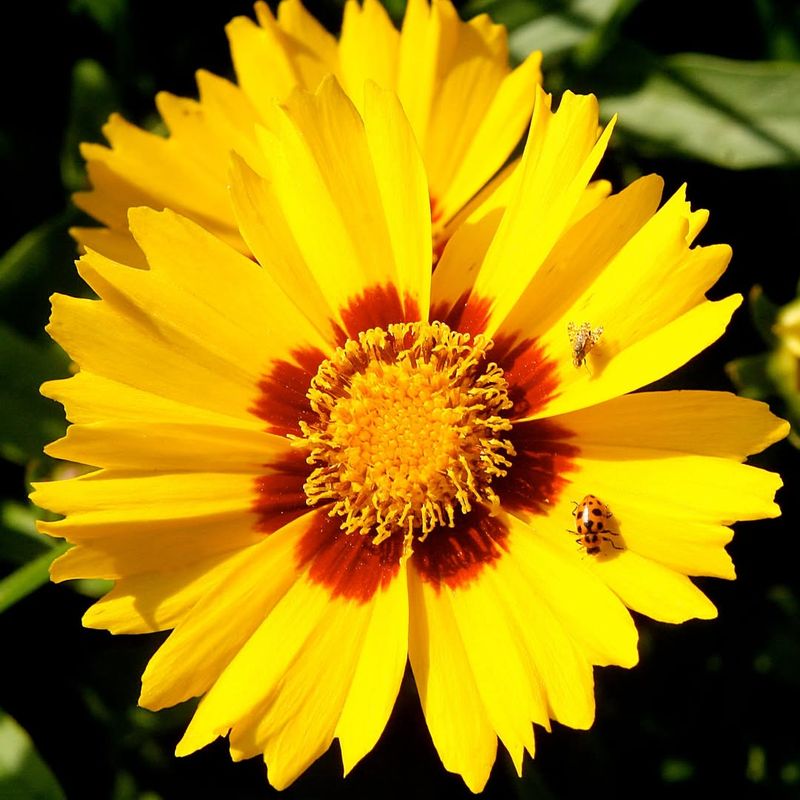
Golden, cheerful, and genuinely at home in Florida soil, coreopsis has a special connection to this state that goes beyond garden trends. Florida’s state wildflower is actually Coreopsis, a recognition that speaks to how naturally this plant fits into the landscape here.
Several species and cultivars perform beautifully in Central Florida gardens, offering bright yellow or golden blooms that light up beds from spring well into summer.
Coreopsis lanceolata and Coreopsis floridana are among the native species that UF/IFAS highlights as excellent choices for Florida landscapes. Native varieties are especially well-suited to Central Florida’s sandy, low-nutrient soils and are highly drought-tolerant once established.
They thrive in full sun and ask for very little in return, making them a smart choice for low-maintenance garden areas, naturalistic plantings, or sunny pollinator patches.
Plant coreopsis in March and the long days of spring will reward you with weeks of continuous golden blooms. Bees and butterflies flock to the flowers, making coreopsis a strong contributor to any wildlife-friendly yard.
Deadhead spent blooms to extend the flowering period, or let some go to seed to encourage natural reseeding for next season. For gardeners who want color that feels genuinely rooted in Florida’s natural landscape rather than imported from a catalog, coreopsis delivers that connection with warmth and ease.