Take Cuttings From These 9 Plants Before Vermont’s Growing Season Ends
Frost changes the garden quickly once it arrives. Vermont gardeners know that silence arrives faster than most expect. Cold snaps here arrive quickly and without much warning.
Waiting until the very last minute can result in losing plants you’ve grown attached to. Smart growers act while stems are still soft and alive. Snipping now locks in genetics you’ll want again next spring.
Money stays in your pocket instead of a nursery’s register. Local Vermont winters move fast for anyone who still hesitates. Roots form quietly while you sleep, building something entirely new.
Nothing about this process feels complicated once you understand timing. Every cutting you take right now becomes insurance against future gaps.
Confidence grows the moment you finally realize how simple propagation is. Choices made today shape exactly what blooms months from now. Timing matters more than sheer luck ever will.
Rooting times vary by variety, temperature, and indoor conditions, so treat every timeframe here as a general guide. You won’t want to miss what happens next.
1. Coleus
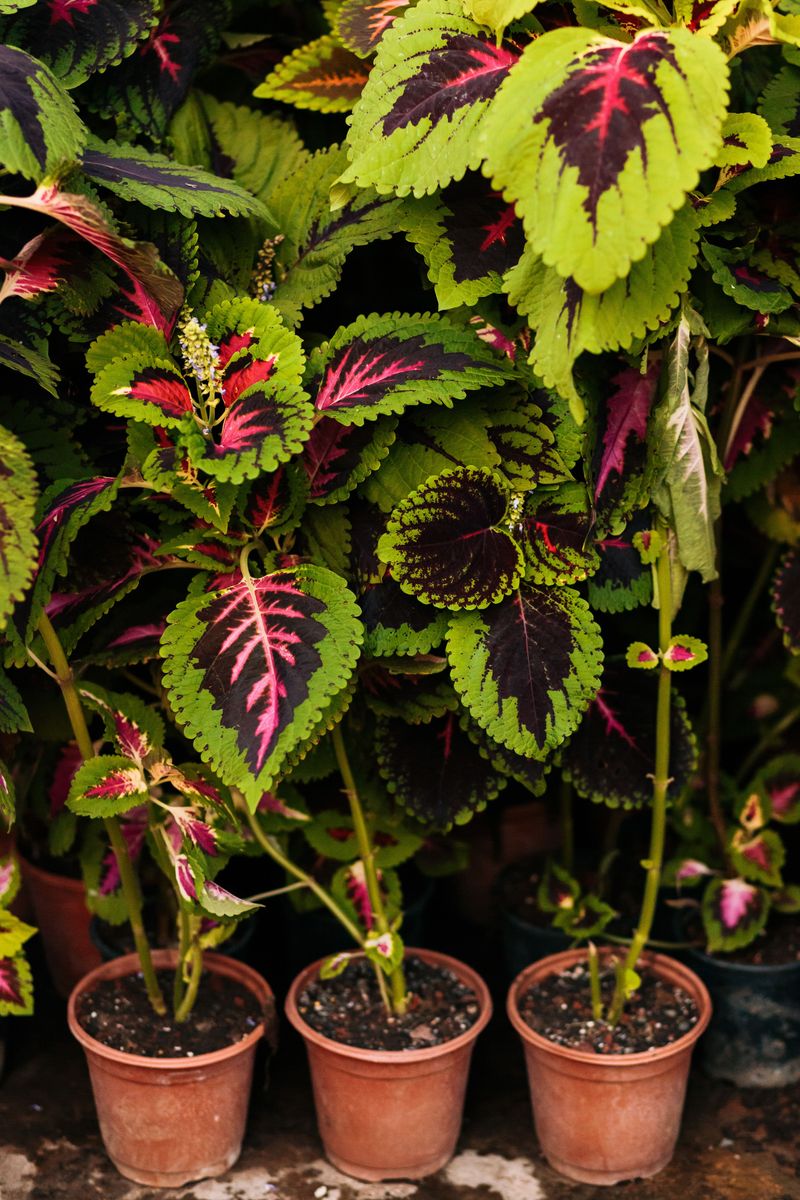
Coleus is basically the rockstar of the shade garden. Those wild, electric leaf patterns in red, purple, and lime green are impossible to ignore.
No two leaves ever look quite the same, which is part of the obsession. Snipping a cutting is almost too easy, even for beginners.
Find a healthy stem with at least two leaf nodes. Cut just below a node using clean, sharp scissors.
Strip the lower leaves clean so nothing sits underwater and rots. Pop the stem into a glass of water on a sunny windowsill. Roots usually appear within two weeks, sometimes even sooner.
The whole process feels like a small miracle every single time. A week or two after roots appear, they typically reach about an inch long, and it’s time to pot up.
Move the cutting into a small pot with well-draining soil. Keep the soil moist but never soggy or waterlogged.
Soggy soil invites rot, which can quickly damage a cutting. Coleus loves warmth, so a bright indoor spot works perfectly through winter. Rotate the pot occasionally so growth stays even on all sides.
By spring, you will have a full, bushy plant ready for outdoors. One parent plant can produce dozens of cuttings without any strain.
Sharing extras with neighbors makes the whole hobby even more satisfying. Save your favorites now before frost turns those gorgeous leaves to mush.
2. Geranium
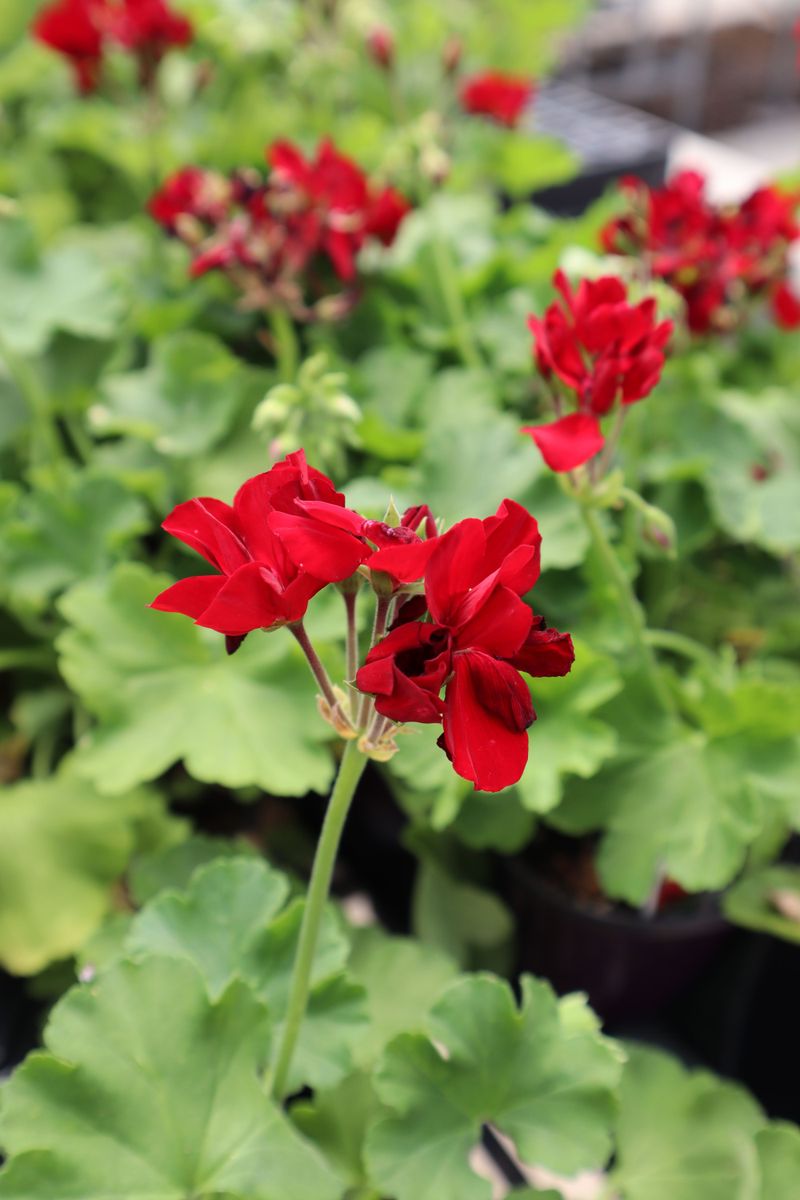
Geraniums have been gracing windowsills and front porches for generations, and there is a very good reason for that. They bloom boldly, smell wonderful, and bounce back from almost anything.
Few plants forgive neglect as easily as this one does. Taking a geranium cutting before frost hits is one of the smartest fall moves a gardener can make.
Choose a stem about four to six inches long with several healthy leaves attached. Snip cleanly using sharp, sanitized scissors or shears. Let the cut end dry out for a few hours before sticking it into soil.
This small step prevents rot and gives the cutting a much stronger start underground. Skipping it often means losing the cutting entirely.
Use a light, well-draining potting mix and water sparingly at first. Geranium cuttings actually prefer a slightly dry environment while they settle in and grow roots.
Too much moisture early on invites fungus and stem collapse. Place the pot in a bright spot indoors, but keep it away from heating vents. Dry air from vents stresses the cutting and slows root development significantly.
A steady temperature matters more than most people realize. Within three to four weeks, new growth at the top signals that roots have taken hold. Come spring, these little survivors will be ready to fill your Vermont garden with color all over again.
3. Hydrangea
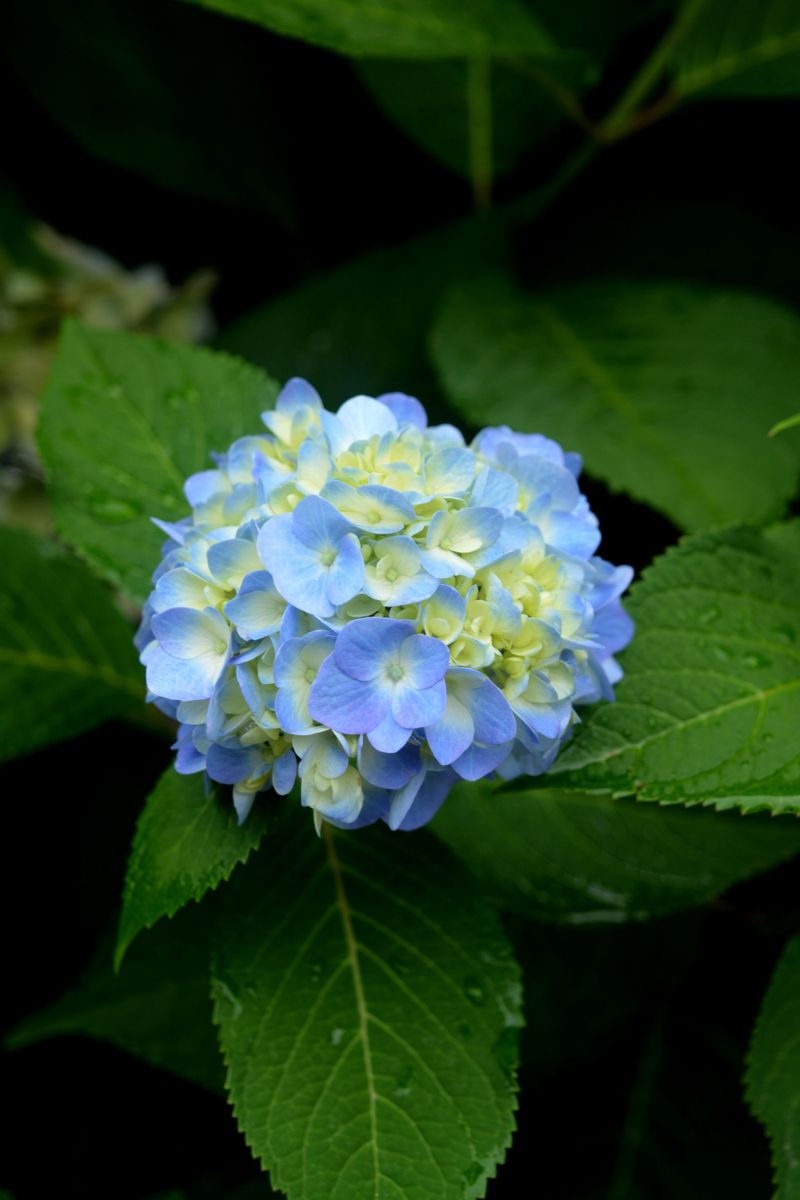
Hydrangeas feel like summer captured in flower form, all big blooms and dreamy color. Propagating one from a cutting means carrying that summer magic straight into next year.
Every stem holds the potential for an entirely new shrub. Softwood cuttings taken in late summer or early fall root the most reliably. Choose a stem that has not yet flowered. Cut it to about five or six inches.
Remove the lower leaves so only a few remain at the top. Dip the cut end into rooting hormone powder before planting. That little dusting makes a noticeable difference in how quickly roots form.
Stronger roots early on mean a hardier plant later. Stick the prepared stem into a pot filled with moist perlite.
A mix of perlite and peat works just as well. Cover the whole setup loosely with a plastic bag to hold in humidity.
Check every few days and mist lightly if the soil feels dry. After about four to six weeks, give the stem a gentle tug. Slight resistance means roots have formed and taken hold.
Move the rooted cutting to a sheltered spot indoors for the winter. By next spring, you will have a young hydrangea ready to grow into something spectacular in your Vermont yard.
4. Lavender
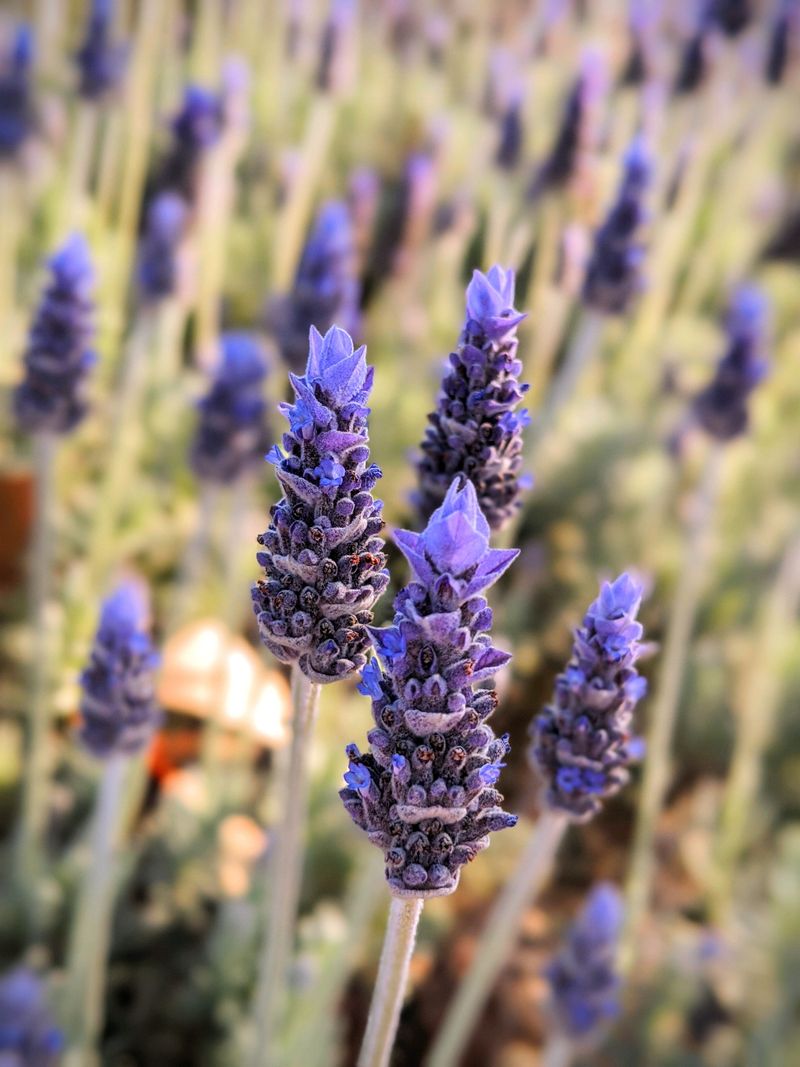
Lavender smells like calm, and growing your own from a cutting feels just as peaceful as the scent itself. Fall is actually a great window for propagating this fragrant shrub.
Few herbs reward patience quite like this one does. Choose a semi-hardwood stem, meaning one that is not brand new growth but not fully woody either. Cut about three to four inches long.
Strip the lower leaves, and you are already halfway there. Rooting hormone helps lavender along since it can be a little stubborn about putting out roots. Dip the bare stem end and tap off any excess.
Insert it into gritty, well-draining soil right away. Lavender struggles with wet feet more than almost anything else. Use a mix heavy on sand or perlite. Resist the urge to water too often during the rooting period.
A bright, cool windowsill suits lavender cuttings perfectly through winter. An unheated but frost-free space works just as well. Too much warmth indoors can actually make the plant leggy and weak before spring arrives.
Patience is the main ingredient here, as rooting can take six to eight weeks. Once established, this cutting will reward you with years of fragrant blooms. All the dried bundles your heart desires will follow soon after.
5. Sedum
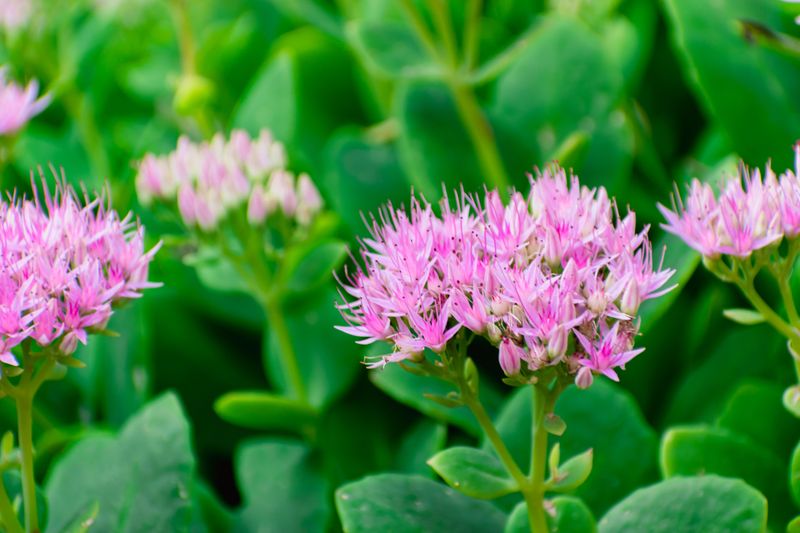
Sedum is practically begging to be propagated. Break off a stem, set it on some soil, and it almost roots itself out of sheer determination.
Few plants ask for so little in return. These tough little succulents store water in their thick leaves.
That storage means they can survive the propagation process without much fussing from you. Resilience like this is exactly why sedum belongs on every beginner gardener’s list.
Cut a stem about three to four inches long using clean scissors or pruners. Let it sit out on a dry surface for a day or two. This waiting period allows the cut end to callus over before planting.
Callusing prevents rot and gives the cutting a sealed, protective layer. Skip this step and you risk losing the cutting to moisture. Press the callused end into dry, gritty soil.
Wait a week before watering for the first time. Sedum roots well in a bright indoor spot with minimal attention through the cold months. Minimal watering, in this case, actually works in your favor.
Come spring, your new sedum plant will be full and ready to join the garden. Few plants offer this level of payoff for this little effort. That kind of return on almost no work is genuinely exciting.
6. Boxwood
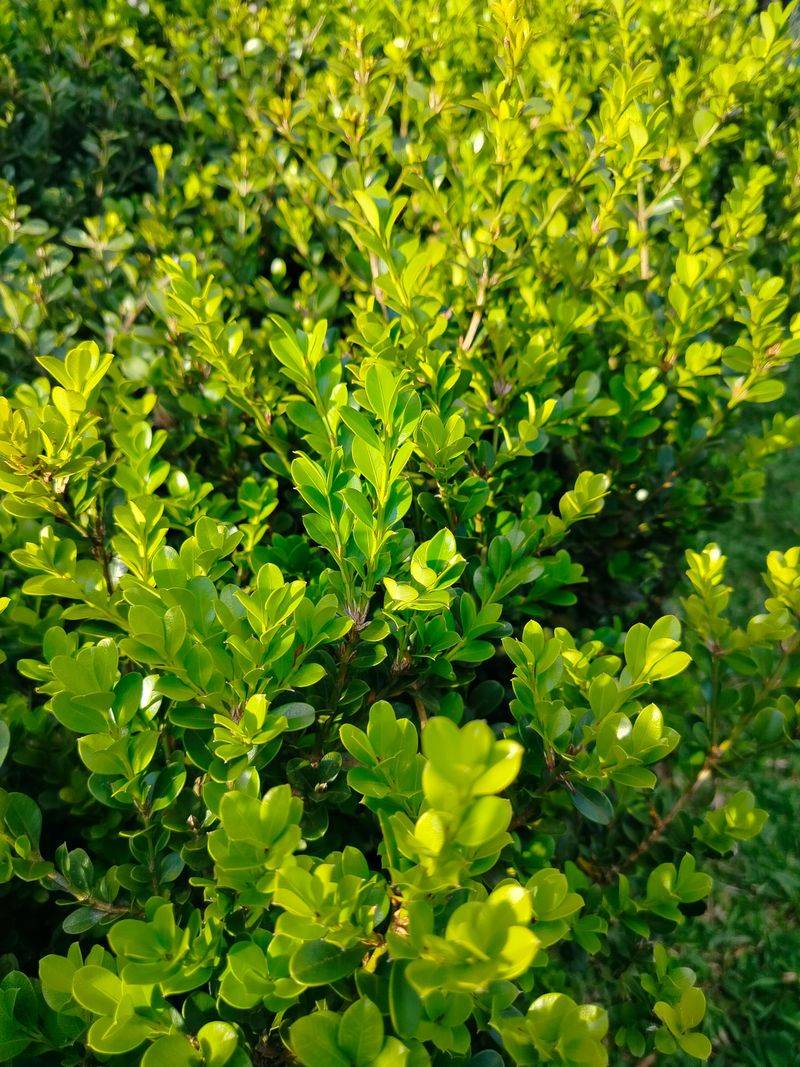
Boxwood is commonly used as a structural plant in formal gardens. These slow-growing shrubs can cost a lot when purchased full-sized.
Take cuttings in late summer or early fall when stems have begun to firm up slightly. Snip a stem about four to six inches long, choosing growth from the current season.
Strip the leaves from the bottom half of the stem before planting. Buried leaves rot and can introduce disease to the cutting, so removing them is a step you should never skip.
Dip the bare end into rooting hormone and insert it into a pot of moist, well-draining potting mix. Firm the soil gently around the base to remove any air pockets underneath.
Cover the pot with a clear plastic bag or a humidity dome to hold in moisture. Boxwood roots slowly, and it can take eight to twelve weeks or longer, depending on the variety, before signs of success appear.
Keep the setup in a cool, bright location indoors and check moisture levels weekly. Once rooted, your cutting will grow into a tidy, elegant shrub that adds structure to any garden space for decades.
7. Rosemary
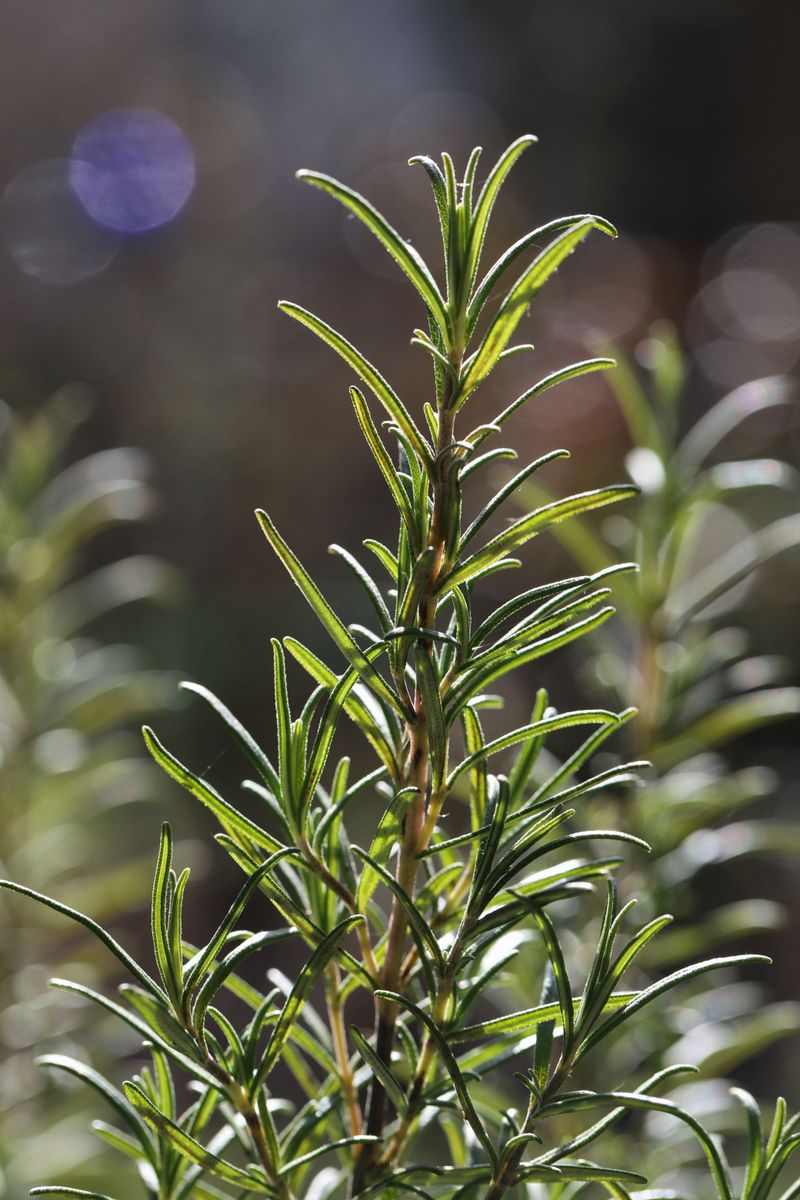
Rosemary is a fragrant, widely used culinary herb. Propagating it from a cutting means you will never have to pay for a sprig at the grocery store again.
Fall cuttings from semi-hardwood stems root well and grow into sturdy plants over winter. Choose a healthy stem about four inches long and strip the lower two inches of leaves completely.
Rooting in water can work well for rosemary, though transitioning water-rooted cuttings to soil sometimes requires extra care. Keep the new soil consistently moist for the first week or two so the roots can adjust gradually.
Place the stripped stem in a small glass of water and set it on a bright windowsill where it gets several hours of sunlight each day.
Change the water every few days to keep things fresh and prevent any bacterial buildup. Roots typically appear within two to four weeks, depending on conditions.
Once roots reach about an inch, transfer the cutting to a pot with well-draining, slightly sandy soil. Rosemary does not like sitting in wet soil, so drainage is non-negotiable from day one.
Keep it in a sunny window through winter and harvest lightly as it grows. By spring, you will have a thriving herb plant ready to flavor everything from roasted potatoes to homemade bread.
8. Fuchsia
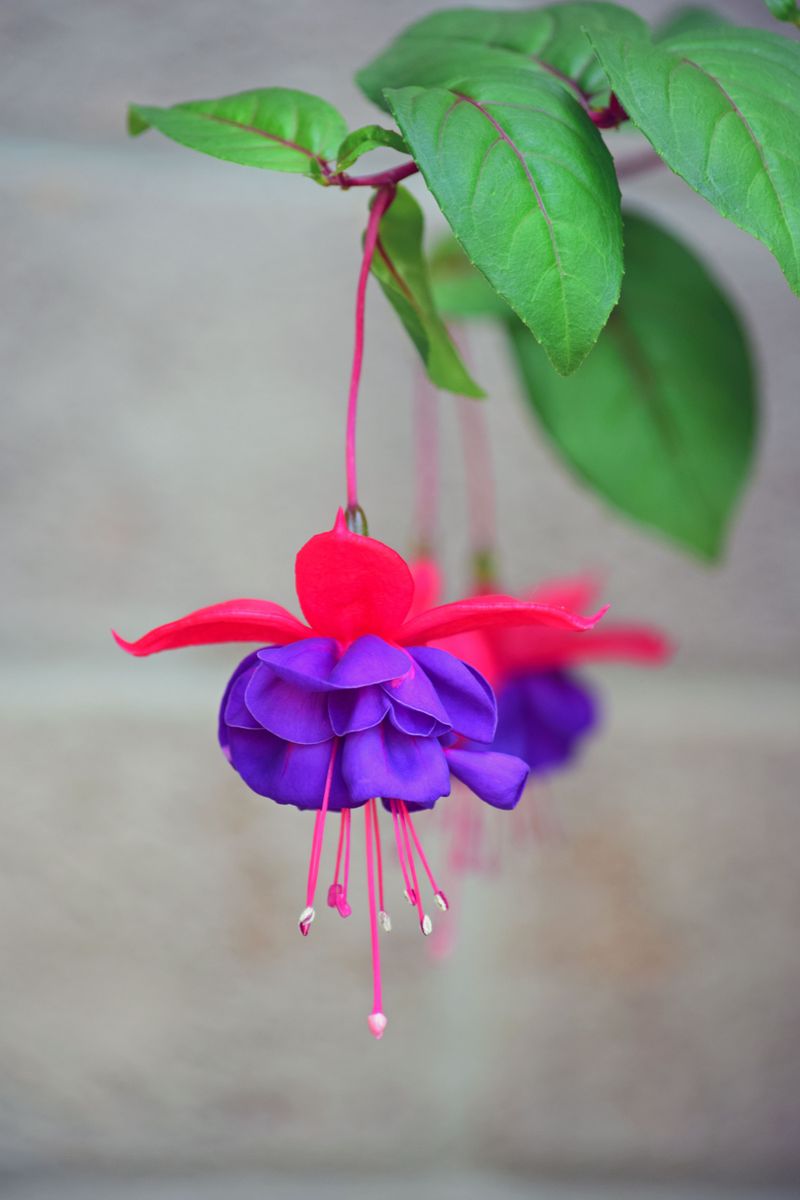
Fuchsia is known for its striking, eye-catching blooms. Those pendulous blooms in hot pink and deep purple have a distinctive, layered shape.
Getting a cutting before frost steals your plant away is a gift to your future self. Choose a soft, green stem tip about three to four inches long and cut just below a leaf node.
Remove the lower leaves and any flower buds from the cutting before planting. Flowers pull energy away from root development, and right now roots are the whole point of this exercise.
Stick the prepared cutting into a small pot of moist, well-draining potting mix. A mix of peat and perlite works especially well because it holds just enough moisture without becoming waterlogged.
Cover the pot with a plastic bag to create a humid little greenhouse environment. Fuchsia roots in about three to four weeks when kept warm, moist, and out of direct harsh sunlight.
Once rooted, remove the bag and move the plant to a bright, cool spot for winter. Fuchsia goes semi-dormant in low light, so prune it back slightly and let it rest until longer days return.
9. Rose
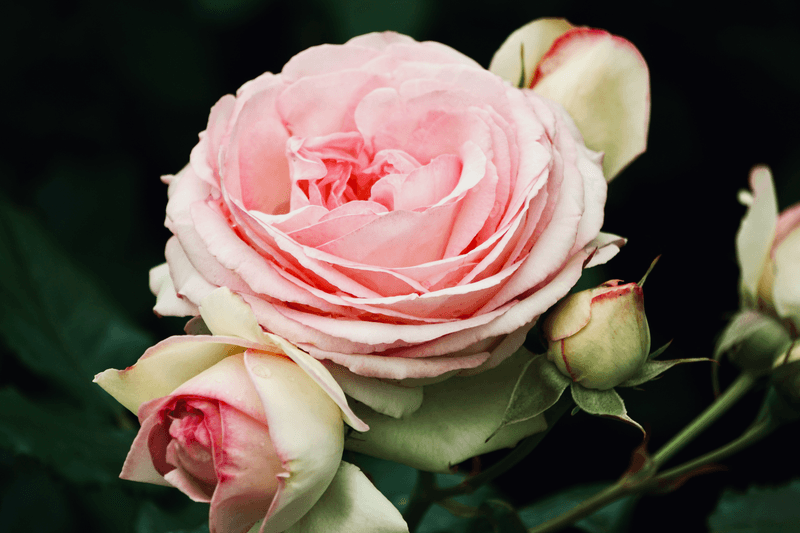
Roses are often considered more sensitive to propagate, though cuttings can still root successfully with the right care.
Choose a stem that flowered this season, about six to eight inches long, and cut it at a 45-degree angle. That angled cut helps prevent water from pooling on the cut surface and can make the stem a bit easier to insert into soil.
Remove all but the top two sets of leaves and any remaining flower petals. Clean stems focus their energy downward into root production rather than upward into maintaining foliage.
Dip the cut end generously into rooting hormone powder before planting. Push the stem about two inches deep into a pot of moist, well-draining soil and firm it in place.
Cover the cutting with a clear plastic bottle with the bottom cut off to act as a mini greenhouse. This trick holds humidity close to the cutting without requiring any special equipment.
Check for moisture every few days and mist lightly if the soil feels dry on top. Before Vermont’s growing season ends, taking rose cuttings now means next summer’s garden could be overflowing with blooms you grew yourself.