The Bare Patch In Michigan Garden Beds That Lets August Weeds Win Before You Notice
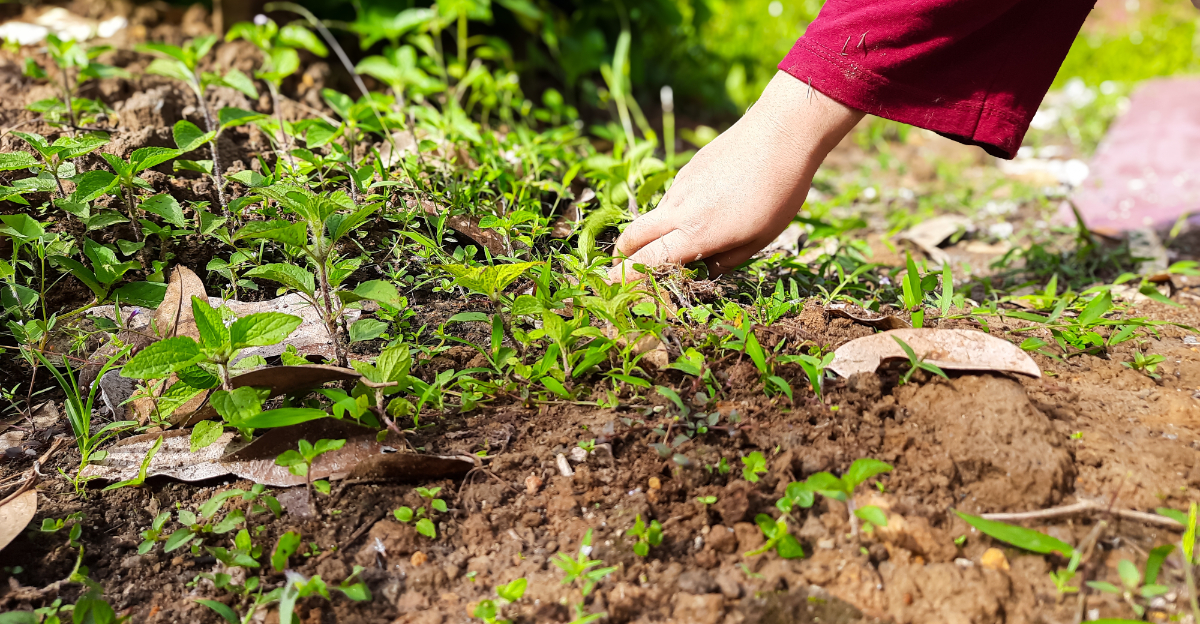
You’re doing your usual walk around the yard when it stops you cold: a raw patch of dirt sitting where mulch used to be, edges crumbling like they’ve worn thin overnight.
Michigan doesn’t ease into late summer, it dumps humidity and downpours back to back, and that bare strip becomes prime real estate within days. Crabgrass doesn’t ask permission.
You didn’t dig that hole on purpose. Maybe a plant gave up in July, maybe mulch washed out during last week’s storm, maybe something’s been quietly eating roots underground. Whatever it happened, the ground fills itself in fast.
Catch it now, and it’s a five-minute fix. Wait a week, and you’re pulling weeds by the fistful instead.
Thin Mulch Layers Leave Soil Exposed To Weed Seeds
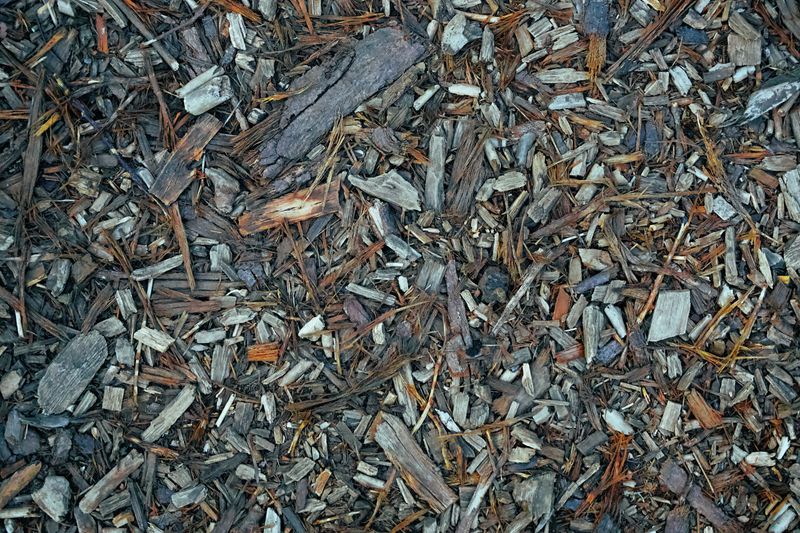
Mulch is your garden’s first line of defense, and when it gets thin, trouble moves in fast. A bare patch in Michigan garden beds often starts with mulch that has broken down to almost nothing.
Fresh mulch should sit about three inches deep to block sunlight from reaching weed seeds below. When that layer shrinks to one inch or less, seeds get the light signal they need to sprout.
August rain splashes thin mulch aside, exposing even more soil in the process. You might not notice until a dozen seedlings are already pushing through the surface.
Topping off mulch mid-season is one of the simplest fixes any gardener can make. A quick trip to your local garden center and two bags of shredded hardwood can close those gaps quickly.
Organic mulch also holds moisture, which slows weed root growth even further. Keeping beds covered means fewer weeds competing with your plants for water and nutrients.
Check your mulch depth every few weeks during summer, especially after heavy rains. A quick visual scan takes less than five minutes and saves hours of weeding later.
Consistent coverage is the quiet hero of low-maintenance gardening. Thin spots rarely stay empty for long, so staying ahead of them keeps your beds clean all season.
August Heat And Rain Create Perfect Germination Conditions
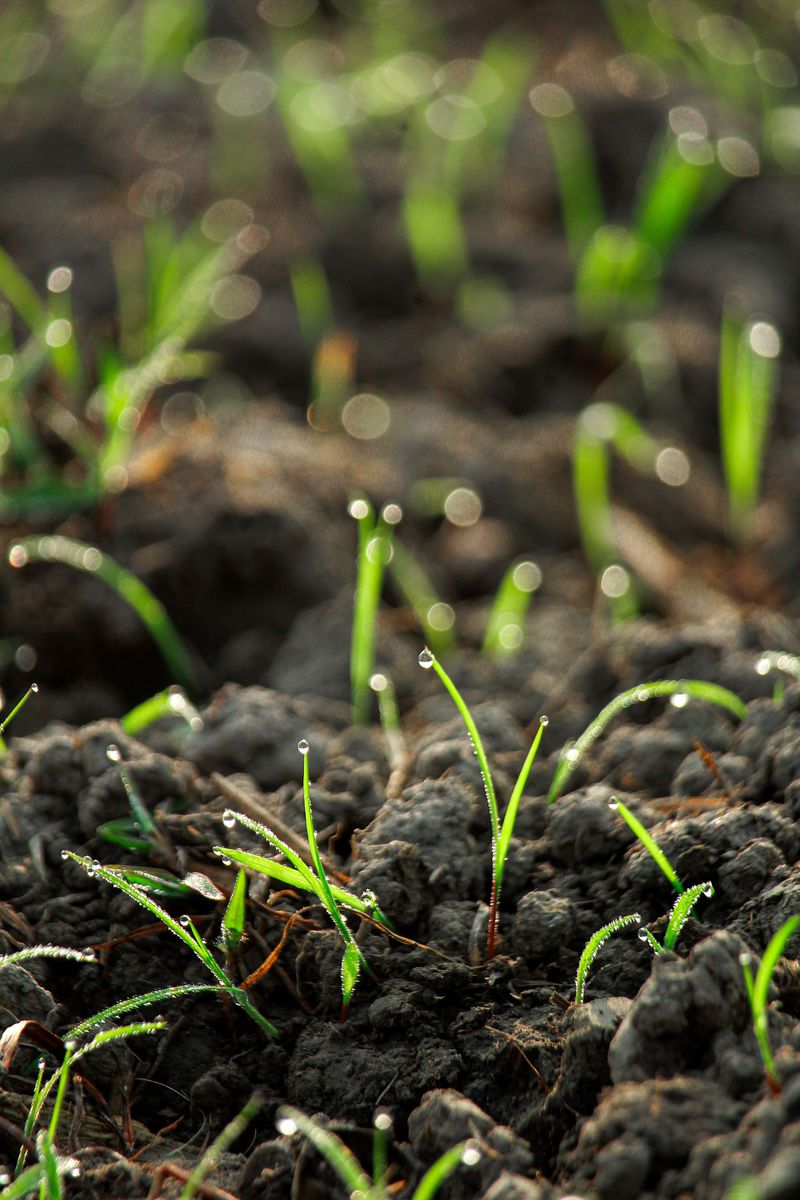
Warm, wet soil is basically a welcome mat for weed seeds. August in Michigan delivers exactly that combination, turning bare patches into sprouting zones within days.
Soil temperatures in late summer stay high even overnight, which speeds up germination dramatically. Seeds that sat dormant all spring suddenly find the conditions they have been waiting for.
Common culprits include crabgrass, purslane, and hairy bittercress, all of which love warm, moist ground. These fast-growing plants can reach several inches tall within a couple of weeks under the right conditions.
Rain events in August often come in short, intense bursts that saturate the top inch of soil. That shallow moisture is exactly where most weed seeds germinate, making bare patches especially vulnerable.
Bare patches in Michigan garden beds act like tiny greenhouses during this period. The exposed dark soil absorbs heat and holds moisture longer than mulched areas nearby.
Your Michigan Garden Changes Every Week. Your Plan Should Too.
Gardening in Michigan changes quickly throughout the season. Every Friday you’ll receive a simple weekly plan showing exactly what to plant, prune, fertilize, harvest, and protect so you never miss the right timing.
Blocking that warmth and moisture with ground cover or mulch interrupts the germination cycle. Even a thin layer of material can drop soil temperature enough to slow sprouting significantly.
Timing matters more than most gardeners realize. Addressing bare spots before a rainstorm hits is far more effective than trying to pull weeds after they have already taken hold.
August weeds grow fast and set seed quickly, so acting early makes a real difference. A proactive approach saves you from a much bigger problem come September.
Groundcover Gaps Between Plants Invite Fast Spreading Weeds
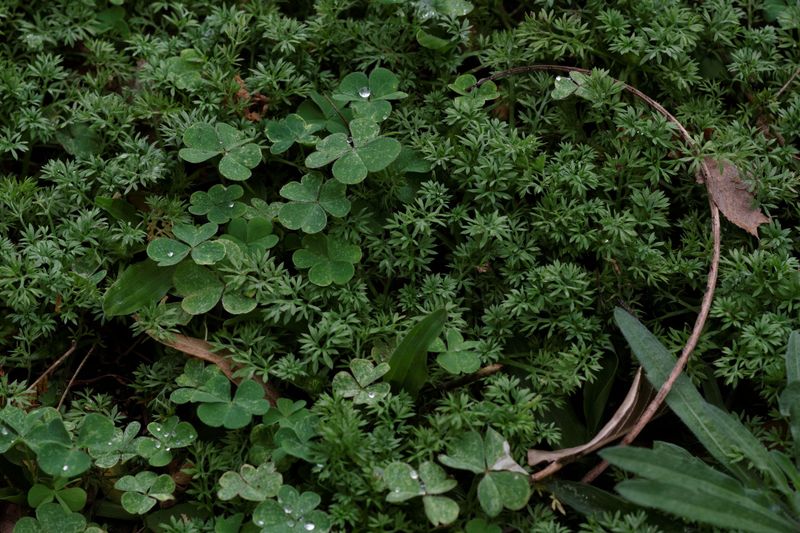
Spacing plants too far apart is one of the most common mistakes in garden design. Those open corridors between plants are prime real estate for fast-spreading weeds.
Groundcovers like creeping thyme, ajuga, or sedum work by forming a dense carpet that blocks light from reaching the soil. When gaps exist, that protection disappears and weeds rush in to fill the space.
Some weeds, like creeping Charlie and spotted spurge, spread horizontally at impressive speed. A single plant can cover several square feet in just a few weeks during warm weather.
Planting groundcovers closer together at the start costs a little more upfront. The payoff is a tighter canopy that leaves no room for uninvited guests to establish themselves.
If your current plants are already in the ground with gaps between them, temporary solutions help bridge the time. Placing a thin layer of compost between plants gives beneficial organisms a boost while also suppressing weeds.
Bare patches in Michigan garden beds between established plants often signal that the original spacing was too generous. Reassessing your layout each spring helps you spot problem zones before summer heat arrives.
Adding a few new groundcover plugs in mid-summer can close gaps without disrupting existing plants. Choose fast-spreading varieties suited to your light conditions for the quickest results.
A full, lush bed is not just pretty, it is functional. Dense planting is one of the most natural and lasting forms of weed control available.
Early Season Neglect Lets Small Patches Turn Into Problems

Missing a few weeks of garden attention in spring sets the stage for a rough August. Small bare patches that seem harmless in May become full-blown weed zones by late summer.
Early season weeds grow slowly at first, which makes them easy to overlook. That slow start is deceptive because roots are establishing underground even when top growth looks minimal.
By the time August rolls around, those same patches have mature root systems that are much harder to remove cleanly. Pulling a well-rooted weed in summer often leaves root fragments behind, which can re-sprout.
Spring is the easiest time to address bare patches in Michigan garden beds. Soil is workable, weeds are small, and the whole process takes far less effort than late-season cleanup.
A neglected patch in May can host dozens of seeding weeds by August. Each of those plants produces hundreds of seeds, multiplying your future workload significantly.
Setting a simple reminder to walk your beds every two weeks in spring helps catch issues early. Pulling tiny weeds with shallow roots takes seconds compared to digging out mature ones.
Neglect is rarely intentional, but the garden does not distinguish between reasons. Consistent small efforts prevent the compounding effect that turns a minor gap into a major headache.
Starting the season with a plan makes all the difference. A few focused minutes in spring protects months of effort down the line.
Dense Planting Choices Crowd Out Room For Weeds
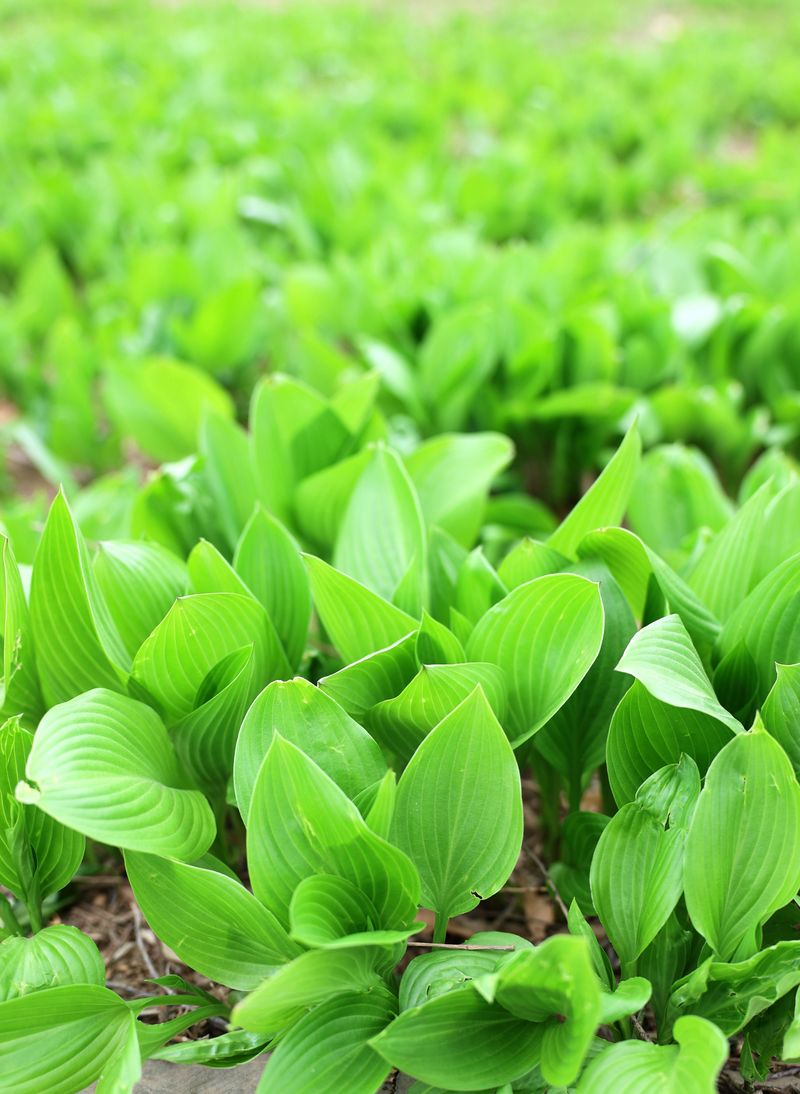
Crowding out weeds sounds aggressive, but it is actually one of the most peaceful strategies in gardening. Choosing plants that grow thick and wide naturally leaves no open soil for weeds to claim.
Daylilies, coneflowers, and black-eyed Susans are excellent examples of plants that spread to fill space over time. Their broad leaves shade the ground below, cutting off the light that weed seeds need to sprout.
Layering plant heights adds another level of coverage. Tall plants at the back, medium ones in the middle, and low groundcovers at the front create a canopy effect that covers nearly every inch.
Bare patches in Michigan garden beds shrink naturally when plants are chosen for their spreading habits. Selecting varieties with aggressive but manageable growth is a smart long-term investment.
Native plants are especially good at this because they are adapted to local conditions. They establish faster, spread more reliably, and require less intervention once settled in.
Mixing annuals into gaps while perennials fill in is a practical short-term fix. Annuals like marigolds or zinnias grow quickly and cover bare soil through the season.
The goal is to have no bare soil visible from above by midsummer. When every inch of ground has leaf cover overhead, weeds lose their window of opportunity.
Dense planting is not about cramming in as many plants as possible. It is about choosing the right plants and placing them with intention and purpose.
Checking Beds Weekly Catches Bare Spots Before They Spread
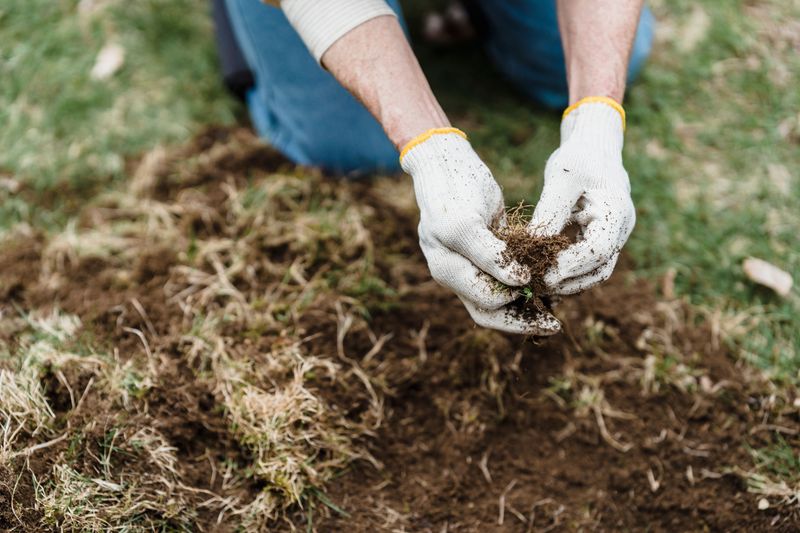
A weekly garden check sounds like a chore, but it is more like a five-minute conversation with your yard. Walking your beds regularly keeps you ahead of problems before they grow out of hand.
Bare patches in Michigan garden beds rarely appear overnight. They develop gradually, and a trained eye catches them while they are still small and easy to address.
Bring a small hand trowel and a bag on your weekly walk. Pulling tiny weeds as you spot them prevents them from setting seed and spreading to neighboring areas.
Look for spots where mulch has thinned, where plants have thinned out or pulled back, or where soil looks compacted and exposed. Each of those is a signal that intervention is needed before August weeds move in.
Keeping a simple garden journal helps track patterns over time. If the same spot goes bare every July, you know to prep it in June with extra mulch or a new plant.
Early detection is one of the most effective habits a home gardener can build. Few tricks work as well as catching a problem while it is still manageable.
Routine also builds familiarity with your garden’s rhythms. You start to notice which areas dry out fastest, which spots get the most weed pressure, and where your plants thrive.
Staying consistent with weekly checks transforms your garden from reactive to proactive. That small habit is what separates a tidy, thriving bed from one that August weeds keep taking over.