Tan Foam-Like Lumps On New Jersey Shrubs This Month Hold Hundreds Of Future Garden Hunters
You just walked past a mantis nursery, and you missed it. Pause beside your shrubs in New Jersey this week and look closely.
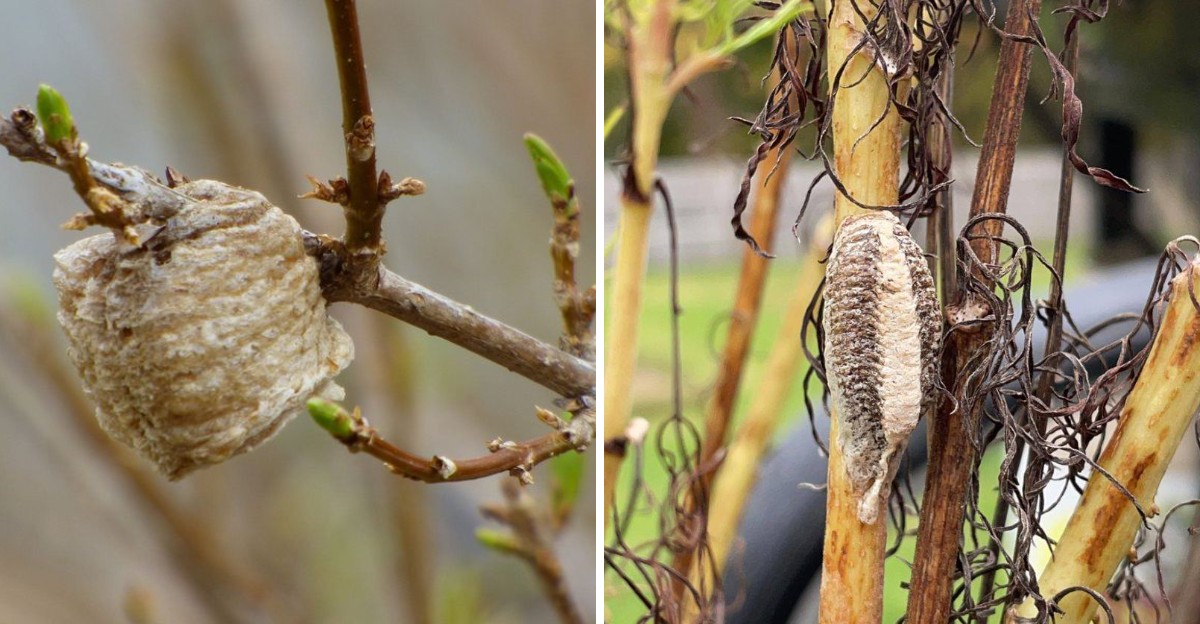
A tan, puffy lump grips a leafless twig, dry and papery. Press it gently, and you will find it stubbornly firm.
Assume it is bug leftovers or bird mess, and you would misjudge it. Inside that case, a crowd of hungry nymphs waits for warm spring days.
Later, you will meet hunters with swiveling heads and quick forelegs. They catch aphids, beetles, and caterpillars that bother your garden plants.
Sometimes the hatchlings emerge together, tiny and hungry, in a sudden rush. Leave the case where it sits, and you gain a natural insect predator.
Pruning shears can wait until you have checked each branch. Check your branches across New Jersey before any pruning begins, and protect them.
Praying Mantis Egg Cases Hiding In Plain Sight
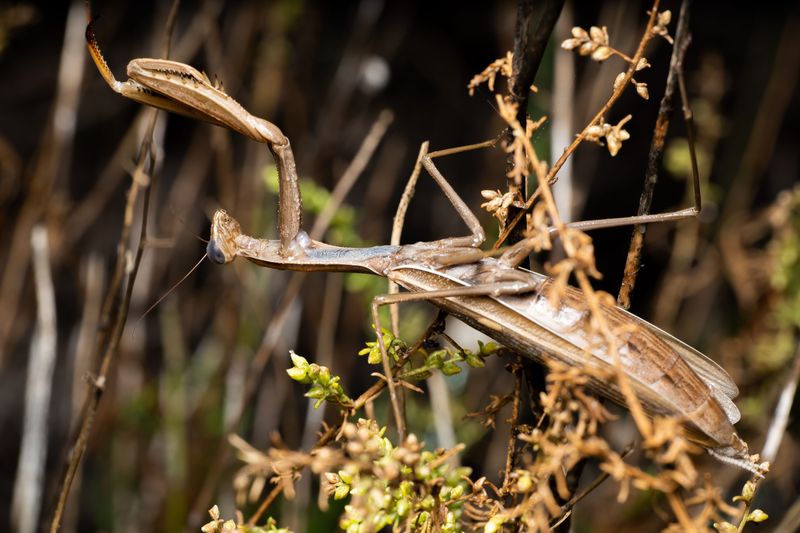
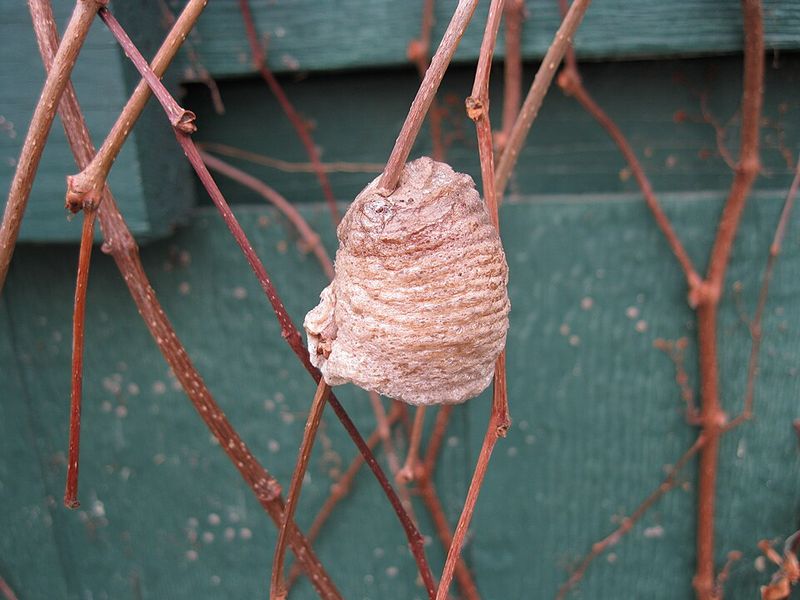
Picture a lump of hardened shaving cream glued to a branch, and you have the right idea. Those tan blobs are praying mantis egg cases, called oothecae by scientists.
A female mantis builds a case in early fall, and she may produce several before the first hard frosts end her season. Each case can hold anywhere from 50 to more than 300 eggs.
In New Jersey, you will spot them on shrubs like azaleas, forsythia, roses, and boxwood. Fences, tall weeds, and even porch railings make handy spots too.
Size depends on the species, with Chinese cases often reaching an inch or more and Carolina cases measuring about half to three quarters of an inch. Some look round and puffy, while others are long, flat, and narrow.
The Chinese mantis makes a big, tan, foamy case that looks like a toasted marshmallow. The smaller Carolina mantis creates a slimmer, tan to brown case.
October makes them easier to find because leaves are dropping and branches are opening up. Look about knee to shoulder height on sturdy stems.
Many gardeners mistake these cases for fungus, insect galls, or old wasp nests. A quick test helps, since mantis cases feel dry, firm, and slightly spongy.
Snap a photo before you touch anything, then compare it to pictures online. Once you learn the shape, you will start seeing them in surprising places.
Spotting one feels a bit like finding a hidden treasure on a scavenger hunt. Kids especially love checking the yard each week to count how many they can find.
A Winter Shelter Built From Hardened Foam
Imagine building a sleeping bag for hundreds of babies using nothing but your own body. A mother mantis pulls off this trick every fall with surprising skill.
She releases a frothy liquid from the tip of her abdomen while laying her eggs. Then she whips it with tiny body movements until it puffs up like meringue.
Within hours, the foam hardens into a tough, papery shell around the eggs. Its color often shifts to tan or light brown as it dries.
Your New Jersey Garden Changes Every Week. Your Plan Should Too.
Gardening in New Jersey changes quickly throughout the season. Every Friday you’ll receive a simple weekly plan showing exactly what to plant, prune, fertilize, harvest, and protect so you never miss the right timing.
Thousands of tiny air pockets inside the foam work like a thermal jacket. They help shield the eggs from freezing temperatures, snow, and icy winter winds.
The outer layer also helps keep rain from soaking in. That matters in New Jersey, where winters swing between sleet, slush, and sunshine.
Birds and mice feed on the eggs inside, and parasitic wasps lay their own eggs in the cases. The crusty shell slows them down, though a few hungry visitors still break through.
Scientists are curious about this natural foam because it is light, strong, and weatherproof. Some researchers even study it as an idea for new building materials.
The case is so tough that many survive an entire winter attached to the same twig. Each egg sits in its own small chamber, lined up in neat rows.
So the next time you see a foamy lump, give it a little credit. That humble bundle is a smart piece of insect engineering.
The Long Wait Until A Late Spring Hatch
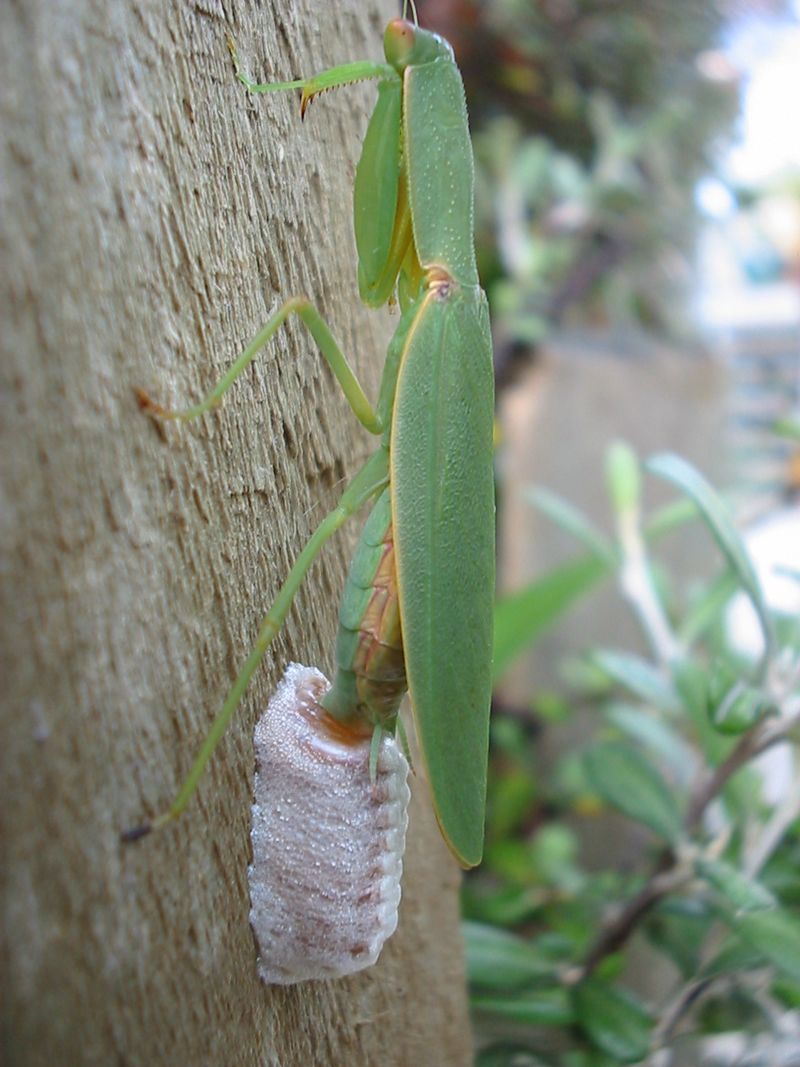
Patience is the name of the game with mantis egg cases. The eggs inside will sit quietly from October until late May or early June.
During winter, the developing young enter a resting stage called diapause. It works like a pause button that keeps them from hatching too soon.
Cold weather is part of their natural timer. The eggs need a long chill before warmer days signal that it is safe to emerge.
Once spring temperatures stay warm, the hatch begins. Tiny nymphs wriggle out of the case, often within a few hours.
Watching a hatch feels like a tiny parade, with dozens of babies dangling on silk threads. Each one is less than half an inch long.
They look like miniature adults without wings, and they are hungry right away. Their first meals are aphids, fruit flies, and other soft little insects.
Survival rates are low for newborns, and many are eaten by spiders, ants, and birds. They can also be cannibalistic when food is scarce.
Only a small number reach adulthood by late summer. That is the main reason a single case holds so many eggs.
Mark the shrub where you find a case so you can check it next spring. A sunny morning in late May is a good time to look.
Bring a magnifying glass if you have one, and keep pets and little siblings calm. The tiny hunters scatter fast once they touch the leaves.
A Pruning Mistake To Avoid This Fall

Quick pruning can remove egg cases unnoticed. In fall, some gardeners trim their shrubs and unknowingly discard hundreds of future predators.
October is a popular time for tidying up hedges and clearing tired stems. That is also when mantis cases are freshly attached to branches.
Because the cases look like crusty debris, they often land in the yard waste bag. Some even end up in the fire pit with dry branches.
Heavy fall pruning can also stress many shrubs before winter arrives. New growth that sprouts after a late trim may get damaged by early frost.
That gives you two solid reasons to slow down your clippers this month. Your plants and your future insect predators will both benefit.
Before cutting, walk slowly around each shrub and scan every branch from top to bottom. Pay close attention to forks where twigs meet thicker stems.
Leaf blowers and hedge trimmers can knock cases loose in seconds. Using hand pruners gives you more control and a clearer view.
Save major shaping jobs for late winter, but check every branch for cases first, since they stay attached until spring. Dormant shrubs are also easier to inspect.
Some homeowners also spray broad-spectrum insecticides in fall to clean up remaining bugs. Those sprays can harm mantis eggs and other helpful garden insects.
A lighter touch keeps your yard friendlier for wildlife all season long. A slightly messy garden is often a healthier garden.
Think of it as giving yourself permission to relax a little this fall. Your back will probably thank you too.
A Safe Rescue For Clipped Branches
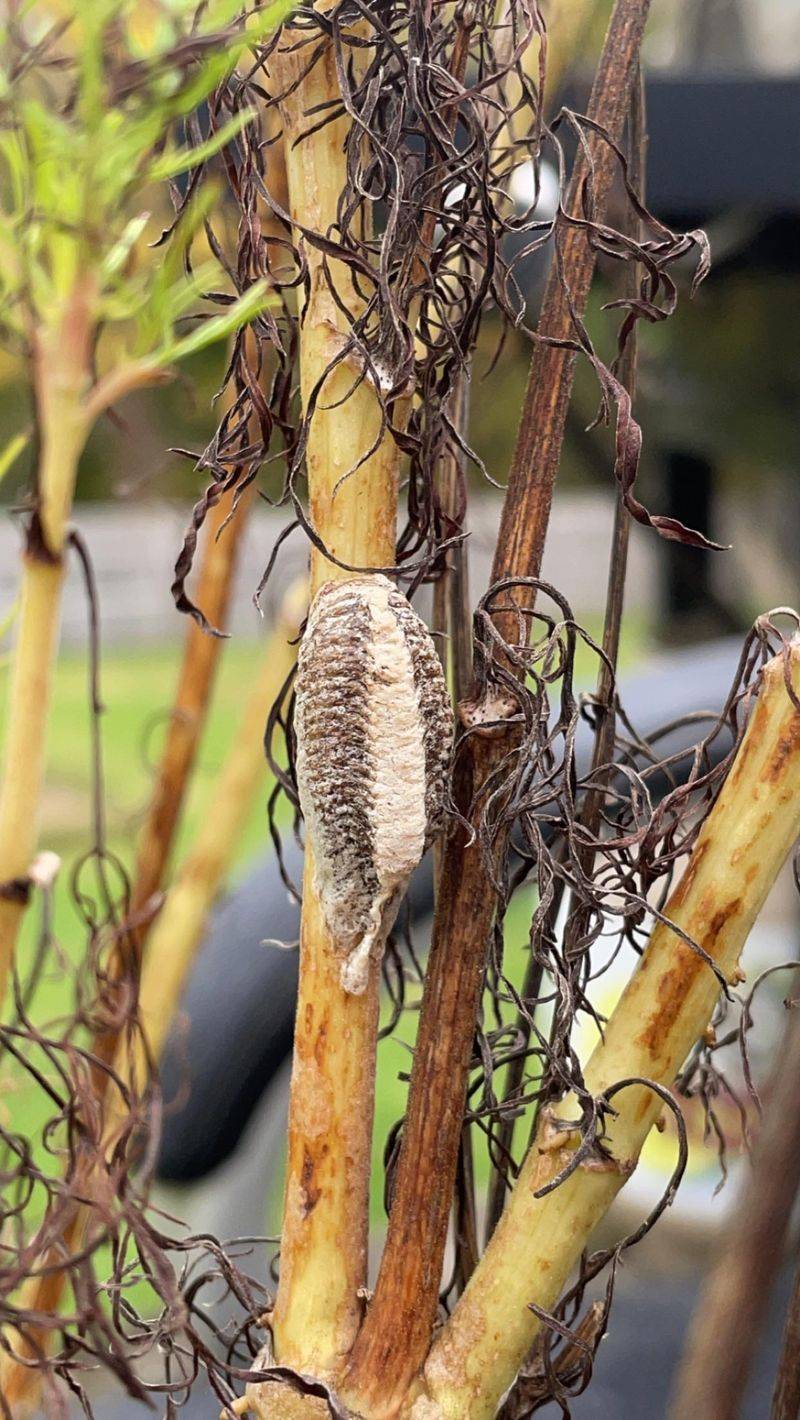
You already cut a branch with a case on it. Relax, because the situation is easy to fix with a little care.
Leave the case attached to its twig, since peeling it off can crack the shell. Trim the branch to a manageable length of about six inches.
Next, tie the twig onto another shrub using string, twine, or a soft garden tie. Try to place it at the same height and angle it had before.
Mantis cases do best outdoors, where they get the natural cold they need. Keep them out of garages, sheds, and warm kitchens.
Bringing a case indoors may cause the eggs to hatch in January. Hundreds of tiny mantises crawling across your curtains would be quite a surprise.
Choose a sheltered spot that gets some sun but stays protected from strong wind. Thick shrubs or a hedge near the house usually work well.
Avoid placing the case close to bird feeders, since birds love an easy snack. Keep it a few feet off the ground to discourage mice.
If you want to watch it hatch, you can use a mesh bag over the case in spring. Release the babies right away so they can spread out and find food.
Checking on your rescued case every few weeks can turn into a fun family habit. It is a small effort that pays off when warm weather returns.
Teachers sometimes use the same trick for classroom nature lessons in spring. Students love seeing how a simple twig becomes a nursery.
A Garden Ready For Hundreds Of Tiny Hunters

Come summer, your yard could have its own team of natural predators. Young mantises spread out and start hunting almost as soon as they hatch.
They eat aphids, caterpillars, beetles, flies, and grasshoppers that feed on vegetables and flowers. As they grow, their prey gets larger too.
Mantises are not picky eaters, which is both good and bad. They may also catch bees, butterflies, and helpful insects like ladybugs.
In New Jersey, the large Chinese mantis is not native and arrived over a century ago. The Carolina mantis is a native species with a smaller, slimmer case, and New Jersey sits near the northern edge of its range.
Chinese mantises are not native and can prey on native mantises and pollinators, so ask your local Rutgers Cooperative Extension office about leaving their cases in place. Supporting native mantises helps keep local insect communities balanced.
To welcome these hunters, plant a mix of native flowers, shrubs, and tall grasses. Plants like goldenrod, asters, and mountain mint attract plenty of insect prey.
Skip broad-spectrum pesticides whenever possible, since they reduce the food supply mantises depend on. A shallow dish of water with pebbles also helps thirsty insects.
Leave a few stems and seed heads standing through winter instead of cutting everything down. Next year’s mothers will have plenty of spots to attach their cases.
Over time, you may notice fewer chewed leaves and more interesting wildlife around your yard. Watching a mantis swivel its head to stare at you is a treat.
All of that action starts with a humble tan lump you might have ignored. Give it a chance this October, and your garden will feel livelier.