Texans Love These Cool-Season Flowers That Bloom In February
February may still feel like winter in Texas, but your garden doesn’t have to look dull and empty.
This is the month when some of the toughest and most beautiful cool-season flowers start showing off their color, proving that spring isn’t too far away.
Texans love these early bloomers because they don’t mind chilly mornings, surprise cold fronts, or cloudy days. Instead, they brighten up yards, patios, and flower beds when most plants are still waking up.
Whether you want soft pastels, bold pops of color, or low-maintenance blooms that keep going for weeks, there’s something perfect for your space.
These flowers are not only easy to grow, but they also bring instant life and curb appeal to any garden.
If you’re ready to shake off winter and welcome early color, these February favorites are exactly what you need.
1. Pansies
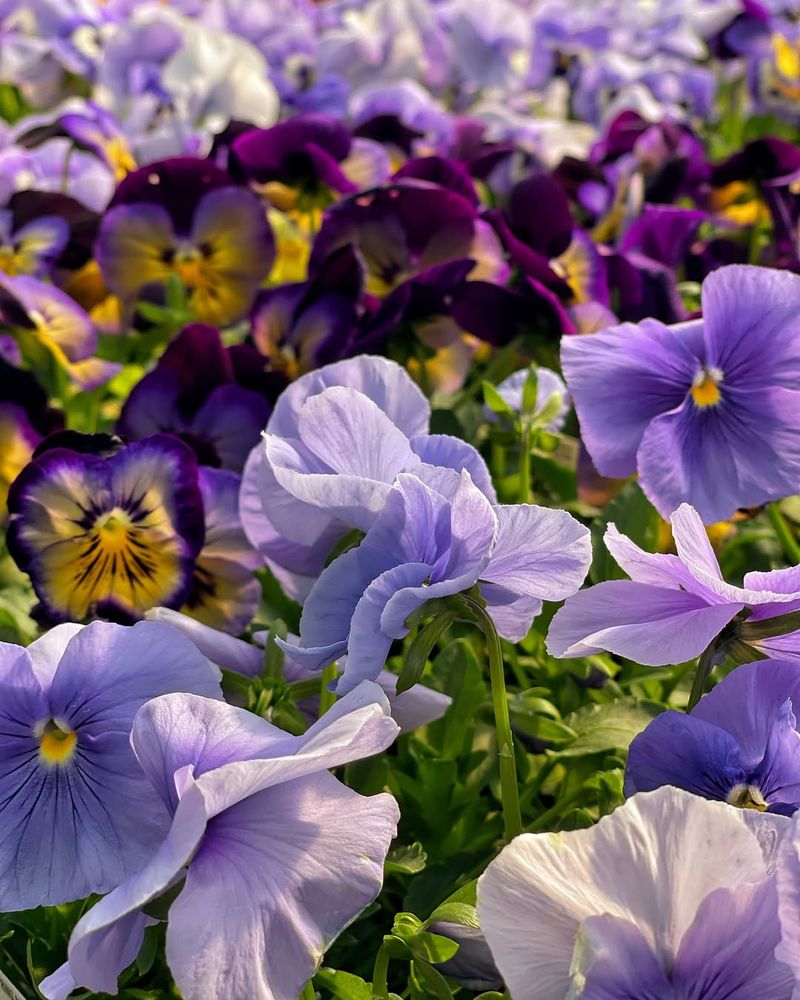
Pansies bring cheerful faces to Texas gardens throughout February with their distinctive petal patterns that look like tiny smiling faces.
These charming flowers come in practically every color you can imagine, from deep purples and bright yellows to soft pastels and even black.
Garden centers across Texas stock pansies heavily during winter months because they perform so reliably in cool weather. Their compact size makes them perfect for borders, containers, and mass plantings that create stunning color displays.
Texas gardeners appreciate pansies because they handle temperature swings better than most flowers. When February mornings start with frost in North Texas, pansies simply wait for the sun to warm them up before perking back up again.
They bloom continuously throughout the month, producing new flowers faster than you can deadhead the old ones. Plant them in spots that get morning sun and afternoon shade for the longest-lasting blooms.
Pansies also work wonderfully in hanging baskets where their flowers can cascade over the edges.
The secret to keeping pansies blooming strong through February involves regular watering and occasional feeding. These flowers prefer moist soil but will develop root problems if left sitting in water.
Texas clay soil can be challenging, so mixing in compost before planting helps drainage considerably. Fertilize every two weeks with a balanced flower food to encourage more buds.
Pansies planted in fall will already have established root systems by February, making them even more resilient. Remove spent blooms regularly to redirect energy into producing fresh flowers instead of forming seeds.
2. Dianthus
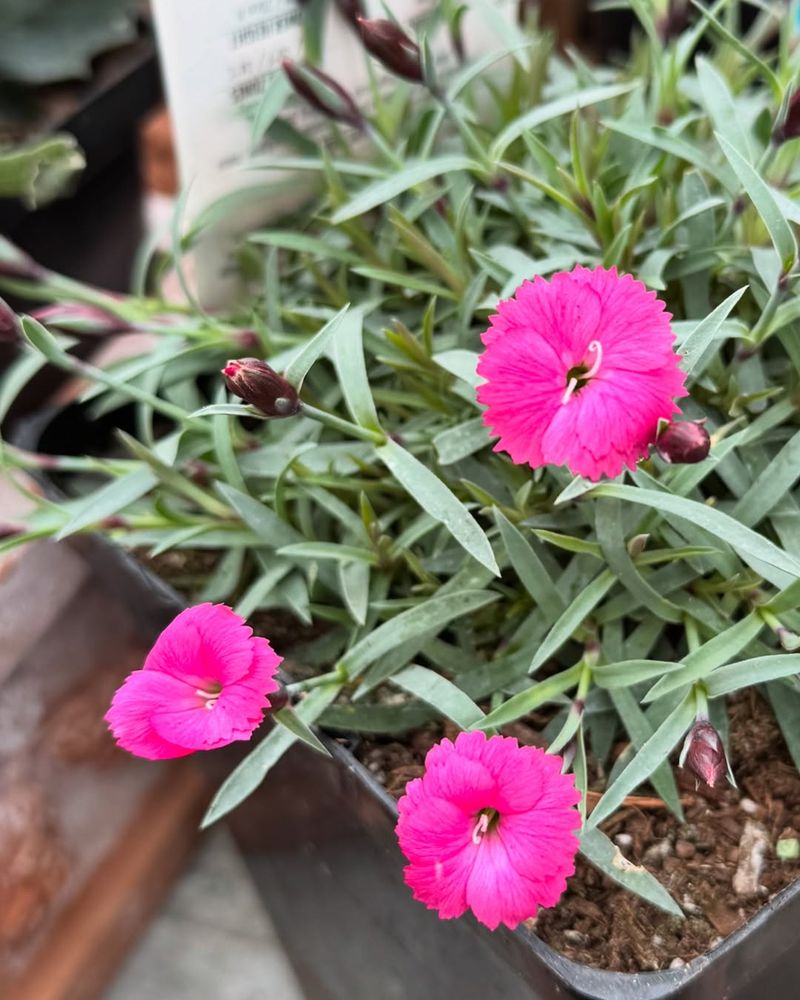
Spicy fragrance fills the air around dianthus plants, earning them the common name of pinks even though they bloom in many colors beyond pink. These delightful flowers feature fringed petals that look like someone took scissors and carefully cut decorative edges.
Dianthus plants form neat mounds of blue-green foliage that stays attractive even when flowers take a brief rest. The blooms appear in single colors or eye-catching bicolors with contrasting edges or centers.
Texas gardeners have grown dianthus for generations because these tough little plants tolerate both cold snaps and dry spells remarkably well.
February represents prime blooming time for dianthus throughout Texas, especially in central and southern regions where temperatures stay moderate.
These flowers actually need cool weather to produce their best display, and they will reward you with abundant blooms during this month.
Plant dianthus in well-draining soil because they really dislike wet feet, making them perfect for raised beds or areas with sandy soil. They grow equally well in containers, where their mounding habit looks especially attractive spilling over pot edges.
Dianthus attracts butterflies while deer and rabbits typically leave them alone, which solves two common Texas garden problems at once.
Keeping dianthus blooming through February takes very little work once plants establish themselves. Water only when the top inch of soil feels dry, as overwatering causes more problems than underwatering with these Mediterranean natives.
Deadhead spent blooms by snipping off entire flower stems rather than just removing individual flowers. This encourages plants to produce more buds instead of setting seed.
Dianthus appreciates full sun in most of Texas but benefits from light afternoon shade in the hottest regions.
3. Snapdragons
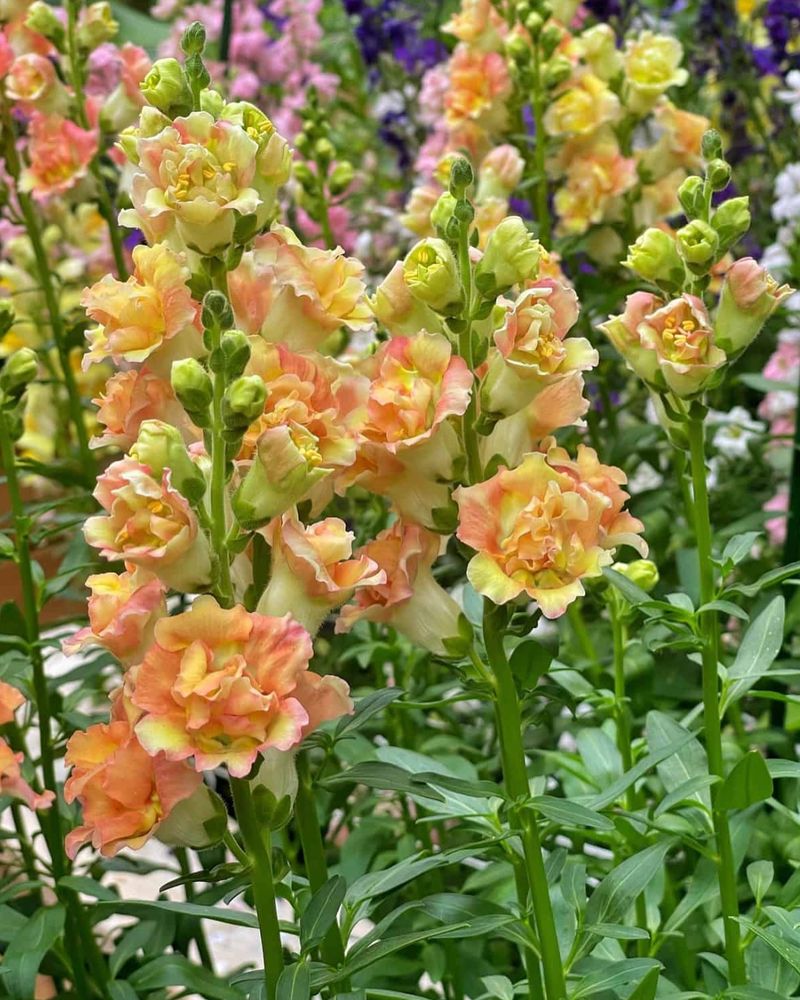
Standing tall with spiky blooms that children love to squeeze, snapdragons add vertical interest to Texas gardens during February.
These flowers earned their name because the blooms really do look like tiny dragon mouths that snap open and closed when you pinch them gently from the sides.
Snapdragons grow anywhere from six inches to three feet tall depending on the variety you choose. Taller varieties make excellent cut flowers that last over a week in vases, while shorter types work perfectly along walkways and in container gardens throughout Texas.
February weather in Texas suits snapdragons perfectly because they actually prefer cooler temperatures. Hot weather makes them stop blooming and eventually fade away, but the mild days and cool nights of February keep them producing flowers steadily.
Their blooms cluster along sturdy stems in shades ranging from pure white and soft pink to vibrant red, orange, and even burgundy. Bees absolutely adore snapdragons, and you will often see these helpful pollinators working their way up each flower spike.
Plant snapdragons where they receive full sun in most parts of Texas, though they appreciate some afternoon shade in southern regions.
Caring for snapdragons during February requires minimal effort, which makes them favorites among busy Texas gardeners. Water them deeply but infrequently, allowing soil to dry slightly between waterings to prevent root rot.
Pinching off the main stem when plants reach about six inches tall encourages bushier growth and more flower spikes. Snapdragons benefit from deadheading, though they will continue blooming even if you forget this task occasionally.
4. Petunias
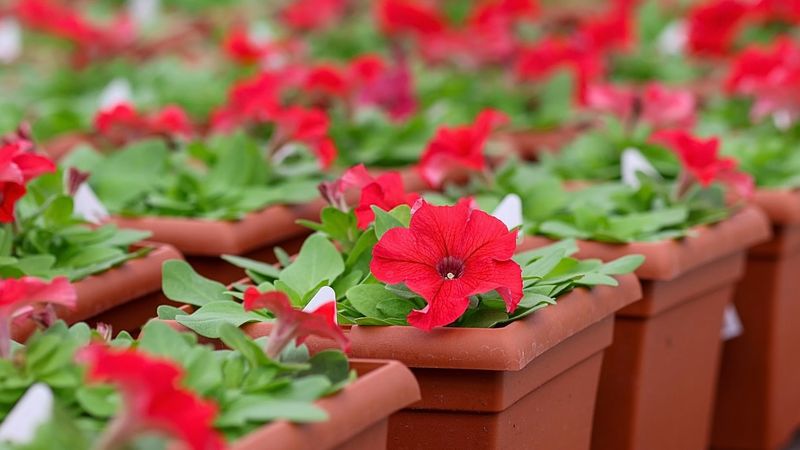
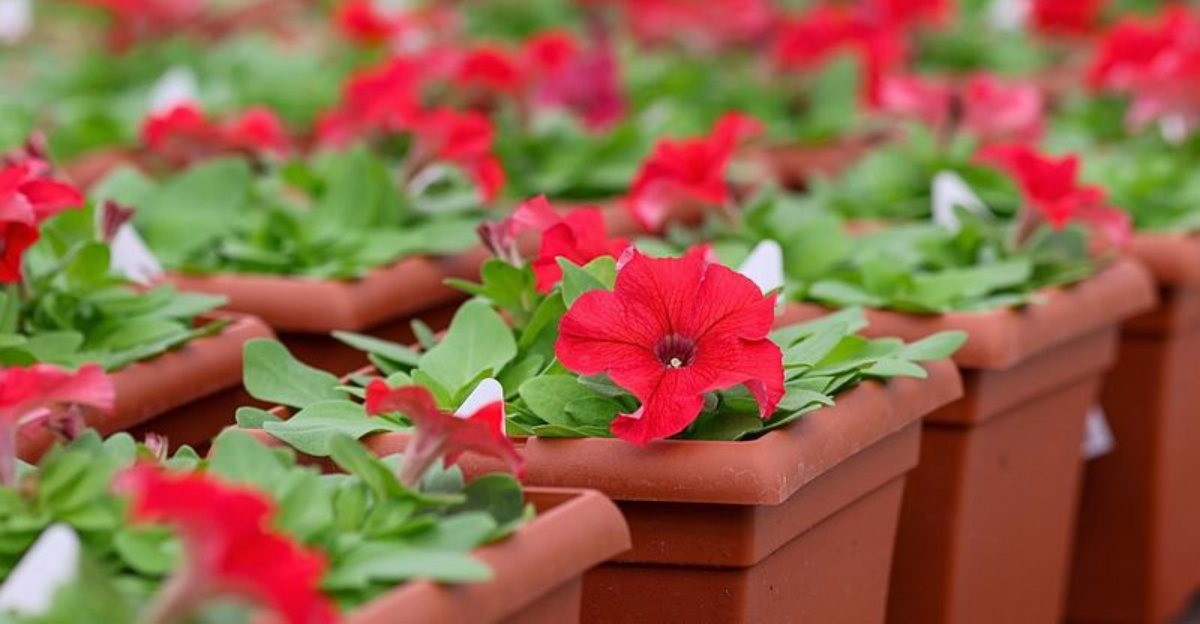
Bold trumpet-shaped blooms make petunias one of the most recognizable flowers in Texas gardens during February. Modern breeding has created petunias in almost every color except true blue, including striped and veined varieties that look hand-painted.
Wave petunias spread horizontally to cover large areas, while traditional types grow more upright in tidy mounds. These flowers bloom so heavily that foliage sometimes disappears completely under masses of colorful petals.
Petunias work beautifully in hanging baskets where their flowers cascade down in colorful waterfalls that draw admiring glances from everyone who passes by.
Texas weather during February suits petunias wonderfully because they thrive in cool temperatures between fifty and seventy degrees.
They bloom continuously throughout the month without needing deadheading, though removing spent flowers does keep them looking tidier.
Petunias handle light frost without damage, which makes them reliable choices for Texas gardens where February temperatures can fluctuate unpredictably. Plant them in spots receiving at least six hours of sunlight daily for the most abundant flowering.
Petunias grown in containers need more frequent watering than those planted in garden beds, especially during unseasonably warm February days that occasionally occur across Texas.
Successful petunia growing in Texas involves providing proper nutrition and adequate moisture. These hungry flowers benefit from regular feeding every two weeks with a balanced fertilizer formulated for blooming plants.
Water petunias when soil feels dry an inch below the surface, soaking the root zone thoroughly rather than sprinkling lightly. Mulching around petunias helps maintain even soil moisture and keeps roots cool.
If plants start looking leggy or bloom production slows, cutting them back by one-third encourages fresh growth and renewed flowering.
5. Calendula
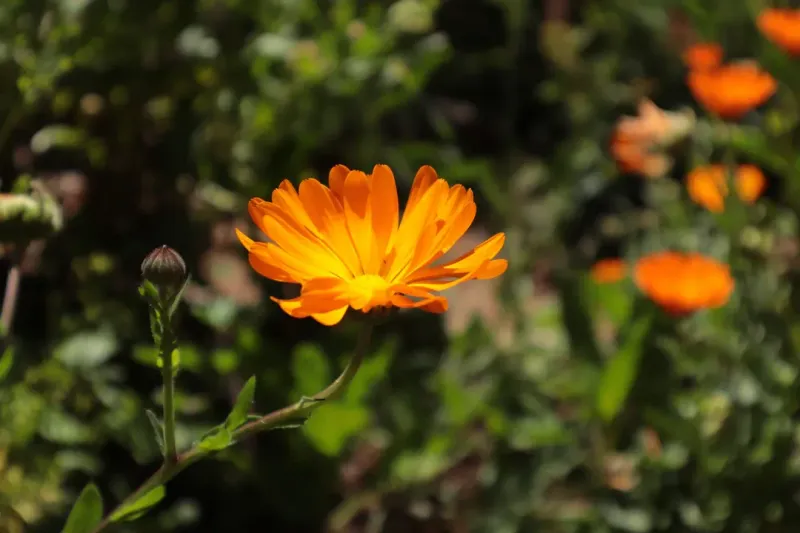
Sunny orange and yellow blooms make calendula a cheerful addition to February gardens throughout Texas. Also called pot marigold, calendula produces daisy-like flowers that seem to glow when backlit by afternoon sun.
These flowers have been grown for centuries, valued not only for their beauty but also for medicinal and culinary uses. The petals are edible and add color to salads, while extracts from calendula flowers appear in skin care products.
Texas gardeners appreciate calendula because it reseeds readily, often returning year after year without any effort on your part.
Cool February temperatures help calendula produce its most vibrant blooms across Texas. These flowers actually prefer cooler weather and will bloom most heavily before temperatures climb in late spring.
Calendula grows quickly from seed, making it an economical choice for filling large areas with color. The plants reach twelve to eighteen inches tall with branching stems that produce multiple flowers.
Butterflies and bees visit calendula frequently, making these flowers valuable for supporting pollinator populations. Calendula tolerates various soil types found across Texas, though it performs best in locations with good drainage and full sun exposure.
Maintaining calendula through February requires minimal attention once plants establish themselves. Water regularly during dry spells but avoid keeping soil constantly soggy.
Calendula handles drought better than excessive moisture, which can lead to fungal problems in humid areas of Texas. Deadheading encourages more blooms, though calendula will continue flowering even without this attention.
Allow some flowers to mature and drop seeds if you want calendula to return next year. These flowers rarely need fertilizing and actually produce more blooms when grown in average soil rather than overly rich conditions.
6. Stock
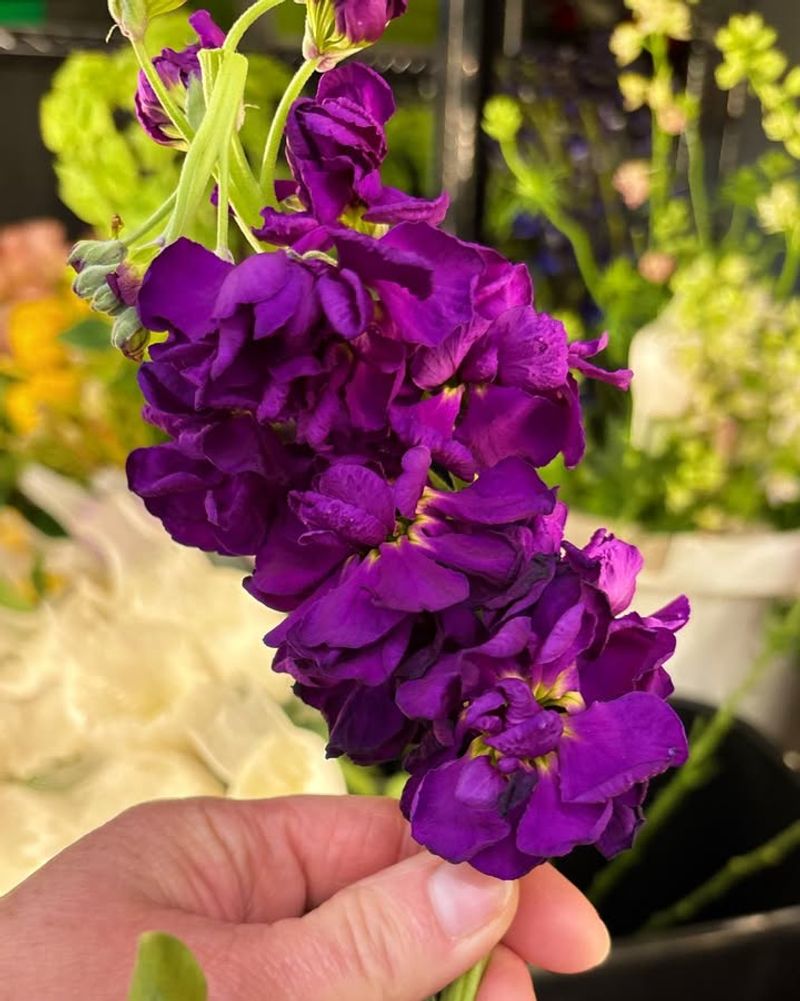
Intoxicating fragrance makes stock flowers a must-have for Texas gardens in February. These old-fashioned beauties produce dense spikes covered with four-petaled blooms that release their sweetest scent during cool evenings.
Stock comes in soft colors including white, cream, pink, lavender, and purple that blend beautifully together in mixed plantings. The flowers grow on sturdy stems reaching two feet tall, making them excellent choices for cutting gardens.
Vases filled with stock will perfume entire rooms, and the blooms last up to ten days after cutting.
Texas gardeners often plant stock near patios, walkways, or bedroom windows where the fragrance can be enjoyed fully. February provides ideal growing conditions for stock throughout most of Texas.
These cool-season flowers produce their best blooms when daytime temperatures stay between sixty and seventy degrees, which describes typical February weather across much of the state.
Stock handles light freezes without damage, though covering plants during hard freezes protects flower buds. Plant stock in full sun locations with rich, well-draining soil amended with compost.
Space plants about twelve inches apart to allow good air circulation, which helps prevent fungal diseases in humid regions of Texas. Stock works beautifully in borders, cottage gardens, and containers where its vertical form adds structure.
Caring for stock during February involves regular watering and occasional feeding to support continuous blooming. These flowers prefer evenly moist soil but will develop root problems if drainage is poor.
Water at the base of plants rather than overhead to keep foliage dry. Fertilize every three weeks with a balanced flower food to encourage more flower spikes.
Removing spent flower stalks promptly encourages plants to produce additional blooms rather than setting seed.
7. Sweet Alyssum
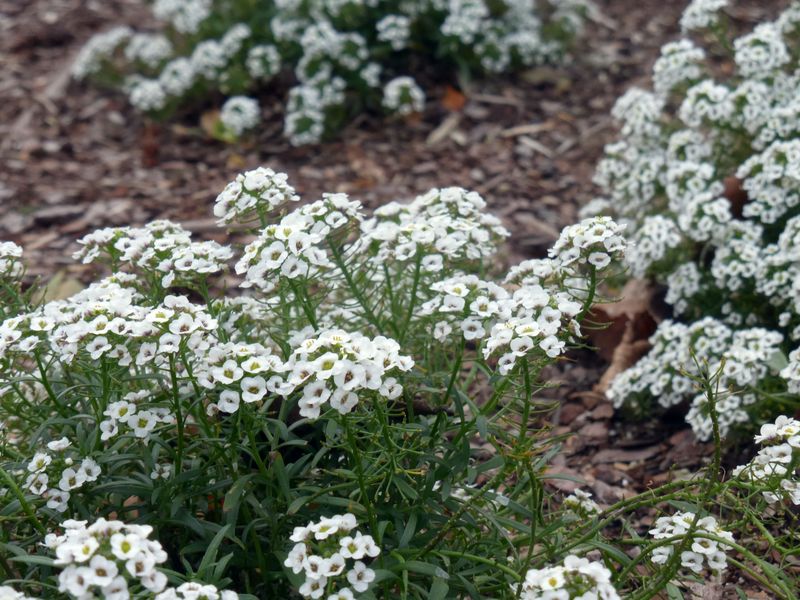
Carpets of tiny flowers make sweet alyssum a perfect edging plant for Texas gardens throughout February.
Each individual bloom measures barely a quarter inch across, but plants produce flowers so abundantly that foliage nearly disappears beneath the floral display.
Sweet alyssum comes in white, pink, and purple shades, all releasing a honey-like fragrance that attracts beneficial insects.
The low-growing habit makes sweet alyssum ideal for tucking between stepping stones, planting along borders, or filling spaces between taller flowers.
These charming plants also work wonderfully in containers where they soften harsh pot edges with their spreading growth.
Texas gardeners love sweet alyssum because it thrives during February’s cool weather and tolerates light frost easily. The plants grow quickly, often blooming within six weeks of sowing seeds directly in garden beds.
Sweet alyssum prefers full sun but tolerates partial shade, especially in southern Texas where intense afternoon sun can stress plants. These flowers self-sow readily, creating natural-looking drifts that return year after year.
Sweet alyssum attracts tiny beneficial wasps that help control garden pests, making it both beautiful and functional. The plants stay compact, rarely exceeding six inches in height, which keeps them from overwhelming neighboring plants.
Maintaining sweet alyssum through February requires very little effort beyond occasional watering. These drought-tolerant flowers actually bloom more heavily when grown in average soil rather than overly rich conditions.
Water when the top inch of soil feels dry, providing enough moisture to soak the root zone. Sweet alyssum rarely needs fertilizing and may produce more foliage than flowers if overfed.
If plants start looking tired or bloom production slows, shearing them back by half encourages fresh growth and renewed flowering.