Texas A&M Researchers Identify The Winter Vegetables That Thrive Best In Your Part Of Texas
Texas gardeners know that winter doesn’t have to mean the end of fresh, homegrown vegetables.
In fact, the cooler months often create some of the most favorable growing conditions for a variety of flavorful and nutrient-rich crops.
While summer gardens struggle with Texas’ intense heat, winter gardens can thrive with crisp air, fewer pests, and steady moisture.
Texas A&M researchers have spent years studying how different vegetables respond to the state’s dramatically varied climate zones—from the frosty winds of the Panhandle to the warm, gentle winters of the Rio Grande Valley.
Their extensive research highlights which vegetables flourish in each region, helping gardeners avoid guesswork and set themselves up for success.
By using these region-specific recommendations, Texans can grow healthier plants, enjoy more reliable yields, and make the most of their winter gardening season.
Whether you’re planting hearty root vegetables or tender leafy greens, the insights from Texas A&M ensure your garden stays productive and abundant all winter long.
Cold-Hardiness Ratings Match Vegetables To Texas Regions
Not all winter vegetables tolerate cold equally, and Texas A&M has developed clear guidelines for matching crops to regional temperatures.
Vegetables fall into categories based on how much frost they can withstand.
Hardy vegetables like kale and spinach survive temperatures well below freezing, making them perfect for North and West Texas.
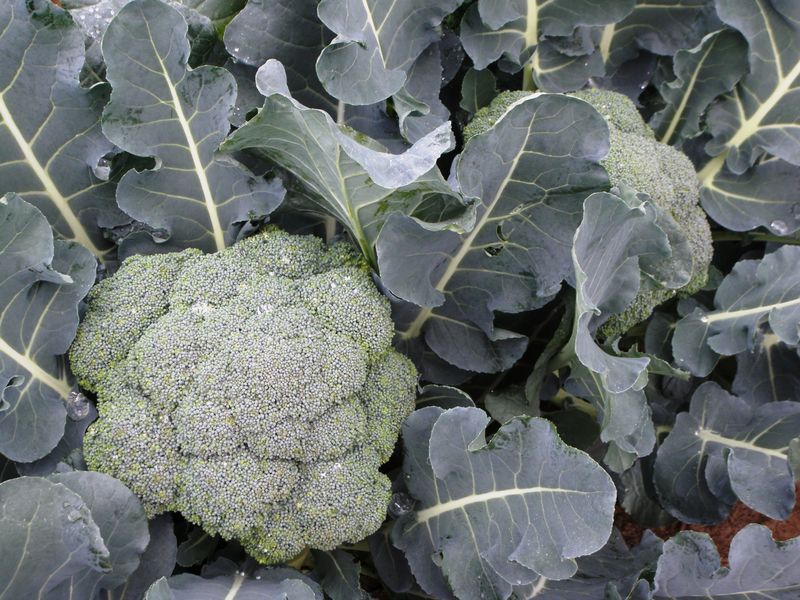
Semi-hardy crops such as broccoli and cauliflower tolerate light frosts but struggle when temperatures plunge into the teens.
These perform beautifully in Central Texas, where hard freezes are less common.
Gardeners in these areas enjoy extended harvests from November through March.
Tender winter crops like lettuce and Swiss chard prefer mild conditions and may need protection during cold snaps.
South Texas gardeners can grow these throughout winter without worry, while northern gardeners should use row covers during freezes.
Understanding these distinctions prevents crop loss and wasted effort.
Texas A&M publications rank vegetables by their cold tolerance and map them to specific Texas regions.
A gardener in Dallas can quickly identify which crops will thrive without extra protection.
Someone in Lubbock learns which vegetables need special care during harsh winter weather.
This matching system takes the guesswork out of garden planning and helps everyone grow food successfully regardless of location.
Regional Climate Data Shapes Vegetable Recommendations
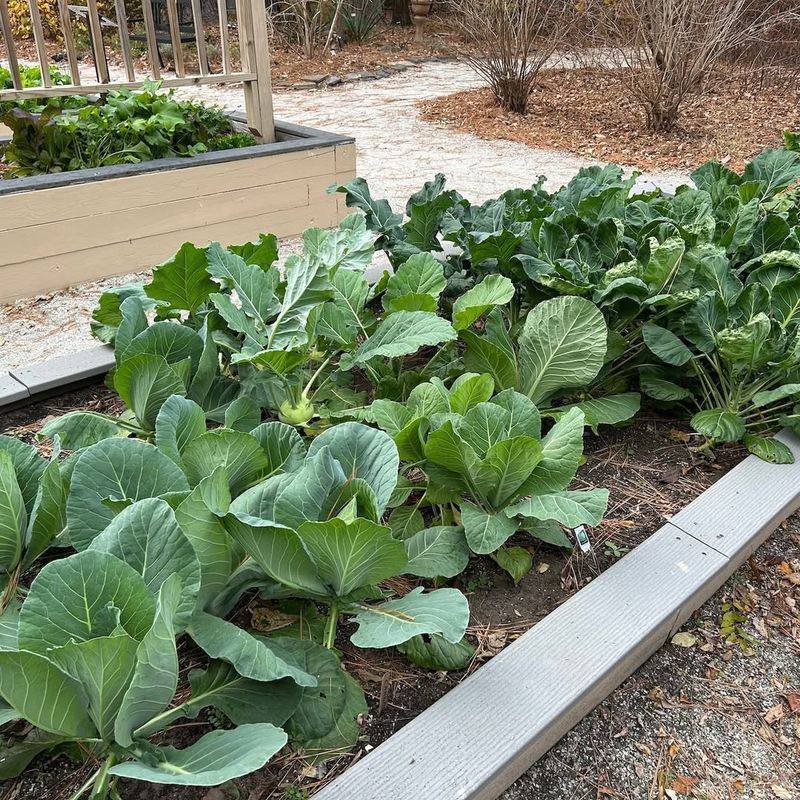
Texas A&M Extension Service relies heavily on decades of regional climate information to guide gardeners toward success.
Scientists track temperature patterns, frost dates, and seasonal rainfall across every corner of the state.
This data reveals which vegetables can handle the cold snaps in Amarillo versus the milder conditions near Houston.
Researchers examine historical weather records to identify average first and last freeze dates for each county.
These dates determine the ideal planting windows for winter crops.
When gardeners follow these science-backed timelines, their vegetables have enough time to mature before extreme cold or spring heat arrives.
The team also studies microclimates within regions, recognizing that elevation and proximity to water bodies affect local temperatures.
A garden in the Hill Country might experience different conditions than one just fifty miles away.
Texas A&M provides county-specific guides that account for these variations.
Understanding your local climate zone helps you select vegetables that naturally thrive in your area.
Cold-hardy varieties excel in northern counties, while southern gardeners can grow a broader range throughout winter.
This tailored approach maximizes harvest success and minimizes frustration for Texas gardeners of all experience levels.
Soil Type Dramatically Influences Winter Vegetable Success
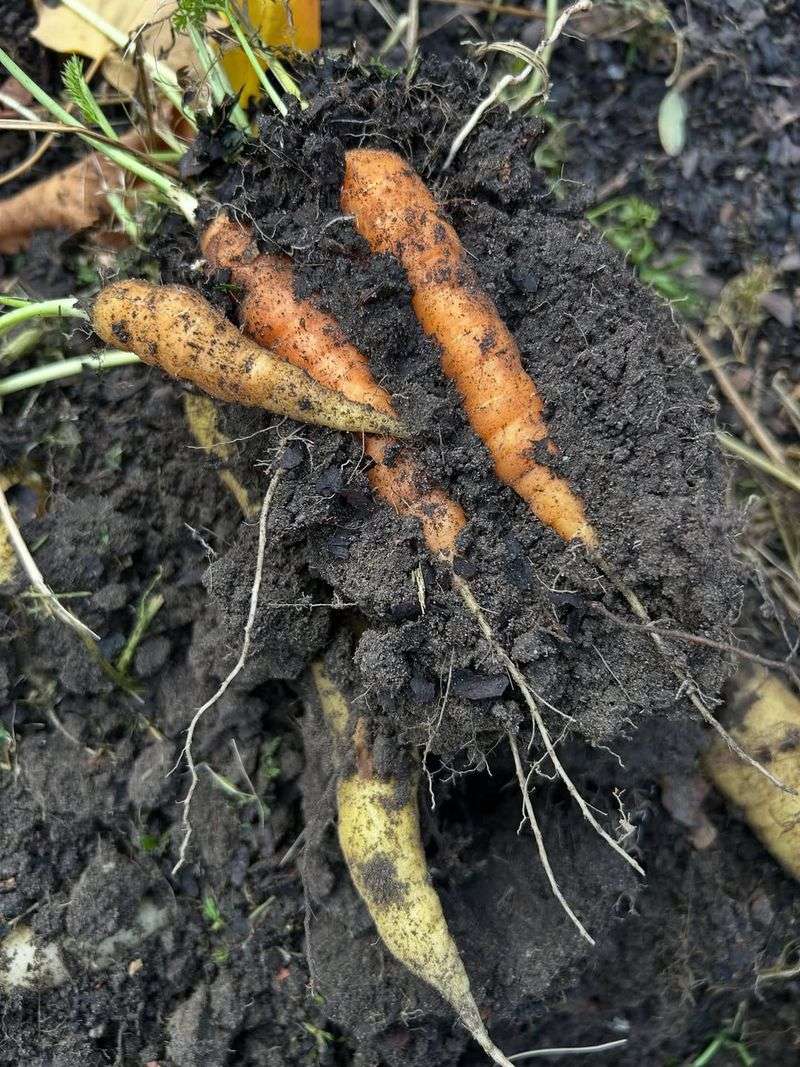
Texas boasts an incredible variety of soil types, and Texas A&M research shows how each affects winter vegetable growth differently.
The sandy soils along the Gulf Coast drain quickly and warm up faster in winter sunshine.
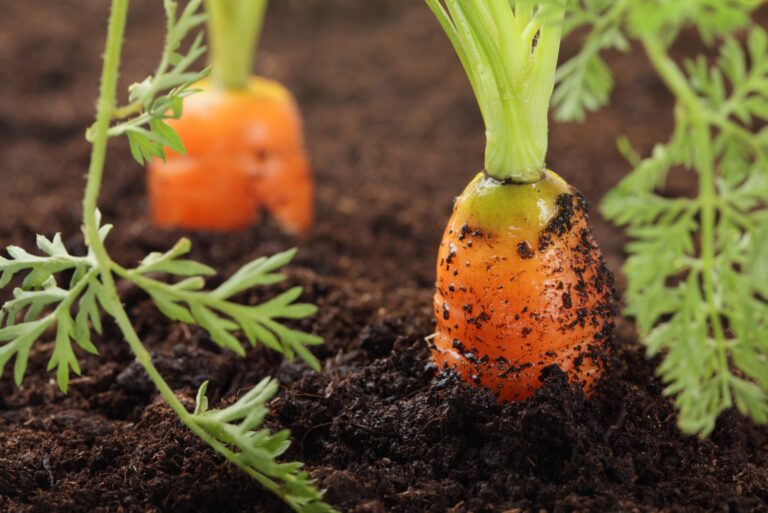
Root vegetables like carrots and radishes grow straight and smooth in these loose soils, making them ideal choices for coastal gardeners.
Blackland Prairie clay soils, found through Central Texas, hold moisture longer but can become waterlogged during rainy winters.
These heavy soils benefit from added compost to improve drainage and prevent root rot.
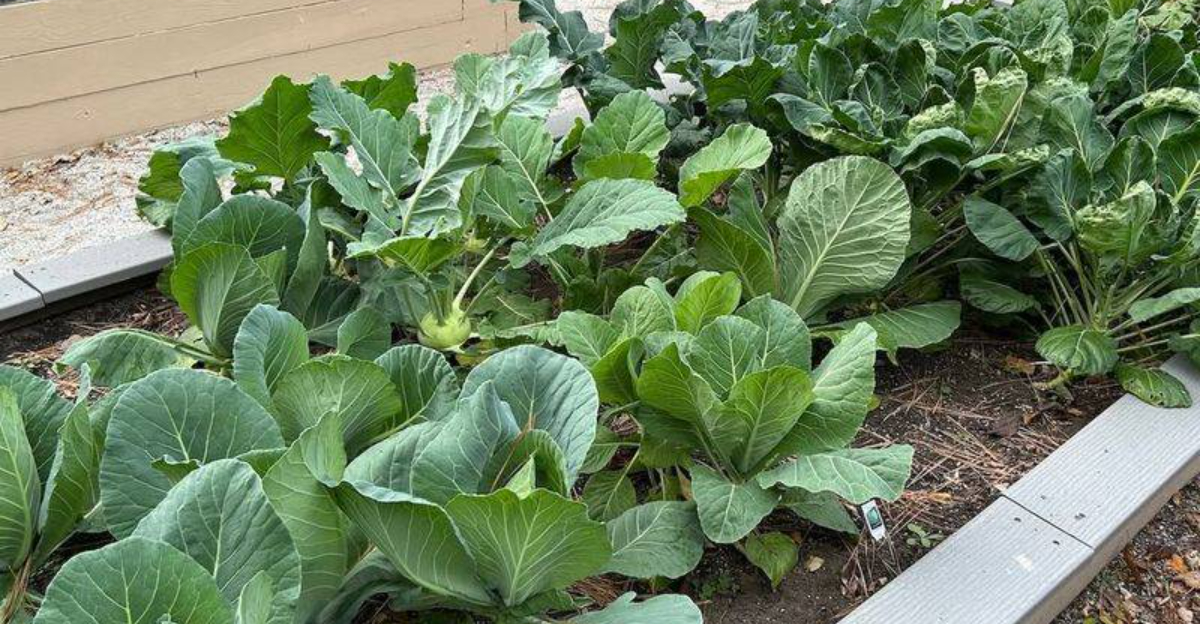
Leafy greens like collards and mustard greens adapt well to these conditions once soil amendments are incorporated.
West Texas soils often contain more caliche and require extra organic matter to support healthy vegetable growth.
Raised beds filled with improved soil mixes work wonders in these challenging conditions.
Hardy vegetables like kale and turnips still produce abundantly when given proper soil preparation.
East Texas gardeners work with acidic, often sandy loam soils that retain moisture without becoming soggy.
These soils naturally support a wide range of winter vegetables with minimal amendments.
Texas A&M soil testing services help gardeners understand their specific soil composition and adjust accordingly for optimal winter vegetable production.
County-Specific Planting Calendars Ensure Perfect Timing
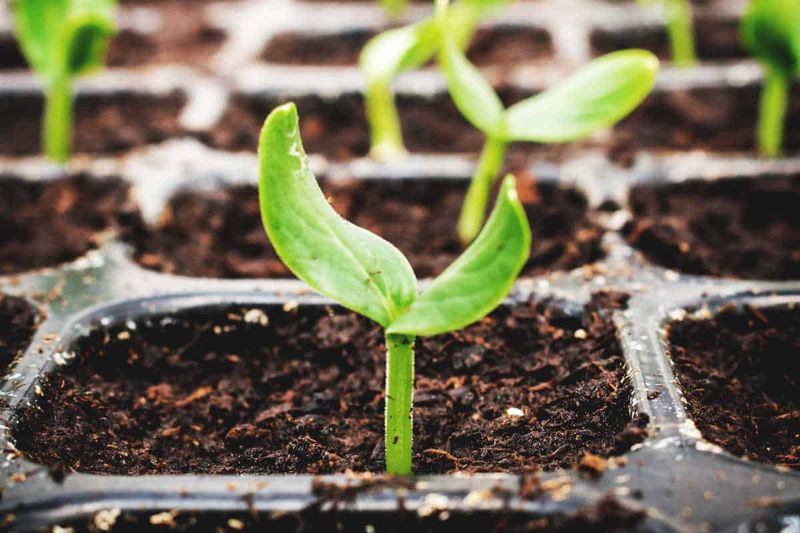
Timing makes all the difference between a thriving winter garden and a disappointing one, which is why Texas A&M developed detailed county-by-county planting calendars.
These calendars account for local freeze dates, growing season length, and temperature patterns unique to each area.
Gardeners can look up their county and find exact planting windows for every winter vegetable.
Northern counties typically plant winter vegetables in late August through September, giving crops time to establish before hard freezes arrive.
Central Texas gardeners enjoy a longer planting window from September through November.
Southern counties can plant as late as December and still achieve excellent results with many crops.
The calendars also indicate when to start seeds indoors versus direct-sowing in the garden.
Broccoli and cabbage often benefit from indoor starts in warmer regions, while cooler areas can direct-sow these crops.
Following these guidelines eliminates confusion about when to begin planting.
Texas A&M updates these calendars regularly based on ongoing climate observations and research findings.
Gardeners can access them free online or through local Extension offices.
Using these resources helps ensure vegetables mature at the right time, avoiding both early heat and late freezes that can reduce harvests significantly.
Freeze Protection Strategies Vary By Texas Region
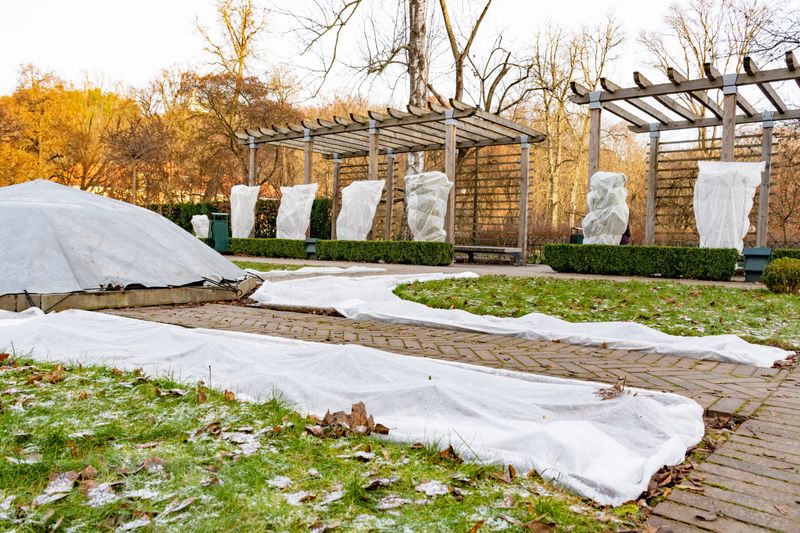
Unexpected freezes can threaten winter vegetable crops, but Texas A&M offers region-specific protection strategies that save harvests.
North Texas gardeners prepare for multiple hard freezes each winter and often use season-long row covers for tender crops.
These lightweight fabrics trap warmth while allowing light and water to reach plants.
Central Texas experiences fewer freezes, so gardeners there can use temporary protection methods.
Old sheets, blankets, or frost cloth work well when draped over plants before a cold front arrives.
Removing covers once temperatures rise prevents overheating and moisture buildup.
West Texas faces intense cold combined with drying winds that can damage exposed foliage.
Windbreaks made from burlap or wooden frames provide dual protection from both cold and wind.
Mulching around plant bases also insulates roots during temperature extremes.
East Texas gardeners benefit from higher humidity during freezes, which offers some natural protection.
However, they should still cover tender crops when temperatures drop into the twenties.
South Texas rarely needs freeze protection, but when cold air does arrive, quick action preserves crops.
Texas A&M recommends monitoring local weather forecasts closely and having protection materials ready throughout winter.
Proper preparation means gardeners can respond quickly and protect their hard work from unexpected cold.
North Texas Winter Vegetable Champions
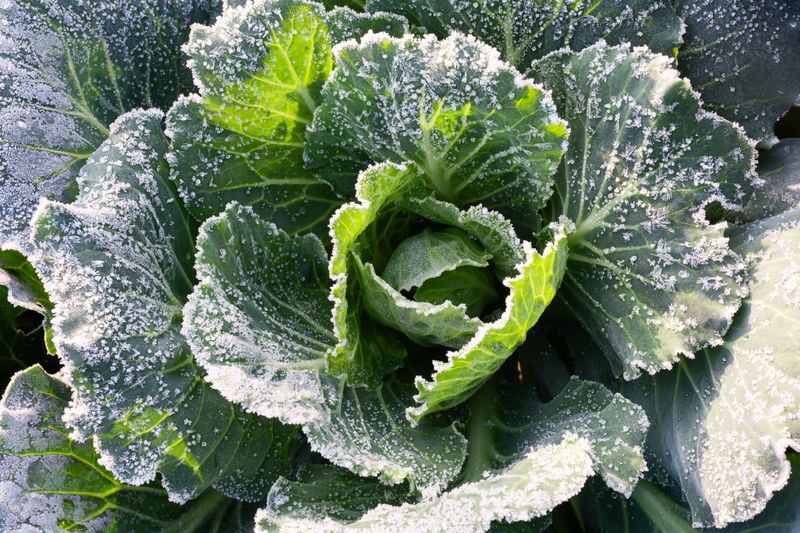
Gardeners in the Dallas-Fort Worth area and surrounding North Texas counties enjoy excellent conditions for cold-hardy winter vegetables.
Broccoli develops tight, flavorful heads when exposed to consistent cool temperatures found throughout the region.
Planting in early fall allows plants to establish strong root systems before winter arrives.
Cabbage varieties ranging from green to purple thrive in North Texas soil and cooler weather.
These plants tolerate hard freezes and actually taste sweeter after exposure to frost.
Harvest can continue from December through March with proper variety selection.
Root vegetables like carrots and radishes appreciate the cooler soil temperatures that North Texas provides during winter months.
These crops mature quickly and can be succession-planted for continuous harvests.
Turnips also perform exceptionally well, providing both edible roots and nutritious greens.
Leafy greens including kale and spinach become garden superstars in this region.
Kale withstands temperatures well below freezing and provides fresh greens throughout winter.
Spinach grows rapidly during cool weather and can be harvested multiple times by cutting outer leaves.
Texas A&M research confirms that North Texas gardeners should focus on these cold-tolerant crops for reliable winter production and abundant harvests.
Central Texas Offers Extended Winter Growing Seasons
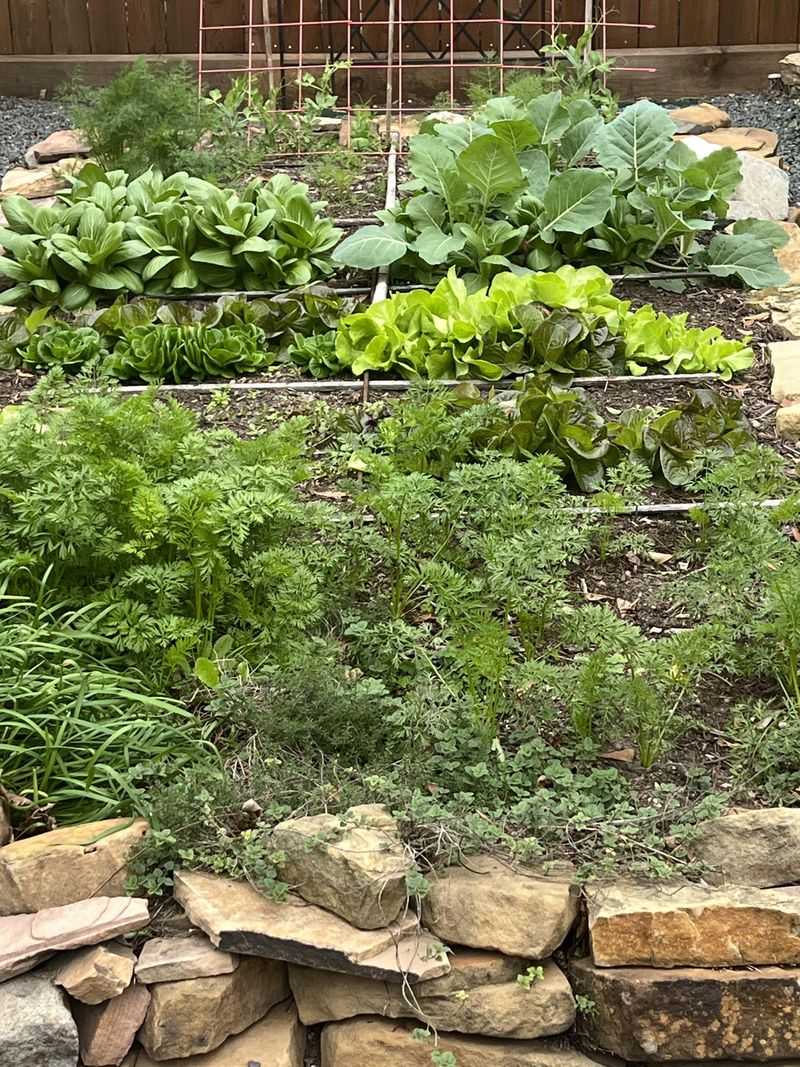
Central Texas gardeners from Austin to San Antonio benefit from one of the longest and most productive winter growing seasons in the state.
Mild temperatures and infrequent hard freezes create ideal conditions for multiple plantings of many vegetables.
Beets thrive in this climate, developing sweet, tender roots when grown during cooler months.
Swiss chard produces abundantly throughout Central Texas winters, offering colorful stems and nutritious leaves.
This vegetable tolerates both cool and occasionally warm winter days without bolting.
Gardeners can harvest outer leaves continuously while plants keep producing new growth.
Lettuce varieties flourish in Central Texas, where temperatures stay cool enough to prevent bitterness but warm enough for steady growth.
Succession planting every two weeks ensures fresh salad greens from November through March.
Collard greens and mustard greens also excel here, providing traditional Southern favorites.
Broccoli performs beautifully when planted at the right time, producing side shoots even after the main head is harvested.
Green onions grow quickly and can be tucked into empty spaces throughout the garden.
Texas A&M highlights Central Texas as having exceptional versatility for winter vegetable gardening.
The extended mild season allows gardeners to experiment with various crops and enjoy fresh produce for months longer than northern regions.
East Texas Benefits From Rain And Mild Winters
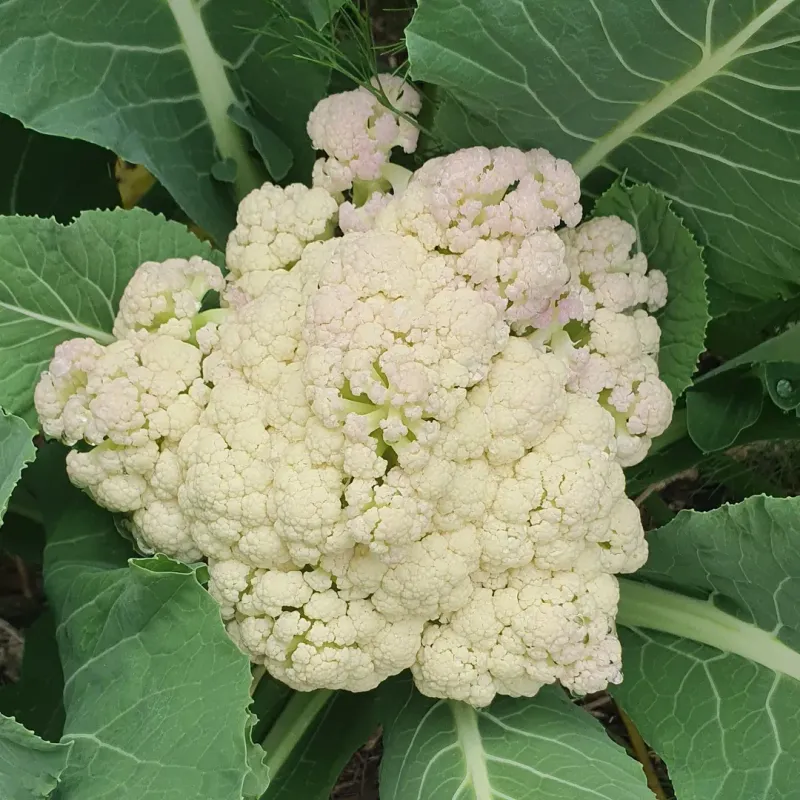
East Texas receives more winter rainfall than most other parts of the state, creating unique growing conditions that favor specific vegetables.
Cabbage loves the consistent moisture and mild temperatures found from Tyler to Nacogdoches.
These plants develop large, solid heads without the stress of drought or extreme cold.
Cauliflower requires steady growing conditions without dramatic temperature swings, making East Texas an ideal location.
The higher humidity helps prevent the dry, bitter flavor that can develop in arid climates.
Timing planting correctly ensures heads mature before any late winter warm spells.
Kale and spinach thrive in the rich, slightly acidic soils common throughout East Texas.
Regular rainfall keeps these leafy greens tender and productive without constant irrigation.
Both vegetables withstand the occasional freeze that might occur during January or February.
Carrots develop excellent flavor in East Texas gardens, especially when planted in raised beds with improved drainage.
Garlic cloves planted in fall emerge in winter and mature by late spring, benefiting from the cool season.
Parsley grows vigorously as a winter herb, providing fresh flavor for cooking.
Texas A&M research indicates that East Texas gardeners should take advantage of natural rainfall but ensure good drainage to prevent root diseases during particularly wet periods.
West Texas Hardy Crops Withstand Temperature Extremes
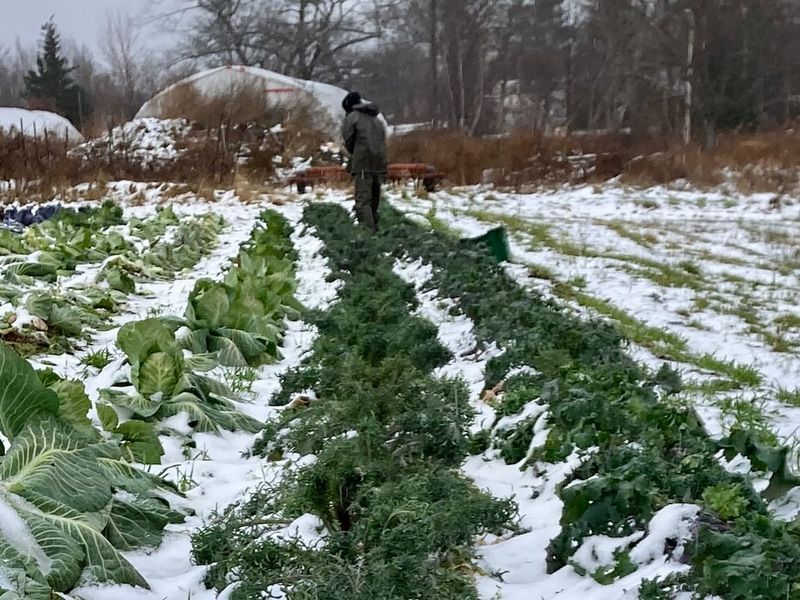
West Texas presents unique challenges with cold winters, temperature fluctuations, and dry conditions, but certain vegetables excel in this environment.
Kale proves incredibly resilient, handling both freezing nights and sunny days without complaint.
This nutritious green actually improves in flavor after exposure to frost, making it perfect for the region.
Spinach grows well in West Texas when provided adequate water and protection from drying winds.
Mulching around plants helps retain soil moisture in the arid climate.
Harvest can begin just six weeks after planting and continue throughout winter.
Root vegetables including radishes, turnips, and beets tolerate the temperature swings common in West Texas.
These crops mature quickly and store well, making them practical choices for gardeners.
Radishes can be ready to harvest in as little as three weeks during cool weather.
Onions planted from sets in fall develop strong root systems during winter and mature in late spring.
Bok choy offers an Asian vegetable option that handles cold surprisingly well.
Texas A&M recommends that West Texas gardeners focus on these proven performers and use raised beds with quality soil amendments.
Windbreaks and consistent watering schedules help overcome the challenges of this demanding but rewarding climate.
South Texas Extends Growing Season For Diverse Crops
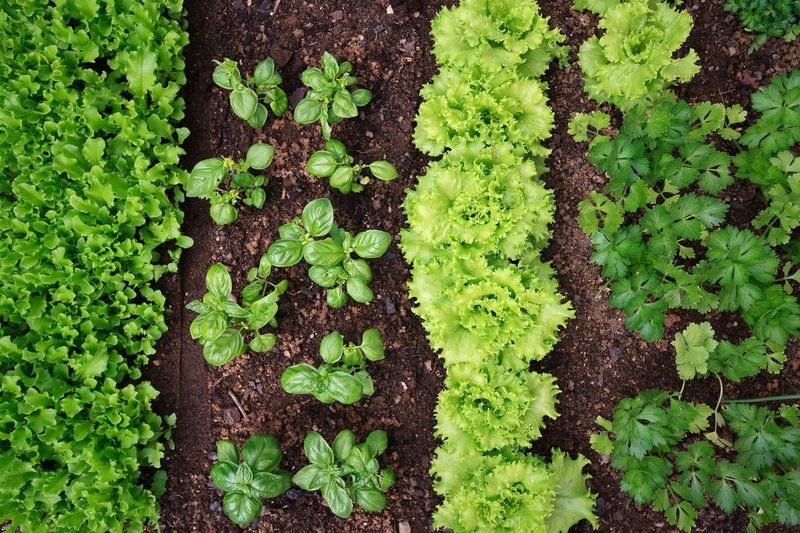
South Texas gardeners enjoy the warmest winter conditions in the state, allowing them to grow vegetables that would struggle elsewhere during cold months.
Tomatoes can be grown as winter crops in the Rio Grande Valley and coastal areas, producing fruit when northern gardens lie dormant.
Planting in October or November allows harvest from January through April.
Peppers also thrive during South Texas winters, avoiding the intense summer heat that can prevent fruit set.
Both sweet and hot pepper varieties produce abundantly in the mild conditions.
These warm-season crops grown in winter provide fresh produce when prices peak in grocery stores.
Cilantro grows beautifully during South Texas winters without the bolting problems that occur in hot weather.
This popular herb stays productive for months when temperatures remain moderate.
Lettuce varieties flourish, providing crisp salad greens throughout the cooler season.
Traditional cool-season crops like beets, carrots, and broccoli also perform well in South Texas.
Gardeners can choose from the widest vegetable selection of any Texas region.
Texas A&M research emphasizes that South Texas gardeners should take full advantage of their unique climate.
Winter becomes the primary growing season for many vegetables, with summer reserved for heat-loving crops like okra and melons.