7 Texas Container Plants That Need Extra Water In May
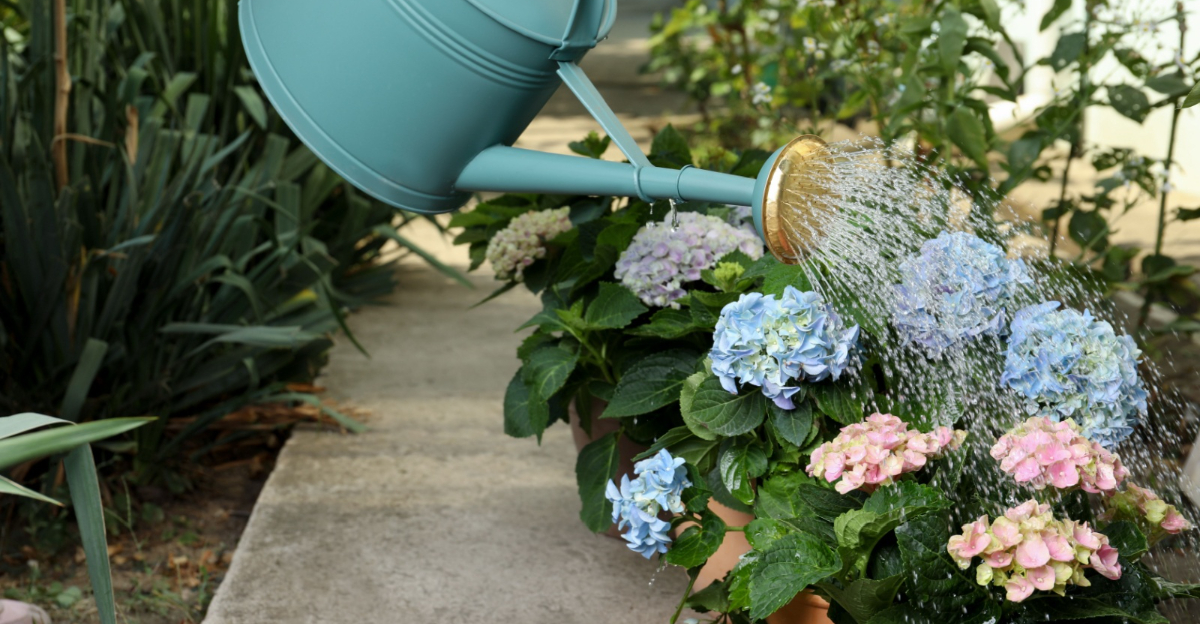
May in Texas has a way of turning a nice-looking container garden into a daily moisture test. The sun stays out longer, the heat ramps up fast, and a breezy afternoon can leave your pots feeling suspiciously light by dinner.
It is a little rude, honestly. One day everything looks happy and hydrated, and the next your plants are acting like they have been through something dramatic.
That is what makes container gardening in Texas so interesting. Pots dry out much faster than garden beds, and some plants feel that change sooner than others.
A few can handle a brief dry spell without much fuss, while others start looking tired, droopy, or just plain offended.
Knowing which plants need extra attention in May can save you a lot of guesswork and a fair amount of porch-side panic.
With a few smarter watering habits, your containers can stay lush, fresh, and much better prepared for the hotter stretch ahead.
1. Azaleas Need Moist Soil In Containers
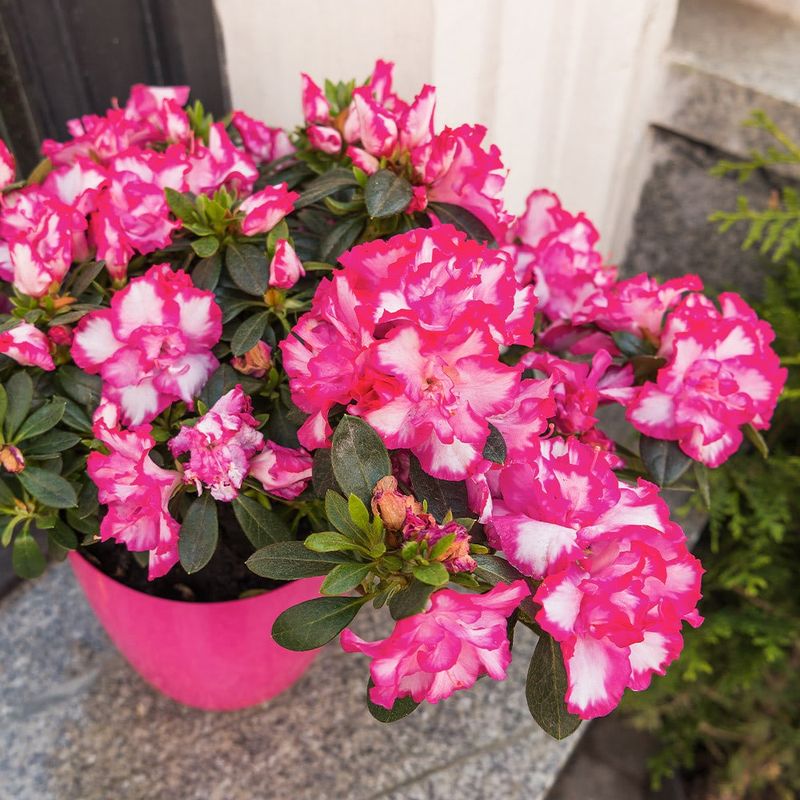
Azaleas have a reputation for being a bit particular, and when they are growing in a Texas container during May, that reputation holds up.
These shrubs prefer consistently moist soil, and a container environment makes steady moisture harder to maintain as temperatures rise across the state.
One of the first signs that a potted azalea is getting too dry is a subtle dullness to the leaves. The foliage may start to look less vibrant before it actually wilts, giving you a small window to act before the plant shows real stress.
In Texas, that window can be short during warm, breezy May days when pots dry out faster than expected.
Azaleas also prefer slightly acidic soil, and using a potting mix formulated for acid-loving plants can help support overall health while retaining some moisture.
Still, even the right potting mix will dry out quickly in full Texas sun, so placement matters a great deal.
Tucking azalea pots in a spot with filtered light or afternoon shade can reduce how often you need to water, though you will likely still need to check the soil every day during May.
Water slowly and thoroughly so the moisture reaches the full depth of the root zone.
Avoid letting the pot sit in a saucer full of water for extended periods, since soggy roots cause problems too. The goal is steady, even moisture rather than swings between wet and dry.
2. Hydrangeas Dry Out Fast In Texas Pots
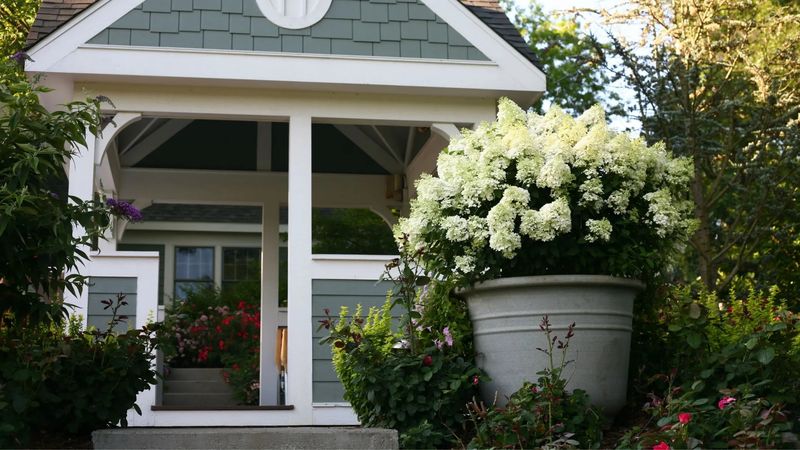
Few sights are more discouraging than stepping onto your patio and finding a hydrangea with drooping, limp leaves on a warm May morning in Texas.
These plants are dramatic when they get thirsty, and in a container, that moment can come faster than most gardeners expect.
Potted hydrangeas have a limited root zone, which means they cannot pull moisture from surrounding soil the way an in-ground plant can.
Texas May weather tends to push hydrangeas hard. Longer days, stronger sun angles, and warm afternoon winds all combine to pull moisture out of the potting mix at a surprising rate.
Your Texas Garden Changes Every Week. Your Plan Should Too.
Gardening in Texas changes quickly throughout the season. Every Friday you’ll receive a simple weekly plan showing exactly what to plant, prune, fertilize, harvest, and protect so you never miss the right timing.
A pot that felt damp in the morning can feel bone dry by late afternoon on a breezy, sunny day.
Checking the soil daily is a smart habit during this time of year. Press a finger about an inch into the potting mix, and if it feels dry at that depth, it is time to water.
Watering thoroughly until water drains from the bottom of the pot helps ensure the entire root zone gets moisture, not just the surface layer.
Placing hydrangea pots in a spot that gets morning sun and afternoon shade can help reduce how quickly they dry out. East-facing porches or spots sheltered from hot western sun work well in Texas.
Even with better placement, though, you may still need to water every day or every other day in May. Good drainage still matters, so avoid letting pots sit in standing water.
3. Caladiums Prefer Steady Moisture In Warm Weather
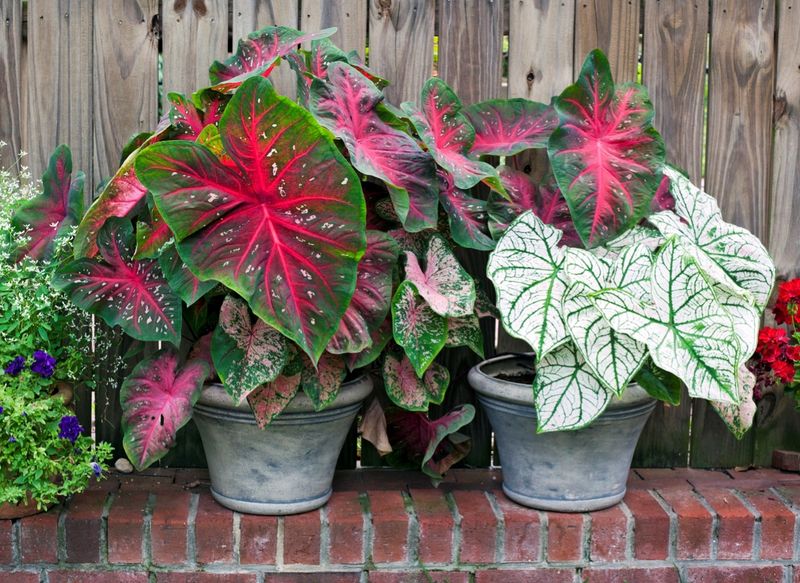
Bright, bold caladium leaves can make a shaded Texas porch feel like a tropical retreat, but keeping those leaves looking their best in May takes some attention to moisture.
Caladiums are warm-weather plants that actually enjoy Texas heat, yet they need their potting mix to stay consistently moist to support all that leafy, colorful growth.
When a caladium container dries out too much, the large leaves are the first to show it. They may begin to droop or curl slightly at the edges, and the vivid colors can look a bit washed out.
Because caladium leaves are so large relative to the pot, they release moisture into the air quickly, which means the plant itself contributes to how fast the potting mix dries out.
Watering caladium pots thoroughly and then checking back the next day is a reasonable routine for May in Texas. In smaller pots or during particularly warm, breezy stretches, you may find the soil drying out faster than you expect.
Mulching the top of the pot with a thin layer of pine bark or similar material can help slow surface evaporation.
Caladiums prefer indirect light or filtered shade, so placing their containers away from direct afternoon sun helps both moisture retention and leaf health. A north-facing or east-facing porch works well for these plants in Texas.
Keeping moisture steady rather than allowing the pot to go through wet and dry cycles helps caladiums maintain their lush, colorful appearance through the warmer months.
4. Coleus Looks Better With Consistent Water
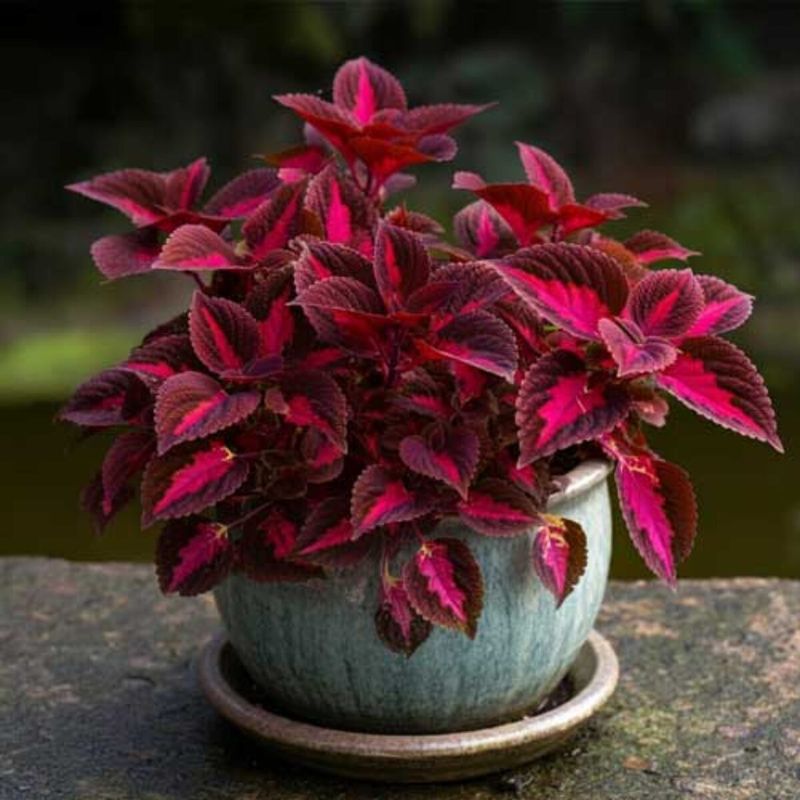
Walk past a pot of coleus that has gone too dry on a warm Texas afternoon, and you will notice right away that something is off. The leaves lose their upright, perky appearance and begin to look soft and slightly wilted, even when the colors are still bright.
Coleus is one of those plants that communicates thirst pretty clearly, which is actually helpful for Texas gardeners trying to stay on top of container watering in May.
Coleus grows quickly during warm weather, and that fast growth means it is pulling moisture from the potting mix at a steady rate.
Combine that with Texas May conditions including warm afternoons, drying breezes, and longer daylight hours, and a coleus pot can go from moist to dry in less than a day if the weather is particularly warm and sunny.
Checking the soil every morning during May is a good habit with coleus containers. If the top inch feels dry, go ahead and water.
Make sure water flows out through the drainage holes so the roots receive even moisture throughout the pot rather than just at the surface.
Coleus tends to do better with some afternoon shade in Texas, which also helps slow how quickly the pot dries out. Placing containers on a covered porch or near a wall that blocks harsh western sun can make a noticeable difference.
Even with some shade, though, consistent watering remains important through May and into the warmer months that follow in Texas.
5. Impatiens Need Regular Moisture To Stay Fresh
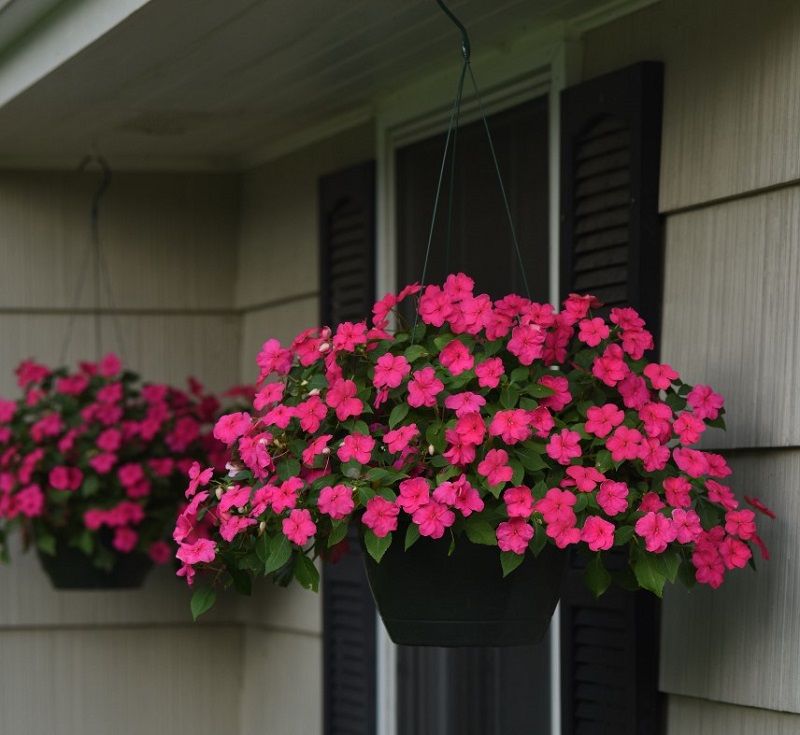
Impatiens have long been a go-to flower for shaded porches and covered patios across Texas, and it is easy to see why. Their cheerful blooms come in a wide range of colors, and they fill out a container beautifully through the spring season.
However, keeping impatiens looking their best in May requires attention to moisture, because these flowers do not handle dry soil well at all.
When an impatiens pot dries out, the flowers and leaves droop quickly and dramatically. The good news is that impatiens tend to bounce back fairly well after a thorough watering, as long as the dry period was not too extended.
In Texas, though, May temperatures can cause containers to dry out fast enough that the plant does not always have time to recover before the next dry spell hits.
Hanging baskets and smaller pots dry out especially fast because they have less potting mix to hold moisture and are often exposed to moving air on all sides.
Watering impatiens containers once a day or even twice on particularly hot and breezy Texas days may be necessary during May.
Checking the weight of the pot is one simple way to gauge moisture levels. A dry pot feels noticeably lighter than a freshly watered one.
Watering in the morning rather than midday helps the roots absorb moisture before afternoon heat peaks.
Even in shade, Texas May weather is warm enough that impatiens containers need consistent attention to stay fresh and full of blooms.
6. Tomatoes Need Extra Water As Heat Builds
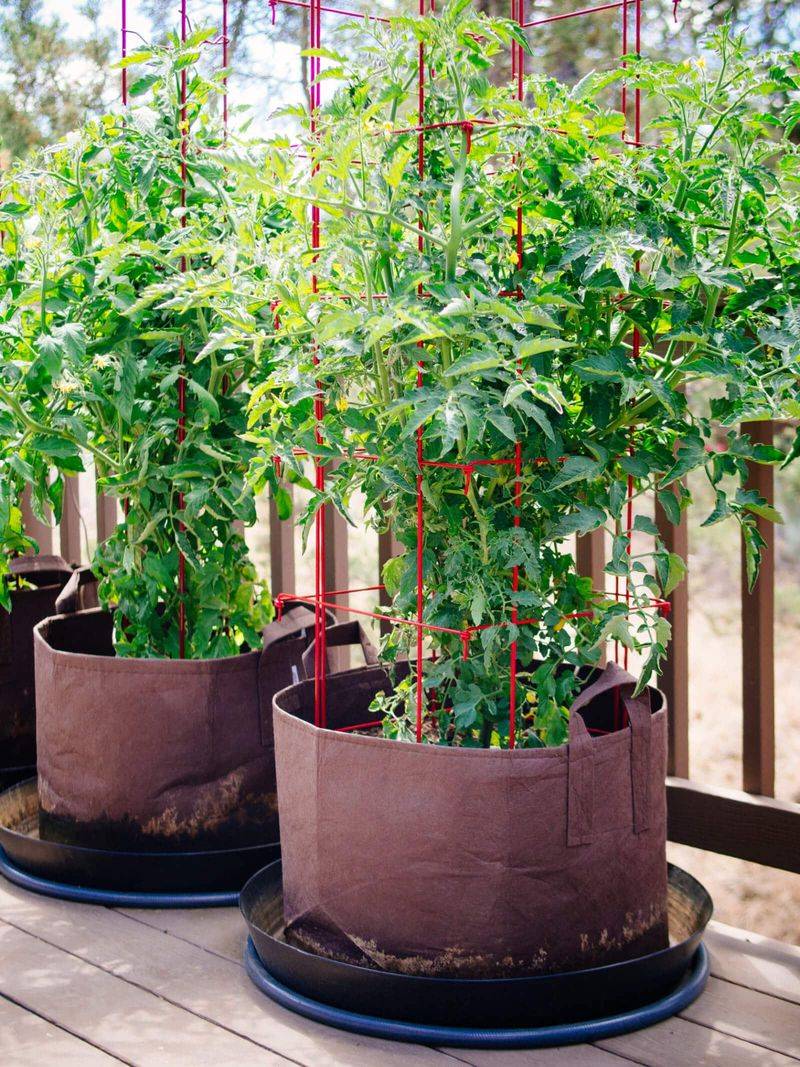
Growing tomatoes in containers on a Texas patio is a popular choice for home gardeners who have limited space, and May is when those plants really start to hit their stride.
Warm soil, longer days, and rising temperatures push tomato plants into vigorous growth, and all that activity means the plants are pulling moisture from the potting mix at a much faster rate than they did back in March or early April.
A tomato plant in a five-gallon or similar-sized container can use a surprising amount of water on a warm Texas May day.
The large leaves release moisture into the air through transpiration, and the potting mix loses additional moisture through evaporation from the surface.
Together, these two factors can drain a pot faster than many gardeners realize when they first start growing tomatoes in containers.
Uneven watering is one of the more common issues with container tomatoes in Texas.
When a pot swings between very dry and very wet, it can lead to problems like blossom end rot or fruit cracking, which are frustrating to deal with after weeks of patient growing.
Keeping moisture levels steady is more important than watering on a fixed schedule.
Checking the soil daily and watering when the top inch or two feels dry helps maintain that steady moisture. Larger containers hold moisture longer than small ones, so upsizing the pot if possible can make a real difference.
Mulching the top of the potting mix with straw or wood chips also helps slow evaporation on warm Texas afternoons.
7. Mint Grows Best With Frequent Watering
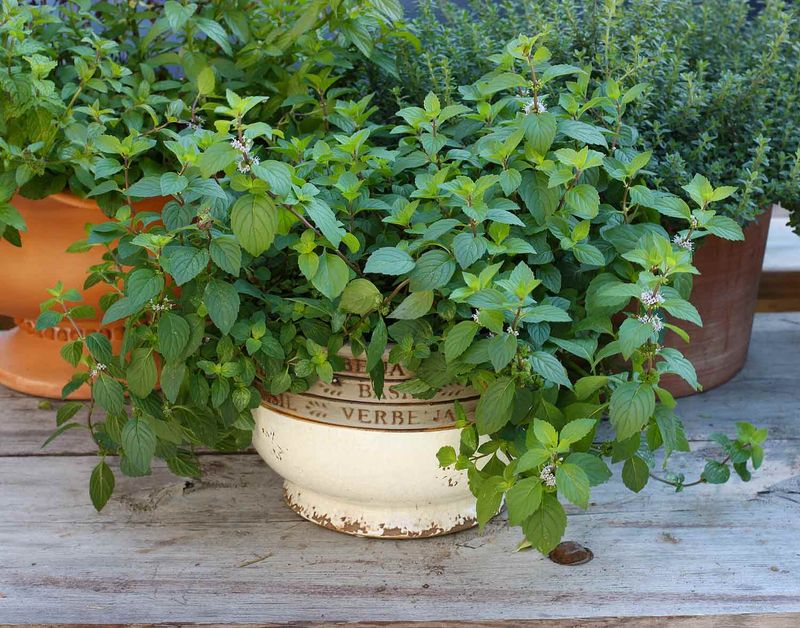
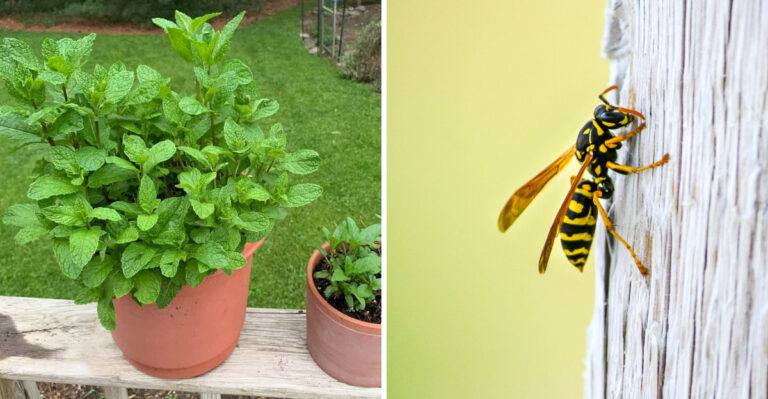
Mint is one of the most satisfying herbs to grow in a Texas container because it is vigorous, useful, and smells wonderful every time you brush against it.
However, that vigorous growth comes with a catch: mint is thirsty, and in a Texas pot during May, it can dry out faster than many gardeners expect when they first start growing it outdoors.
The dense, leafy growth of a healthy mint plant means there is a lot of leaf surface releasing moisture into the air. On a warm, breezy Texas May day, a pot of mint sitting in partial sun can go from moist to quite dry within a single afternoon.
The leaves will begin to look slightly soft and less upright when the plant needs water, which is a useful signal to watch for.
Mint generally does well with some morning sun and afternoon shade in Texas, which helps slow moisture loss without sacrificing healthy growth.
Even in a shaded spot, though, the combination of warm temperatures and active plant growth during May means frequent watering is still needed.
Checking the soil every day and watering whenever the top inch feels dry is a solid approach for container mint in May.
Water thoroughly so moisture reaches the full depth of the pot, and make sure the container has drainage holes to prevent soggy roots.
Mint is forgiving of occasional dry spells compared to some of the other plants on this list, but consistent moisture helps it stay lush, flavorful, and ready for use in the kitchen.