7 Texas Garden Plants Known To Live For Over 100 Years
Texas gardens hold a reputation for toughness, and many plants rise to the challenge with grit to spare.
Still, a select few take toughness to a whole new level.
These long lived plants stand firm through blazing summers, sudden cold snaps, and soil that tests even the hardiest roots.
Some grow slow and steady, others burst with color each year, yet all share one impressive trait, they can outlast generations.
A single planting can become part of a family story, standing tall as children grow up, move away, and return to find the same plant thriving like time never touched it.
These century strong growers do more than fill a yard.
They anchor a landscape, turning empty corners into landmarks and giving gardens a sense of history that new plantings simply cannot match.
Once settled, they demand little and give plenty, making them favorites in regions where dependability matters.
Texas may be famous for its wide skies and bold spirit, yet its gardens prove that endurance can be just as striking as beauty.
A plant that lives a hundred years or more carries a quiet power, turning every bloom and new leaf into a sign that some things truly stand the test of time.
1. Live Oak Trees
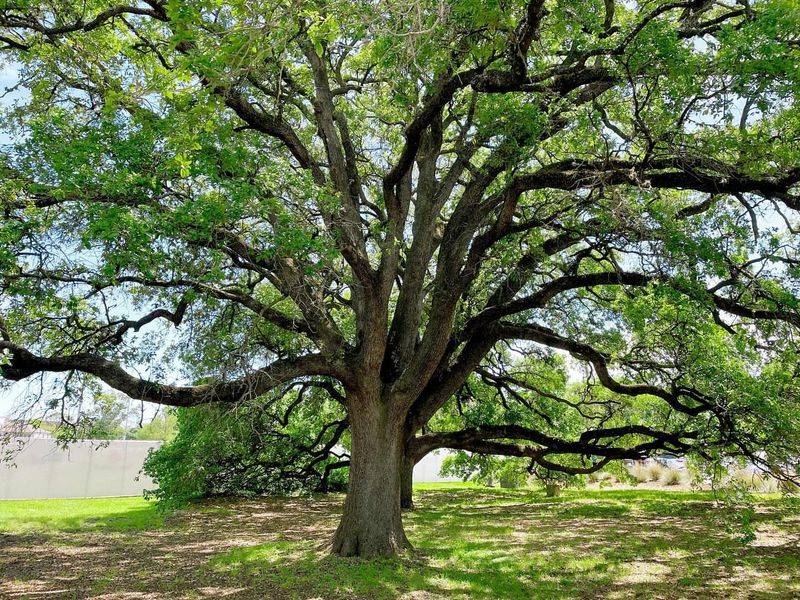
Majestic and sprawling, the live oak stands as one of Texas’s most iconic and enduring trees.
These evergreen giants can easily live 300 years or more, with some specimens reaching over 500 years old.
Their thick, gnarled branches stretch horizontally across Texas landscapes, creating natural shade canopies that provide relief during brutal summer heat.
Live oaks grow slowly but steadily throughout their long lives, adding character and strength with each passing year.
The tree’s dense wood resists rot and damage, helping it withstand hurricanes, ice storms, and droughts that would topple lesser species.
In Texas, you’ll find these beauties gracing historic properties, city parks, and rural homesteads across the central and eastern regions.
Planting a live oak means investing in your property’s future for generations to come.
Young trees require regular watering during their first few years, but once established, they become remarkably self-sufficient.
Their deep root systems anchor them firmly while seeking moisture far below the surface.
These trees provide habitat for countless wildlife species, from squirrels and birds to beneficial insects.
Their acorns feed deer, turkeys, and other animals throughout fall and winter.
Homeowners appreciate how live oaks increase property values while reducing cooling costs through strategic shade placement.
In Texas cities like Austin and San Antonio, century-old live oaks are often protected by local ordinances.
Their cultural and environmental importance cannot be overstated, making them living monuments to the state’s natural heritage and gardening traditions.
2. Texas Mountain Laurel
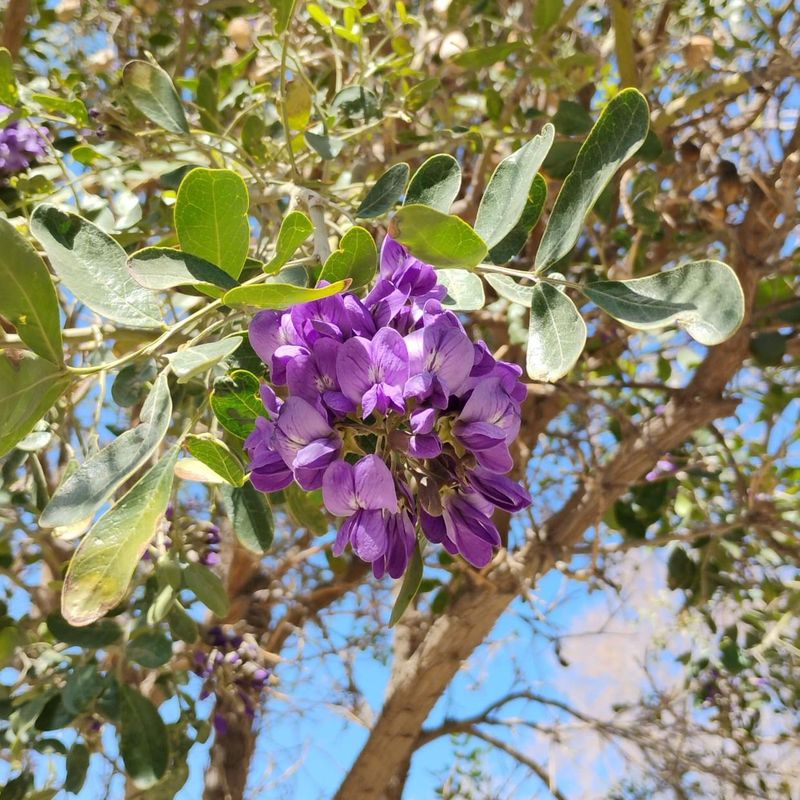
Fragrant purple blooms announce spring’s arrival when Texas mountain laurel bursts into flower.
This evergreen shrub or small tree can survive well beyond 100 years in the right conditions, becoming a treasured focal point in Texas gardens.
Native to the limestone hills of Central and West Texas, it thrives in rocky, alkaline soils that challenge many other plants.
The silvery-green foliage provides year-round interest, while the grape-scented flowers create an unforgettable sensory experience each spring.
Hummingbirds and butterflies flock to these blooms, adding movement and life to your garden.
The plant’s slow growth rate means it takes patience to reach full size, but this also contributes to its remarkable longevity.
Texas mountain laurel handles drought with impressive resilience once its root system establishes.
It requires minimal care beyond occasional pruning to maintain shape and remove damaged branches.
The plant’s natural resistance to pests and diseases means you won’t spend time or money fighting constant problems.
Gardeners across Texas appreciate how this plant adapts to various landscape styles, from xeriscapes to traditional gardens.
Its moderate size makes it suitable for smaller yards where live oaks would overwhelm the space.
The distinctive seed pods that follow flowering add architectural interest and contain bright red seeds.
In areas like the Texas Hill Country, you’ll find ancient specimens growing wild on rocky hillsides.
These wild plants demonstrate the species’ incredible toughness and ability to thrive with zero human intervention for centuries.
3. Cenizo (Texas Sage)
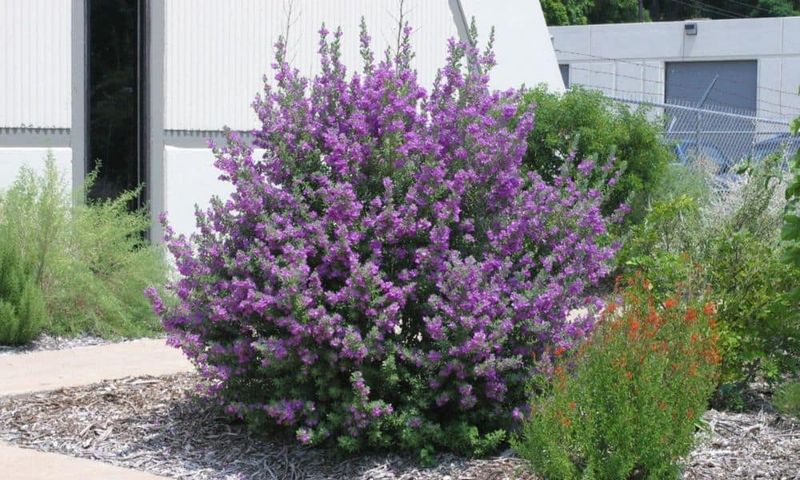
Silvery leaves and vibrant purple blooms make cenizo a standout in Texas landscapes year after year.
Also called Texas sage or barometer bush, this hardy shrub can live well over a century in the state’s arid regions.
Its ability to predict rain has earned it folk fame throughout South and West Texas, where it often flowers just before storms arrive.
Cenizo thrives in the toughest conditions imaginable, from intense heat to poor, rocky soil.
The plant’s fuzzy, gray-green foliage reflects sunlight and conserves moisture, allowing it to survive extended droughts without supplemental watering.
When rains finally come, the shrub explodes with tubular flowers that attract bees, butterflies, and hummingbirds by the dozens.
Landscapers throughout Texas appreciate cenizo’s low-maintenance nature and remarkable durability.
It requires virtually no fertilizer and actually performs worse when given too much water or rich soil.
Occasional pruning keeps it shaped nicely, but even neglected plants maintain an attractive, natural form.
Several varieties offer different flower colors, including pink, white, and various purple shades.
All share the same legendary toughness and longevity that have made cenizo a Texas garden staple.
The plant’s compact size works beautifully in foundation plantings, borders, and mass plantings.
In cities like El Paso and San Antonio, century-old cenizo shrubs still grace historic properties and public spaces.
Their continued vigor demonstrates how perfectly adapted they are to Texas conditions.
Starting your own cenizo means beginning a living legacy that future generations can enjoy while requiring minimal effort from you.
4. Prickly Pear Cactus
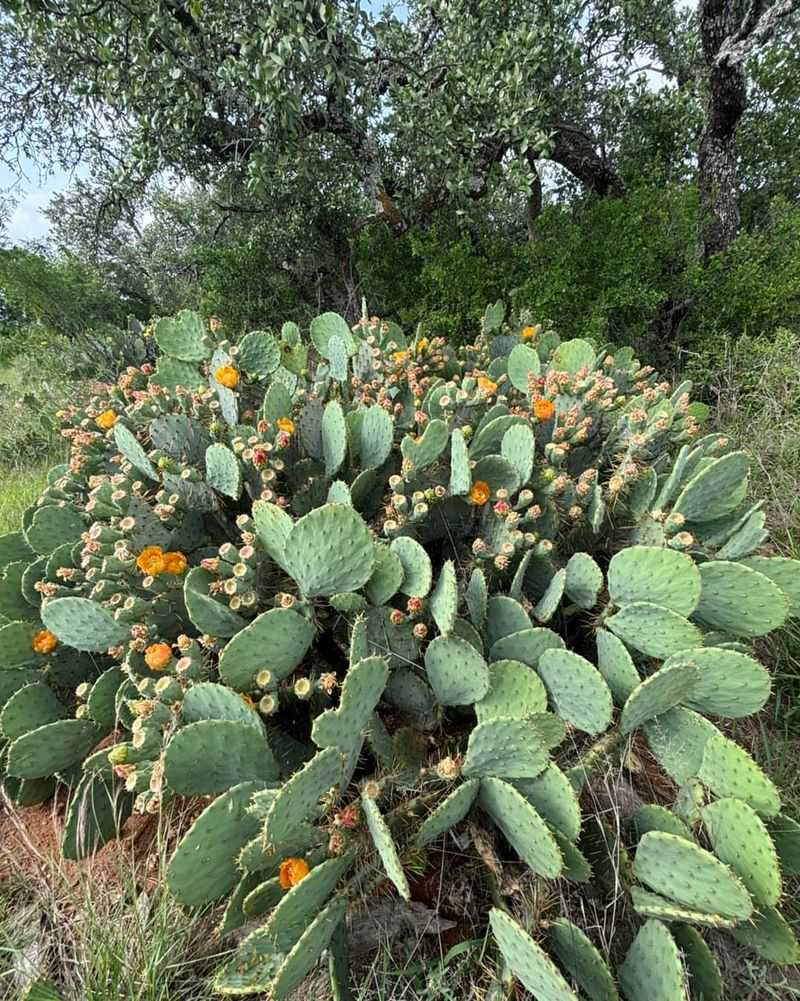
Flat, paddle-shaped pads and brilliant blooms characterize the prickly pear cactus found throughout Texas.
Individual plants can live 100 years or considerably longer, spreading slowly to form impressive colonies.
This native cactus has sustained Texas wildlife and people for thousands of years, providing food, medicine, and even emergency water during droughts.
The plant’s remarkable adaptations allow it to thrive where other vegetation struggles.
Its thick pads store water efficiently while photosynthesizing despite minimal leaf surface area.
Sharp spines protect the cactus from browsing animals, though some creatures have learned to navigate these defenses.
Prickly pear produces stunning flowers in shades of yellow, orange, pink, and red each spring and early summer.
These blooms transform into edible fruits called tunas, which taste sweet and slightly tart when ripe.
Both the pads (nopales) and fruits are edible and nutritious, making this plant useful beyond its ornamental value.
Gardeners across Texas use prickly pear in xeriscaping, rock gardens, and as living fences.
The plant requires absolutely no supplemental water once established and thrives in poor soil that would starve other plants.
It handles extreme temperature swings from freezing winters to 100-plus-degree summers without complaint.
In South Texas and the Hill Country, ancient prickly pear stands mark old homesteads and ranch boundaries.
Some of these colonies have persisted for centuries, expanding generation after generation.
Growing prickly pear connects you to Texas’s deep agricultural and cultural heritage while creating a sustainable, beautiful landscape feature that will outlast you.
5. Bald Cypress
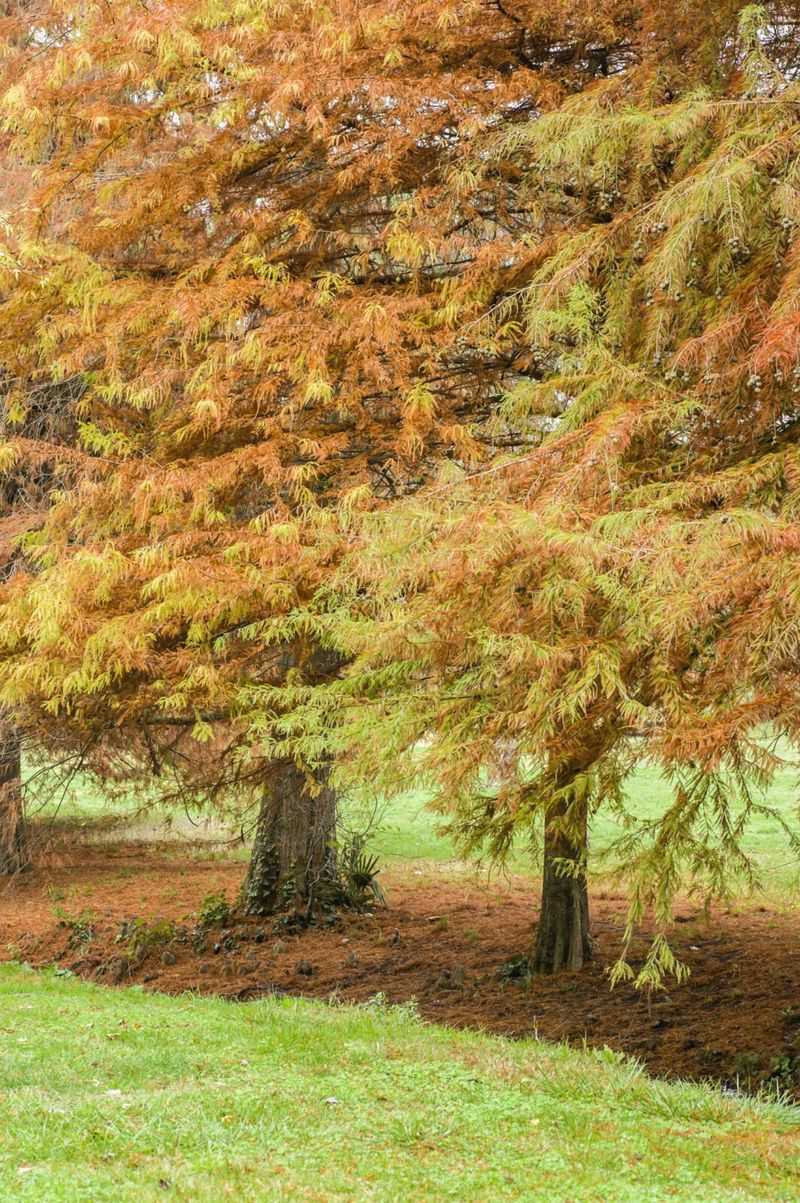
Rising from swamps and riversides, bald cypress trees create haunting, beautiful landscapes throughout East Texas.
These ancient conifers routinely live 600 years or more, with some documented specimens exceeding 1,000 years.
Their distinctive knees protrude from the water or soil around the trunk, creating sculptural elements that add mystery to any garden.
Despite their swamp origins, bald cypress adapts surprisingly well to drier garden conditions once established.
The tree’s feathery, soft needles turn brilliant copper-orange each fall before dropping, giving it the “bald” part of its common name.
This deciduous conifer combines the best features of evergreens and hardwoods in one remarkable package.
Bald cypress grows in a pyramidal shape when young, becoming more irregular and character-filled with age.
The reddish-brown bark develops deep furrows and interesting textures as decades pass.
Texas gardeners value these trees for their stately presence and ability to tolerate both wet and moderately dry conditions.
The wood resists decay remarkably well, which contributes to the tree’s extreme longevity.
Even when growing in standing water, bald cypress trunks remain solid and healthy for centuries.
Wildlife benefits from the seeds, which feed ducks and other birds during winter months.
In Texas locations like Caddo Lake and along the Guadalupe River, ancient bald cypress groves create cathedral-like settings.
These trees witnessed Texas history unfold over centuries, from Native American settlements through modern times.
Planting a bald cypress means establishing a living connection to the past while creating shade and beauty that will serve countless future generations.
6. Mexican Plum
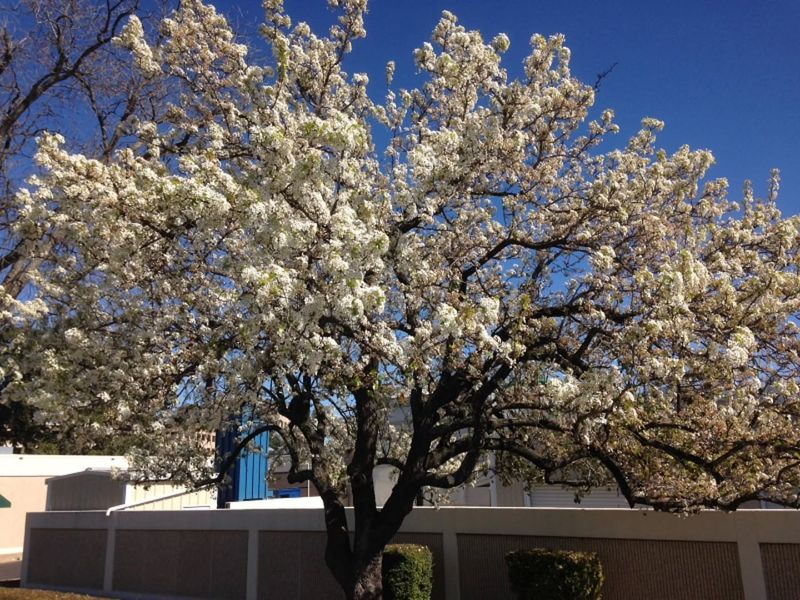
Delicate white blossoms transform Mexican plum trees into clouds of spring beauty across Texas each year.
These small native trees can live 100 to 150 years, providing generations of families with early-season flowers and edible fruit.
Their manageable size makes them perfect for residential gardens where space doesn’t allow for massive live oaks.
Mexican plum blooms before its leaves emerge, creating a spectacular floral display that signals winter’s end.
The fragrant flowers attract early-season pollinators desperate for nectar after months of scarcity.
Within weeks, the tree leafs out with glossy green foliage that provides light shade throughout summer.
By late summer, the tree produces small purple plums that taste tart and sweet.
These fruits make excellent jellies and jams, or you can leave them for birds and wildlife to enjoy.
The tree’s peeling bark adds winter interest, revealing layers of gray, brown, and reddish tones.
Texas gardeners appreciate Mexican plum’s adaptability to various soil types and its moderate drought tolerance.
The tree performs well in both sun and partial shade, making it versatile for different landscape situations.
It requires minimal pruning and rarely suffers from serious pest problems.
Throughout Central Texas and into the eastern regions, Mexican plum thrives in gardens and natural areas.
Its relatively compact size and multi-season interest make it valuable for smaller properties.
The tree’s longevity means planting one creates a legacy that your children and grandchildren will enjoy, watching it bloom faithfully each spring for decades to come.
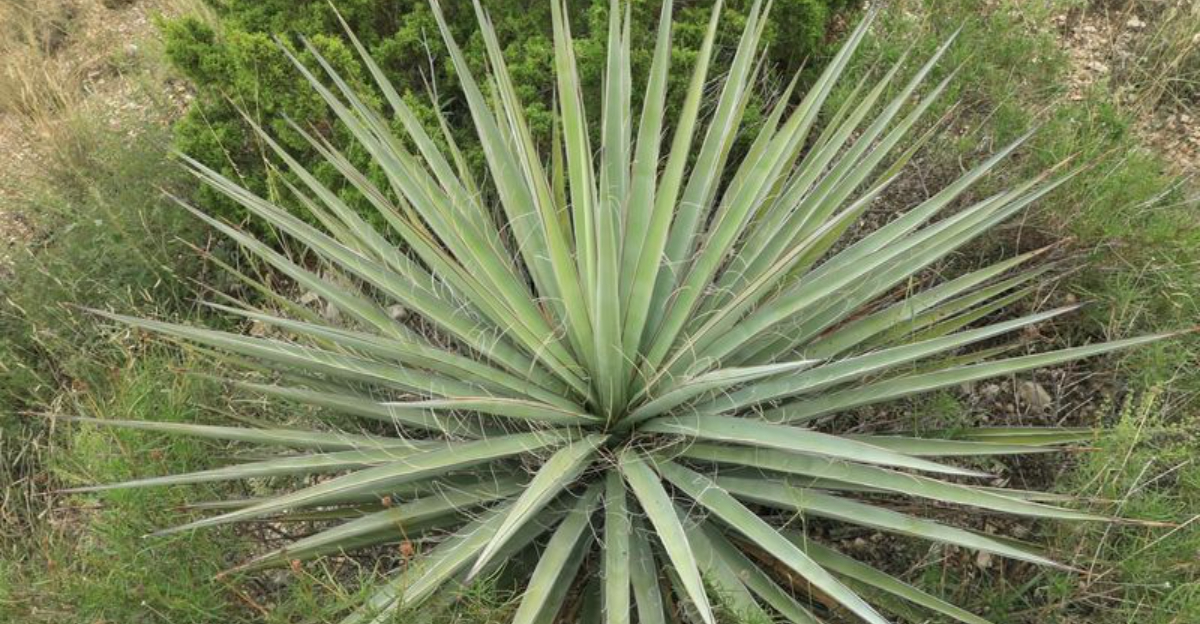
7. Yucca
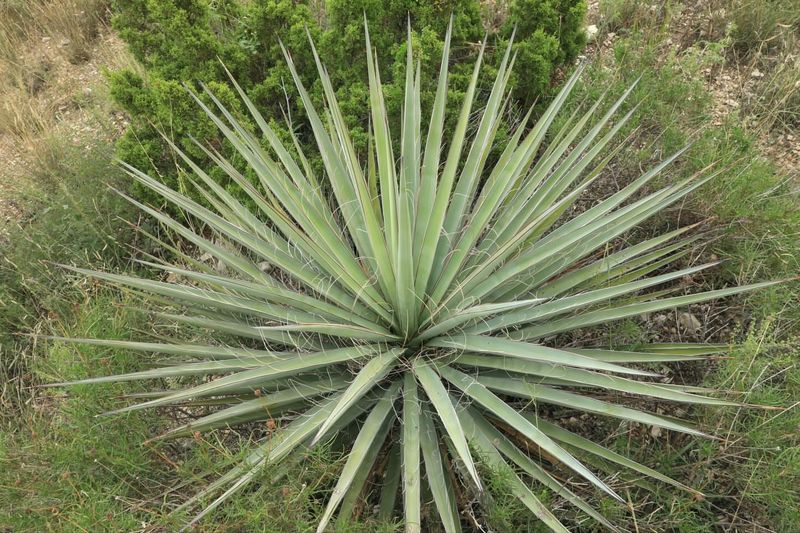
Sword-shaped leaves radiating from a central point give yucca plants their distinctive, architectural appearance.
Several yucca species native to Texas can live well over 100 years, slowly forming trunks and expanding through offshoots.
These tough plants have sustained Texas ecosystems and human communities for millennia, providing fiber, food, and soap.
Yuccas handle extreme conditions that would devastate most garden plants.
Scorching heat, bitter cold, drought, and poor soil barely slow them down.
Their thick, waxy leaves minimize water loss while their extensive root systems anchor them firmly and seek moisture deep underground.
Once mature, yucca plants send up impressive flower stalks several feet tall, covered in creamy white, bell-shaped blooms.
These flowers have a special relationship with yucca moths, which pollinate them in exchange for a place to lay eggs.
The resulting seed pods provide food for wildlife and can be harvested for propagation.
Texas landscapes use yuccas as dramatic focal points, in rock gardens, and for xeriscaping.
They require zero supplemental watering once established and never need fertilizer.
Occasional removal of dry leaves keeps them looking tidy, but even neglected plants maintain their striking appearance.
From West Texas deserts to Central Texas hills, native yuccas punctuate the landscape with their bold forms.
Ancient specimens with thick trunks mark locations where they’ve grown undisturbed for over a century.
Growing yucca connects you to Texas’s wild heritage while creating a virtually indestructible garden element.
These plants will likely outlive you, continuing to thrive and bloom long after you’re gone, requiring almost nothing from future caretakers.