Texas Gardeners Are Replacing Hostas With These Native Shade Plants
Hostas have long been a default choice for shady spots in Texas gardens, mostly because they are easy to find, easy to plant, and predictable enough that they feel like a safe bet.
The problem is that hostas are not native to Texas, and the Texas climate is not exactly gentle with them.
Slugs, heat stress, and unpredictable winters can turn what should be a low effort plant into a constant source of frustration. Meanwhile, Texas has its own lineup of native shade plants that are built for exactly these conditions.
They handle the heat, they support local pollinators, and they bring a kind of natural beauty to shady garden beds that hostas simply cannot match.
Texas gardeners who have made the switch tend to wonder why they waited so long. If you have a shady corner that deserves better than a struggling hosta, this list is a solid place to start.
1. Turk’s Cap
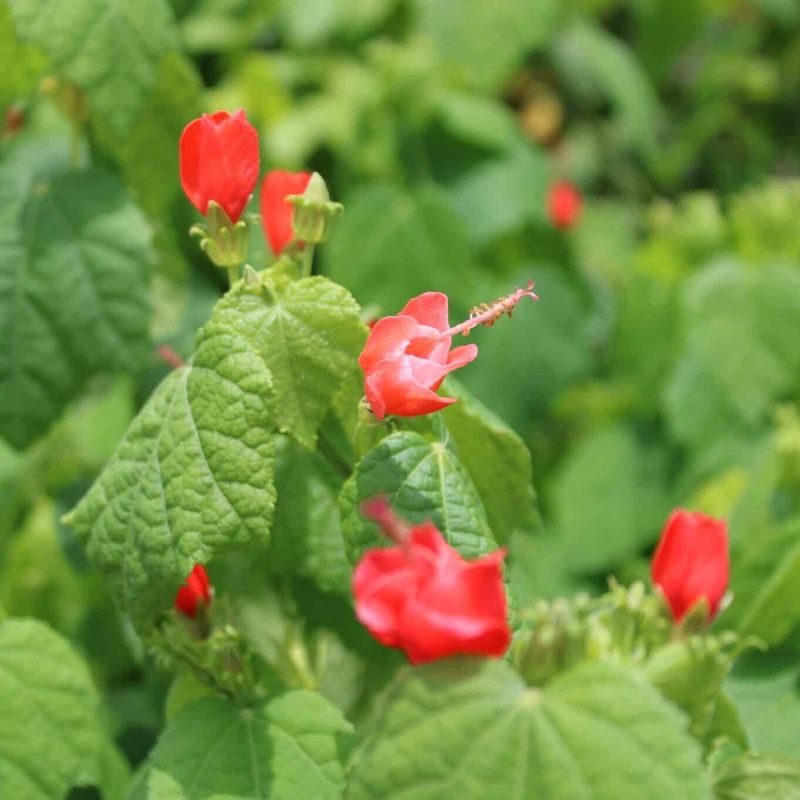
Walk through almost any shaded Texas yard in midsummer and you might spot those iconic twisted red blooms peeking out from beneath a live oak. That is Turk’s Cap, and it is one of the toughest native plants the Lone Star State has to offer.
It blooms from late spring all the way through fall, giving your shaded garden months of bold color.
Turk’s Cap grows well in full shade to partial sun, making it incredibly flexible. It handles clay soil, poor drainage, and dry spells without skipping a beat.
Most gardeners are surprised by how little attention it needs once it gets established in the ground.
Hummingbirds absolutely love it. Butterflies and bees visit regularly too, so you are essentially inviting a whole neighborhood of pollinators into your yard. That kind of wildlife activity makes a garden feel alive in the best possible way.
The plant can grow anywhere from two to nine feet tall depending on the conditions, so it works as a ground cover or even a loose, informal shrub. You can cut it back in late winter to keep it tidy and encourage fresh new growth in spring.
It spreads slowly over time, gradually filling in bare shady spots. If you have struggled to keep hostas alive through a hot Texas summer, Turk’s Cap is a refreshing change. It thrives where other plants give up. Plant it once and enjoy it for many seasons to come.
2. Inland Sea Oats
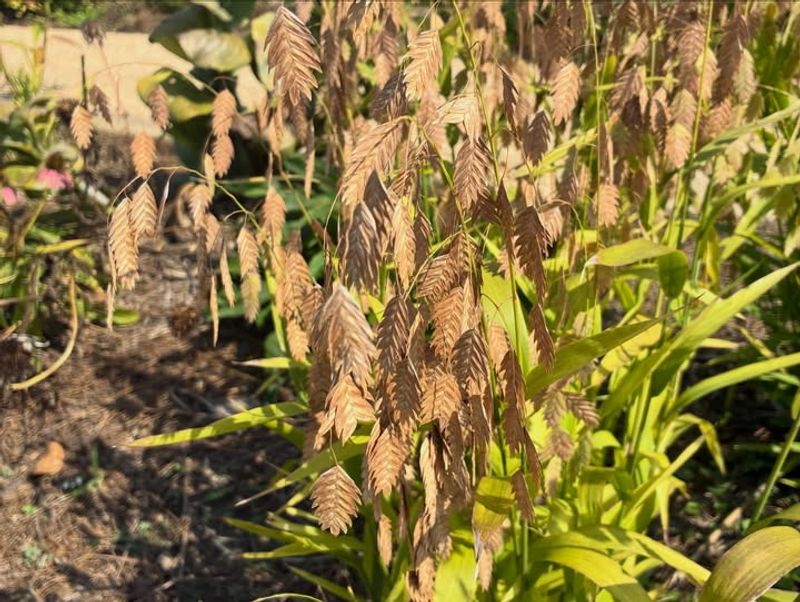
There is something almost musical about Inland Sea Oats. The flat, dangling seed heads catch even the slightest breeze and sway back and forth in a way that no other plant quite matches.
That gentle movement adds a sense of life and rhythm to shaded garden beds that can sometimes feel too still and heavy.
This native grass thrives in the deep shade under large trees where most plants struggle to survive. It grows naturally along creek banks and woodland edges across Texas, so it is already well-adapted to the challenging conditions most gardeners deal with.
Your Texas Garden Changes Every Week. Your Plan Should Too.
Gardening in Texas changes quickly throughout the season. Every Friday you’ll receive a simple weekly plan showing exactly what to plant, prune, fertilize, harvest, and protect so you never miss the right timing.
Once established, it spreads slowly through seeds and rhizomes, gradually filling in bare areas.
Inland Sea Oats reaches about two to four feet tall and forms graceful clumps that look beautiful year-round. The seed heads turn a warm golden-bronze color in fall and winter, adding seasonal interest long after summer flowers have faded.
Birds also feed on the seeds, making it a double win for wildlife lovers. It grows best in moist, well-drained soil but handles dry shade better than many other grasses.
You do not need to fertilize it or fuss over it much at all. A light trim in late winter keeps the clumps looking neat and fresh as new growth emerges.
For gardeners who want texture and movement without a lot of maintenance, this grass is a fantastic choice. It pairs beautifully with wildflowers and ferns in a naturalistic shade garden setting.
3. Texas Sedge
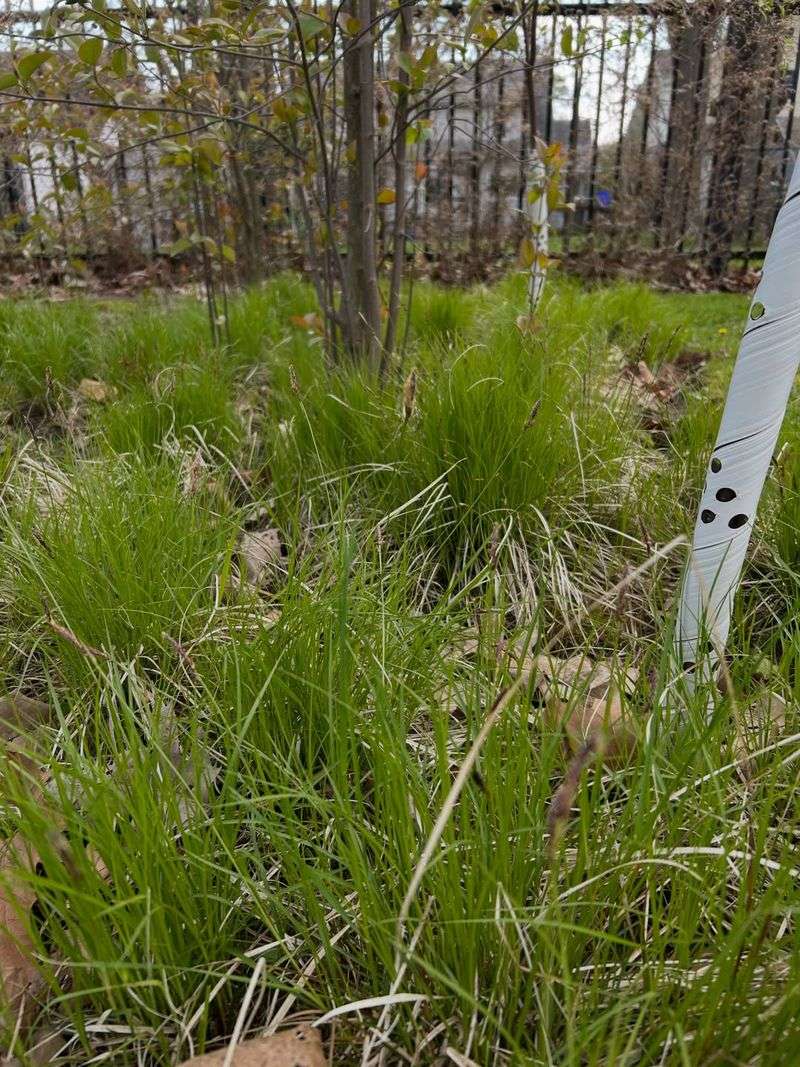
Picture a soft, fine-textured carpet of green spreading quietly beneath your trees, requiring almost zero effort on your part. That is exactly what Texas Sedge delivers, and it does it with a quiet confidence that earns serious respect from gardeners across the state.
It may not have flashy flowers, but its clean, tidy appearance does a lot of heavy lifting in a shaded landscape.
Texas Sedge is a low-growing native that rarely exceeds twelve inches in height. It forms dense, grass-like clumps that gradually knit together to create a lush ground cover.
Many gardeners use it as a lawn alternative in deeply shaded areas where regular turf grass simply refuses to grow properly.
One of its best qualities is how well it handles foot traffic compared to other ground covers. It is not quite as tough as a traditional lawn, but it holds up reasonably well in areas with light to moderate use.
That makes it practical for pathways and areas beneath large shade trees. Water needs are minimal once the plant is established. It prefers moist, well-drained soil but tolerates periods of drought without too much drama.
A light trim once or twice a year keeps it looking its best and encourages fresh, bright green growth.
Pairing Texas Sedge with taller native plants like Turk’s Cap or Beautyberry creates a layered, natural look that feels like a true woodland garden. It is one of those plants that quietly makes everything around it look better.
4. Cedar Sage
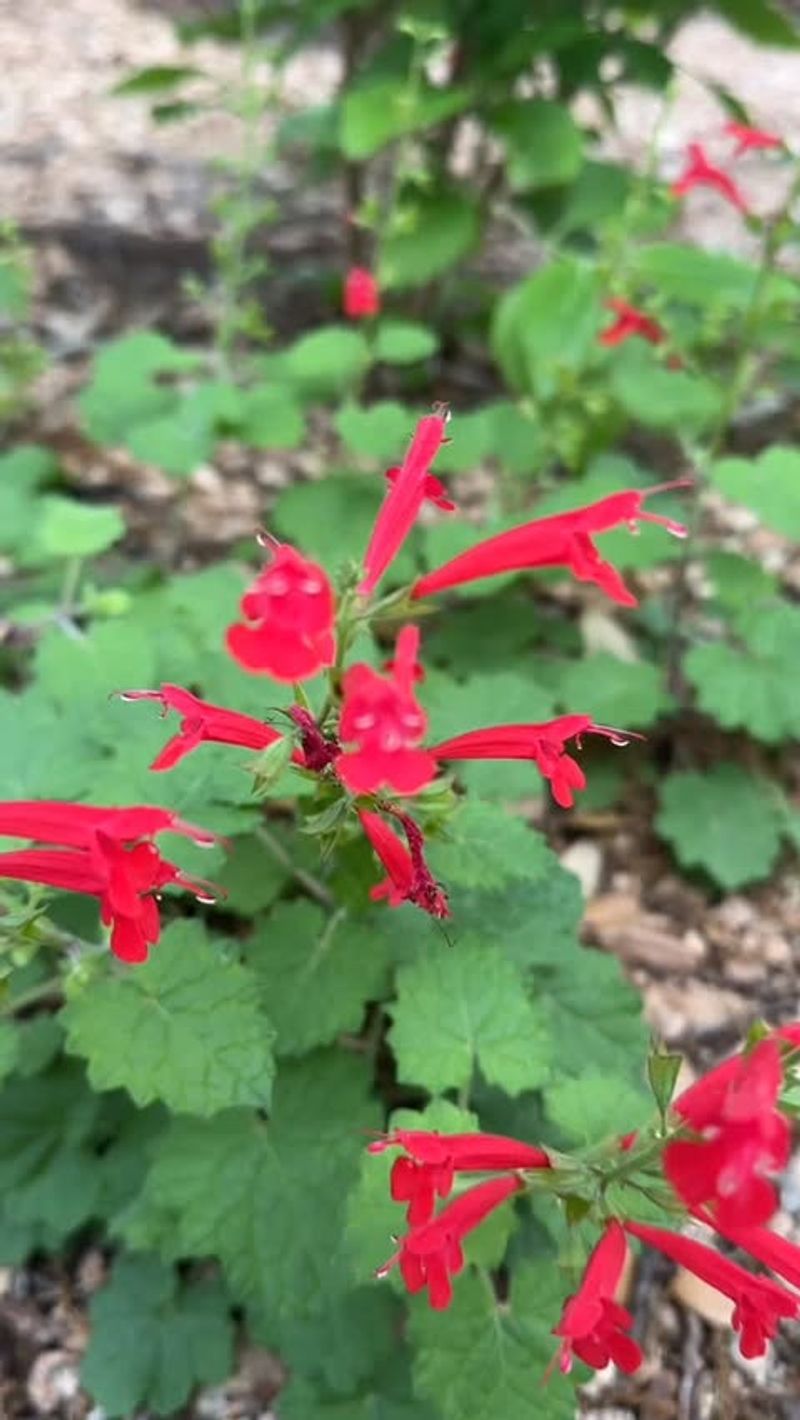
Hummingbirds have excellent taste, and Cedar Sage is proof of that. This native salvia produces stunning scarlet-red tubular flowers that hummingbirds find completely irresistible.
If you have ever wanted to watch a hummingbird up close, planting Cedar Sage in a shaded corner of your yard is one of the easiest ways to make that happen.
Cedar Sage grows naturally in the rocky limestone soils of the Texas Hill Country, often found beneath cedar and oak trees.
That background tells you a lot about how tough it really is. Poor soil, low water, and heavy shade are conditions it handles without complaint.
The plant blooms heavily in spring and then again in fall, with scattered flowers appearing through summer too. The blooms are a rich, deep red that stands out beautifully against the dark green, heart-shaped leaves.
Even when it is not in bloom, the foliage has a pleasant texture and a light aromatic scent when brushed.
Cedar Sage grows about one to three feet tall and spreads modestly over time. It works well as a border plant, a mass planting under trees, or tucked into a rocky shaded slope.
It pairs naturally with other Hill Country natives like Texas Sedge and inland sea oats for a cohesive, low-maintenance landscape.
Pruning it back lightly after each bloom cycle encourages more flowering. It is a tough, rewarding plant that gives back far more than the small amount of care it asks for. Cedar Sage is truly a hidden gem of the Texas native plant world.
5. Horseherb
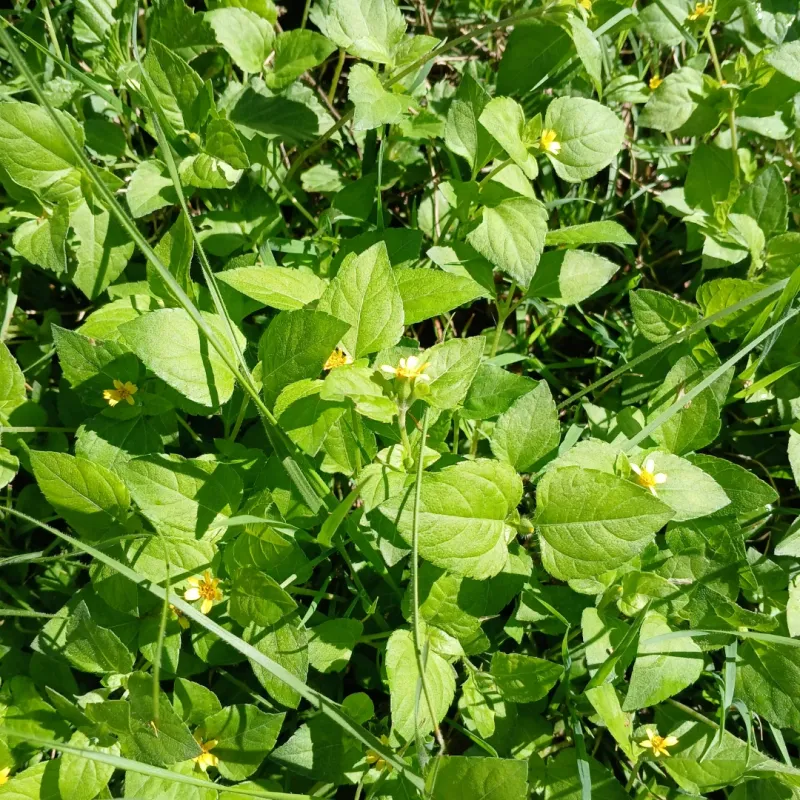
Some plants just get the job done without asking for anything in return, and Horseherb is exactly that kind of plant. It spreads quickly, fills bare shaded areas, and stays green even through dry spells that would send most plants into a tailspin.
Gardeners who have struggled with bare dirt patches under dense trees often find that Horseherb is the solution they never knew they needed.
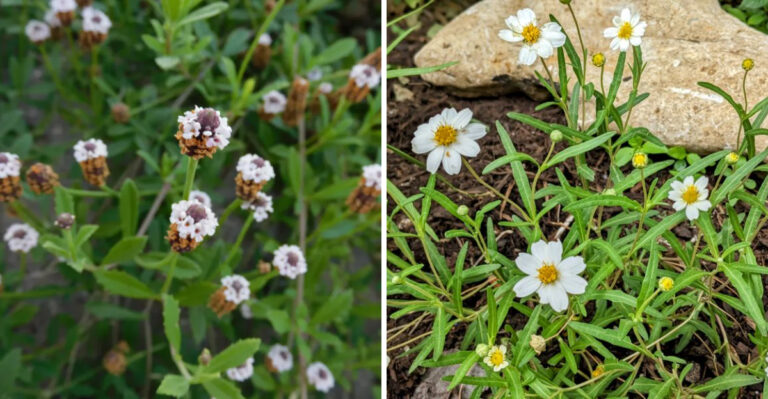
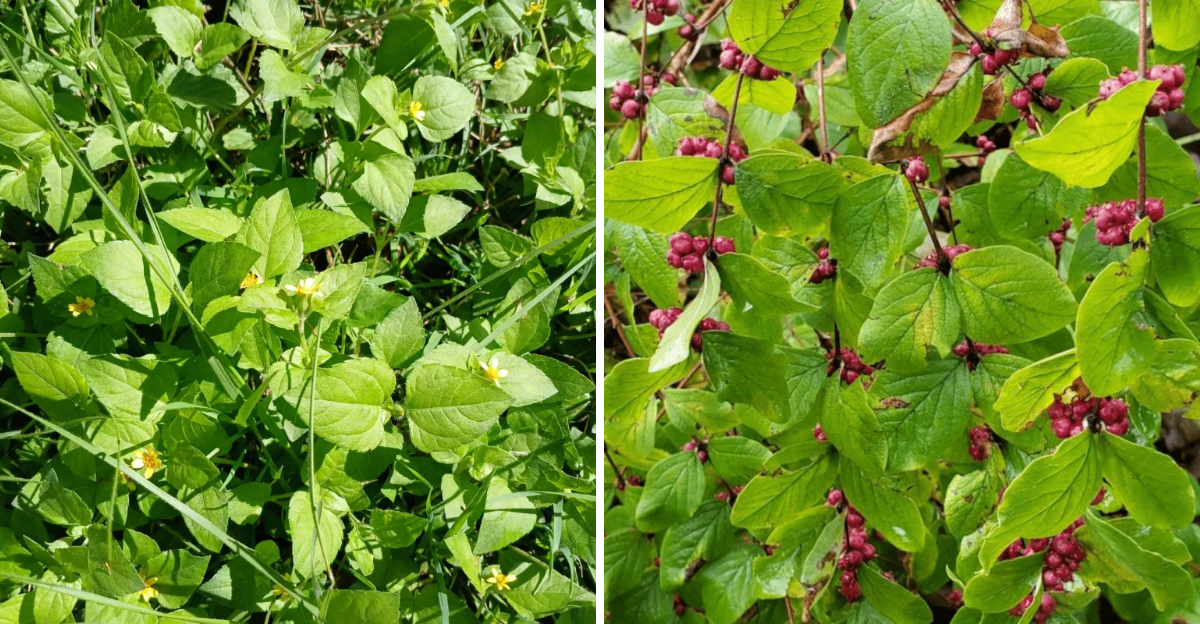
Officially known as Calyptocarpus vialis, Horseherb is a low-growing native that rarely gets taller than six inches.
It produces tiny yellow flowers almost continuously throughout the growing season, which pollinators appreciate even if the blooms are too small to notice from a distance.
The rounded, slightly rough leaves create a soft, lush texture that works well as an informal ground cover.
One of its standout traits is its ability to grow in almost any condition. Deep shade, partial sun, clay soil, sandy soil, drought, or occasional flooding, it handles all of it with remarkable ease.
That kind of flexibility is rare and incredibly valuable in a Texas landscape. Horseherb spreads by both seeds and runners, so it can cover ground fairly quickly once established.
Some gardeners treat it as a lawn substitute in areas where grass refuses to cooperate. It tolerates light foot traffic and bounces back quickly after being walked on.
Maintenance needs are almost nonexistent. You can mow it occasionally to keep it tidy, or simply let it grow naturally for a relaxed, woodland-floor look that feels right at home under big Texas trees.
6. Coralberry
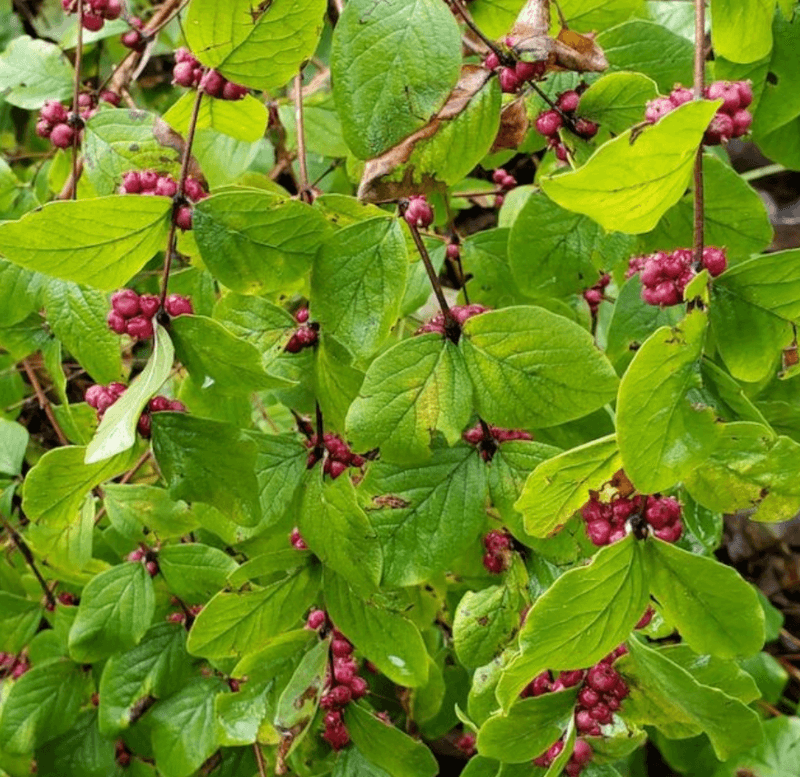
Not every great shade plant earns its place through flowers. Coralberry makes its statement with dense, arching stems covered in clusters of bright pink-to-coral berries that appear in late summer and persist well into winter.
Those berries are a favorite food source for birds, which means planting Coralberry is essentially setting up a natural bird feeder right in your own backyard.
Coralberry, also known as Symphoricarpos orbiculatus, is a native shrub that grows naturally in woodland edges and shaded ravines across Texas. It reaches about three to five feet tall and spreads by underground runners to form thick, informal colonies.
That spreading habit makes it excellent for erosion control on shaded slopes or along fence lines where you want dense coverage.
The foliage is a soft, rounded green that provides a nice backdrop for other plants through spring and summer. When the berries arrive in fall, the whole plant transforms into a colorful focal point.
The contrast of the rosy-red berries against the fading green leaves is genuinely beautiful in an understated, natural way.
Coralberry tolerates dry shade, rocky soil, and clay with ease. It does not need supplemental fertilizer and rarely has serious pest or disease problems.
Once established, it is a truly self-sufficient plant that rewards patience with years of reliable performance.
Trimming older stems back in late winter keeps the plant looking tidy and encourages vigorous new growth. For a shaded landscape that needs both structure and seasonal color, Coralberry delivers on every level without demanding much in return.
7. American Beautyberry
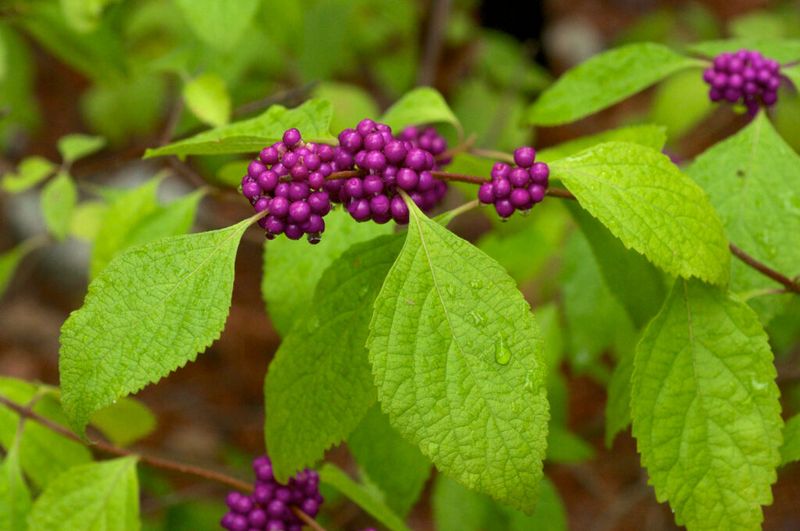
Few plants in the native Texas landscape stop people in their tracks the way American Beautyberry does. When those clusters of neon-purple berries appear in late summer and fall, they are so vivid and unexpected that first-time visitors often ask if they are real.
The berries wrap tightly around each stem in dense, jewel-like clusters that look almost too perfect to be natural.
American Beautyberry, known scientifically as Callicarpa americana, is a fast-growing native shrub that thrives in partial to full shade. It grows naturally in the understory of Texas forests and woodland edges, so it is perfectly designed for life beneath large trees.
It can reach four to eight feet tall and wide, giving it a bold, generous presence in the landscape.
Beyond its stunning fall display, Beautyberry is also a valuable wildlife plant. Birds, deer, and small mammals feed on the berries, and the dense foliage provides excellent cover for nesting birds.
Pollinators visit the small pink-lavender flowers that appear in summer before the berries form.
Growing Beautyberry is refreshingly straightforward. It prefers moist, well-drained soil but adapts well to the rocky or clay-heavy soils common across Texas.
Watering during the first season helps establish a strong root system, but after that it handles drought reasonably well.
Cut it back hard in late winter, leaving just a foot or so above the ground. This encourages strong new growth and a full, rounded shape that produces the most impressive berry display possible.
Beautyberry is simply one of the most rewarding native shrubs a Texas gardener can plant.