Texas Gardeners Are Seeing Better Results By Propagating Roses Now
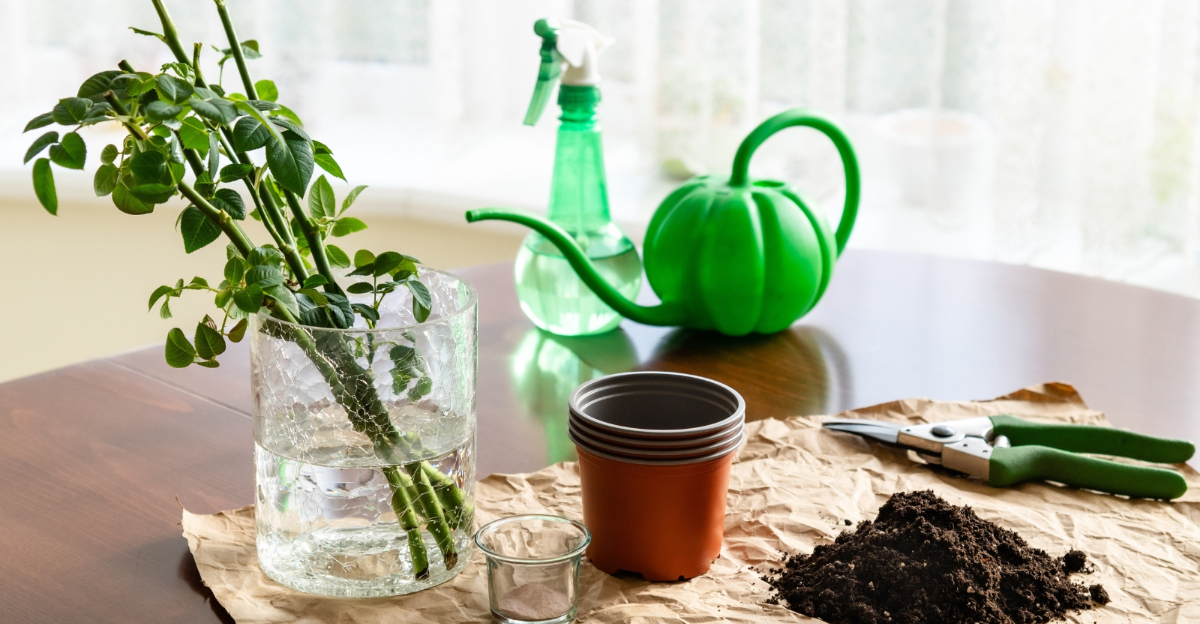
Texas gardeners are finding that propagating roses right now leads to stronger starts and fewer setbacks later in the season.
The timing works especially well because temperatures are warm enough to encourage rooting without pushing plants into stressful top growth.
Instead of fighting extreme heat, new cuttings can focus their energy below the surface where it matters most.
Humidity levels during this period also help prevent cuttings from drying out too quickly, which is a common problem in Texas gardens.
Gardeners notice that roses started now tend to establish faster and adjust better once planted out.
This window allows roots to form steadily before harsher weather or intense summer conditions arrive. Another advantage is that existing rose plants are still actively growing, making cuttings more responsive and reliable.
What feels like a small timing shift often leads to noticeably healthier plants later on.
For many Texas gardens, propagating roses now turns into a quiet advantage that shows its value months down the line.
1. Why Timing Makes Such A Big Difference For Rose Propagation In Texas
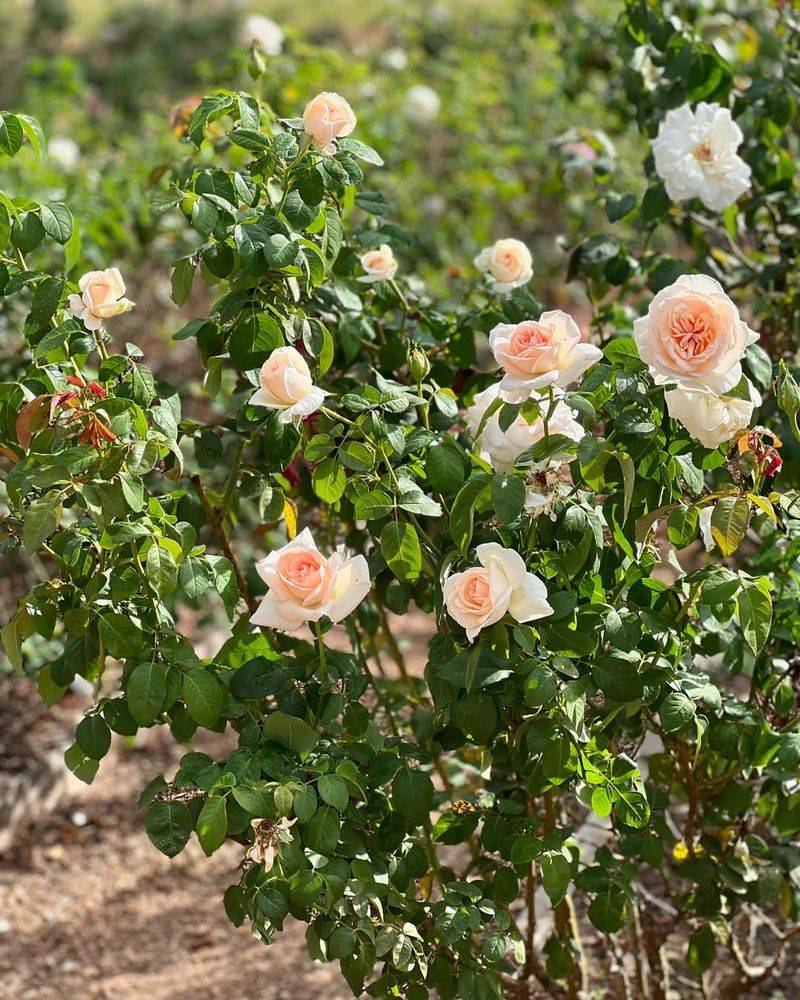
Gardeners who’ve tried propagating roses at different times of year know that success varies wildly depending on when you start.
Right now presents a unique opportunity because temperatures haven’t climbed too high yet, and plants are naturally waking up from their winter rest period.
Texas weather can be unpredictable, but early spring offers a sweet spot where conditions align perfectly for new cuttings to develop strong root systems.
The soil is warming up just enough to encourage growth without stressing delicate new roots.
Experienced growers across the state have noticed that cuttings taken during this window establish themselves faster than those started in summer or fall.
The plants seem to have more energy and vigor when they’re working with nature’s rhythm instead of against it.
Hormones inside rose stems are at peak levels right now, which helps cuttings form roots more quickly and reliably.
This natural boost makes your job easier and increases your chances of success dramatically.
Many Texas gardeners who struggled with propagation in the past find that switching to this timing solved most of their problems.
The difference isn’t just noticeable, it’s often the key factor between failure and thriving new plants.
Climate zones across Texas vary, but this general timing window works well from Houston to Dallas and San Antonio to El Paso.
Local conditions might shift things by a week or two, but the principle remains solid.
Starting now also gives your new roses months to establish before facing the brutal heat of Texas summer. This head start can mean the difference between plants that barely survive and ones that flourish beautifully.
2. How Current Weather Conditions Support Strong Root Growth
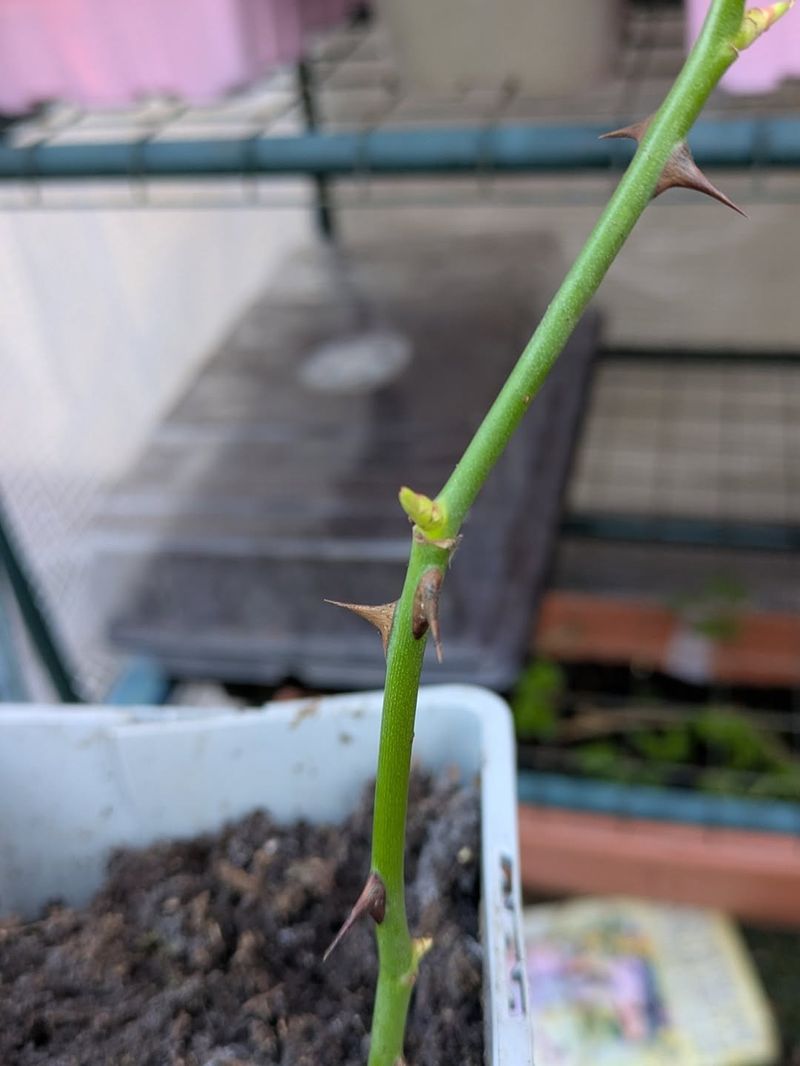
Mild daytime temperatures combined with cool nights create an ideal environment for root development in Texas right now.
Roots prefer conditions that aren’t too hot or too cold, and this balance is hard to find except during specific windows throughout the year.
Morning dew and higher humidity levels typical of early spring keep cuttings from drying out while they’re working to establish roots.
This natural moisture helps reduce stress on plants that don’t have a root system yet to draw water from soil.
Cloud cover is more common during this season across much of Texas, which protects tender new growth from intense sunlight.
Cuttings need light to grow, but too much direct sun can scorch them before they’re ready to handle it.
Rain showers provide consistent moisture without the need for constant manual watering, making your job simpler and helping cuttings stay hydrated.
Natural rainfall also delivers nutrients from the atmosphere that benefit developing plants.
Wind patterns tend to be gentler now compared to the gusty conditions Texas experiences in late spring and summer.
Strong winds can dry out cuttings quickly and damage fragile new leaves before they’ve toughened up.
Nighttime temperatures staying above freezing but below hot summer lows allow roses to rest and recover from daily growth efforts.
This recovery period is essential for building strong, healthy tissue that will support the plant long-term.
The absence of extreme weather events during this window reduces the risk of losing cuttings to unexpected freezes or heat waves.
Stability in conditions means you can plan and execute propagation with confidence.
3. Why Cuttings Take Off Faster Right Now
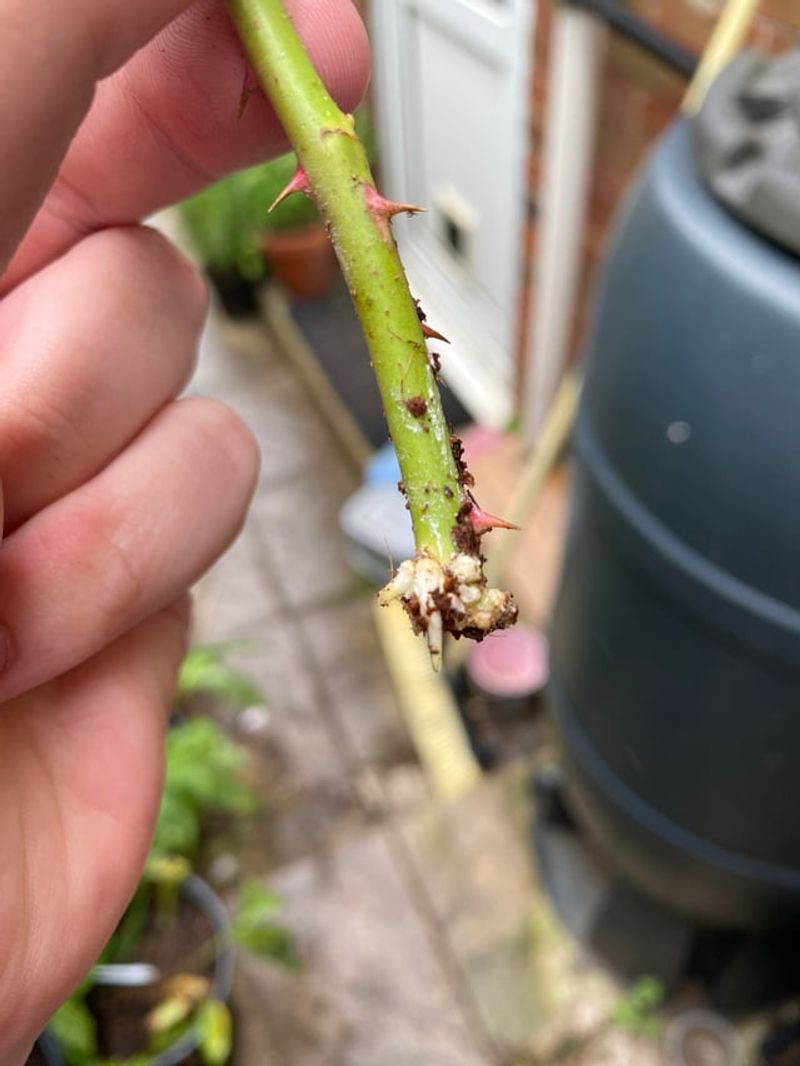
Hormonal changes happening inside rose plants during early spring make this the fastest period for root formation.
Auxins and other growth hormones are surging through stems as plants prepare for their main growing season ahead.
Cuttings taken now already contain high concentrations of these natural rooting hormones, which means they’re primed and ready to develop roots quickly.
You’re essentially working with plants that are already in growth mode rather than trying to wake them up.
Texas gardeners report seeing root development in as little as two to three weeks when starting cuttings during this window.
That’s significantly faster than the four to six weeks or more that cuttings might take during other times of year.
Faster rooting means less time for problems to develop, such as fungal issues or rot that can affect cuttings sitting in moist conditions for extended periods.
Speed reduces risk and increases your overall success rate dramatically.
Young roots that form quickly are often healthier and more vigorous than those that develop slowly under less ideal conditions.
These strong roots give plants a solid foundation for future growth and flowering.
Energy reserves stored in rose stems during winter dormancy are available right now to fuel new growth. Cuttings can tap into these reserves to support root development even before they’re able to photosynthesize effectively.
The combination of perfect weather, natural hormones, and stored energy creates a situation where cuttings almost seem to grow themselves.
Texas conditions during this period are simply ideal for this process.
4. What Texas Soil Temperatures Are Doing For New Roots
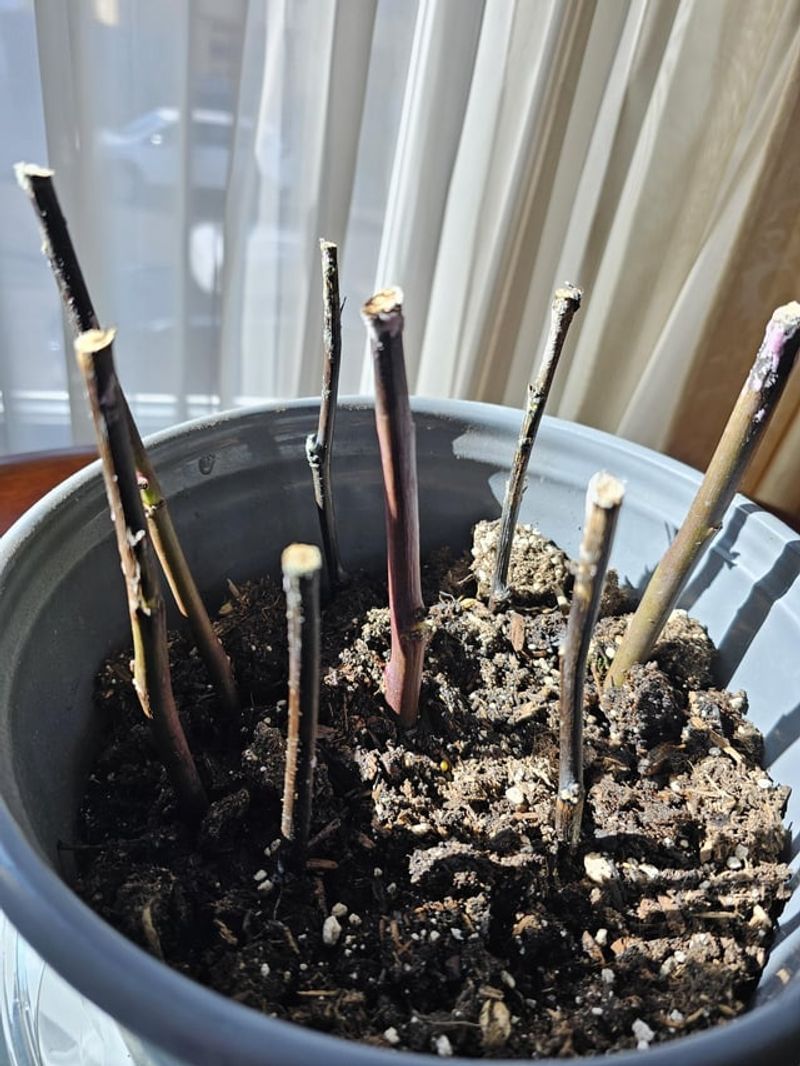
Soil temperatures across Texas have climbed into the ideal range for root development, typically between 60 and 70 degrees Fahrenheit.
This range encourages active root growth without causing stress or shocking tender new tissue.
Cold soil slows root formation dramatically and can even prevent it entirely, while overly hot soil can damage delicate root tips.
Right now, Texas soil sits in that perfect middle zone where everything works smoothly.
Warmer soil also supports beneficial microbial activity that helps roots access nutrients and protects them from harmful organisms.
These microscopic helpers are more active now than during cooler months, giving your cuttings an extra advantage.
Root cells divide and elongate most efficiently within this temperature range, which means faster establishment and stronger plants overall.
The science backs up what experienced Texas gardeners have observed for generations.
Soil that’s warming but not yet hot encourages roots to grow deeply rather than staying near the surface. Deep roots access more water and nutrients, making plants more resilient during the challenging Texas summer ahead.
Cuttings placed directly in the ground or in containers benefit equally from these ideal soil temperatures. The principle applies regardless of your specific propagation method or setup.
Monitoring soil temperature with a simple garden thermometer can help you confirm that conditions are right in your specific location.
This small step removes guesswork and increases confidence in your timing.
5. How Moisture Levels Help Roses Set In Quickly
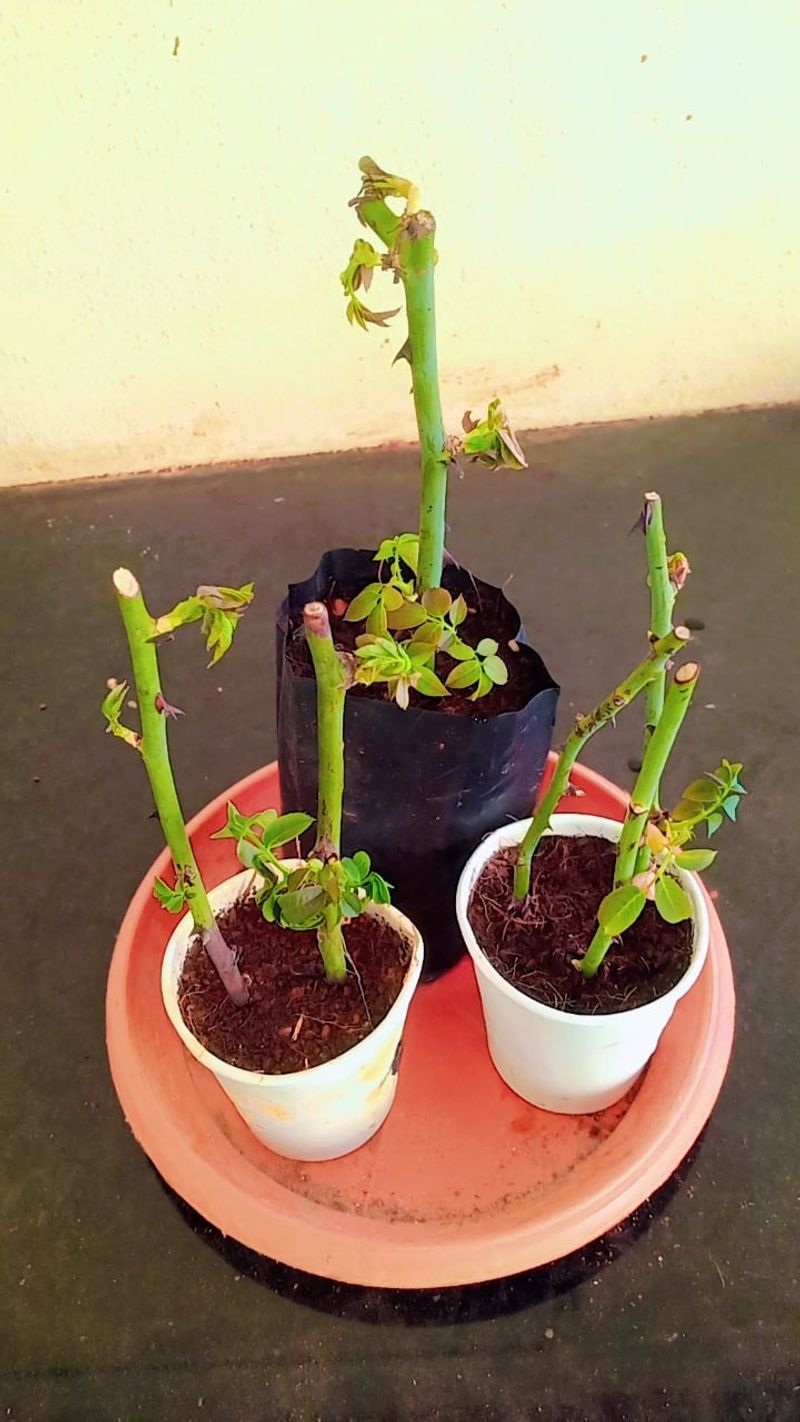
Spring rainfall patterns across Texas provide consistent moisture that keeps cuttings hydrated without waterlogging them.
This balance is crucial because cuttings need constant moisture but can’t tolerate soggy conditions that promote rot.
Higher humidity levels during this season reduce water loss through leaves, which is especially important before roots develop to replace that moisture.
Cuttings essentially lose less water than they would during drier times of year, reducing stress significantly.
Soil retains moisture better now because temperatures aren’t yet high enough to cause rapid evaporation. This means less frequent watering is needed, and cuttings have steady access to the water they need for root development.
Texas gardeners find that maintaining proper moisture levels becomes almost automatic during this window rather than requiring constant attention.
Nature handles much of the work, leaving you free to focus on other garden tasks.
Consistent moisture encourages steady, continuous root growth rather than the stop-and-start pattern that happens when conditions fluctuate.
Steady growth produces stronger, more resilient root systems that support healthier plants long-term.
Morning dew provides an additional moisture source that helps keep leaf surfaces hydrated and functional. This natural watering system is most reliable during early spring across most of Texas.
Cuttings that stay properly hydrated are less likely to experience stress-related problems like leaf drop or stem shriveling.
These issues can set back propagation efforts or cause complete failure in severe cases.
The combination of rain, humidity, and moderate temperatures creates conditions where maintaining ideal moisture levels requires minimal intervention.
6. Why Waiting Longer Can Reduce Success Rates
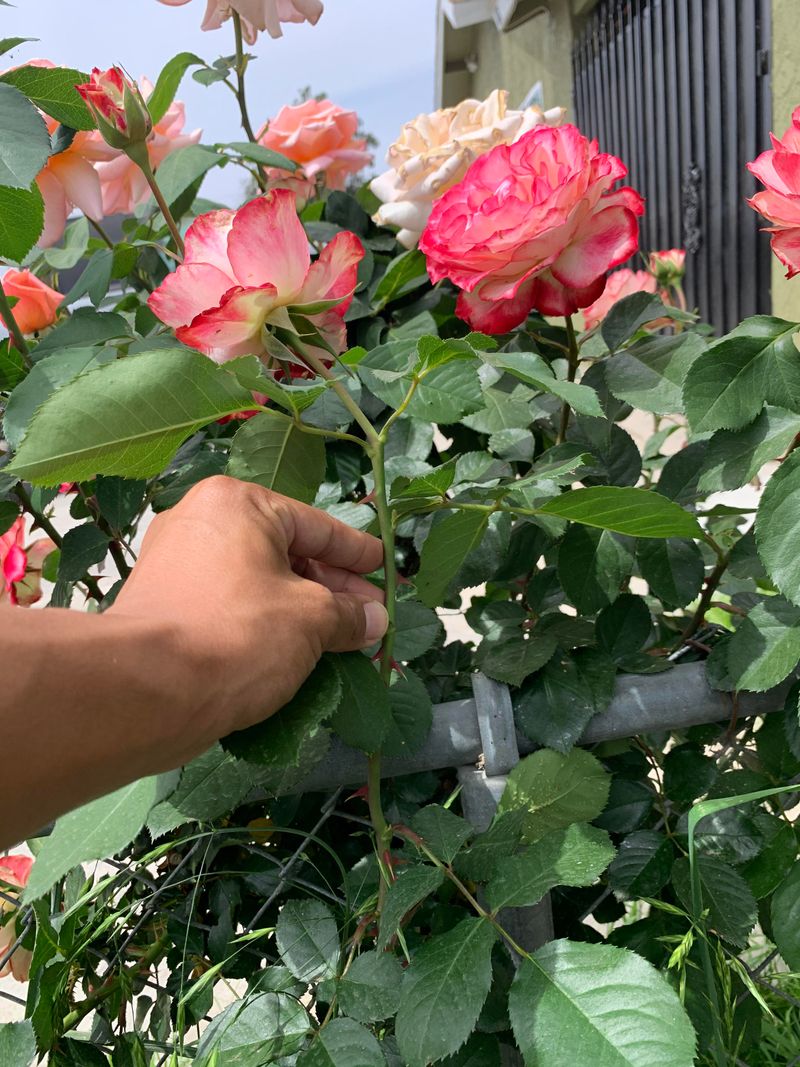
Delaying propagation by even a few weeks can mean facing significantly more challenging conditions across Texas.
Temperatures climb quickly as spring progresses, and the ideal window closes faster than many gardeners realize.
Heat stress becomes a major factor once daytime temperatures regularly exceed 85 degrees Fahrenheit, which happens surprisingly early in many parts of Texas.
Cuttings struggle to develop roots when they’re focused on surviving heat instead.
Humidity levels drop as the season advances, making it much harder to keep cuttings from drying out.
This requires more frequent watering and careful monitoring, increasing both workload and risk of problems.
Plants naturally shift their energy toward flowering and fruiting as the season progresses, which means less energy available for root development.
Cuttings taken later may root more slowly or fail entirely because the plant’s priorities have changed.
Pest and disease pressure increases dramatically as weather warms, putting vulnerable cuttings at greater risk. Young plants without established root systems are particularly susceptible to problems that established roses can shrug off easily.
Texas summers are notoriously brutal, and asking tender new cuttings to establish themselves during peak heat is setting them up for failure.
Even with intensive care, success rates plummet compared to starting during the optimal window.
Gardeners who wait often find themselves fighting an uphill battle, investing more time and effort for worse results. The frustration of watching cuttings struggle or fail is completely avoidable by starting at the right time.
7. What Early Propagation Means For Summer Blooms

Cuttings started now have several months to establish strong root systems before Texas summer heat arrives in full force.
This head start translates directly into healthier plants that can actually produce flowers during their first season.
Roses propagated later in the year typically need to focus all their energy on survival and establishment, with blooming delayed until the following year.
Starting early changes this timeline completely, bringing forward the rewards of your efforts by months.
Well-established roots allow plants to access water and nutrients efficiently, which supports the energy-intensive process of producing flowers.
Without adequate roots, roses simply can’t spare the resources needed for blooming.
Texas gardeners who propagate during this optimal window often see their first blooms by late spring or early summer. This quick turnaround is exciting and provides immediate feedback that your efforts succeeded.
Early blooms also help you identify which cuttings came from which parent plants if you’re propagating multiple varieties.
This information is valuable for planning future garden layouts and propagation projects.
Plants that bloom in their first season develop stronger overall because flowering is a sign of health and vigor.
These early bloomers often outperform cuttings started later for years to come.
The satisfaction of seeing flowers on plants you propagated yourself is one of gardening’s greatest joys. Starting now maximizes your chances of experiencing this reward sooner rather than later.
8. Why Experienced Texas Gardeners Don’t Miss This Window
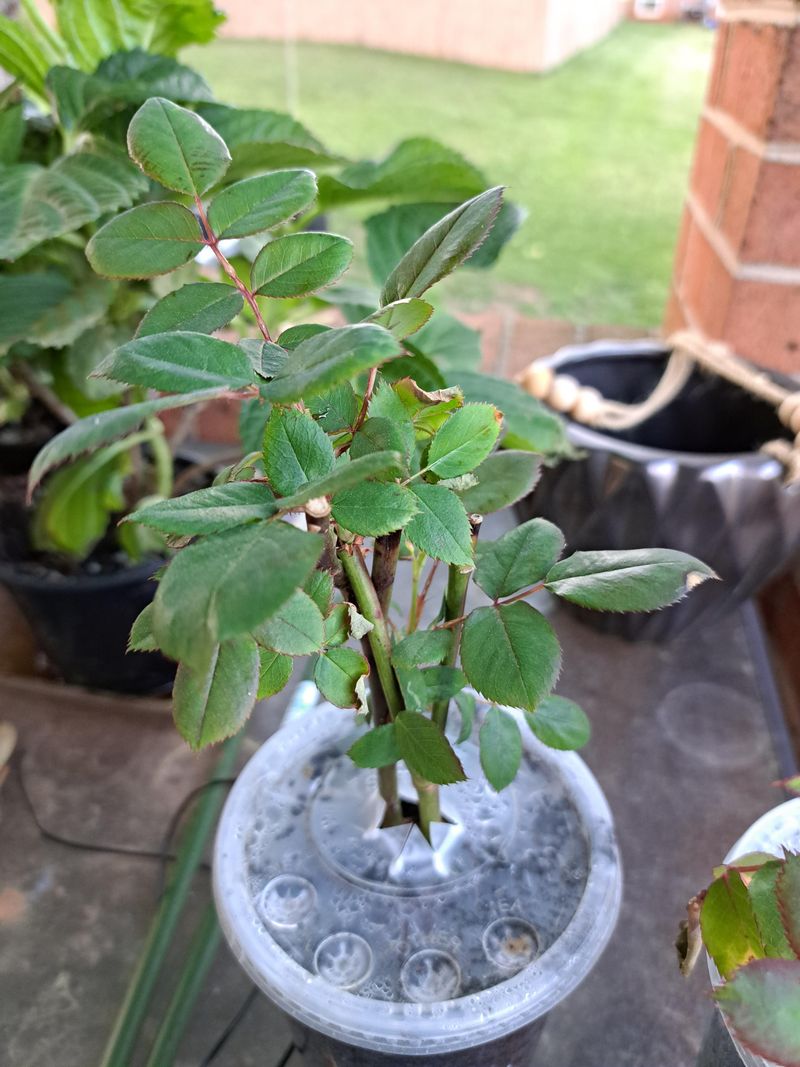
Veteran rose growers across Texas mark their calendars for this propagation window because they’ve learned through experience that it makes or breaks their success.
These gardeners understand that fighting against the season is much harder than working with it.
Knowledge passed down through generations of Texas gardening families consistently emphasizes the importance of timing for propagation.
This wisdom has proven itself reliable year after year across different regions and climate variations.
Master gardeners who teach propagation classes always stress starting during this specific window rather than waiting for more convenient times.
Their students who follow this advice consistently report better results than those who delay.
Experienced growers have tried propagating at various times and learned firsthand that nothing compares to the success rates achieved during early spring.
This isn’t theory or guesswork but proven practice backed by countless successful cuttings.
The efficiency of starting now appeals to busy gardeners who want maximum results from minimum effort. Working smarter rather than harder is a hallmark of experienced gardeners throughout Texas and beyond.
Seasoned propagators prepare their materials and plans in advance so they’re ready to act as soon as conditions are right.
This preparation reflects understanding that opportunities don’t wait for procrastination.
Long-time rose enthusiasts also appreciate how starting now fits naturally into the rhythm of garden work. Spring is already a busy time, and propagation slots in perfectly alongside other seasonal tasks.
The confidence that comes from experience allows veteran gardeners to trust their timing even when weather seems uncertain.
9. How Starting Now Reduces Stress On Young Rose Cuttings
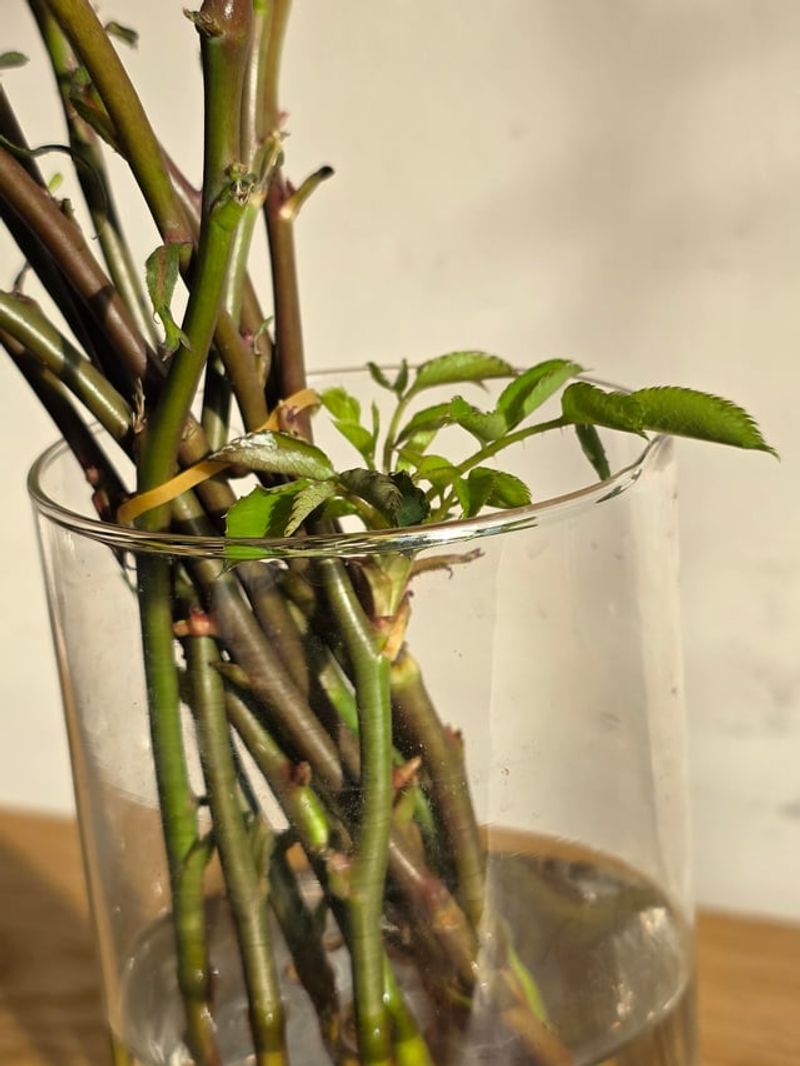
Plants experience stress just like people do, and minimizing that stress is key to successful propagation anywhere in Texas. Cuttings started during optimal conditions face far less stress than those begun during challenging times of year.
Temperature extremes are the biggest stress factor for cuttings, and starting now avoids both the cold of winter and the heat of summer.
Mild conditions allow plants to focus energy on growth rather than survival.
Adequate natural moisture reduces water stress, which is particularly damaging to cuttings that lack roots to replace water lost through leaves.
Consistent hydration keeps cells functioning properly and supports all growth processes.
Gentle light levels provide energy for photosynthesis without overwhelming tender new leaves that aren’t yet equipped with protective layers.
Too much intense light causes damage that sets back development or prevents success entirely.
Lower pest and disease pressure means cuttings aren’t fighting off attackers while trying to establish roots. This allows them to channel all available resources into root development and leaf growth.
Stable weather patterns reduce shock and allow cuttings to acclimate gradually to their environment.
Wild fluctuations in conditions force plants to constantly readjust, wasting energy and slowing establishment.
Texas gardeners who start propagation now give their cuttings every possible advantage for stress-free establishment.
These plants develop stronger, healthier root systems and overall structure compared to stressed cuttings.