Texas Gardeners Can Easily Grow These Edible Flowers At Home
Edible flowers aren’t just pretty, they can transform your Texas garden into a colorful, flavorful paradise. From bright blooms topping salads to fragrant petals infusing teas, these plants bring both beauty and taste to your backyard.
Imagine picking vibrant, edible flowers straight from your garden for meals and drinks. Many edible flowers are surprisingly easy to grow at home, thriving in Texas’s sunny, warm climate with minimal care.
Low effort, high impact! From nasturtiums to pansies, these flowers add a pop of color and a touch of gourmet flair to everyday dishes.
Your garden can feed your eyes and your taste buds. Even small spaces or containers can yield a variety of edible blooms, making gardening accessible to beginners and pros alike. Fresh, homegrown flavor has never been this beautiful.
1. Nasturtiums
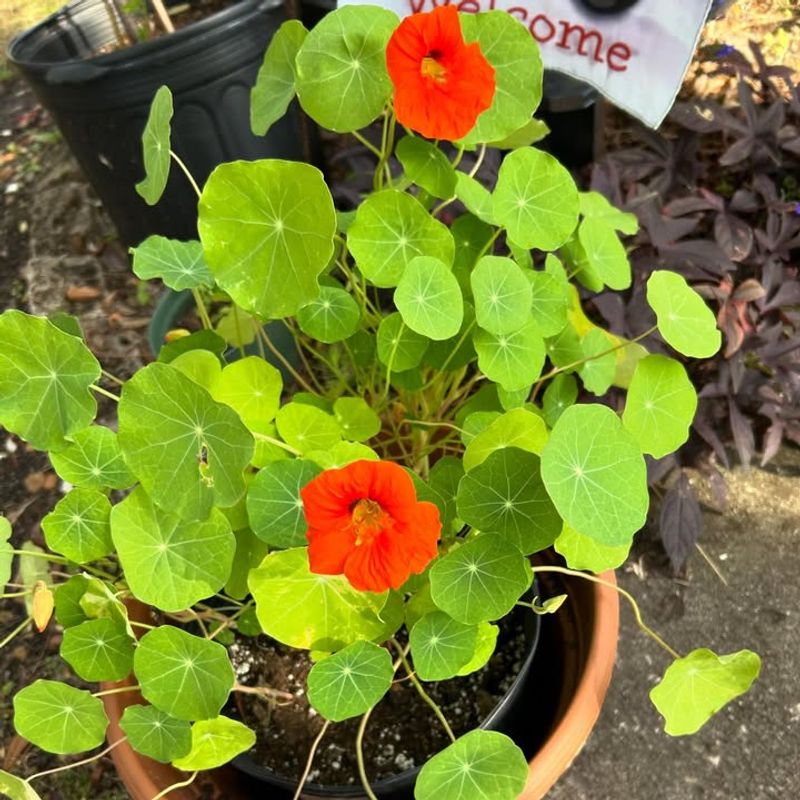
Bright, cheerful nasturtiums bring peppery flavor and vibrant colors to any Texas garden. Their round leaves and trumpet-shaped flowers come in shades of yellow, orange, and red that catch everyone’s attention.
Both the leaves and flowers taste slightly spicy, similar to watercress or radishes, making them perfect for adding zip to salads and sandwiches.
These hardy plants love Texas spring and fall weather but can struggle during the hottest summer months.
Plant them in partial shade if you’re gardening in South Texas, or choose a spot with morning sun and afternoon shade. Nasturtiums grow quickly from seed, often blooming within six to eight weeks of planting.
One wonderful thing about nasturtiums is their ability to thrive in poor soil. They actually produce more flowers when the soil isn’t too rich in nutrients.
This makes them ideal for beginning gardeners or those dealing with challenging Texas clay soil. Water them regularly but don’t overdo it, as they prefer slightly dry conditions.
Nasturtiums also work as companion plants in vegetable gardens across Texas. They attract aphids away from your tomatoes and peppers, acting as a trap crop.
Some gardeners plant them around the edges of raised beds for this purpose. The flowers keep producing all season long if you harvest them regularly, giving you a continuous supply for your kitchen.
Try stuffing the large leaves with cream cheese or tossing the flowers into pasta dishes for a colorful, peppery kick that impresses dinner guests.
2. Pansies
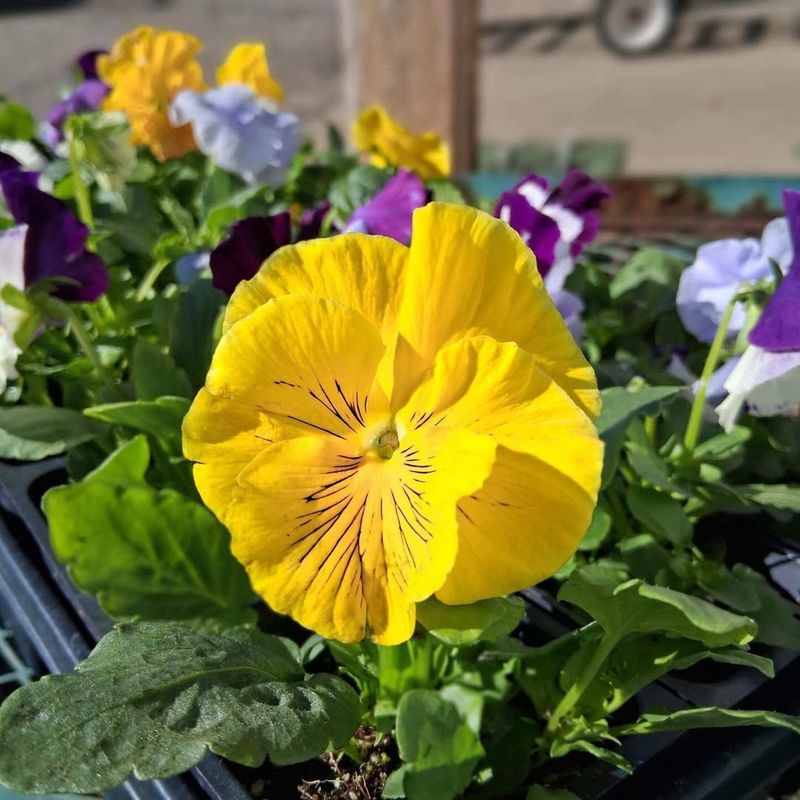
Pansies might remind you of your grandmother’s garden, but these old-fashioned favorites deserve a comeback in Texas. Their velvety petals come in nearly every color imaginable, from deep purples to sunny yellows, often with distinctive face-like markings.
The mild, slightly grassy flavor makes them incredibly versatile in the kitchen, working well in both sweet and savory dishes.
Cool-season champions, pansies thrive during Texas winters when many other flowers take a break. Plant them in October or November for blooms that last through spring.
They handle light freezes beautifully, bouncing back even after cold snaps that send other plants into hiding. In North Texas, they often bloom right through winter on warmer days.
Full sun to partial shade works best for pansies in most Texas locations. They appreciate well-draining soil enriched with compost, which helps them establish strong roots.
Regular deadheading encourages more blooms, though you’ll want to leave some flowers for harvesting. Water consistently but avoid getting the leaves wet, as this can lead to fungal issues in humid Texas conditions.
The culinary possibilities with pansies are endless and fun to explore. Freeze individual flowers in ice cubes for fancy drinks, or press them onto frosted cakes for elegant decorations.
Their mild flavor won’t overpower delicate desserts like custards or shortbread cookies. Some Texas gardeners candy their pansies by brushing them with egg white and dusting with sugar, creating beautiful edible decorations that last for weeks when stored properly in airtight containers.
3. Squash Blossoms
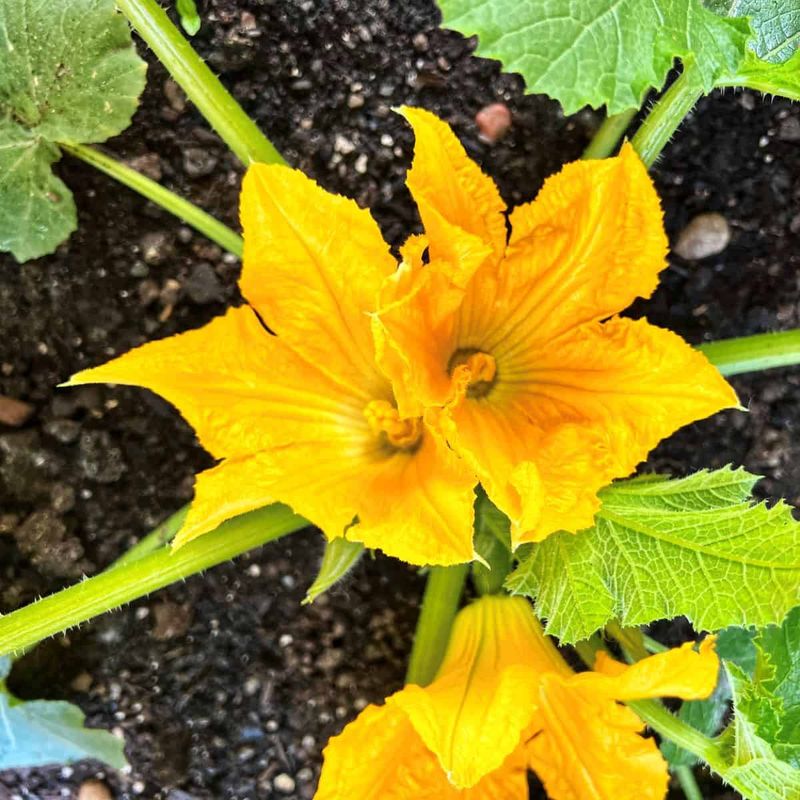
Golden squash blossoms are a gourmet treat that many Texas gardeners overlook completely. If you already grow zucchini, yellow squash, or pumpkins, you’re sitting on a culinary goldmine.
These large, trumpet-shaped flowers have a delicate, slightly sweet flavor that tastes like a milder version of the squash itself. Professional chefs pay premium prices for these blooms, but you can harvest them free from your own backyard.
Squash plants produce two types of flowers in Texas gardens. Male flowers grow on long stems and appear first, while female flowers sit closer to the plant with a small swelling at the base that becomes the fruit.
Harvest male flowers for eating since you only need a few for pollination. Pick them early in the morning when they’re fully open but still fresh and perky.
Growing squash in Texas requires full sun and plenty of space since the vines spread enthusiastically. Plant after the last frost in spring, and you’ll have flowers within a few weeks.
The plants need consistent watering, especially during hot Texas summers. Add mulch around the base to keep soil moist and cool.
Stuffed and fried squash blossoms are a classic preparation popular in Texas restaurants. Gently rinse the flowers and remove the stamens inside, then fill with ricotta cheese, herbs, or even scrambled eggs.
Dip them in a light batter and fry until golden and crispy. You can also chop the raw flowers into quesadillas, omelets, or pasta dishes where they add color and subtle flavor without overwhelming other ingredients.
4. Marigolds
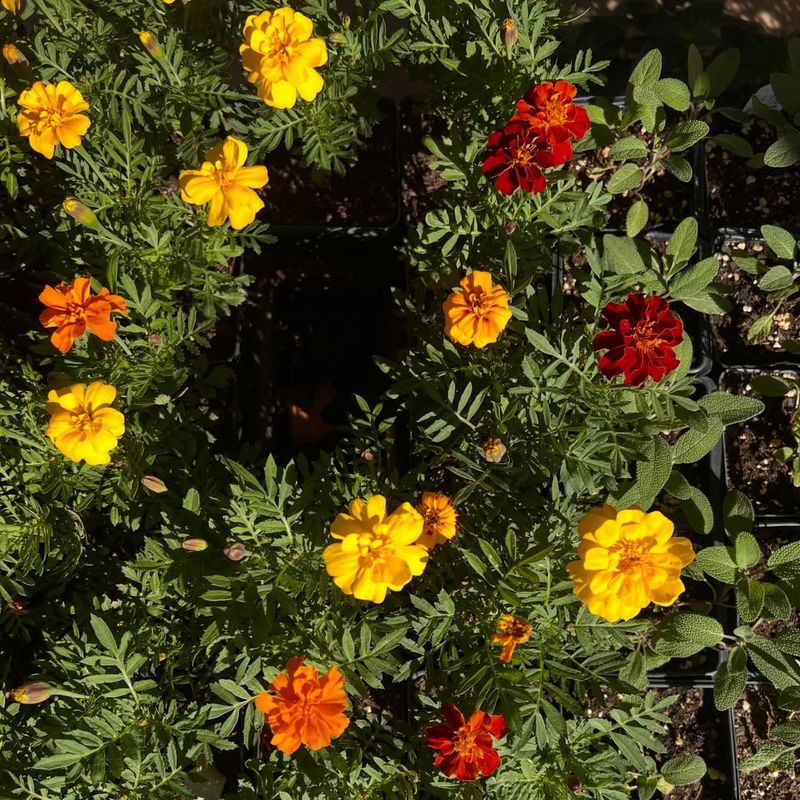
Marigolds are Texas garden workhorses that deserve more credit than just being pretty border plants. While not all marigolds are edible, specific varieties like signet marigolds offer citrusy, slightly spicy petals that enhance many dishes.
Their bold orange and yellow colors make food look as good as it tastes, turning simple meals into Instagram-worthy creations.
Heat-loving marigolds absolutely thrive in Texas summers when other flowers struggle. They bloom from spring until the first frost, providing months of colorful harvests.
Plant them in full sun with average soil, and they’ll reward you with minimal fuss. Marigolds actually prefer slightly dry conditions once established, making them perfect for water-conscious Texas gardeners.
These flowers also serve practical purposes beyond the kitchen in Texas gardens. They repel certain pests like aphids and mosquitoes, making outdoor spaces more enjoyable.
Many vegetable gardeners plant marigolds throughout their beds to protect tomatoes, peppers, and beans. The strong scent confuses harmful insects while attracting beneficial pollinators.
When cooking with marigolds, use only the petals and avoid the bitter white base. The flavor works beautifully in rice dishes, giving them a saffron-like color and subtle taste.
Sprinkle fresh petals over tacos, soups, or grain bowls for a pop of color. Some adventurous Texas cooks infuse the petals into vinegar or oil for unique salad dressings.
Always choose signet marigolds or other confirmed edible varieties rather than African or French marigolds, which can taste unpleasant. Start with small amounts to test the flavor since the intensity varies between plants and growing conditions throughout different Texas regions.
5. Sunflowers
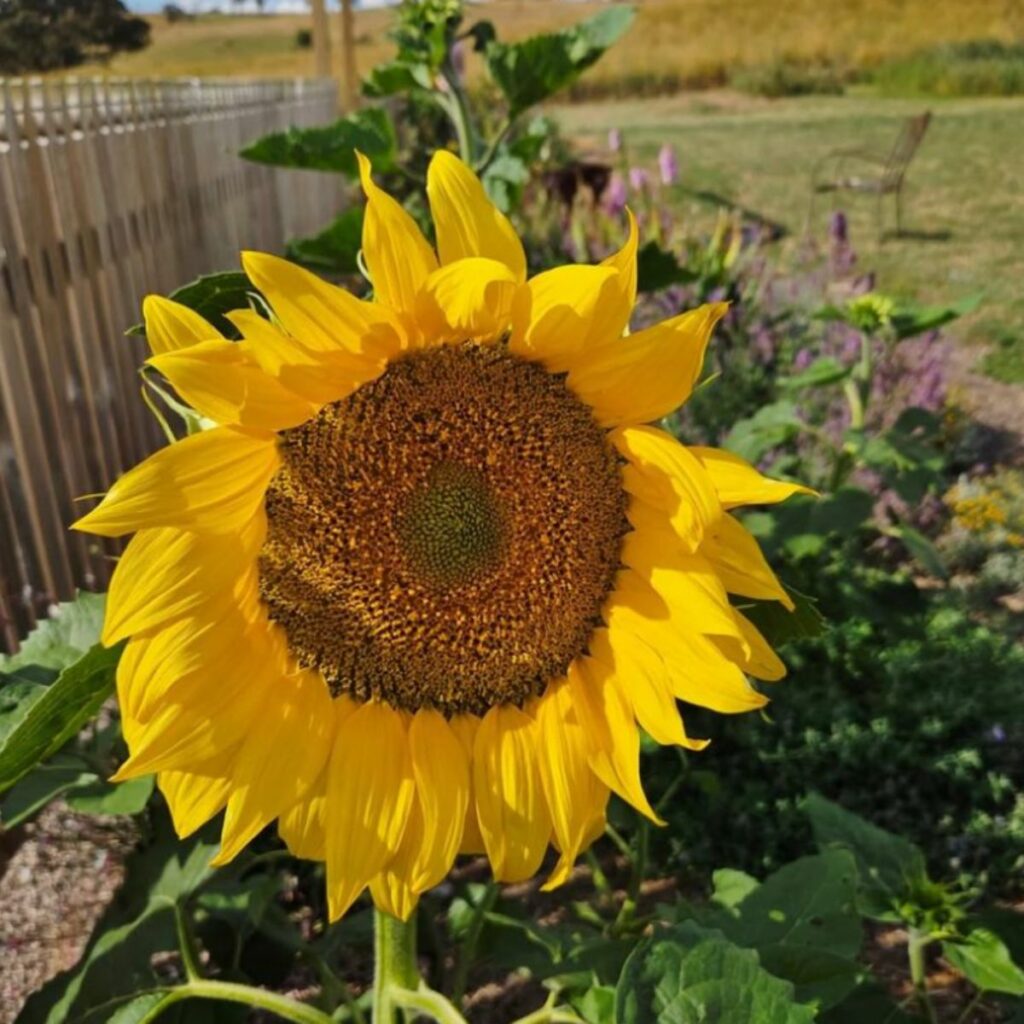
Nothing says Texas like towering sunflowers reaching toward the big blue sky. While most people know about sunflower seeds, fewer realize the young flower buds and petals are edible too.
The petals have a slightly bittersweet flavor, while unopened buds can be steamed or sautéed like artichokes. These cheerful giants are surprisingly easy to grow throughout the Lone Star State.
Sunflowers need full sun and well-draining soil to reach their impressive heights. Plant seeds directly in the ground after the last frost, spacing them according to the variety you choose.
Dwarf varieties work well in containers, while giant types need plenty of room to spread their roots. They grow quickly in Texas heat, often shooting up several inches per week during peak growing season.
Water young sunflowers regularly until they establish deep root systems. Once mature, they become quite drought-tolerant, making them ideal for Texas summers.
Stake taller varieties to prevent them from toppling during thunderstorms. The plants attract bees, butterflies, and birds, creating a lively ecosystem in your garden.
Harvest sunflower petals when flowers first open for the best flavor and texture. Sprinkle them over salads or use them as colorful garnishes for summer drinks.
The young buds, harvested before flowers open, offer a unique vegetable option. Steam them until tender and serve with butter, lemon, and herbs just like you would artichoke hearts.
Many Texas gardeners plant sunflowers specifically for the seeds, waiting until the back of the flower head turns yellow before harvesting and roasting them with salt for healthy, homegrown snacks that everyone in the family enjoys.
6. Borage
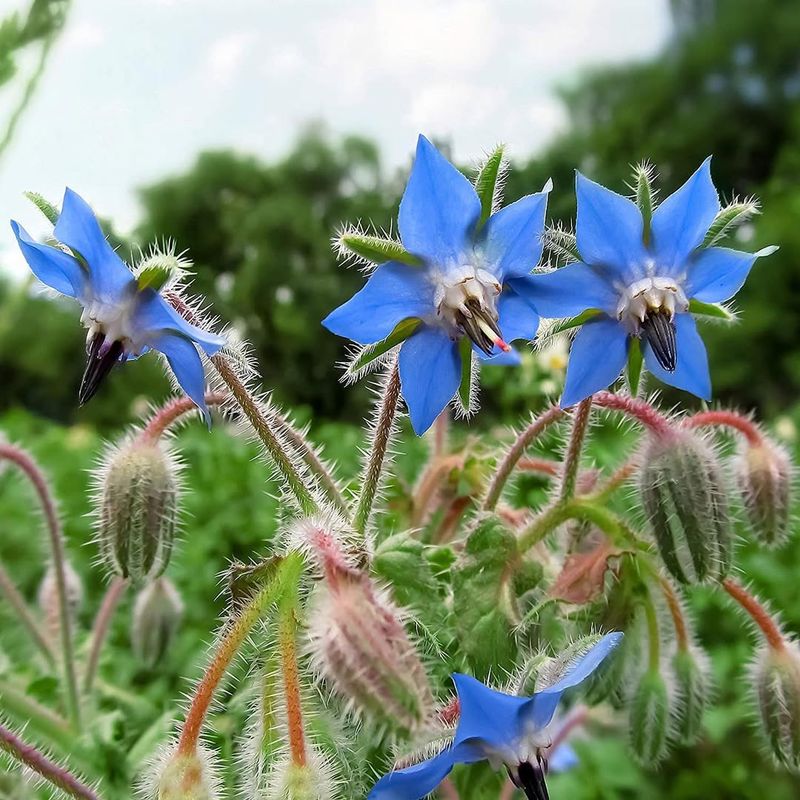
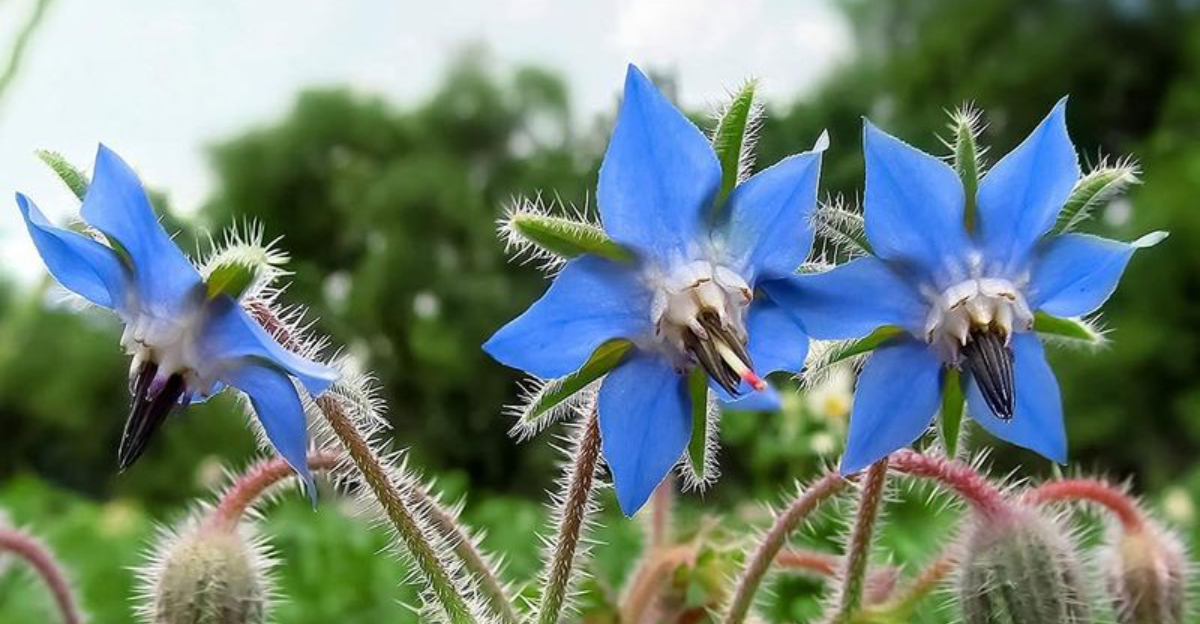
Borage is the ultimate beginner-friendly edible flower for Texas gardens. The star-shaped blue flowers dangle gracefully from hairy stems, attracting every bee in the neighborhood.
Both flowers and young leaves taste like fresh cucumber, making them refreshing additions to summer beverages and salads. Once you plant borage, it often returns year after year through self-seeding.
This Mediterranean native adapts surprisingly well to Texas conditions. Plant it in spring or fall in a spot with full sun to partial shade.
Borage tolerates poor soil and doesn’t need much fertilizer, though it appreciates occasional watering during extended dry spells. The plants grow quickly, reaching two to three feet tall with a bushy, sprawling habit.
Borage flowers bloom continuously throughout the growing season in most Texas regions. The more you harvest, the more flowers the plant produces.
Bees absolutely love borage, making it an excellent choice for gardeners wanting to support pollinators. Some people plant it near vegetable gardens specifically to attract beneficial insects that help with pollination and pest control.
The cucumber flavor makes borage perfect for summer drinks and frozen treats. Float the blue flowers in lemonade, iced tea, or cocktails for a stunning presentation.
Freeze them in ice cubes for parties, where they create conversation-starting drinks. The young leaves can be chopped into dips or mixed with soft cheeses for unique spreads.
Some Texas cooks candy the flowers for cake decorations or add them to fruit salads where the blue color contrasts beautifully with oranges and strawberries. Handle borage leaves carefully since the tiny hairs can irritate sensitive skin on some people.
7. Daylilies
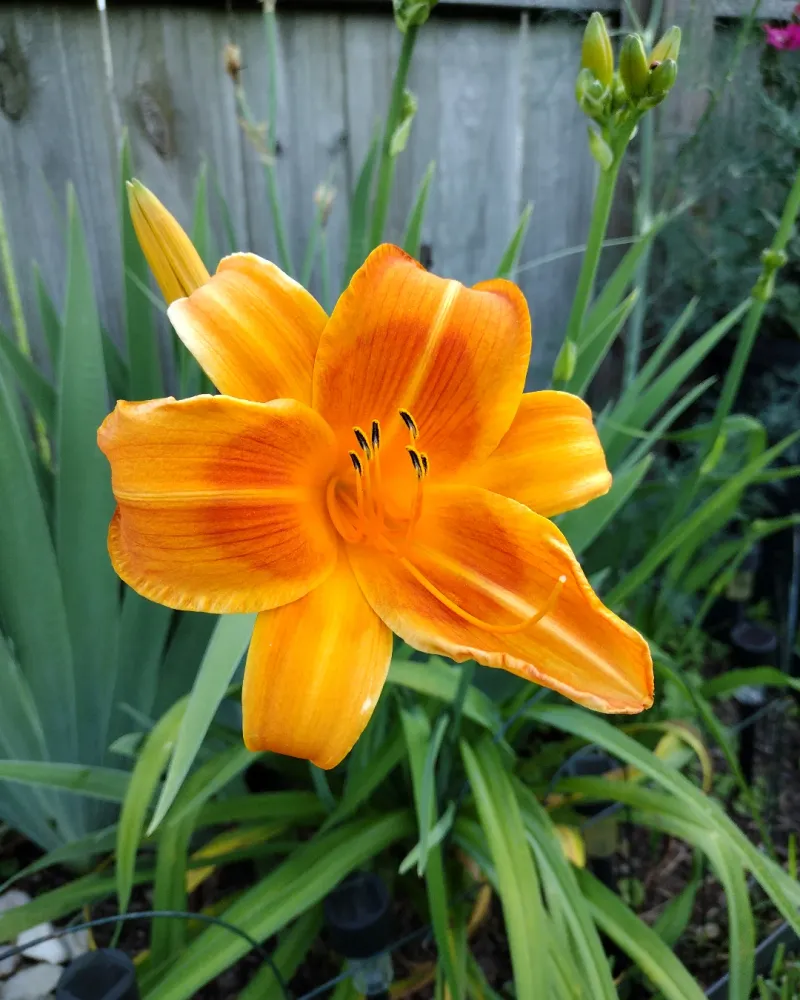
Daylilies grow so easily throughout Texas that many people consider them indestructible. Each flower blooms for just one day, but plants produce so many buds that you’ll have continuous harvests for weeks.
The flowers have a sweet, slightly spicy flavor with a crispy texture when fresh. Unopened buds can be cooked like green beans, offering two edible stages from the same plant.
These tough perennials handle Texas heat, drought, and clay soil without complaint. Plant them in spring or fall, spacing them about two feet apart.
They grow in full sun or partial shade, though more sun typically means more flowers. Once established, daylilies need very little care beyond occasional watering during severe droughts. They multiply over time, forming large clumps you can divide and share with neighbors.
Not all daylily varieties taste the same, so experiment with different types. Some have sweeter flavors while others taste more vegetable-like.
Always positively identify daylilies before eating since some similar-looking plants are toxic. True daylilies have six petals and bloom during the day, with flowers that close at night.
Fresh daylily flowers make beautiful additions to salads where their crispy texture provides interesting contrast. Stuff them with chicken salad, tuna, or herbed cream cheese for elegant appetizers.
In Asian cooking, daylily buds are commonly stir-fried with garlic and ginger. Some Texas cooks batter and fry the flowers for a unique tempura-style treat.
Harvest flowers in the morning when they first open for the best flavor and texture throughout different seasons in your Texas garden location.