Texas Gardeners Should Plants These 7 Native Trees In March
March is when Texas landscapes start to wake up again. Warmer days, longer sunlight, and workable soil make it one of the best times to add new trees to your yard.
Planting during this window gives young trees time to settle in before the intense heat of summer arrives. With the right choice, a small sapling planted now can grow into a strong, shade giving feature that transforms your outdoor space for years to come.
Native trees are especially well suited for Texas conditions. They already know how to handle the region’s dry spells, strong sun, and unpredictable weather swings.
That means they usually need less water and less attention once established compared to non native options.
Adding native trees in March helps them develop deeper roots while the weather is still mild. By the time summer temperatures climb, they are better prepared to thrive and bring lasting beauty to your yard.
1. Texas Redbud (Cercis Canadensis Var. Texensis)
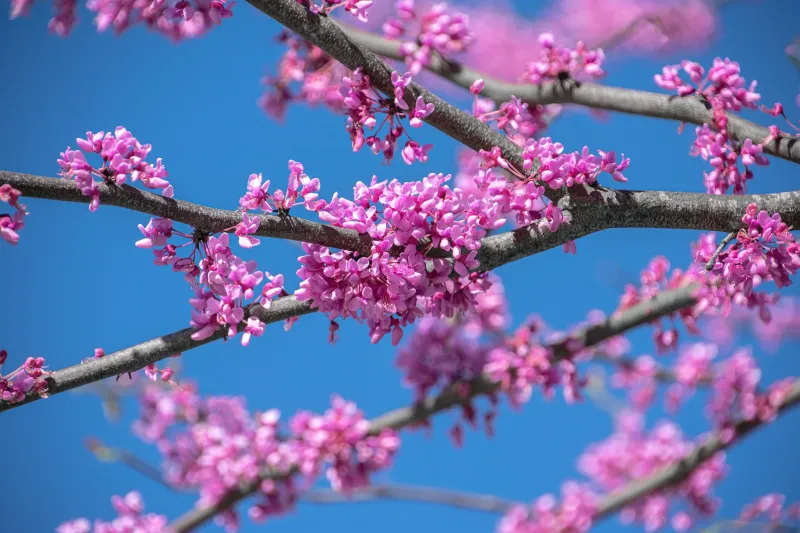
Few things signal the arrival of spring in Central Texas quite like a Texas Redbud bursting into bloom.
Before a single leaf unfurls, the entire tree becomes covered in brilliant magenta-pink flowers that seem to glow in the warm March sunlight. It is truly one of the most eye-catching native trees you can plant in a Texas yard.
The Texas Redbud is a variety of the Eastern Redbud, but it is specially adapted to the heat and thin, rocky soils found across Central Texas.
It typically grows between 10 and 20 feet tall, making it a perfect fit for smaller yards or as an accent tree near patios and walkways. It handles full sun beautifully and can tolerate partial shade just as well.
Once established, this tree is remarkably tough. It handles drought conditions with ease and bounces back quickly after periods of dry weather, which makes it a smart choice for Texas gardeners who want beauty without constant watering.
The heart-shaped leaves that follow the spring flowers add a lush, full look throughout the summer months.
Planting in March gives the Texas Redbud a long growing season to establish its root system before summer arrives. Dig a wide, shallow hole rather than a deep one, and make sure the planting area drains well.
Mulch around the base to help lock in moisture during those first critical months. Native pollinators, especially bees, absolutely love the early blooms, making this tree a gift to your garden ecosystem as well.
2. Cedar Elm (Ulmus Crassifolia)
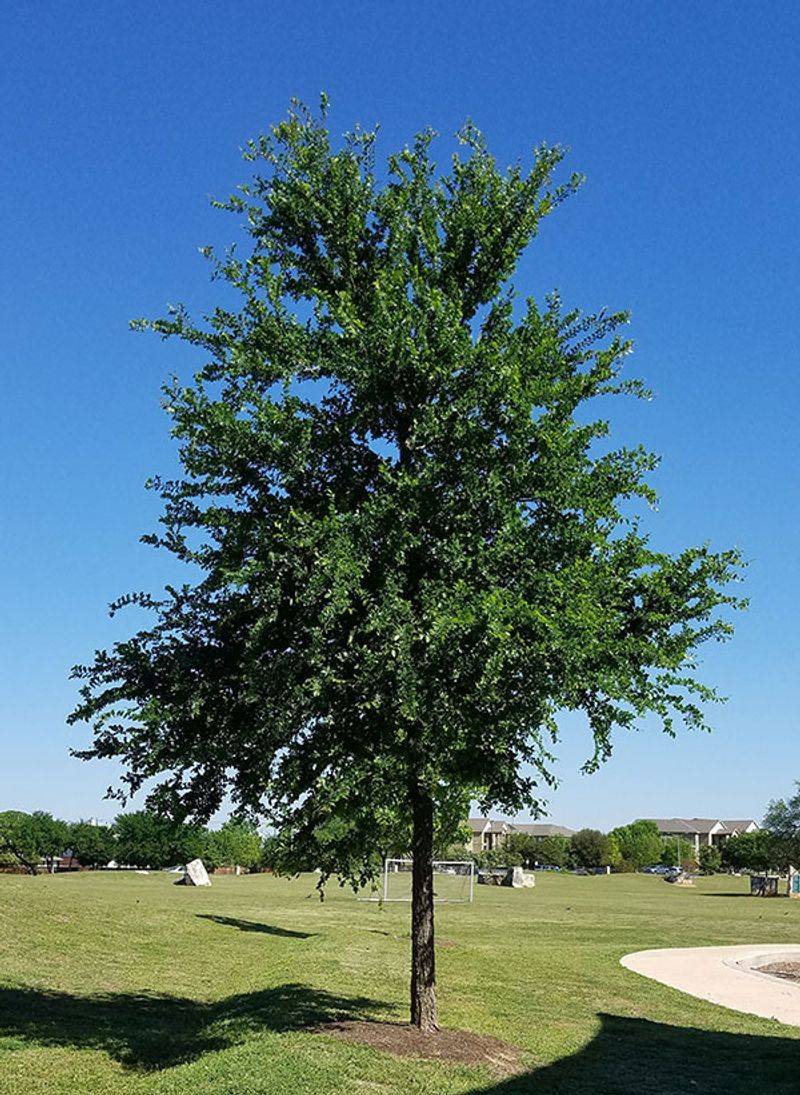
If you want a shade tree that can handle just about anything Texas throws at it, the Cedar Elm deserves a serious look.
Found naturally across much of Texas, from the Blackland Prairie to the Pineywoods, this tree has earned a reputation as one of the toughest natives in the state.
It thrives where other trees struggle, including compacted urban soils, rocky hillsides, and areas with unpredictable rainfall.
Cedar Elms grow at a moderate pace and can eventually reach 60 to 90 feet tall, though most yard trees stay more modest in size. The canopy is dense and rounded, offering excellent shade during those blazing Texas summers.
The small, rough-textured leaves give the tree a fine-grained, elegant appearance that looks great in both formal and casual landscapes.
One of the best things about this tree is how well it adapts to urban and suburban environments. It handles drought, heat, and even occasional flooding far better than many other shade trees.
For Texas homeowners who want long-term canopy without constant upkeep, the Cedar Elm is a reliable workhorse.
March planting gives Cedar Elm roots plenty of time to spread out before the heat peaks. Water deeply but infrequently during the first growing season to encourage roots to go deep rather than staying shallow.
Adding a thick layer of mulch around the base will help retain soil moisture. Over time, this tree will reward you with decades of reliable shade and natural beauty across your Texas property.
3. Desert Willow (Chilopsis Linearis)
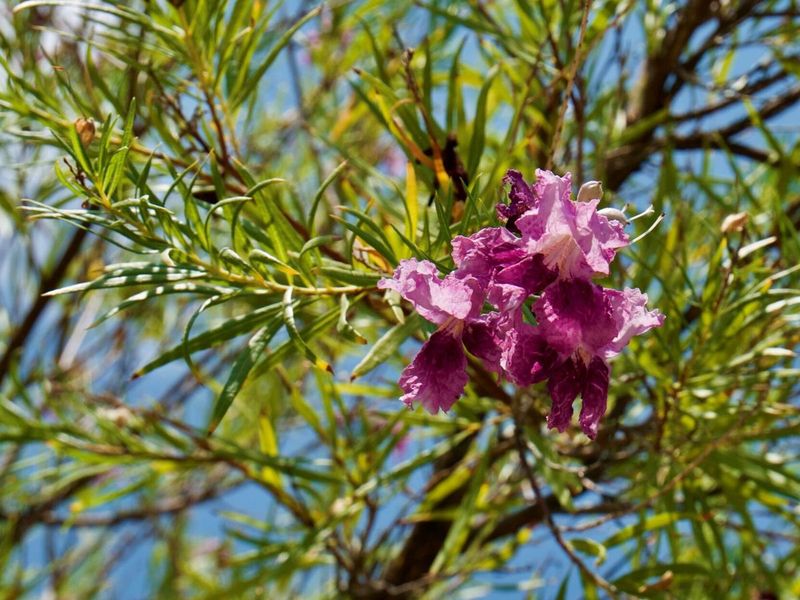
Picture a tree that looks like it belongs in a tropical garden but thrives in the driest corners of Texas. That is the Desert Willow in a nutshell.
Native to West and Central Texas, this striking tree produces clusters of orchid-like flowers in shades of pink, lavender, and white throughout the summer. It is one of the most unexpectedly beautiful native trees you can add to a Texas landscape.
Despite its delicate appearance, the Desert Willow is built for tough conditions. It loves full sun and well-draining soil, and it handles heat and drought with impressive ease.
In fact, it actually performs better in dry conditions than in overly wet soil. For gardeners in West Texas or anyone working on a xeriscape garden, this tree is a top-tier choice that delivers color without demanding a lot of water.
Desert Willows typically grow between 15 and 25 feet tall, with a loose, airy canopy that casts light shade. The long, narrow leaves give the tree an elegant, fine-textured look.
Hummingbirds are absolutely drawn to the tubular flowers, making this a fantastic wildlife-friendly addition to any Texas yard.
Planting in March sets the Desert Willow up for a strong first summer. Choose a spot with plenty of sun and good drainage, and avoid areas where water tends to pool after rain.
Water regularly during the first season, then gradually reduce watering as the tree establishes. Once settled in, it is one of the lowest-maintenance flowering trees you will find growing anywhere in Texas.
4. Texas Persimmon (Diospyros Texana)
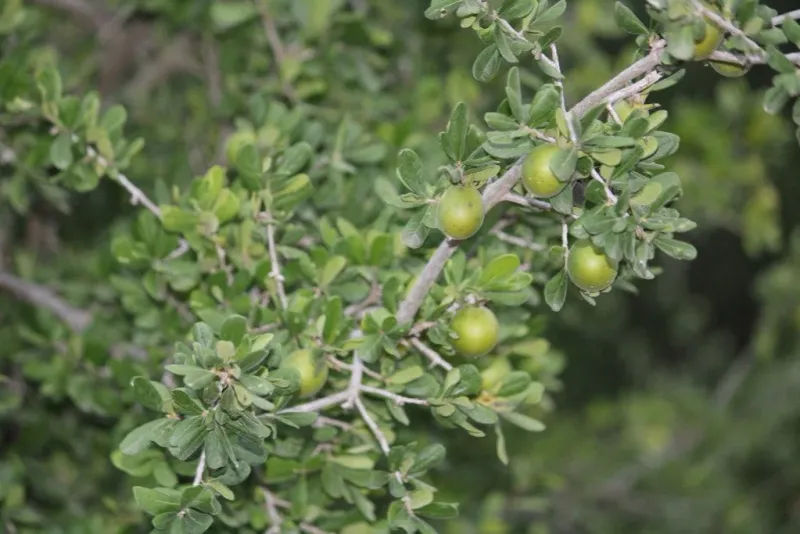
Not every great tree earns its spot in the yard through flashy flowers. The Texas Persimmon wins people over with its stunning smooth, silver-gray bark that peels away in thin layers, revealing a beautiful mottled surface underneath.
It is the kind of tree that looks like living sculpture, and it earns admiring comments from visitors year-round, not just in spring.
Native to South and Central Texas, this small to medium-sized tree typically grows between 10 and 15 feet tall. It is perfectly suited to the rocky, thin soils and intense heat found across much of its native range.
Drought tolerance is one of its strongest qualities, making it an excellent choice for Texas gardeners who want to conserve water while still maintaining an attractive yard.
Beyond its looks, the Texas Persimmon provides real ecological value. The small, dark purple fruits that ripen in late summer are eagerly eaten by birds, foxes, raccoons, and other wildlife.
The dense branching structure also provides great nesting habitat for songbirds. For anyone interested in supporting local wildlife in South Texas or Central Texas, planting this tree is a meaningful step.
Did you know the fruit was historically used by Native American tribes to make a dark dye? That long history of usefulness makes the Texas Persimmon even more interesting.
Plant it in March in a sunny, well-drained spot and give it occasional deep watering during its first year. After that, it largely takes care of itself, standing tough through Texas summers without complaint.
5. Mexican Plum (Prunus Mexicana)
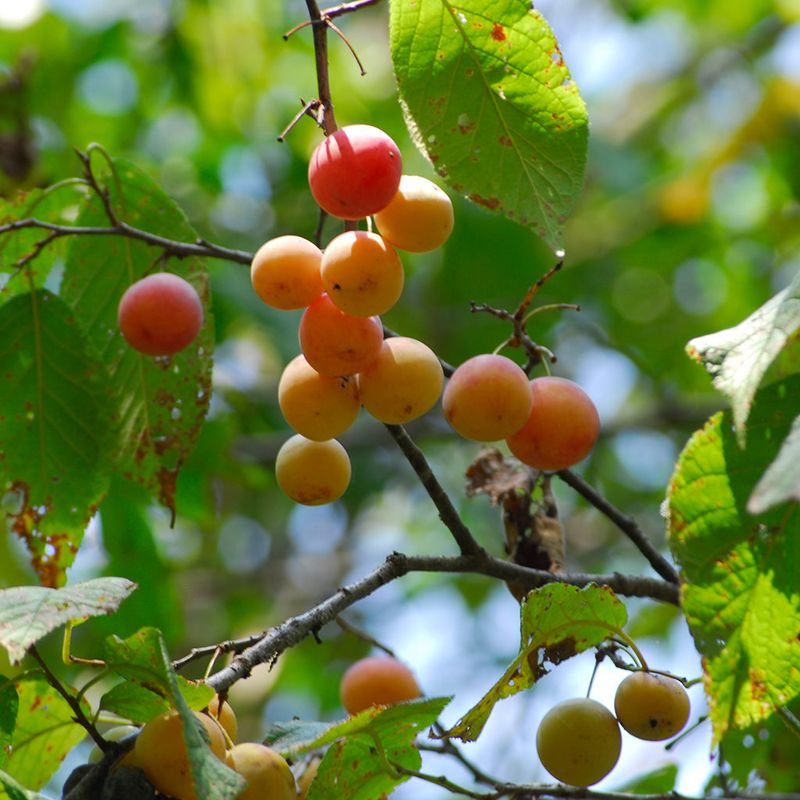
Walk past a Mexican Plum in early March and you will stop in your tracks. Before the leaves even appear, this small native tree erupts in a cloud of fragrant white blossoms that fill the air with a sweet, honey-like scent.
It is one of the earliest-blooming native trees in Texas, and that early show of flowers makes it an instant standout in any yard or garden space.
Mexican Plum is native to Central and East Texas, where it naturally grows along woodland edges, creek banks, and open areas. It typically reaches 15 to 25 feet tall and develops a naturally attractive, rounded shape that requires very little pruning to look good.
The bark has an interesting reddish-brown, peeling texture that adds visual interest even during the winter months when the tree is bare.
Come late summer, the tree produces small plums that ripen to a deep reddish-purple. The fruit is edible and can be used to make jelly, though the real fans are the birds and other wildlife that flock to the tree when the fruit is ripe.
It is a wonderful tree for gardeners who want to attract nature into their Texas yard.
March is the perfect month to get a Mexican Plum in the ground because it can settle in while the weather is still mild. Plant it in a sunny to partially shaded spot with good drainage.
Water it regularly through its first summer, and you will be rewarded with a long-lived, low-maintenance ornamental tree that blooms beautifully every single spring in Texas.
6. Anacua (Ehretia Anacua)
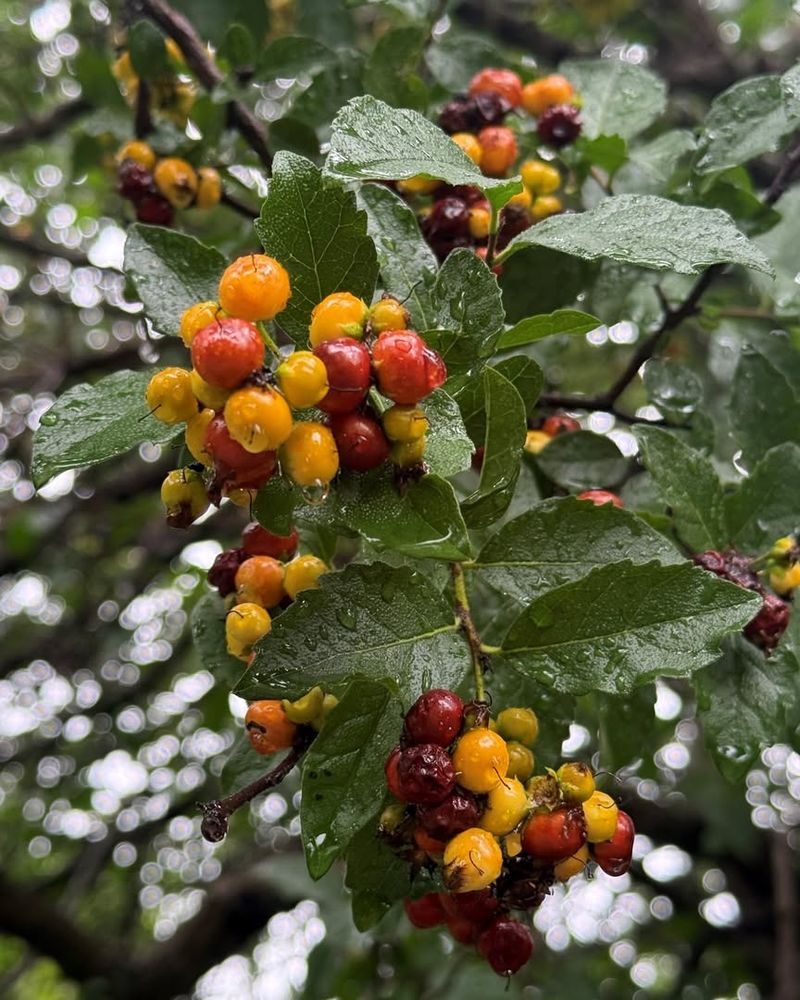
Tucked into the brushlands and river valleys of South Texas, the Anacua is a tree that many gardeners outside the region have never heard of, but those who know it love it deeply.
Sometimes called the Sugarberry or Knockaway, this native tree produces masses of tiny white flowers that attract an impressive variety of bees, butterflies, and other pollinators. If supporting local wildlife is important to you, Anacua delivers in a big way.
One of the most appealing qualities of Anacua is its foliage. The leaves are dark green, slightly rough in texture, and evergreen or semi-evergreen in warmer parts of South Texas.
That means you get year-round greenery and structure in your yard, which is especially valuable during the winter months when many other trees are bare and the landscape can look a little tired.
Anacua grows at a moderate pace and can reach 30 to 40 feet tall at maturity, though many trees stay smaller in garden settings. It tolerates heat and drought well once established, and it adapts to a range of soil types common across South Texas.
The small orange-yellow berries that follow the flowers are a favorite food source for birds, particularly mockingbirds and robins.
Planting Anacua in March takes advantage of the mild temperatures and spring moisture to help roots establish before summer heat arrives in South Texas. Choose a full sun to partial shade location with reasonable drainage.
Water consistently during the first growing season, then ease back as the tree finds its footing. Once established, this native gem rewards you with beauty, wildlife activity, and dependable greenery for many years.
7. Lacey Oak (Quercus Laceyi)
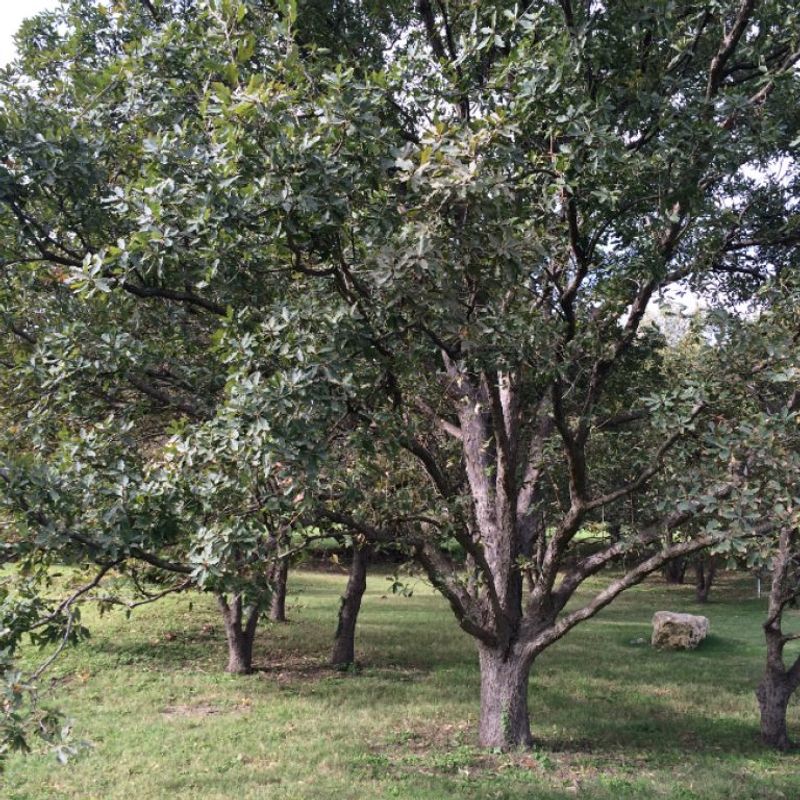
Oaks are the kings of the Texas landscape, and the Lacey Oak might just be the most underappreciated member of that royal family.
Native to the Texas Hill Country, this medium-sized oak is best known for its gorgeous blue-green leaves that give it a soft, silvery look unlike any other oak in the state.
In fall, those leaves turn shades of salmon, peach, and orange before dropping, offering a surprising burst of color in a region not always known for fall foliage.
What makes Lacey Oak especially valuable for Texas gardeners is its drought tolerance. Many oaks need reliable water to thrive, but Lacey Oak is adapted to the rocky, shallow limestone soils of the Hill Country, where rainfall is unpredictable and summers are brutally hot.
It grows steadily to between 20 and 30 feet tall, forming a rounded, spreading canopy that provides excellent long-term shade.
Planting an oak is always a gift to future generations, and Lacey Oak is no exception. As it matures, it provides nesting sites for birds, food for squirrels and deer, and cooling shade for anyone lucky enough to sit beneath it on a hot Texas afternoon.
It is a tree that gets better and more valuable with every passing year.
March is an ideal planting month for Lacey Oak in the Hill Country and surrounding areas of Central Texas. The mild temperatures give roots time to spread before summer stress sets in.
Plant in full sun, in well-draining soil, and mulch generously around the base. Water deeply once or twice a week during the first season, then let this tough, beautiful native tree grow on its own terms.