Texas Gardeners Should Start These Seeds Indoors Right Now
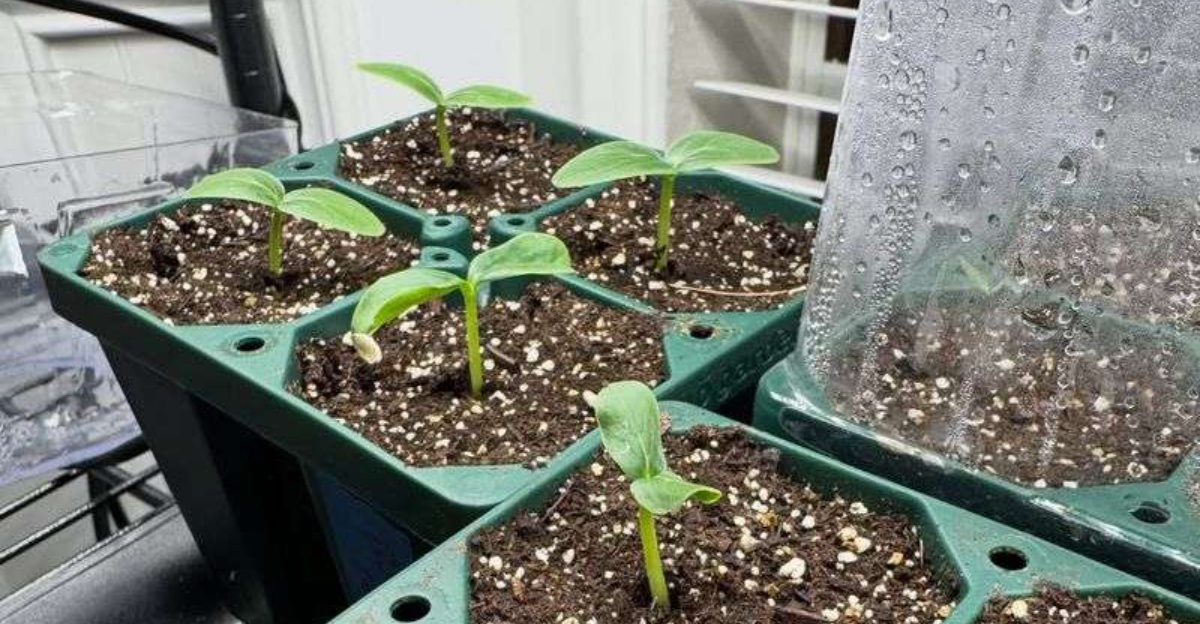
February is the perfect time for Texas gardeners to get a head start on spring, and it all begins indoors. While it may still be chilly outside, your home can become the ideal growing space for strong, healthy seedlings.
Starting seeds now gives plants extra time to develop sturdy roots before they move into the garden. It also means earlier harvests, bigger blooms, and less stress once warm weather arrives.
Many popular flowers and vegetables need that early boost to truly thrive in Texas’ fast-changing spring season. Whether you’re growing for beauty, fresh food, or both, planting seeds indoors right now sets you up for success.
With just a few supplies and a sunny window, you can turn February into the start of your most productive garden yet.
1. Tomatoes
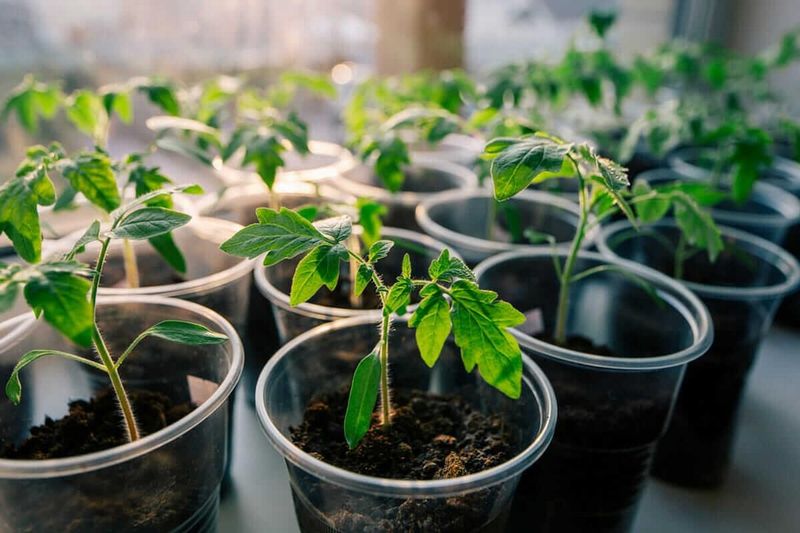
Nothing says Texas garden quite like homegrown tomatoes bursting with flavor that store-bought versions can never match. Starting tomato seeds indoors six to eight weeks before your last frost date gives these heat-lovers the jumpstart they need.
Texas gardeners can grow tomatoes nearly year-round in some regions, but timing your indoor start correctly makes all the difference between mediocre plants and prize-winning producers.
Tomato seeds germinate best in warm soil between 70 and 80 degrees Fahrenheit, which is easy to achieve indoors with a heat mat. Plant seeds about a quarter inch deep in seed-starting mix, keeping the soil consistently moist but never waterlogged.
Most varieties sprout within five to ten days, and once they emerge, they need plenty of light to prevent becoming leggy and weak.
Texas heat can stress tomato plants during summer, so choosing the right varieties matters tremendously. Heat-tolerant types like Celebrity, Phoenix, and Heatwave perform exceptionally well across the state.
Cherry tomatoes like Sungold and Sweet 100 handle high temperatures better than large beefsteak varieties in most Texas regions.
When your seedlings develop their first true leaves, transplant them into larger containers and bury the stem deeper than before. Tomatoes grow roots along their buried stems, creating stronger plants.
Keep them indoors under bright light until outdoor nighttime temperatures consistently stay above 50 degrees Fahrenheit.
Before moving tomato seedlings outside permanently, harden them off gradually over seven to ten days. Start with just an hour of outdoor exposure in a protected spot, increasing time daily.
This process prevents transplant shock and prepares your tomatoes for the intense Texas sun and variable spring weather conditions ahead.
2. Peppers
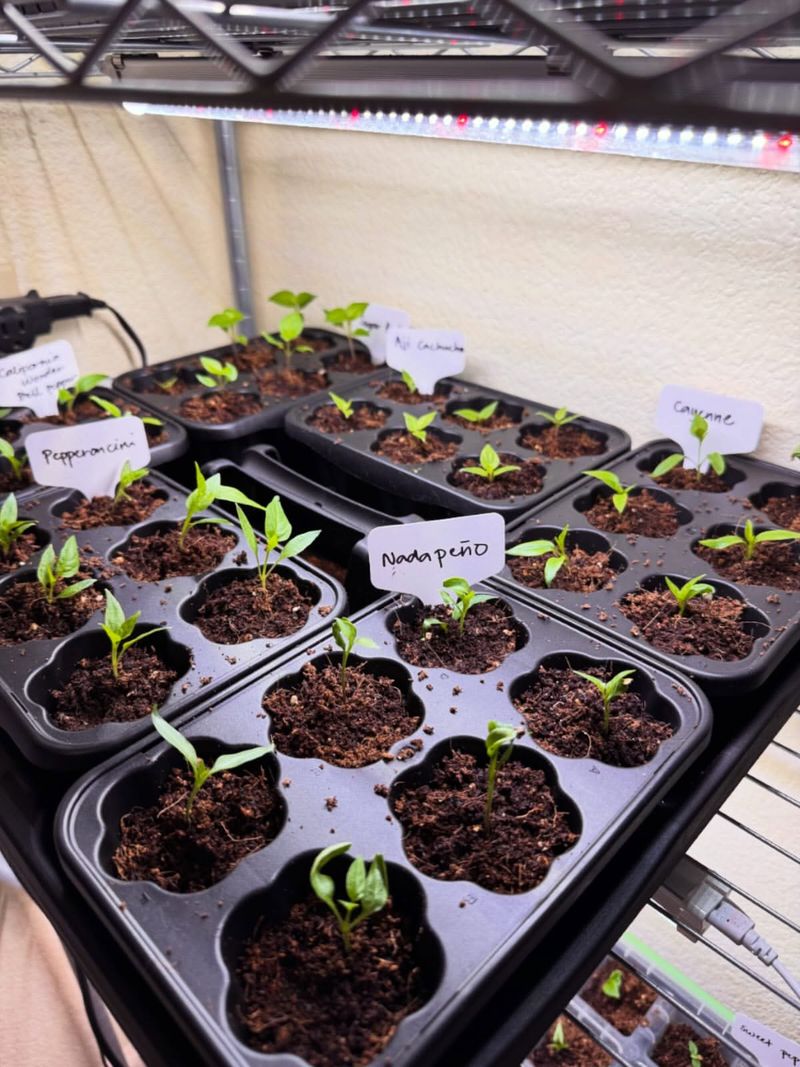
Peppers absolutely thrive in Texas heat once established, but they need an even longer indoor head start than tomatoes. Start pepper seeds eight to ten weeks before your last expected frost date because they germinate slowly and grow at a leisurely pace initially.
Both sweet bell peppers and spicy varieties like jalapeños, serranos, and habaneros grow exceptionally well throughout Texas, making them garden staples worth the early effort.
Getting pepper seeds to sprout requires patience and warmth. They prefer soil temperatures between 80 and 85 degrees Fahrenheit for germination, which usually takes ten to fourteen days or even longer for superhot varieties.
A seedling heat mat becomes almost essential for reliable germination rates with peppers.
Once sprouted, pepper seedlings grow slowly at first, which frustrates many beginning gardeners. Don’t worry about this apparent lack of progress because they’re busy developing strong root systems underground.
Provide them with bright light for at least fourteen hours daily using grow lights or a sunny south-facing window.
Texas gardeners should focus on heat-tolerant pepper varieties that won’t drop their blossoms when temperatures soar above 90 degrees. Big Bertha, California Wonder, and Jalapeño M produce reliably even during scorching summers.
For those who love heat, Habanero and Serrano peppers handle Texas conditions like champions.
Pepper plants dislike root disturbance, so many Texas gardeners start them in biodegradable pots that can be planted directly into the ground. This method reduces transplant shock significantly.
Feed your pepper seedlings with diluted liquid fertilizer every two weeks once they develop several sets of true leaves, and they’ll reward you with abundant harvests throughout the long Texas growing season.
3. Eggplant
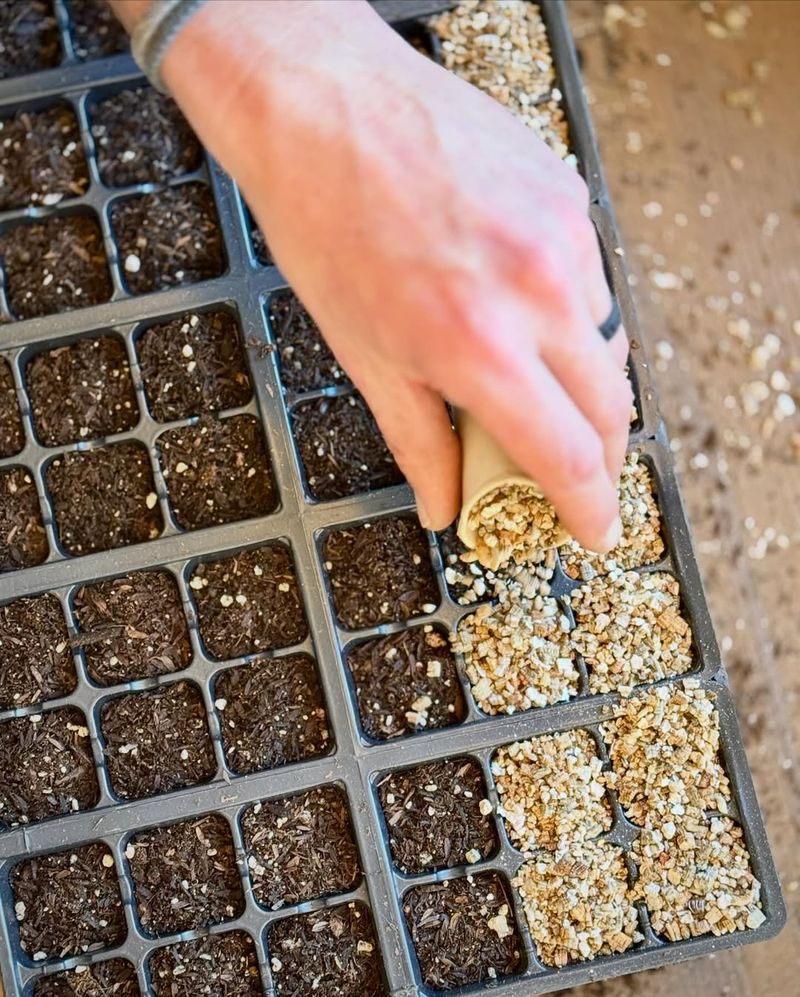
Eggplant remains underappreciated in many Texas gardens, yet it performs beautifully in our hot climate once given a proper indoor start.
These Mediterranean natives actually prefer heat even more than tomatoes and peppers, making them ideal for Texas summers that send other vegetables into decline.
Starting eggplant seeds indoors eight to ten weeks before the last frost gives them time to develop into sturdy transplants ready to produce abundantly.
Seeds need consistent warmth to germinate properly, preferring temperatures around 80 to 85 degrees Fahrenheit. Germination typically occurs within seven to fourteen days when conditions are right.
Plant seeds about a quarter inch deep in sterile seed-starting mix, and keep the soil evenly moist throughout the germination period.
Eggplant seedlings grow slowly initially, similar to peppers, so don’t expect rapid growth in the first few weeks. They require bright light immediately after sprouting to prevent stretching and weakness.
Position them under grow lights or in the sunniest window available, rotating containers regularly for even growth.
Texas gardeners should select varieties bred for heat tolerance and disease resistance. Black Beauty remains a reliable classic, while Ichiban and Orient Express produce long, slender fruits perfect for grilling.
For something different, try Rosa Bianca, an Italian heirloom with stunning lavender and white coloring that handles heat surprisingly well.
Flea beetles can devastate young eggplant transplants in Texas gardens, so plan protection strategies before planting outdoors. Row covers work wonderfully for the first few weeks after transplanting.
Eggplants also benefit from consistent moisture and mulching, which helps their shallow root systems cope with intense summer heat. With proper indoor starting and outdoor care, eggplants produce prolifically until the first frost arrives in fall.
4. Basil
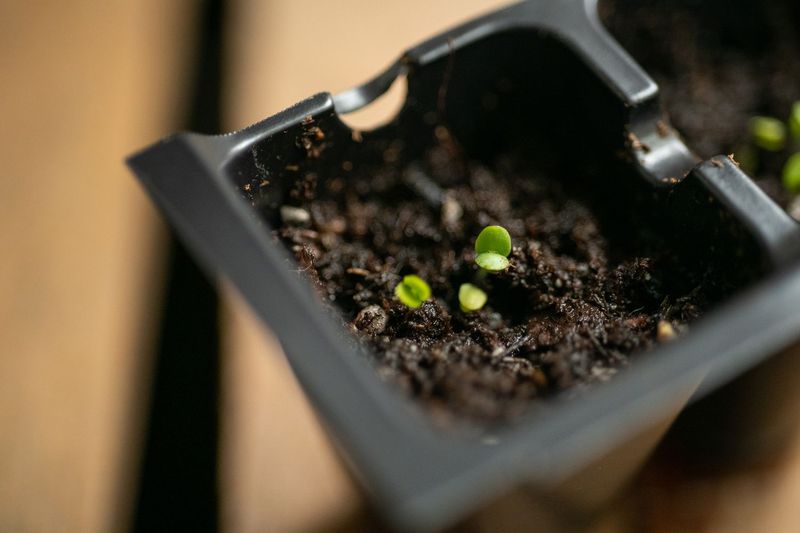
Fresh basil transforms ordinary meals into extraordinary culinary experiences, and Texas gardeners can grow this fragrant herb abundantly with an indoor head start.
While basil grows quickly from seed, starting it indoors four to six weeks before the last frost ensures you’ll have sizable plants ready to harvest by early summer.
Basil absolutely loves Texas heat and humidity, often outlasting other herbs that fade when temperatures climb.
Basil seeds germinate readily at room temperature, typically sprouting within five to ten days. Unlike many vegetables, basil doesn’t require special heat mats or complicated procedures.
Simply press seeds lightly into moist seed-starting mix without covering them completely, as they need some light to germinate properly.
Once sprouted, basil seedlings need plenty of light to develop compact, bushy growth rather than tall, spindly stems. A sunny windowsill works well, but supplemental grow lights produce superior results.
Keep the soil consistently moist because basil wilts dramatically when dry, though it recovers quickly after watering.
Texas gardeners can choose from numerous basil varieties beyond standard Genovese. Thai basil adds an anise-like flavor perfect for Asian dishes and handles heat exceptionally well.
Lemon basil brings citrusy notes to fish and chicken, while Purple Ruffles adds dramatic color to both gardens and plates.
Pinching basil seedlings early encourages branching and creates bushier plants that produce more leaves for harvesting. When seedlings reach about six inches tall, pinch off the top set of leaves just above a leaf node.
This simple technique doubles or triples your eventual harvest. In Texas, basil often grows as a perennial in southern regions, continuing to produce until hard freezes arrive, which may never happen in some years.
5. Cucumbers
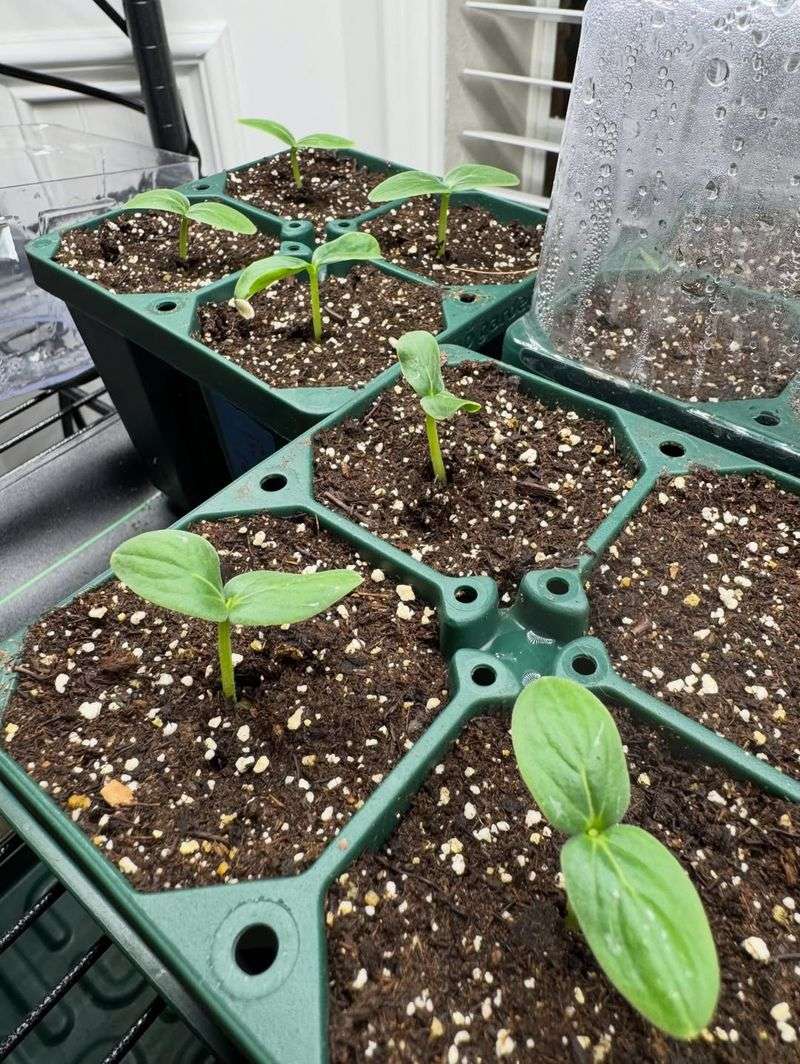
Cucumbers rank among the most productive vegetables for Texas gardens when started correctly indoors.
Beginning cucumber seeds three to four weeks before the last frost date gives them just enough time to develop without becoming root-bound in their containers.
These vigorous growers dislike transplanting, so starting them at the right time prevents setbacks and ensures rapid growth once moved outdoors into the Texas heat.
Cucumber seeds germinate quickly and reliably in warm soil, usually sprouting within three to seven days. They prefer temperatures between 70 and 85 degrees Fahrenheit for germination.
Plant seeds about half an inch deep in individual containers rather than flats, as cucumbers develop extensive root systems that tangle easily with neighboring plants.
These fast growers need consistent moisture and bright light from the moment they emerge. Cucumber seedlings can become leggy quickly in insufficient light, so position them under grow lights or in your brightest window.
They also appreciate slightly higher humidity than many other seedlings, making them well-suited to humid Texas springs.
For Texas gardens, choose disease-resistant varieties that handle heat and humidity without succumbing to powdery mildew and other common problems. Marketmore 76, Straight Eight, and Diva produce reliably in Texas conditions.
If you’re short on space, bush varieties like Spacemaster grow compactly without sprawling vines.
Cucumber plants grow so vigorously in Texas heat that they often overwhelm gardeners with production. Succession planting every two to three weeks extends your harvest season rather than getting buried under cucumbers all at once.
Start new seeds indoors throughout spring for continuous crops. Remember that cucumbers need consistent watering in Texas heat, so plan your irrigation strategy before transplanting these thirsty plants outdoors.
6. Squash And Zucchini
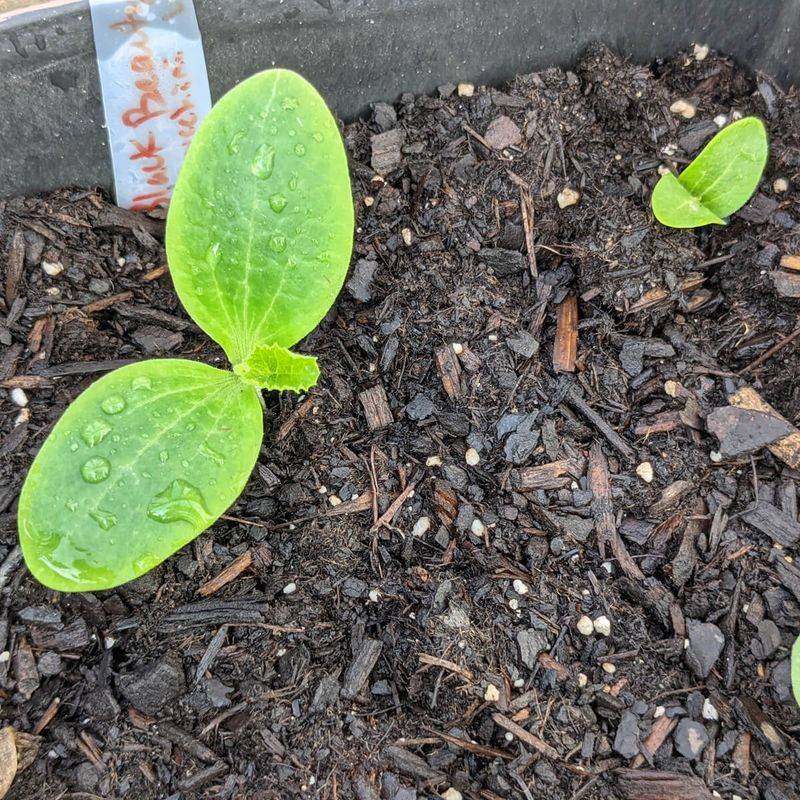
Summer squash and zucchini produce abundantly in Texas gardens, often overwhelming gardeners with their generosity.
Starting these seeds indoors two to three weeks before the last frost gives plants a slight advantage without risking root damage from staying in containers too long.
Like cucumbers, squash plants dislike root disturbance, so timing your indoor start correctly matters tremendously for transplant success.
Squash seeds are large and easy to handle, making them perfect for beginning gardeners or children learning about growing food. They germinate quickly in warm soil, usually sprouting within five to seven days.
Plant seeds about an inch deep in individual biodegradable pots that can be transplanted directly into the garden without disturbing roots.
Once emerged, squash seedlings grow rapidly and develop large leaves that need plenty of space and light. These vigorous growers can become crowded quickly if started too early or planted too close together.
Provide them with the brightest light available and good air circulation to prevent damping off disease.
Texas gardeners should select varieties bred for heat tolerance and disease resistance, particularly resistance to squash vine borers and powdery mildew. Costata Romanesco zucchini and Yellow Crookneck squash perform exceptionally well in Texas heat.
For something different, try Pattypan squash, which produces unusual flying-saucer-shaped fruits that kids love.
Squash plants produce both male and female flowers, and proper pollination requires insects or hand-pollination in some cases. In Texas, abundant pollinators usually handle this task naturally.
However, early in the season when pollinator populations remain low, you might need to hand-pollinate by transferring pollen from male flowers to female flowers using a small paintbrush.
This ensures good fruit set and maximizes your harvest from these productive plants.
7. Melons
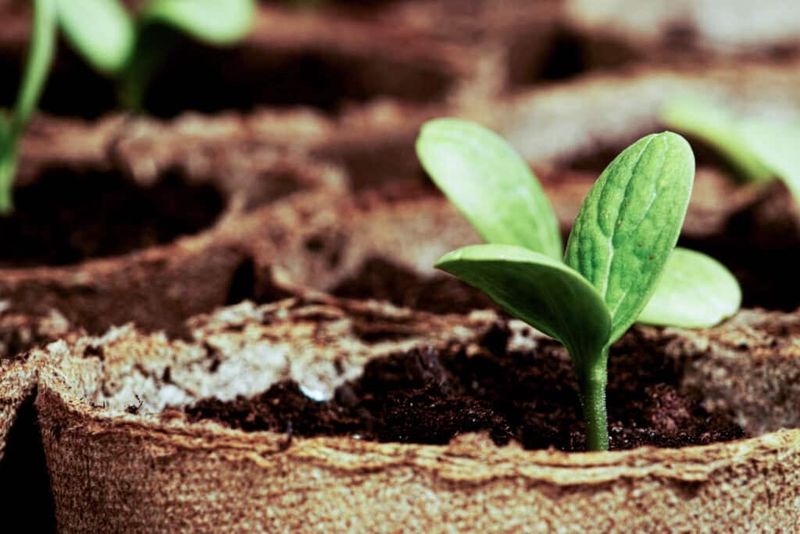
Nothing captures the essence of Texas summer quite like biting into a sweet, juicy melon grown in your own garden. Watermelons, cantaloupes, and honeydew melons all thrive in Texas heat, but they benefit tremendously from an indoor head start.
Begin melon seeds three to four weeks before your last expected frost date to give them time to develop strong seedlings without becoming pot-bound before outdoor planting weather arrives.
Melon seeds germinate best in warm soil between 75 and 85 degrees Fahrenheit, typically sprouting within five to ten days.
Plant seeds about half an inch deep in individual containers at least three inches across, as melons develop substantial root systems quickly. Use biodegradable pots to minimize transplant shock when moving seedlings outdoors.
Young melon plants need plenty of light and warmth to thrive indoors. Position them in your sunniest location or under grow lights for at least twelve hours daily.
They also prefer slightly drier conditions than many seedlings, so allow the soil surface to dry between waterings to prevent damping off disease.
Texas gardeners should choose melon varieties suited to our long, hot growing season. Crimson Sweet and Sugar Baby watermelons produce reliably across the state, while Hale’s Best cantaloupe handles heat beautifully.
For something unique, try Yellow Doll watermelon, which produces sweet yellow flesh that surprises guests.
Melons require substantial space in Texas gardens, with vines spreading ten feet or more in all directions. Plan your garden layout carefully before transplanting to ensure adequate room for growth.
These heavy feeders also benefit from rich soil amended with compost and consistent watering throughout the growing season.
With proper indoor starting and outdoor care, melons reward Texas gardeners with sweet, refreshing fruits perfect for beating the summer heat.