Texas Gardens Glow With These 10 Full Sun Flower Bed Ideas
Texas sun does not play around. It beats down for months, tests your soil, and exposes every weak plant choice.
Yet drive through neighborhoods from the Hill Country to the Gulf Coast and you will see yards bursting with color, texture, and bold personality.
The secret is not luck. It is smart design built for full sun from the ground up.
Heat, drought, and sudden weather swings shape every successful Texas flower bed. Plants must handle intense light, dry stretches, and warm nights without losing their spark.
The right mix can attract pollinators, cut down on maintenance, and deliver vibrant blooms that refuse to fade when summer peaks. Full sun does not have to mean flat or faded.
With thoughtful plant pairings and a bit of strategy, a Texas garden can glow through the hottest months and keep its color deep into fall.
1. Native Wildflower Bed For Seasonal Color
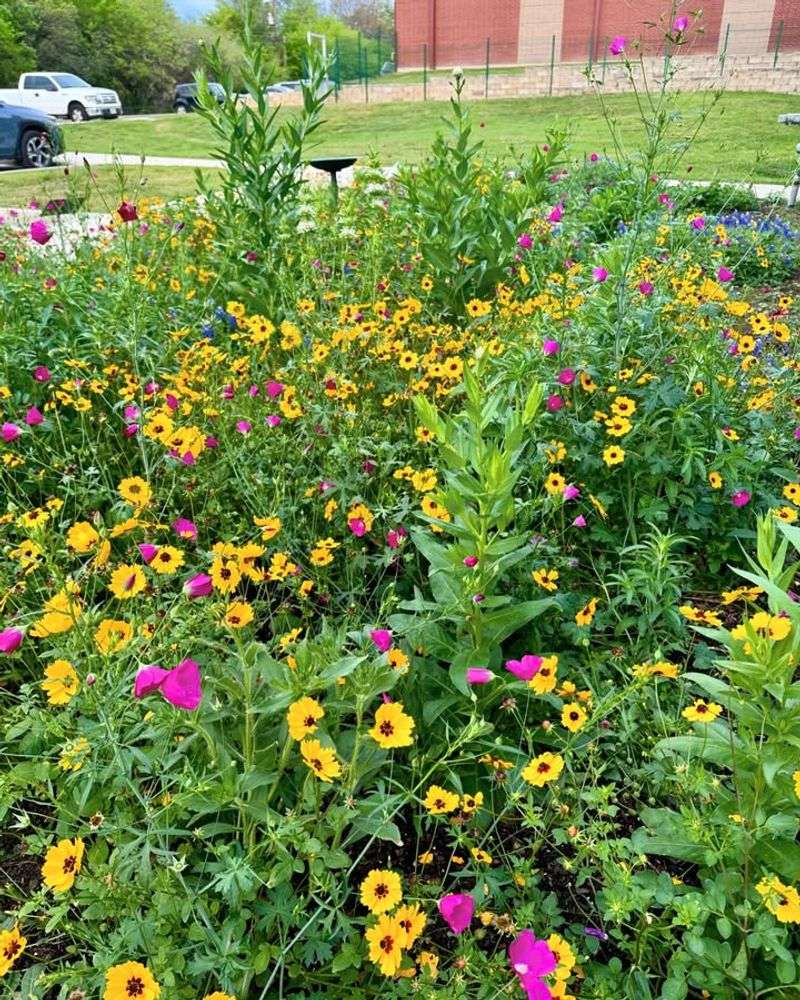
Few sights in Texas gardening match the joy of a native wildflower bed bursting into bloom after a good spring rain. Bluebonnets, Indian paintbrush, winecups, and black-eyed Susans are among the most recognized Texas natives, and for good reason.
These plants evolved alongside the state’s climate and soils, making them naturally equipped to handle heat, drought, and poor fertility. Native wildflowers are an excellent choice for low-maintenance full sun beds.
They typically need little to no supplemental irrigation once established, making them perfect for water-wise gardens.
Planting wildflowers is simple: scatter seeds in the fall for vibrant spring blooms, or transplant plugs in early spring for quicker results. Avoid over-amending the soil since many natives actually thrive in lean, well-drained conditions.
In North Texas clay soils, raised planting mounds improve drainage and prevent root rot during heavy rain events. Along the Gulf Coast, choose natives like Gulf Coast penstemon or tropical sage, which thrive in both humidity and heat.
The Hill Country’s rocky limestone terrain suits plants like Engelmann daisy and mealy blue sage beautifully. Maximilian sunflower, a fall-blooming native, can help extend visual interest well beyond spring.
2. Drought-Tolerant Perennial Bed
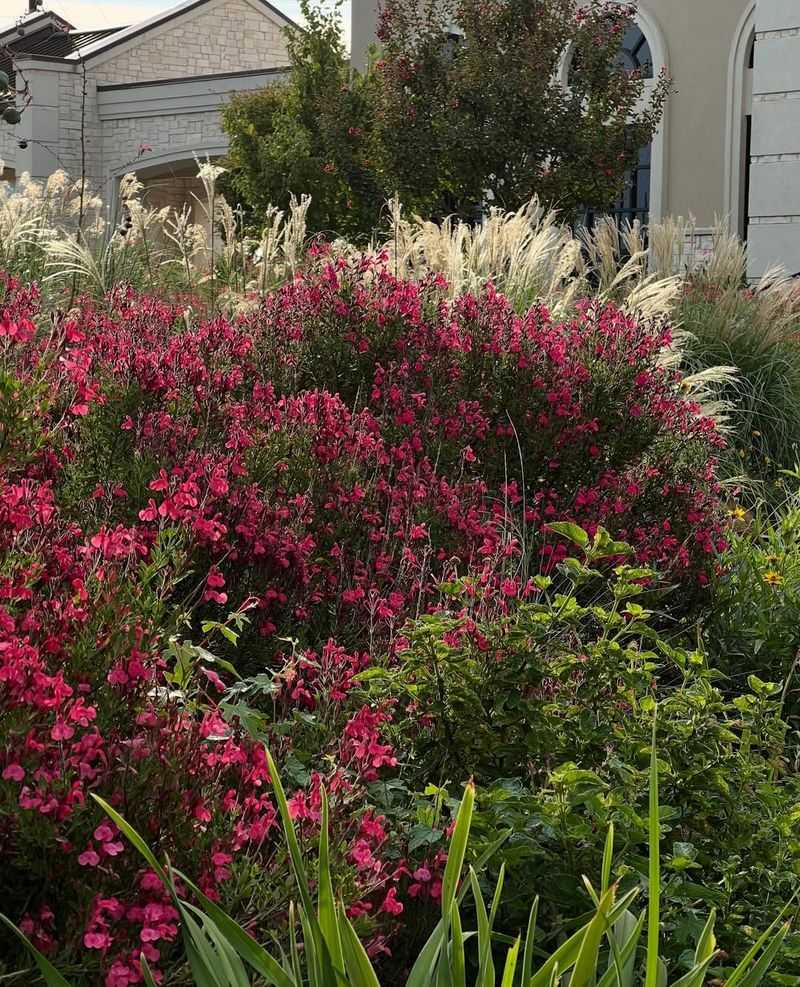
Summers in West Texas and Central Texas can go weeks without meaningful rainfall, and even established gardens can show stress when temperatures push past 100°F. A drought-tolerant perennial bed is one of the smartest long-term investments a Texas gardener can make.
Once established, drought-tolerant plants need only occasional deep watering instead of constant irrigation. Lantana is a Texas garden staple.
It blooms relentlessly through summer heat, attracts pollinators, and comes back year after year in most parts of the state.
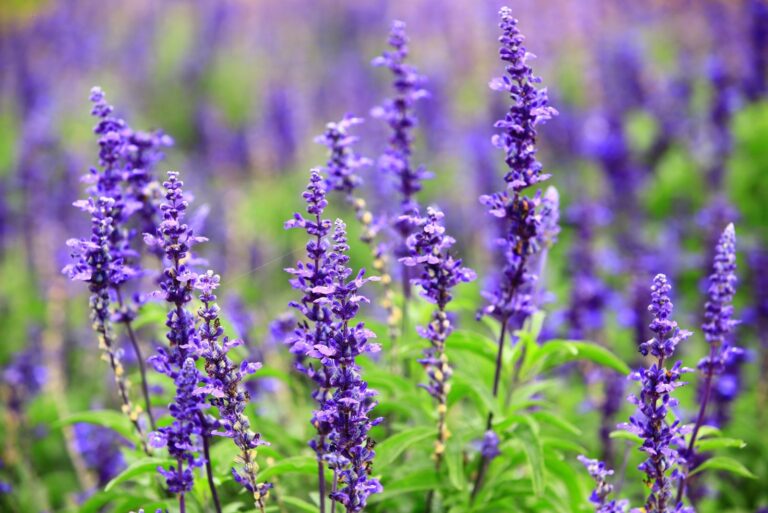
Salvia greggii, also called autumn sage, offers red, pink, or coral blooms from spring through fall and handles dry spells with ease. Blackfoot daisy and desert marigold add cheerful yellow tones while staying compact and tidy.
When building a drought-tolerant bed, amend heavy clay soils with expanded shale to improve drainage without adding excessive organic matter that can trap moisture. In sandy Gulf Coast soils, a layer of decomposed granite mulch can help moderate soil temperature.
Group plants with similar water needs together to make irrigation more efficient. Deep, infrequent watering encourages roots to grow downward, building resilience for the next dry stretch.
3. Pollinator-Friendly Flower Bed
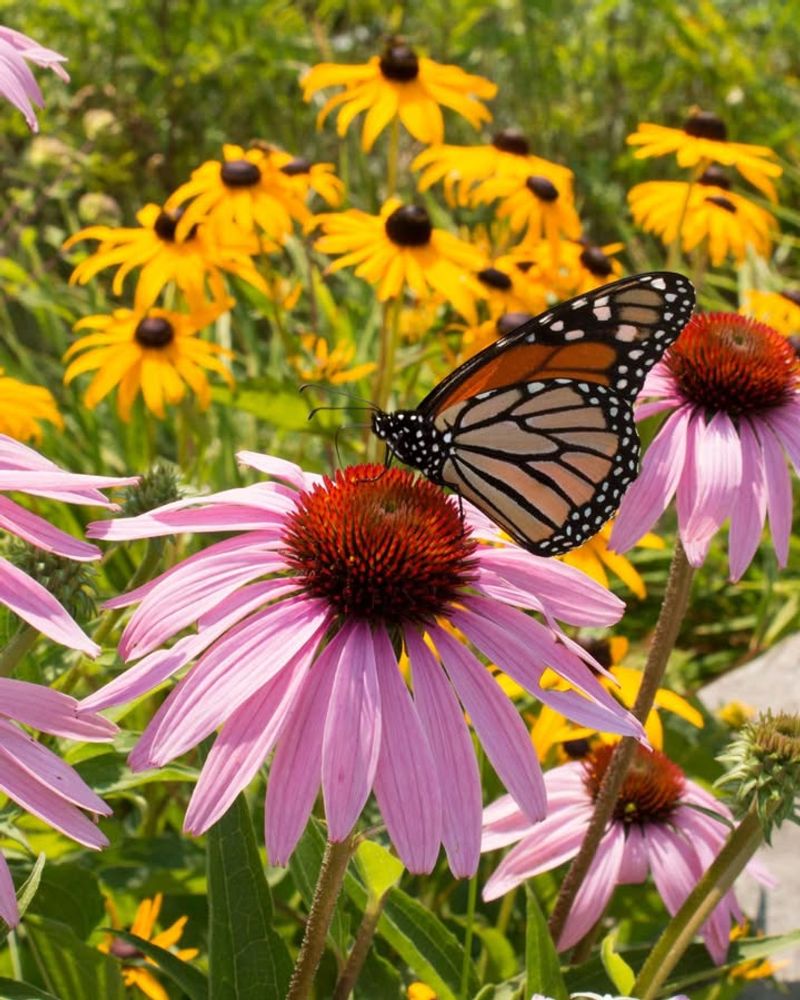
Monarch butterflies passing through Texas each fall, native bees buzzing around salvias in midsummer, and hummingbirds hovering at red tubular blooms are all signs of a garden that is doing something right.
Designing a pollinator-friendly flower bed in full sun is one of the most ecologically meaningful things a Texas gardener can do.
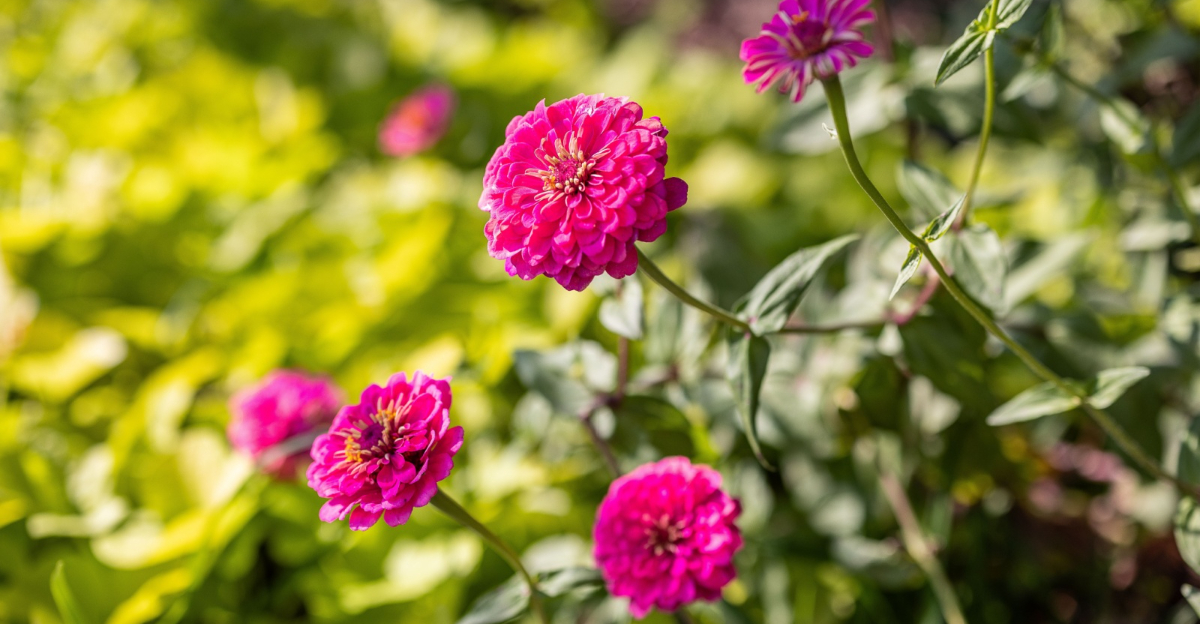
Purple coneflower is a reliable choice that blooms in early summer and provides seeds for birds later in the season. Zinnias, fast-growing annuals, attract painted lady butterflies and are easy enough for beginner gardeners to grow from seed.
Milkweed varieties native to Texas, such as antelope horns and green milkweed, support monarch reproduction and are more regionally appropriate than tropical milkweed, which can disrupt migration patterns if left standing year-round.
Plant in clusters rather than single specimens so pollinators can move efficiently between blooms. Mix bloom times to ensure the bed offers nectar from early spring through late fall.
Avoid pesticide use in and around the bed, as even targeted sprays can reduce beneficial insect populations. A shallow water dish placed near the bed can support bees during dry stretches.
This type of bed works beautifully in Central Texas limestone gardens and North Texas suburban yards alike
4. Full Sun Texas Cottage Garden Bed
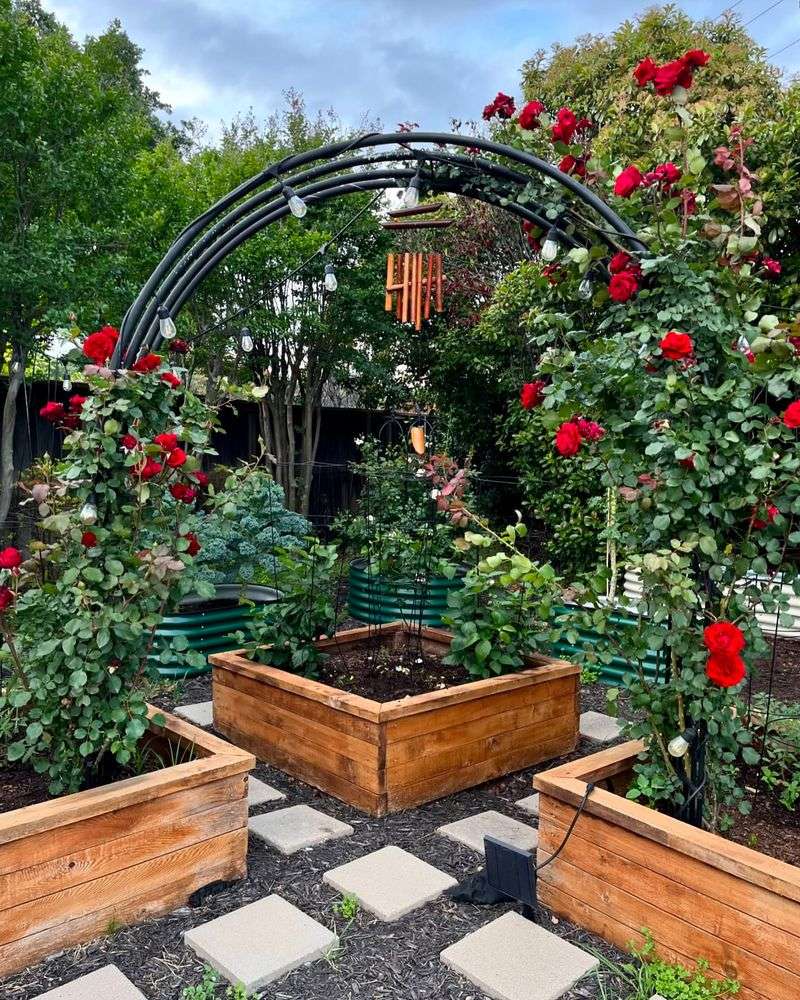
Cottage gardens have a romantic, relaxed look that feels both intentional and wonderfully unstructured.
In Texas, pulling off that aesthetic in full sun requires choosing plants that can handle the heat while still delivering the layered, lush appearance that defines the cottage style.
The good news is that plenty of heat-tough plants can deliver exactly that look.
Old garden roses, particularly varieties bred for Texas conditions like the Knock Out series, anchor a cottage bed with height and fragrance. Gaura, with its airy wands of white or pink flowers, adds a soft, flowing texture that moves beautifully in a breeze.
Coreopsis brings golden yellow color from late spring onward, and Mexican petunia provides purple vertical interest along borders or fences.
Spacing is important in a cottage-style bed because the goal is controlled abundance, not overcrowding that restricts airflow and increases disease pressure. In North Texas, where spring storms can be intense, stake taller plants early in the season.
Gulf Coast gardeners should look for rose varieties with good humidity tolerance to reduce fungal issues.
Interplanting with herbs like rosemary or Mexican oregano adds fragrance and texture while reinforcing the informal cottage feel without requiring extra water resources.
5. Xeriscape Flower Bed With Color And Texture
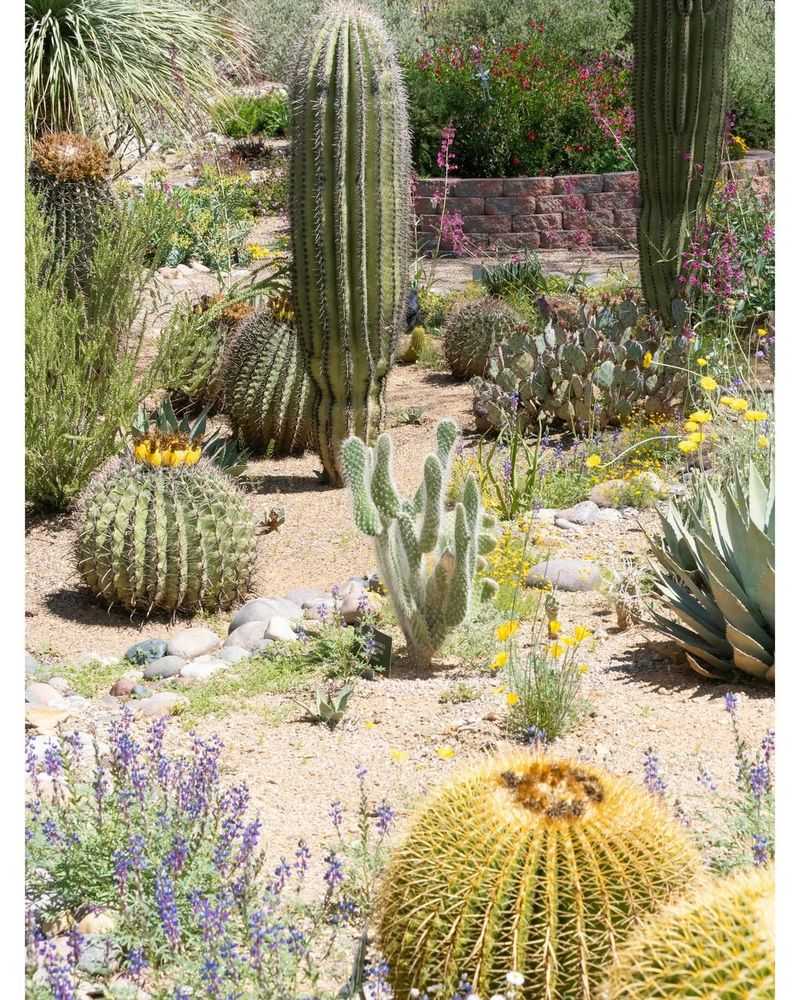
Xeriscape gets a bad reputation for being all gravel and cactus with no personality, but a well-designed xeriscape flower bed in Texas can be just as visually striking as any traditional garden.
The goal is to combine plants with interesting textures, varied heights, and season-long color while keeping water use genuinely low.
Red yucca is a standout choice, sending up tall coral-red flower stalks that hummingbirds love. Agave species add bold architectural form and require almost no care once established.
Prickly pear cactus offers yellow blooms in late spring followed by deep red or purple fruits that add color into fall. Lantana and trailing rosemary fill the lower layers with soft texture and continuous bloom.
Decomposed granite mulch works well in xeriscape beds because it suppresses weeds, reflects heat away from root zones, and gives the bed a clean, finished look without the moisture retention issues of organic mulch.
In the Hill Country, this style fits naturally with the existing landscape.
West Texas gardeners can lean into native succulents and desert-adapted shrubs.
Even in wetter East Texas, a xeriscape bed in a south-facing, well-drained spot can reduce irrigation needs significantly while still delivering a colorful, textured display through most of the year.
6. Layered Height Flower Bed Design
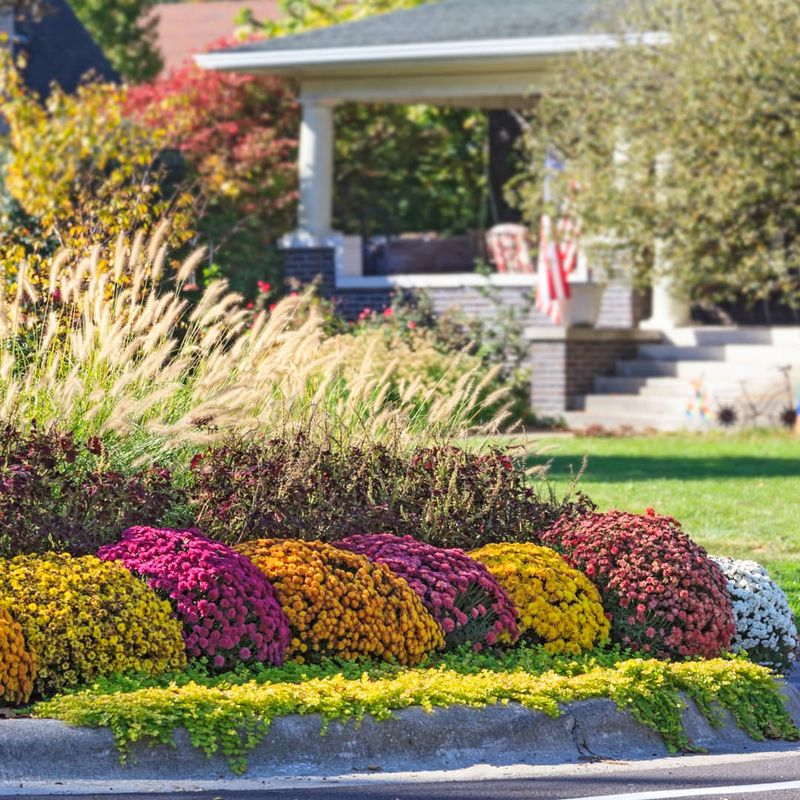
One of the most common mistakes in flower bed design is planting everything at the same height, which results in a flat, visually uninteresting border.
Layering plants by height creates depth, draws the eye through the garden, and makes even a modest-sized bed feel full and dynamic.
In Texas full sun beds, this approach also has a practical benefit since taller plants can provide light afternoon shade to lower-growing neighbors.
Think of the bed in three zones: tall background plants, mid-height fillers, and low front edgers. Mexican bush sage makes an excellent back-of-border plant, growing three to four feet tall and blooming with velvety purple spikes in fall.
Mid-layer options include purple coneflower, salvia farinacea, and tall zinnias. At the front, low-growing moss verbena, trailing lantana, or dwarf marigolds create a clean, colorful edge.
When planning the layout, place the tallest plants at the north end of the bed so they do not cast shadows over shorter neighbors during the growing season.
In clay-heavy North Texas soils, build a gentle slope from back to front to encourage drainage away from root zones.
This type of structured layering also makes the bed easier to maintain because you can access each zone without stepping on surrounding plants or disturbing root systems.
7. Continuous Bloom Flower Bed
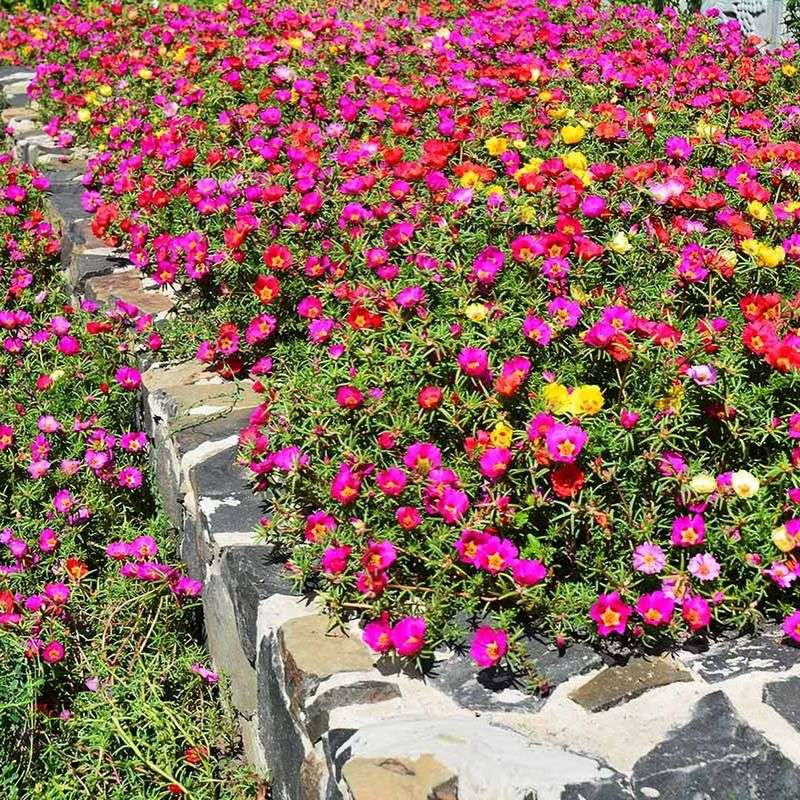
A flower bed that looks spectacular in April but fades to bare stems by July is a missed opportunity, especially in Texas where the growing season stretches from early spring well into November.
Designing for continuous bloom means thinking about which plants carry the show at each stage of the year and making sure there are no long gaps between flushes of color.
Spring can open with larkspur, poppies, and bluebonnets seeded in fall. As temperatures climb in late spring, zinnias, portulaca, and gaillardia take over and hold strong through summer heat.
Fall is where many Texas gardeners find their second wind, with Maximilian sunflower, Mexican bush sage, and fall aster delivering color right up until the first frost.
Planning a continuous bloom bed requires some record-keeping. Note when each plant peaks and begins to fade, then identify gaps and fill them with compatible species.
Deadheading spent flowers on annuals like zinnias and marigolds encourages new buds and extends the bloom period by several weeks.
In South Texas and the Gulf Coast, the growing window is even longer, allowing tropical perennials like Mexican heather and firebush to contribute color from spring through late fall without much intervention.
8. Bold Color-Themed Flower Bed
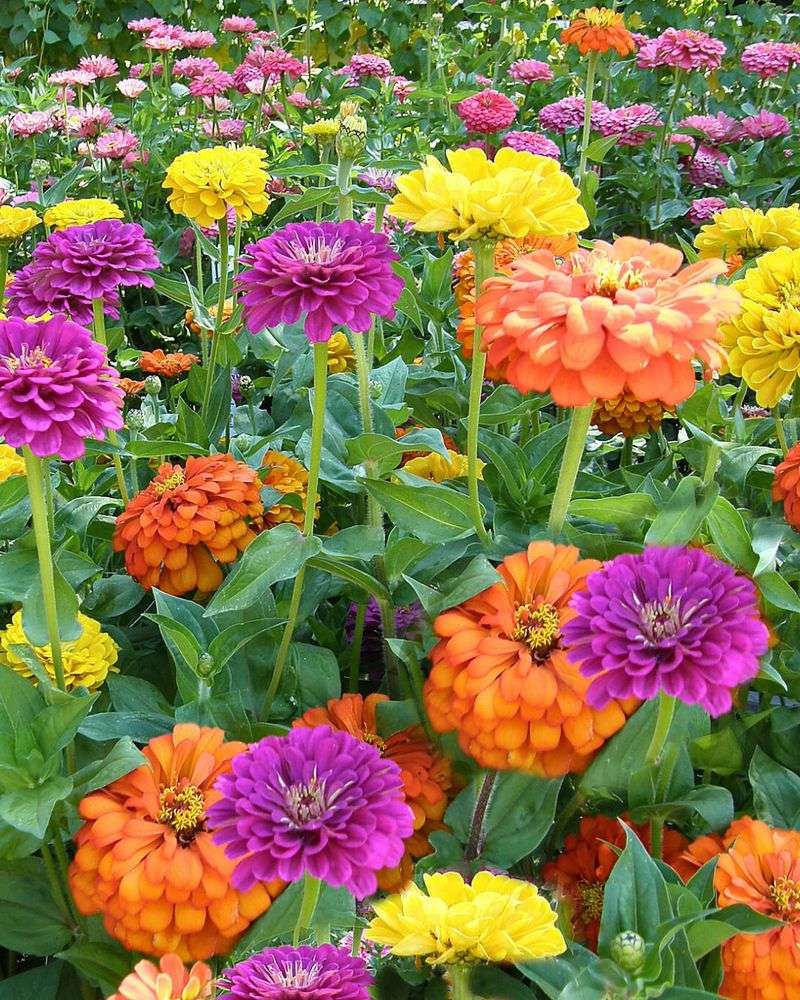
Color theming a flower bed sounds like something reserved for botanical gardens and professional landscapers, but it is actually one of the easiest ways to make a home garden look intentional and polished.
Picking two or three colors and committing to them throughout the bed creates a visual impact that a random mix of plants rarely achieves.
A fiery red and orange palette suits Texas summers particularly well. Red salvia, orange zinnias, copper canyon daisy, and tropical sage together create a bed that practically glows in afternoon sunlight.
For a cooler, more serene look, try a purple and white theme using mealy blue sage, white gaura, and purple coneflower.
Yellow-themed beds featuring coreopsis, black-eyed Susan, and Mexican marigold have a sunny, cheerful energy that works in almost any Texas landscape style.
Foliage color matters as much as flower color in a themed bed. Silver-leafed plants like artemisia or dusty miller help cool down a hot palette and provide visual breathing room between bold blooms.
Bronze or burgundy-leafed varieties of sweet potato vine or alternanthera add depth and contrast without introducing competing flower colors.
Keep the color theme consistent from front to back of the bed so the design reads clearly even from a distance across the yard.
9. Heat-Loving Annual Flower Bed
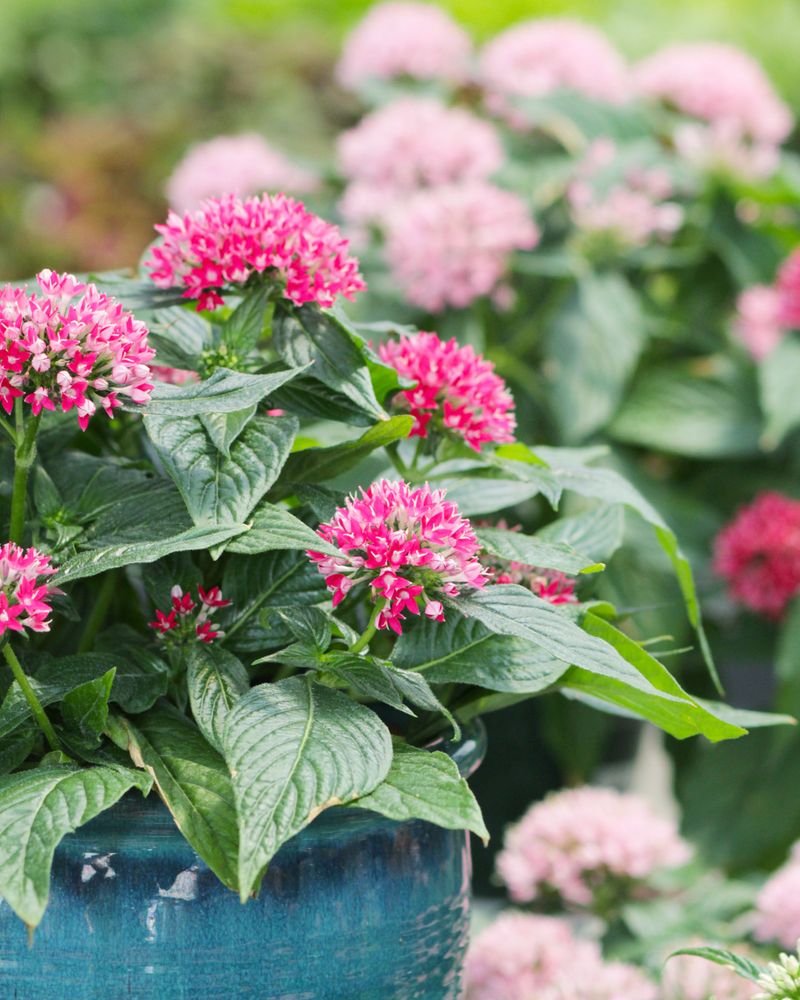
Some annuals wave the white flag when Texas heat peaks in July and August, but a well-chosen selection of heat-lovers can keep a bed looking fresh and full even through the most brutal stretches of summer.
Knowing which annuals genuinely thrive in high heat, rather than just surviving it, makes all the difference.
Portulaca, sometimes called moss rose, is almost embarrassingly tough. It loves hot, dry conditions and produces jewel-toned blooms in shades of pink, orange, yellow, and white.
Vinca, also known as periwinkle, is another summer workhorse that handles heat and humidity well, making it a great fit for Gulf Coast gardens. Celosia adds feathery or crested blooms in bold reds and oranges that hold their color even in intense sun.
Pentas is a go-to for hot-weather color and doubles as a pollinator magnet.
Annual beds benefit from regular fertilization since frequent watering in summer leaches nutrients from the soil faster than perennial beds.
A slow-release granular fertilizer applied at planting, followed by a liquid feed every three to four weeks, can keep annuals blooming vigorously.
Mulch is essential in annual beds to moderate soil temperature and reduce moisture loss between waterings. Aim for a two to three inch layer of shredded hardwood or cedar mulch around plant bases.
10. Raised Full Sun Flower Bed For Tough Soil Areas
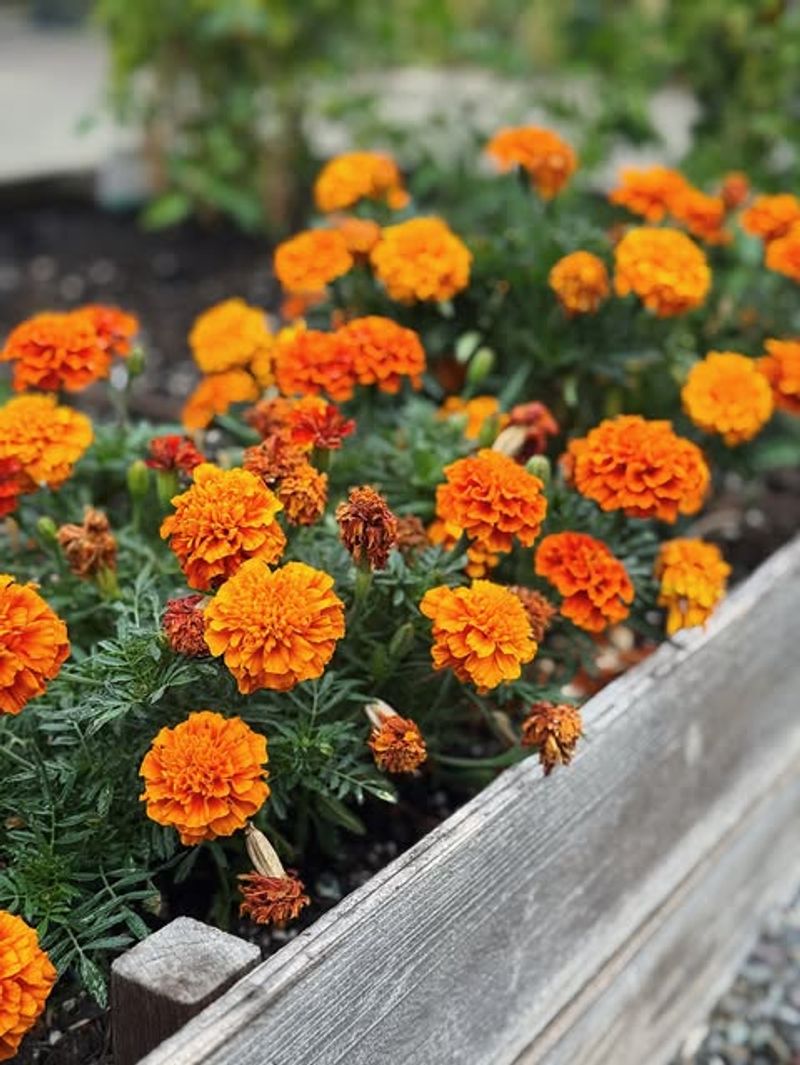
Tough soil is one of the most common complaints from Texas gardeners, and it is completely understandable. North Texas clay can become rock-hard during dry spells and waterlogged after heavy rain.
Hill Country limestone sits just inches below the surface in many yards. Sandy Gulf Coast soils drain so fast that nutrients and moisture vanish before roots can use them.
Raised beds sidestep all of these problems by giving you full control over the growing environment.
Building a raised bed for full sun flowers does not need to be complicated or expensive. Untreated cedar or pine lumber, limestone blocks, or even galvanized metal troughs all work well.
Fill with a mix of quality topsoil, compost, and expanded shale for a blend that drains well but retains enough moisture to support flowering plants through hot stretches. Aim for a bed height of at least ten to twelve inches to give roots adequate room to develop.
Zinnias, salvia, marigolds, and gaillardia all perform exceptionally well in raised beds because they benefit from the improved drainage and warmer soil temperatures that raised growing environments provide.
Drip irrigation installed at the base of the bed keeps water delivery efficient and reduces fungal issues caused by wet foliage.
Raised beds also warm up faster in spring, allowing earlier planting and a longer growing season across most Texas regions.