Texas Gardens That Wow Start With These Pro Plant Pairing Secrets
Some Texas gardens stop you in your tracks. Others feel scattered, even when every plant is beautiful on its own.
The difference rarely comes down to budget or rare varieties. It comes down to pairing.
Strong plant combinations create rhythm, balance, and resilience. Colors echo across beds in a way that feels intentional.
Textures contrast without clashing. Heights guide your eye naturally through the space. In a climate shaped by blazing sun, sudden storms, heavy clay, and limestone soils, random planting rarely holds up for long.
The most impressive Texas landscapes feel effortless, yet nothing about them is accidental. When plants truly belong together, the entire garden feels polished, confident, and thoughtfully designed.
And that is when a yard goes from nice to unforgettable.
1. Start With Plants That Share Similar Water Needs
Water management defines success in many Texas gardens, particularly during the long dry stretches that challenge Central and West Texas each summer. Thoughtful grouping of plants by similar irrigation requirements, a strategy known as hydrozoning, reduces water waste while keeping plant stress low.
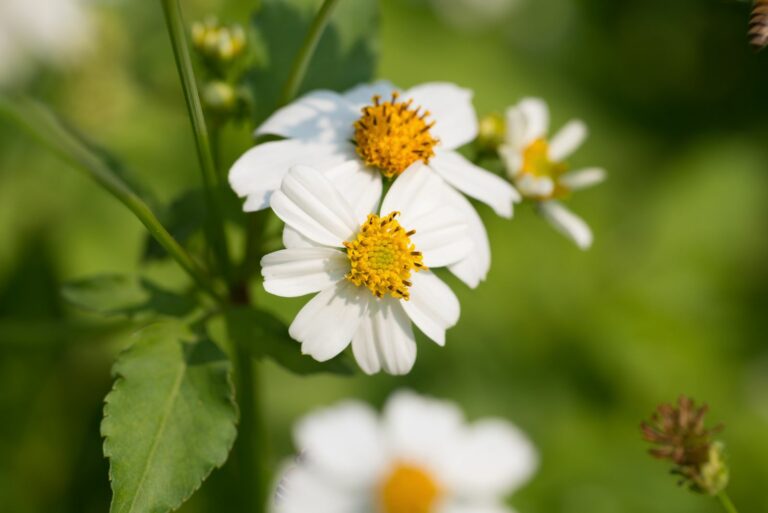
Pairing drought-tolerant Texas sage with black-eyed Susan and lantana creates a dependable low-water combination that performs through late spring and well into fall. Each plant handles heat and intermittent rainfall without constant attention.
The result is a planting that stays cohesive even when irrigation is limited.
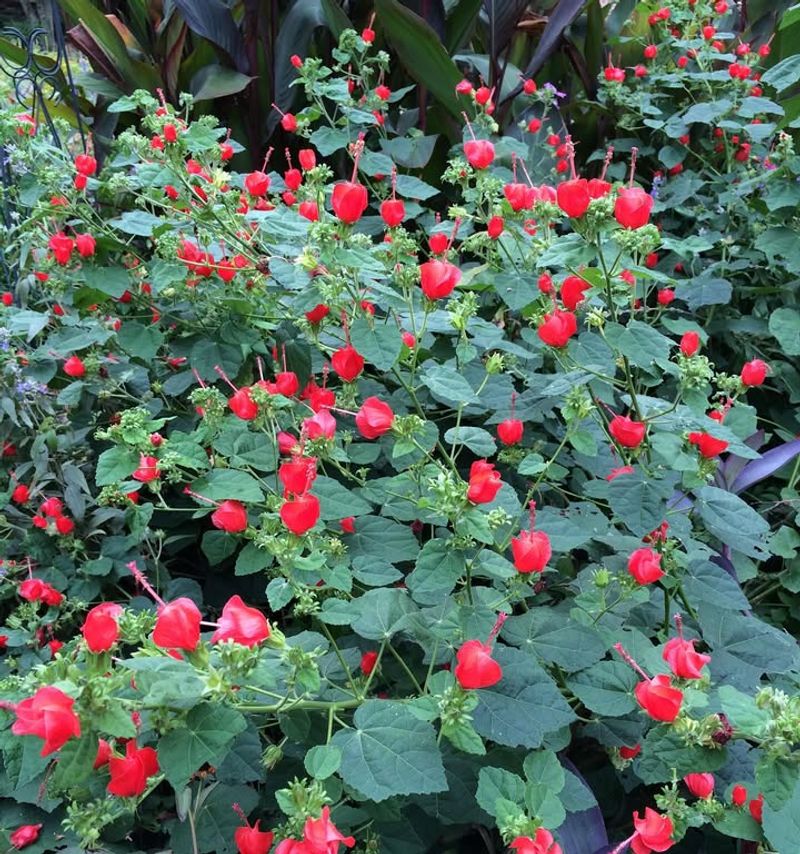
Moisture-loving selections deserve a different placement strategy. Turk’s cap, for example, performs better in areas that naturally collect runoff or receive slightly more shade.
Grouping it with plants that appreciate similar conditions prevents uneven growth and inconsistent performance.
North Texas clay soils often retain moisture longer than gardeners expect, which can reduce irrigation needs for some drought-tolerant pairings. Along the Gulf Coast, elevated humidity levels influence water demand differently.
Evaluating drainage patterns before finalizing groupings helps prevent both overwatering and dry stress.
Starting with shared water needs creates balance beneath the soil surface, where strong pairings truly begin.
2. Pair Sun Lovers With Sun Lovers And Shade Plants With Shade Plants
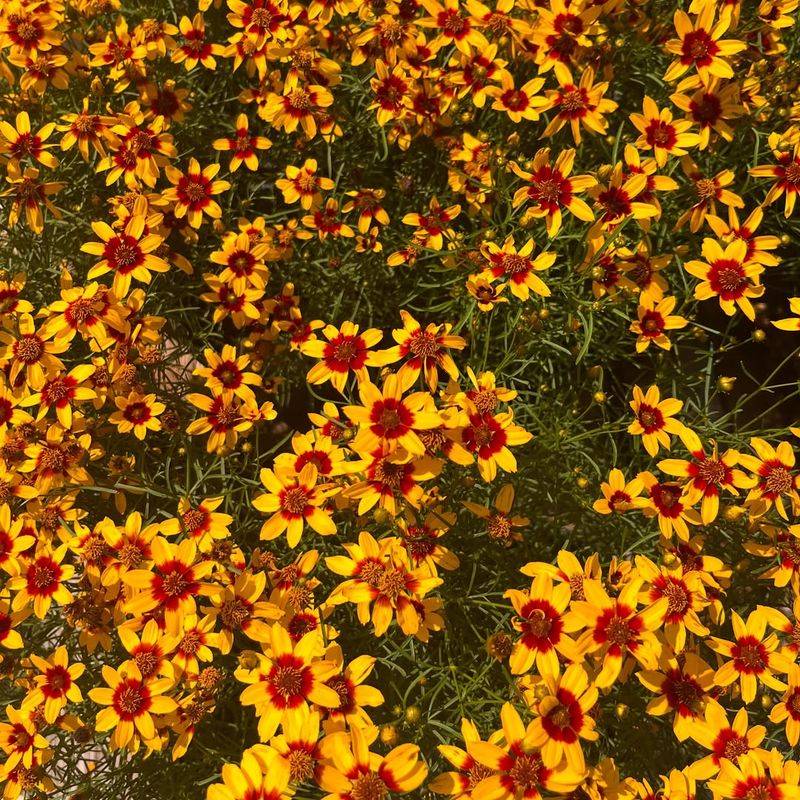
Light shapes plant performance more than most gardeners realize. A sun-loving perennial placed in afternoon shade may grow thin and leggy, while a shade-preferring plant exposed to relentless western sun in Dallas or San Antonio can struggle through extreme heat.
Coreopsis paired with autumn sage and Mexican feathergrass creates a vibrant full-sun combination built for reflected heat and long summers. These plants tolerate bright exposure while overlapping bloom times extend visual interest.
Under live oaks or cedar elms, inland sea oats combined with cast iron plant and turk’s cap produces a layered shade composition. The broad foliage of cast iron plant contrasts nicely with the arching seed heads of sea oats, while turk’s cap adds seasonal color.
Observing how sunlight moves across your yard throughout the day makes a significant difference. Morning sun with afternoon protection creates very different conditions than open western exposure.
Tracking light patterns across seasons provides valuable insight before planting decisions are finalized.
Matching plants by light preference allows them to thrive together rather than compete against environmental stress.
3. Use Native Texas Plants As The Foundation Of Your Design
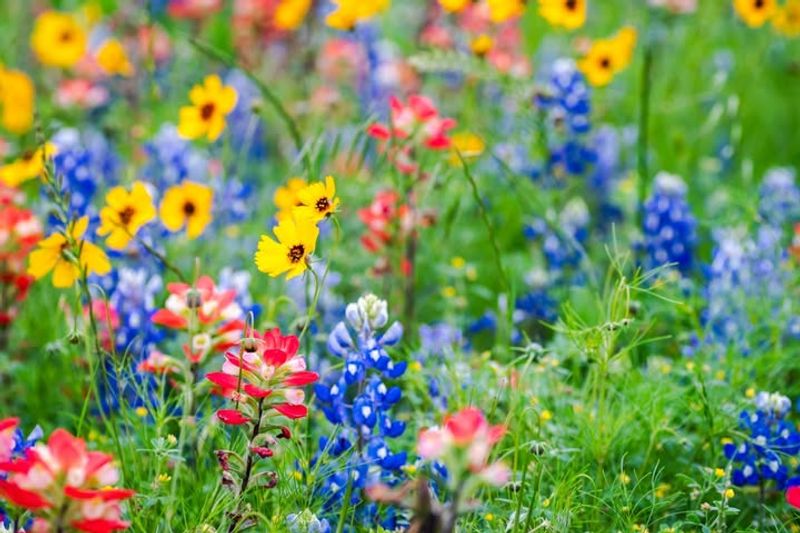
Native plants offer stability rooted in long adaptation to Texas rainfall, soil chemistry, and temperature extremes. Incorporating them as foundational elements strengthens plant pairings across diverse regions.
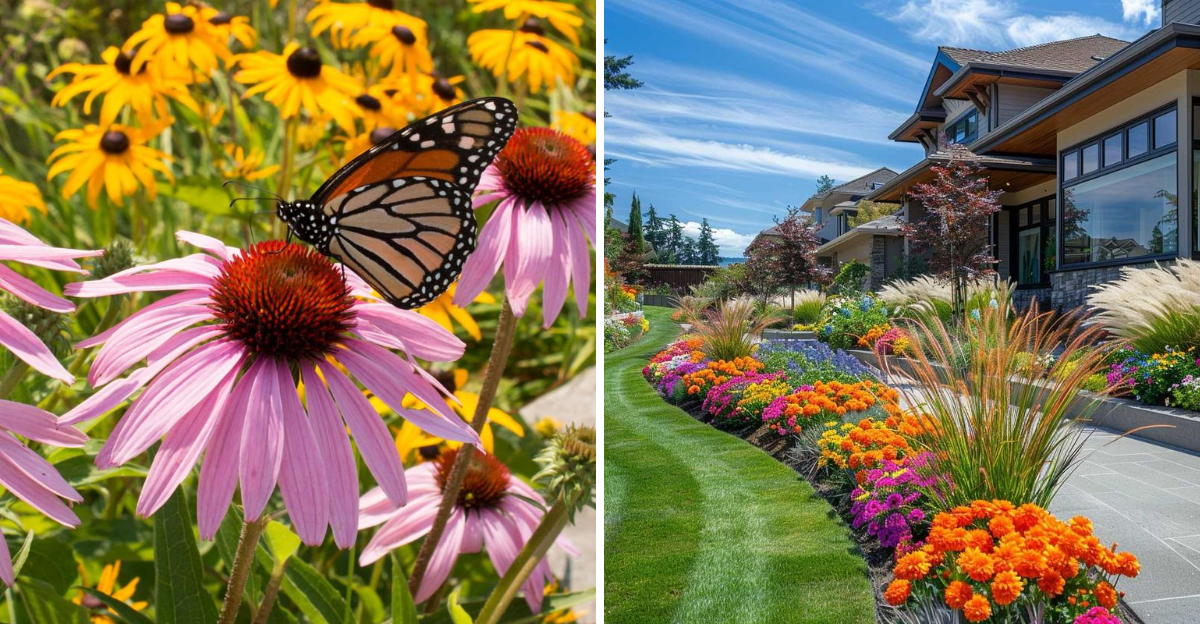
Little bluestem grass combined with purple coneflower and prairie verbena creates movement, layered color, and pollinator support. The grass provides vertical structure, coneflower contributes bold blooms, and prairie verbena spreads gently across open soil.
Bluebonnets and Indian paintbrush often appear together in Texas wildflower displays. Indian paintbrush forms root connections with nearby plants, including grasses and other species, which supports its growth in natural meadow settings.
Their overlapping spring bloom creates one of the state’s most recognizable combinations.
Natives anchor a planting while adapted companions refine the design. Thoughtful spacing and repetition can transform a native-focused bed into a polished landscape that feels both intentional and regionally grounded.
A strong native backbone increases resilience without sacrificing visual impact.
4. Combine Contrasting Textures For Visual Impact
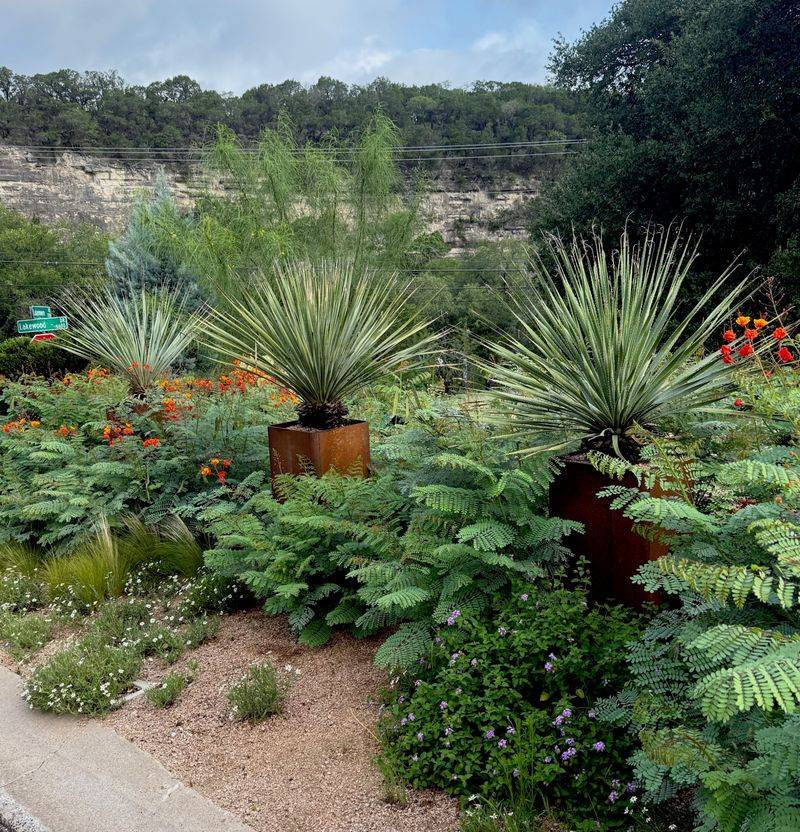
Memorable gardens rely on texture as much as color. Spiky, architectural plants placed beside fine, airy selections create contrast that elevates both.
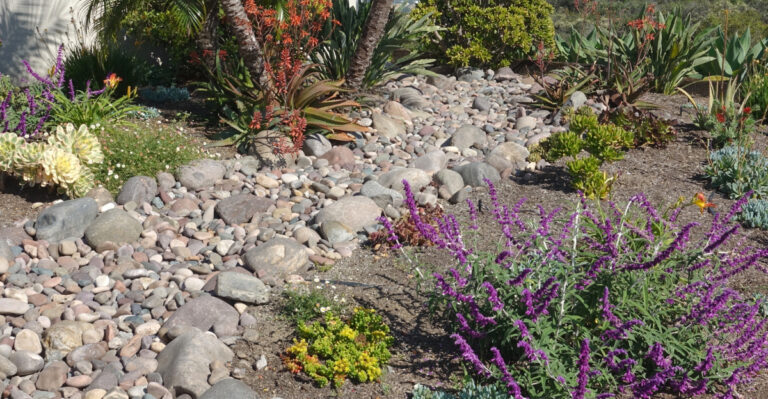
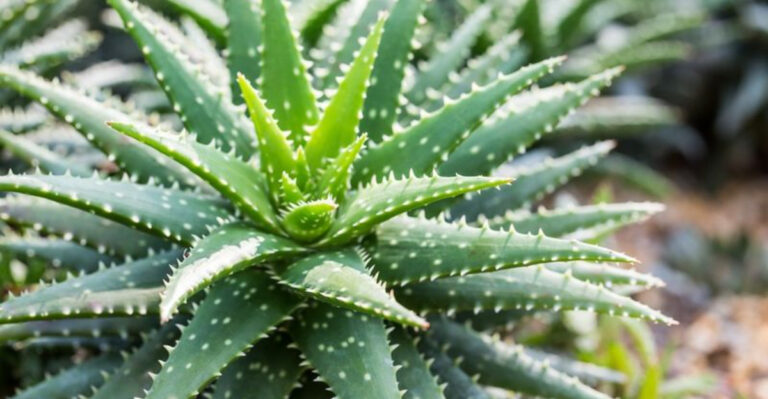
Agave or yucca paired with Mexican feathergrass or Gulf muhly demonstrates this beautifully. The firm geometry of agave contrasts against the soft, billowing texture of grasses.
When Gulf muhly turns rosy pink in fall, the structural backdrop amplifies the display.
Mid-texture plants such as autumn sage or mealy blue sage bridge the gap, preventing the design from feeling too stark. Texture layering becomes especially important in Texas, where extended heat can shorten bloom windows and foliage often carries the visual weight.
Broad leaves against narrow blades, upright forms beside mounding shapes, and matte surfaces against glossy foliage create subtle tension that keeps beds engaging year-round.
Texture builds visual depth long after blooms fade.
5. Layer Heights To Create Depth And Movement
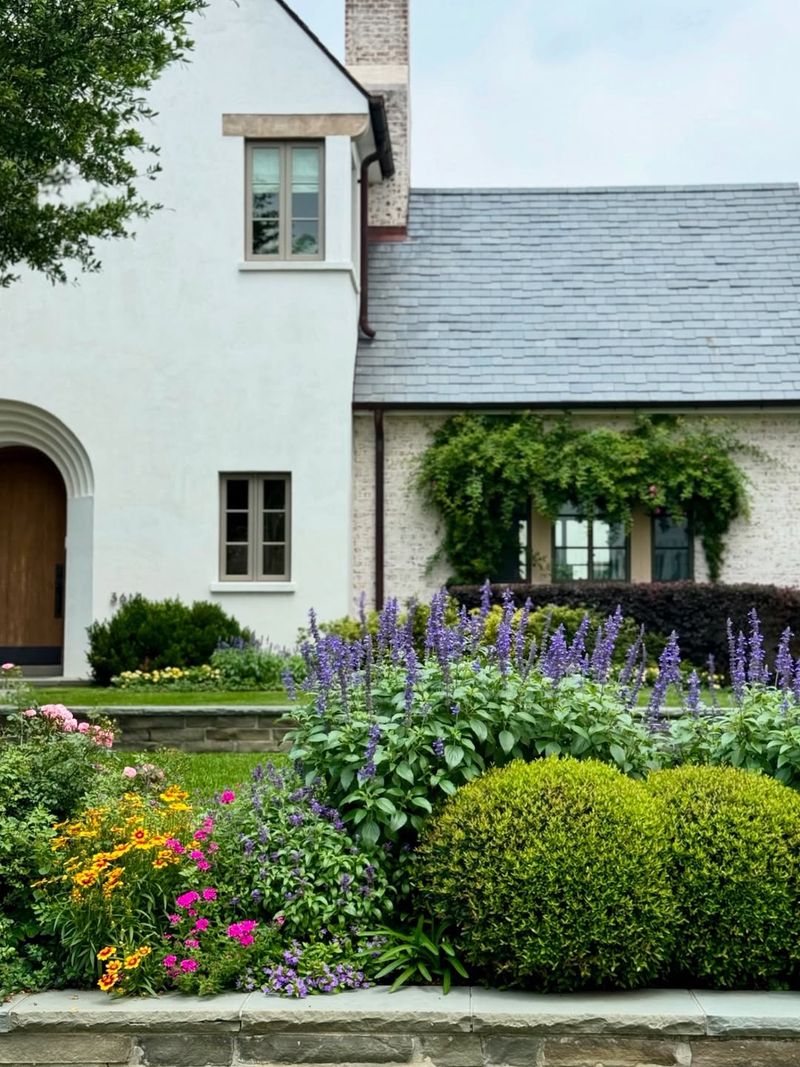
Flat gardens can feel dull, no matter how many colorful plants you include. Layering plant heights from tall at the back to short at the front is one of the oldest tricks in landscape design, and it works especially well in Texas where bold, structural plants are easy to find.
A reliable Texas layering combination might start with a tall backdrop of Mexican bush sage or native muhly grass, move into mid-height autumn sage and blackfoot daisy in the middle zone, and finish with low-growing prairie verbena or silver ponyfoot at the front edge.
This arrangement creates depth that draws the eye naturally from one layer to the next.
Height layering also improves air circulation between plants, which can reduce fungal issues that show up in humid areas like Houston and Corpus Christi during wet seasons.
In West Texas where wind is a constant factor, taller back-layer plants can even provide light wind buffering for more delicate mid-layer selections.
The movement created when grasses sway at different heights adds a dynamic, living quality to the garden that static, single-height plantings simply cannot replicate. Start with three distinct height zones and refine from there.
6. Repeat Key Colors To Create A Cohesive Look
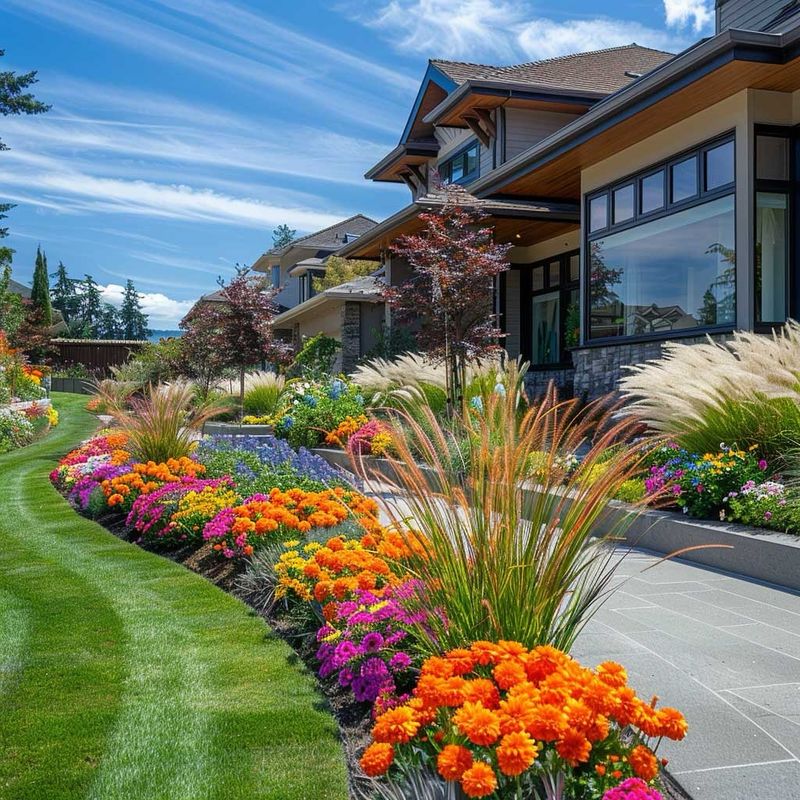
Color repetition may sound simple, yet it consistently separates cohesive landscapes from those that feel scattered.
When the same hue appears intentionally throughout a bed, the eye moves smoothly across the space rather than jumping unpredictably from one color block to another.
Purple and yellow combinations perform exceptionally well in Texas gardens. Mealy blue sage alongside yellow lantana and black-eyed Susan creates a vibrant pairing that holds up during extended summer heat.
Repeating those purple tones in several pockets throughout the planting helps unify the design.
Instead of relying on identical plants in straight lines, subtle variation often feels more natural. Deep purple autumn sage combined with lighter-toned mealy blue sage and dark foliage plants like purple heart creates layered visual interest while maintaining cohesion.
Repeating color also extends bloom impact. When one purple plant pauses between bloom cycles, another nearby may still carry the tone forward.
Anchoring color themes with reliable, long-performing plants helps maintain consistency across the long Texas growing season, especially when intense heat shortens bloom windows for more delicate species.
7. Mix Bloom Times For Season-Long Interest In Texas Climates
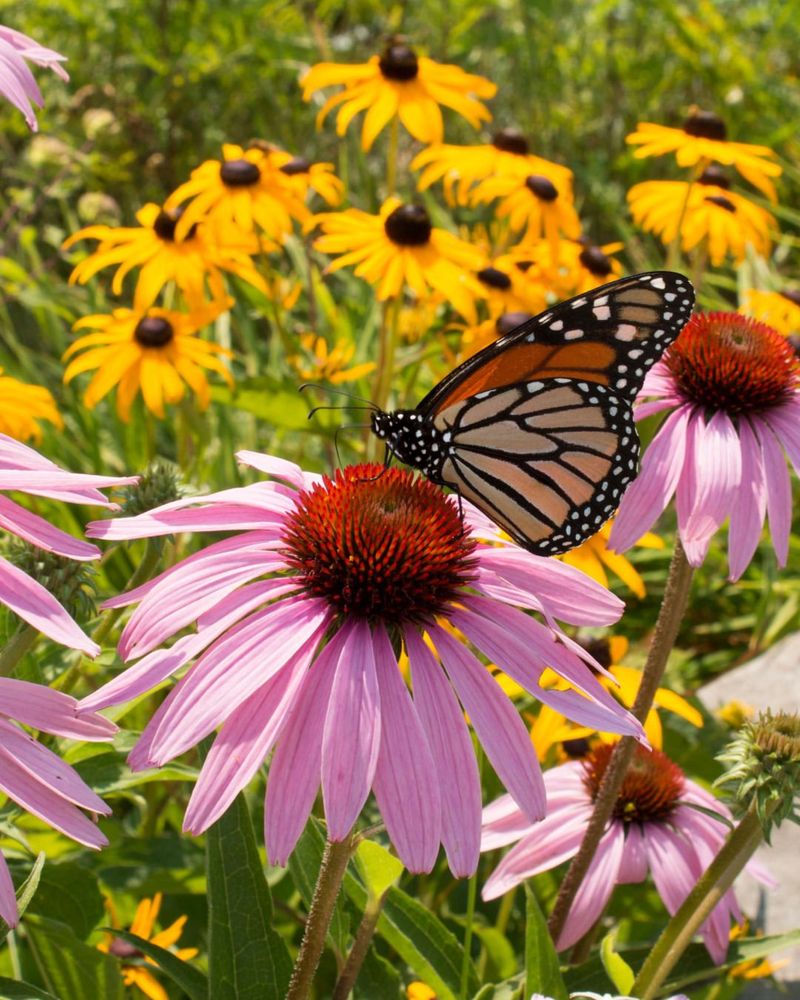
Seasonal sequencing keeps a garden vibrant beyond spring. Without planning, beds may peak in April and fade quickly as summer intensifies.
Bluebonnets and prairie verbena open early, handing off to summer bloomers like purple coneflower, black-eyed Susan, and Gregg’s mistflower. As heat builds, lantana and esperanza maintain color through intense conditions.
Late-season performers such as fall asters or goldenrod can extend interest even further in many parts of Texas.
Fall introduces Gulf muhly’s rosy plumes alongside a renewed flush from autumn sage. The transition from one bloom cycle to the next creates continuity rather than a sharp visual drop-off.
Foliage color and seed heads can also carry visual weight once peak bloom slows.
Mapping bloom windows before planting clarifies gaps. A simple chart listing each plant and its typical bloom period reveals opportunities for adjustment.
Sequential flowering transforms a garden into a long-running display rather than a single-season highlight, keeping energy and color moving across the landscape for months at a time.
8. Balance Bold Foliage With Softer Companion Plants
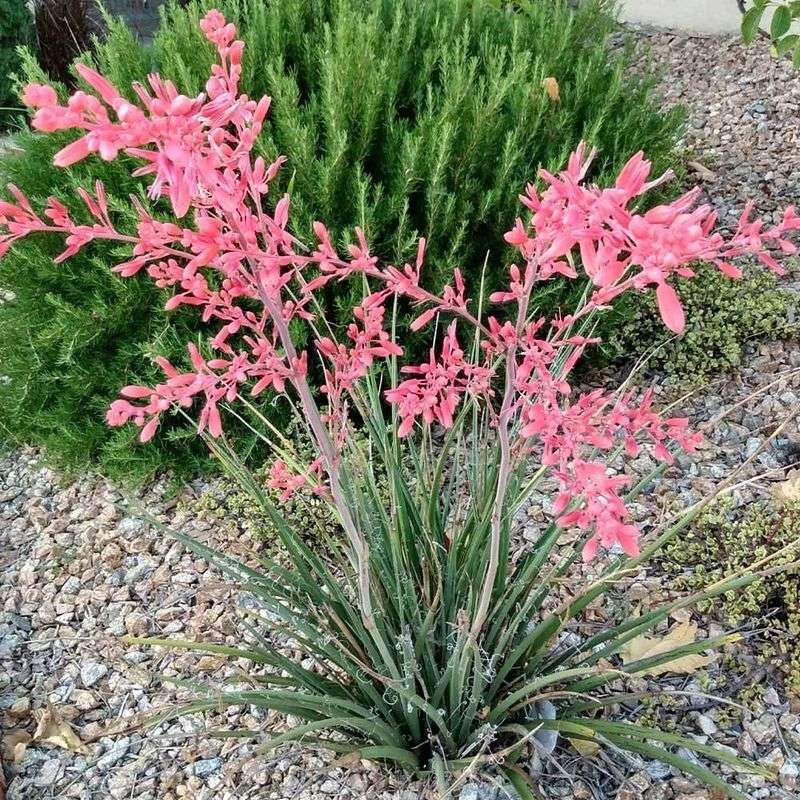
Some plants instantly command attention. A mature agave, a bold red yucca, or a large clump of elephant ears near a water feature creates structure and visual weight.
Those strong shapes can anchor a bed beautifully, but too many placed together can overwhelm the space.
Softening bold focal plants with lighter companions restores balance. Red yucca paired with inland sea oats and blackfoot daisy creates contrast without competition.
The yucca delivers architectural structure, sea oats introduce gentle movement, and blackfoot daisy brightens the planting with crisp white blooms.
In North Texas, where heavy clay soils can complicate establishment, pairing proven performers such as red yucca and prairie dropseed increases stability in the design.
Along the Gulf Coast and East Texas, bold-leafed cast iron plant pairs naturally with the finer texture of Texas sedge, creating a layered look that tolerates humidity.
The goal is visual rhythm. Bold elements create focal points, while softer textures provide breathing room.
When that balance feels right, the entire planting gains depth, harmony, and long-term appeal across Texas conditions.
9. Test Plant Pairings In Small Sections Before Expanding
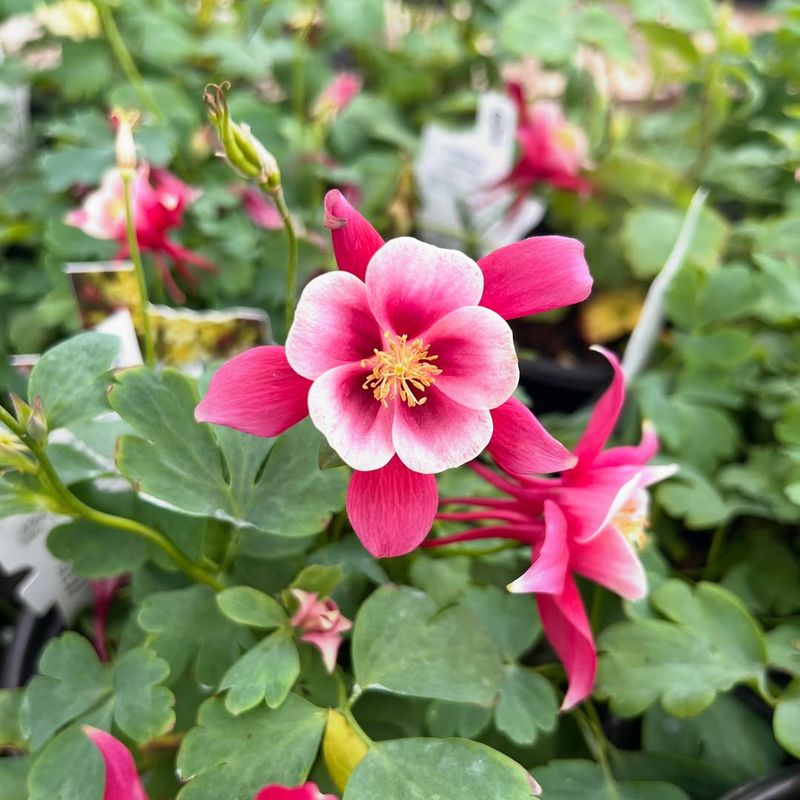
Even experienced gardeners benefit from trial runs. Texas microclimates vary widely, and soil conditions can shift dramatically from one yard to the next.
A small test bed allows observation through a full growing cycle. Watching how plants mature, spread, and respond to heat provides valuable insight before committing to large installations.
Subtle differences in drainage, reflected heat from nearby walls, or afternoon shade patterns often become clearer over time.
Soil differences, especially in limestone-heavy Hill Country areas, can influence nutrient availability and plant performance. Trial plantings reveal these nuances under real conditions.
Growth habits that look manageable in nursery containers can change once roots establish in native soil.
Small-scale testing saves time and reduces costly replanting. Careful evaluation ensures that combinations perform as beautifully in July as they do in April.
Thoughtful experimentation leads to confident design decisions and stronger, more resilient plant pairings across Texas landscapes.