Texas Homeowners Are Dividing Their Yards Into Garden Rooms And It’s Working Beautifully
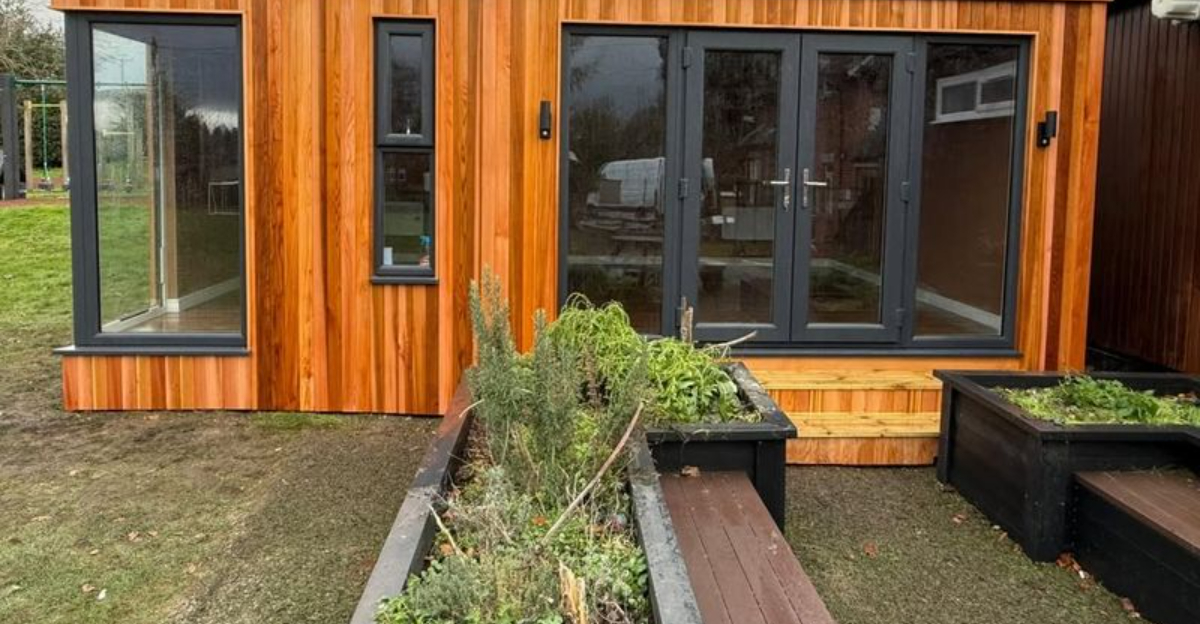
Across Texas, homeowners are reimagining their yards as a series of outdoor “rooms.”
Instead of one open space, gardens are being divided into zones for dining, relaxing, growing, and gathering.
This approach creates structure, shade, and purpose while making large yards feel more intimate—and small yards feel bigger.
Strategic planting, pathways, and focal points guide movement and define space naturally.
In Texas’s climate, garden rooms also help manage sun, wind, and water more efficiently.
The result is a yard that feels intentional, usable, and inviting all year long.
Using Hedges And Shrubs As Natural Walls
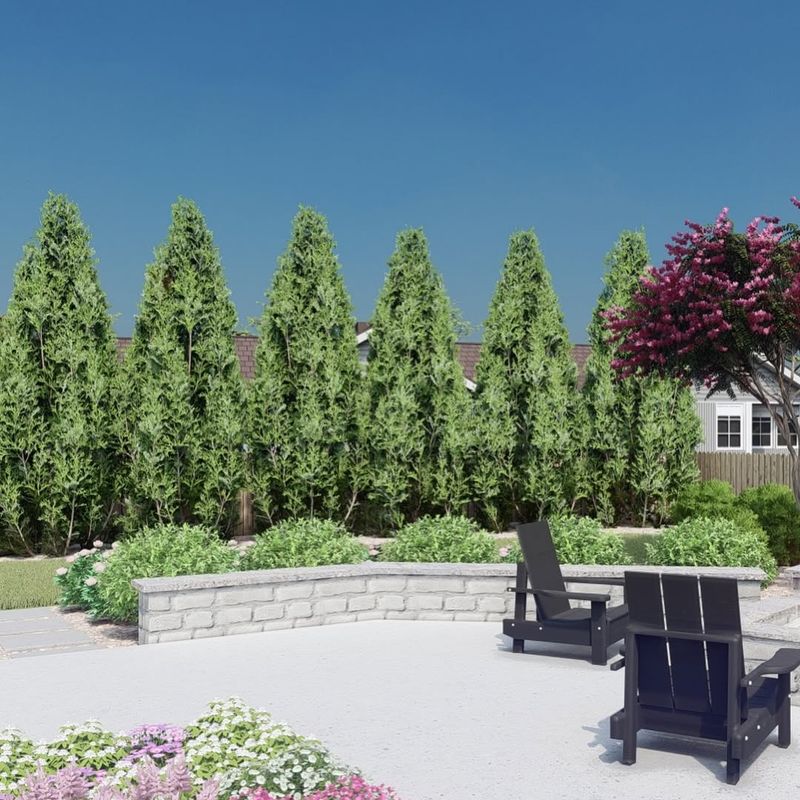
Evergreen shrubs and native hedges have become the backbone of garden room design across Texas.
Homeowners plant dense rows of shrubs like wax myrtle, yaupon holly, and Texas sage to create living walls that naturally divide outdoor spaces.
These green barriers do more than just mark boundaries—they provide essential shade during scorching summer months and act as windbreaks during gusty seasons.
Layered plantings work especially well, combining taller shrubs in the back with medium and shorter plants in front.
This creates depth and visual interest while still maintaining clear separation between different garden areas.
Native Texas plants thrive in the local climate, requiring less water and maintenance than non-native species.
Homeowners appreciate how these living walls soften the look of their yards compared to hard fencing.
Birds and beneficial insects also find shelter in these hedges, adding life and movement to the garden.
The natural texture and seasonal changes in foliage keep the landscape feeling dynamic throughout the year.
Many gardeners choose evergreen varieties to ensure year-round privacy and structure.
Planting hedges takes patience, but the long-term payoff in beauty and function makes it worthwhile for Texas families seeking outdoor tranquility.
Creating Outdoor Living Rooms With Hardscape Boundaries
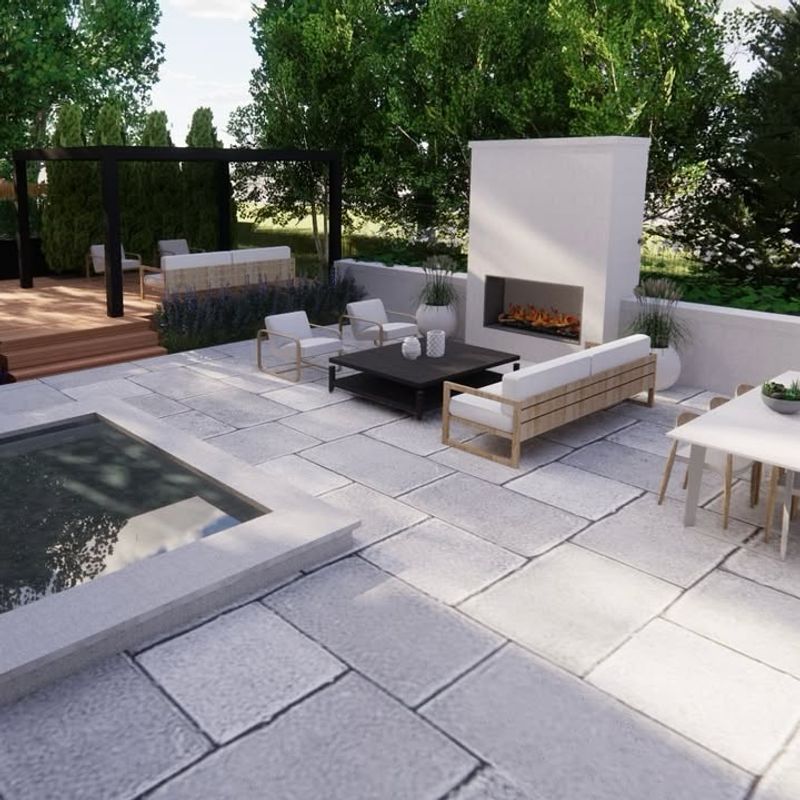
Patios and hardscape elements have revolutionized how Texas homeowners think about their backyards.
By installing defined areas using pavers, flagstone, or decomposed granite, families create distinct outdoor living rooms that feel just as intentional as indoor spaces.
These hard surfaces establish clear boundaries between lounging areas and lawn or garden beds.
A well-placed patio becomes an outdoor dining room where families gather for meals under the stars.
Gravel pads offer another budget-friendly option, providing a stable surface for furniture while allowing water to drain through.
The contrast between hardscape and softscape helps the eye understand where one garden room ends and another begins.
Homeowners often add comfortable seating, outdoor rugs, and potted plants to make these spaces feel cozy and inviting.
The beauty of hardscape boundaries is their permanence and low maintenance compared to grass or groundcover.
In Texas heat, these surfaces stay cooler than concrete and dry quickly after rain.
Defining spaces this way also makes yard maintenance easier, as mowing and trimming become more straightforward.
Families find themselves spending more time outdoors when they have a designated, comfortable spot to relax and entertain guests year-round.
Pergolas And Shade Structures As Room Dividers
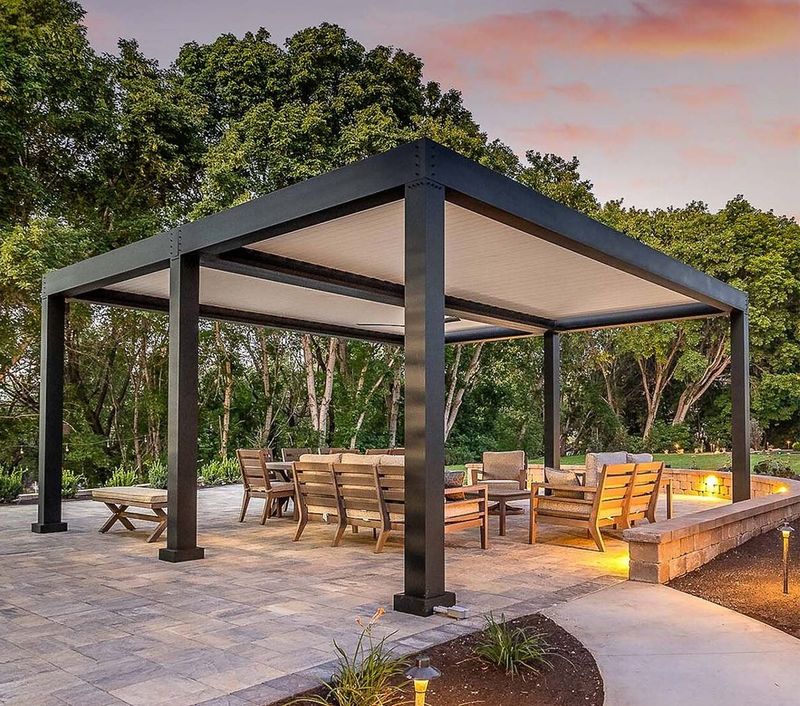
Nothing defines an outdoor room quite like a ceiling, and that is where pergolas come into play.
Texas homeowners install pergolas, arbors, and shade sails to create overhead structure that visually separates one garden area from another.
These features provide much-needed relief from intense sun while adding architectural interest to the landscape.
A pergola over a dining area instantly transforms it into a distinct room, separate from the open lawn or vegetable garden nearby.
Climbing vines like wisteria or Carolina jessamine can be trained over pergola beams, adding natural beauty and extra shade.
Shade sails offer a modern alternative, stretching fabric across posts to create angular, eye-catching canopies.
These structures help homeowners manage the brutal Texas heat, making outdoor spaces usable even during summer afternoons.
Arbors work well as transitional elements, marking the entrance from one garden room to another like a doorway.
Homeowners appreciate how these overhead features frame views and create a sense of enclosure without feeling claustrophobic.
The play of light and shadow through pergola slats adds movement and visual texture throughout the day.
By establishing a ceiling plane, these structures make yards feel more intimate and purposefully designed rather than just open expanses.
Using Changes In Elevation To Define Spaces
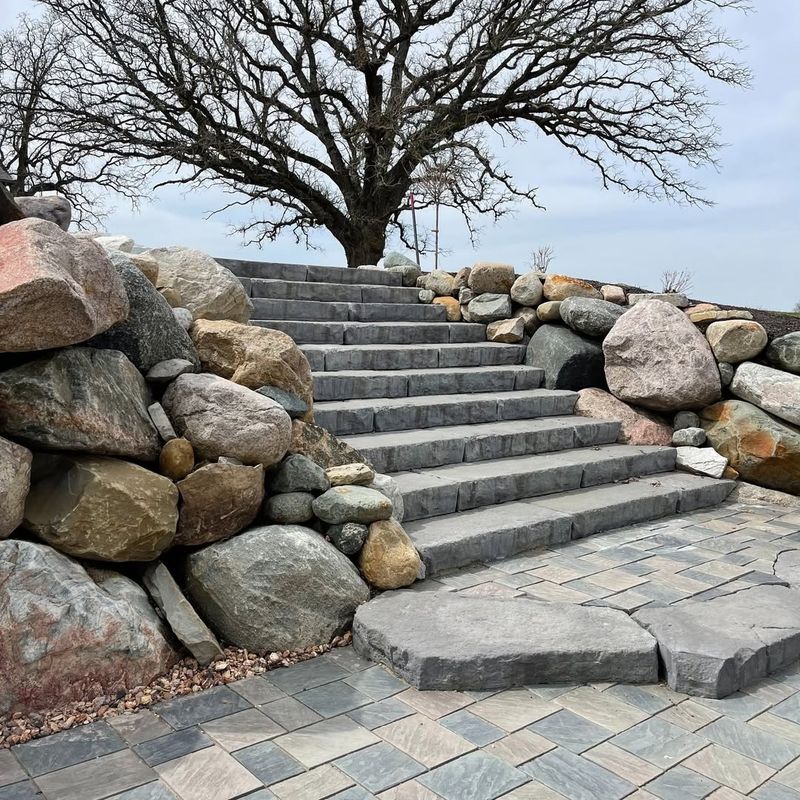
Smart Texas homeowners have discovered that playing with elevation creates natural boundaries between garden rooms.
Raised beds, terraces, and gentle grade changes help separate functional areas without needing walls or fences.
A dining terrace elevated just a few steps above the lawn instantly feels like a distinct destination.
Raised planting beds not only improve drainage in heavy Texas clay soils but also visually separate vegetable gardens from ornamental areas.
Children recognize play zones when they are on a different level from adult gathering spaces.
Terracing sloped yards creates multiple flat areas, each serving a unique purpose while preventing erosion.
The vertical dimension adds drama and interest to landscapes that might otherwise feel flat and monotonous.
Retaining walls built from stone or timber define these elevation changes while adding texture and structure.
Homeowners find that slight grade shifts guide foot traffic naturally, encouraging people to explore different garden rooms.
Plants cascade beautifully over the edges of raised areas, softening hard lines and blending levels together.
This approach works especially well in yards with existing slopes, turning a challenge into an asset.
The result is a dynamic landscape where each level reveals something new and inviting to discover.
Dedicated Pollinator And Wildlife Rooms

Conservation-minded Texas homeowners are carving out entire garden rooms devoted exclusively to pollinators and wildlife.
These spaces burst with native wildflowers, grasses, and shrubs that support bees, butterflies, hummingbirds, and beneficial insects.
By grouping pollinator plants together in a dedicated room, homeowners create concentrated habitat that truly makes a difference.
Texas natives like bluebonnets, coneflowers, black-eyed Susans, and milkweed thrive in these spaces with minimal care.
Separating these wilder, meadow-like areas from manicured lawns gives each space its own character and purpose.
Families enjoy watching the constant activity of butterflies and bees while relaxing in adjacent seating areas.
These pollinator rooms require less mowing and maintenance than traditional turf, saving time and resources.
Allowing plants to go to seed and leaving some areas a bit untidy provides food and shelter for wildlife through winter.
Children learn about ecology and the importance of native plants by observing these vibrant, buzzing garden rooms.
The seasonal changes in these spaces—from spring blooms to fall seed heads—keep the landscape interesting year-round.
Creating a designated wildlife room shows how homeowners can balance beauty, function, and environmental stewardship in their own backyards.
Kitchen Garden Rooms Near The House

Practical Texas homeowners position vegetable and herb gardens as dedicated rooms close to their kitchens.
This strategic placement makes daily harvesting convenient and encourages families to cook with fresh, homegrown ingredients.
Raised beds or defined planting areas bordered by paths or low fencing create clear boundaries for these productive spaces.
Having a separate kitchen garden room keeps vegetables organized and makes crop rotation and soil management easier.
Herbs like rosemary, basil, and cilantro thrive in Texas heat when given proper care and accessible locations.
Tomatoes, peppers, and squash become staples in these garden rooms, providing abundant harvests throughout the growing season.
Homeowners appreciate how grouping edibles together simplifies watering, fertilizing, and pest management tasks.
The proximity to the house means no long walks across the yard when you need fresh parsley for dinner.
Many families involve children in tending these kitchen gardens, teaching valuable lessons about where food comes from.
Vertical trellises for beans and cucumbers maximize space while adding height and structure to the garden room.
The productivity and beauty of a well-tended kitchen garden make it a source of pride and daily joy for Texas families who value fresh, flavorful food.
Quiet Retreat Spaces Away From High-Traffic Areas
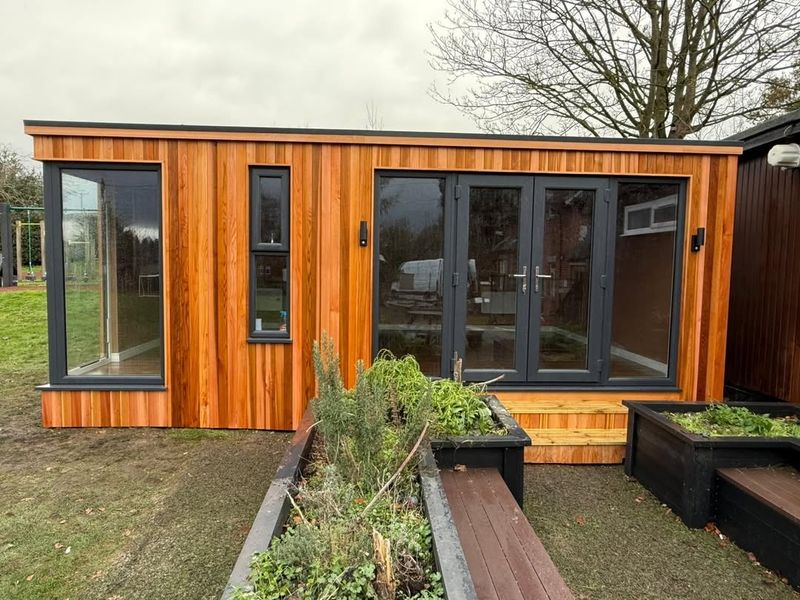
Every Texas homeowner deserves a peaceful escape within their own yard.
Secluded garden rooms designed specifically for relaxation offer refuge from the bustle of play areas and entertaining zones.
These quiet retreats feature comfortable seating tucked among lush plantings, often with the soothing sound of a small fountain or water feature.
Shade trees or tall shrubs provide privacy and shelter from both sun and curious eyes.
Positioning these spaces away from driveways, play equipment, and high-traffic pathways ensures genuine tranquility.
Homeowners might add a hammock, bench, or cozy chair where they can read, meditate, or simply enjoy morning coffee.
Fragrant plants like jasmine or lavender enhance the sensory experience, making these rooms feel like true sanctuaries.
The intentional separation from busier garden areas reinforces the purpose of these spaces as places for rest and reflection.
Soft lighting from lanterns or string lights extends the usability of these retreats into evening hours.
Families value having a designated spot where adults can unwind while children play elsewhere in the yard.
Creating a quiet garden room demonstrates thoughtful design that prioritizes mental well-being and the restorative power of nature in our daily lives.
Using Paths As Hallways Between Garden Rooms
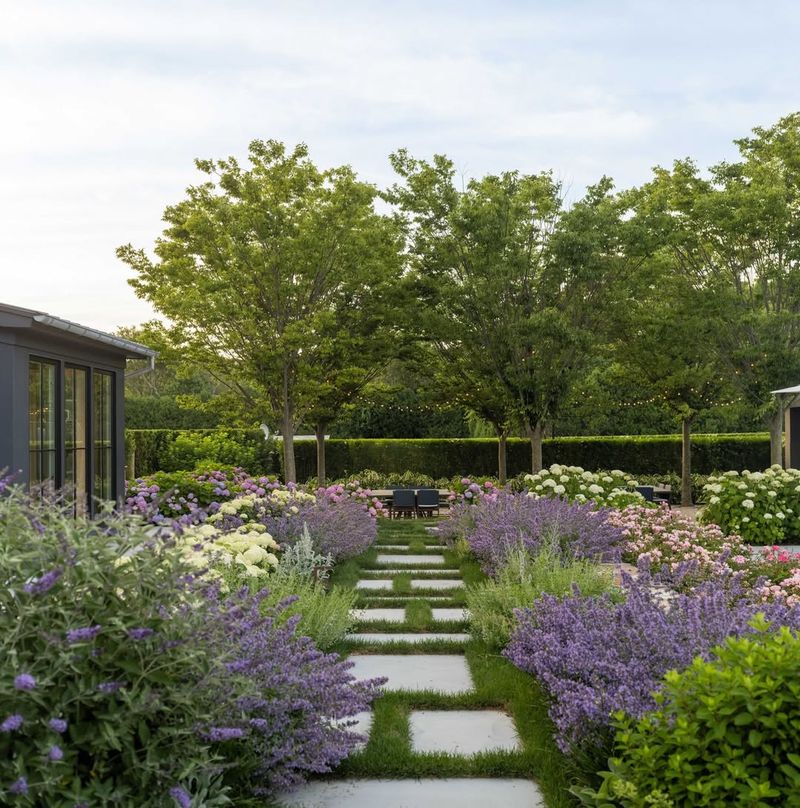
Paths serve as the connective tissue that links separate garden rooms into a cohesive whole.
Texas homeowners use mulched, gravel, or stone pathways to guide movement between different outdoor spaces.
These garden hallways do more than provide walking surfaces—they reinforce the concept of distinct rooms by creating clear transitions.
A winding path from the patio to the vegetable garden makes the journey feel intentional and inviting.
Decomposed granite paths work beautifully in Texas landscapes, offering good drainage and a natural appearance.
Stepping stones set in groundcover create informal paths that feel relaxed and organic.
Wider paths accommodate garden carts and wheelbarrows, making maintenance tasks more manageable.
Edging materials like steel, stone, or brick keep paths neat and prevent gravel from spreading into planting beds.
The rhythm of moving along a path from one garden room to another adds an element of discovery and adventure.
Homeowners find that well-designed pathways encourage them to explore and enjoy their entire yard rather than just staying in one spot.
Lighting along paths extends their usefulness after dark and adds safety and ambiance to evening garden strolls through these thoughtfully divided outdoor spaces.
Fencing And Screens For Visual Separation
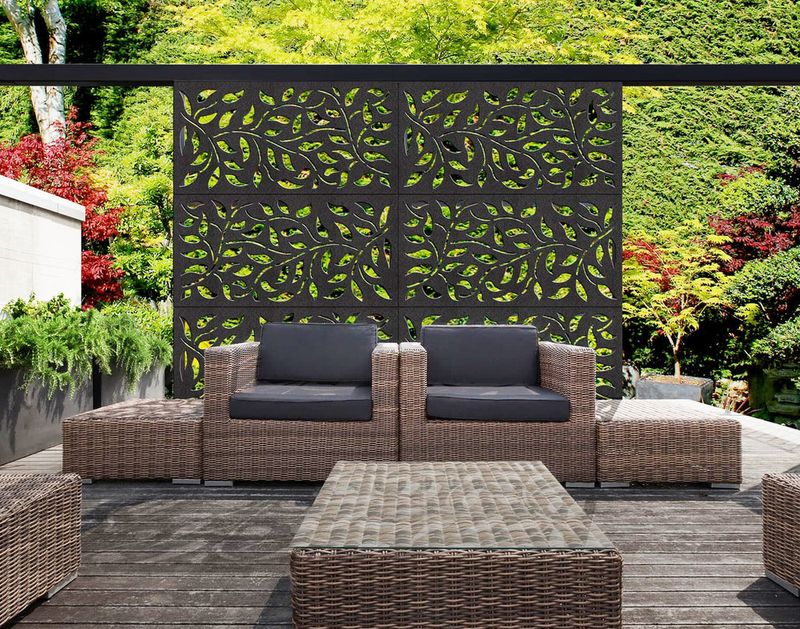
Low fences, lattice panels, and decorative screens provide visual separation without blocking precious airflow.
In hot Texas climates, maintaining good ventilation is essential, so solid walls are not always practical.
Homeowners choose open designs like picket fences, horizontal slat screens, or lattice panels that define boundaries while allowing breezes to pass through.
These structures create a sense of enclosure and privacy without making spaces feel closed off or stuffy.
Painted or stained screens add color and personality, becoming decorative focal points in their own right.
Climbing plants can be trained on lattice, combining structure with living greenery for a softer, more natural look.
Low fences around seating areas or vegetable gardens mark territory without obstructing views of the broader landscape.
Decorative metal screens with cut-out patterns cast beautiful shadows and add artistic flair to garden rooms.
These dividers work especially well in smaller yards where full hedges might take up too much space.
Homeowners appreciate the flexibility of movable screens, which can be repositioned as garden needs change over time.
By carefully selecting fencing and screens that balance privacy with openness, Texas families create garden rooms that feel intimate yet comfortable even on the hottest days.
Blending Rooms With Repeating Plants And Materials

While dividing yards into separate rooms creates functional zones, maintaining cohesion across the landscape is equally important.
Texas homeowners achieve this balance by repeating certain plants, colors, or materials throughout different garden rooms.
Using the same type of stone for multiple paths or patios ties spaces together visually.
Planting the same ornamental grass or flowering shrub in several areas creates rhythm and unity.
Repeating color schemes—like purple salvias and yellow coreopsis—helps the eye move smoothly from one room to another.
This approach prevents the yard from feeling choppy or disconnected despite having distinct zones.
Consistent edging materials or mulch types also contribute to a polished, intentional look.
Homeowners might use the same style of outdoor furniture or planters across different seating areas to reinforce continuity.
The repetition provides a thread that weaves through the landscape, making the whole yard feel like one thoughtfully designed space.
This technique allows for variety and segmentation without sacrificing the overall harmony of the outdoor environment.
Texas families discover that repeating elements creates a signature style that makes their yard uniquely theirs while still enjoying the benefits of separate, purpose-driven garden rooms.