Texas Homeowners Are Replacing These Popular Plants For A Reason
More and more Texas homeowners are making big changes to their yards, and it’s not just about looks anymore. What used to be popular and common in many landscapes is now starting to disappear.
From front lawns to backyard gardens, people are quietly swapping out certain plants and rethinking what belongs in their outdoor spaces.
At first glance, it might seem like a simple style trend, but there’s a much bigger reason behind this shift.
As water use becomes a growing concern across the state, homeowners are choosing plants that need less watering and perform better in Texas heat. The goal is to build landscapes that last, stay healthy, and don’t require constant care.
If you’ve been thinking about updating your yard or wondering why certain plants are falling out of favor, you’re not alone. Let’s explore which plants Texans are replacing and why this change is happening.
1. St. Augustine Grass
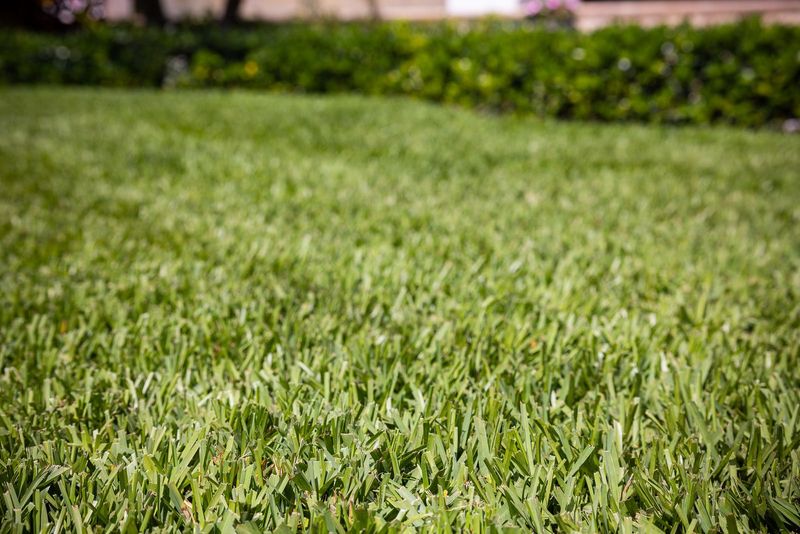
Homeowners in Texas have loved St. Augustine grass for decades because it creates thick, carpet-like lawns that feel great under bare feet. This grass spreads quickly and handles shade better than most other warm-season grasses.
Walk through any established Texas neighborhood and you’ll spot St. Augustine covering yard after yard with its broad, dark green blades.
The problem with this popular grass becomes clear when you look at water bills during summer months. St. Augustine needs about one to one and a half inches of water every single week to stay healthy and green.
During Texas summers, that means running sprinklers constantly just to keep the grass from turning brown and crispy. Many families in San Antonio and Austin report spending hundreds of dollars extra each month watering their St. Augustine lawns.
This grass also struggles during drought periods that hit Texas regularly. When water restrictions go into effect, St. Augustine lawns suffer quickly and can take months to recover.
The grass develops brown patches and thin spots that look terrible and require even more water to fix. Smart Texas homeowners are replacing St. Augustine with buffalo grass or Bermuda grass varieties that need half the water.
Buffalo grass stays green with just occasional watering and handles Texas heat like a champion. It grows slower than St. Augustine, which actually means less mowing and lower maintenance overall.
Making the switch saves water, reduces yard work, and keeps your Texas landscape looking great even when rainfall is scarce.
2. Azaleas
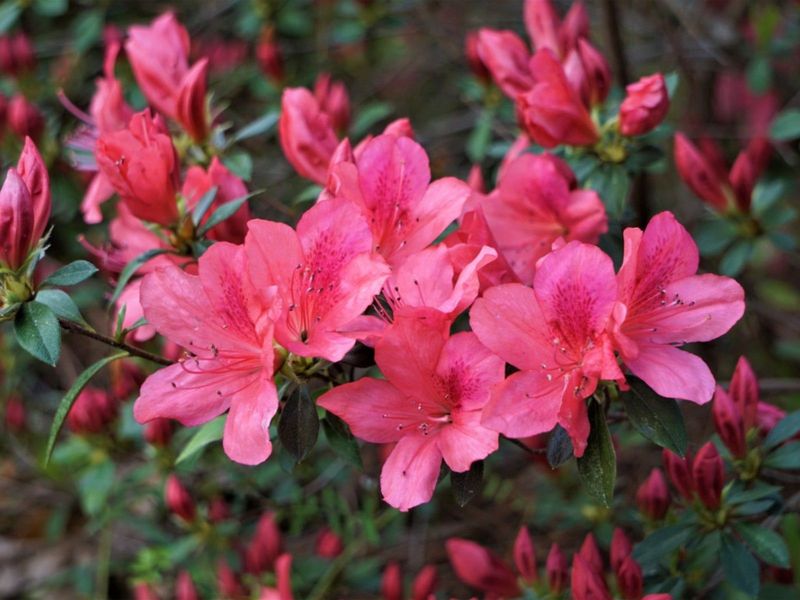
Azaleas burst into spectacular bloom each spring with flowers in shades of pink, red, purple, and white that make neighbors stop and stare. These flowering shrubs became extremely popular in Houston and other humid parts of Texas where they seemed to grow well.
Garden centers sold thousands of azaleas to homeowners wanting that classic Southern garden look with masses of colorful blooms.
What many Texas gardeners didn’t realize is that azaleas originally come from Asian mountain regions with cool temperatures and regular rainfall.
They need consistently moist soil and can’t handle the hot, dry conditions that Texas throws at them most of the year.
Keeping azaleas happy in Texas means watering them deeply at least twice a week during growing season, and even more often during summer heat waves.
These shrubs also require acidic soil that doesn’t naturally occur in most Texas locations. Homeowners must add special soil amendments and fertilizers regularly to keep azaleas from developing yellow leaves and poor growth.
The combination of constant watering, soil adjustments, and careful maintenance makes azaleas one of the most demanding plants in Texas landscapes.
Texas gardeners are switching to native alternatives like flame acanthus or autumn sage that bloom beautifully without the fuss.
These tough plants handle heat and drought conditions naturally while attracting hummingbirds and butterflies to your yard.
They need watering only during extended dry periods and thrive in regular Texas soil without expensive amendments. Your garden can still have amazing color without the water waste that azaleas demand.
3. Impatiens
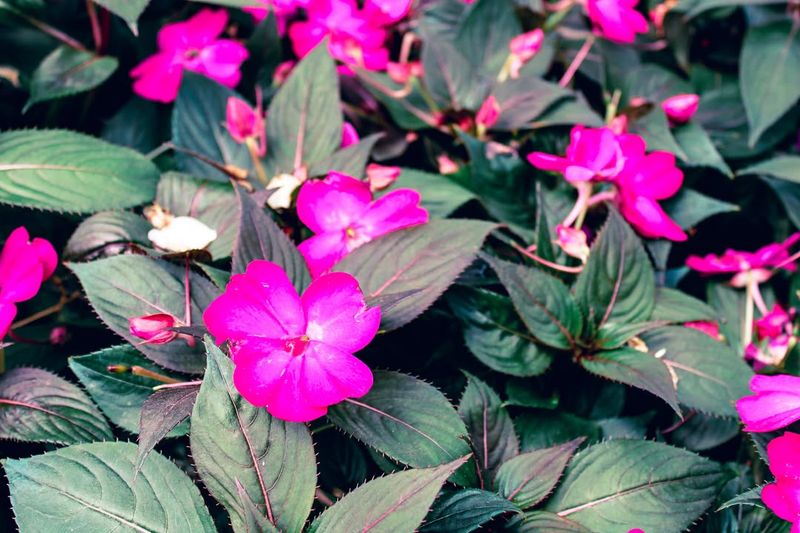
Garden centers across Texas stock impatiens every spring because these cheerful flowers bloom nonstop in shady spots where other plants struggle.
The bright blooms come in almost every color imaginable and create stunning displays in hanging baskets, window boxes, and shade gardens.
Many Dallas and Fort Worth homeowners have relied on impatiens to brighten up areas under trees and along covered porches.
The name “impatiens” actually refers to how impatient these plants become when they need water. Miss a day of watering during Texas summer and you’ll find wilted, drooping plants that look half gone.
Impatiens need moist soil constantly and will struggle or stop blooming if they dry out even briefly. This means daily watering during hot months, which adds up to significant water use over a growing season.
These tropical plants also can’t handle the intense heat that builds up even in shaded Texas gardens during July and August. They often look stressed and scraggly by mid-summer despite regular watering and care.
Many Texas gardeners find themselves replanting impatiens multiple times each season, which wastes money along with water.
Native columbine or turk’s cap make much better choices for Texas shade gardens. These plants bloom beautifully in shade, handle heat without complaint, and need watering only occasionally once established.
Turk’s cap produces red flowers that hummingbirds adore and keeps blooming from spring through fall. Columbine offers delicate, unique flowers in spring and attractive foliage all season.
Both options give you gorgeous shade garden color while using a tiny fraction of the water that impatiens demand throughout the growing season.
4. Hydrangeas
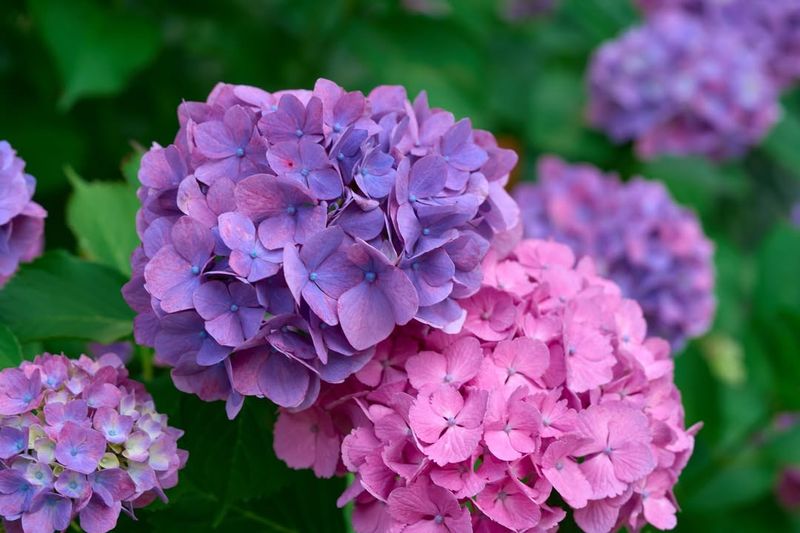
Few flowering shrubs create the wow factor that hydrangeas deliver with their enormous, showy flower clusters in shades of pink, blue, purple, and white.
These statement plants became trendy in Texas gardens over the past decade as homeowners saw gorgeous hydrangea photos on social media and in magazines.
The big, bold blooms seem perfect for creating that cottage garden look that so many people want in their yards.
The reality of growing hydrangeas in Texas tells a different story from those pretty pictures. These shrubs originally come from coastal Japan where cool ocean breezes and frequent rain keep them happy.
Texas heat and dry air stress hydrangeas terribly, causing leaves to wilt and flowers to fade quickly. Keeping hydrangeas looking good in Texas requires deep watering at least three times weekly during summer, sometimes more during heat waves.
Hydrangeas also need afternoon shade in Texas or the leaves will scorch and turn brown around the edges. Finding the right spot with enough shade but also enough light for blooming becomes tricky.
Even with perfect placement and constant watering, many hydrangeas in Texas never look as lush as the magazine photos that inspired their purchase.
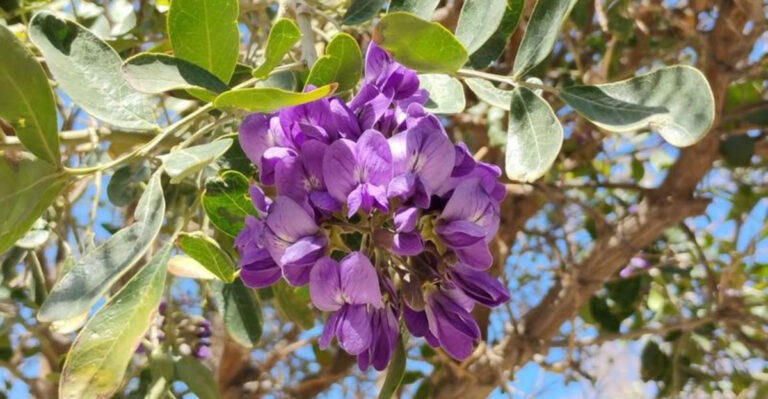
Texas mountain laurel or possumhaw holly offer better options for Texas gardens wanting impressive flowering shrubs. Mountain laurel produces fragrant purple flower clusters in spring and needs almost no supplemental watering once established.
Possumhaw holly creates amazing displays of bright red berries that last through winter and provides food for birds.
Both plants handle Texas conditions naturally without demanding constant attention and water that hydrangeas require to simply survive in our challenging climate.
5. Ferns
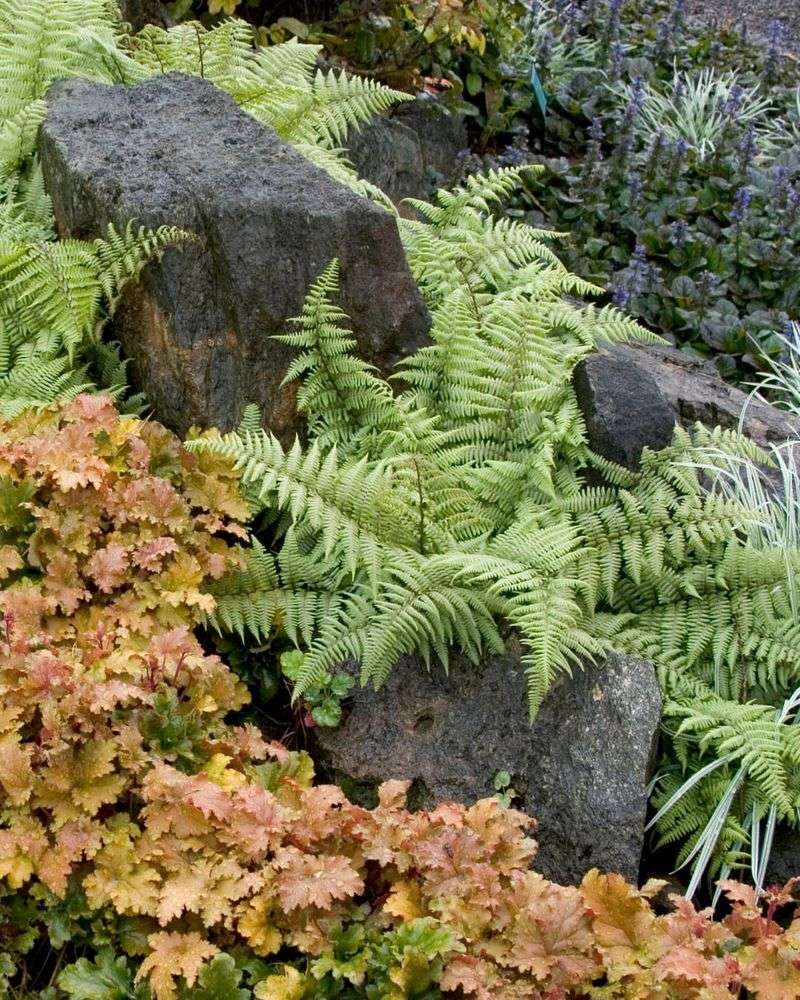
Ferns bring a touch of forest magic to shaded gardens with their delicate, feathery fronds that sway gently in the breeze. Boston ferns, maidenhair ferns, and other varieties became popular choices for Texas porches, patios, and shade gardens.
Their soft texture and bright green color create a cool, peaceful feeling that contrasts nicely with the hot Texas landscape surrounding them.
Most popular fern varieties evolved in moist forest environments where humidity stays high and soil never completely dries out. Texas conditions are about as opposite from forest floors as you can get, especially during our long, hot summers.
Ferns need their soil kept consistently damp, which means watering them every single day when temperatures climb. Miss a watering and the delicate fronds turn brown and crispy almost immediately.
High humidity is just as important as moisture for keeping ferns healthy and attractive. Texas air tends to be quite dry, even in Houston and other coastal areas.
Many homeowners find themselves misting their ferns daily in addition to regular watering just to prevent the fronds from drying out and turning brown.
The combination of daily watering and misting makes ferns among the thirstiest plants you can grow in Texas.
Native wood ferns or autumn ferns adapted to Texas conditions offer much better choices for shaded areas. These tough ferns handle our climate naturally and need watering only during extended dry spells.
Gulf Coast muhly grass provides another excellent alternative with fine, delicate texture similar to ferns but incredible drought tolerance. It produces beautiful pink flower plumes in fall and thrives in Texas gardens with minimal care and water throughout the year.
6. Petunias
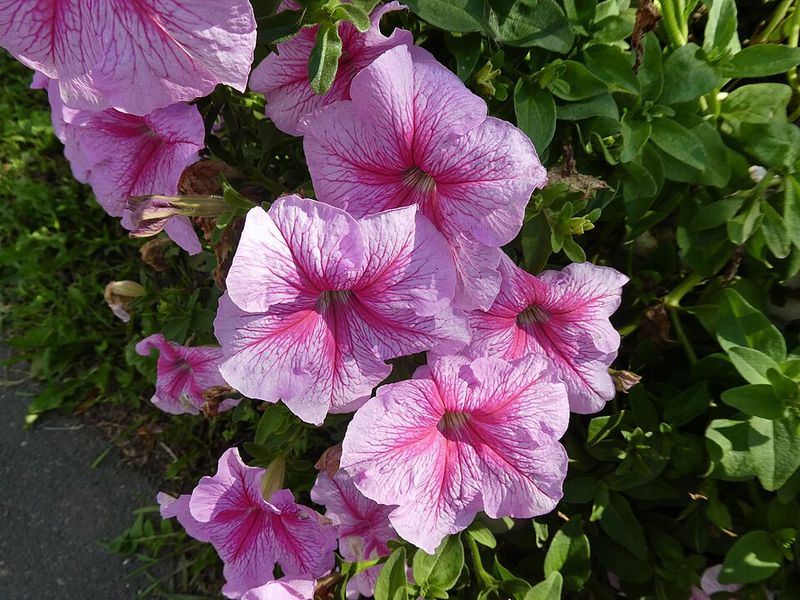
Petunias rank among the most popular annual flowers sold at Texas nurseries each spring because they come in every color imaginable and bloom continuously for months. These cheerful flowers fill garden beds, hanging baskets, and container gardens across the state.
Their trumpet-shaped blooms and trailing growth habit create stunning displays that brighten up any outdoor space from spring through fall.
The downside of petunias becomes obvious once Texas summer heat arrives in full force. These flowers need regular watering to keep blooming and looking fresh.
During hot weather, petunias in containers may need watering twice daily to prevent wilting. Even petunias planted in garden beds require watering at least every other day to maintain their appearance and flower production.
Petunias also tend to look raggedy and worn out by mid-summer in Texas despite deadheading and fertilizing. The combination of heat stress and high water needs makes them expensive to maintain in terms of both water bills and replacement costs.
Many Texas gardeners end up pulling out tired petunias in July and replanting with fresh flowers, which doubles the expense and water use.
Trailing lantana or moss rose provide much smarter choices for Texas gardens wanting long-lasting color. Lantana blooms nonstop from spring through frost in colors ranging from yellow and orange to pink and purple.
It thrives in heat and needs watering only occasionally once established. Moss rose offers similar trailing habit to petunias with bright, cheerful flowers that actually prefer hot, dry conditions.
Both plants give you months of beautiful blooms while using a fraction of the water that petunias demand to look decent throughout the growing season in Texas landscapes.
7. English Ivy
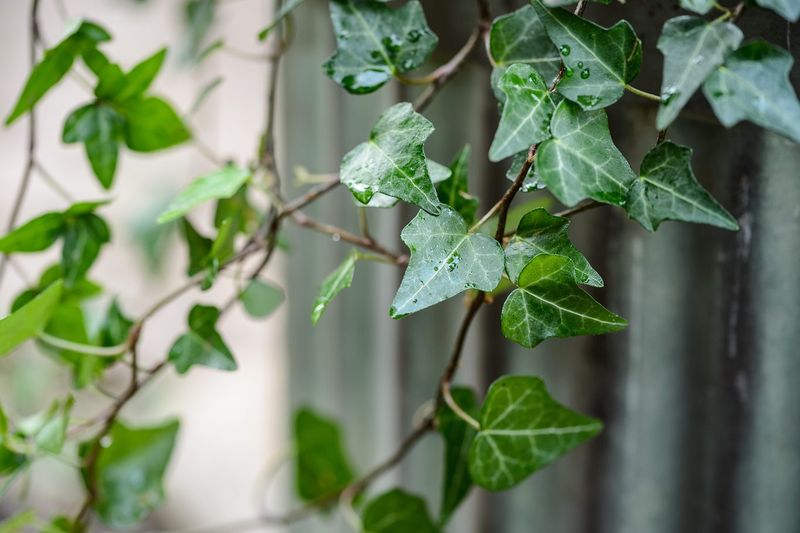
English ivy became a go-to choice for Texas homeowners wanting quick groundcover or attractive vines to cover fences and walls. This evergreen plant stays green year-round and spreads rapidly to fill in bare areas under trees where grass struggles.
The classic look of ivy-covered walls and dense ivy groundcover appeared in countless Texas landscapes over the years.
Despite its reputation as a tough, easy plant, English ivy actually needs quite a bit of water to maintain its lush appearance in Texas. The plant prefers cool, moist conditions similar to its native European forests.
Texas heat and sun stress ivy considerably, causing leaves to turn yellow or brown unless the plant receives regular, deep watering. During summer months, ivy needs watering two to three times weekly to stay healthy and attractive.
English ivy also creates problems beyond just water use in Texas gardens. It can become invasive, spreading where you don’t want it and climbing up trees where it blocks sunlight and adds weight to branches.
The dense growth also provides hiding spots for rodents and insects that homeowners would rather not have near their houses. Removing established ivy takes considerable effort once you decide it’s more trouble than it’s worth.
Native Virginia creeper or Asian jasmine make much better choices for Texas landscapes needing groundcover or climbing vines. Virginia creeper handles Texas conditions beautifully and turns brilliant red in fall for added seasonal interest.
Asian jasmine creates dense, attractive groundcover that needs minimal watering once established and stays green year-round.
Both options give you the coverage and greenery you want without the high water demands and maintenance headaches that English ivy brings to Texas gardens.