Texas Homeowners Swear By These Winter Ficus Care Tips
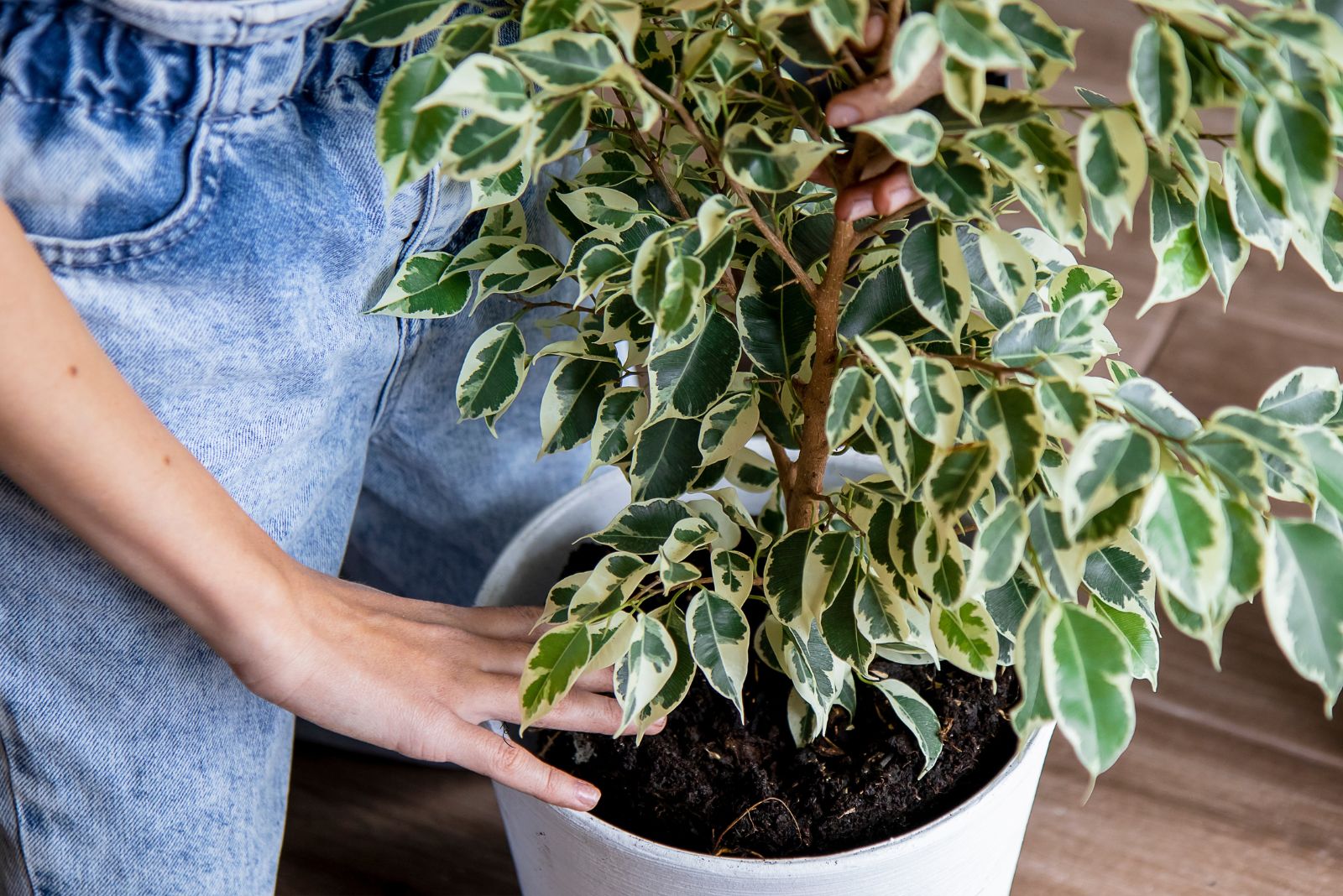
Winter in Texas can be weirdly unpredictable, and your ficus feels every bit of it. One week it is sunny and mild, the next a surprise cold snap rolls through and your leafy beauty starts dropping leaves like confetti. Sound familiar? Do not worry.
Texas homeowners have learned a few simple tricks to keep their ficus happy, glossy, and very much alive all season long. From mastering indoor light to dodging dry heater air, small changes make a big difference.
The best part is you do not need a greenhouse or a green thumb to pull this off. With the right care, your ficus can cruise through winter without the drama and bounce back even fuller in spring.
Ready to keep those lush green leaves looking fabulous? Let’s dive into the winter ficus care tips Texans truly swear by and see what works in real Texas homes right now.
1. Reduce Watering Frequency During Cold Months
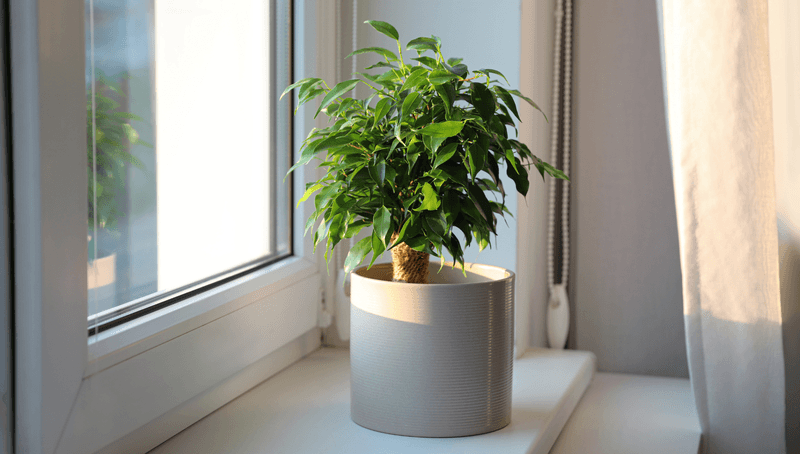
Water needs change dramatically when temperatures drop across Texas. Your ficus uses less moisture during winter because growth slows down naturally.
The soil stays damp longer when indoor heating runs constantly and evaporation rates decrease.
Many Houston and San Antonio homeowners make the mistake of keeping summer watering schedules going all year.
This leads to soggy soil that can harm roots and create problems you want to avoid. Check the top two inches of soil with your finger before adding any water.
When the soil feels dry at that depth, then your ficus is ready for a drink. Most Texas homes need watering reduced by about half during winter compared to summer amounts.
A tree that needed water twice weekly in July might only need it once every ten days in January.
Room temperature also affects how quickly soil dries out in different parts of Texas. Austin homes with efficient heating systems might need less frequent watering than older Dallas homes where temps fluctuate more.
Pay attention to your specific environment rather than following a rigid schedule.
Brown leaf edges or wilting can signal both overwatering and underwatering, so observation is key. Lift your pot occasionally to feel its weight and learn how heavy it should be when properly moist.
This hands-on approach helps you develop an instinct for your plant’s needs throughout the changing seasons.
2. Move Plants Away From Cold Drafts And Heaters
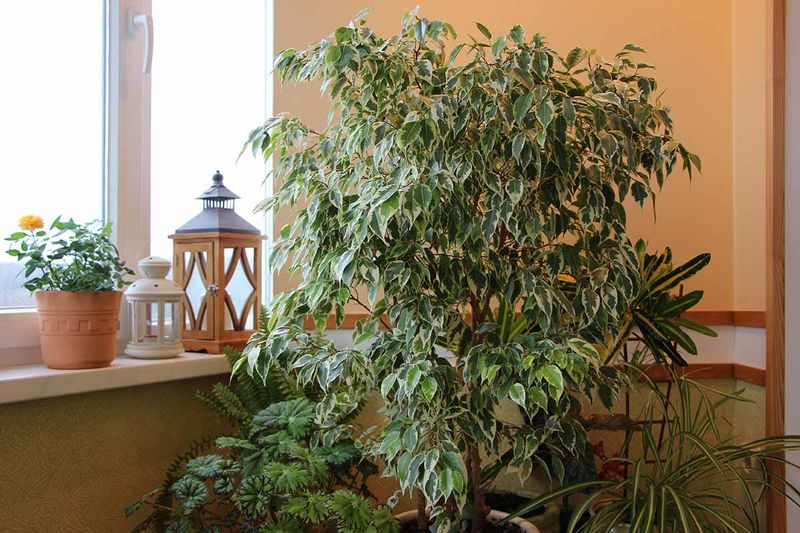
Location matters more than most people realize when it comes to winter ficus care. Cold drafts from windows and doors can shock your plant even during mild Texas winters.
That chilly air sneaking through gaps creates temperature swings that stress tropical plants adapted to consistent warmth.
Fort Worth and El Paso residents deal with more dramatic cold snaps than coastal areas. Placing your ficus near exterior walls or drafty windows exposes it to cold that penetrates even insulated homes.
The leaves might turn yellow or drop suddenly when subjected to these temperature changes.
Heating vents present the opposite problem but cause equal damage to your ficus. Direct heat blasts create hot, dry air that pulls moisture from leaves faster than roots can replace it. The result is crispy brown edges and overall decline in plant health.
Find a spot in your Texas home that maintains steady temperatures between 60 and 75 degrees. Interior walls away from both windows and heating sources work best for most situations. Hallways and rooms with indirect light often provide ideal stable conditions.
Consider using a small thermometer near your plant to monitor actual temperatures in that location. What feels comfortable to you might still have fluctuations your ficus finds stressful.
Move the plant if you notice leaf drop or other signs of distress after cold fronts move through your area.
3. Increase Humidity Levels Around Your Ficus
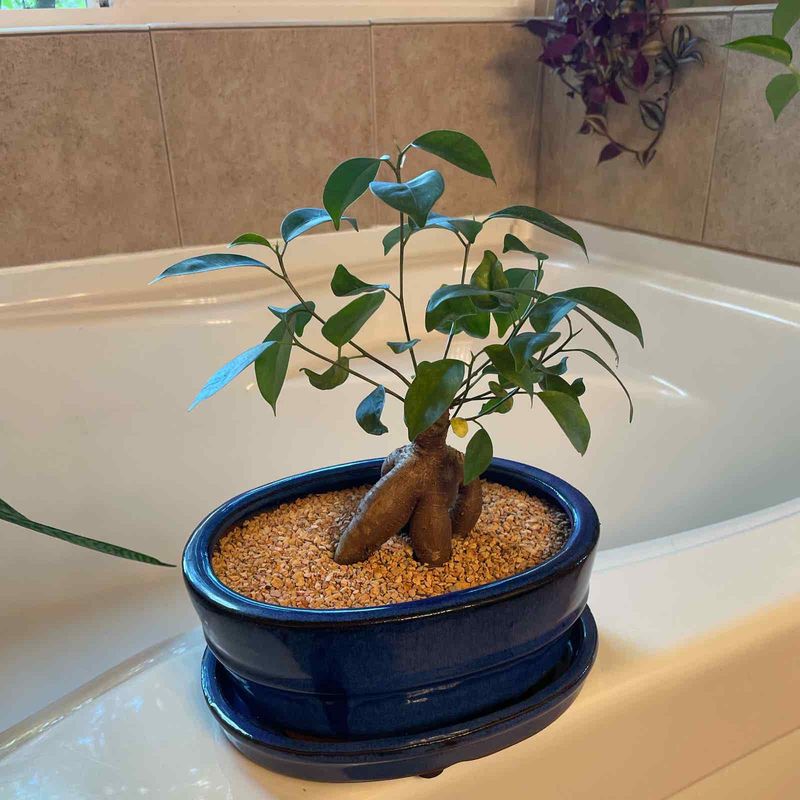
Winter heating systems turn Texas homes into deserts for tropical plants like ficus trees. Central heat strips moisture from indoor air, creating conditions far drier than these plants prefer.
Your ficus naturally comes from humid environments where moisture stays consistently high.
Low humidity causes brown leaf tips and edges that look unsightly and signal plant stress. Corpus Christi and Galveston homes near the coast maintain better natural humidity than inland areas.
Dallas and Lubbock residents often struggle more with dry winter air inside their homes. Adding moisture back into the air helps your ficus stay comfortable during heating season.
Simple pebble trays filled with water beneath your pot create localized humidity as water evaporates upward.
Group several plants together so they create their own humid microclimate through transpiration.
Room humidifiers offer the most effective solution for larger spaces or multiple plants. Running one near your ficus maintains humidity levels between 40 and 60 percent, which mimics their preferred conditions.
Check humidity with an inexpensive hygrometer available at most garden centers across Texas.
Regular misting provides temporary relief but does not substitute for consistent humidity. The water droplets evaporate quickly in heated homes, offering only brief benefit.
Save misting for supplemental care rather than your primary humidity strategy during winter months.
4. Provide Adequate Bright Indirect Light
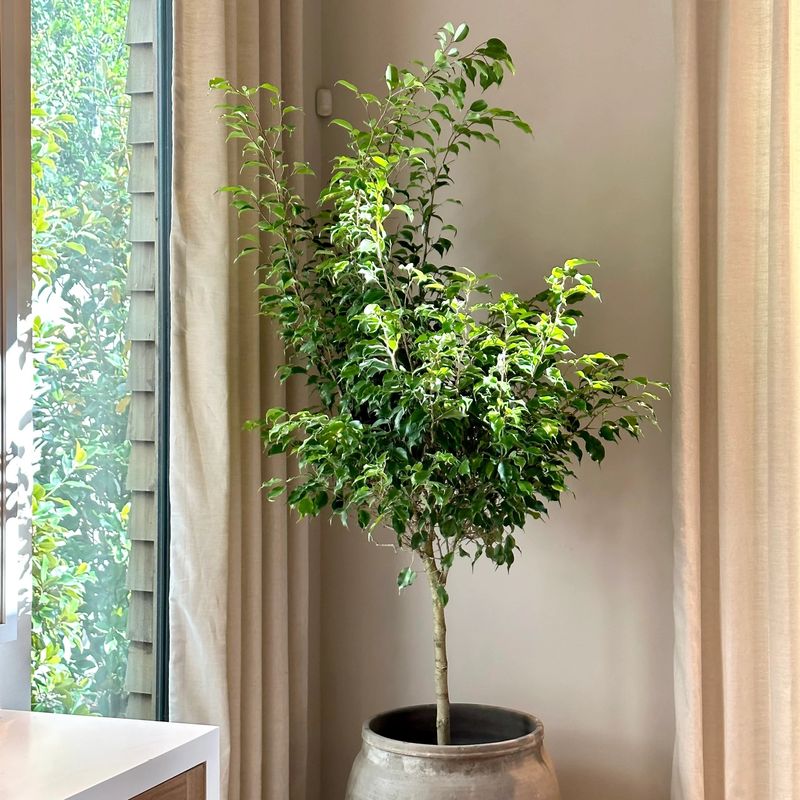
Shorter winter days mean less natural light reaches your ficus even in sunny Texas. The sun sits lower in the sky and passes through windows at different angles than summer.
Your plant might suddenly seem unhappy in a spot that worked perfectly during warmer months.
Ficus trees need bright light to maintain their leaves and stay healthy through winter. Insufficient light causes leaf drop that many Texas homeowners mistakenly blame on other factors.
Watch how light moves through your space as seasons change and adjust plant placement accordingly.
South-facing windows provide the most consistent winter light across most Texas homes. East and west exposures work well too, though they offer less total daily light. North-facing windows rarely provide enough brightness for ficus trees during any season.
Sheer curtains filter intense direct sun that can scorch leaves even in winter. The goal is bright indirect light that illuminates your plant without creating hot spots.
Amarillo and Wichita Falls homes with clear winter skies need more filtering than cloudier areas.
Consider adding grow lights if your home lacks adequate natural brightness during winter. LED plant lights have become affordable and effective for supplementing weak winter sun.
Position them about two feet above your ficus and run them for 12 to 14 hours daily to replace missing natural light.
5. Stop Fertilizing Until Spring Growth Resumes
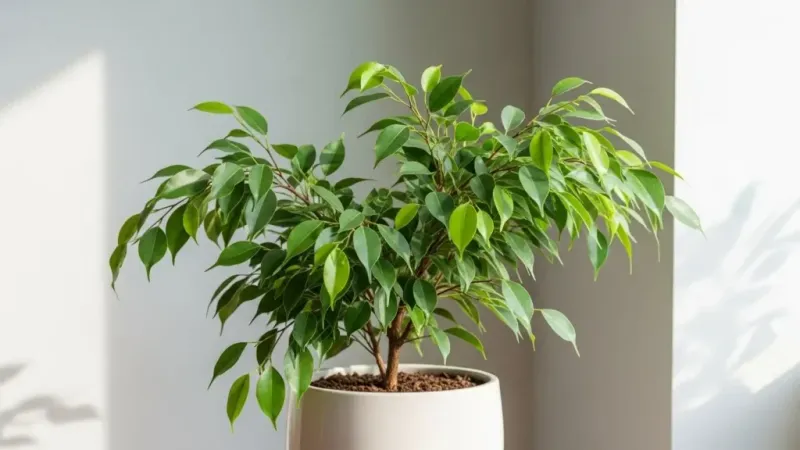
Growth slows to a crawl when winter settles across Texas and your ficus enters semi-dormancy.
The plant focuses on maintaining existing leaves rather than producing new growth. Feeding during this rest period pushes unwanted growth that weakens your tree. Fertilizer salts build up in soil when plants cannot actively use the nutrients you provide.
This accumulation can actually harm roots and create more problems than skipping fertilizer prevents. Texas tap water already contains minerals that concentrate in pots over time.
Most experienced plant owners across the state stop all fertilizing from November through February. Your ficus simply does not need extra nutrition when it is not growing actively.
Resume feeding only when you notice new leaf buds forming as temperatures warm in spring.
Leftover fertilizer from fall applications continues working in the soil through early winter. Your plant has enough stored nutrients to maintain health without additional supplements.
Plano and Arlington homeowners report healthier plants when they respect this natural rest cycle.
Watch for signs of spring growth starting anywhere from late February to early April depending on your Texas location. New light green leaves emerging from branch tips signal that feeding time has returned.
Start with half-strength fertilizer for the first application and gradually return to regular feeding schedules as growth increases.
6. Maintain Consistent Room Temperatures
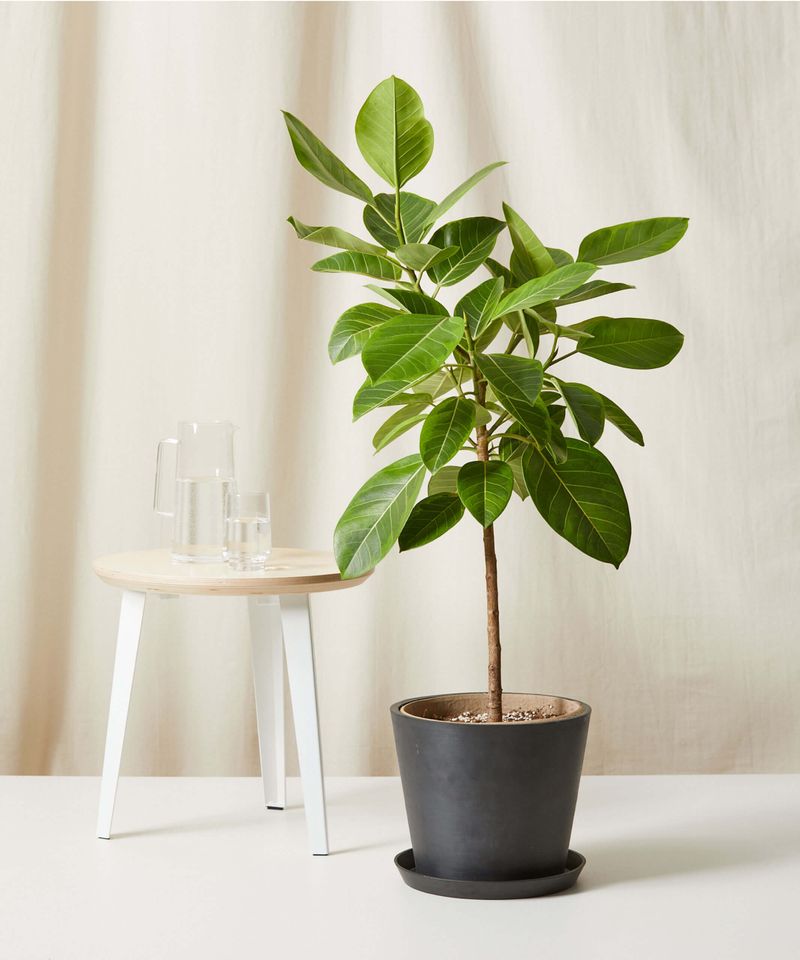
Temperature stability matters just as much as the actual temperature range for ficus health.
These tropical plants evolved in environments where temperatures stay relatively constant day and night. Wild swings common in some Texas homes during winter create unnecessary stress.
Your ficus prefers temperatures between 60 and 75 degrees throughout winter months. Dips below 50 degrees can cause leaf drop and other problems even if the cold does not last long. Keeping your thermostat set consistently protects your plant from shock.
Nighttime temperature drops present challenges in older Texas homes with less insulation. Laredo and McAllen residents might keep windows open during mild winter nights, creating bigger temperature swings.
Your ficus appreciates more stable conditions even if you enjoy fresh air. Avoid placing plants near exterior doors that open frequently during winter.
Each time the door opens, cold air rushes in and creates a brief but stressful temperature change. Interior locations away from high-traffic areas provide better protection.
Smart thermostats help maintain consistent temperatures automatically throughout day and night. Programming steady temps costs less than you might think when you avoid the extreme highs and lows.
Your ficus and your energy bill both benefit from this balanced approach to winter climate control in your Texas home.
7. Inspect Regularly For Pests That Thrive Indoors
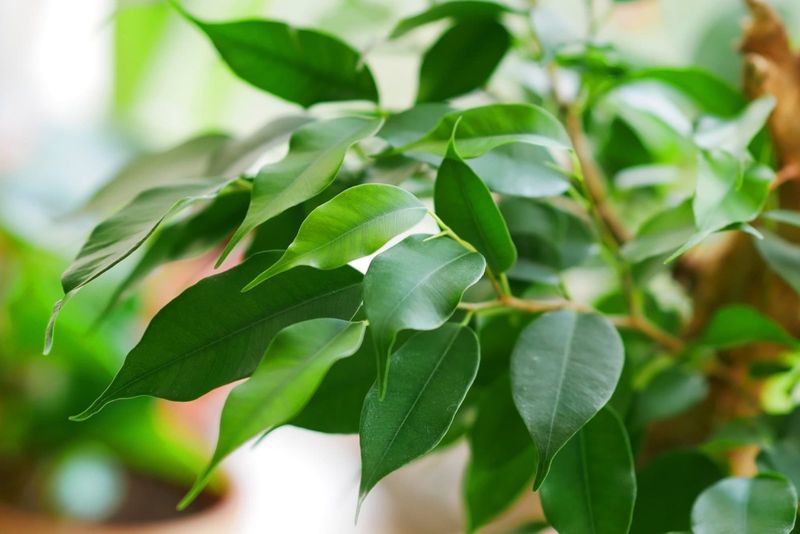
Winter brings your ficus indoors where pests find perfect conditions to multiply. Spider mites, scale insects, and mealybugs love the warm, dry air inside heated Texas homes. These tiny troublemakers can quickly infest a stressed plant and spread to others nearby.
Check your ficus weekly by examining both sides of leaves with good lighting. Look for tiny webs, cottony masses, or small bumps that indicate pest activity.
Early detection makes treatment much easier than waiting until an infestation becomes severe.
Spider mites appear as tiny moving dots and create fine webbing between leaves and stems. They thrive in the dry conditions created by heating systems across Texas. Increasing humidity helps prevent them while regular inspection catches problems early.
Sticky leaves or a shiny coating often signal scale insects or aphids feeding on your plant. These pests excrete honeydew that attracts ants and can lead to sooty mold.
Wipe leaves gently with a damp cloth every few weeks to remove pests and keep foliage clean.
Treat any pest problems immediately with insecticidal soap or neem oil spray. Both options work effectively on common ficus pests without harsh chemicals.
Isolate affected plants from others in your Beaumont or Tyler home until you resolve the infestation completely to prevent spreading.