7 Texas Native Plants Deer Usually Won’t Touch
Deer can turn a beautiful Texas garden into a buffet, nibbling on flowers, shrubs, and even young trees. For gardeners who want a vibrant yard without constant replanting, choosing plants deer usually avoid can save a lot of frustration.
Fortunately, Texas is full of native plants that handle the heat, sun, and occasional drought while staying mostly off the deer menu.
From colorful perennials to hardy shrubs, these native selections provide beauty, texture, and seasonal interest without constant worry about wildlife damage.
Many of them also attract pollinators and support local ecosystems, so your garden stays lively in more ways than one.
Planting deer-resistant natives gives homeowners peace of mind, letting you enjoy your yard’s colors, shapes, and movement without barriers or fences.
With the right choices, your garden can thrive, stay visually appealing, and coexist with local wildlife while keeping deer munching elsewhere.
1. Texas Sage
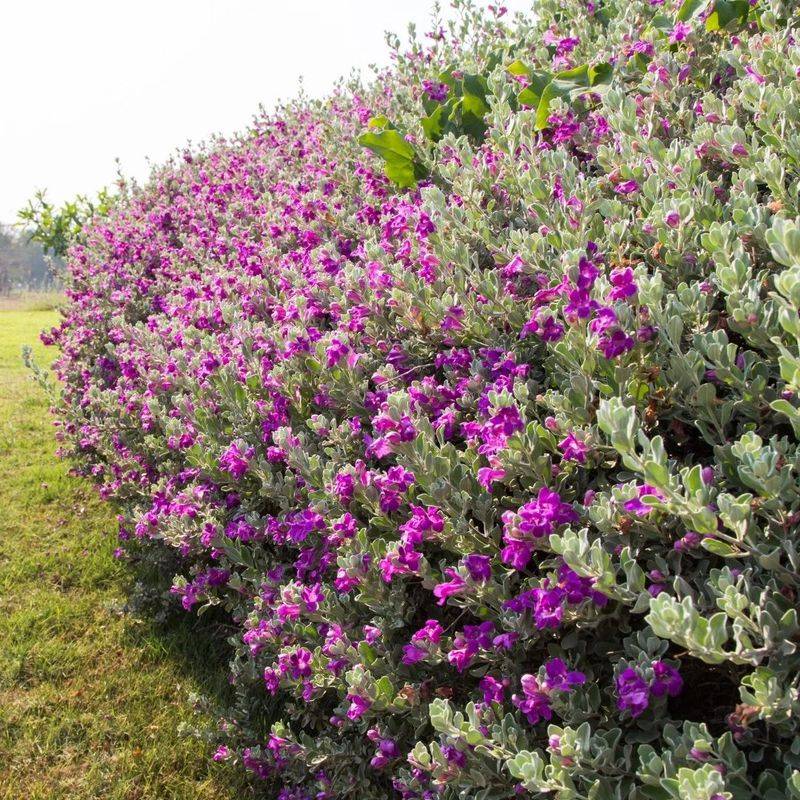
Walk through any Texas neighborhood after a good rain, and you might spot a shrub suddenly bursting into purple blooms almost overnight. That plant is Texas Sage, also called Cenizo, and it is one of the most reliable deer-resistant natives in the state.
Deer strongly dislike its silvery, fuzzy leaves, which have a soft but rough texture that most browsers want nothing to do with.
Texas Sage loves heat. It thrives in the dry, rocky soils of Central and West Texas, making it a perfect fit for gardeners who do not want to spend hours watering.
Once it gets established, this shrub practically takes care of itself. It handles drought like a champ and rarely needs extra fertilizer or soil improvements.
The blooms show up after rainfall, almost like the plant is celebrating the moisture. Those purple flowers are not just pretty.
They attract butterflies and bees, which is a great bonus for any Texas garden. The silvery-gray foliage looks attractive even when the plant is not in bloom.
Texas Sage grows well in full sun and prefers well-drained soil. It can reach about five to eight feet tall if left unpruned.
Many Texas homeowners use it as a natural privacy hedge or border plant. Since deer tend to avoid it completely, you can plant it near the edges of your property without worrying about overnight damage. It is truly one of Texas’s most dependable landscape plants.
2. Autumn Sage
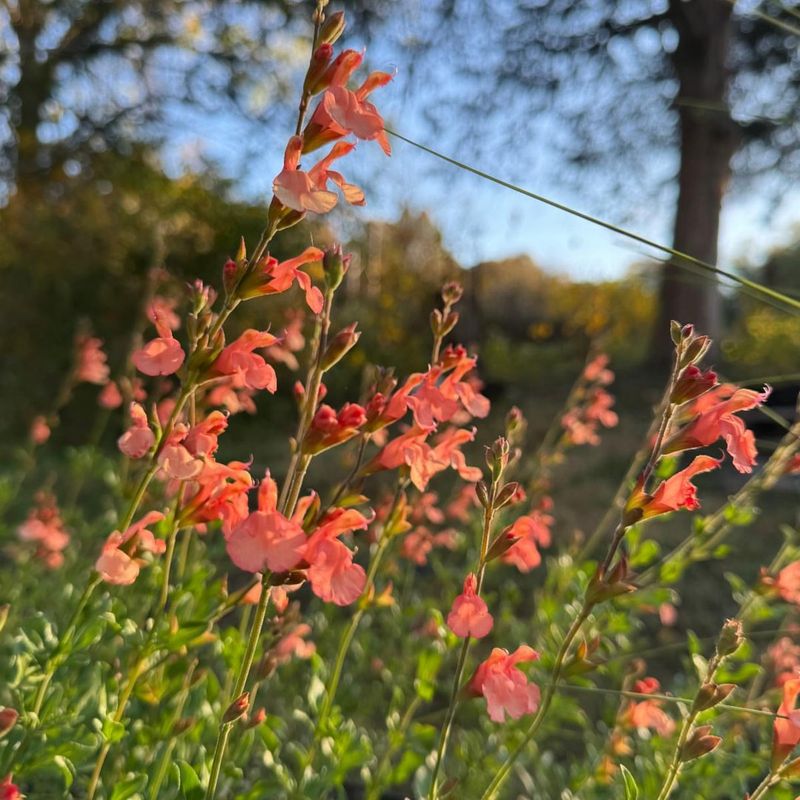
Some plants just refuse to quit, and Autumn Sage is exactly that kind of overachiever. This Texas native blooms from spring all the way through fall, filling your garden with bright red, pink, or coral flowers for months on end.
Deer tend to stay away from it because of its strongly aromatic foliage. Rub a leaf between your fingers and you will immediately understand why.
The scent is sharp and herby, and deer simply do not enjoy it. That natural fragrance acts like a built-in defense system, keeping browsers moving past your garden and onto someone else’s less-protected plants.
For Texas gardeners dealing with frequent deer visits, Autumn Sage is one of the smartest choices you can make.
Beyond deer resistance, Autumn Sage is also a pollinator magnet. Hummingbirds absolutely love the tubular flowers, and butterflies visit regularly too.
Planting it near a patio or window gives you a front-row seat to all that wildlife action throughout the warmer months in Texas.
Care is refreshingly simple. Autumn Sage handles drought well once established and prefers full sun to light shade.
It grows best in well-drained soils, which are common across much of Texas. Trimming it back lightly after each bloom cycle encourages fresh growth and even more flowers.
It stays relatively compact, usually reaching about two to three feet tall and wide. For a low-effort, high-reward plant that deer avoid and pollinators adore, Autumn Sage earns a permanent spot in any Texas landscape plan.
3. Red Yucca
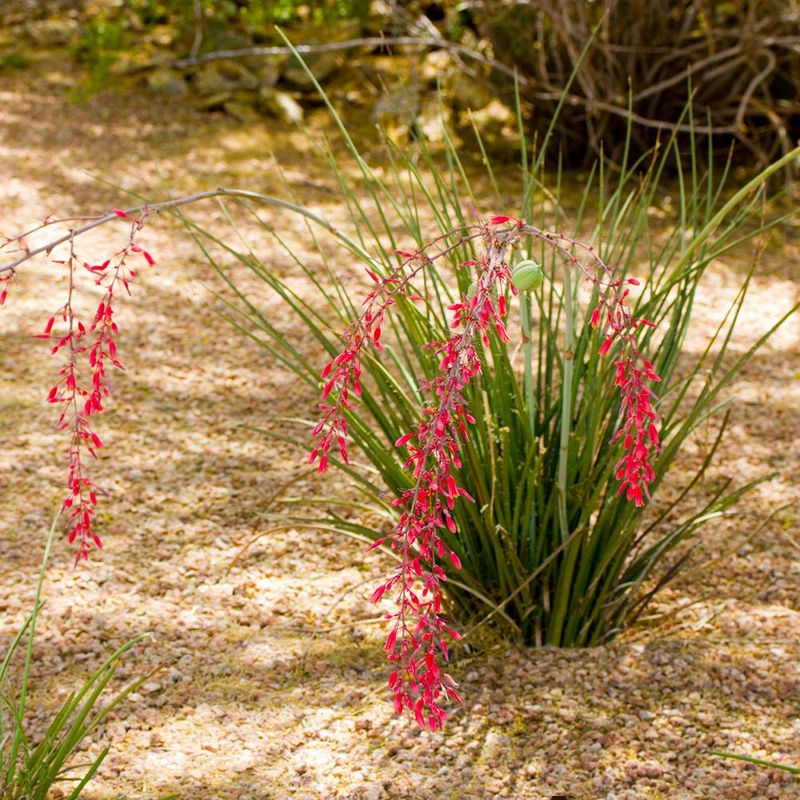
Tough as nails and absolutely stunning, Red Yucca is one of those plants that makes people stop and stare. The long, arching, grass-like leaves form a striking rosette at the base, and in late spring, tall flower spikes shoot up bearing coral-red tubular blooms.
Deer take one look at those stiff, fibrous leaves and walk right past. The texture and toughness of the foliage make it completely unappealing to browsing animals.
Despite its name, Red Yucca is not a true yucca. It belongs to the agave family, which explains its extreme toughness.
Across Texas, gardeners in the Hill Country, San Antonio area, and beyond rely on it heavily for dry, low-water landscapes.
It handles the intense summer heat without missing a beat and can go long stretches without any rainfall at all once it is established. The coral flower spikes are not just beautiful. They are hummingbird magnets.
Watch your garden in late spring and early summer, and you will likely spot hummingbirds hovering around those tall spikes almost every day.
That wildlife connection makes Red Yucca feel like more than just a plant. It becomes part of a living ecosystem right in your own backyard.
Red Yucca works well in rock gardens, along driveways, or as a bold focal point in any Texas landscape. It needs very little water and no special soil treatment.
Full sun is ideal, and it pairs beautifully with gravel or decomposed granite mulch. Few plants offer this much beauty with so little effort anywhere in Texas.
4. Gulf Muhly
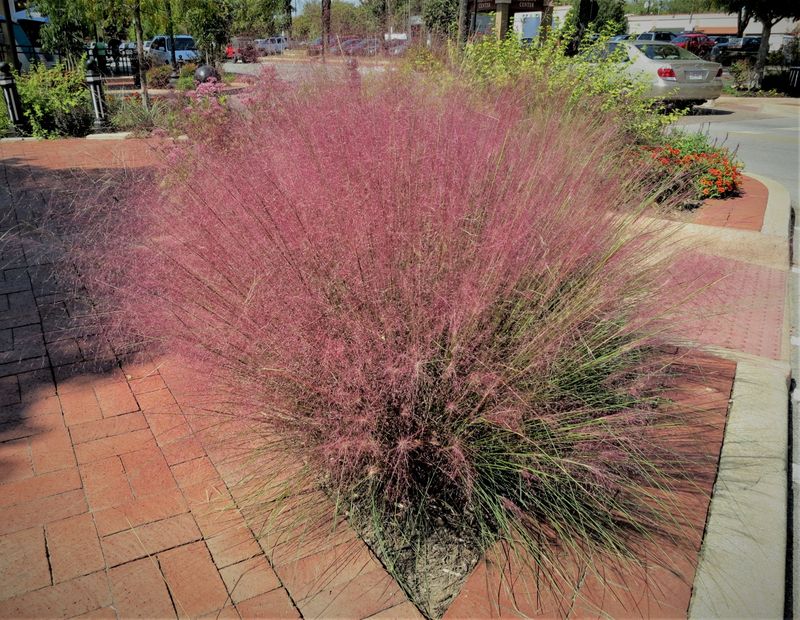
Every October, something almost magical happens across Texas landscapes where Gulf Muhly grows. The fine, wiry green grass transforms into a cloud of soft pink and purple plumes that glow in the afternoon sun.
It is one of the most breathtaking seasonal displays any native grass can offer. Deer rarely touch it, likely because the thin, wiry texture of the blades offers very little nutritional reward compared to broader-leafed plants nearby.
Gulf Muhly is incredibly low maintenance. Once planted in a sunny spot with decent drainage, it largely takes care of itself.
It tolerates drought, poor soils, and the blazing Texas summer heat without complaint. You do not need to fertilize it, and you only need to cut it back once a year in late winter before new growth begins in spring.
Beyond the fall color show, Gulf Muhly provides year-round textural interest in the garden. The fine, arching blades move gracefully in the breeze, adding a soft, flowing element to otherwise rigid landscapes.
It pairs wonderfully with bold plants like Red Yucca or Texas Sage for a layered, naturalistic look that feels right at home across Texas.
Plant Gulf Muhly in groups of three or more for the most dramatic effect. It grows about two to three feet tall and wide, making it a great mid-border plant or mass planting along a fence line.
Birds also appreciate the seeds it produces in the fall. For Texas gardeners wanting color, movement, and zero deer drama, Gulf Muhly is an easy, confident choice.
5. Blackfoot Daisy
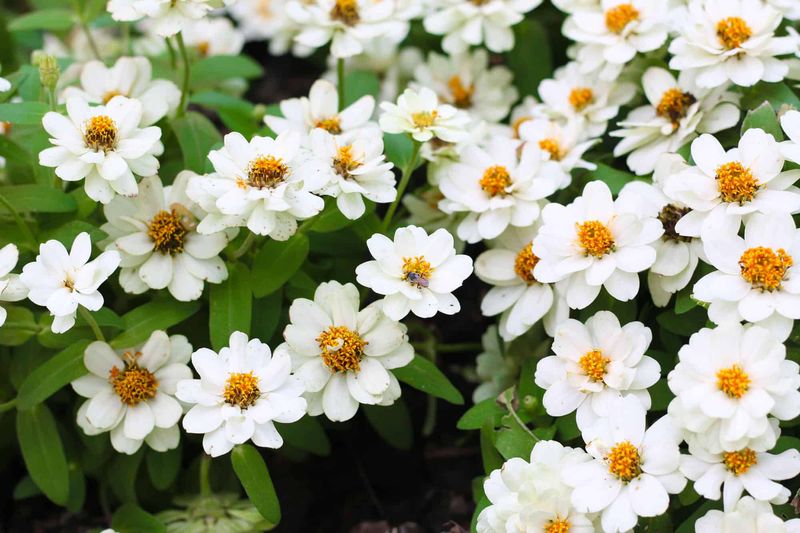
Cheerful, tough, and wonderfully fragrant, Blackfoot Daisy is a Texas native that punches well above its weight class. The small white flowers with bright yellow centers bloom for months, often starting in early spring and continuing well into fall.
Deer tend to avoid this plant because of its strong scent and somewhat tough, bristly foliage. That natural repellent quality makes it a go-to choice for Texas gardeners tired of watching their flower beds get eaten overnight.
Blackfoot Daisy got its name from the small black bracts at the base of each flower head, which resemble tiny feet. It is a fun little detail that makes the plant even more interesting up close.
Native to the rocky limestone soils of Central and West Texas, it thrives in exactly the kind of poor, dry conditions that challenge most other flowering plants.
One of the best things about Blackfoot Daisy is how little it needs. No extra watering, no fertilizer, no fuss.
Plant it in full sun and well-drained soil, and it will reward you with nearly nonstop blooms. It grows into a compact mound about one to two feet tall, making it ideal for rock gardens, borders, or tucked between boulders in a Texas xeriscape design.
Pollinators absolutely love Blackfoot Daisy. Bees and butterflies visit the flowers constantly during the blooming season.
The plant also reseeds itself gently, meaning you may find new plants popping up nearby each year. It is the kind of easy, happy plant that makes Texas gardening feel genuinely rewarding and stress-free.
6. Damianita
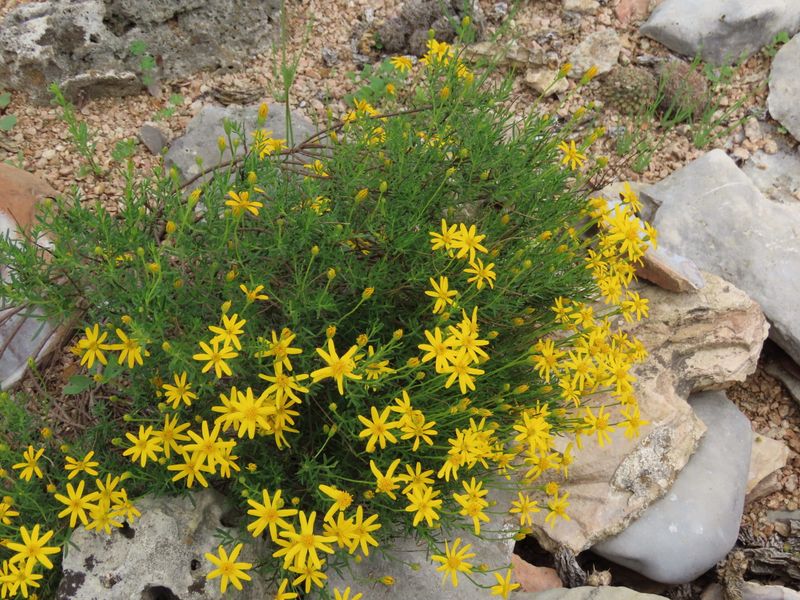
Not every plant needs fancy soil or extra water to put on a show. Damianita proves that point beautifully every spring and fall when it covers itself in cheerful bright yellow flowers.
This low-growing evergreen shrub is highly aromatic, and that strong, resinous fragrance is exactly why deer want nothing to do with it.
Walk past a Damianita on a warm Texas afternoon and you will immediately catch that distinctive herby scent rising from the fine, needle-like leaves.
Damianita is native to the Chihuahuan Desert region and thrives in the dry, rocky, alkaline soils found across much of West Texas and the Hill Country. It handles drought with impressive ease and actually prefers lean, poor soils over rich, amended garden beds.
Overwatering is about the only way to run into trouble with this plant. In a well-draining spot with full sun, it practically grows itself.
The bright yellow blooms appear in spring and again in fall, giving your Texas garden two separate bursts of color each year. Bees and other native pollinators visit the flowers enthusiastically during both bloom periods.
The evergreen foliage keeps the plant looking tidy and green even during dry summers when other plants look stressed and ragged.
Damianita works especially well in xeriscaping projects across Texas. It pairs naturally with other tough natives like Red Yucca and Texas Sage.
Growing only about one to two feet tall, it fits neatly along pathways, rock walls, or the front edge of a planting bed. Few plants offer this much color and fragrance with so little maintenance anywhere in the state.
7. Agarita
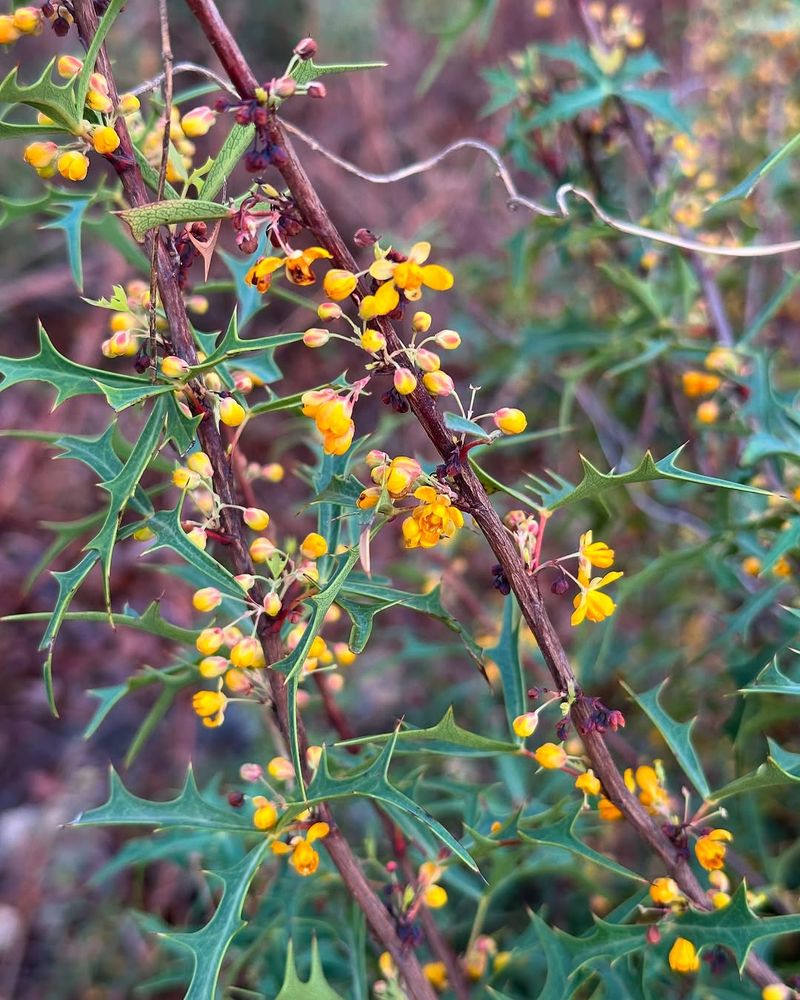
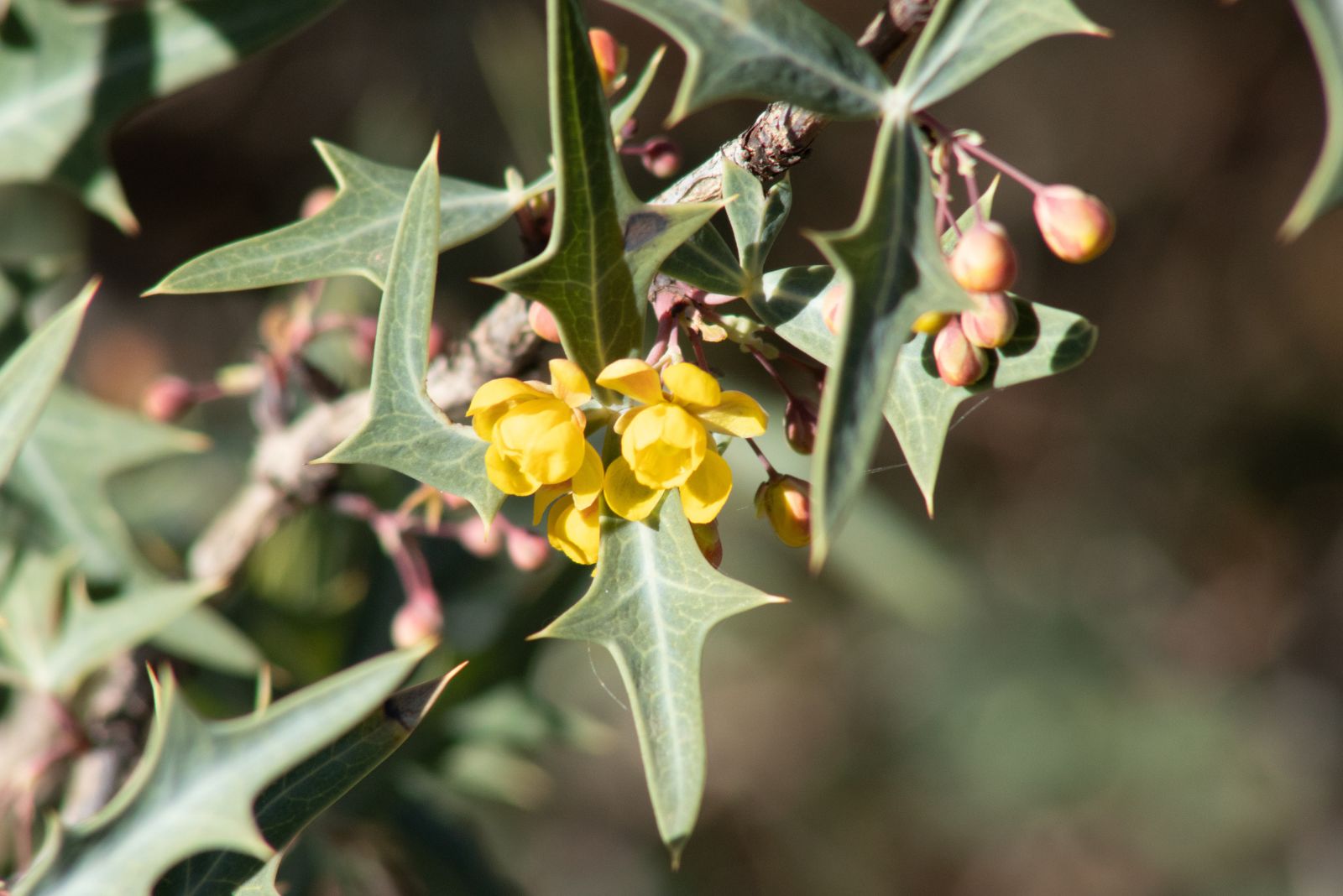
Sharp, scrappy, and surprisingly beautiful, Agarita is one of Texas’s most fascinating native shrubs. The stiff, spiny, holly-like leaves make it completely off-limits for deer browsing.
No animal wants to push its nose through those pointed leaflets. That built-in armor makes Agarita one of the most naturally deer-proof plants you can grow anywhere across Texas, especially in the Hill Country where deer pressure is heavy year-round.
Beyond its defense system, Agarita is genuinely lovely throughout the seasons. In late winter or early spring, it produces clusters of small, fragrant yellow flowers that are among the earliest blooms of the year in Texas.
Those flowers are a critical early food source for bees and other pollinators waking up after winter. By early summer, the plant produces bright red berries that birds and other wildlife eagerly consume.
Agarita is extraordinarily drought-tolerant. It grows naturally on rocky limestone slopes and caliche soils across Central and West Texas, which means it is perfectly adapted to some of the harshest growing conditions in the state.
Once established, it needs virtually no supplemental watering and no fertilizer at all. It is a true survivor that asks very little in return for what it gives.
In the landscape, Agarita works well as a natural barrier hedge, a wildlife habitat plant, or simply a bold native accent. It grows slowly to about four to six feet tall and wide.
The combination of year-round interest, wildlife value, and complete deer resistance makes Agarita one of the most underappreciated gems in the entire Texas native plant world.