7 Texas Native Plants That Recover Fastest After A Hard Summer
By the end of a Texas summer, a lot of yards look pretty rough. Leaves are crispy, flower beds are thin, and plants that looked amazing in April are barely hanging on.
It’s easy to assume the worst. But native plants have a few tricks that exotic ones don’t. Many of them have spent thousands of years adapting to this exact kind of weather.
Some slow down and go semi-dormant during extreme heat, saving their energy instead of wasting it.
Others grow deep roots that reach moisture far below the surface. Once the first cool front rolls through and a little rain returns, they wake up fast.
Within a few weeks, fresh leaves appear, blooms reappear, and pollinators return to the garden.
Some natives bounce back much faster than others, and a few seem almost unstoppable once the heat lets go.
1. Texas Sage, The Weather-Watching Shrub
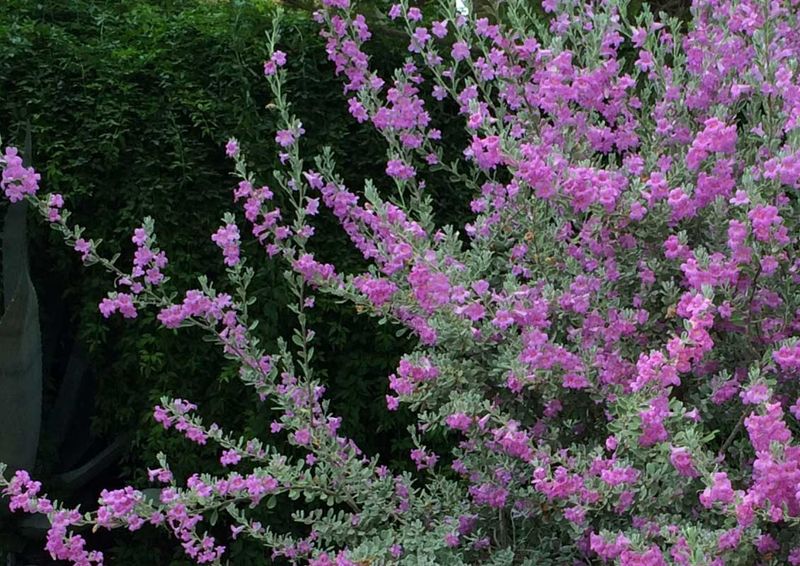
Some folks swear their Texas sage can predict the weather better than the evening news. That is why people call it the barometer bush.
Within a few days after a soaking rain or a spell of sticky humidity, the plant explodes with lavender-purple flowers.
During a long dry stretch, cenizo looks quiet and a little dull. Its silvery gray leaves stay put, but you will not see many blooms. Do not worry, because the shrub is simply waiting for its moment.
Those fuzzy, pale leaves are a clever trick. They reflect sunlight and help the plant hold onto water. That is a big reason cenizo can handle full sun, rocky ground, and long weeks with no rain at all.
Planting it is simple. Pick the sunniest spot you have, with soil that drains fast. Heavy clay that stays soggy is the one thing that can make this shrub unhappy, so add gravel or plant it on a small slope if needed.
Water is only needed while the plant gets settled during its first year. After that, rain usually does the job. In fact, too much watering and fertilizer can make cenizo leggy and cut back on its flowers.
Pruning should be light. Avoid shearing it into tight boxes, since that removes the wood where flowers form. A gentle shaping in late winter keeps it neat and natural.
Bees love the blooms, and deer usually leave the plant alone. Most kinds grow four to six feet tall, so give them room.
Here is a fun fact: cenizo is also the host plant for the theona checkerspot butterfly, so you might spot tiny caterpillars nibbling away.
2. Turk’s Cap, The Hummingbird Snack Bar
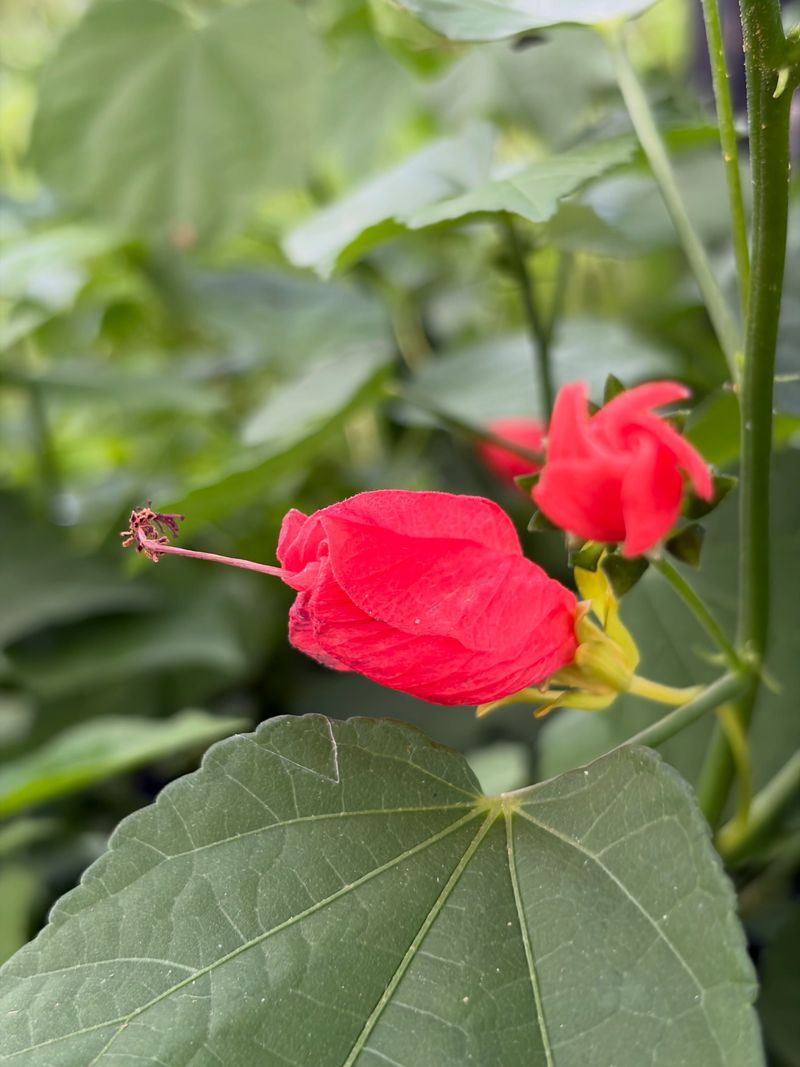
Hummingbirds treat Turk’s cap like their favorite roadside diner. The bright red flowers never fully open. Instead, they twist into a swirl that looks like a tiny turban, which is how the plant got its name.
When August heat gets intense, this plant may droop or look a bit tired. Still, it rarely gives up. Once fall rains show up and nights cool down, the leaves perk right back up and new flowers keep coming.
Your Texas Garden Changes Every Week. Your Plan Should Too.
Gardening in Texas changes quickly throughout the season. Every Friday you’ll receive a simple weekly plan showing exactly what to plant, prune, fertilize, harvest, and protect so you never miss the right timing.
One thing that makes Turk’s cap special is its love of shade. Many flowering plants need full sun, but this one blooms nicely under trees or along the north side of a house. It also grows in sun, though it may need a little extra water there.
Soil is not a big concern. Clay, sand, or rocky ground all work fine. A deep drink every week or two during a dry spell helps it look its best, but established plants can get by on much less.
Trimming is easy too. In late winter, cut the stems back close to the ground. Fresh shoots will rise in spring, and the plant will grow three to five feet tall by summer.
Fall is when it really shines. Migrating hummingbirds and butterflies need fuel for their long trips south, and Turk’s cap keeps serving nectar right when they arrive.
Later, small red fruits appear. Birds enjoy them, and people have even used them to make jelly.
Got a tricky shady corner where nothing seems to grow? Give this tough, cheerful plant a try. It spreads slowly into a nice patch over time.
3. Gregg’s Mistflower, A Butterfly Magnet
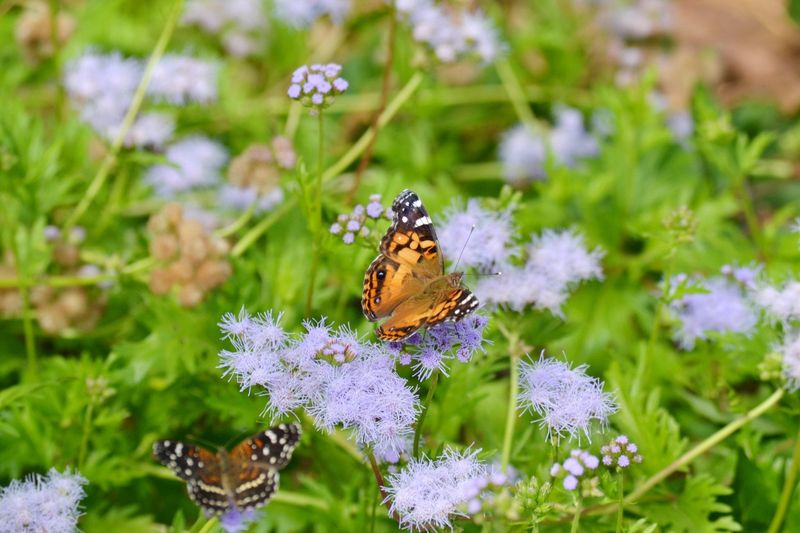
Stand next to a blooming patch of Gregg’s mistflower in October, and you may count dozens of butterflies at once. Queen butterflies, with their rich orange wings, practically live on it. Monarchs heading to Mexico stop by for a sweet refill too.
Summer can be rough on this low-growing perennial. During extreme heat, the leaves may wilt and the plant may look sad. A good drink of water and a few cooler days are usually all it takes for a fast rebound.
The flowers are what make people fall in love. Each bloom is a soft, fuzzy puff of blue-lavender. When the whole plant is covered, it looks like a little purple cloud sitting in your garden.
Growing it is pretty easy. It likes full sun to part shade and soil that drains well. Plants usually reach about one to two feet tall and spread outward by underground roots, so they can fill a bare spot nicely.
Here is a helpful tip. Cut the plant back by about half in early summer. That keeps it tidy and pushes out more stems, which means even more flowers in fall.
Watering every week or so during long dry spells keeps it looking fresh. Leaves that droop in the afternoon are a sign it wants a sip. Morning watering works best.
Because it spreads, give it some space or plant it where a little wandering is welcome. Many gardeners happily share extra pieces with neighbors.
If you want a front-row seat to fall butterfly season, this is one of the best plants you can grow.
4. Autumn Sage Saves Its Best For Fall
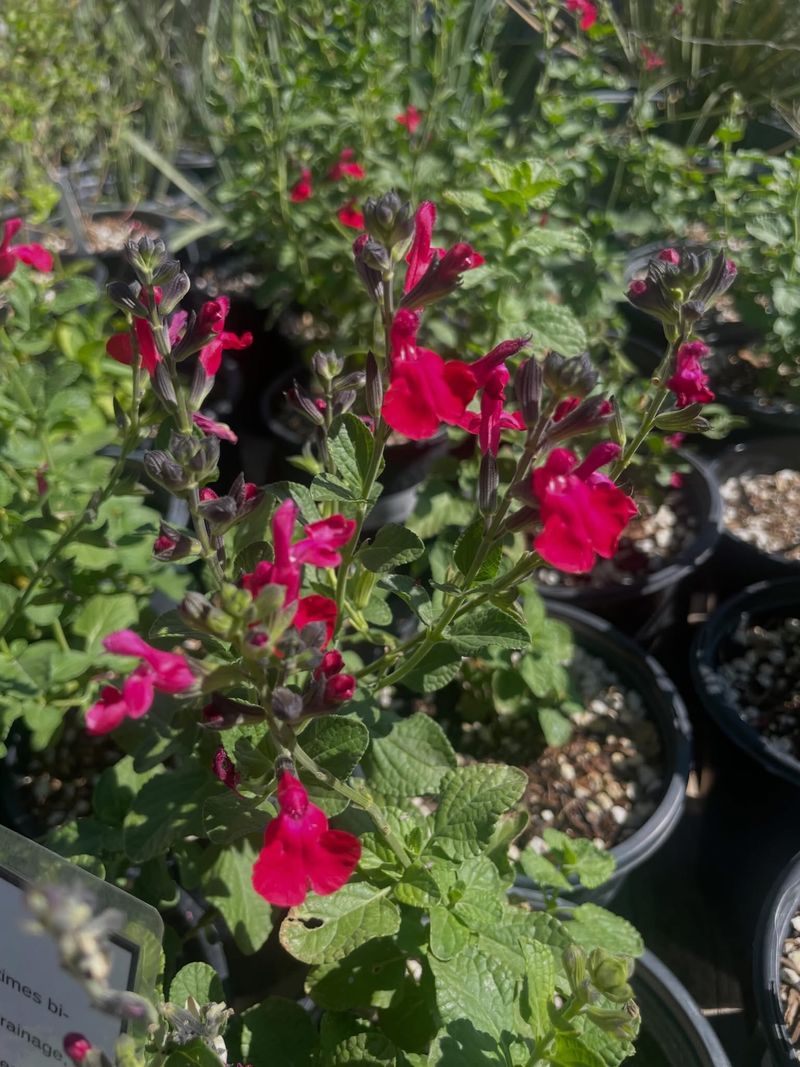
Patience pays off with autumn sage. During the hottest weeks of summer, this little shrub often slows down or stops blooming altogether. Then fall arrives, and it puts on a show so heavy with flowers that it earns its name.
Gardeners sometimes panic when the blooms disappear in July. There is no need. The plant is simply taking a break to save energy and water.
A smart move in late summer is a light trim. Snip off about a third of the plant, focusing on long, woody, or messy stems. Within a few weeks, fresh green growth appears, and the flowers follow close behind.
Color choices are a big part of the fun. Red is the classic look, but you can also find pink, coral, white, purple, and even two-toned types. Mixing a few colors makes a cheerful border.
Full sun is ideal, and the soil should drain well. Like many Texas natives, it does not enjoy wet feet. Raised beds or slopes work great if your yard has heavy clay.
Once established, autumn sage needs little water. A deep soak during long droughts is plenty. The small leaves have a minty, spicy smell when you brush against them, which is a nice bonus when you walk by.
Hummingbirds adore the tube-shaped blooms. Deer, on the other hand, usually skip it because of that strong scent.
Most plants stay around two to three feet tall, which makes them easy to tuck into small yards, front walks, or large pots on a sunny patio.
5. Texas Lantana Laughs At The Heat
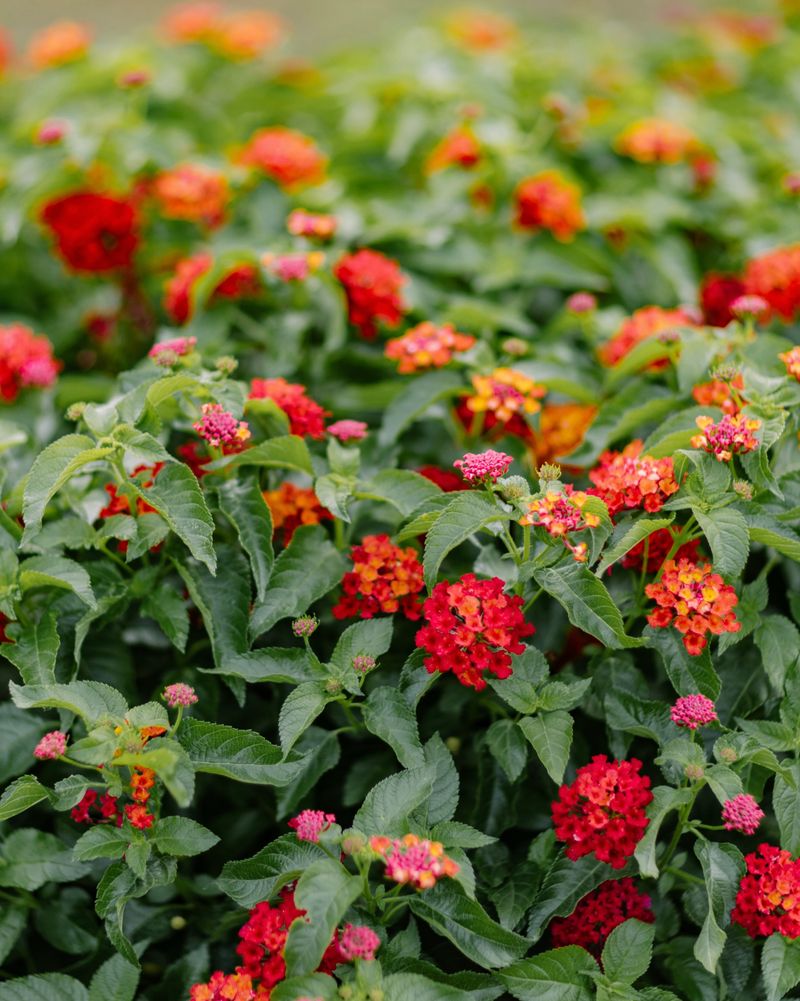
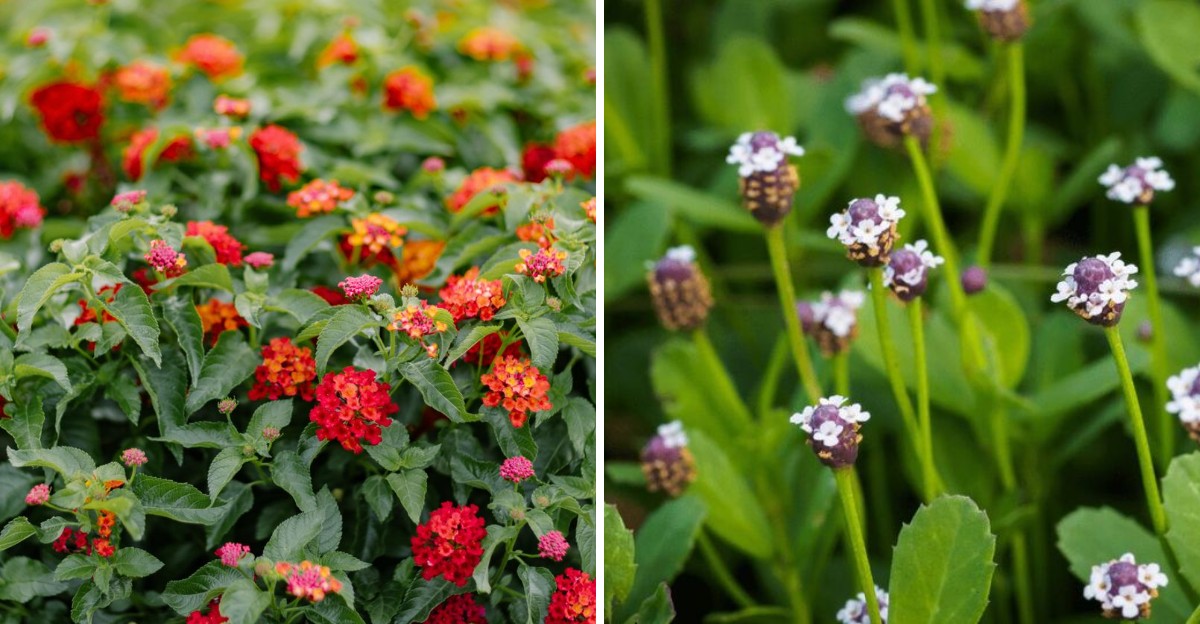
Heat that makes people hide indoors barely bothers Texas lantana. This scrappy plant actually seems to enjoy hot sun and dry dirt. While other flowers fade, it keeps going like it has somewhere important to be.
Rain gives it an extra boost. After a good storm, new flushes of flowers pop out in clusters of sunny yellow that slowly turn orange. Each cluster can show both colors at once, almost like a tiny sunset.
Native Texas lantana is different from many store-bought types. Some common garden lantanas come from other places and can spread too much. The native kind, Lantana urticoides, is a better fit for local wildlife and weather.
Growing it could hardly be easier. Plant it in full sun with soil that drains well. Poor, rocky ground is fine, and it rarely needs fertilizer. Water while it gets started, then let nature handle most of the rest.
In late winter, cut the stems down to a few inches tall. It might look bare for a while, but strong new growth comes back in spring. Plants usually grow two to four feet tall and wide.
Deer tend to leave it alone, which is great news for many Texas yards. Butterflies, bees, and moths, however, visit all season long.
One safety note matters a lot. The small berries are toxic to people and pets, so keep curious kids and dogs away from them.
Birds can eat the berries safely, though. Plant it in a spot away from play areas, and you will have a bright, low-fuss shrub that shrugs off brutal summers.
6. Flame Acanthus, A Fuel Stop For Hummingbirds
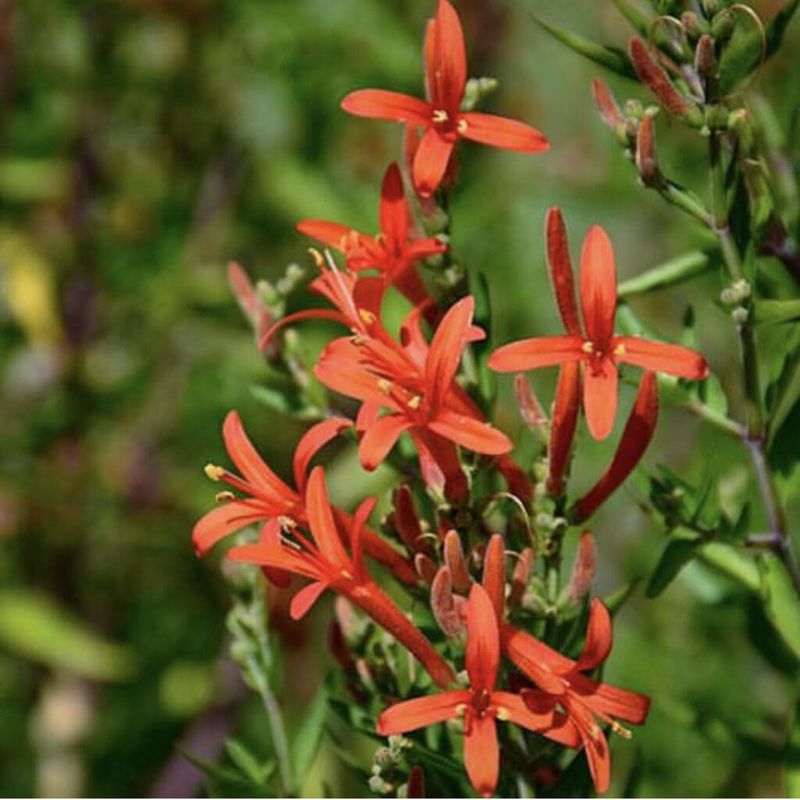
Did you know a single hummingbird may visit hundreds of flowers in one day? Before flying across the Gulf of Mexico, these tiny birds must bulk up on nectar. Flame acanthus is one of the best fuel stations they can find in Texas.
The flowers are narrow, orange-red tubes that fit a hummingbird beak perfectly. Blooms usually start in summer and keep coming into fall, right when migration is in full swing.
Tough is the best word for this shrub. It handles blazing heat, poor soil, and long dry spells without much fuss. Even in a rough summer, it often keeps a few flowers going while its neighbors look burned out.
Plant it in full sun for the most blooms. It can grow in part shade, but it will flower less. Soil should drain well, and rocky or sandy ground is just fine.
After the first year, extra water is rarely needed. A deep soak during a really long drought can keep it looking lush. Skip heavy fertilizer, since that can mean more leaves and fewer flowers.
Each winter, the shrub drops its leaves and looks like a bundle of sticks. That is normal. Cut it back hard in late winter, even down to about a foot tall, and it will return thicker and fuller in spring.
Most plants grow three to five feet tall. Deer usually leave it alone, which makes it handy for country yards. Plant a few near a window, and you will get a front-row view of busy hummingbirds zooming by all fall.
7. Frogfruit, The Little Groundcover That Could
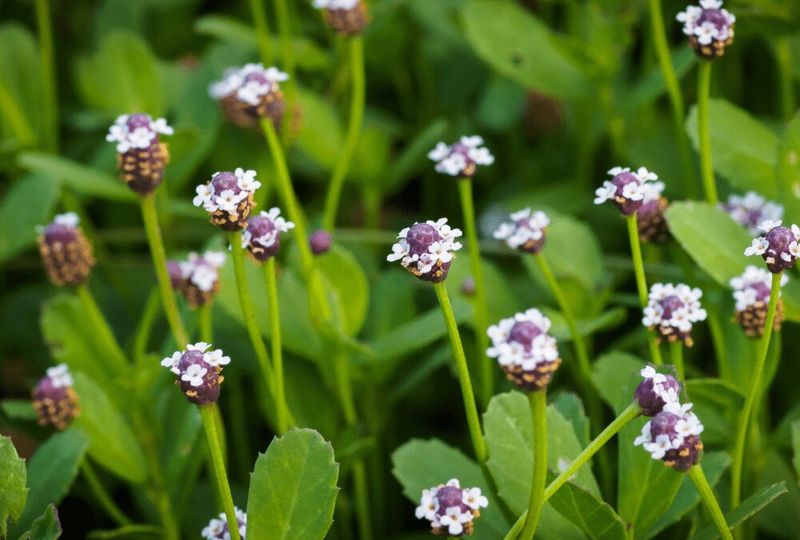
Frogfruit will never win a prize for flashy looks, but it might win one for toughness. This low native groundcover hugs the soil and spreads into a green mat. It is the kind of plant that quietly does its job without asking for much.
In a hard drought, frogfruit may thin out and leave some bare patches. Once rain comes back, though, it quickly creeps across the ground and fills in again. Few groundcovers recover so fast.
Look closely, and you will notice tiny white flowers sitting on little cone-shaped heads. Some have a pink or purple center ring. They are small, yet bees and tiny butterflies visit them all season.
Here is the cool part. Frogfruit is a host plant for the phaon crescent and the white peacock butterfly. That means female butterflies lay their eggs on it, and the caterpillars eat the leaves as they grow.
Many people use it as a lawn replacement in areas with light foot traffic. It handles sun or part shade and grows in most soils, even heavy clay. It stays just a few inches tall, so mowing is rarely needed.
Getting started is simple. Plant small plugs about a foot apart and water them regularly for the first few weeks. Soon the runners will root and join together.
Edges along paths, spaces between stepping stones, and slopes that wash out are great spots for it. You get less mowing, less watering, and more pollinators. Not bad for a plant with such a funny name, right?