Texas Native Plants You Can Plant Now For A Vibrant Spring Garden
Ready to give your Texas garden a head start on spring color and life? Planting native species now is one of the smartest moves you can make for a vibrant, low stress landscape.
Texas native plants are naturally adapted to local heat, soil, and weather swings, which helps them grow stronger and require less maintenance once established. They also support local pollinators and wildlife, bringing movement and energy to your outdoor space.
Getting them in the ground early allows roots to settle in before the growing season really takes off. Many gardeners love how these plants deliver reliable blooms, rich textures, and natural beauty without constant attention.
With the right choices, your garden can wake up full of color, resilience, and lively charm. Texas native plants set the stage for a spring garden that feels bright, balanced, and ready to thrive all season long outdoors.
1. Texas Bluebonnet (Lupinus texensis)
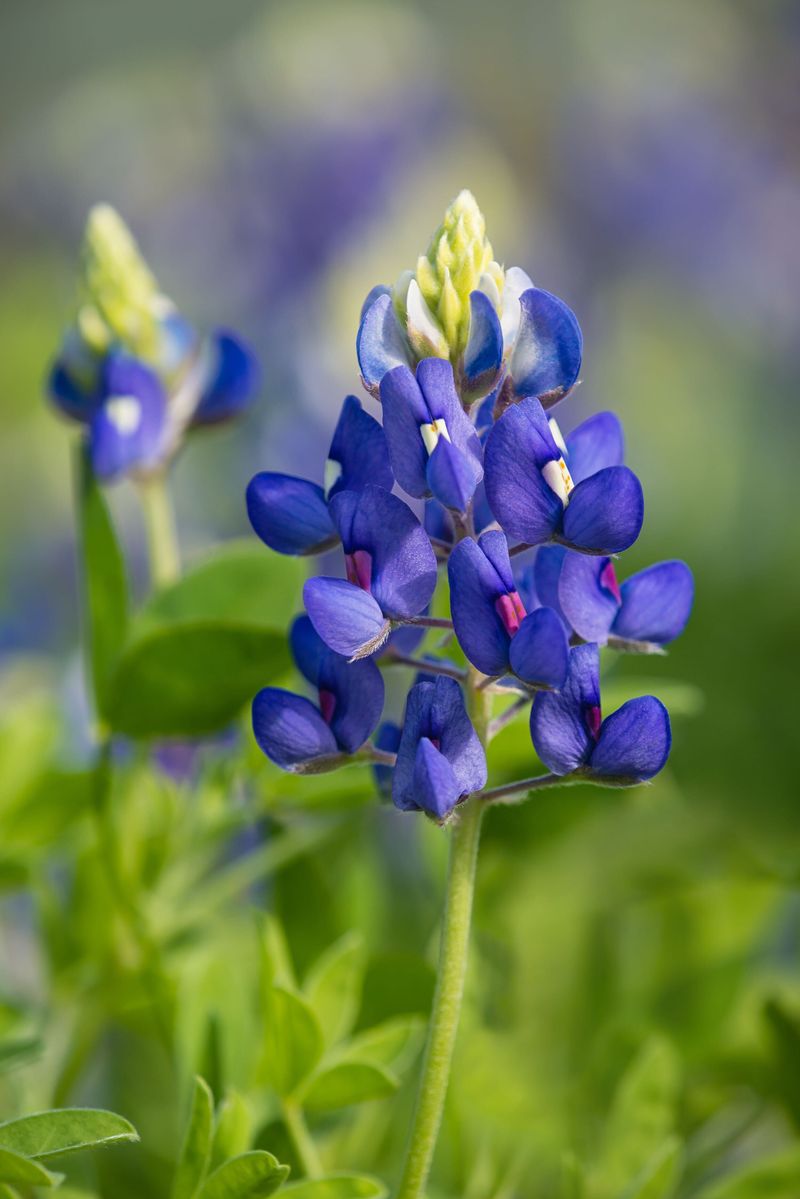
Nothing says Texas spring quite like a field of bluebonnets stretching across the landscape. This iconic wildflower has captured hearts for generations and serves as the official state flower.
Getting bluebonnets established in your garden takes a bit of patience, but the payoff is worth every minute.
Fall planting works best for bluebonnets in Texas. The seeds need cold stratification, which means they require exposure to winter temperatures to germinate properly.
Scatter seeds in October or November directly where you want them to grow. Bluebonnets develop long taproots that dislike transplanting, so starting them in their permanent location saves stress.
Choose a sunny spot with well-draining soil for best results. These flowers thrive in poor soil conditions and actually struggle in overly rich garden beds.
Sandy or rocky soil mimics their natural habitat perfectly. Once established, bluebonnets require minimal watering and handle Texas heat better than most ornamentals.
The blooms appear from March through May, creating stunning displays of blue and white flowers. Each plant reaches about 12 to 18 inches tall and spreads naturally through self-seeding.
After the first successful year, your bluebonnet patch will likely return and expand on its own. Bees and butterflies flock to these flowers, making them excellent pollinator plants.
Many Texas gardeners leave seed pods on the plants after blooming ends. This allows natural reseeding and ensures blooms for following years.
The plants go dormant during summer, disappearing completely until the next spring season arrives.
2. Texas Lantana (Lantana urticoides)
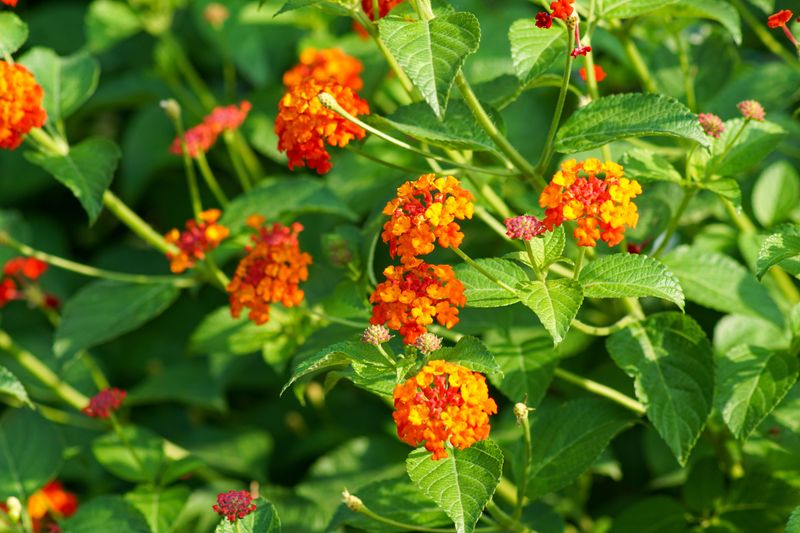
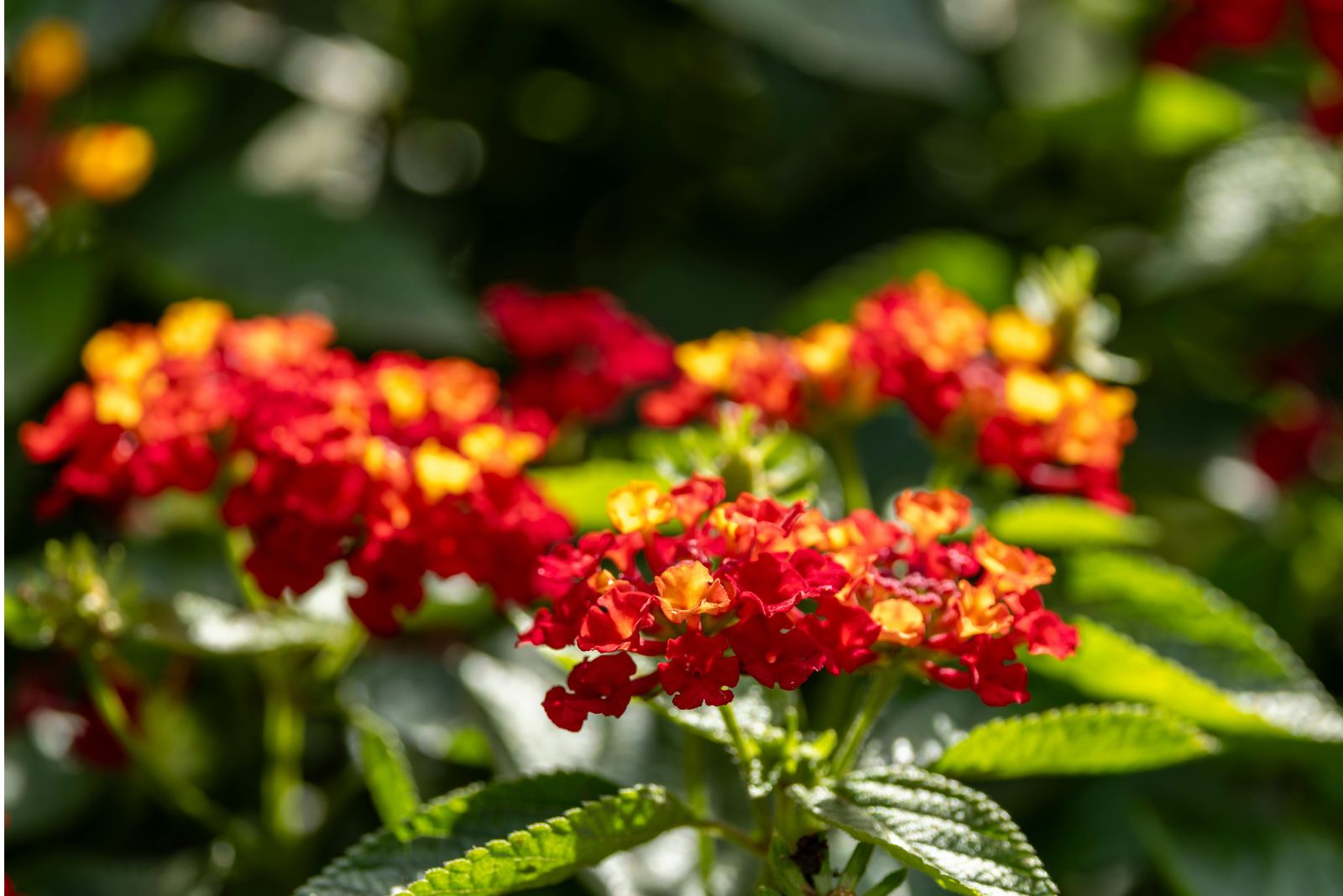
Butterflies cannot resist the bright, multicolored flower clusters that Texas lantana produces from spring through the first frost. This tough shrub laughs at heat and drought while pumping out blooms nonstop.
Gardeners across Texas rely on lantana for reliable color when other plants surrender to summer stress.
Texas lantana differs from the invasive tropical varieties sold at some nurseries. The native version behaves itself in the landscape and supports local ecosystems.
Look for Lantana urticoides specifically when shopping at garden centers. This variety typically displays orange and yellow flowers that age to pink and red.
Plant lantana in full sun for maximum flowering power. The shrub tolerates partial shade but produces fewer blooms in shadier conditions.
Once established, it handles extended dry periods without supplemental watering. Clay, sand, or rocky soil all work fine for this adaptable native.
Mature plants reach 3 to 5 feet tall and wide, creating substantial presence in the garden. The spreading habit makes lantana excellent for filling large spaces or cascading over walls and slopes.
Light pruning in early spring encourages bushier growth and more flowering stems.
Wildlife benefits extend beyond butterflies with lantana. Hummingbirds visit the tubular flowers regularly, and birds eat the small berries that form after blooming.
The foliage has a distinctive scent when brushed against, which some people love and others find strong. Deer typically avoid browsing lantana, making it perfect for areas where deer pressure causes problems.
3. Black-Eyed Susan (Rudbeckia hirta)
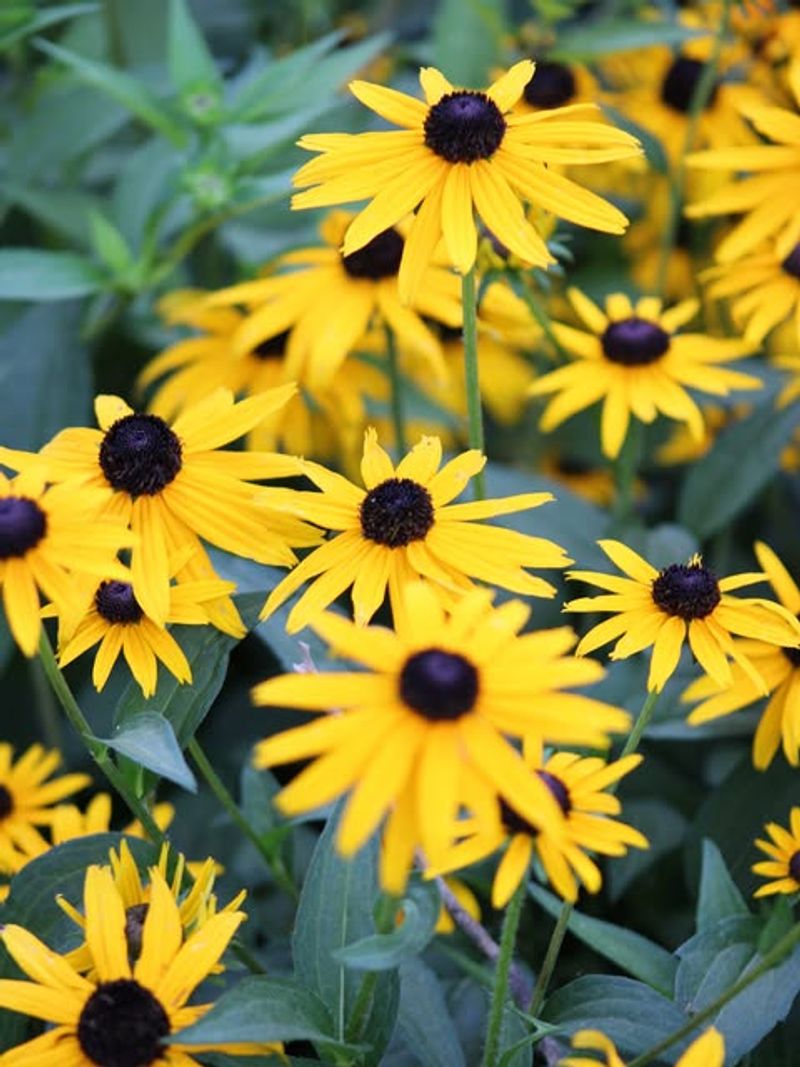
Golden petals radiating around dark chocolate centers make Black-Eyed Susans instantly recognizable in any Texas garden. These cheerful flowers bring sunshine to beds and borders from late spring through fall.
Rudbeckia hirta grows wild across Texas roadsides and meadows, proving its ability to thrive in local conditions without babysitting.
Starting Black-Eyed Susans from seed or transplants both work well. Seeds planted in fall or early spring germinate readily in Texas soil.
The plants often behave as short-lived perennials, returning for two or three years before needing replacement. Fortunately, they self-seed generously, so new plants pop up to replace older ones naturally.
Full sun locations produce the most prolific blooming, though these adaptable natives tolerate light shade. Average garden soil suits them fine without amendments or fertilizers.
Overwatering causes more problems than underwatering with Black-Eyed Susans. They evolved to handle Texas dry spells and actually prefer drier conditions once roots establish.
The flowers sit atop sturdy stems reaching 2 to 3 feet tall. Each bloom lasts for days, and plants produce flowers continuously for months.
Deadheading spent blooms encourages more flower production, but leaving some seed heads provides food for goldfinches and other seed-eating birds during fall and winter.
Black-Eyed Susans pair beautifully with purple coneflowers, salvias, and ornamental grasses in mixed borders. Their bright color contrasts nicely with blue and purple flowers.
These natives also excel in cutting gardens, lasting well in vases. Butterflies and bees visit the flowers constantly, adding movement and life to the garden throughout the growing season.
4. Flame Acanthus (Anisacanthus quadrifidus var. wrightii)
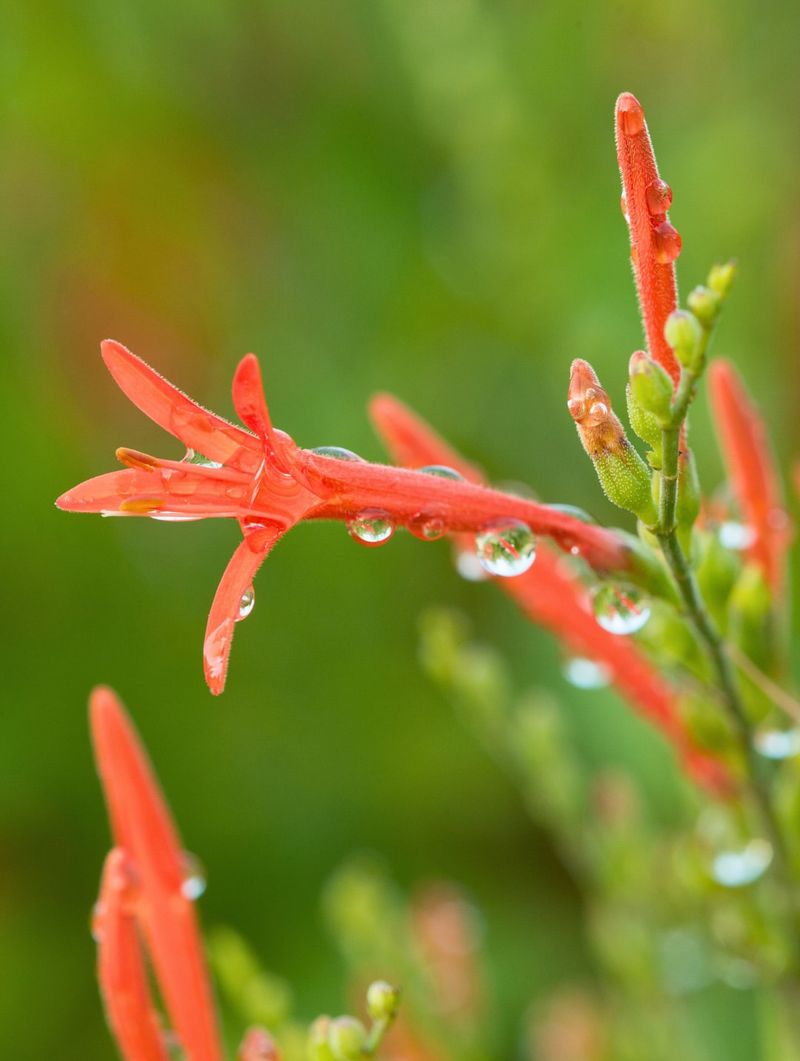
Hummingbirds zoom across Texas gardens searching for nectar-rich flowers, and flame acanthus tops their favorite list. The tubular orange-red blooms appear exactly when hummers need fuel most during fall migration.
Watching these tiny birds dart between flowers makes flame acanthus worth growing for the entertainment value alone.
This deciduous shrub handles extreme Texas conditions with grace. Scorching summer heat, poor soil, and extended drought barely slow it down.
Flame acanthus actually blooms more heavily during hot weather when many other plants pause flowering. The tough nature makes it ideal for low-maintenance landscapes and xeriscaping projects.
Plant flame acanthus in full sun to partial shade. It adapts to various soil types including clay, caliche, and rocky ground.
Established plants rarely need watering except during severe drought. The shrub grows 3 to 4 feet tall and wide, creating a rounded shape that needs little pruning.
Flowering begins in late spring but peaks during August and September. The bright orange-red blooms stand out against dark green foliage, creating dramatic contrast.
Each tubular flower measures about an inch long, perfectly sized for hummingbird beaks. Butterflies also visit the flowers, though hummingbirds dominate feeding activity.
Flame acanthus goes dormant after the first hard freeze, losing leaves until spring. Some gardeners cut the stems back in late winter, while others leave them standing for winter structure.
New growth emerges quickly when warm weather returns. The plant spreads slowly through underground stems, gradually forming larger clumps over time.
This native works beautifully in cottage gardens, wildlife gardens, and naturalized areas throughout Texas.
5. Gregg’s Mistflower (Conoclinium greggii)
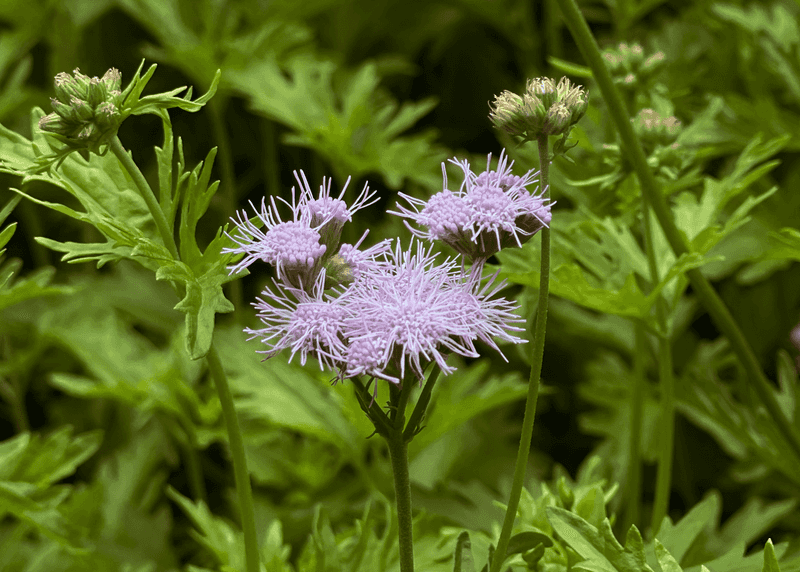
Monarch butterflies gather in clouds around Gregg’s mistflower during fall migration, creating unforgettable wildlife viewing opportunities.
The fluffy purple-blue flowers bloom from late summer through frost, providing crucial nectar when many other plants finish flowering. This low-growing perennial punches above its weight class for pollinator value.
Gregg’s mistflower thrives in challenging spots where other perennials struggle. Shallow rocky soil, clay hardpan, and slopes all suit this tough native.
It tolerates both sun and partial shade, making it versatile for different garden situations. The plant spreads through underground rhizomes, forming attractive groundcover colonies over time.
Mature plants reach 2 to 3 feet tall with a slightly wider spread. The soft, fuzzy flower clusters appear in terminal clusters atop the foliage.
Individual flowers measure small, but they pack together densely, creating substantial visual impact. The color ranges from light lavender to deeper purple-blue depending on growing conditions.
Water needs stay minimal once roots establish. Gregg’s mistflower handles short dry periods without wilting, though occasional deep watering during extended drought keeps plants looking their best.
Fertilizer rarely proves necessary, as the plant evolved in nutrient-poor Texas soils. Beyond monarchs, queen butterflies, painted ladies, and numerous other species visit the flowers constantly. Native bees also work the blooms heavily.
The long flowering period makes this native incredibly valuable for supporting pollinators during late season when food sources dwindle. Cutting back plants by half in midsummer encourages bushier growth and more flower production.
Gregg’s mistflower naturalizes easily in informal garden areas and works beautifully along borders or in cottage garden settings across Texas.
6. Turk’s Cap (Malvaviscus arboreus var. drummondii)
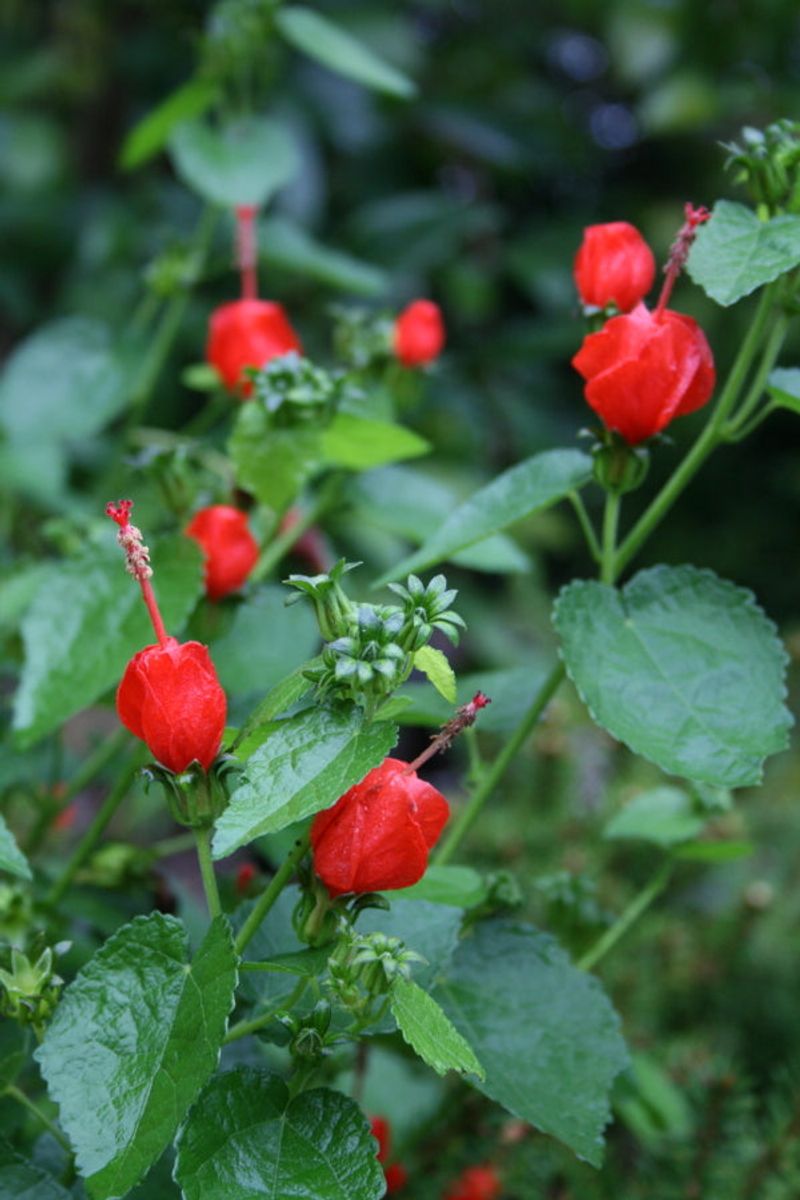
Shade gardening in Texas presents challenges, but Turk’s cap solves the problem beautifully. This native shrub produces unique red flowers that never fully open, creating a distinctive turban or fez shape.
The blooms appear from late spring through fall, providing reliable color in shady spots where most flowering plants fail.
Turk’s cap grows naturally in the understory of Texas forests and along creek banks. It tolerates deep shade better than almost any other flowering native.
The plant also handles full sun in cooler parts of Texas, though afternoon shade helps in hotter regions. Moist soil suits it best, but established plants tolerate short dry periods.
The shrub reaches 3 to 5 feet tall in most gardens, though it can grow larger in ideal conditions. The spreading habit creates substantial presence, making Turk’s cap effective for filling large shady areas.
Heart-shaped leaves provide attractive texture even when flowers take breaks between bloom cycles.
Hummingbirds love the tubular red flowers and visit constantly throughout the day. The blooms never open completely, staying partially closed in their distinctive shape.
After pollination, small red fruits develop that birds eagerly consume. The berries are technically edible for humans too, though they taste bland and seedy.
Turk’s cap rarely suffers from pest or disease problems in Texas gardens. Deer occasionally browse the foliage but usually leave plants alone.
The shrub goes dormant after hard freezes, losing leaves until spring warmth returns. Cutting stems back in late winter promotes bushier growth.
This native works perfectly in woodland gardens, shade borders, and naturalized areas throughout Texas where reliable shade-loving flowers prove hard to find.
7. Autumn Sage (Salvia greggii)
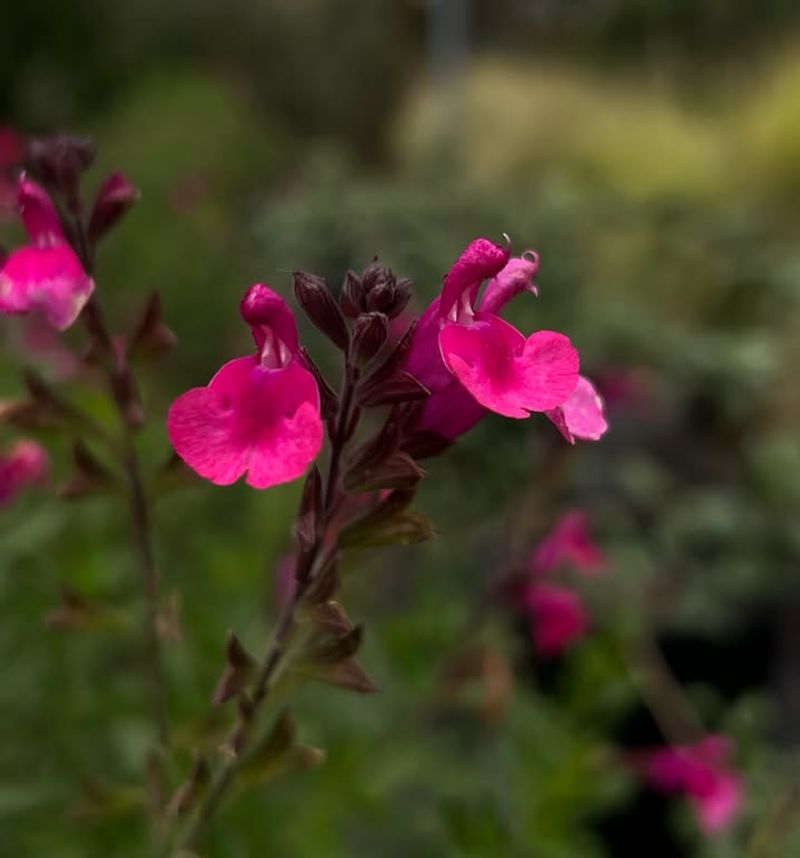
Few plants match autumn sage for sheer flower power and toughness in Texas gardens. This compact shrub blooms nearly year-round in milder parts of the state, taking brief breaks only during the coldest winter weeks.
Hummingbirds, butterflies, and bees visit the tubular flowers constantly, making every garden feel alive with activity.
Salvia greggii comes in numerous color forms including red, pink, white, orange, and purple. The classic red variety attracts the most hummingbirds, but all colors draw pollinators effectively.
Mixing different colors creates stunning combinations in borders and foundation plantings. Garden centers across Texas stock multiple varieties, making selection fun.
Full sun and well-draining soil produce the healthiest plants. Autumn sage tolerates rocky, sandy, or clay soil without amendments.
Overwatering causes more problems than drought for this native. Once established, plants handle extended dry periods without supplemental irrigation. The shrub grows 2 to 3 feet tall and wide, maintaining a neat rounded shape.
Flowers appear on new growth, so light pruning after major bloom cycles encourages fresh flowering stems. Many Texas gardeners trim plants back by one-third in early spring and again in midsummer.
This keeps autumn sage compact and promotes heavier blooming. Deadheading individual spent flowers proves unnecessary since new blooms cover old ones quickly.
Autumn sage works beautifully in xeriscapes, cottage gardens, and formal borders. The long flowering period provides consistent color when other plants rest between bloom cycles.
Deer usually avoid browsing the aromatic foliage, making this native perfect for areas with heavy deer pressure.
Combining autumn sage with other natives like lantana, black-eyed susans, and ornamental grasses creates stunning low-maintenance plantings that celebrate Texas natural beauty.