7 Texas Native Trees You’ll Almost Never Find At A Nursery
Walk through most garden centers in Texas and you will notice the same familiar trees lined up row after row. They grow fast, look neat, and sell well.
Still, beyond those common picks, Texas is home to many native trees that rarely make it onto nursery lots. These hidden gems have adapted for centuries to local soil, heat, drought, and shifting weather.
Many of these lesser known natives offer strong roots, natural resilience, and real character that mass market trees often lack.
Some provide excellent shade, others support birds and pollinators, and many handle tough Texas conditions with little extra care. Once established, they can thrive for years while using fewer resources.
Finding these trees may take a little effort, but the reward is worth it. Planting rare Texas natives brings uniqueness to your landscape, strengthens local ecosystems, and creates a yard that feels truly connected to the region’s natural heritage.
1. Desert Willow
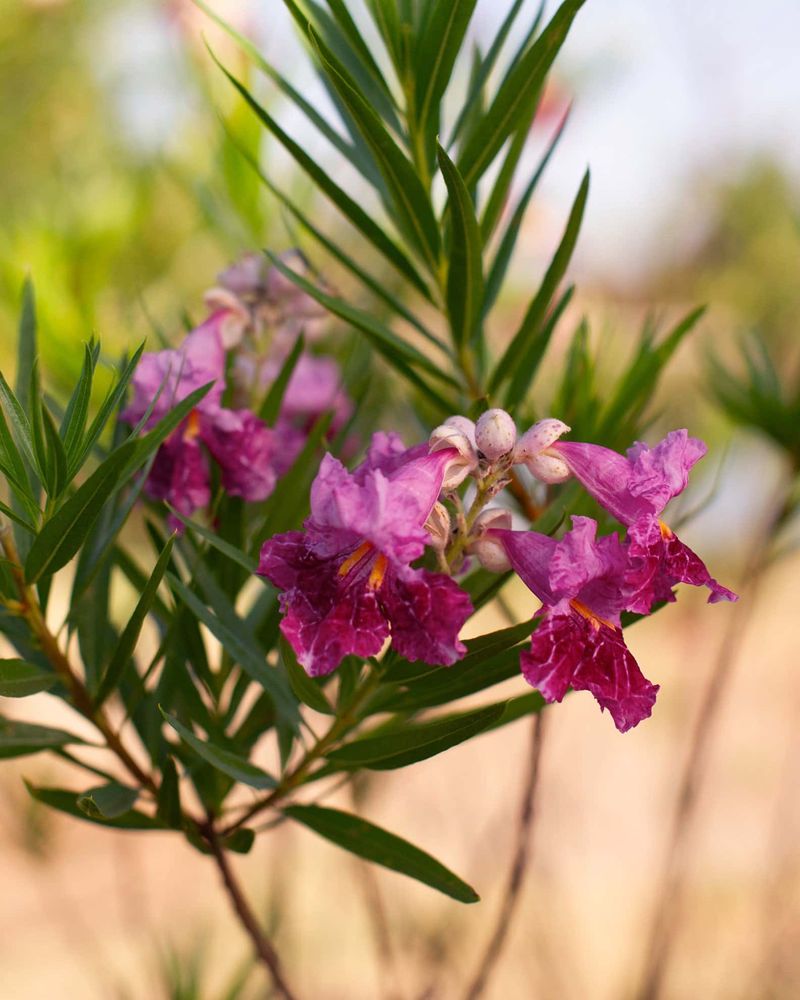
Desert willow isn’t actually a willow at all, but it sure looks like one with its long, narrow leaves that flutter in the breeze. This small tree puts on a spectacular show from late spring through fall, covering itself in tubular flowers that look like orchids.
The blooms come in shades of pink, purple, white, or burgundy, and hummingbirds absolutely love them.
Gardeners across Texas would snap these up if nurseries stocked them regularly, but there’s a problem. Desert willows grow quickly in the ground but struggle in containers, developing root systems that hate being confined.
They also need excellent drainage and can look scraggly when young, which doesn’t help sales.
In their natural habitat along dry washes and rocky slopes in West Texas, these trees handle extreme heat and drought like champions. Once established in your yard, they need almost no supplemental water even during brutal summer months.
The seed pods that follow the flowers hang on through winter, adding interesting texture to the bare branches.
You can find desert willows growing wild in the Trans-Pecos region and parts of South Texas, where they’ve adapted to some of the harshest conditions in the state.
Some specialty native plant nurseries do carry them during spring sales, but you’ll need to act fast because they sell out quickly.
Growing from seed is another option, though it takes patience. The reward is a tough, beautiful tree that thrives where others struggle and brings pollinators to your yard all summer long.
2. Desert Hackberry
Most Texans know the common hackberry that drops messy berries all over sidewalks and driveways. Its cousin, the desert hackberry, is a completely different character.
This tough little tree stays smaller, rarely exceeding 20 feet, and has a naturally attractive rounded shape that needs no pruning.
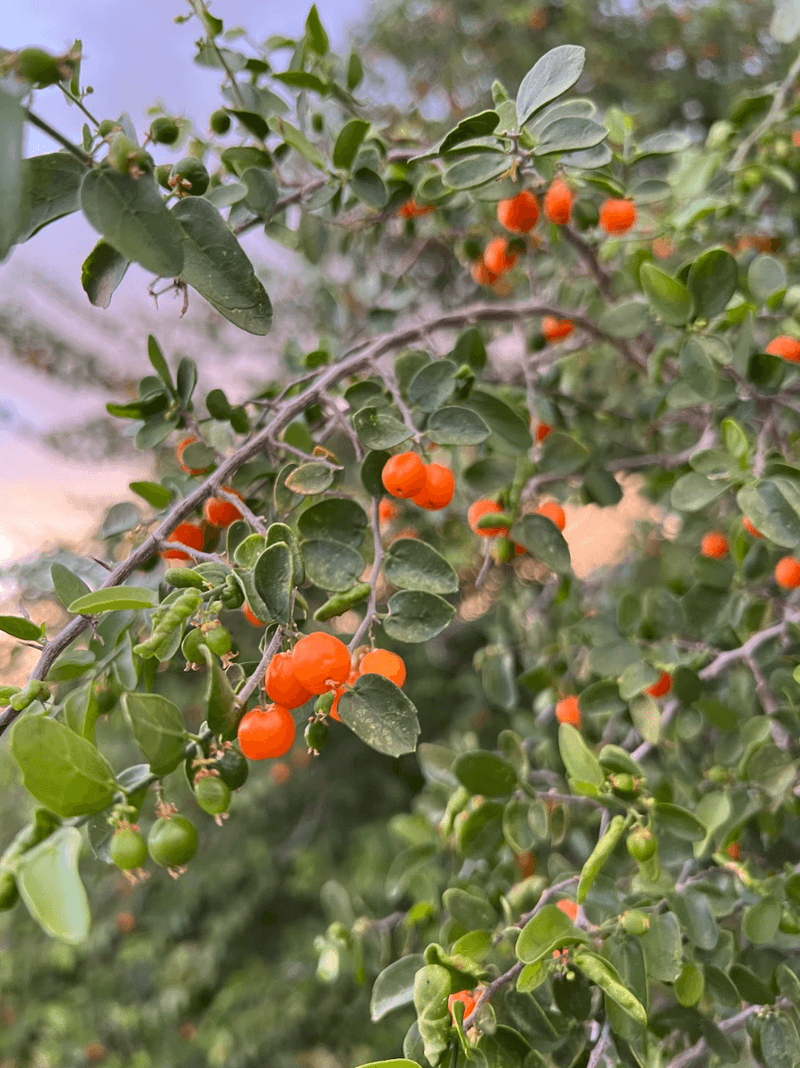
The bark is the real showstopper, covered in distinctive corky warts that give the trunk amazing texture and visual interest year-round. Birds go crazy for the small orange berries that ripen in fall, and the dense branching provides excellent nesting sites.
Despite these qualities, you’ll almost never see desert hackberry at garden centers in Texas.
The problem is purely commercial. These trees grow slowly in nursery pots and take years to reach a sellable size.
Customers want instant gratification, and a three-foot sapling in a five-gallon container doesn’t look impressive enough to justify the price nurseries would need to charge.
In the wild, desert hackberry thrives across the western half of Texas, from the Panhandle down through the Hill Country and into South Texas. It handles alkaline soil, drought, and blazing sun without complaint.
The small leaves stay on the tree longer than many deciduous species, providing late-season interest.
If you can locate a young desert hackberry in the wild or at a rare native plant sale, grab it. Once planted, it asks for nothing but will give you decades of low-maintenance beauty.
The wildlife value alone makes it worth the search, as both birds and butterflies depend on native hackberries for food and shelter.
3. Mexican Plum
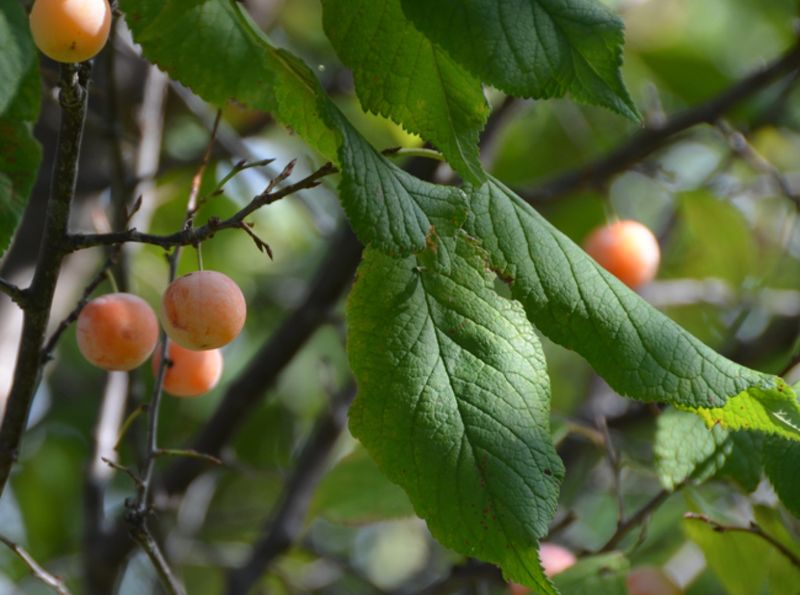
Picture a tree completely covered in white flowers before a single leaf appears, and you’ve got Mexican plum in early spring. This small ornamental tree rivals anything you’d find in a fancy landscape catalog, yet it’s perfectly adapted to Texas conditions.
The fragrant blooms emerge in late February or March, creating a cloud of white that signals winter’s end.
After the flowers fade, the tree leafs out with attractive foliage that turns shades of orange and red in fall. Small purple plums ripen in summer, and while they’re tart for fresh eating, they make excellent jam and provide food for wildlife.
The smooth gray bark adds winter interest after the leaves drop.
So why can’t you find Mexican plum at your local nursery? The answer lies in propagation challenges and slow growth.
These trees are tricky to grow from cuttings and take several years to reach a marketable size in containers. They also have specific chilling requirements that make them unsuitable for the hottest parts of South Texas.
Mexican plum grows naturally in the eastern two-thirds of Texas, particularly in the Cross Timbers and Hill Country regions.
It prefers limestone-based soils and part shade but adapts to full sun once established. The trees stay small, usually under 25 feet, making them perfect for residential landscapes.
Native plant enthusiasts treasure Mexican plum, and the few specialty nurseries that grow them sell out quickly each spring.
If you find one, expect to pay a premium for the privilege of owning this spectacular native. The investment pays off with decades of spring beauty and ecological benefits.
4. Evergreen Sumac
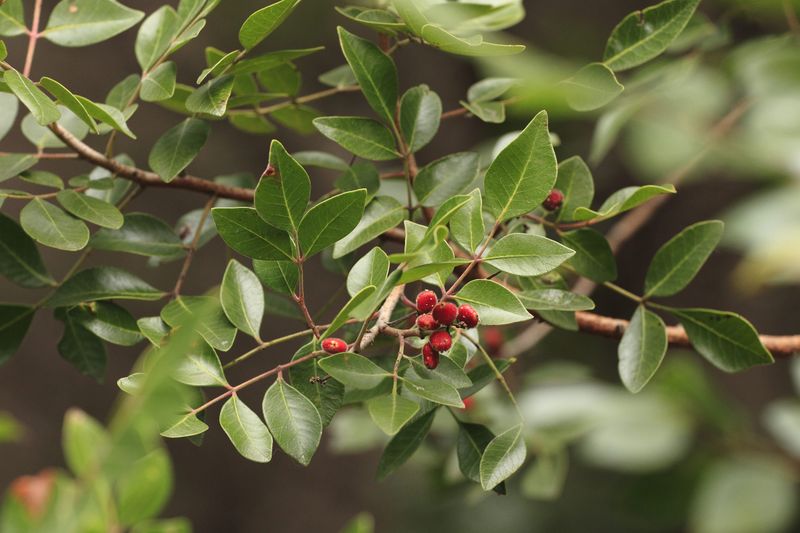
Don’t let the name fool you. Evergreen sumac is actually semi-evergreen in most of Texas, holding its leaves through mild winters but dropping them during hard freezes.
This large shrub or small tree deserves way more attention than it gets, offering glossy compound leaves, fragrant white flower clusters, and small red berries that birds devour.
The foliage is the main attraction, staying dark green and healthy-looking even during drought. New growth emerges with a reddish tint, adding extra color interest.
The plant naturally forms a rounded shape and can be pruned into a small tree or left as a multi-stemmed shrub. It works beautifully as a screen or background plant.
Nurseries in Texas rarely stock evergreen sumac because it has a bad reputation, though it doesn’t deserve it. Many people hear “sumac” and think of poison sumac, but evergreen sumac is completely harmless and actually quite attractive.
It also grows slowly in containers, making it unprofitable for commercial growers who need quick turnover.
This tough native thrives across Central and West Texas, particularly in the Hill Country where it grows on rocky slopes and canyon walls.
It handles alkaline soil, intense heat, and long periods without rain. Once established, it needs no supplemental irrigation and virtually no maintenance.
The flowers appear in late summer, attracting bees and other pollinators when many other plants have finished blooming. The berries that follow provide important food for birds heading south for winter.
If you can track down evergreen sumac at a native plant sale or specialty nursery, you’re getting a landscape workhorse that performs year after year with zero fuss.
5. Hog Plum
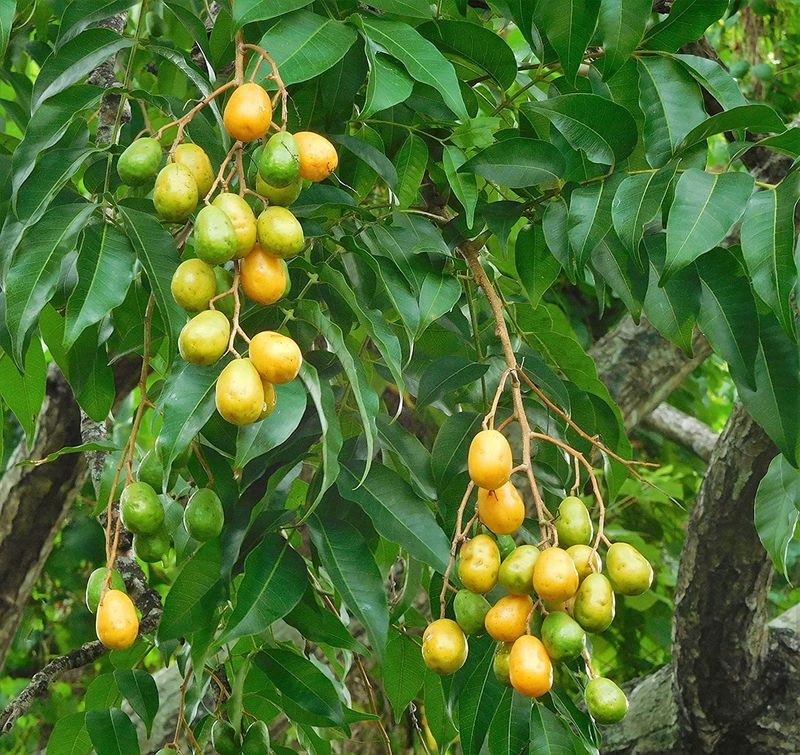
Hog plum gets its unflattering name from wild pigs that love eating the tart red fruits, but this native tree deserves better.
Also called flatwoods plum or wild plum, it produces clouds of white flowers in early spring before the leaves emerge. The show rivals any ornamental cherry or plum you’d pay big money for at a garden center.
The fruits ripen to bright red or yellow in late summer, and while they’re too sour for most people to eat fresh, they make outstanding jelly. Wildlife, including birds and mammals, feast on them throughout fall.
The tree itself stays relatively small, usually under 20 feet, with an open, spreading crown that provides dappled shade.
Finding hog plum at a Texas nursery is nearly impossible. The trees form root suckers that make them spread in the wild, which sounds like a negative trait to commercial growers.
They also have specific growing requirements that make them finicky in containers. Most importantly, the common name just doesn’t sound appealing to customers browsing for landscape plants.
In nature, hog plum grows in the eastern forests of Texas, particularly in areas with acidic sandy soil.
It tolerates more shade than most fruit-bearing natives and actually prefers afternoon protection from the brutal western sun. The fall color can be quite nice, with leaves turning shades of yellow and orange.
If you have a naturalistic landscape or wooded area on your property in East Texas, hog plum would be a fantastic addition. The spring flowers alone justify the effort of tracking one down at a native plant sale or growing from seed.
Just be prepared for it to spread slowly through root suckers, which is actually a benefit if you want to create a thicket for wildlife.
6. Golden Ball Lead Tree
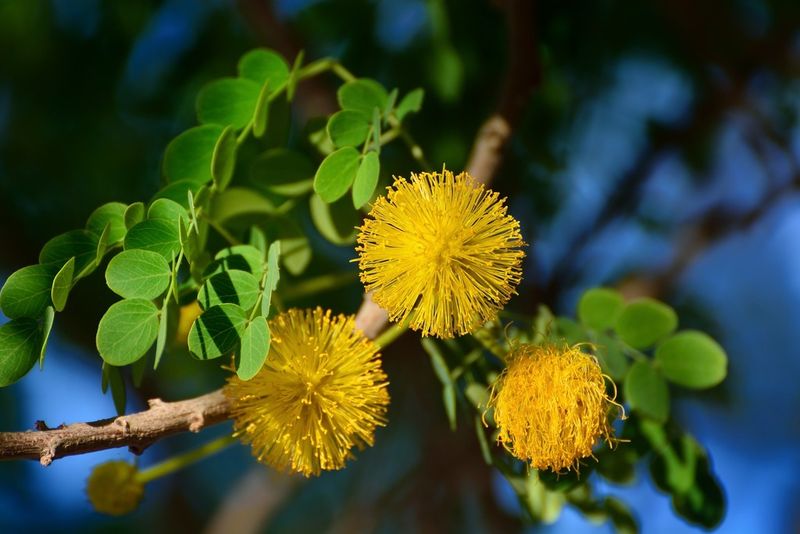
Imagine dozens of bright yellow pompoms covering a small tree in late spring, and you’ve got golden ball lead tree in full bloom. This unique native produces spherical flower clusters that look like they belong in a Dr. Seuss book.
The flowers are followed by flat seed pods that dangle from the branches, adding movement and interest through summer and fall.
The foliage is equally attractive, with finely divided compound leaves that give the tree a soft, feathery texture.
It stays relatively small, usually under 15 feet, and has a naturally attractive vase shape that needs little pruning. The light shade it casts allows you to grow other plants underneath.
Despite its ornamental value, golden ball lead tree is virtually unknown in the nursery trade across Texas. Part of the problem is the unfortunate common name, which contains the word “lead” and sounds vaguely toxic even though the tree is perfectly safe.
It also grows quickly from seed in the wild but struggles in nursery pots, developing a deep taproot that resents transplanting.
This tree thrives across South Texas and into the Hill Country, growing naturally along roadsides, fence lines, and disturbed areas.
It handles poor soil, drought, and intense heat without complaint. The flowers attract numerous pollinators, and the seeds feed birds and small mammals.
Golden ball lead tree fixes nitrogen in the soil, actually improving the ground where it grows. This makes it valuable for restoration projects and challenging sites where other plants struggle.
If you can find seeds or a small plant at a native plant society sale, you’re getting a conversation-starter that performs beautifully with zero maintenance once established in your Texas landscape.
7. Osage Orange
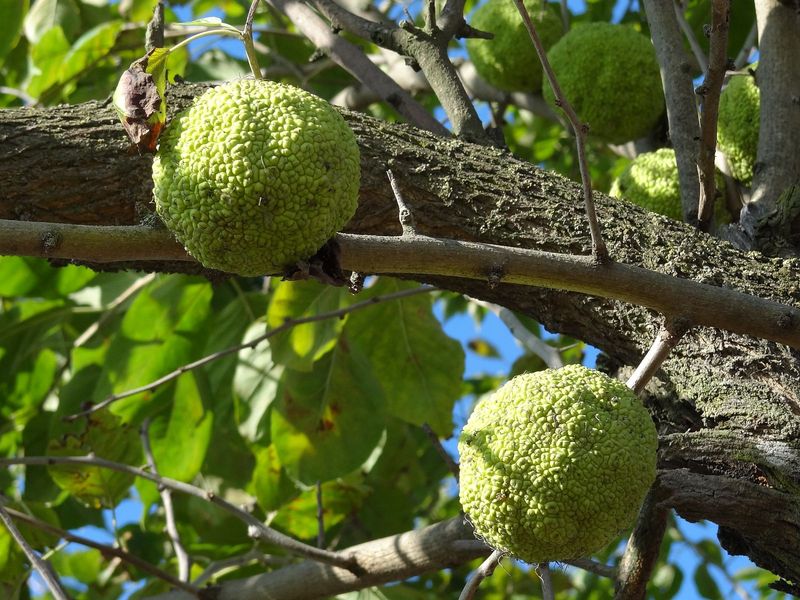
Osage orange produces the weirdest fruit you’ll ever see on a tree. These bumpy, brain-like spheres grow as large as softballs and turn bright chartreuse when ripe.
The tree itself is equally distinctive, with gnarly thorns on young branches and bright orange wood that pioneers once prized for making bows and fence posts.
Before barbed wire was invented, Osage orange was the go-to tree for living fences across Texas and the Great Plains. Farmers planted them in tight rows and pruned them into impenetrable barriers that kept livestock contained.
The wood is incredibly dense and rot-resistant, lasting for decades even when placed directly in soil.
You won’t find Osage orange at garden centers for several good reasons. The thorns are vicious, capable of puncturing tractor tires and causing serious injury.
The fruits are messy, dropping in fall and creating a cleanup nightmare. The trees also grow large, up to 50 feet tall and wide, which is too big for most modern residential lots.
Despite these drawbacks, Osage orange has significant ecological value in Texas. The dense branching provides excellent nesting sites for birds, and the fruits, though inedible to humans, may have fed now-extinct megafauna.
Squirrels occasionally gnaw on them, and the seeds inside are nutritious.
These trees grow throughout the eastern half of Texas, often along old fence lines where they were originally planted. They handle any soil type, tolerate drought once established, and live for over a century.
The fall color is a clear, bright yellow that lights up the landscape. If you have acreage and want a piece of Texas agricultural history, Osage orange delivers, but it’s definitely not a tree for small suburban yards.