4 Texas Plants That Are Toxic For Dogs (Plus 3 Safe Alternatives)
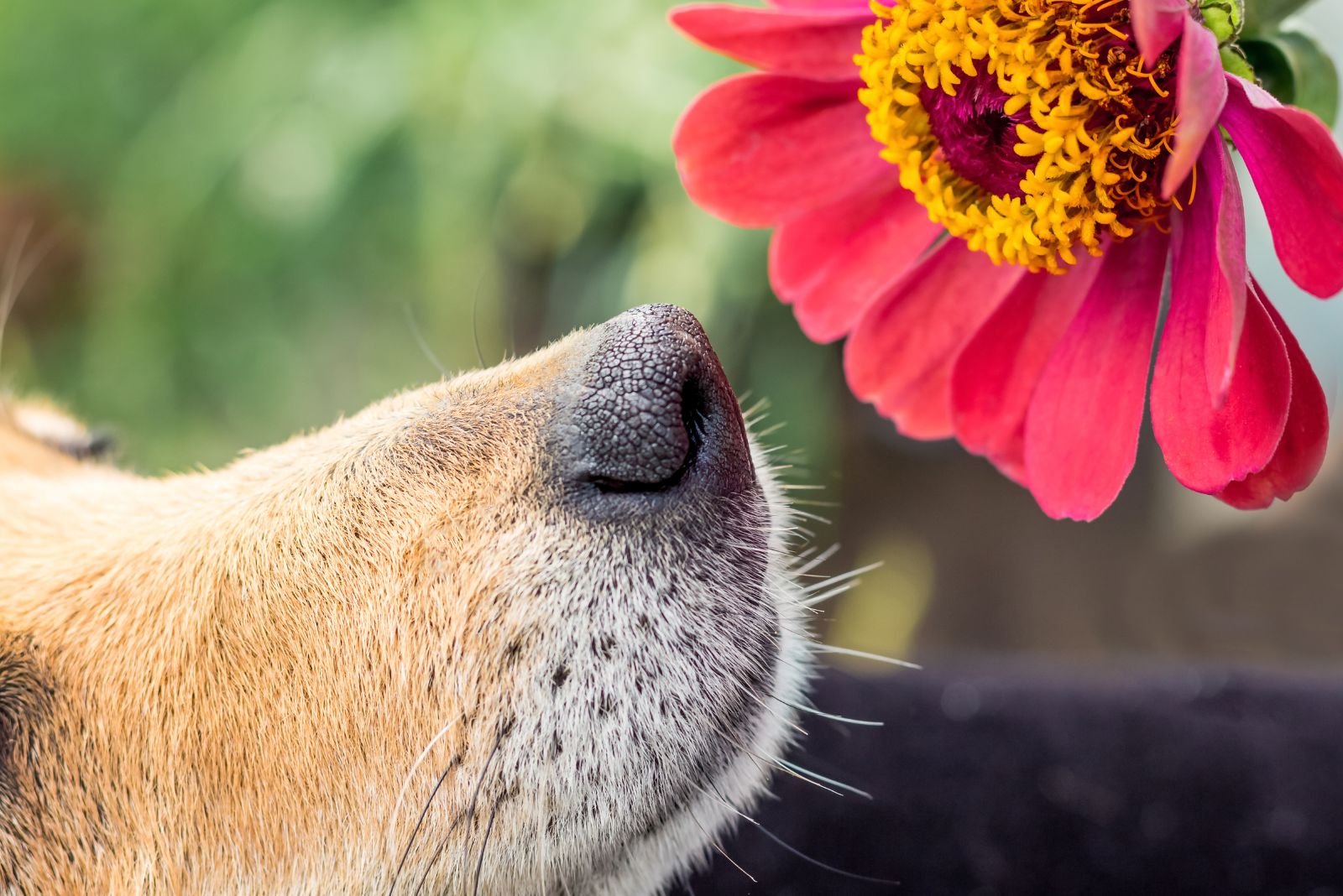
Texas gardens are full of beautiful plants that add color, texture, and life to your yard, but not every plant is safe for dogs.
Curious pups love to sniff, chew, and explore, and even a small bite of certain plants can cause upset stomachs, drooling, or more serious health issues.
Knowing which plants are toxic helps protect your furry friends while keeping your garden vibrant.
Some popular plants in Texas, like oleander, azaleas, and sago palms, can be dangerous to dogs. They may look appealing, but even a little ingestion can cause serious reactions.
The good news is that there are plenty of safe, dog-friendly alternatives that still bring beauty, color, and texture to your garden without putting pets at risk.
By choosing non-toxic plants and replacing risky species, Texas gardeners can enjoy lush, healthy landscapes while keeping dogs happy and safe. It’s possible to have a gorgeous yard and worry-free pets at the same time.
1. Sago Palm (Cycas Revoluta)
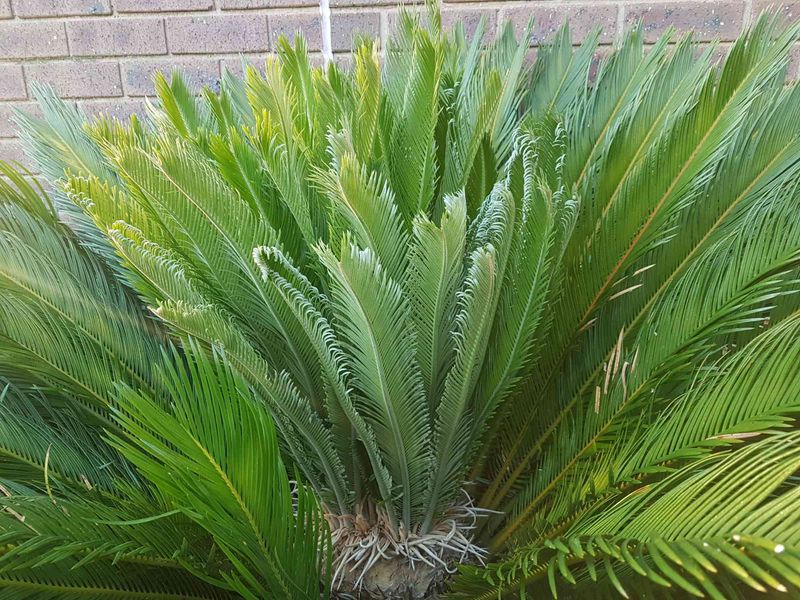
Walk through almost any neighborhood in South or Central Texas and you will likely spot a Sago Palm.
These low-growing plants with their stiff, dark green fronds look beautiful in landscaping. But for dogs, they are one of the most dangerous plants around.
Every single part of the Sago Palm is poisonous to dogs. The seeds, also called nuts, are the most toxic part of the plant. Even eating just one seed can cause serious harm to a dog.
Symptoms of Sago Palm poisoning usually show up within 15 minutes to a few hours after a dog eats any part of the plant.
You might notice your dog vomiting, acting sluggish, or refusing to eat. Liver failure can follow within a few days if treatment is not started right away.
Sago Palms are incredibly common in warm parts of Texas because they handle heat and drought well. Many homeowners plant them without knowing just how toxic they are.
They also grow slowly, which makes them popular for low-maintenance landscaping.
If you have a dog and a Sago Palm in your yard, the safest option is to remove the plant completely. If removal is not possible right away, block your dog’s access to it at all times. Never leave seeds or fallen fronds on the ground where a curious dog can sniff them out.
If you think your dog has eaten any part of a Sago Palm, call your vet or an animal poison control hotline immediately. Fast action is the best way to protect your dog.
2. Oleander (Nerium Oleander)
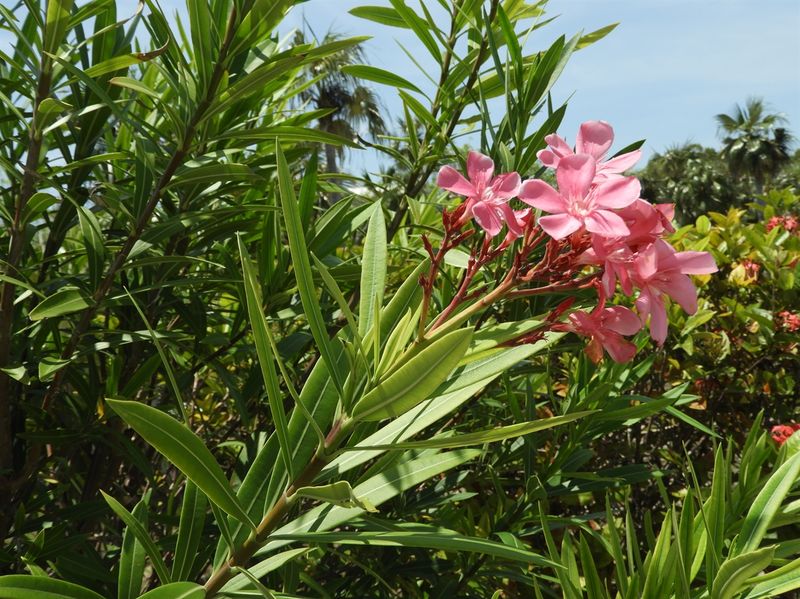
Oleander is one of those plants that looks absolutely gorgeous but hides a very dangerous secret. Across warm parts of Texas, you will find this flowering shrub planted in yards, along highways, and in public parks.
Its bright blooms come in pink, red, white, and yellow, making it a popular choice for landscaping.
The problem is that every single part of the Oleander plant contains powerful cardiac toxins called cardenolides. These chemicals can affect a dog’s heart rhythm and cause severe illness very quickly. Even small amounts can be harmful, and there is no antidote.
If a dog chews on Oleander leaves, flowers, or stems, symptoms can appear fast. Watch for drooling, vomiting, weakness, trembling, and irregular heartbeats. In serious cases, a dog may collapse or lose consciousness.
Oleander thrives in Texas heat and handles drought conditions well, which is exactly why it is planted so widely across the state. Gardeners in cities like Austin, Dallas, and El Paso often use it as a privacy hedge or decorative border.
Its toughness in hot climates makes it attractive, but that same hardy nature means it sticks around in yards for years.
Dog owners in Texas should seriously consider replacing Oleander with a non-toxic alternative. If you keep it in your yard, make sure your dog cannot access it under any circumstances.
Always call your vet right away if you think your dog has eaten any part of an Oleander plant. Quick treatment greatly improves outcomes.
3. Lantana (Lantana Camara)
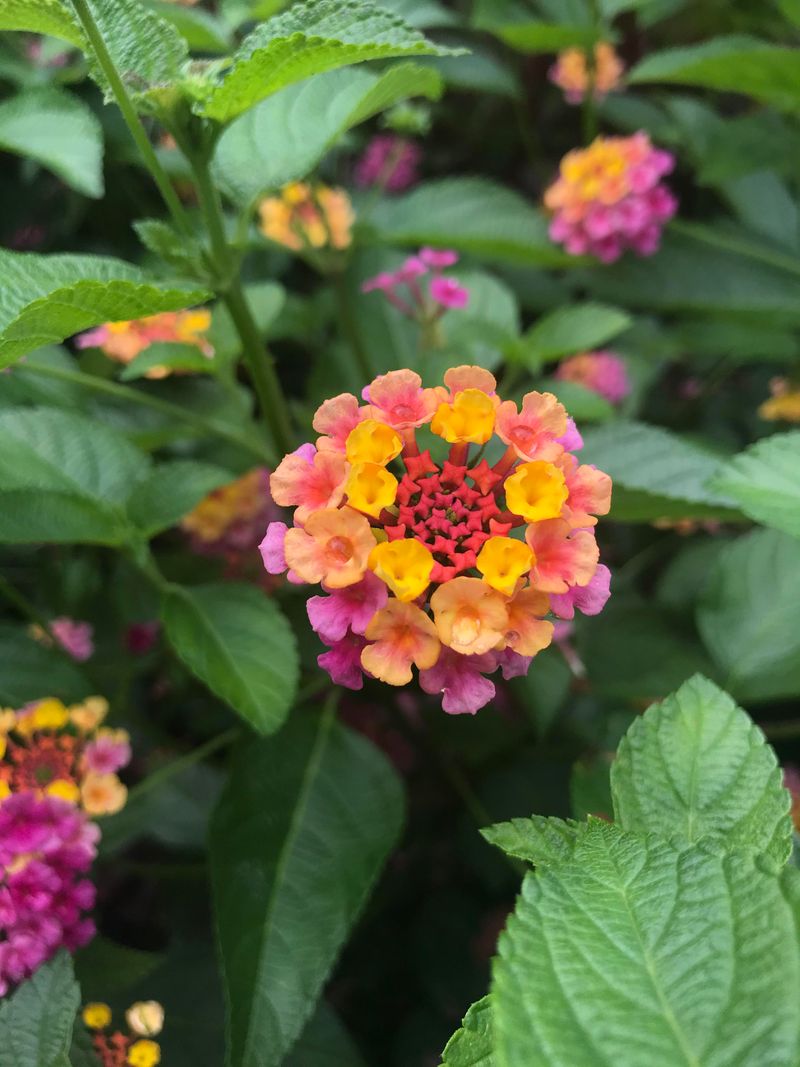
Lantana is one of the most cheerful-looking plants you will find growing across Texas. With its clusters of tiny flowers in shades of orange, red, yellow, and pink, it adds a burst of color to any garden.
Butterflies love it, and Texas gardeners love it too. But if you have a dog, Lantana is a plant you need to watch carefully.
The green, unripe berries of the Lantana plant are the most toxic part for dogs. These small berries can cause digestive problems, liver issues, and serious discomfort.
Even the leaves and flowers carry some level of toxicity, so no part of the plant should be considered fully safe.
Dogs who eat Lantana berries may show signs like vomiting, diarrhea, sluggishness, and loss of appetite. Liver-related symptoms can develop over the following days if the dog does not receive care. Young puppies are at higher risk because of their smaller body size.
Lantana grows wild all over Texas and is also widely planted in home gardens and public spaces.
It handles the Texas heat beautifully and requires very little water once established. You will find it everywhere from East Texas woodlands to the dry landscapes of West Texas.
If Lantana grows in your yard, keep a close eye on where your dog roams. Remove fallen berries from the ground regularly to reduce the risk of your dog snacking on them.
Your vet should be contacted right away if you notice any unusual symptoms after your dog has been near a Lantana plant.
4. Azalea / Rhododendron (Rhododendron Spp.)
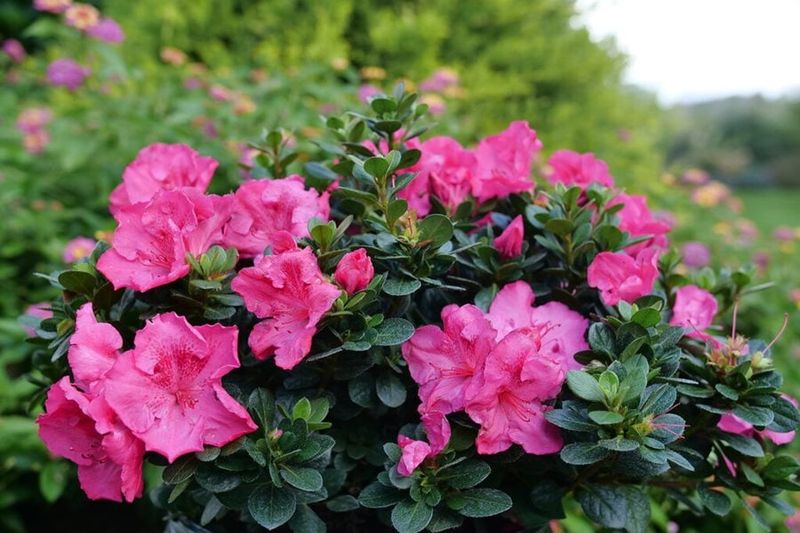
Few plants put on a spring show quite like the Azalea. In parts of East Texas especially, Azaleas are a beloved sign of the season, with their bold bursts of pink, purple, red, and white flowers.
Many Texas homeowners plant them along fences or under trees for a stunning visual effect.
What many people do not realize is that Azaleas, which belong to the Rhododendron family, contain toxic compounds called grayanotoxins.
These chemicals interfere with the normal function of nerve and muscle cells in a dog’s body. Even a small amount of the plant can cause noticeable symptoms.
A dog that chews on Azalea leaves or flowers may start drooling heavily, vomiting, and showing signs of weakness.
In more serious cases, heart rhythm problems and a drop in blood pressure can occur. Some dogs may appear wobbly or disoriented after eating this plant.
Azaleas are especially popular in the eastern and northern regions of Texas where the soil and climate support their growth. Cities like Lufkin and Nacogdoches in the Piney Woods area are well known for their gorgeous Azalea displays.
However, just because they are beautiful does not mean they are safe for your four-legged family members.
If Azaleas are growing in your yard, try planting them in raised beds or fenced areas that your dog cannot reach.
Better yet, consider swapping them out for a dog-safe blooming shrub. Always reach out to your vet immediately if your dog shows any signs of plant poisoning.
5. Windmill Palm (Trachycarpus Fortunei)
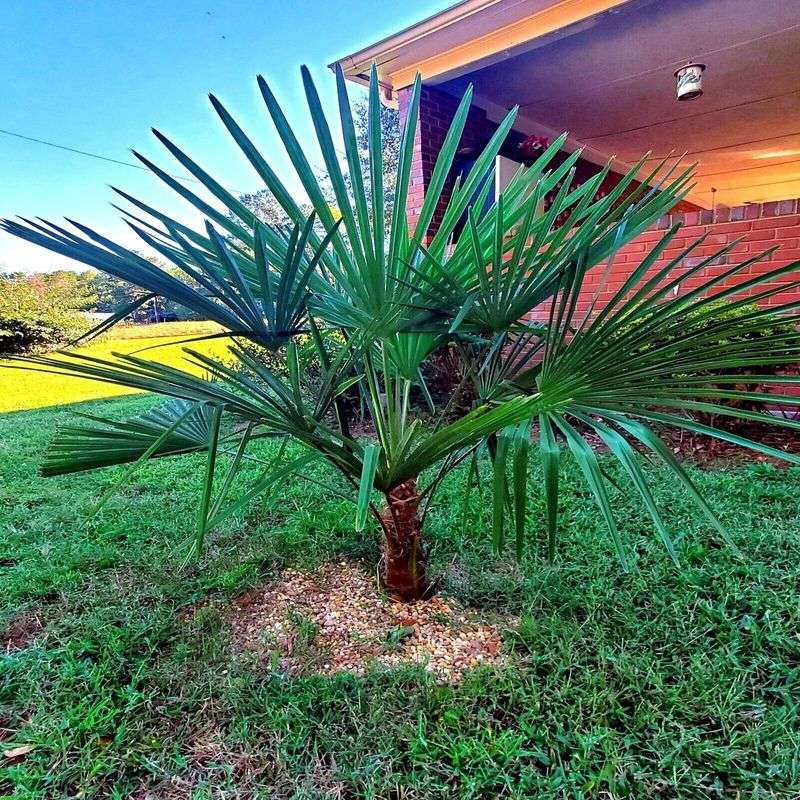
Good news for Texas dog owners who love the tropical look of palms: the Windmill Palm is completely non-toxic to dogs. You can enjoy the lush, exotic feel of a palm tree in your yard without worrying every time your pup wanders near it. That peace of mind is priceless.
The Windmill Palm gets its name from its fan-shaped, circular fronds that spread out like the blades of a windmill.
It grows upright with a slender trunk and can reach impressive heights over time. Its striking appearance makes it a popular ornamental choice across many Texas regions.
One of the best things about this palm is its hardiness. Unlike many tropical plants, the Windmill Palm can handle cooler temperatures, making it suitable for areas across Central and North Texas where winters can get chilly.
It handles Texas summers with ease and requires moderate watering once established.
Compared to the Sago Palm, which is dangerously toxic, the Windmill Palm gives you a very similar tropical aesthetic with zero risk to your dog. Many Texas landscapers recommend it as a direct swap for homeowners who want that palm tree vibe without the danger.
Windmill Palms grow well in full sun to partial shade and are relatively low maintenance. They do not spread aggressively, so they stay where you plant them without taking over your yard.
If you are redesigning your Texas yard with dogs in mind, the Windmill Palm is a smart, stylish, and safe choice that checks all the right boxes.
6. Esperanza / Yellow Bells (Tecoma Stans)
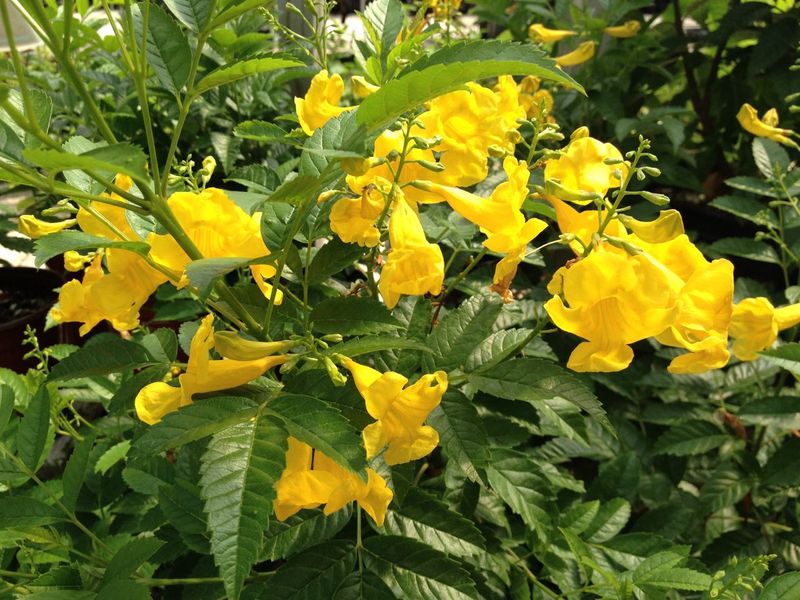
If you want color, heat tolerance, and total peace of mind around your dog, Esperanza is the plant for you.
Known by many Texans as Yellow Bells, this cheerful shrub bursts into brilliant yellow trumpet-shaped flowers from late spring all the way through fall. It is a true Texas favorite.
Esperanza is non-toxic to dogs, which makes it a fantastic option for pet-friendly yards across the state.
You can plant it near pathways, along fences, or as a focal point in your garden without any concern about your dog sniffing around it. That combination of beauty and safety is hard to beat.
This plant is incredibly well-suited to the Texas climate. It loves full sun and handles intense heat and drought conditions like a champion.
Once it gets established in the ground, it needs very little extra watering, which is a huge bonus during those blazing Texas summers.
Esperanza grows fast and can reach five to eight feet tall, making it useful as a natural privacy screen or a bold garden statement. Hummingbirds and butterflies are drawn to its flowers, so planting it also supports local pollinators across Texas.
You will find Esperanza thriving in gardens from San Antonio to Corpus Christi and beyond. It is widely available at Texas nurseries and is often recommended by local garden experts for low-maintenance, dog-friendly landscaping.
Swapping out a toxic shrub like Oleander for Esperanza is a simple change that can make your outdoor space both beautiful and much safer for your pup.
7. Zinnias

Bright, bold, and totally dog-safe, Zinnias are one of the easiest and most rewarding flowers you can grow in a Texas garden.
These cheerful annuals come in nearly every color imaginable, from deep red and hot pink to soft white and golden yellow. They bring serious color to any yard all season long.
Zinnias are completely non-toxic to dogs, so if your pup decides to sniff, nudge, or even chew on one, you do not need to panic. That kind of worry-free gardening is exactly what dog owners across Texas are looking for.
One of the biggest reasons Texas gardeners love Zinnias is how well they handle the heat. These flowers thrive in full sun and actually bloom more vigorously as temperatures climb.
They are a perfect match for the long, hot Texas summers that can cause many other flowers to struggle.
Growing Zinnias from seed is easy and affordable. You simply scatter seeds in a sunny garden bed after the last frost, water them in, and watch them take off.
They grow quickly and start blooming within weeks, which is very satisfying for beginner gardeners.
Zinnias also attract butterflies, bees, and other pollinators, making your garden a lively, buzzing space throughout the warm season. They are a great addition to any Texas yard that needs both color and ecological value.
Whether you garden in Dallas, Houston, or a small Texas town, Zinnias are a simple, safe, and stunning way to add life to your outdoor space without putting your dog at risk.